



25
It’s the roughest, toughest and most brutal rally-raid on the planet. Here’s the bluffer’s guide to this year’s Saudi adventure
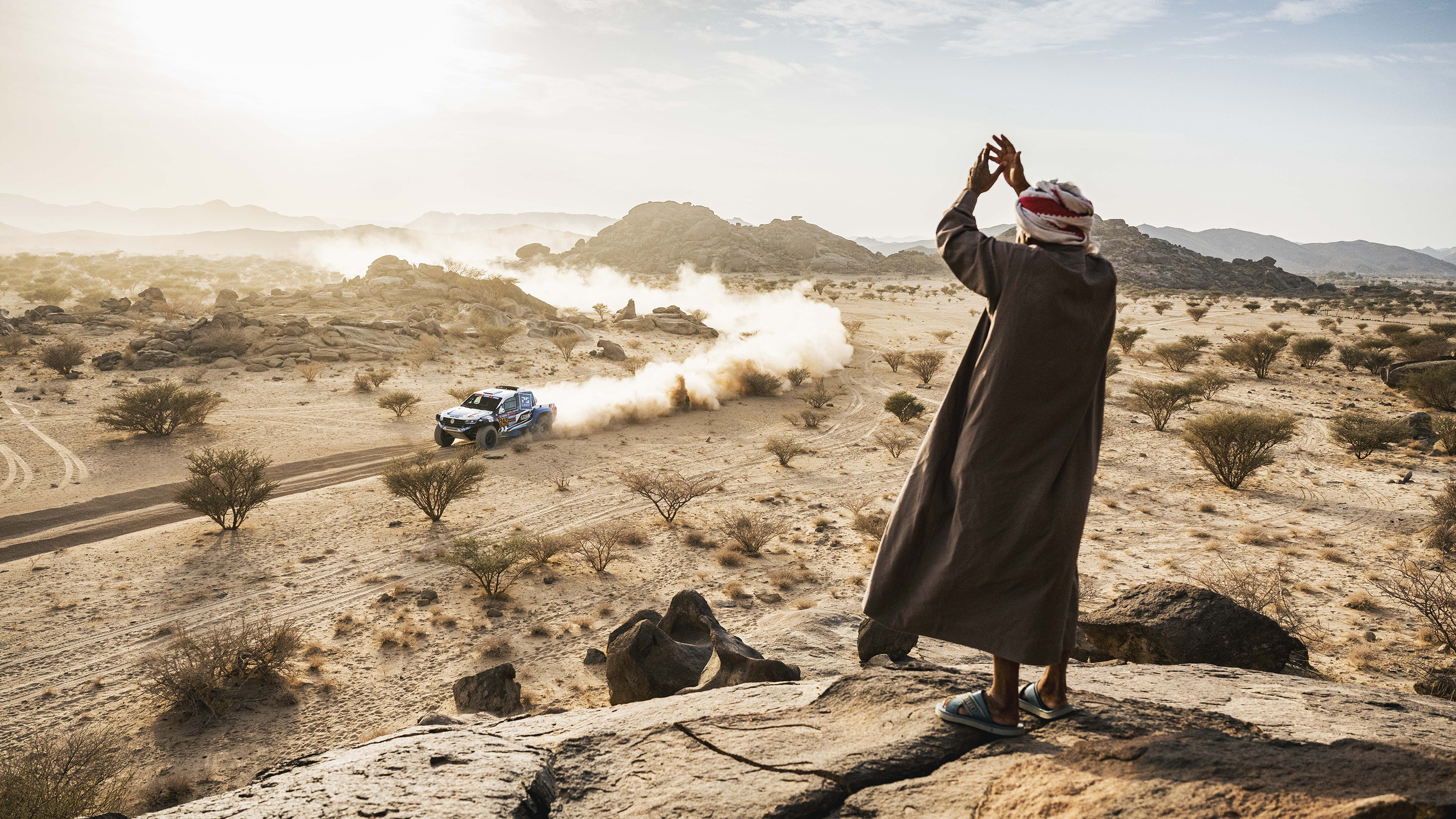
Bluntly, it’s the most hardcore rally raid in the world - and the one that gets you the lantern-jawed respect of anyone who knows what they’re talking about. Not many people finish the race, so getting through it means you’re one of the elite - the Delta Force/SAS of off road racing. It consists of endurance rallyists in a proper circus of different classes (everything from cars and classics to bikes and trucks) who attempt to complete a gruelling course in the least time possible. Sounds simple, but the ‘course’ is thousands of miles of a vehicle-killing hellscape of sand dunes, lethal rocks, off-road nightmares, mud, surprise canyons and dirt, and the stages can be well over 500-miles long. In a day. It’s not for the faint of heart or weak of damper. It’s probably the most famous enduro in existence - along with the Baja 1000 - and the event itself was originally called Le Rallye Paris-Dakar and began in 1978 as a traverse - as the name suggests - from Paris to Dakar in Senegal. Since then, it’s moved around a little, and now takes place in Saudi Arabia - although it’s kept the iconic name.
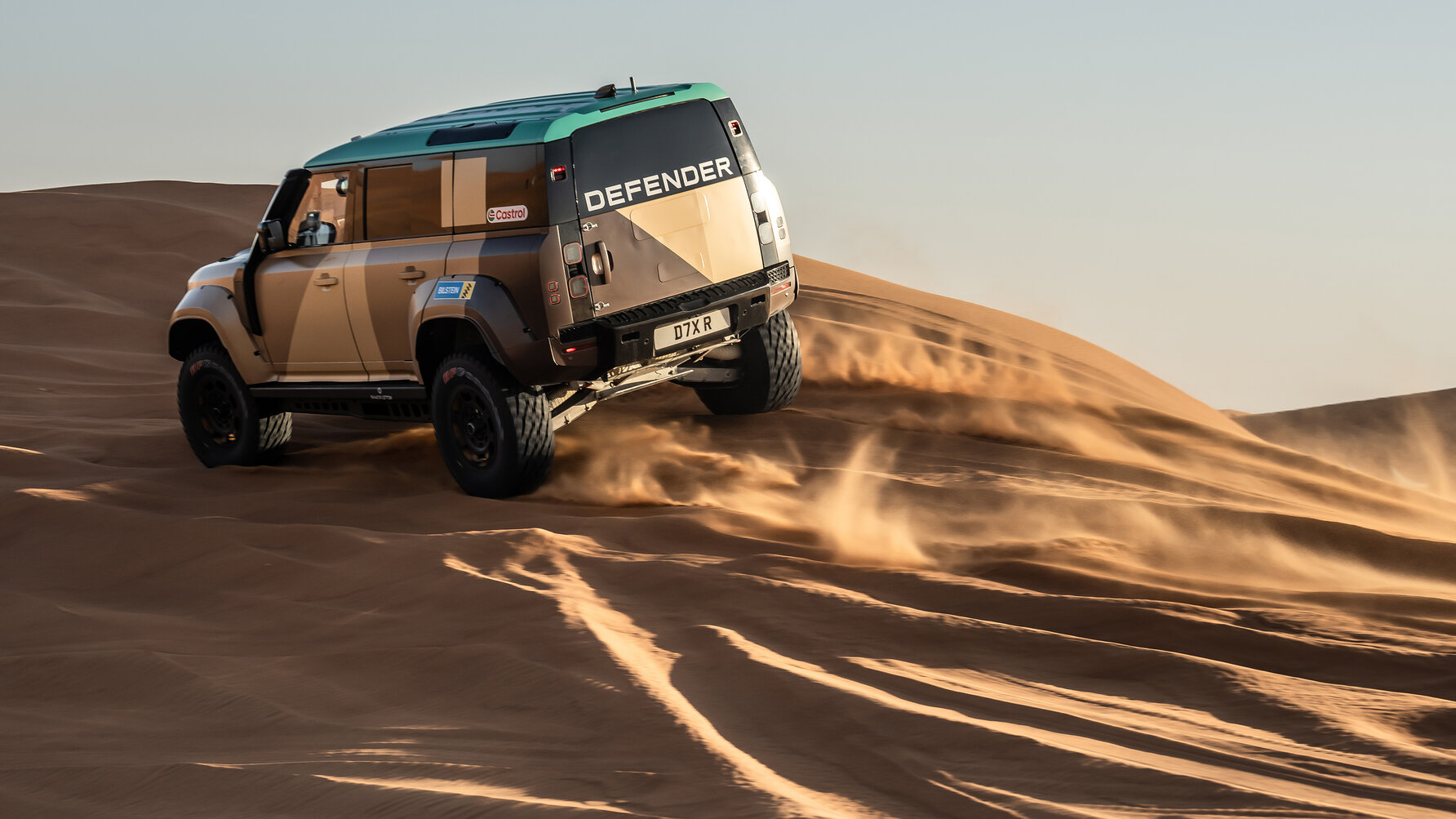
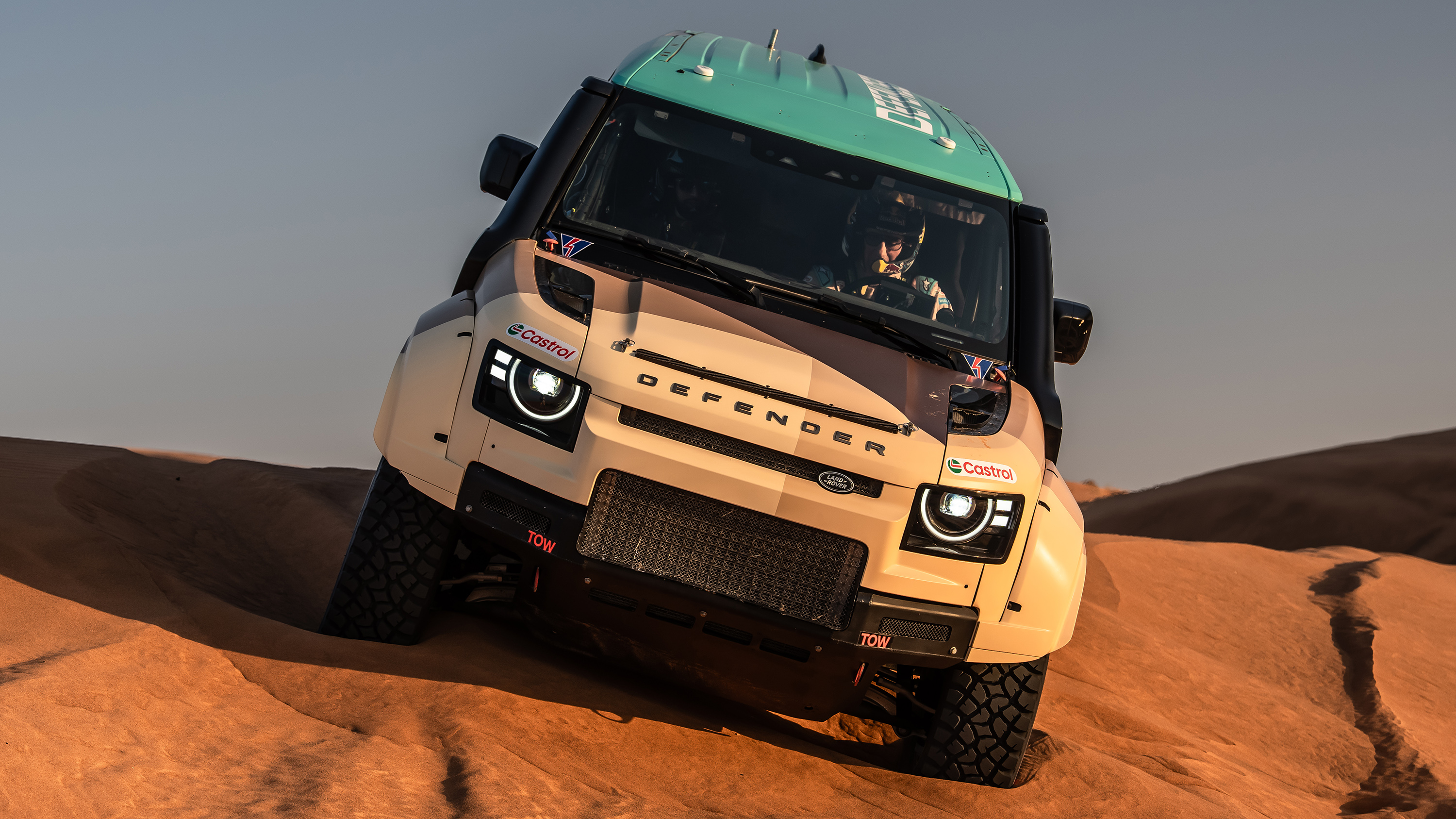
You’d think that the Dakar would be meat and potatoes for a brand like Defender. But 2026 is the first time that Defender has officially competed - and the company seems to be taking it very, very seriously with the most hardcore Defender 110 on the planet. It’s called the Defender Dakar D7X-R and its competing in the revised ‘Stock’ category - basically for vehicles lifted from the production line and with standard engines, gearboxes, drivelines, bodywork and chassis. The class that’s a real test of a car that you can actually drive down a high street. Admittedly Defender’s base car is the already pretty insane 4.4-litre V8 Defender OCTA, but apart from a huge fuel tank, uprated suspension and safety gear, it really is like the car you can buy. It’s a prospect that’s tempted ‘Mr.Dakar’ Stephane Peterhansel to drive the Dakar again - which probably tells you all you need to know.
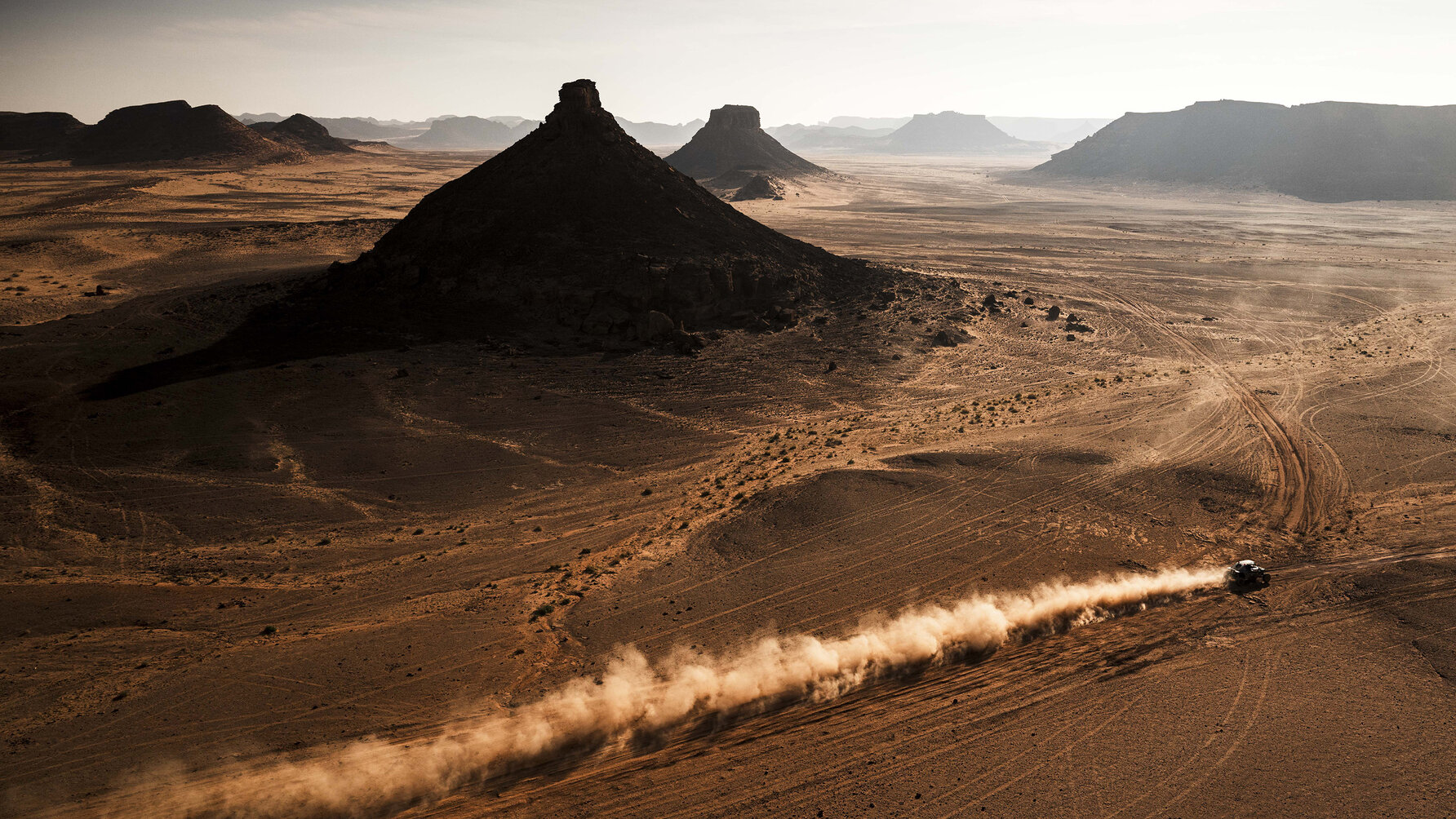
The 48th running of the Dakar this year consists of a humongous, 8,000km loop that starts on the 1st and 2nd of January for scrutineering in a place called Yanbu on the Red Sea North of Jeddah. The opening ceremony and ‘prologue’ is on the 3rd and the start proper on the 4th. The circuit takes in Alula, Hail, Riyadh, Wadi-Ad-Dawasir, Bisha and Al Henakiyah before finishing back in Yanbu, and each element offers some fresh hell for competitors. There’s also the weather to take into account; think this is sunshine and sand the whole way? Wrong. There can be rain, mud, sand storms and all sorts of natural disaster style shenanigans thrown into the mix. It’s also pretty cold at night, and up to 45-degrees Celsius in the daytime. There’s a rest day in Riyadh on the 10th, with the final podium on the 17th January. The in-between bits are where the torture happens.
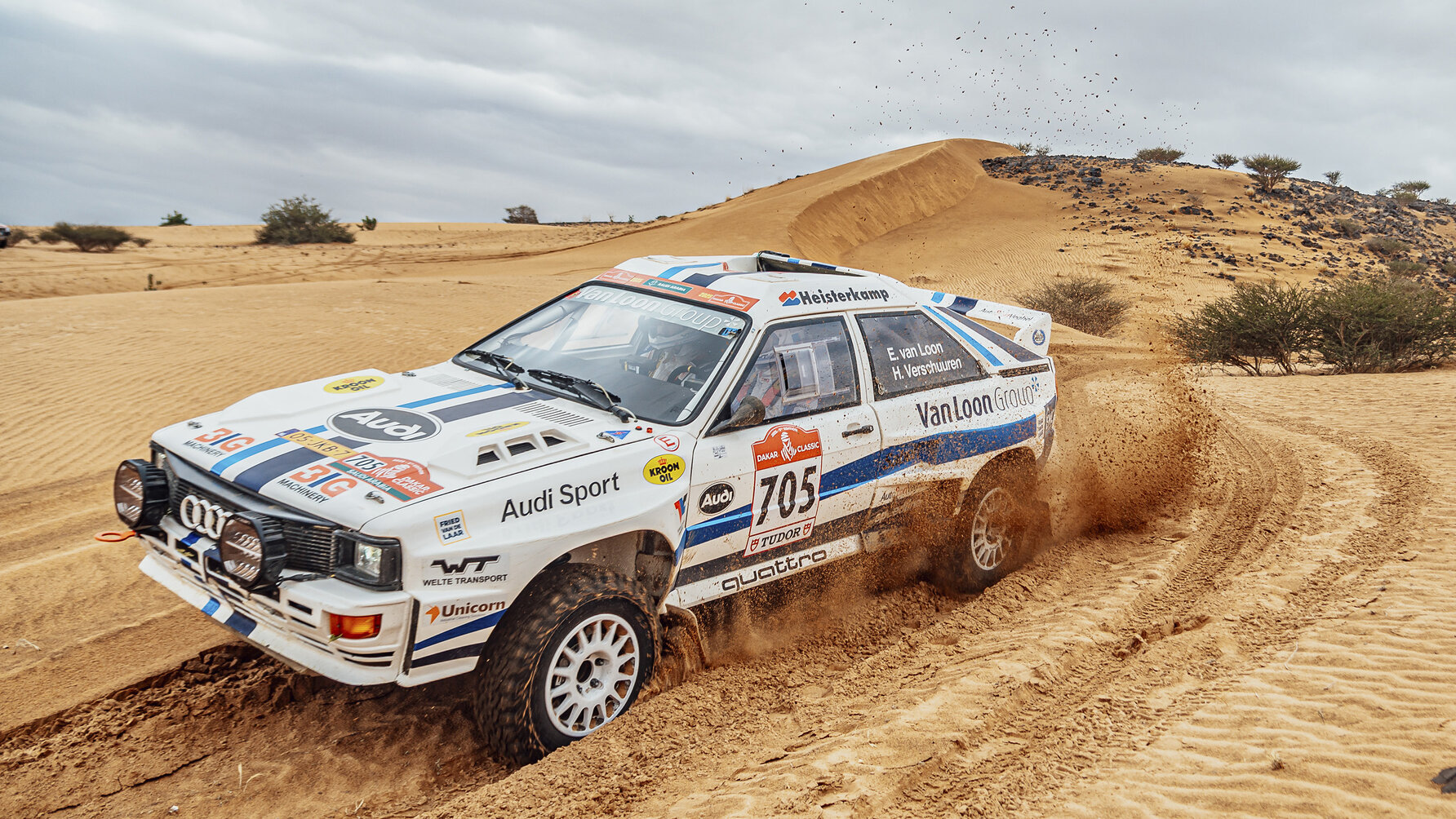
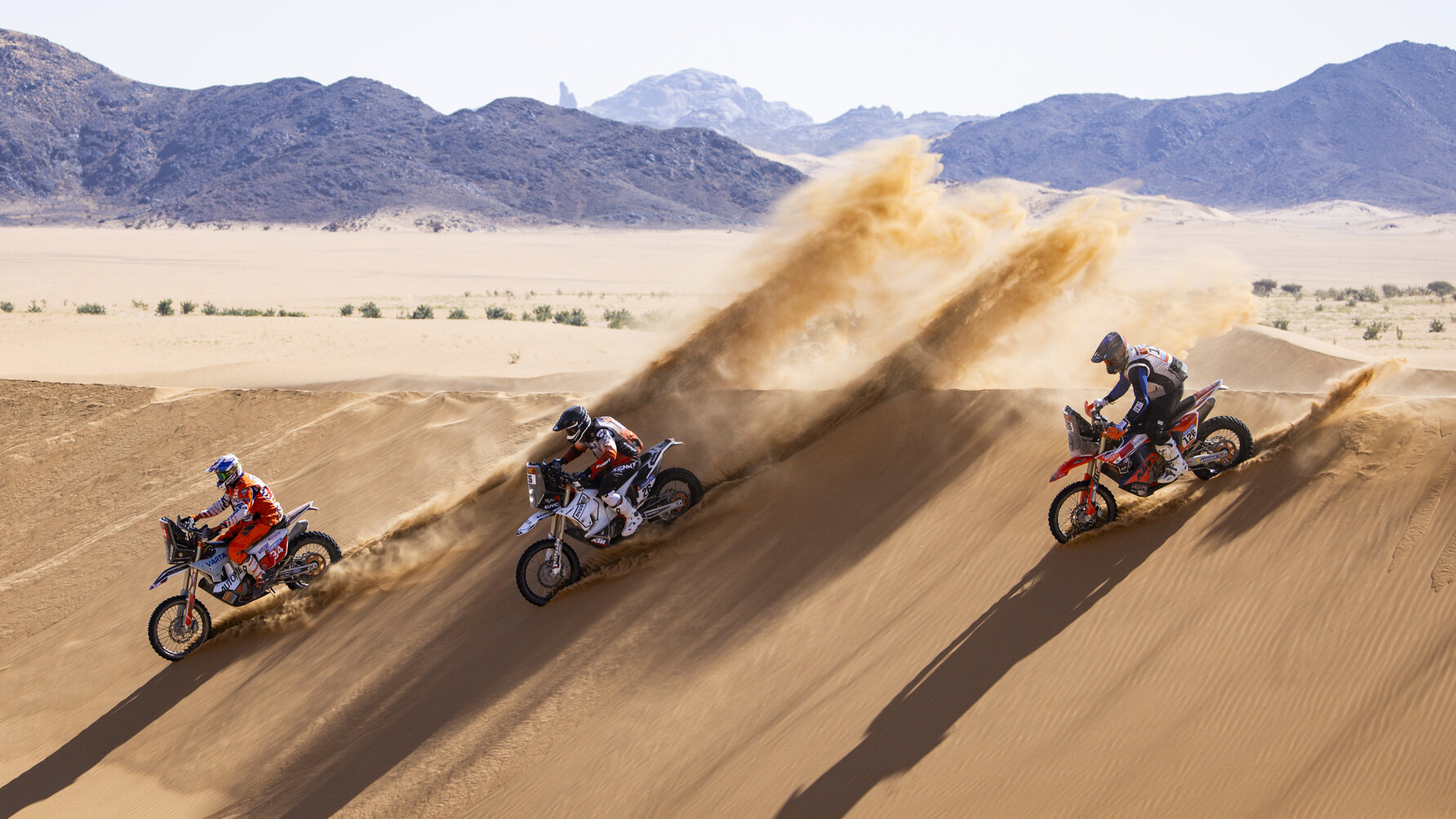
The 2026 Dakar sees 325 vehicles entered across a broad range of wheels and wheelbases. Challenger class (purpose -built lightweight buggies), SSV (production side-by-sides), T1 Ultimate (tube-chassied monsters with very few design limitations), quads, trucks, Stock (cars essentially from the factory like the Defender Dakar D7X-R), Dakar Classic (old timers with a specific date cut-off in the 1980s and ‘90s, which look more to endurance than outright speed) and Mission 1000 (for carbon-neutral and new tech). Then there are some 118 bikes, which always look like the worst possible things to do the Dakar on. The riders are quite obviously insane.

The Dakar is special because it’s utterly relentless. Thousands of miles and some 80+hours of competitive driving - plus the travel time between stages on actual roads where you have to abide by normal road traffic laws. It’s quite hard to calm down when you’ve just done 12hours of race pace across the desert, and adrenaline is a quiet killer. Stage 6 is 925km in total, with 336km against the clock - that’s a normal rally on its own.
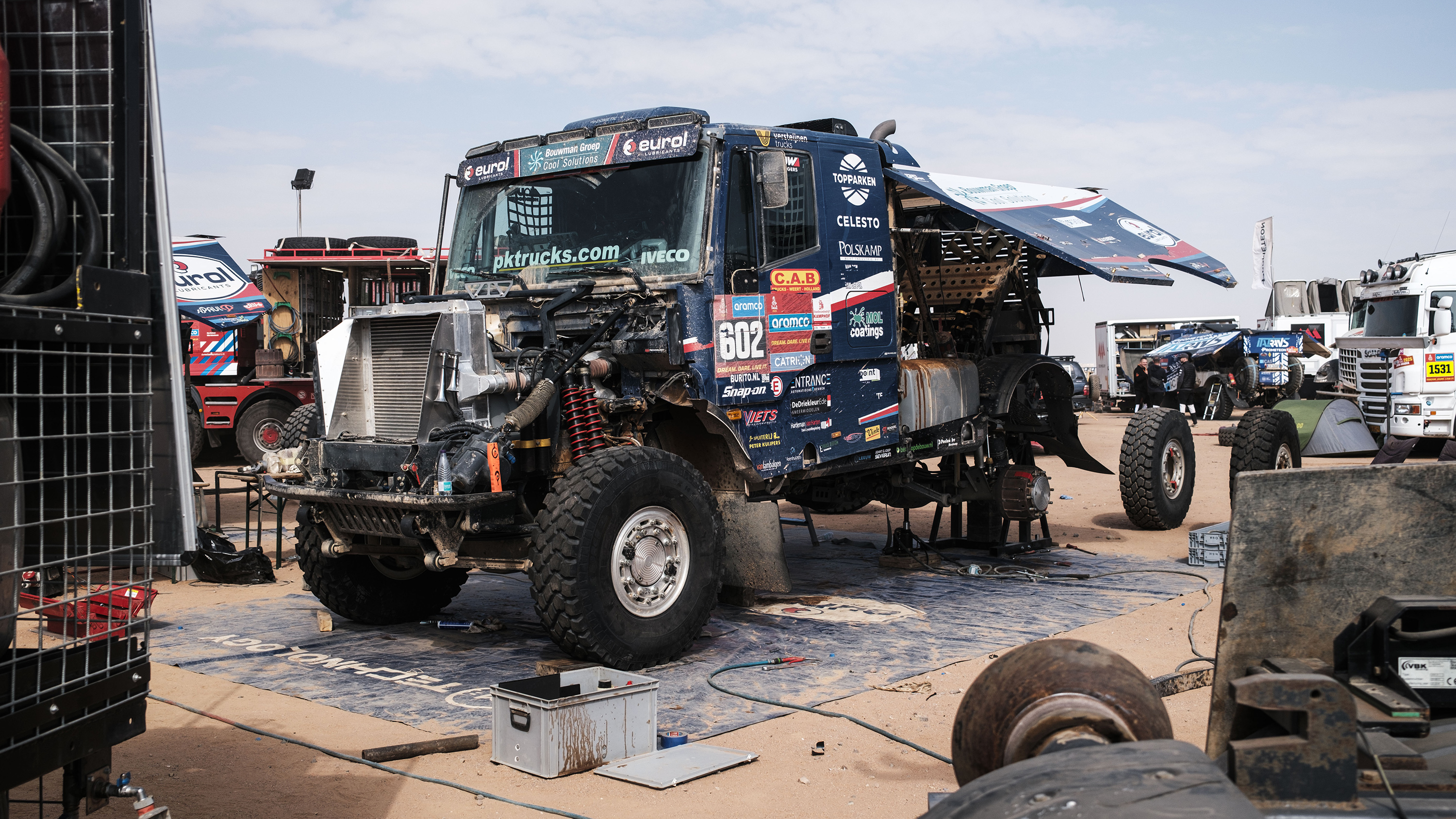
But the absolute mind-killers are the two-day marathon stages (4 and 9) where all external assistance is prohibited - you can only work on your own vehicle over a 48-hour racing period. Stop at a proscribed ‘bivouac refuge’ at 4pm where you get the luxury of a mattress, sleeping bag, tent, and a food ration for dinner and breakfast… and nothing else. At 7am you get to start racing again - although you probably won’t have had much sleep if there were things to fix. And there will be things to fix. One of the biggest killers in the Dakar isn’t the geography. It’s fatigue.
While we’re not saying that the ’26 Dakar will be in any way less traumatic than any other year, it will be a touch more geared towards proper rest. Now in the seventh year of Saudi adventures, the organisers have streamlined the process somewhat - because logistics for an 8,000km race are a bit… complex. The port city of Yanbu is both the start and finish, with six bivouacs in the open desert and one more in Riyadh - where there’s a breather on the rest day. Then there are four ‘loop’ stages - which means that while everyone gets to pound themselves against the countryside, the teams and support crews don’t move every single time - making it a little less aggressive on the transport.

2026 sees a new set-up that includes some ‘Mid-Stage Service’ points specifically to help more entrants actually finish the race, because the attrition rate of the Dakar is absolutely brutal. Last year, only 175 vehicles successfully finished, from a starting order of 335. The problem and challenge of the Dakar specifically is that it involves extreme terrain and distances, intense physical and mental beatings, technical and navigational challenges and the endless threat of mechanical failure. Plus, you’ll end up with sand in places where no sand occurs naturally. Throw in the heavy aspect of self-reliance and marathon stages and you’ve got a recipe for quiet crying and light PTSD.
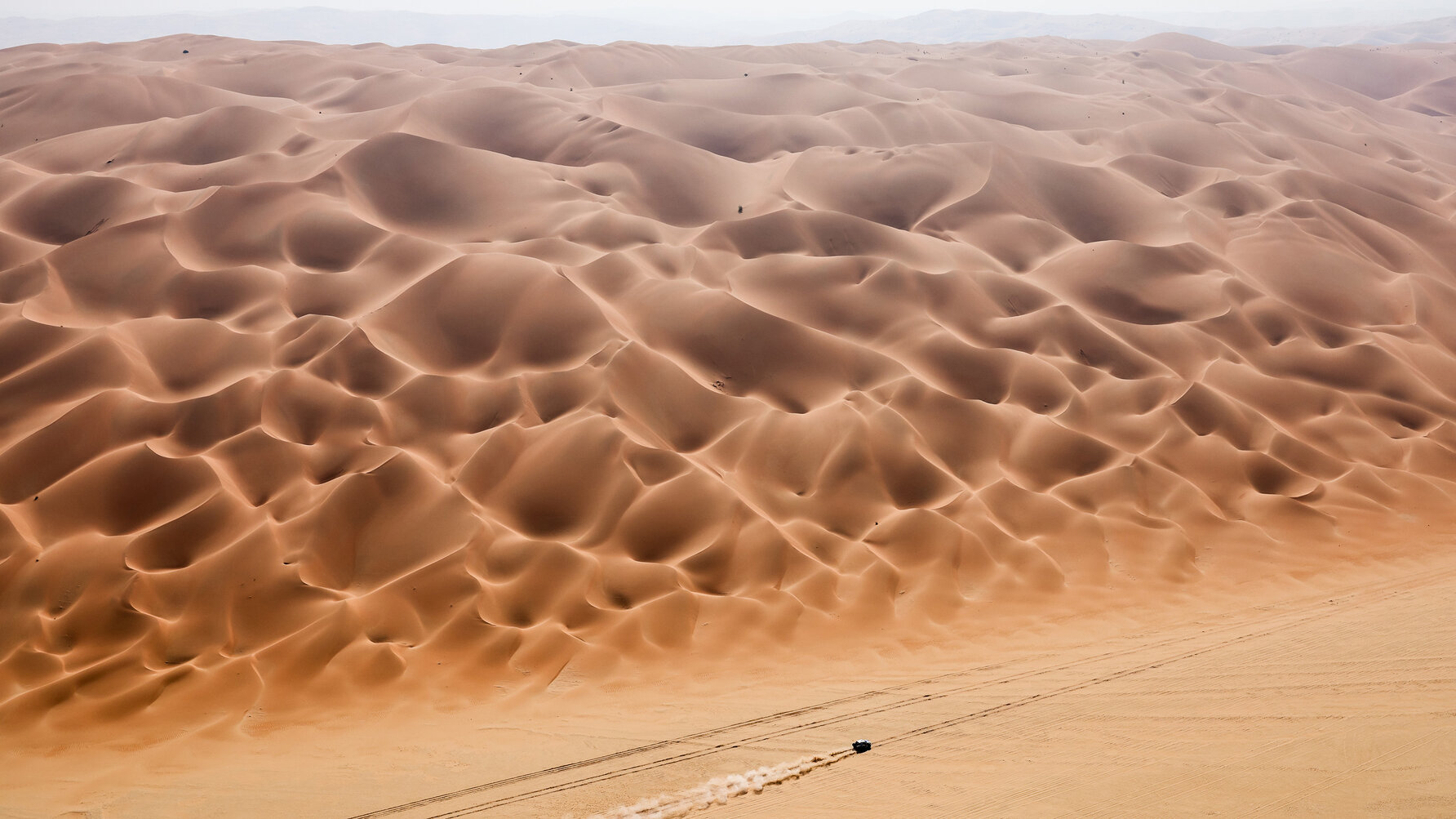
With GPS and a lot of maths. Possibly more than a few stopwatches. The Dakar consists of one stage per day comprising at least one ‘special’ stage, on- or off-road, and takes a couple of weeks, rather than the more usual couple/three days for a less abusive rally. The running order is made up of times set in the special stage minus any sporting penalties - like if you get nicked for speeding on the road sections.
And the navigators aren’t there just as ballast - navigation is via GPS beacon and roadbook, but the route is only given out just before the start of the stage, so it’s a secret until it’s delivered. Then there are waypoints to be checked off to make sure no one slices a cheeky shortcut. And you can’t just follow the tracks you see before you - you never know if a) the tracks are going the right way, or b) the tracks you’re following end in a ravine. On top of the guy you were following.
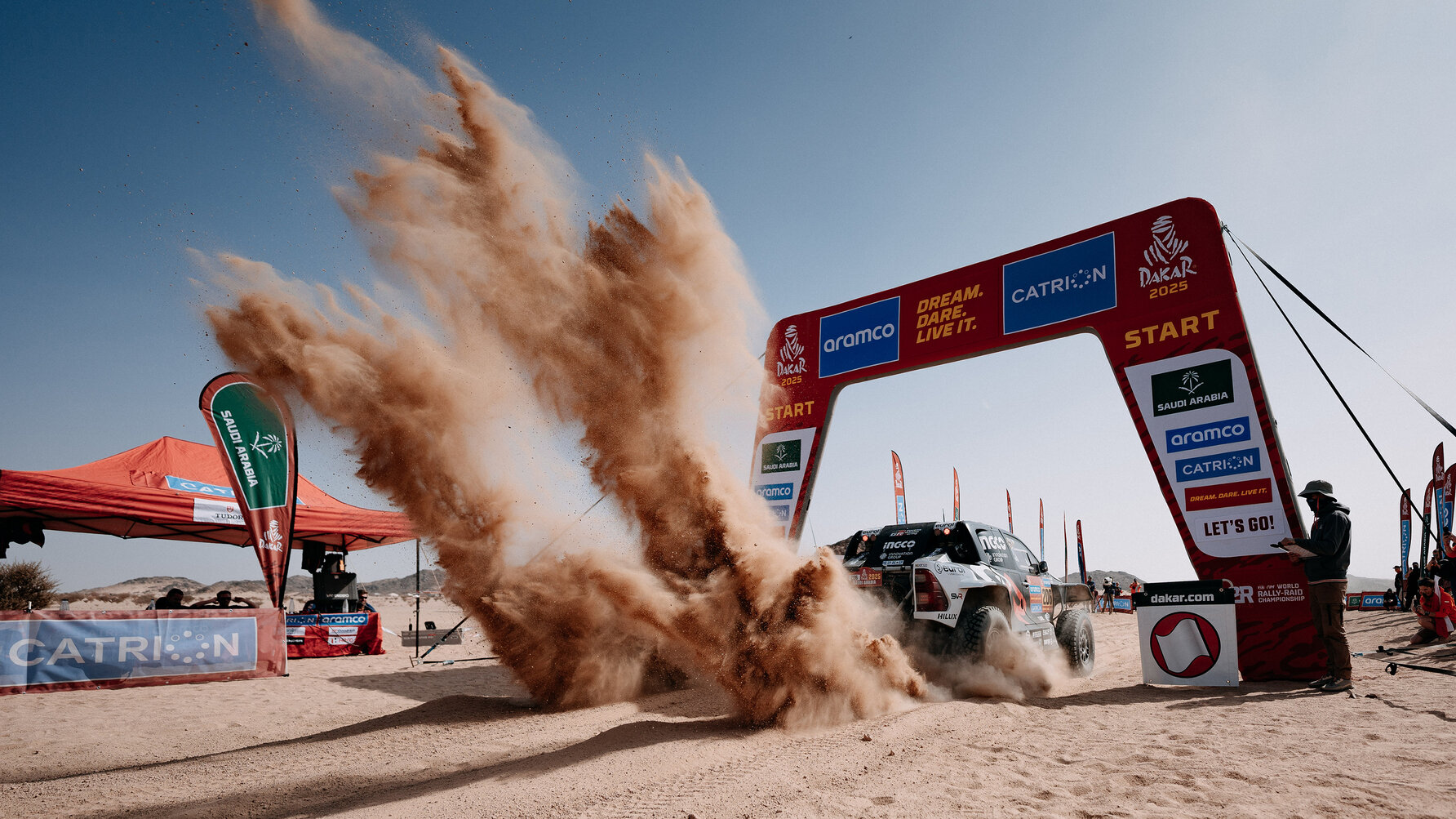
In fact, this year some starts are actually split to stop competitors following the bike tracks. The organisers reckon that having slightly different courses - both just as lethal - will cut down on sketchy overtaking, extend the ‘daylight driving’ time for the cars (bikes would often start first) and reward the best navigators in the car and buggy classes. And you can’t sandbag one day for a later start the next - meaning there would be a path to follow - because the split starts are grouped into two back-to-back pairs, so time gained on the first day would be lost on the second.
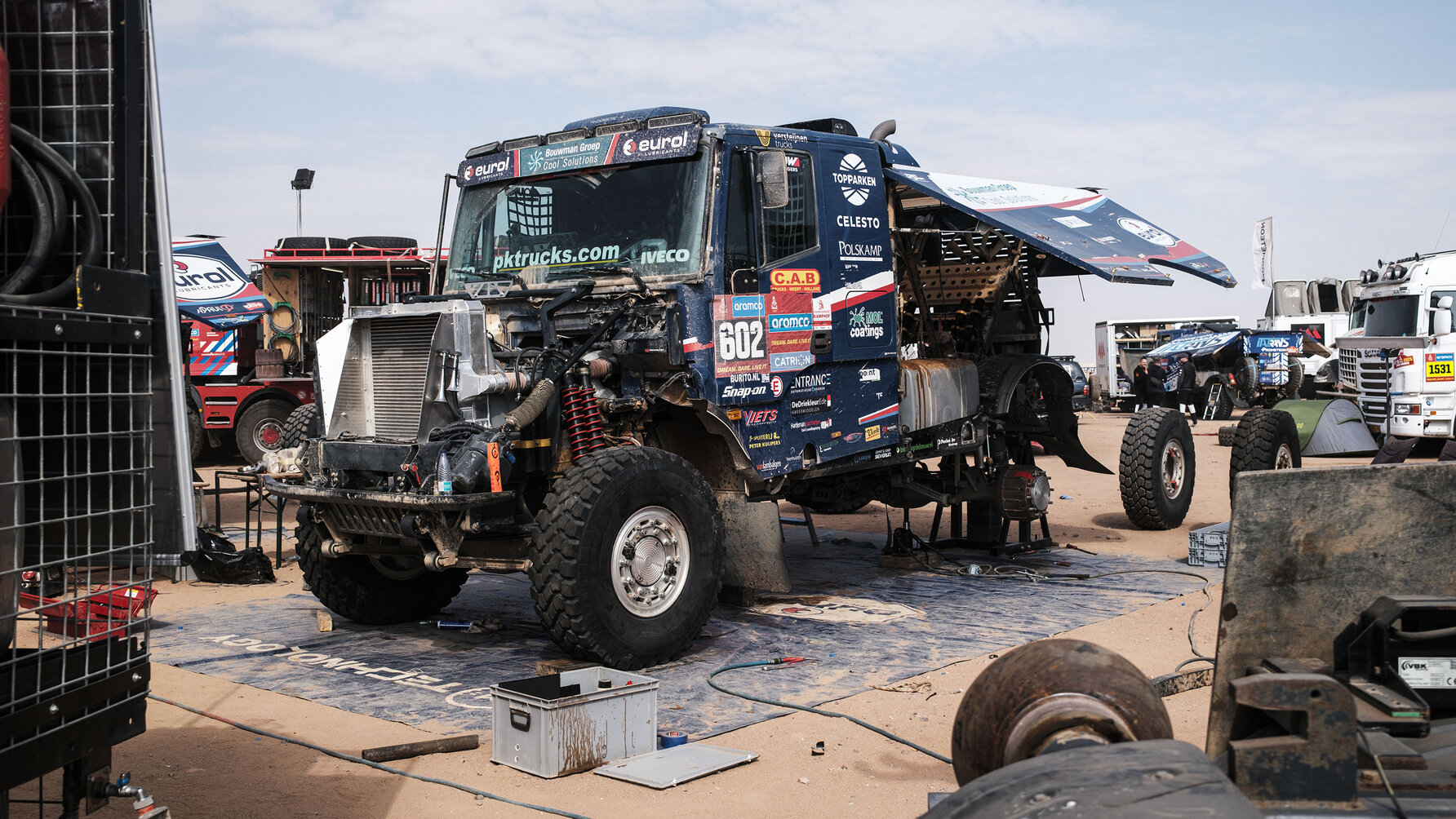
Well, it’s certainly unique, but the Dakar actually kicks off the year-long World Rally Raid Championship (W2RC) which Defender is also competing in. Since 2022, it’s a series that has seen the best of the best in off-road rally raiding gallivanting around the world seeking points and ways of breaking themselves and their machines on various anvils of terrain. The Dakar is so long and so arduous, it actually counts as double points on the calendar - so it’s a good one to do well in.
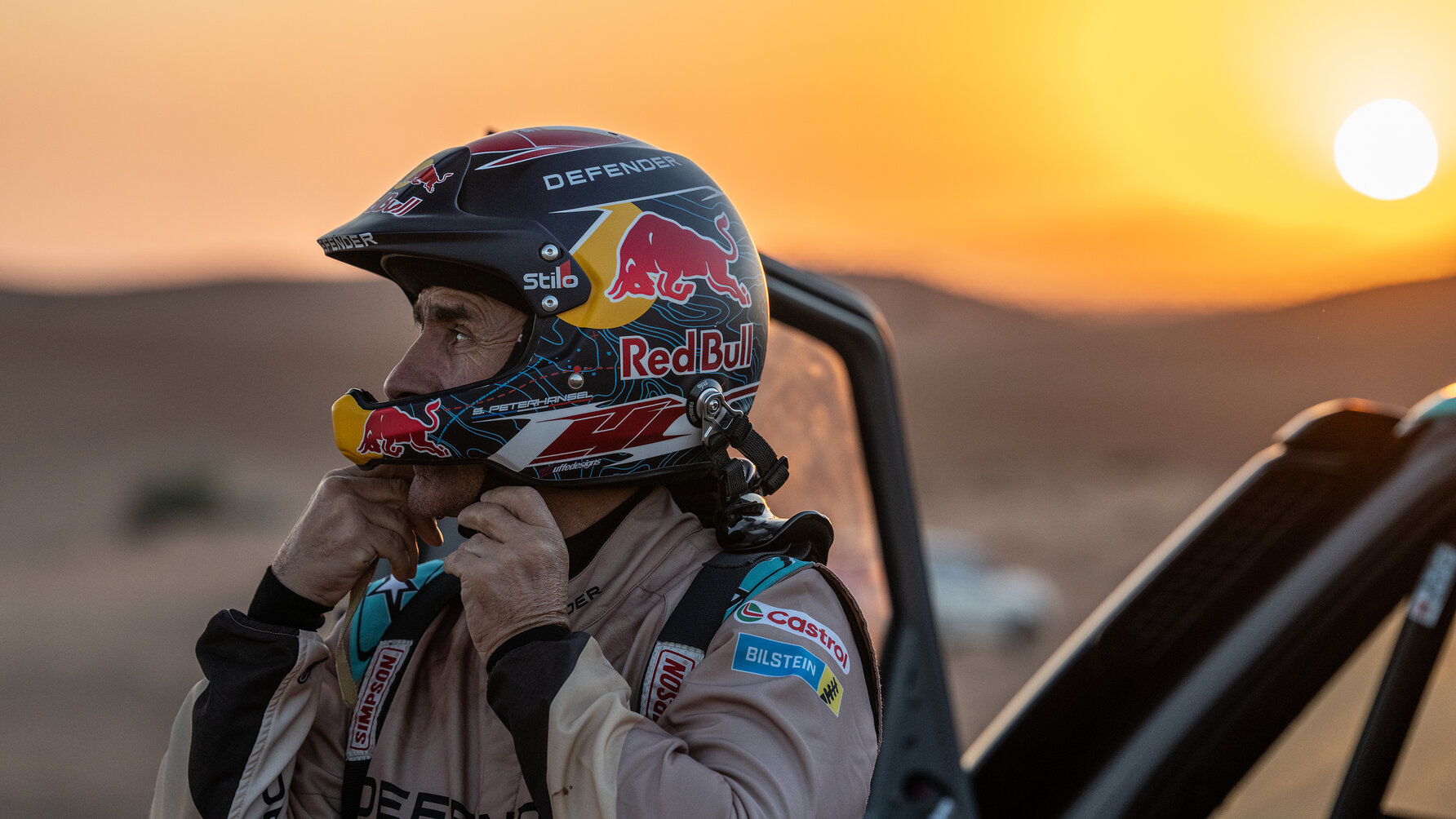
Once you’ve been very, very good at rallying, the Dakar becomes lightly inevitable, being the pinnacle of the format. And you’d recognise a few household names in the roll-call: Didier Auriol, Colin McRae, Jacky Ickx, Carlos Sainz (the OG), Ari Vätanen, Nasser Al-Attiyah, Juha Kankkunen and Sebastien Loeb. There’s one chap who’s a stone-cold legend though, and he’s driving for Defender in its first-ever official entry: Stephane Peterhansel, otherwise known as ‘Mr.Dakar’. Or more correctly, ‘Monsieur Dakar’. He’s won 14 times, six times on motorcycles in the ‘90s, and eight times in cars - the last time in ’21 in a Mini JCW buggy. This year he’s in the new Defender Dakar D7X-R in the ‘Stock’ class - which means it’s basically a Defender OCTA with some Dakar tweaks. It won’t be the fastest out there, but it’s the closest you can come to doing the Dakar in a car you can actually buy, so feels like a moral victory from the start. And if anyone can do it, Peterhansel can.
Get all the latest news, reviews and exclusives, direct to your inbox.
