




GamingTop Gear
A videogame as art: here's why 'Dear Esther' is one of the greatest of all time
The Chinese Room’s meditative masterpiece remains king of the walking sims
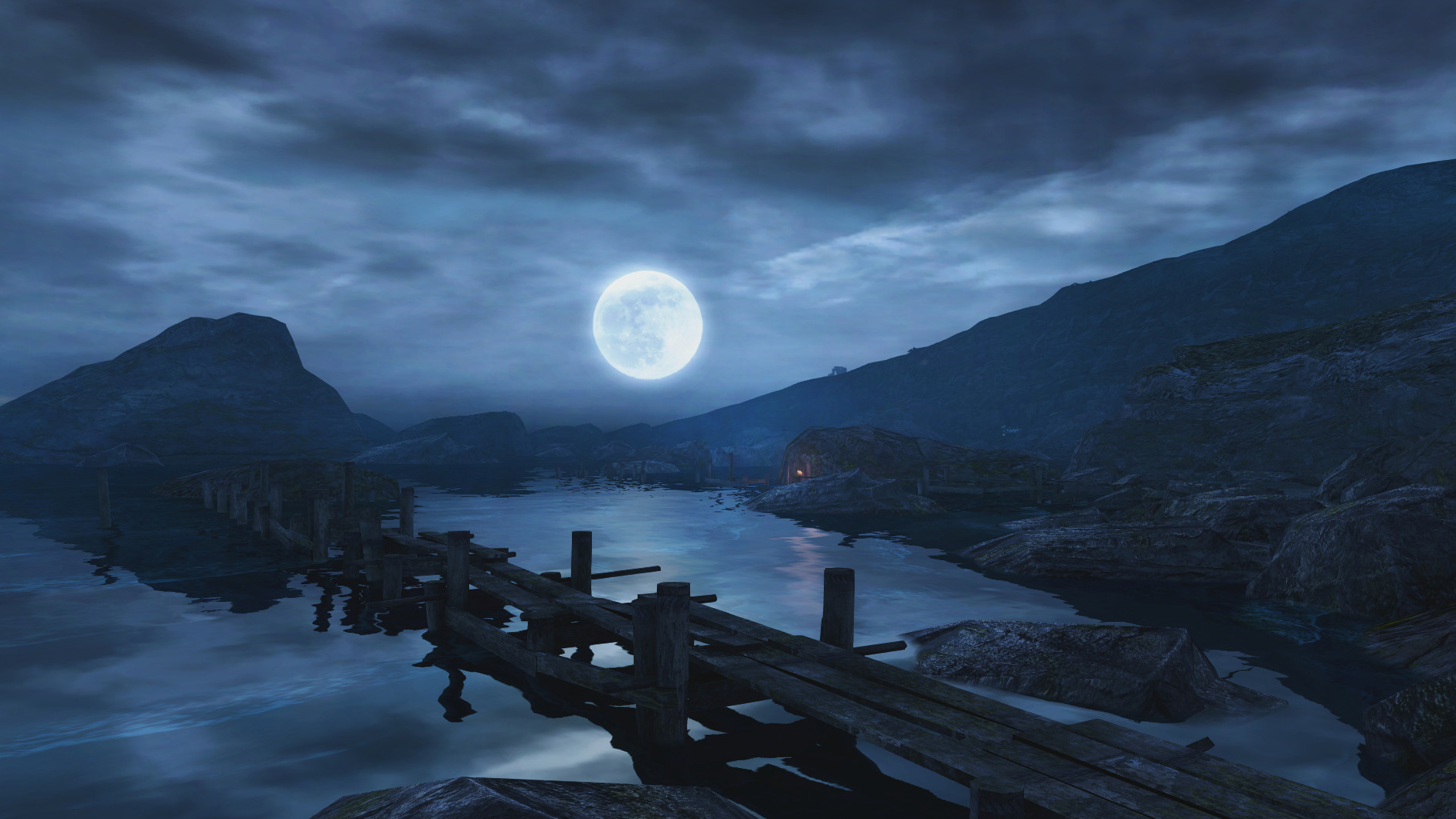
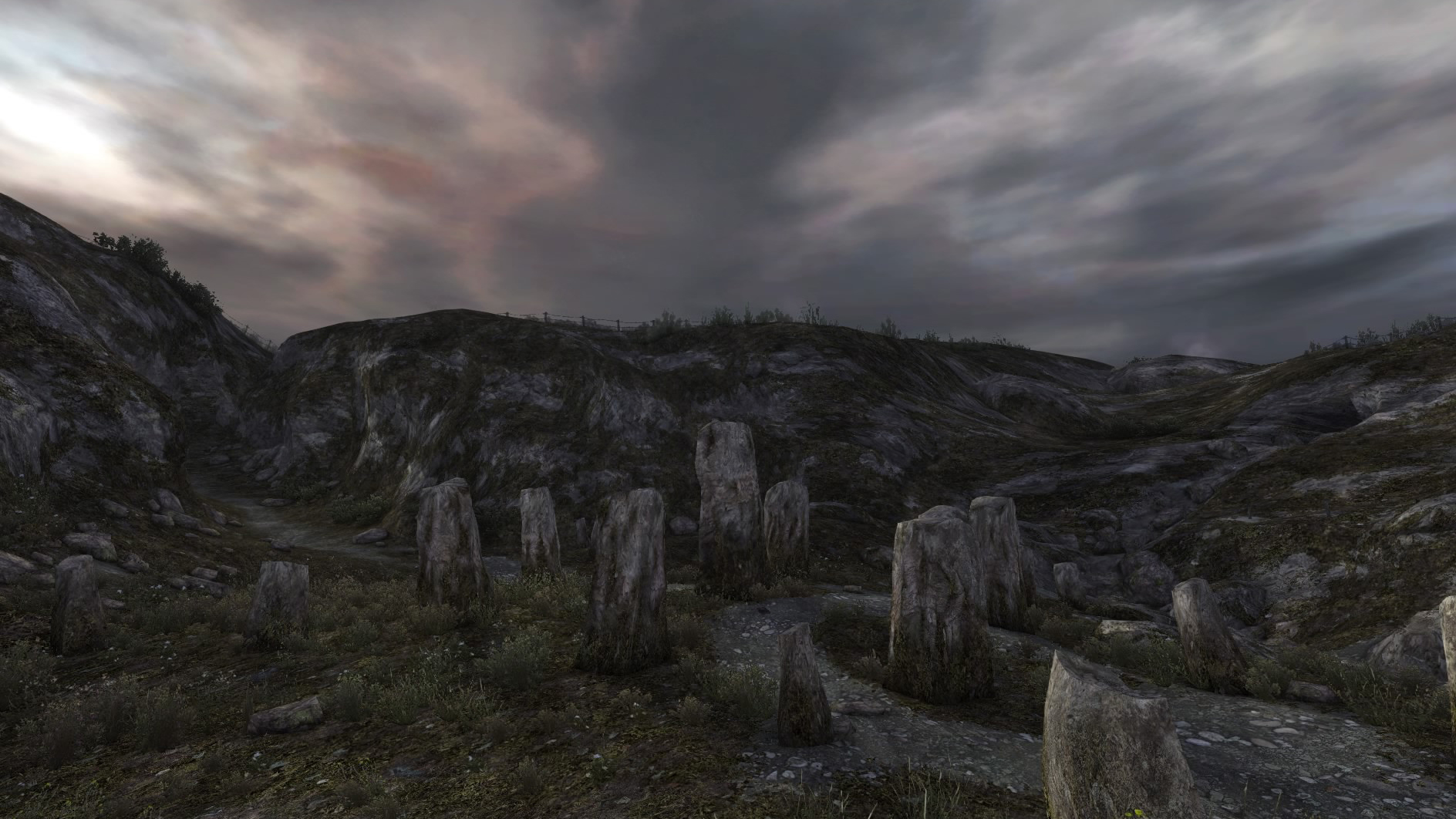
The sun’s just starting to set on the Hebrides. It’s winter. At least, it looks like it must be winter. The light’s cold and unsympathetic, drawing the rugged moorland in blues and mournful mauve. With no objective, no map, no quest marker, you take a few steps forward.
Then: a man’s voice. Not out in the world, coming from somewhere within earshot, but actually within your head. He’s reading out fragments of letters to his wife, Esther.
Advertisement - Page continues below
Compare that introduction to the typical ‘everyone’s been murdered around you/the world’s just been blown up’ opening gamers were accustomed to in 2012 when Dear Esther released, and you get some idea of how stark, how confrontationally uneventful, this strange little indie title was.
With none of Mass Effect 3’s space opera bombast or Dishonored’s balletic melee combat, and without the ability to craft an ammo belt out of a dead jungle creature like you could in Far Cry 3, The Chinese Room’s haunting and literary ‘walking sim’ nevertheless cemented a place for itself in the pantheon, and it remains as captivating to take a stroll in today as it ever was.



That term, ‘walking sim’, was a derogatory label at first. What kind of game was this, anyway? There was no challenge, no enemies, not even a jump button. Did the developers forget to put the game in? It felt like wandering around in a videogame environment out of hours, when all the NPCs had sloped off for a pint. What was the point of it all? It was basically just a walking around and looking at stuff simulator, surely?
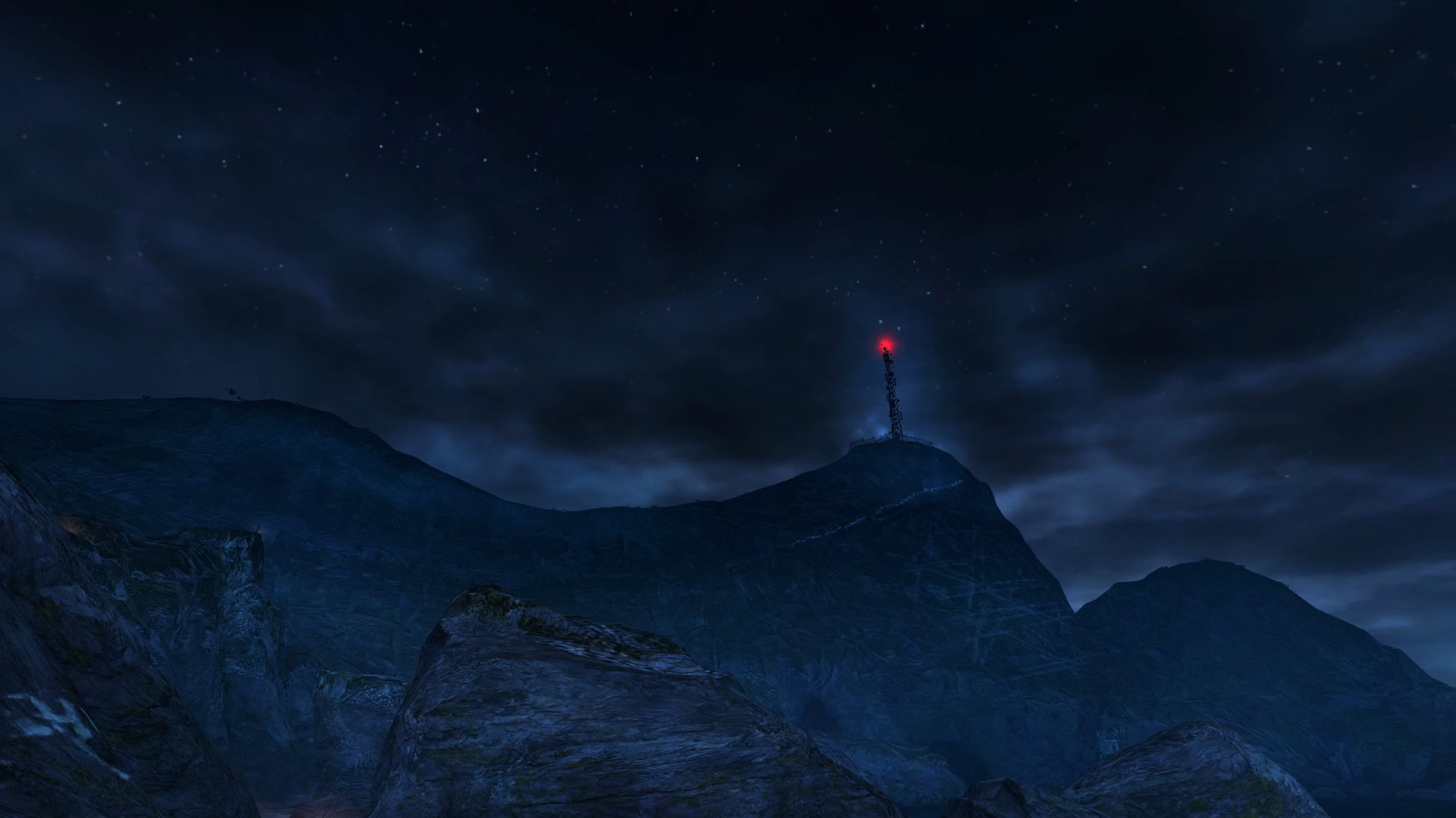
Dear Esther’s real creative accomplishment is facing that accusation with steely eye contact, and then showing you precisely how moving and engrossing simply walking around and looking at stuff can be. As you explore the deserted Hebridean island with nightfall rapidly descending, you’re constantly rounding corners and cresting hills, revealing views that make your skin tingle.
Advertisement - Page continues below
There’s a solemn poetry to the voiceover, written by Dan Pinchbeck and performed by Nigel Carrington, and it has a way of revealing its meaning so slowly, and in such an understated style, that you genuinely just have to stop and stand there at times, letting it all sink in.
The author’s wife, Esther, has passed away. It seems to have involved a drunk-driving incident involving a man named Paul, on the M5 motorway somewhere outside Exeter. In tandem, you hear snippets about a shepherd who lived on this island in the 18th century, and a man named Donnelly who sacrificed his safety and wellbeing to chart the place. The exact fragments of narrative you hear are different every playthrough, so there’s always a lot left unsaid. It doesn’t matter – you know enough.
When Jessica Curry’s heartbreaking cello-driven score kicks in, the barren moorland bathed in moonlight as the narrator calmly lays bare their grief and heartbreak, you’re swept up in it all. You don’t need anything more than what you’ve got - no weapons, no interaction key, no platform puzzles. Just a sense of place, meaning, and emotion.
If that all sounds a bit like something someone would say to you in an art gallery cafe when you accidentally make eye contact, that’s because it is a bit. While most games are trying to entertain you, Dear Esther is shooting for something deeper and more artistic and, yes, that can mean that at times it tips over into tunic-wearing, finger cymbal-clanging pretentiousness. But what a treat all the same to play a game whose head is in such a different space to its peers.
Top Gear
Newsletter
Get all the latest news, reviews and exclusives, direct to your inbox.
The game began as a humble Source Engine mod for Half-Life 2 back in 2008, and in its earliest forms it garnered attention for its gorgeous visuals more than anything else. It’s been ported over into other game engines several times since, each resulting in a more arresting sequence of sights, the lights that bit more haunting, the shadows even eerier.
But what really matters about this game is the lesson it gives all developers in minimalism. Can you remember, hand on heart, what actually happened in Far Cry 3 from the same release year? Other than all the honey badgers you skinned, probably not. But we’ll always remember the strange and affecting walk we took on that Hebridean island. We’ll always remember Esther.

Trending this week
- Long Term Review
How does a new Mini Countryman compare to an old Range Rover?
- Car Review
BMW iX3