





GamingTop Gear
"This is Oasis at Knebworth": why Tomb Raider 2 is an all time classic game
TG’s quest to fix ‘best games’ features takes us back to PS1’s deadliest chambers
Reflecting on Lara Croft’s place in ‘90s culture is a bit like trying to remember the words of the song you made up, drunk, last night, with your mates. It made all the sense in the world at the time. You were convinced of its greatness. And now, in the cold light of day as a Solpadeine gently fizzes in a glass of tepid water at your bedside, the precise mechanics of its genius evade you and only a vague sense of embarrassment remains.
The big idea behind Lara Croft was that she was a woman. In a videogame! Whatever next? The medium had been so dominated by frowning men with big shoulder pads for so long that the very appearance of a female protagonist was enough to cause waves. Magazine covers, posters, and even a movie franchise, would all follow. But it all began in some distinctly blocky corridors on your tiny CRT telly.
Advertisement - Page continues below
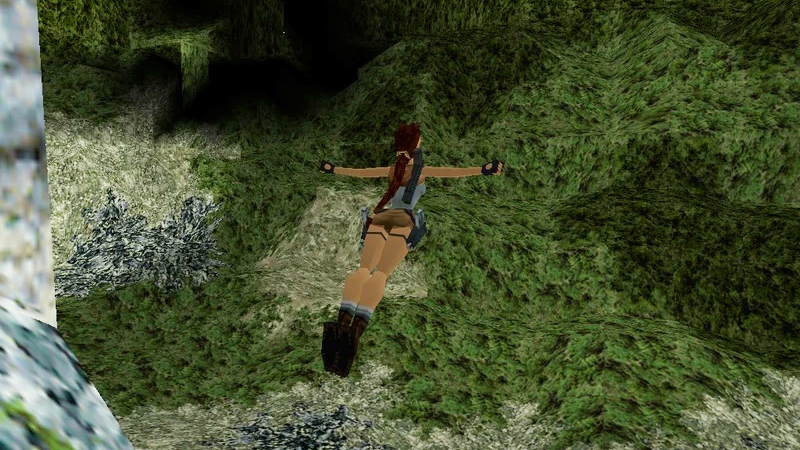
Core Design had invented one of the decade’s true cultural icons, out of thin air, when the Derby-based studio released action-adventure platformer Tomb Raider for the Sony PlayStation in 1996. Gamers loved Lara’s aristocratic roots, her sports-casual attire, and her revolutionary moveset for the time. She leaped, clambered and shimmied around the grids of Tomb Raider’s atmospheric levels in a way that really felt like adventuring to players at the time. Here you were, raiding tombs, shooting dinosaurs, evading boulders and jumping over spike traps like Indiana Jones with a ponytail. What a rush.
But in the wake of that game’s enormous popularity, the team was quickly put to work again on a sequel, and this time it had neither the novelty of a lead heroine to depend on, nor anything like as much time. Tomb Raider 2 released just a year later in 1997, and it’s miraculous that the game’s as good as it is.

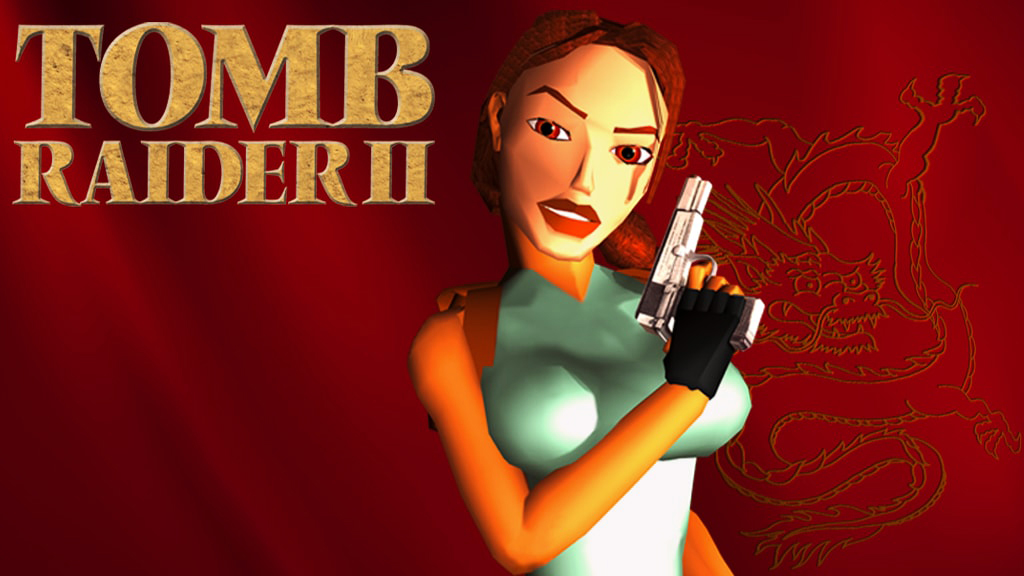
This time Lara’s on the hunt for the dagger of Xian, a powerful magical artefact that a maniacal Italian cult would also quite like to obtain. It’s a journey that takes her from the Great Wall of China to Venice to an offshore rig, and back to China via Nepal, and rendered in the very finest polygons the PlayStation could muster.
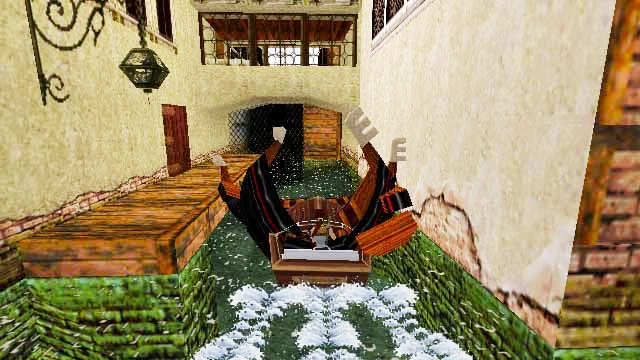
Mechanically it’s incredibly similar to the first game. Having built a game engine from scratch to support its original vision, Core Design now at least had something of a foundation to hastily assemble Lara’s next adventure from. The same grid-based system, in which all the topography was arranged into cleverly disguised polygonal boxes which Lara can climb and jump between, was employed to build surprisingly evocative visions of the Venice canals and the Great Wall’s hidden chambers.
Advertisement - Page continues below
It’s just as much of a stern challenge from a puzzling perspective as its predecessor, but it rewards you for figuring out what its many levers and switches do by guiding you along a route through its levels that show you your progress. You were at the bottom of this great chamber, and now look – you’re all the way up here, looking down at where you started.
Combat’s never been a strength in this series, and can be boiled down to ‘remove guns from holster, run around while holding the fire button until all nearby wildlife is dead’. Luckily, it’s just one component part of the adventure, used as a change of pace in between jumping puzzles and intrepid exploration, both of which are within the franchise’s sweet spot. While Tomb Raider 3 would become a bit convoluted in its efforts to be bigger and better, here in 1997 Lara’s enjoying her most pacey, varied, engrossing quest.
Oh, and there are vehicles here. A snowmobile to bomb around Tibet in. A boat, for taking in the Venetian sights. By modern standards they handle like a fridge-freezer, and in fact the same was true even at launch. But nobody was expecting Lara to drive like Colin McRae. The very existence of vehicles was exciting enough for this time.
The high point of the whole experience is the offshore rig section. Lara’s captured by Bartoli’s goons, they of the aforementioned maniacal Italian cultist order, so when you begin this sequence of levels on a facility floating in the Adriatic sea, you’re starting nearly from scratch. Disarmed, surrounded by enemies, you make your way through a complex layout of platforms and learn of a sunken ship called the Maria Doria, where an artefact called the Serpah may be located.
Top Gear
Newsletter
Get all the latest news, reviews and exclusives, direct to your inbox.
Navigating that underwater wreckage is a testament to both Lara Croft’s lung capacity and Core Design’s level design nous. You’re constantly alternating between claustrophobically tight corridors and vast open spaces, and navigating the discombobulating angles of the ship’s upturned position, where floors have become ceilings. It’s tense, vivid, and challenges your skills in a fresh way at a crucial mid-point in the game that keeps the sense of momentum and stakes nice and high.
There are fantastic levels in both the original game, and its many, many sequels. Crystal Dynamics’ later reboots would fix the combat and turn it into a strength, adding compelling survival systems to an old formula too. But right here on PlayStation in 1997, Tomb Raider 2 is peak Lara.
This is Oasis at Knebworth; it’s Bill Clinton’s saxophone solo; the Berlin wall being dismantled; Pat Sharp’s be-mulleted jog into frame at the start of Funhouse. A moment of legendary and unrepeatable cultural permeation that has come to define the time. Maybe the reasons for Lara’s celebrity weren’t particularly progressive, but play Tomb Raider 2 today and you’ll be reminded that her fame wasn’t just about her saleable image. There was an incredible, industry-shaking experience at the heart of the craze.

Trending this week
- Car Review
Tesla Model Y