




PCOTY 2025
Top Gear
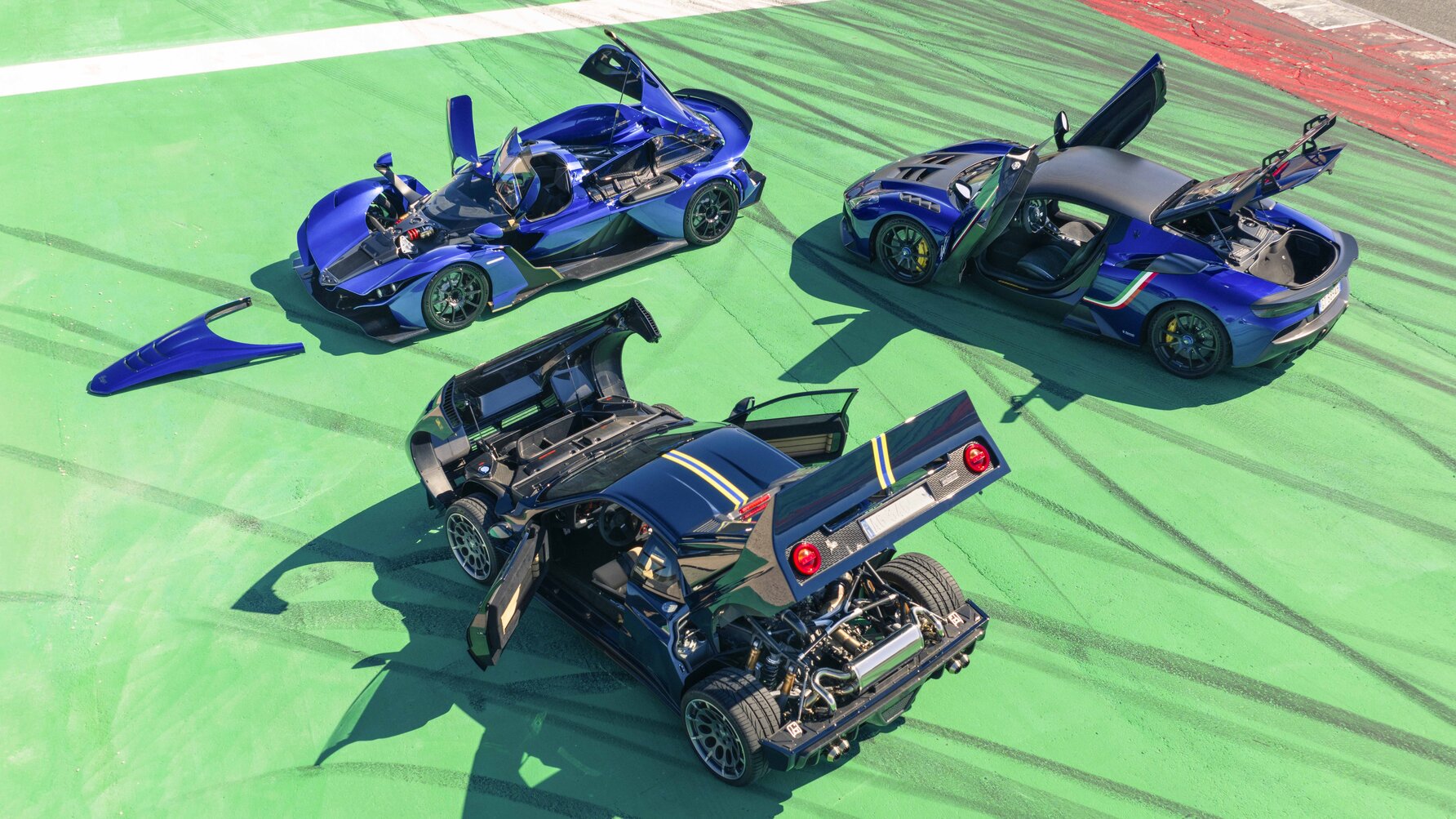
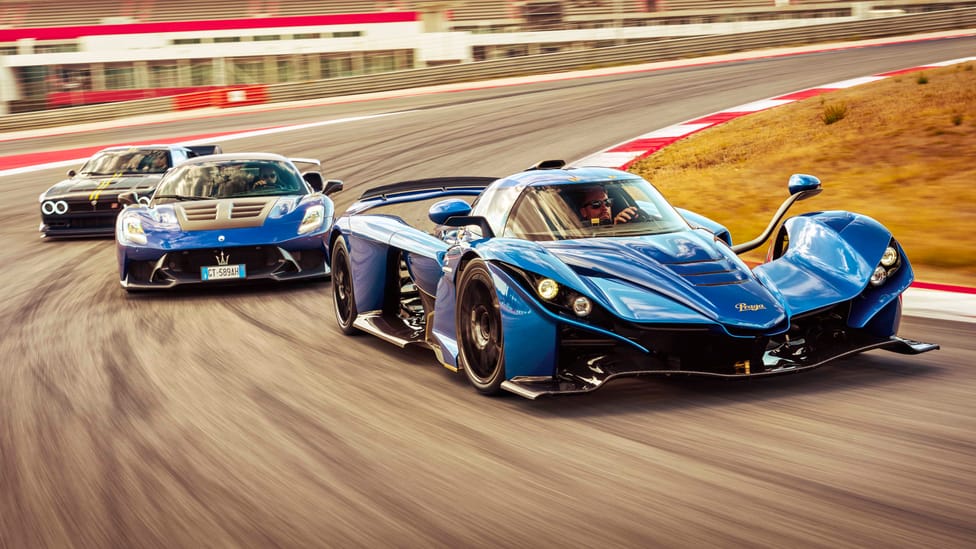
Road racers: Maserati GT2 Stradale vs Praga Bohema vs Kimera EVO37
Wings and racing DNA aren’t the only things these three have in common... they represent the road less travelled
These are the outliers. The alternatives. And for that, I already love them. Life at the margins of automotive enthusiasm is intriguing, highly specialised and seems gripped by our collective fever at unprecedented levels. It’s also incredibly diverse and bristling with the unexpected. Of all the cars in our lineup, the appeal of the Maserati GT2 Stradale, Kimera EVO37 and Praga Bohema is the hardest to predict. The following few days could be triumph or disaster. Or, perhaps worse, a kind of ‘yeah, not bad’ indifference.
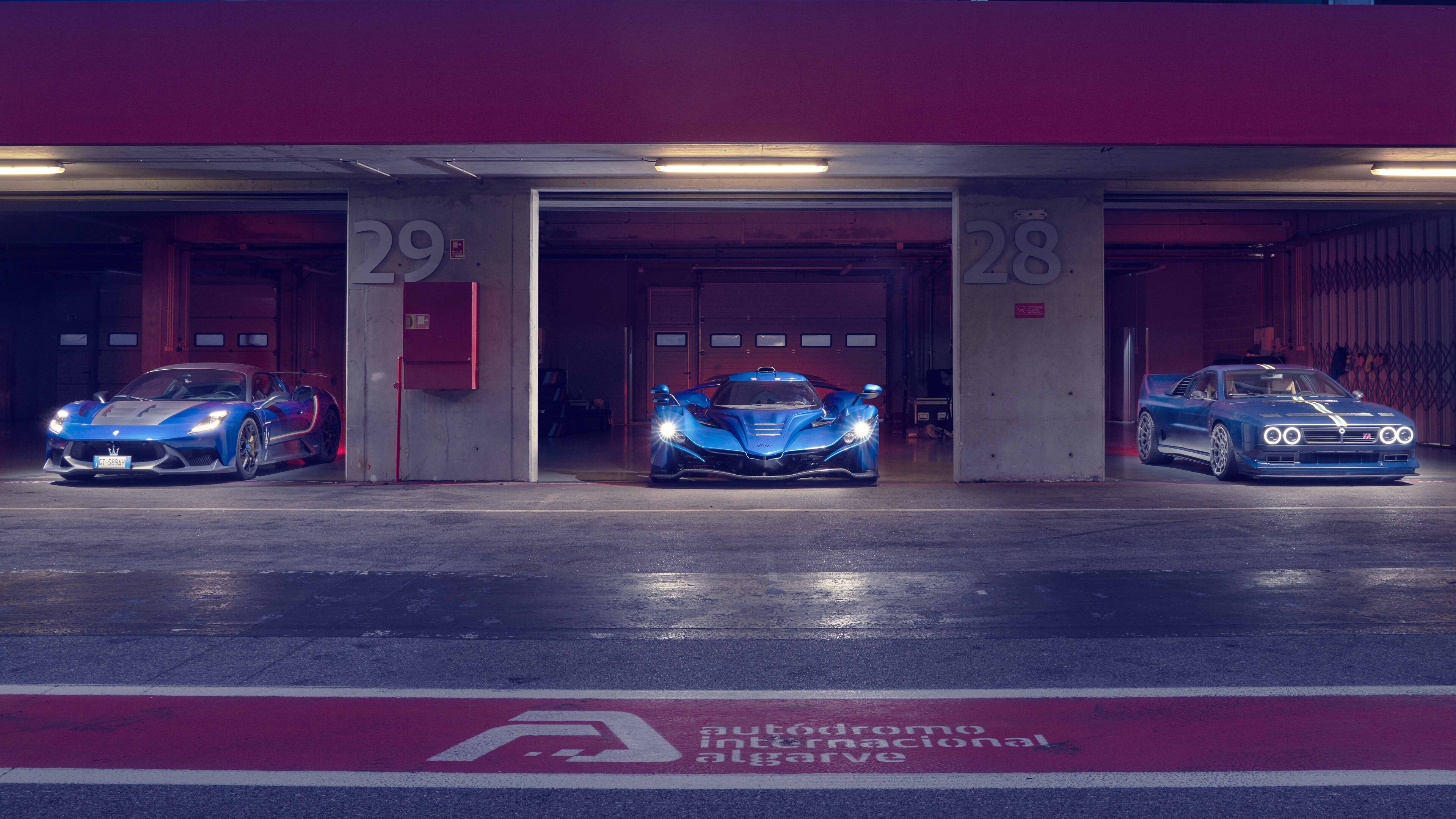
Or maybe all three. Wandering along the pit boxes before any car has turned a wheel, you get a tangible sense of each contender’s star quality. The Maserati fades to grey. Parked just a few yards from Manthey’s terrifyingly focused take on the GT3 RS, it seems halfhearted. Almost meek. The Bohema balances aggression, elegance and aerodynamic efficiency with an artful touch, but its purity is also a little intimidating. People are drawn in but quickly scared off.
Advertisement - Page continues below
The Kimera is different. It is gorgeous and tiny and endlessly, impossibly cool. When its booming four cylinder supercharged and turbocharged engine fires into life, the Ferrari mechanics tending to the 12Cilindri in the next garage burst into applause and, literally, embrace. Italians, eh?
Photography: Mark Riccioni
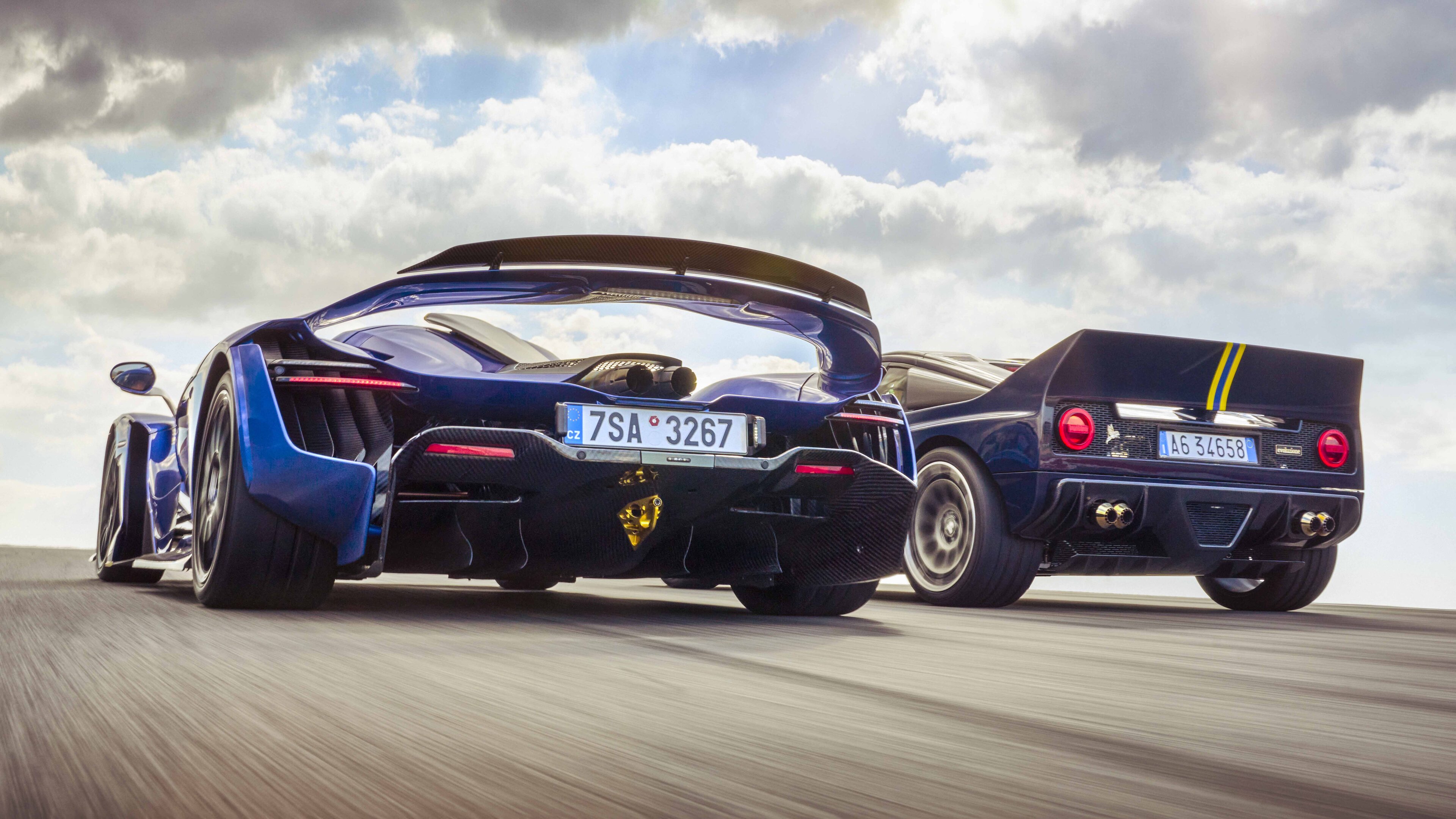
Except the Manthey guys also want to poke around it, eyes and smiles wide. Aston Martin’s, too. Oh, and the M-Sport crew here to support the Raptor T1+. In fact, everyone circles the EVO37, giggles, gasps and nods in deep appreciation for a good 10 minutes. Kimera’s tribute to Lancia’s Group B hero is tiny in scale but has awesome impact.
Advertisement - Page continues below
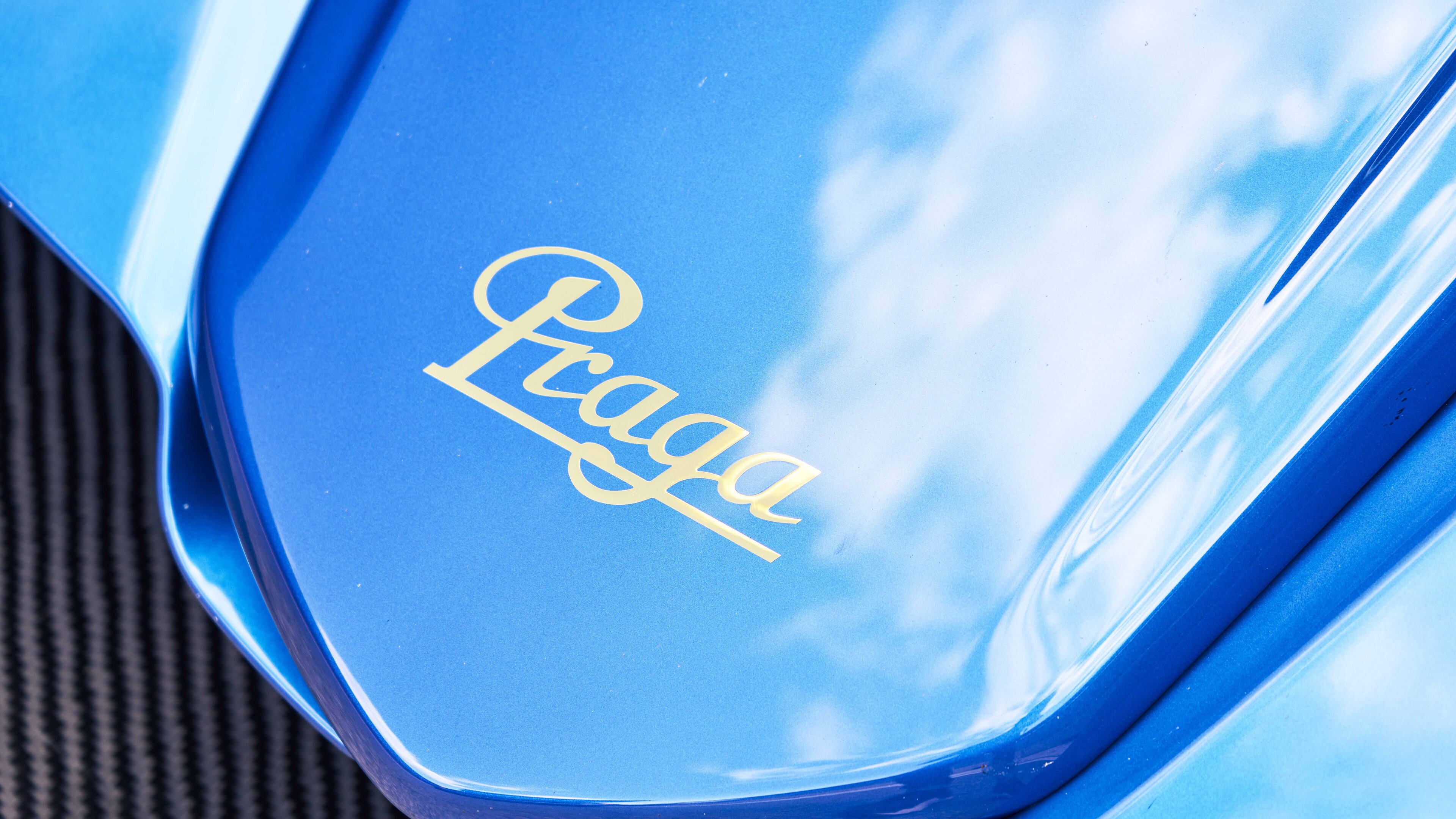
Even so, the Praga Bohema is quite a spectacle as you take in its sculpted bodywork, flicks, strakes and negative space. In fact, it’s genuinely beautiful and finished to an incredibly high standard. Comparisons to the Aston Valkyrie are inevitable and the Bohema doesn’t need to shy away from them. If anything, the carbon fibre, titanium and Inconel jewellery is a step ahead of Newey’s vision. Despite being not much more than half the price at ‘just’ £1.32m.
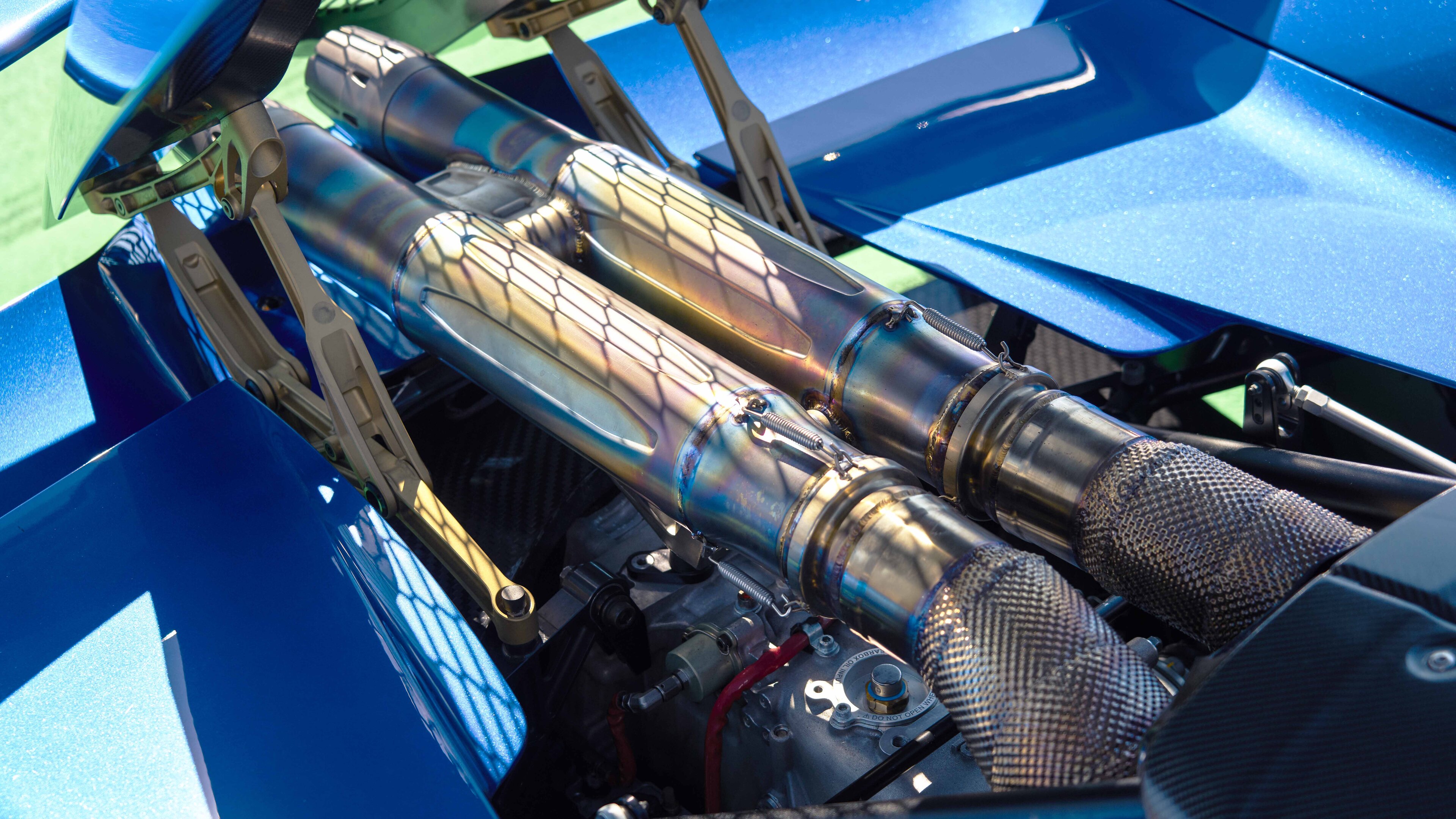
The Bohema is much lighter, too. Praga claims a dry weight of 982kg, which is a near 300kg advantage. However, it is a full six cylinders down. Instead of a bespoke, high revving V12 there’s the rather less exotic 3.8-litre twin turbocharged V6 from the Nissan GT-R, albeit with a dry sump setup and tune by UK based specialist Litchfield for a super reliable 700bhp. Combined with 900kg of downforce at 155mph, pushrod operated suspension, adjustable Öhlins dampers, carbon ceramic brakes, Michelin Cup 2 R tyres and a sequential Hewland box, it should be very much at home here.
Perhaps more so than a driver who first pops open the tiny butterfly door and awkwardly slithers down into the seat. There’s nothing wrong with the comfort in here, but the raised feet driving position and extreme environment are alien and intimidating. For some the Le Mans prototype vibe will be a huge part of the Praga’s appeal. For others, it will simply be too much.
It pays to stick with it. For a start, the view is stunning. The screen wraps around like a visor and there’s engineering theatre wherever you look. The almost open wheeler layout is fantastic and the wheel covers perfectly frame the track as it unfolds. It’s a tightly tailored environment, racecar style, but the materials and design flair are a world away from pure competition machinery.
Top Gear
Newsletter
Get all the latest news, reviews and exclusives, direct to your inbox.
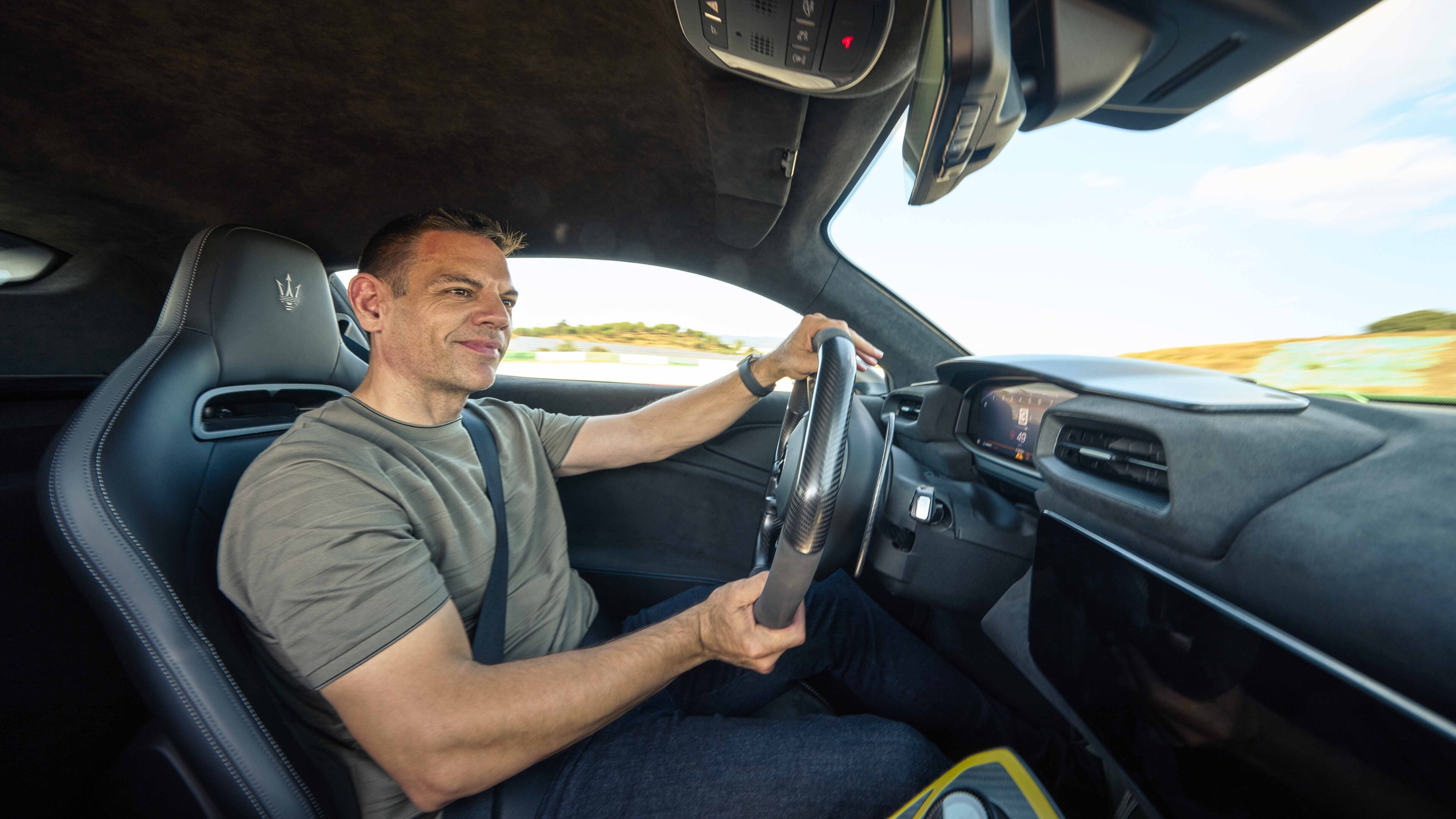
The steering wheel feels so good. That sounds strange but the padding, in terms of placement and the precise squish, is noticeably different. And perfect. Flick on the ignition (located on the roof where you might find sunroof controls in a conventional car), then depress the neighbouring starter button and you’re ready.
In Road mode the clutch activates automatically, but Sport, Race and Race+ require the use of a hand clutch to pull away. I elect to stay in Road until the Bohema is moving and then roll the left thumbwheel to toggle to Race as pitlane bleeds into racetrack.
The engine sounds all business and has lost the distinctive tortured wail of a GT-R, but pretty quickly the familiar V6’s immense, torquey delivery and superb throttle response feel like strengths rather than a handicap. The brake pedal feel is fantastic. Maybe a little longer in travel than you’d expect, but the unassisted system is brimming with information and offers incredible power, too.
Braking distances are tiny. More remarkable is how the Bohema changes the very nature of the track. Where other cars might require a decent squeeze of the brakes, the Bohema tolerates full acceleration and an upshift. Low mass, sticky tyres and downforce make for an almost overwhelming experience.
The balance is superb. If you can find the minerals to push to the limit of Praga’s spaceship you’ll discover it is, after all, a car. So, it will understeer gently at first, before the rear starts to edge wide. The electronics here are a huge help, with Race mode’s calibration rarely slowing progress on corner exit, but allowing you to lean on a gentle yaw angle in the heart of the turn. The Bohema might be a downforce monster, but it never feels like it’s going to bite your head off.
Bad stuff? Not much. The gearbox is fast and mostly smooth. A match for the Valkyrie, for example. But it’s not savagely fast and exciting like the best dual clutch transmissions. The engine is strong and sounds pleasingly industrial, but there isn’t quite the unhinged, all powerful feeling that I’ve experienced in tuned GT-R engines in the past.
I think they need to dial up the character here. Inject some Group C madness, maybe. And the steering is fast and accurate but as speeds rise it doesn’t seem to get pinned by the aero and increase in positivity. Instead, the system starts to seem slightly more remote and so high speed corners are a matter of faith rather than natural confidence.
Maserati’s GT2 Stradale might appear tame in comparison but, for me, it’s tantalising. The MC20 on which it’s based is polarising, but I love its juxtaposition of gruff, boosty twin turbocharged V6 and supple, super fluid chassis. It’s a rare groove, slightly bonkers whole that fits Maserati’s operatic history to perfection. A harder, faster version does run the risk of feeling too conventional and rushing into a head to head with the likes of McLaren’s 750S and Ferrari’s 296 GTB, but it might just throw up some magic, too.
The formula is as you’d expect. A smidge more power (up to 631bhp), more aggressive springs and dampers, radically revised aero including a pass through style bonnet, vented front wings, a much bigger diffuser and fixed rear wing, plus reprogrammed stability control programme, faster gearshifts and bigger brakes. Mass has also been cut and the interior manages to feel stripped out yet bespoke. This car isn’t fitted with the carbon fibre bucket seats, which seems a strange omission, but otherwise the GT2 exudes just the right amount of road racer swagger.
It takes just a lap to know the Maser has some incredible dynamic qualities... but some perplexing missteps. The handling balance is fantastic. The GT2 feels sharp but natural, has extremely strong grip and traction but also delivers the MC20’s smooth, fluid road manners directly to the racetrack. The core feeling is the same, only with amplified control and g loadings. It’s extremely alert but never hurried or nervous and really does seed huge confidence in the driver.
The engine is a snorting beast of a thing that spews flames and malevolence
‘Natural’ really is the key word here. So, why the contrived thump for upshifts? It’s an odd choice for a car that seems to be fundamentally excellent and requires no such synthesised ‘character’ to be applied. Lap two reveals the sheer depth of composure and the GT2’s almost spooky ability to resist wheelspin. In Corsa mode you can play between four preset stability control programmes, but pretty soon you realise that a dry track means no assistance is required. The GT2 just hooks up and should it start to slide at front or rear, the angles are small and build with easy progression.
But by the third lap the temperatures are climbing quickly towards the red. The brakes – which feel oddly unresponsive even when in their comfort zone – are starting to fade and the impeccable chassis balance is undermined. The GT2 Stradale is a really cool thing and highly effective. But, it needs more stamina, greater consistency and for every dynamic element to level up to the clean, precise chassis. Until then it will be a case of what might have been.
Which brings us rather neatly to the £750,000 Kimera EVO37. The creative process behind this car is simple but inspired. In look and configuration it’s pure Lancia 037 – the mid-engined, Group B wonder developed and produced by Abarth in collaboration with Pininfarina and Dallara that somehow managed to deliver the 1983 WRC constructors’ title to Lancia against the onslaught of the new Audi Quattro. It would be the last rear drive car to do so.
Some starting point, right? But this car isn’t a slavish copy. Instead, Kimera pondered how the 037 might have evolved if Lancia hadn’t gone down the four wheel drive Delta S4 route for its next WRC challenger. So, the EVO37 adopts Delta S4 technical solutions (plus jaw dropping craftsmanship that is very un-1980s era Lancia) and implants them into that tiny, lightweight sports car platform so beloved of drivers like Walter Röhrl.
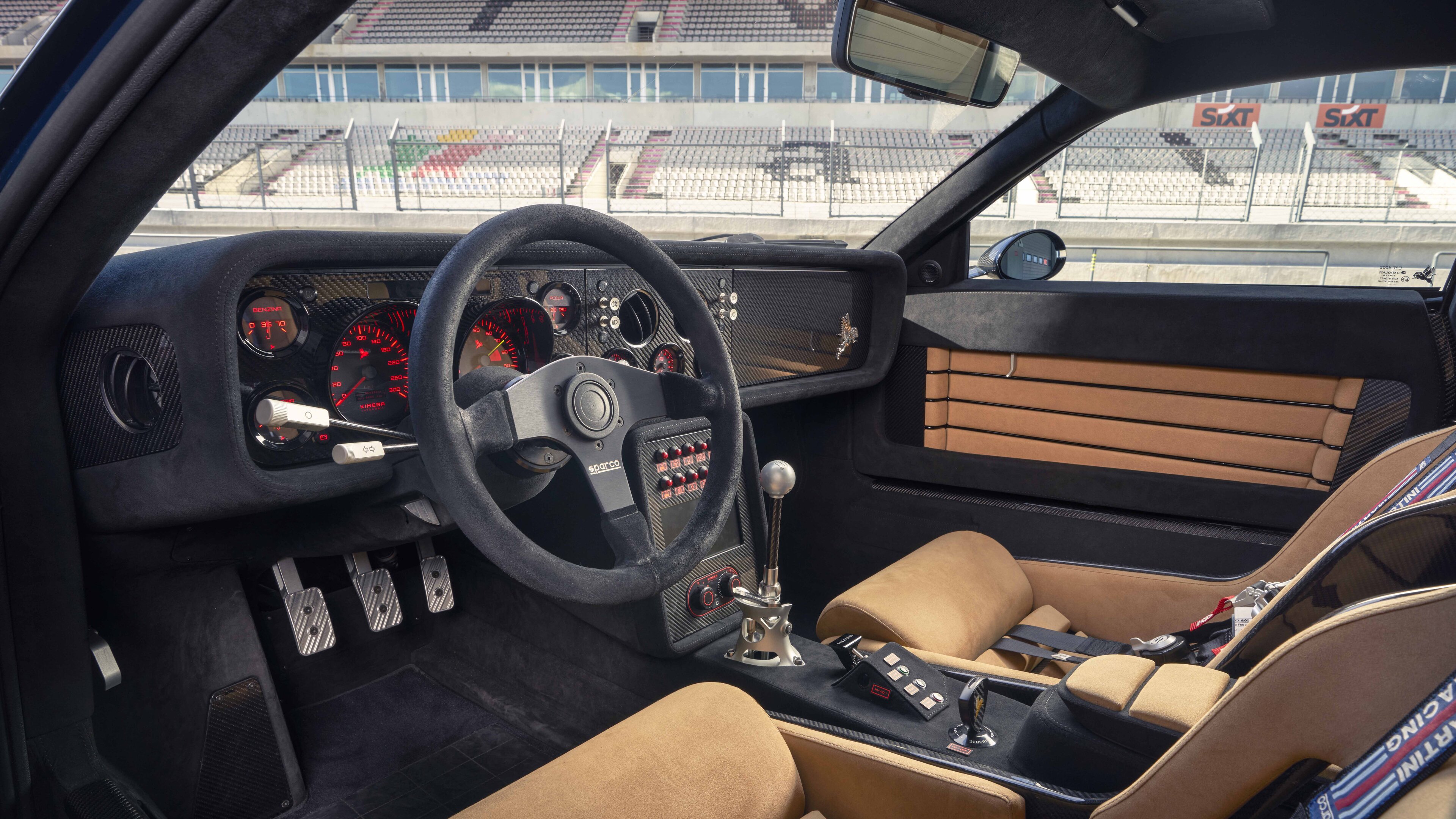
Just like the original car the EVO37’s central tub is from a Lancia Montecarlo. The rest is pure competition – double wishbone suspension, twin dampers per corner at the rear and the most breathtaking carbon fibre bodywork. The engine is the party piece. The 037 ran a 2.1-litre supercharged engine in 1983, but Kimera applies the S4’s ‘twin charge’ philosophy.
So, four cylinders but a supercharger for low rev response and a big old turbo for top end fireworks. The supercharger is decoupled from the engine via an electric clutch to stop the parasitic losses at 4,200rpm. Three engine maps give 300bhp, 400bhp or 505bhp. We go for map three, obviously.
Where to begin? The Kimera EVO37 is rally derived and has body roll, pitch and dive well beyond, say, the GT2 Stradale. However, because it’s small and light the movements are controlled and they engender so much feel. Few cars possess such fluidity. Fewer still can combine freedom of expression with composure and a capacity to keep rolling with the punches. The 037’s freakish agility on the stage, and its ability to soak up endless direction changes, yumps and ragged surfaces, lives on in the EVO37. The Kimera simply flows.
All is not calm and serene, though. The engine is a snorting beast of a thing that spews flames and malevolence. It’s just so angry and ugly and beautiful. There’s no musicality and yet you want the noise to rattle your organs and flood every sense. It helps that it’s hooked up to the fabulous six speed manual gearbox used in the Audi R8. The shift is mechanical and sweet with just enough grit to feel authentic. Every dynamic detail marries perfectly with the next.
The EVO37 is the product of a tiny team with limited resources but it has a depth of polish to shame many OEM efforts. You can feel the passion that’s been poured into this project and the innate understanding that this highly evolved 037 is not an ornament to polish and display. It’s beautiful in detail, yes. But its magic is fully revealed when you roll up your sleeves and get stuck in to really driving it. Kimera’s founder is former WRC driver Luca Betti. You can tell he’s driven this thing at full pace for thousands of miles.
This is not a restomod. It’s the living, fire breathing embodiment of everything we love about cars
Then it broke down. That’s what you’re thinking, right? Sorry to disappoint but the Kimera never even dropped a hint that it might. I’d guess this car did more laps than any other contender bar the GT3 RS MR. It was driven sideways and beasted over kerbs. It kissed the rev limiter countless times. Yet the EVO37 shrugged it all off.
After three solid days of lapping, the brakes (now fitted with ABS and supplemented by a traction control system) felt well used but didn’t vibrate or suffer from any loss of power. Weak links? We didn’t find any. This thing is legit. In all the ways.
From the lovely, light and calm steering to the exquisite balance and the sheer exuberance of that wild engine, Kimera has built a world class, unforgettable and irrepressible machine. This is not a restomod. It’s the living, fire breathing embodiment of everything we love about cars.
The Lancia 037 beat the Audi Quattro in 1983 against all the odds. Who’s to say the Kimera EVO37 can’t defeat Ferrari, Porsche, BMW, Aston Martin and Lamborghini in 2025? It makes the final five. Easily.
Kimera EVO37
Central chassis from a Lancia Montecarlo, the rest is fantasy garage stuff - carbon fibre body, twin dampers at each corner, a racing stripe worth at least 25bhp.
Kimera boss Lucca Betti is a former WRC driver... it shows, setup is all oversteer, no understeer.
2.1-litre 4 cylinder engine is supercharged for lowdown response, and turbocharged for power at higher revs. It creates an orchestra of booms, whistles and whines.
Praga Bohema
Pushrod suspension has to cope with 900kg of downforce at 155mph. Adjustable Öhlins dampers, carbon ceramic brakes, Michelin Cup 2 R tyres... it's the real deal.
V12? V10? Nope... the 3.8-litre twin turbo V6 from the Nissan GT-R, tuned by Litchfield for 700bhp. That'll do.
Maserati GT2 Stradale
3.0-litre twin turbo netting V6 now up to 431bhp... doesn't sound like a lot, but still punches like prime rocky Balboa.
Trending this week
- Car Review
Lucid Gravity (US)