




Advertisement
“No slouch and an impressive plug-in hybrid, but it won’t put a smile on your face like the GTI”
Good stuff
A company car bargain, great e-range, GTI levels of power
Bad stuff
It’s not ‘fun’ power, the interior’s compromised, pokey boot
Overview
What is it?
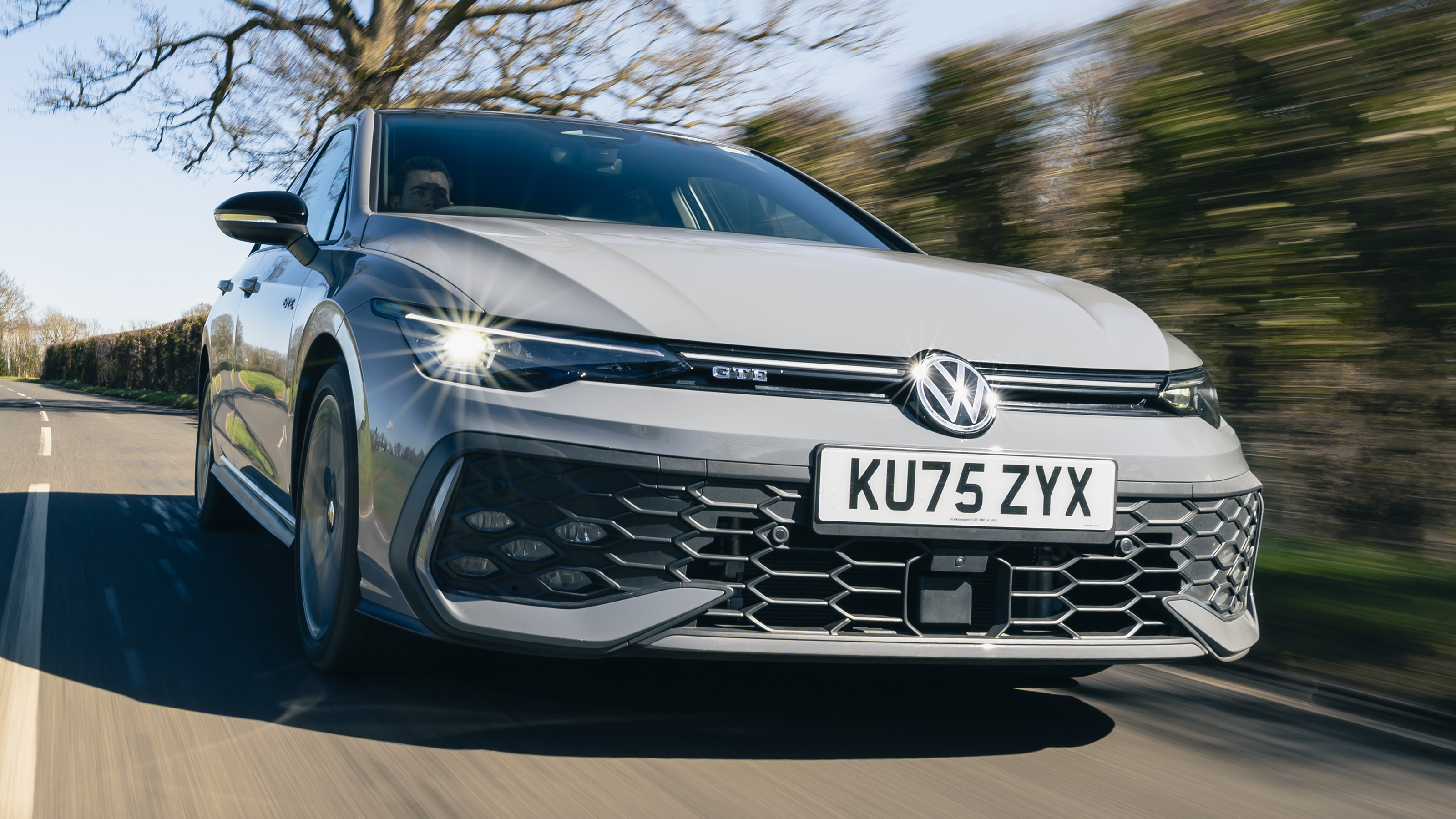
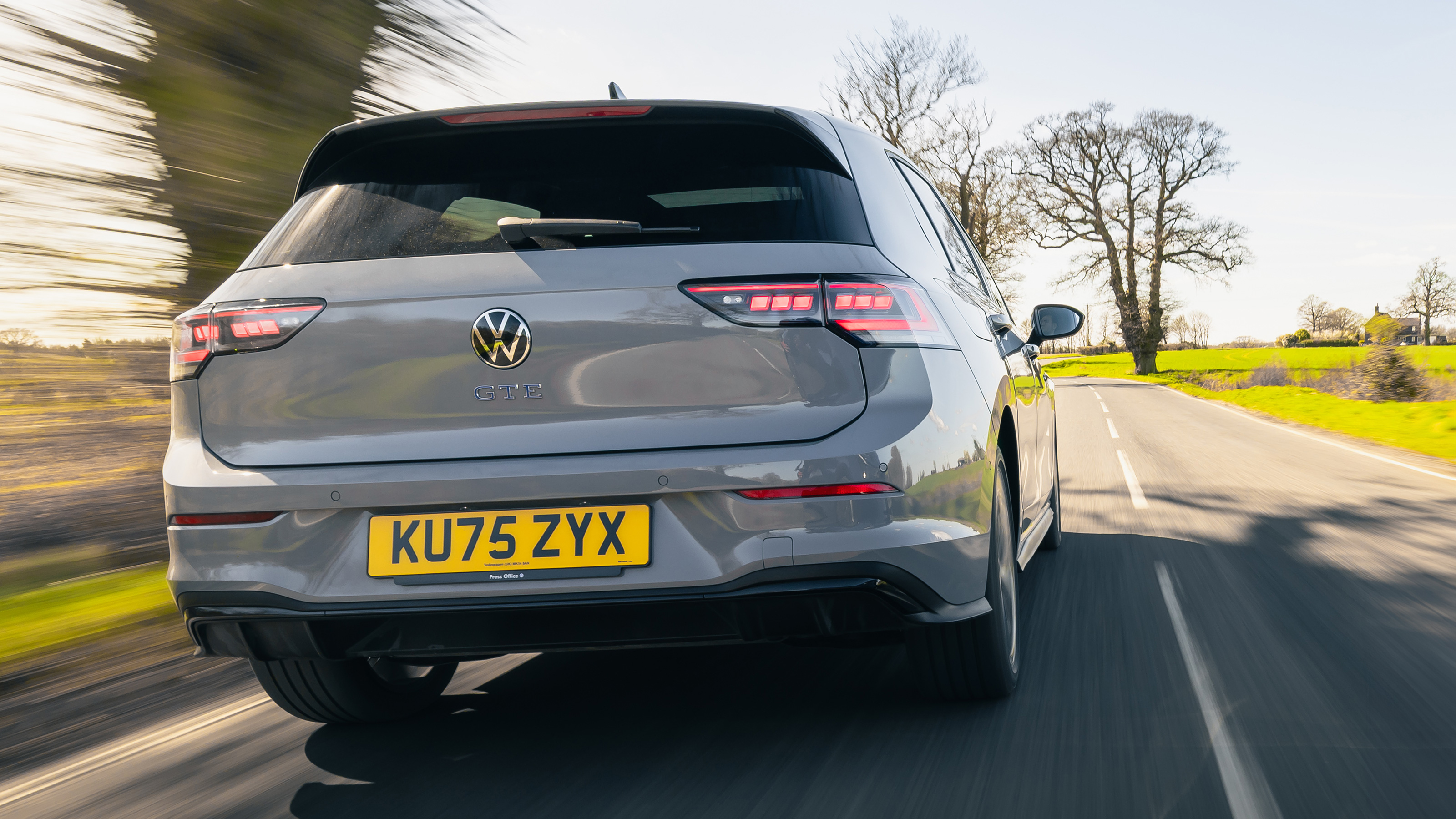
This is the second version of the Volkswagen Golf GTE – it was first launched in 2014 as a sportier alternative to the fully electric e-Golf, intended as a sort of have-your-cake-and-eat-it plug-in hybrid that might appeal to company car folk.
That original GTE was part of the Mk7 Golf range, and since the Mk8 has been with us for a few years, we’re now onto VW’s third attempt at the GTE edition of that car. Confused? We don’t blame you.
Advertisement - Page continues below
TL;DR, VW has ramped up the sporty rhetoric considerably and a bigger battery delivers huge electric range – the GTE’s 268bhp is even more than you’ll squeeze out of the current GTI, making this a full-on hot hatch with an eco conscience. It’s David Attenborough in Nike Airs.
Does the GTE, er, work as a hot hatch?
The first sense you get from the plug-in Golf is that it can’t quite decide whether it’s going to fully commit to being either sporty or economical. You’d have to imagine that if the plug-in hybrid powertrain was a genuine gamechanger then Volkswagen would have just gone all-in and sold the GTI with a socket.
It certainly doesn’t drive as well as a GTI – the engine set-up isn’t as fun, and you can feel the extra weight when you’re really pushing on. It’s just not as willing to let its hair down. It’s a capable cruiser, sure, but not a car you’d want to take the long way home for the sake of it.
What’s the powertrain like?
The GTE features a 1.5-litre turbocharged four-cylinder engine that pumps out 184lb ft of torque through a six-speed DSG, and is paired with a 108bhp electric motor. When both combine you end up with that 268bhp and 258lb ft of torque, which is enough for 0-62mph in 6.6 seconds.
Advertisement - Page continues below
Only the front wheels are driven, and the battery is a 19.7kWh unit (more than double the size of the original) that provides 81 miles of WLTP range. So more like 60 in practice. 8g/km CO2 means BIK of seven per cent – catnip for company car cats. (Are you feeling ok? Ed)
You’ll laugh at the official fuel economy – head over to the Driving tab of this review for that truly hilarious number.
Will do. What’s the GTE like inside?
The GTE-spec Golf is placed as a step up from the R-Line car, so you get a decent level of kit onboard, which starts with a distinctive tartan trim on the seating, a sporty heated leather steering wheel (now with actual buttons and not the heinous touch sensitive controls of yore – hooray!), three-zone climate control, heated front seats and fancy LED ambient lighting.
The touchscreen has swelled from 10 to 12.9 inches, and now runs VW’s MIB4 operating system – it’s far from perfect, but it’s a big improvement on the old setup. Sadly you still get the touch sensitive ‘buttons’ underneath that we’ve hated in every Volkswagen, and even VW itself has promised not to repeat that sin again with its future products. Amen.
Bootspace is compromised by the hybrid batteries (see the Interior section), but overall the Golf remains a practical everyday hatch. There’s decent space for four and occasional room for five.
I want something else. What are my options?
Not many plug-in hatches knocking about, because it’s quite tricky to make the maths work: cheap-ish practical cars get worse on both counts when you add a wad of battery into the mix.
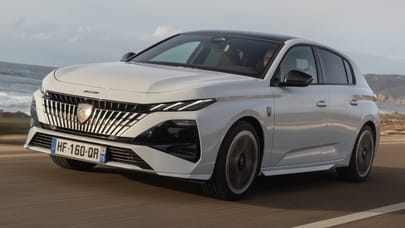
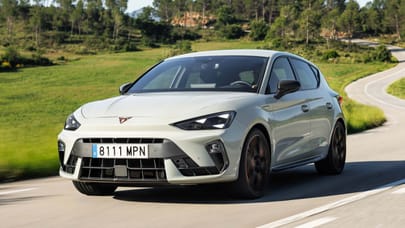
There are plug-in versions of the Peugeot 308 and Vauxhall Astra, and if you’re prepared to endure some minicab gags from your nearest and dearest then the latest version of the Toyota Prius looks sensational. Close to home, other VW Group brands use the same underwear as the GTE – so Skoda Octavia vRS iV PHEV and Cupra with its performance-oriented Leon e-Hybrid.
Or – if you’re not struck by the GTE’s sporty schtick – a Golf eHybrid goes further on e-power and costs less than this car’s jumping off point of £40k.
What's the verdict?
“Volkswagen is selling the GTE as a performance option, but it doesn’t provide anything like the required thrills”
As always, whether a plug-in hybrid works for you depends on whether you’re able to regularly charge and how many round trips of more than 60 miles you tend to make. If the answer to the former is ‘often’ and the latter ‘barely ever’ then the GTE would clearly make more financial sense than a GTI or something of a similar breed.
The onboard tech and turn of pace will make the GTE attractive to company buyers, as long as you don’t go in expecting a riotous hot hatch. The problem is that Volkswagen is selling the GTE as a performance option, and in that company, it doesn’t provide anything like the required thrills.
The Rivals
Trending this week
- Top Gear's Top 9
Nine funky Brazilian cars with Volkswagen engines
- Car Review
Porsche Panamera