



25
Volkswagen Passat Estate
1968cc
201.2bhp
7.5s
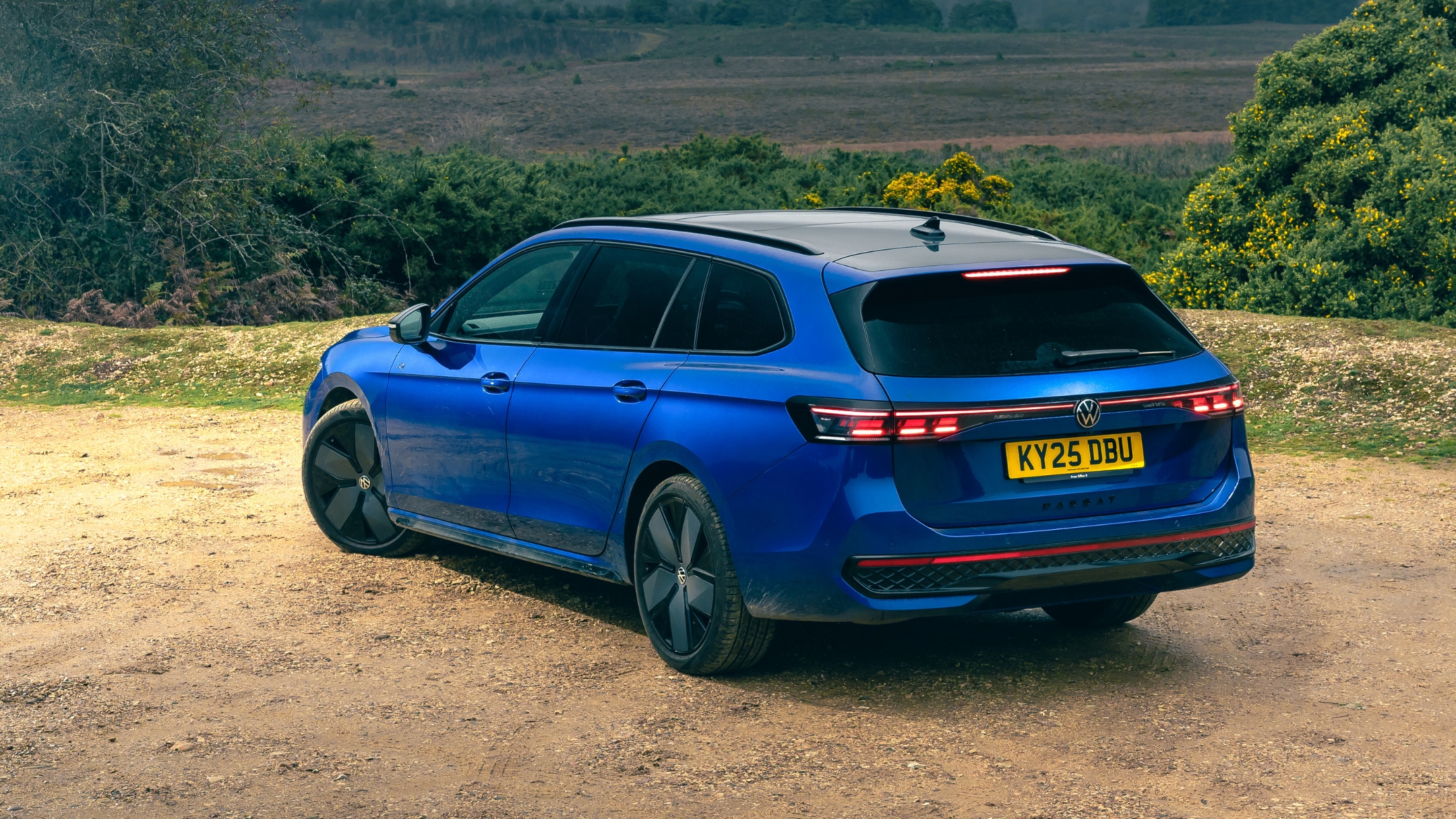
Who’s to blame for the downfall of the estate car? The short answer is ‘the SUV’, while the long answer is everyone from the OEMs who sell SUVs to the millions of us that bought – and continue to buy – them because we didn’t and don’t want the same car our parents drove. But one thing has become abundantly clear over the past half-year or so with the VW Passat Estate: the estate is still fit for purpose, and perhaps more so than ever.
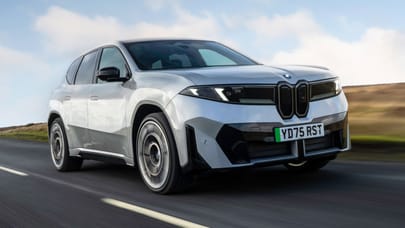
Take the Passat’s replacement, which turned up 48 hours before the VW’s departure. It’s our reigning Car of the Year, representing the absolute pinnacle of German engineering and the seemingly best form the electric SUV has yet taken – and yet it offers substantially less rear seat space and a substantially smaller boot in largely the same footprint, and a real-world range that, at best, I’d only dip to in the Passat if I relentlessly thrashed it. Oh, and it weighs nearly three quarters (three quarters!) of a tonne more. Progress? What progress?
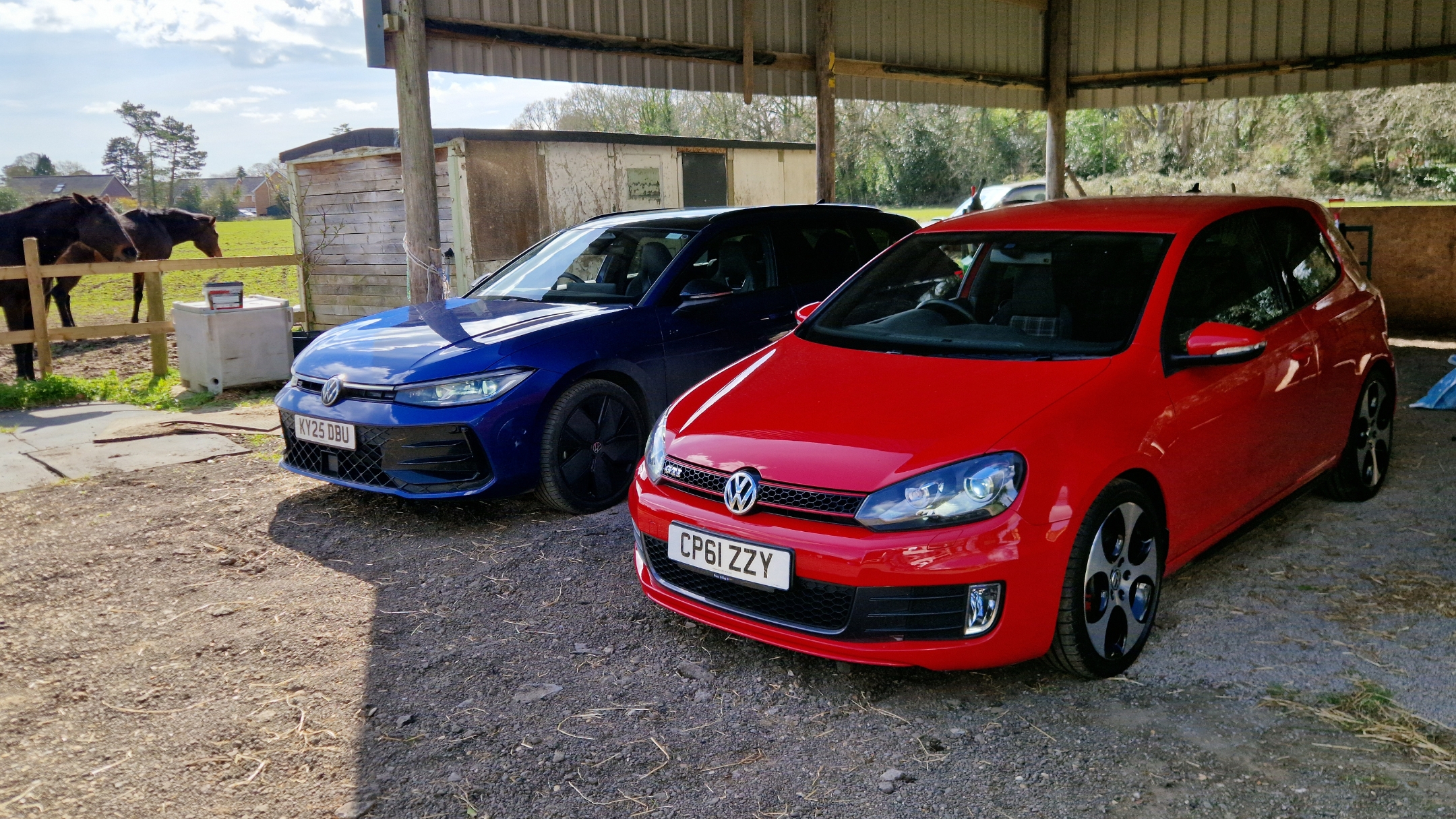
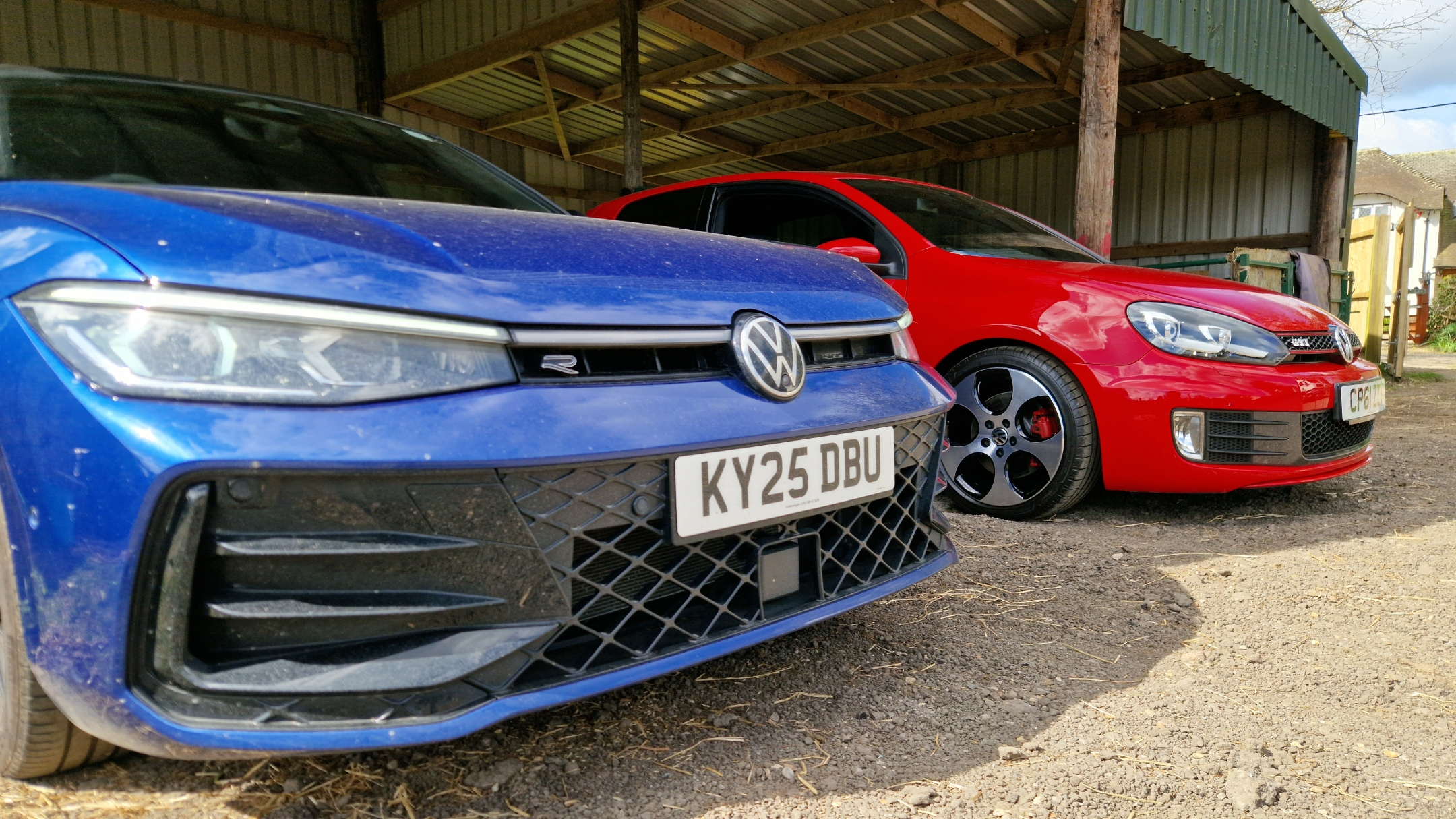
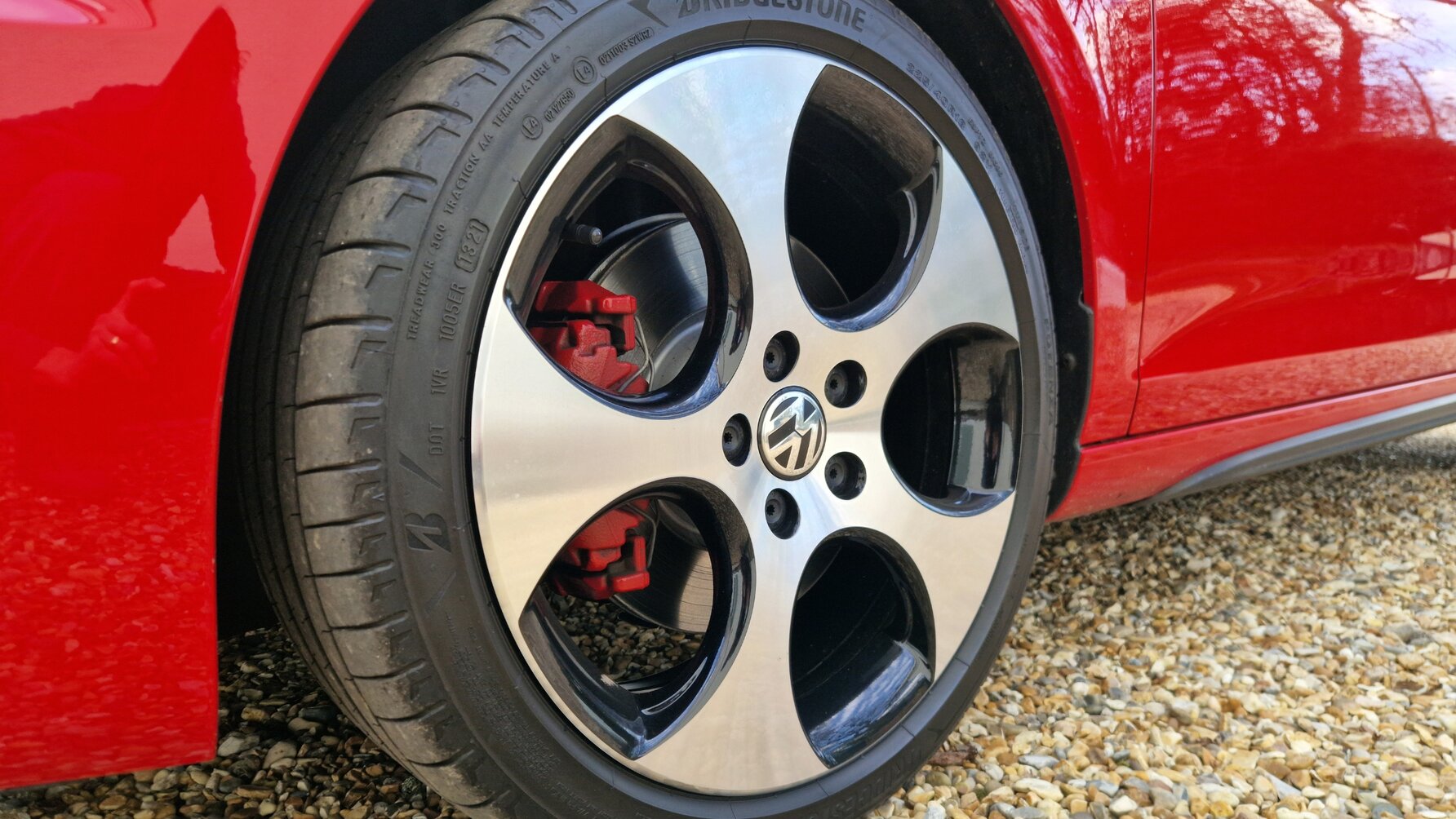
Speaking of progress, might the Passat also represent some personal development? I’d been musing over whether this particular Passat, with its 201bhp 2.0-litre turbocharged engine and the R-Line styling pack, was the sort of car that parents might move to having been young, free and single Golf GTI drivers a decade or two earlier. At least that’s the excuse I fed to VW UK for a blat in the mint Mk6 Golf GTI from its heritage fleet…
Probably shouldn’t have asked though, not least because the seats are too tight around my lower back, and that’s not a problem I remember having in the early ‘00s… That, and, err, I think the Passat is better to drive. In the GTI, the turbo’d engine’s a bit off/on, the brakes are a bit off/on, three turns lock-to-lock (to the Passat’s two) makes it feel a little tardy in its reactions, and it’s noisy. Not in an immature boy-racer sort of way, but just from the sheer road and tyre noise. To the extent my wife (and daughter – what a pair!) thought I was speeding and shouted to slow down, when I was only doing 40 in a 60 on the school run. No, the Passat doesn’t feel as serene as an electric car, but it’s no noisy old Golf GTI either.
Nearly two decades of chassis stiffening and engine tuning and tyre tech have made a big difference, too. A similar difference that being lower and lighter than the SUVs that have become our yardstick makes; now, the Passat’s no 911 GT3, but it does feel lithe(ish) when the norm is inherently heavier and sits you higher.
What’s under the bonnet makes interesting noises as well if you’ve gotten used to EVs, and because it’s a 7.5-second-to-60 car rather than something electric running sub-fives, you can pin the throttle for whole seconds at a time and enjoy long slugs of (average) acceleration rather than being battered into your seat by instant e-torque.
So, it’s better than a celebrated new electric SUV and an ageing hot hatch, but where else does the Passat excel? Well, the button-festooned steering wheel is simple to use – and that’s no given these days. The infotainment system never ever dropped the Android Auto connection to my phone, and the on-screen graphics were big enough that I didn’t want for physical air-con controls. That, and despite an initial appearance of excess chintz, the inlaid door and dashboard lighting and blue pin stripe of Alcantara ensured the interior still felt special even on the last day of our loan.
Not all is perfect of course. The damping never felt quite expensive enough when crashing into yet another unavoidable pothole – and overall suspension isolation could be better – and because I drove it like I was a 20-something in a Golf GTI, our average consumption was way below the official figure. On a 10-hour round trip in its penultimate weekend with us, it was hovering in the high 40s and reckoning on over 700 miles per tank, but a life thrashed on the school run meant mpg in the low 30s and nearer 500 miles between fills. But get the plug-in hybrid with the 60-mile range if you want low bills and a smug smile.
None of that’s the root cause of just how far estate sales have slumped – VW sold 2,823 of the now-estate-only Passat in the UK in 2025. Rather it’s the likes of VW’s own Tiguan (29,857 sold last year) and the chance that SUVs gave for new brands from Korea and elsewhere to make inroads that has led to the decimation. But if you can look beyond being on trend, then there never was anything wrong with the estate, and when you get a good one come along like this Passat, it only boggles the mind that we’ve abandoned them for heavier, slower, more impractical and more expensive alternatives.
Get all the latest news, reviews and exclusives, direct to your inbox.
