


25
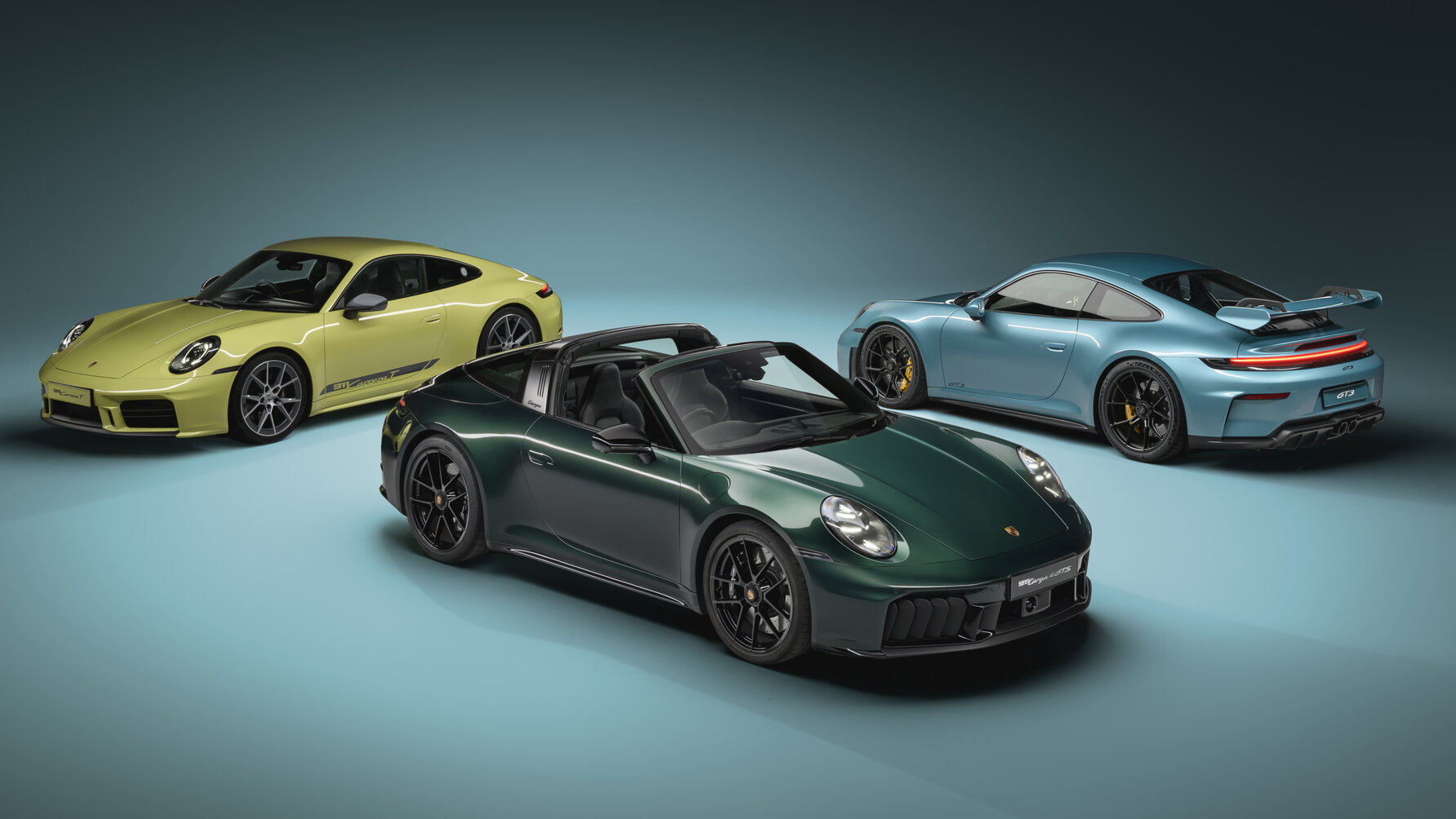
Carrera T, Targa 4 GTS or GT3 – whatever you want from a sports car, there’s a 911 for it
Some cars need no introduction. The Porsche 911 is one of them. The shape is unmistakable, the flat-six behind the rear axle is iconic and the engineering philosophy has never changed. But Porsche has not treated that heritage as a reason to stand still.
Instead, it has spent six decades stretching what a 911 can do. Making it faster, safer, more usable and more capable. Taking it racing. Taking the roof off. Adding turbochargers, four-wheel drive and, now, hybrid assistance. Yet through all of that development, it has remained unmistakably a 911. That is probably the cleverest part.
Because today the 911 isn’t really one sports car. It is a whole family of them, each taking the same underlying idea in a slightly different direction. Which means choosing a 911 is less about deciding whether you want one and more about deciding which version of the idea suits you, your life and your dreams.
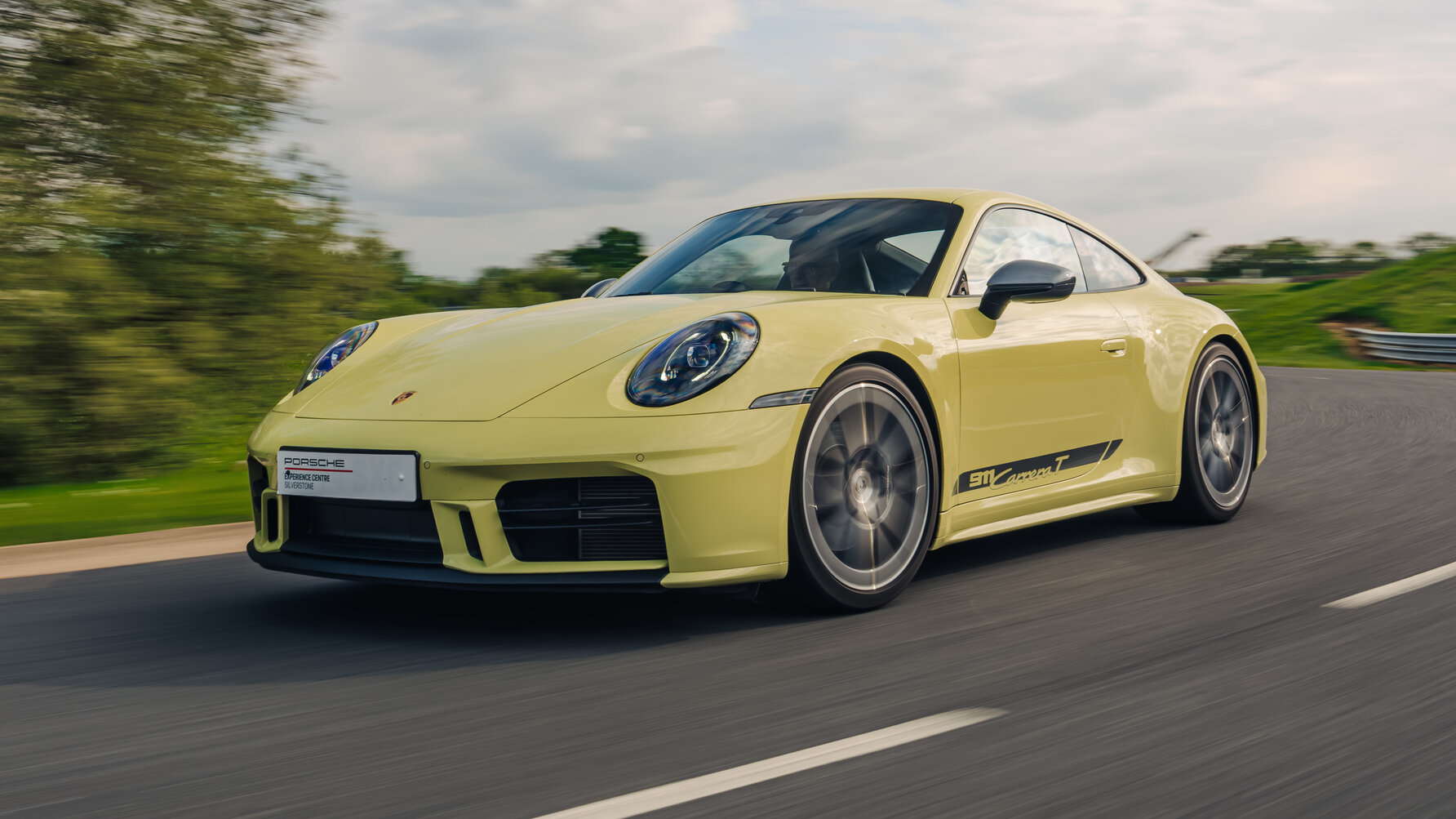
Take the 911 Carrera T.
The T stands for Touring, a designation that stretches back to the 911 T of 1968, but the current car isn’t an exercise in nostalgia. Its appeal is much simpler: Porsche has taken a Carrera and concentrated on the bits that make it enjoyable to drive.
There’s a 389bhp 3.0-litre twin-turbo flat-six, rear-wheel drive and a six-speed manual gearbox. Lightweight glass, less sound insulation and other weight-saving measures make it up to 42kg lighter than the regular Carrera, while rear-axle steering and specifically tuned PASM sports suspension are standard.
It’ll do 0–62mph in 4.5 seconds. But that isn’t really why the Carrera T exists. It’s for the journey between those numbers: the gear change you got right, the corner you went back and drove again, the road that suddenly became longer because you took the scenic route.
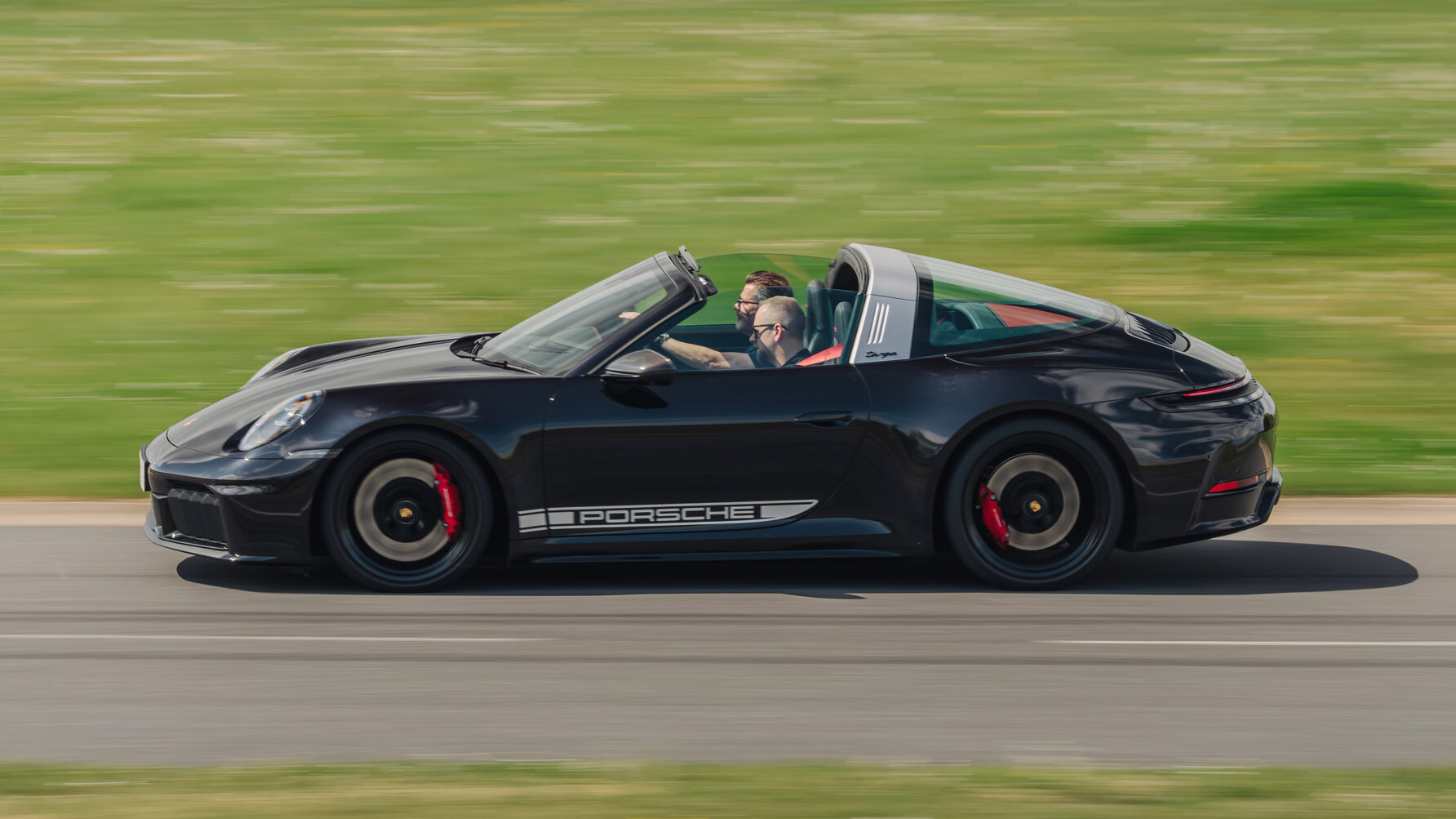
If the Carrera T is about distilling the 911, the 911 Targa 4 GTS demonstrates just how much technology the same basic recipe can absorb without losing itself.
And there’s something rather neat about the combination. The Targa is one of the most recognisable interpretations of the 911 – that roof bar and wraparound rear glass have been part of Porsche folklore for decades – yet underneath sits some of the newest engineering ever fitted to one.
The latest Targa 4 GTS uses Porsche’s T-Hybrid system, pairing a new 3.6-litre flat-six with an electrically driven exhaust turbocharger, an electric motor within the PDK transmission and a compact high-voltage battery. Total output is 534bhp, driving all four wheels, with 0–62mph taking 3.1 seconds and a top speed of 194mph.
The important bit is what the electricity is being asked to do. This isn’t hybridisation principally in search of electric driving range. It is there to make the combustion engine respond harder and faster. New technology being used for a very traditional objective: making a sports car better to drive.
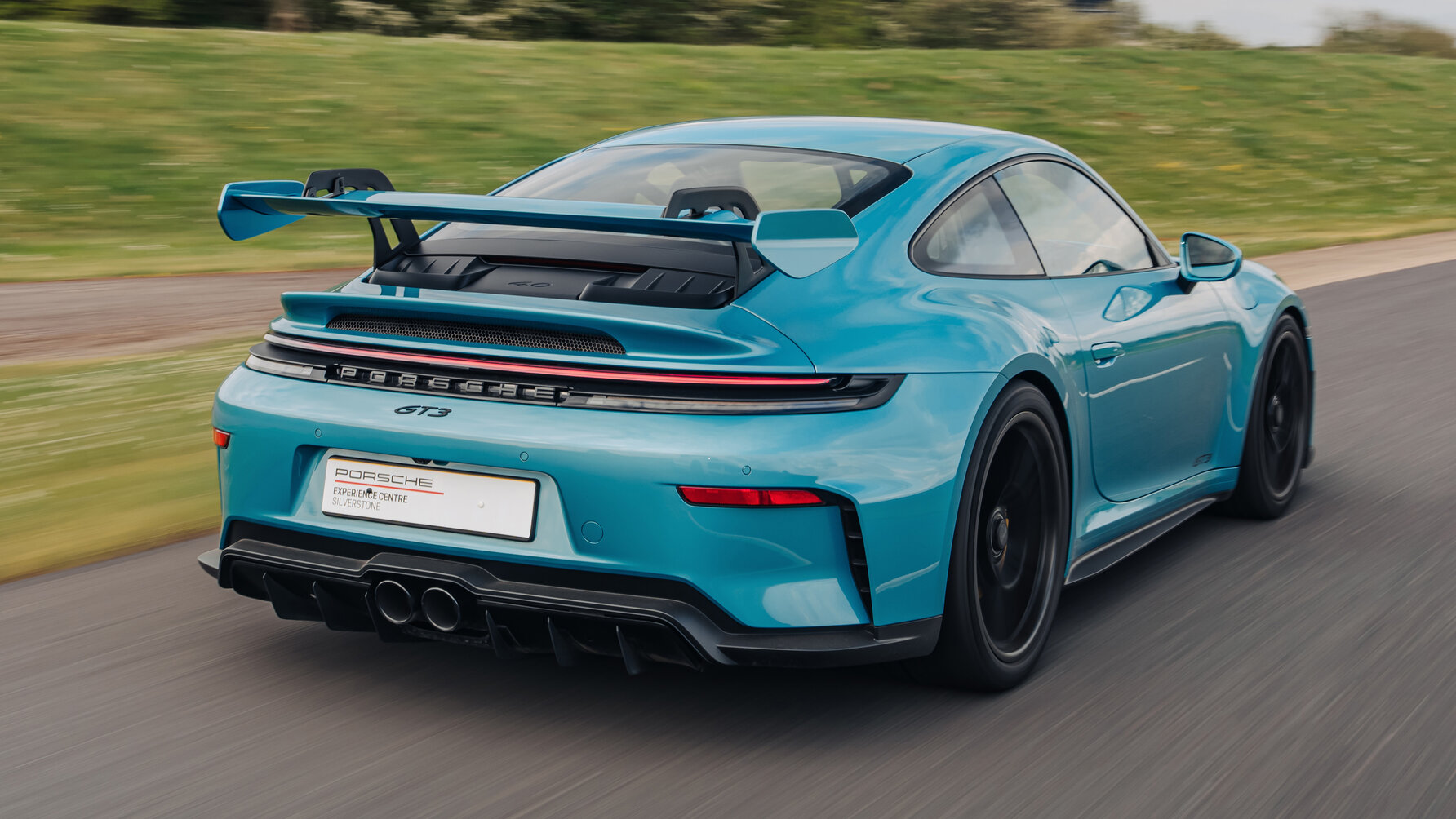
Then there’s the 911 GT3, where the gap between Porsche’s racing cars and its road cars becomes particularly narrow.
Its 4.0-litre flat-six remains naturally aspirated, produces 503bhp and revs to 9,000rpm. You can have PDK or a six-speed GT manual gearbox, while double-wishbone front suspension and aerodynamic thinking with direct links to Porsche motorsport sit underneath.
Porsche has also attacked weight rather than simply piling on power. In its lightest configuration, the GT3 weighs 1,420kg, and its latest evolution uses a shorter final-drive ratio to make that engine feel even more immediate.
The result is a car that’s as capable when spending a day on a circuit as the journey home. That philosophy of racing-car thinking made usable on the road has been the point of the GT3 since it first appeared in 1999.
So, what 911 is for you? The Carrera T strips things back. The Targa 4 GTS adds technology. The GT3 borrows from motorsport. They approach the idea from entirely different directions, yet you’d never mistake any of them for anything other than a 911. That’s the trick Porsche has been pulling off for more than 60 years.
There isn’t one 911 that has to work for everyone. There’s a 911 for the way you want to drive. Put simply, there is no substitute.
Discover the Porsche 911 range here
Get all the latest news, reviews and exclusives, direct to your inbox.
