



Big Reads
"A large touchscreen doesn't work in a car": Sir Jony Ive on designing the Ferrari Luce's interior
Maranello’s first EV has been entrusted to Sir Jony's company. Time to meet the man and mark his homework
Jony Ive once spent three weeks in northern Japan working with craftspeople in an area renowned for its metal working. He was fixated on titanium at the time, and its peculiarly challenging properties. “They really understood it,” he says, “and I realised that I didn’t.” Needless to say, he soon learned.
Born in north London in 1967, Ive is the son of a silversmith, and was educated at Newcastle Polytechnic. Hired by Apple in 1992, he rose to prominence as the design alter ego of company CEO, the mercurial, perfectionist Steve Jobs. He’d been set to quit Apple shortly before the company’s co-founder returned in 1997, but was persuaded to stay when Jobs prioritised design over profit. They shared an obsessive understanding of the connection between a product’s design, its engineering essence, and its manufacturing.
Advertisement - Page continues below
“He is a wickedly intelligent person in all ways,” Jobs told biographer Walter Isaacson. “He understands business concepts, marketing concepts. If I had a spiritual partner at Apple, it’s Jony. Jony and I think up most of the products together and then pull the others in and say, ‘Hey, what do you think about this?’”
Photography: Greg Pajo


And what products they were: the iMac, iPod, iPhone, iPad and Apple Watch, era-defining technology that transcended its sector to rewire culture itself. When Jobs died in 2011, many speculated about how long Ive would continue at Apple, during a phase when it was developing a car of its own (Project Titan, later abandoned), but it was 2019 before he departed. Then he co-founded the design collective LoveFrom, with old friend and colleague, the industrial designer and polymath, Marc Newson.
Both are devout petrolheads, and own an eclectic bunch of cars between them – a Bentley Continental S3, Bugatti Type 59 and Ferrari 250 GT Europa, to name a few. Selective about who they worked with, the prospect of designing the nascent electric Ferrari was too tempting to resist when the company’s executive chairman, John Elkann, proposed a collaboration.
Advertisement - Page continues below
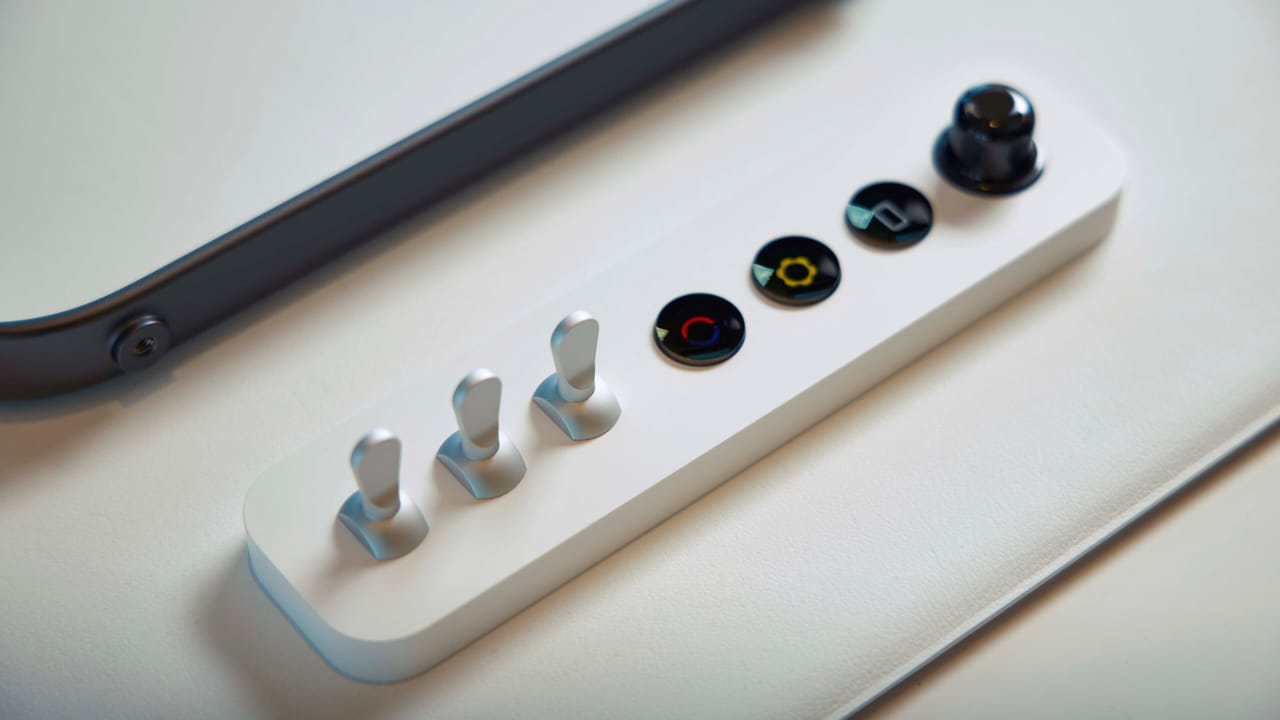
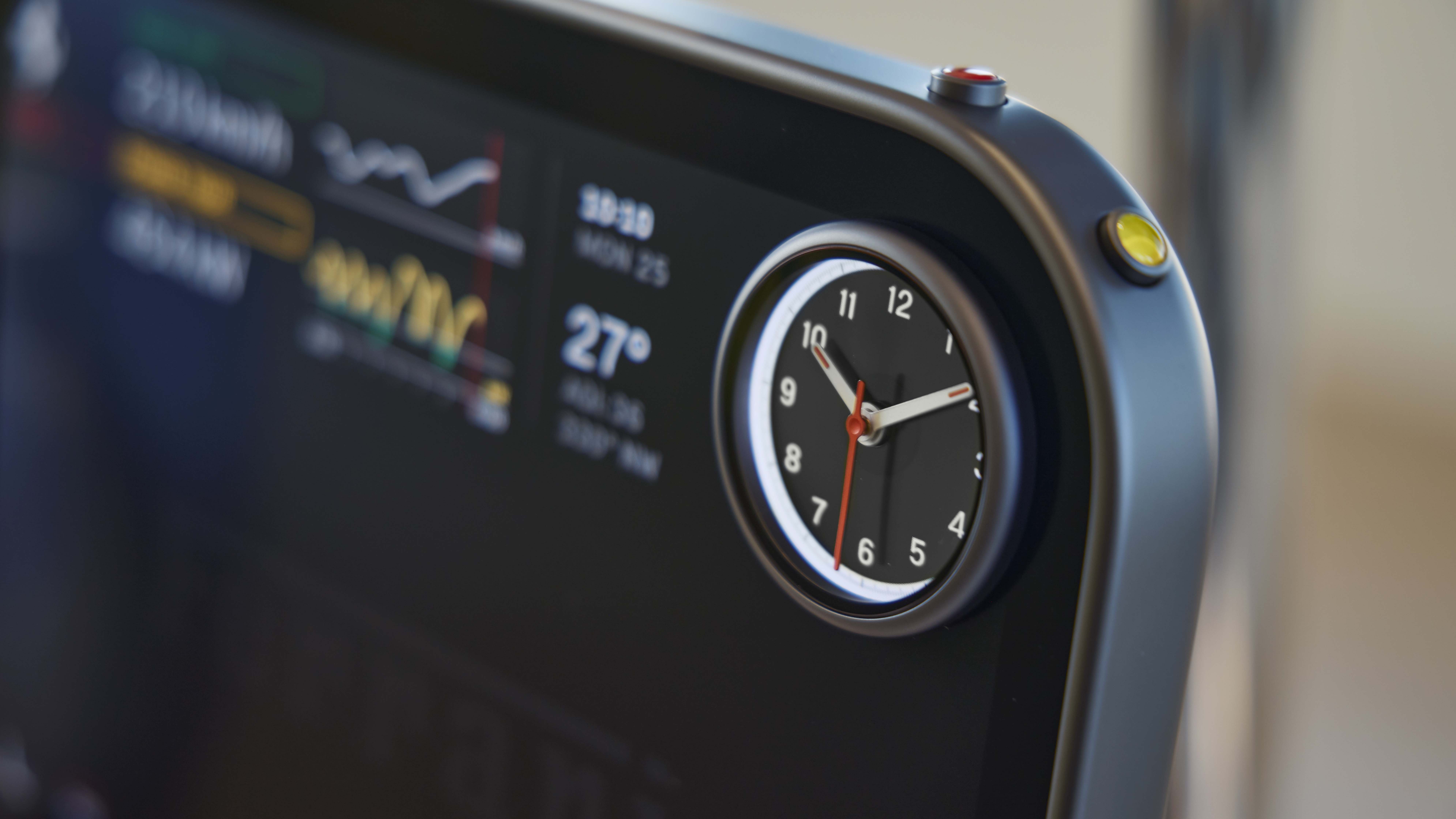
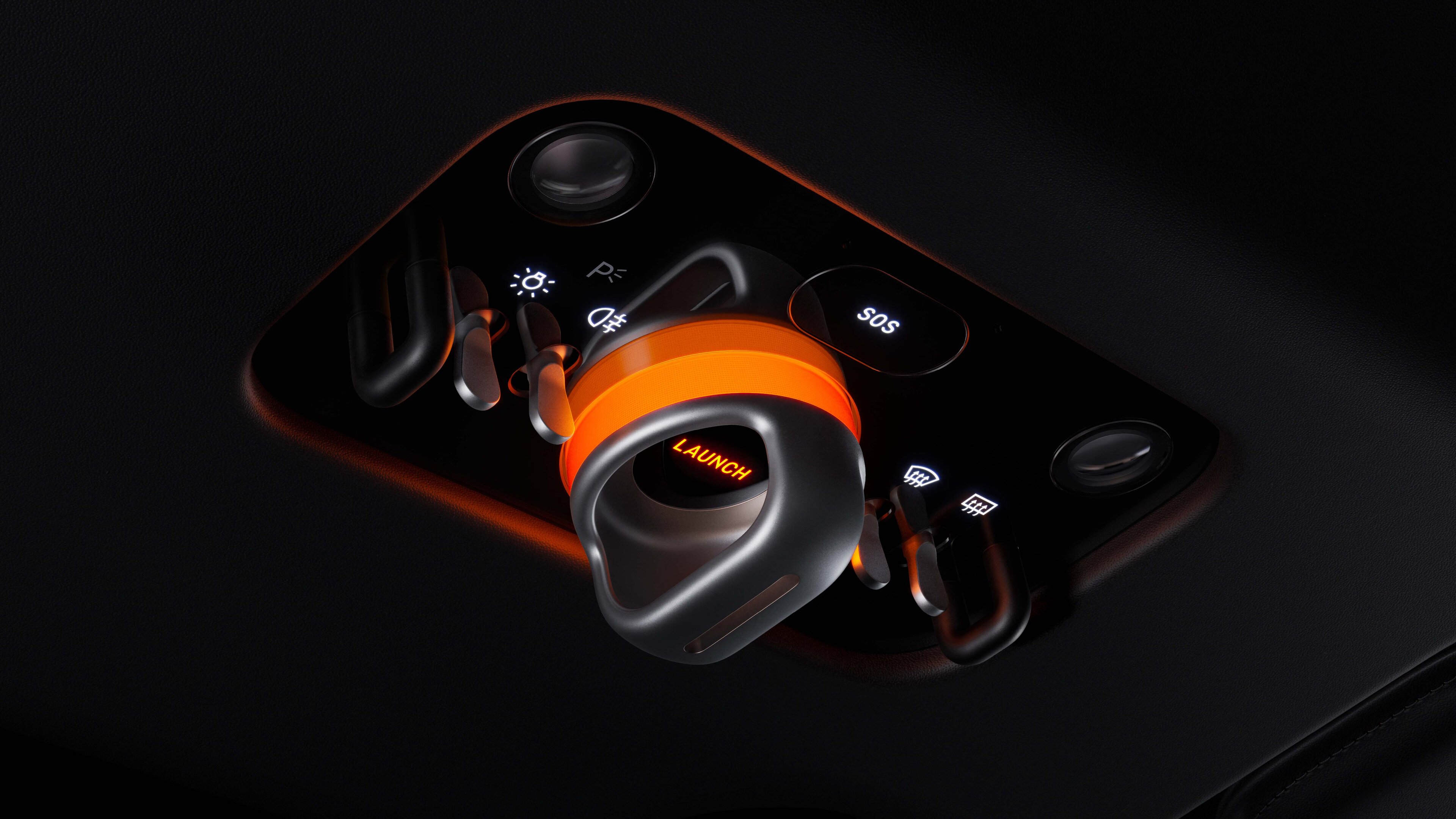
Five years on, the Luce is due to be revealed in May. Thus far, we know about the hardware that underpins it, and now also the interior. “We wanted to explore an interface that was physical and engaging and to take the most powerful parts of an analogue display and combine them with a digital display,” Jony Ive tells Top Gear. The result is undeniably Apple-y, a material-rich greatest hits reimagined in one of the most demanding of all environments – a car interior.
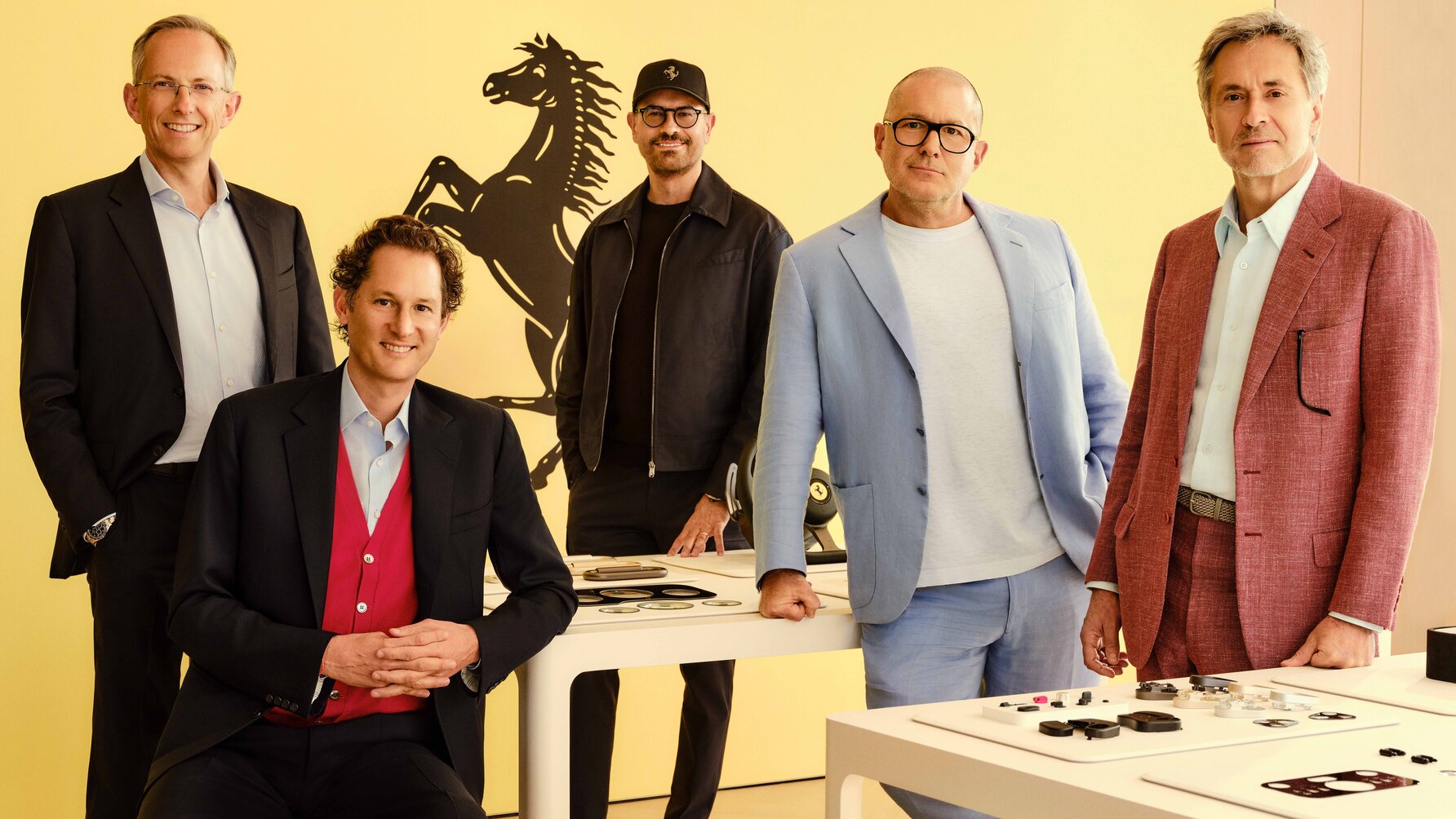
Left to right: Benedetto Vigna, CEO of Ferrari; John Elkann, executive chairman; Flavio Manzoni, chief design officer; Sir Jony Ive and Marc Newson, founders of LoveFrom
Top Gear: Can you take us through your methodology?
Sir Jony Ive: The first thing we did was try to understand the foundation and architecture of the interface, how things were organised. This isn’t something that’s often apparent. It reminds you that you’re alive and that you’re engaging with a physical thing. Getting into a car and seeing one big display, well, it sucks the life out of me. This is so much more engaging and visceral – and helpful in terms of establishing hierarchy of use.
The work you did at Apple, particularly on the iPhone, made you arguably the most influential designer in terms of the car interior. But the Ferrari Luce shuns the most obvious aspect of that thinking.
Practically and functionally, a large touchscreen doesn’t work in a car. That’s incontrovertible. I find it easy and lazy. This is a space where there can be an infatuation with style and fashion. Marc [Newson] and I understand culture, and we’ve done a lot of work in that area. But there has to be rigour. User interface design is also a relatively new discipline, and it was very clear why we developed it for the products that we did.
So what were your aspirations on this project?
You have to care. That was great fuel to see if we could try to solve the problem. I don’t mean to sound arrogant but I’ve been lucky in that I’ve worked on products that have had a broad impact beyond the original scope. I had a rather juvenile thing about being copied, but now I would just like it if everybody got to enjoy better design. Maybe I’m growing up a bit. I do think it would be good if people stopped accepting stuff that’s almost unusable and, I would argue, dangerous. When you look at our central screen, you’re not wondering, ‘how many layers deep am I going to have to go to do something simple?’
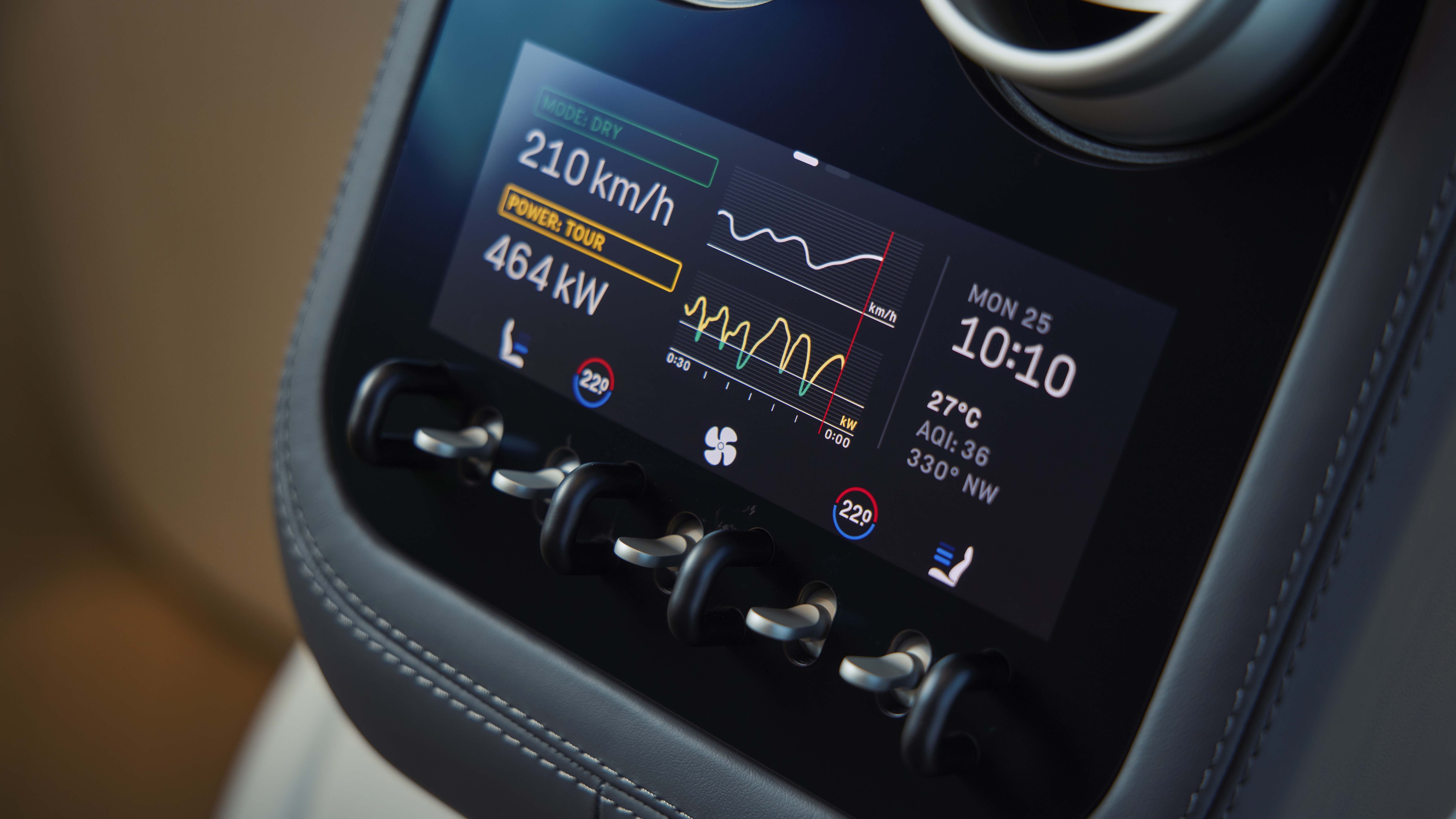
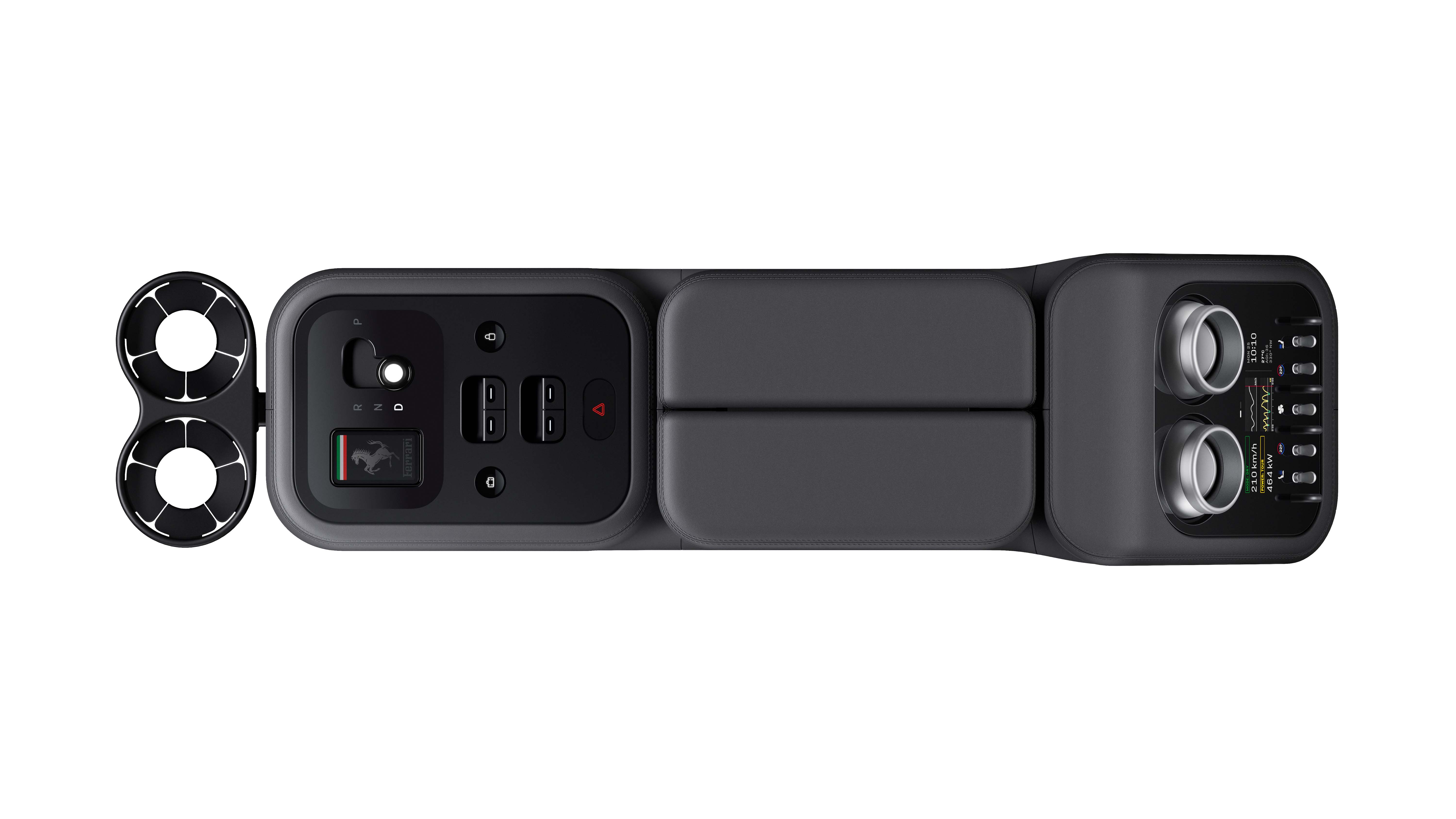
Much of the Luce’s interior is done according to ‘first principles’. That seems to have surprised some people.
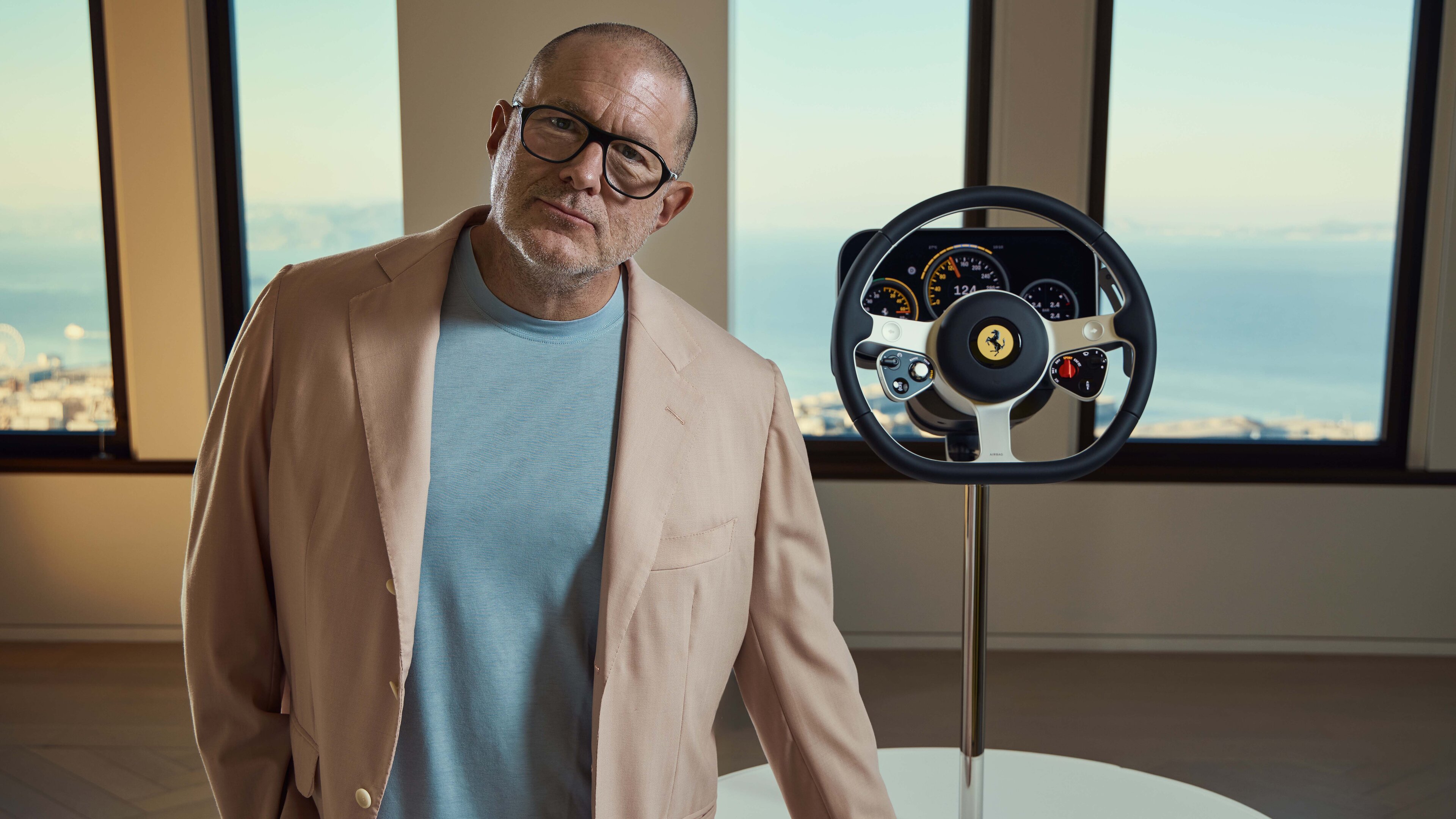
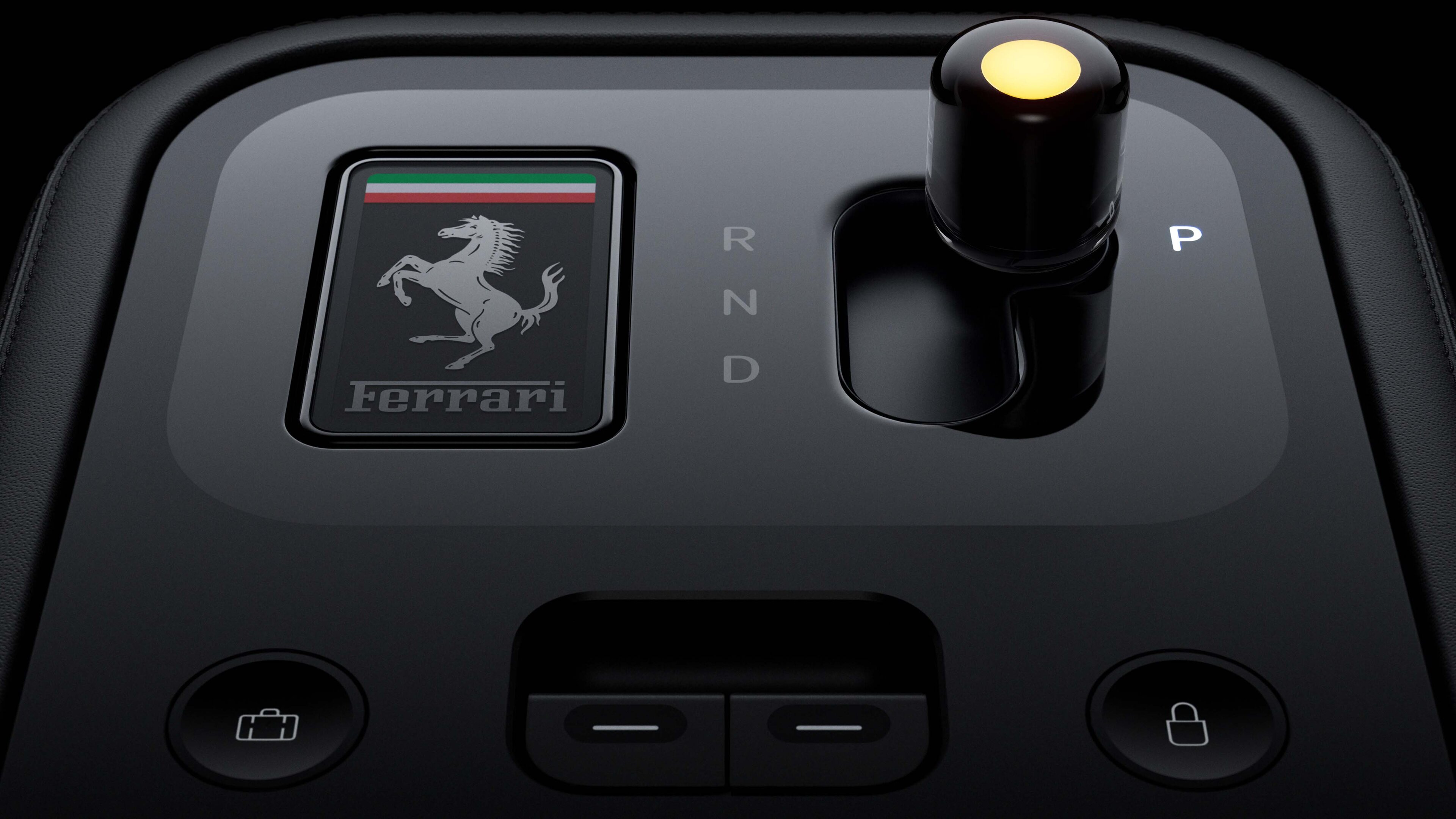
To make something simple and intuitive is really difficult. Everything is founded on being functional. It’s not styled, it’s not garnish, because that’s a distraction and it doesn’t last well. The binnacle and steering wheel are intimately connected, and this is about driving. Everything else augments that experience. The binnacle is about output and the steering wheel is about input. All the controls are physical and mechanical. We stress tested these big organisational principles. We felt they were very important, but we also worked hard to verify the assumptions we were making. Fortunately, the best engineers in the world are at Ferrari.
You and Marc both own classic cars, and have spent years getting your hands dirty. How important is that to what LoveFrom does?
Our work, and a lot of my work at Apple, is informed by the fact that I understand how to make stuff. How can you possibly design a shape and not really understand how it’s made? So we spend a lot of time at the machine centres working with the team making it. Those are the guys you listen to, and we just learn. We live in a world with sloppy products because they haven’t been properly designed by designers who listen and do so with some humility.
Top Gear
Newsletter
Get all the latest news, reviews and exclusives, direct to your inbox.
The images don’t convey how meticulous it all is. It’s pared back but the result really is powerful.
We treated every single element as if it was a camera or a watch. Nothing was vague or hand-wavy. You can see how obsessive the collective teams have been. It felt like designing hundreds of products, but in aggregate it feels singular and coherent. You can see our nuttiness with all the individual components. The seats are particularly simple, beautiful and elegant. Some things are gentle and small observations, that you might only discover after a while of ownership, but they do speak of enormous care. Over time your respect and affection actually grows.
Did you worry about entering an area that was new to you?
What I worry about is whether I’m working hard enough to learn about the distinct issues of a new project or problem. It could be a building, something in your pocket, or something you sit on. I love that I don’t need to obey the traditional dogmas around something. I remember being told by someone at Nokia, ‘you have no idea what you’re doing. You should just leave it to the experts’. The important thing when you cross boundaries of expertise is that you do it in a deferential way, where you really are aware of what you don’t know, where you learn, but still have the opportunity to think in a different way.
What was it like working with Ferrari?
The older I’ve got, the more I’ve been up to, I’ve felt a real shift in what I care about. And to me, who I work with has become much more important than what I work on. One of the characteristics of this project is a sincere and authentic friendship. We actually really like each other. I’m more interested in what I’ve learned. I’m more interested in that than I am in being right, actually.
One of the saddest things in a big company is that there’s a tendency to value what you can measure... you know, price, weight, speed, but not all that you can measure is valuable, and not all that is valuable is measurable. I think Einstein may have said that. The most important decisions we make here are generally made in the absence of data. One of the reasons I love Benedetto [Vigna, Ferrari CEO] is that he’s a brilliant engineer who pays attention to the things you can’t measure.
I interviewed Giorgetto Giugiaro and the late Marcello Gandini, arguably the two greatest car designers of all time. They both described themselves, first and foremost, as problem solvers.
That’s exactly what Marc and I said. One of the biggest mistakes made is that people don’t frame the problem properly. I spend a lot of my time saying to my team, ‘that’s not the problem’. The problem is this not that... If you’re a stylist, you can say, ‘why is it like that?’ ‘Well, because I like it, it’s sexy.’ If you’re a problem solver, you can’t do that.
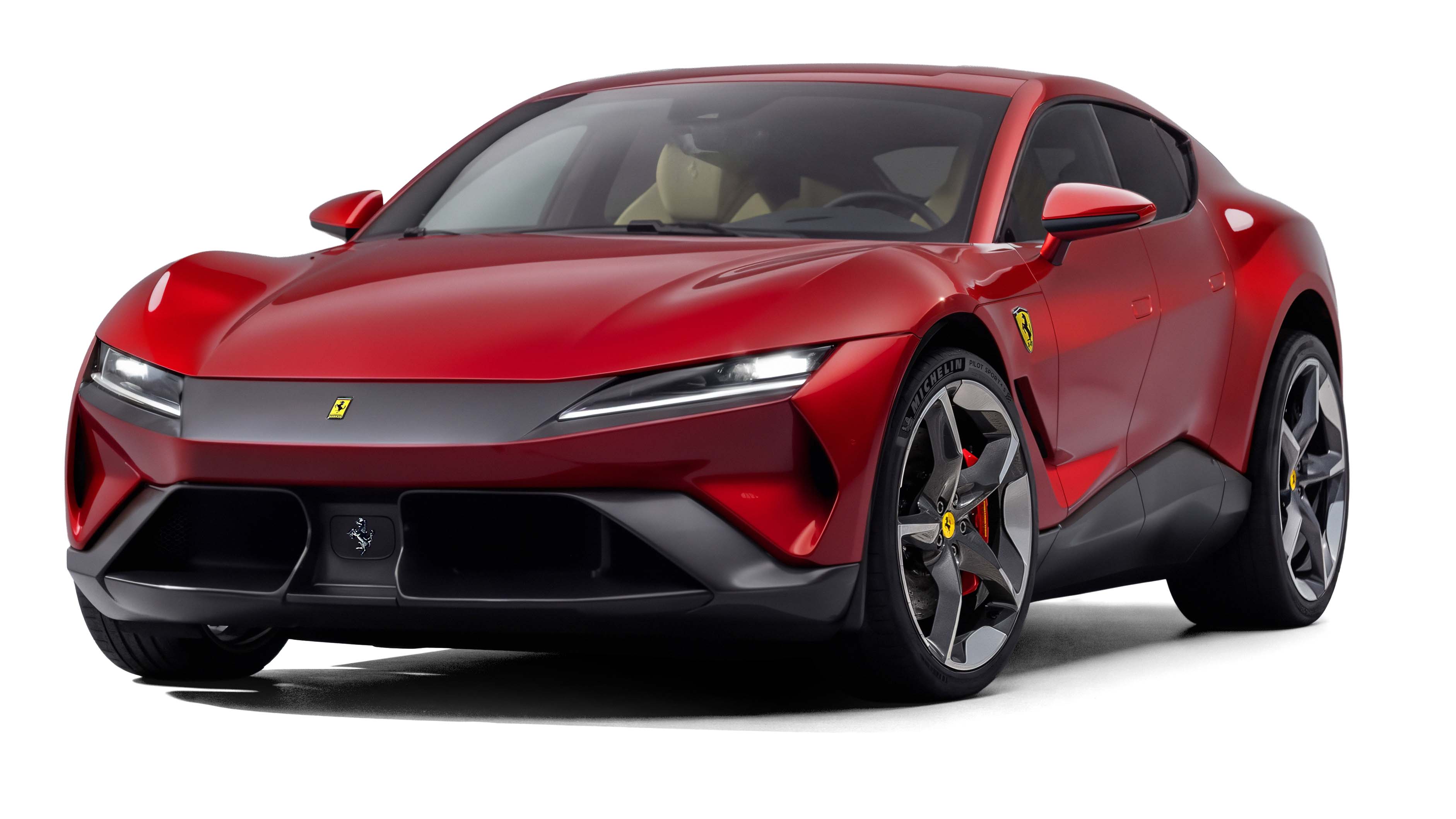
In anticipation of the real thing, we made this one up ourselves. Give us a job, Jony!
Every element in the Luce’s interior could exist as a piece of sculpture in its own right. The air vents are incredible.
I know the geometry of the cutting machine that did the air vent. Most people won’t understand that, but I do believe that people sense care. With most products I use, I feel that the people responsible just didn’t give a s***. Yet I believe that people see more than they do with just their eyes. They sense things even if they can’t see them. All the great consequential work was very often done with a quiet, humble sense of wanting to be useful. [pause] Steve really protected me because he knew what I could do and do well. What makes me happy is being useful, being of service. That’s not a very groovy word but it’s important and it’s what I do. I’m a tool maker, really.
And yet, when you look at the universe that opened up beyond the iPhone, you accept that there have been unintended consequences to some of the things you designed.
Yes, there have been. It was clear when we were working on it that it was going to be a very powerful tool. Things like that need frameworks and structures to fully understand them, but things move so fast now that I don’t think these frameworks were developed. If you innovate there will be unintended consequences but you still need to own them, so it’s one of the reasons I’m not at the old company, and one of the reasons I’m doing what I do now. But yeah, I take it very, very seriously.