




First Look

Top Gear
Modern F40? The Kimera K39 is a new Italian hypercar with a V8 Koenigsegg heart
Carbon-fibre monocoque. V8 engine. Manual gearbox. Rear-wheel drive. Has Kimera done it again?
As collabs go this is right up there with Aerosmith x Run-D.M.C, Louis Vuitton x Supreme… maybe even Top Gear x Twiglets (RIP Stiglets). Christian von Koenigsegg doesn’t hand out the beating heart of his company to just anyone, therefore the Kimera K39, the new Italian hypercar you see before you, must be legit.
What is the K39? Keen readers will know this isn’t Kimera’s first rodeo. Its first two models - the EVO37 and EVO38 - are restomods (hence the ‘EVO’ suffix) paying tribute to the Lancia 037 Group B rally car. They are both brilliant, the former storming to a famous TG Performance Car of the Year victory in Portugal last summer. But this is something very different, a completely new-from-the-ground-up hypercar with a carbon-fibre monocoque, V8 engine, manual gearbox and rear-wheel drive.
Advertisement - Page continues below
The mood board is still old-school, hairy-chested motorsport, but focus shifts away from rallying to road and track performance, with inspiration from the world of endurance racing back in the 1980s. Specifically, the 1981 Lancia Beta Montecarlo Turbo Group 5, which was the technical predecessor and engineering foundation for the Lancia 037 Group B rally car, while the choice of a V8 engine is more of a nod to the 1983 Lancia LC2, Lancia’s answer to the dominant Porsche 956.
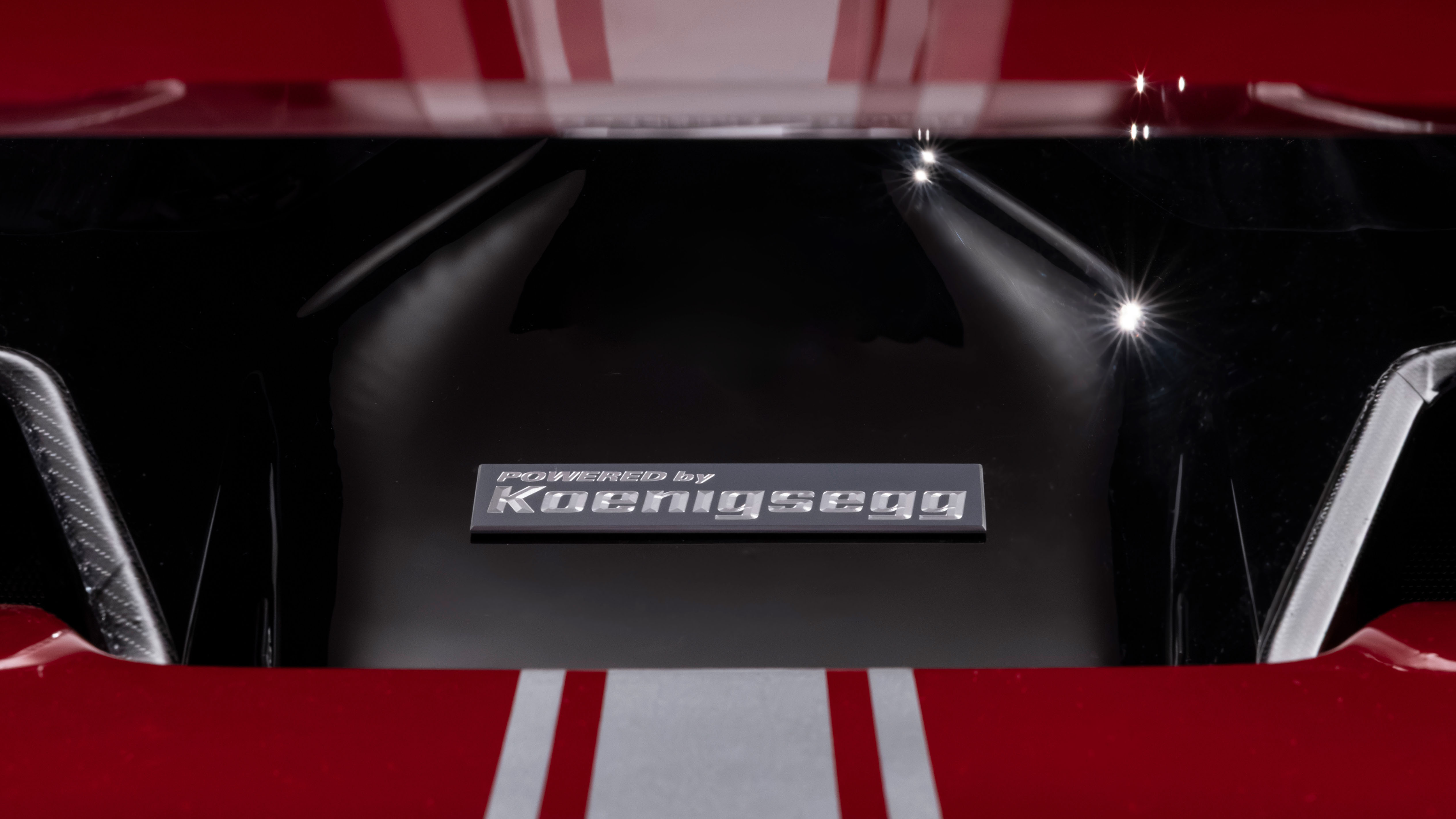
This blockbuster joint venture revolves around the K39’s 5.0-litre twin-turbo V8. Producing 986bhp and 885lb ft of torque, with an 8,250 rpm red line, it’s mildly detuned from the source engine, which is capable of almost 1,600bhp running on E85 ethanol in the Koenigsegg Jesko. In recognition that this is a smaller, lighter, nimbler sort of car it gets downsized, more responsive turbos taken from the Agera, bespoke software, a revised intake system and is designed to cough up its not-insubstantial 986bhp running on regular 95 octane pump fuel. Target weight is the same as the EVO38, around 1,100kg, despite having 400bhp more.
It appears to be the ultimate win-win: Kimera gets a world-class engine without the R&D costs and the glow of a Ghost Squadron badge on the engine cover, while Koenigsegg gets to make a few extra quid from tech that’s already been paid for. So why hasn’t it done anything like this before?
“To give out our heart like this to another product is a very emotional journey and it's the first time we’ve done it," said Christian von Koenigsegg. "It comes down to who is behind the project? What is their motivation? What is the car? We wouldn’t have done this if we didn’t feel this close connection with Luca and a great belief in Kimera's ability to succeed with this product.”
Advertisement - Page continues below
Does this open the door to Koenigsegg handing out V8s like sweets to any hypercar wannabees that come knocking? “In the future, there might be more opportunities for us to do this with other brands, but we don't take this lightly. Maybe this will be the only one, maybe there will be more, but everything needs to fit and feel right and be aligned for this kind of thing to happen. In general, we have an idea to spread our technology a little bit wider than just to our cars, but up until now we’ve prioritised our own needs.”
Beyond the engine, technical details are scarce – the cars you see here are models, put together for a world debut at Villa d’Este. Kimera’s founder and CEO, Luca Betti, says we’ll see a working car with full interior at Car Week in California this August and first deliveries are schedule for early next year.
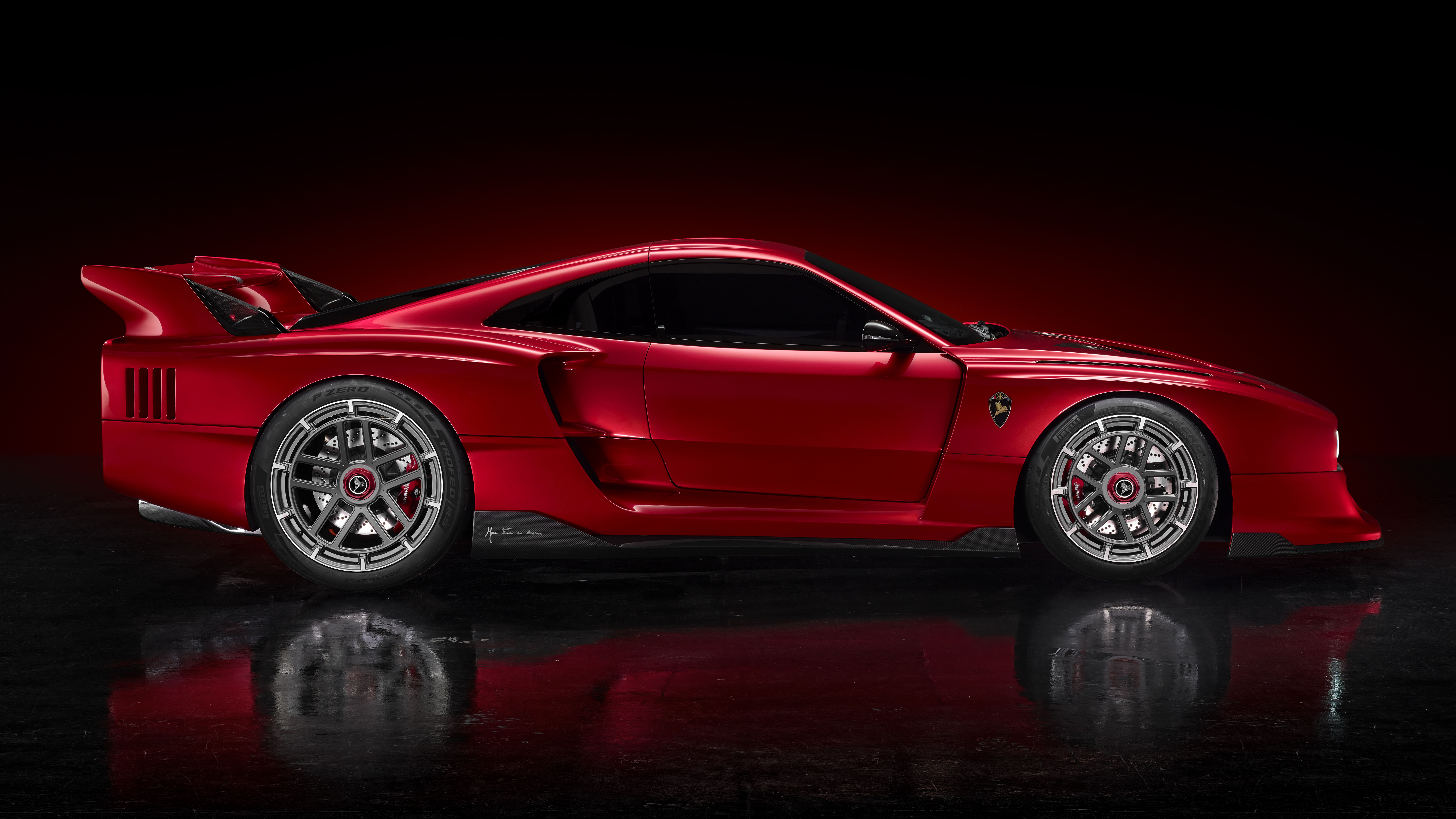
What we know it will come with a seven-speed Cima manual gearbox initially, although a sequential paddleshift ‘box is being evaluated. The suspension is in-board pushrod, front and rear, like the EVO38, and the tub is a super-stiff carbon fibre monocoque, although the supplier is still TBC. Dallara is consulting on the aero package, brakes are steel discs as it stands, with carbon-ceramics cooking in the background, the machined aluminium wheels are 20in front, 21in rear wrapped in Pirelli Trofeo RS tyres and the body is all carbon.
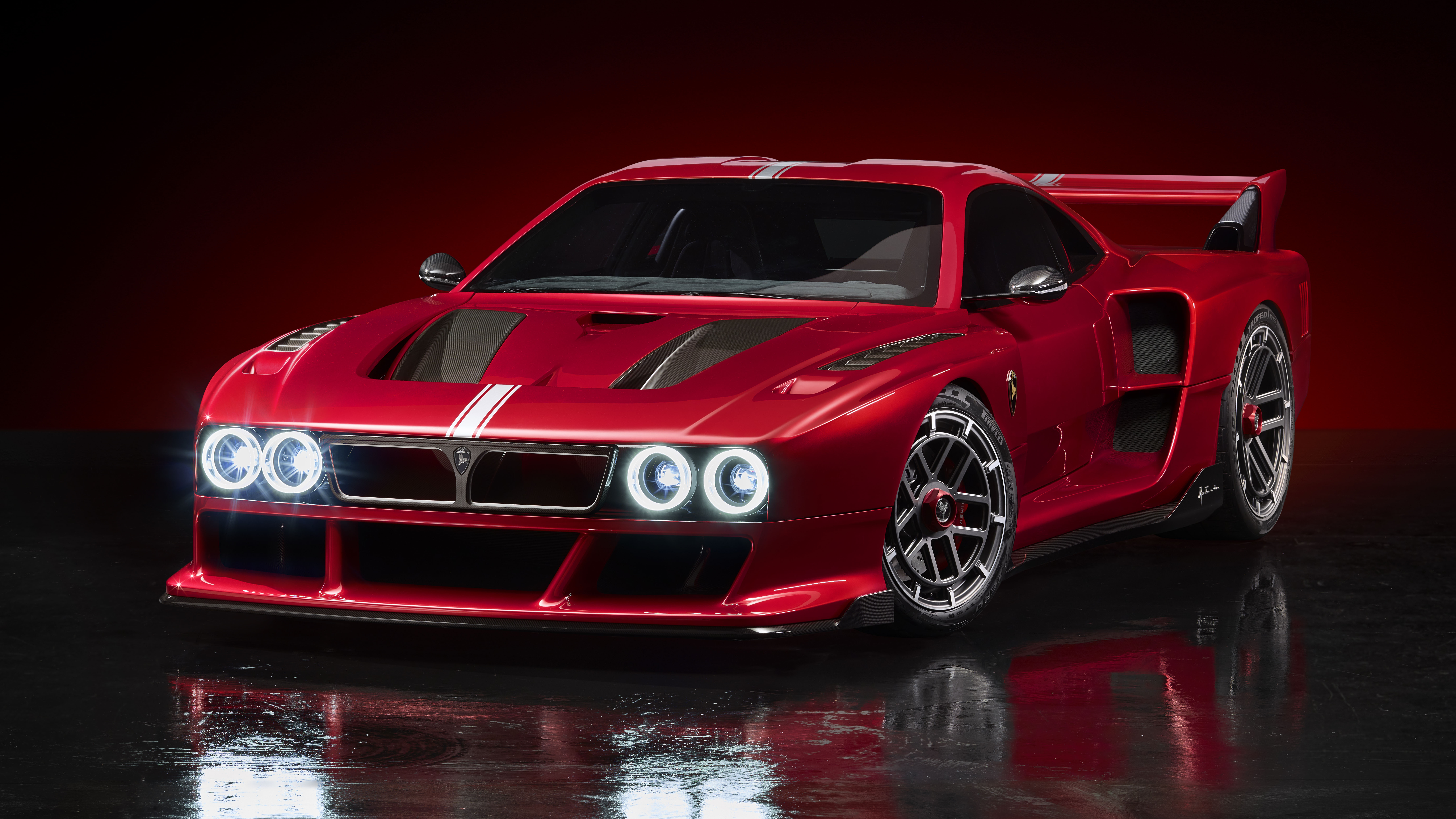
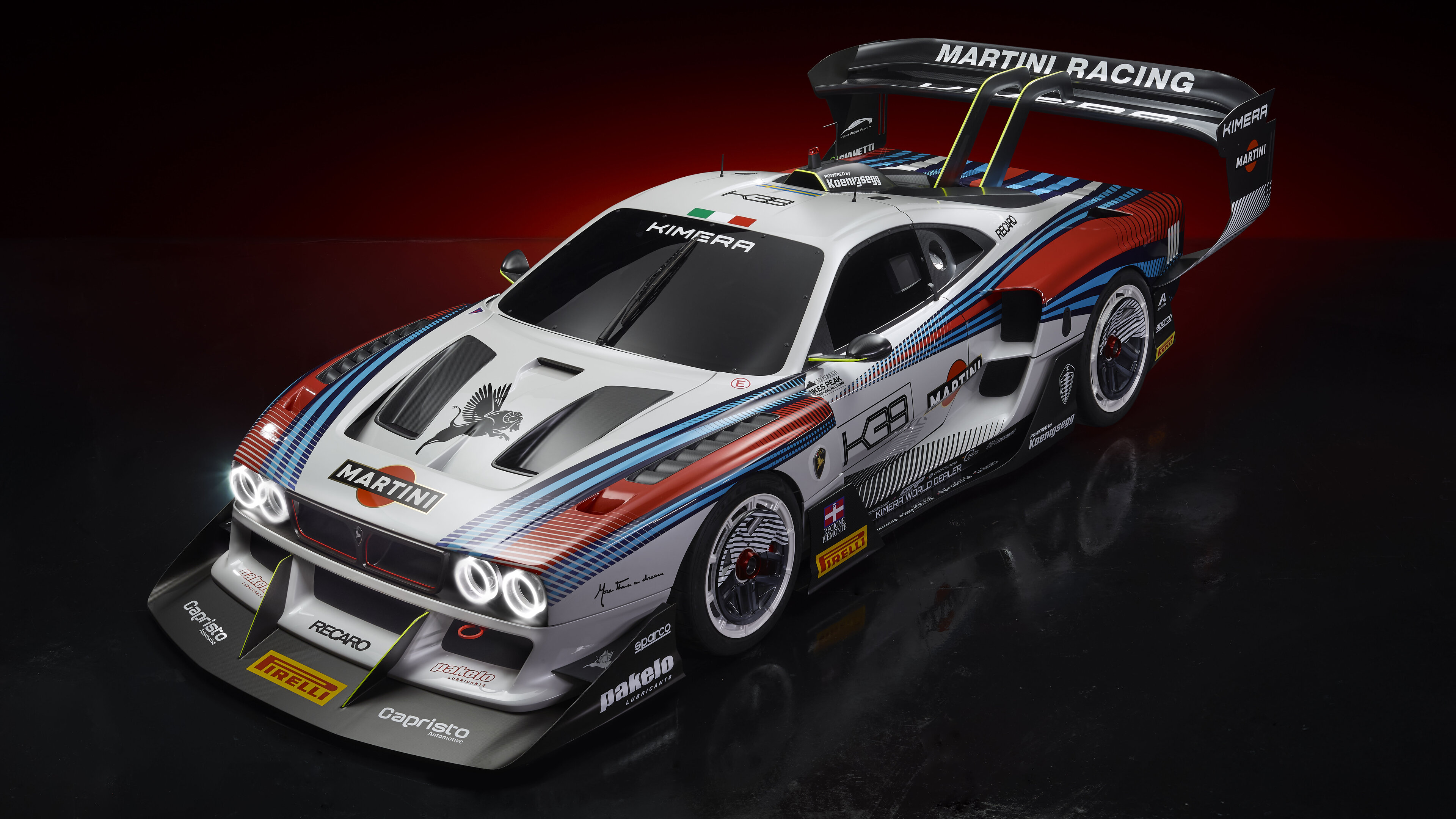
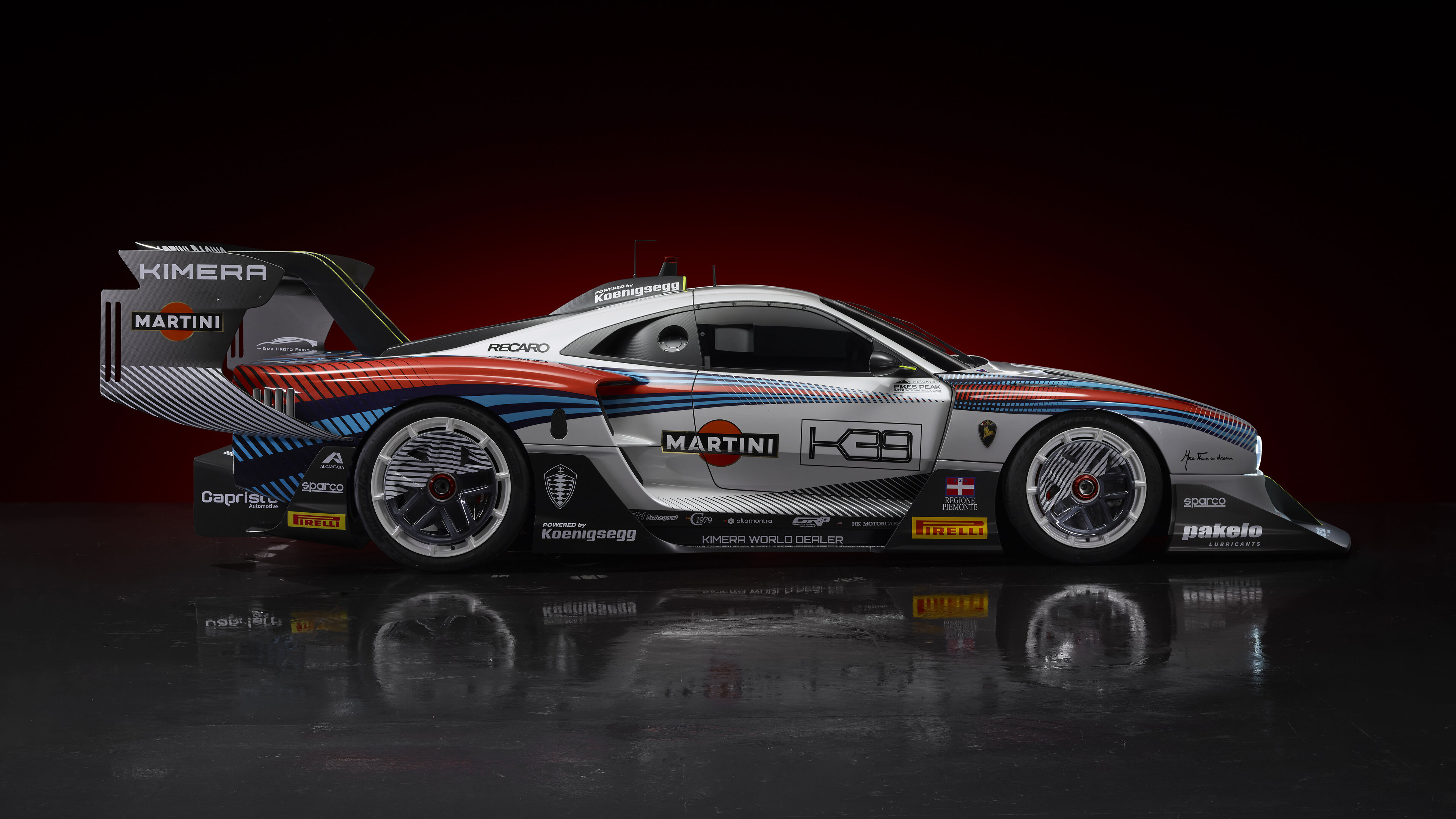
Speaking of the body, it’s not a shy and retiring bit of design. The family resemblance to the EVO twins is obvious at the front, with the Lancia-tribute quad lights and wide, split grille. The world’s coolest/maddest pop-up headlights sit behind the LED rings and - in a piece of pure theatre - emerge to fill the middle of the circle. The grille is entirely open feeding air through and over the ‘S-duct’ bonnet, while GT3 RS-style slatted vents extract pressure from the front arches. Its signature design move, though, is the box arches busting through the bodywork and creating the impression of a slender car that’s been swallowed by a beefier one.
Top Gear
Newsletter
Get all the latest news, reviews and exclusives, direct to your inbox.
Intakes in the rear quarter windows feed the engine, two larger ones on the sides feed the cooling system, as does another built into the upright of the rear spoiler – a nod to the Beta Montecarlo Turbo’s quirky rear wing. The rear could not be more flat, abrupt and wonderfully simple with twin circular lights, a Koenigsegg central exhaust and a deep diffuser snuggled underneath.
Now, may I direct your attention to the four slashes behind the rear wheels. Remind you of anything? This could be the closest thing yet to a modern incarnation of the Ferrari F40, and not just in proportion – we have the boosty V8 engine, manual gearbox, raw analogue you’re-on-your-own vibes and Luca is a self-confessed F40 nut.
Where we’re mostly still in the dark, is with the interior. After some light arm-twisting and bribery, Luca did show us sketches of what to expect, including an exposed linkage manual box, a similarly-shaped, but more multi-level dash design than the EVO37, and a protruding tachometer stuck on the steering column in a hat-tip to the Lancia Beta Montecarlo Turbo’s (far less salubrious) cabin.
But the K39’s ambitions don’t end at eating roads for breakfast and dominating tracks. Kimera also plans to race it to the clouds at Pike Peak (target 2027, but that could well be pushed back given how much they have on their plate) with a wildly more extreme version, cleverly named the K39 Pikes Peak. Just 10 sadistic customers will be able to buy one of these track-only freaks, complete with surfboard front splitter, roof-mounted ram air intake and a Boeing A380-sized wing out back.
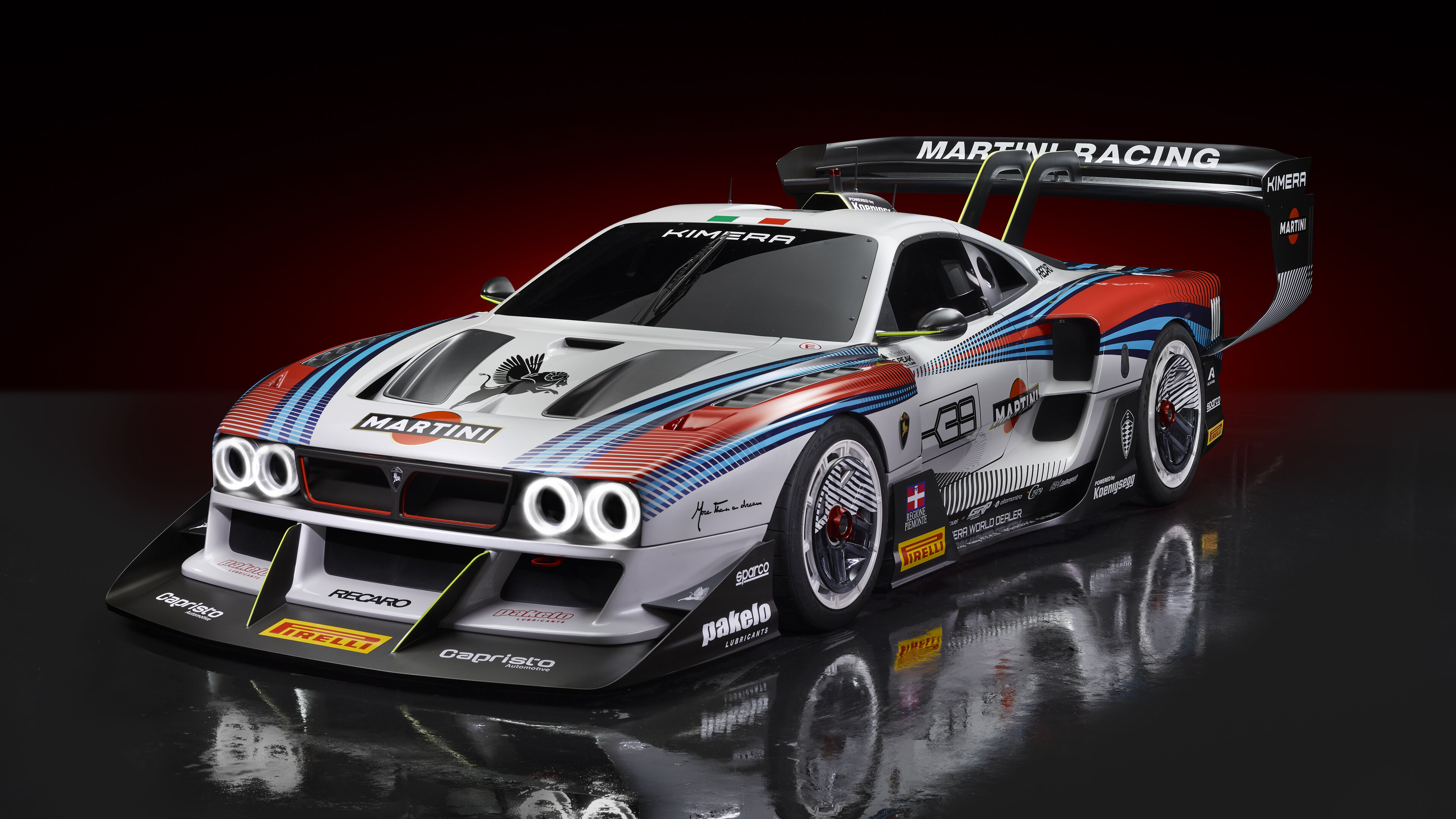
Production numbers are still TBC, but expect an extremely short run – likely more than 50, less than 100 – with around 20 already sold as we write. As for price, it’s a bit of a POA situation, but we wouldn’t expect change from £2m once you’ve got a little loose on the options list.
Is handing over that much cash to a former restomodder turned full hypercar manufacturer… wise? Well, given how wildly brilliant, and beautifully finished, and robust and brimming with character the EVO37 and EVO38 are, we’d pile on in. Frankly, I’m not surprised Christian jumped at this chance to get in at the ground floor with a company that has all the hallmarks of being the next big thing.
Trending this week
- Car Review
Mercedes-Benz GLC Coupe