




Big Reads
Three little Pags: across Italy in the sublime Zonda F, Huayra and Utopia Roadsters
This is the story of Pagani told from the driving seat, in Horacio's backyard
A dreamy few days that will mostly consist of driving on god's own roads, in the Gran Sasso region of Italy, in three generations of Pagani roadsters, begins with an audience with the man himself.
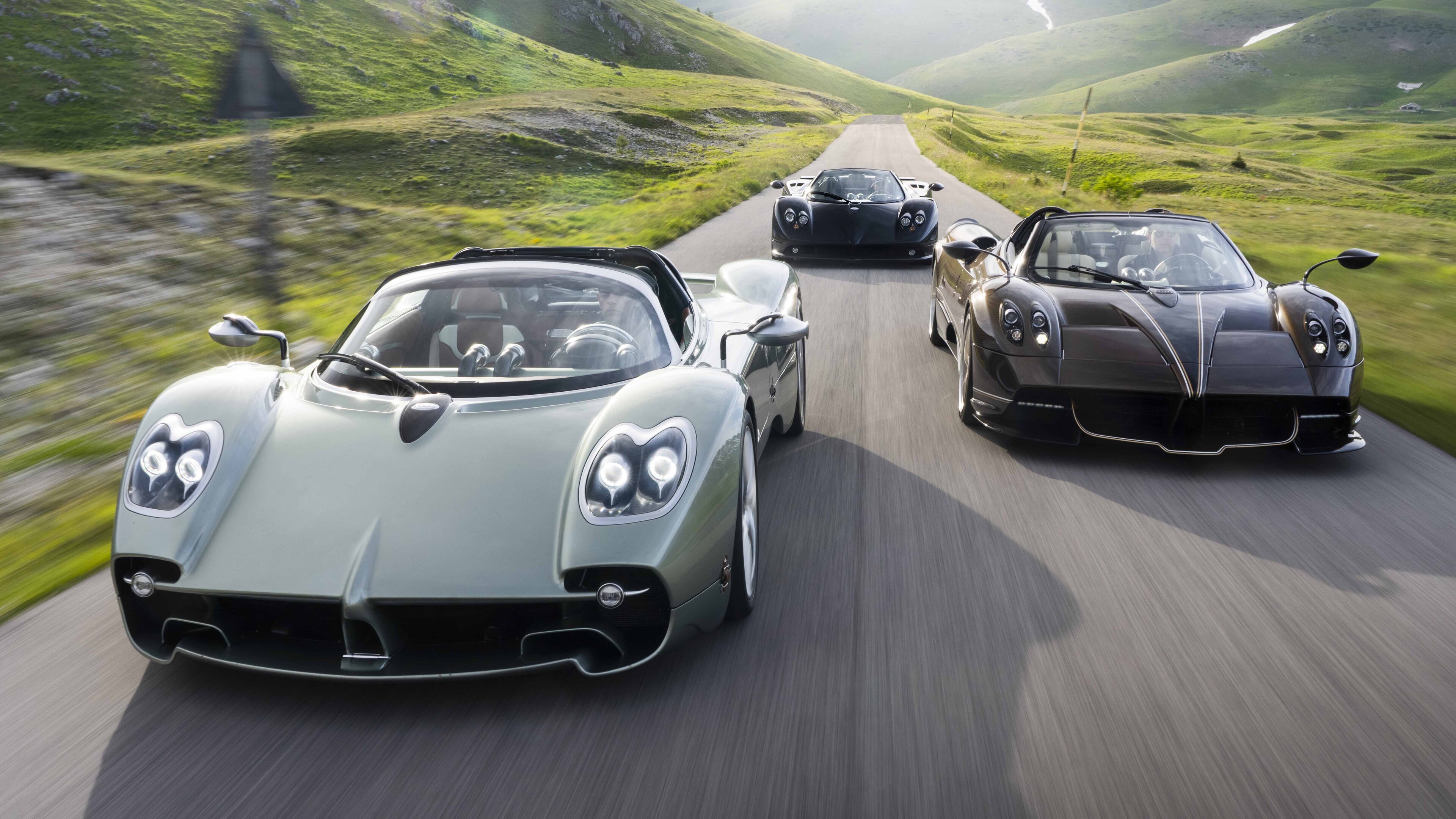
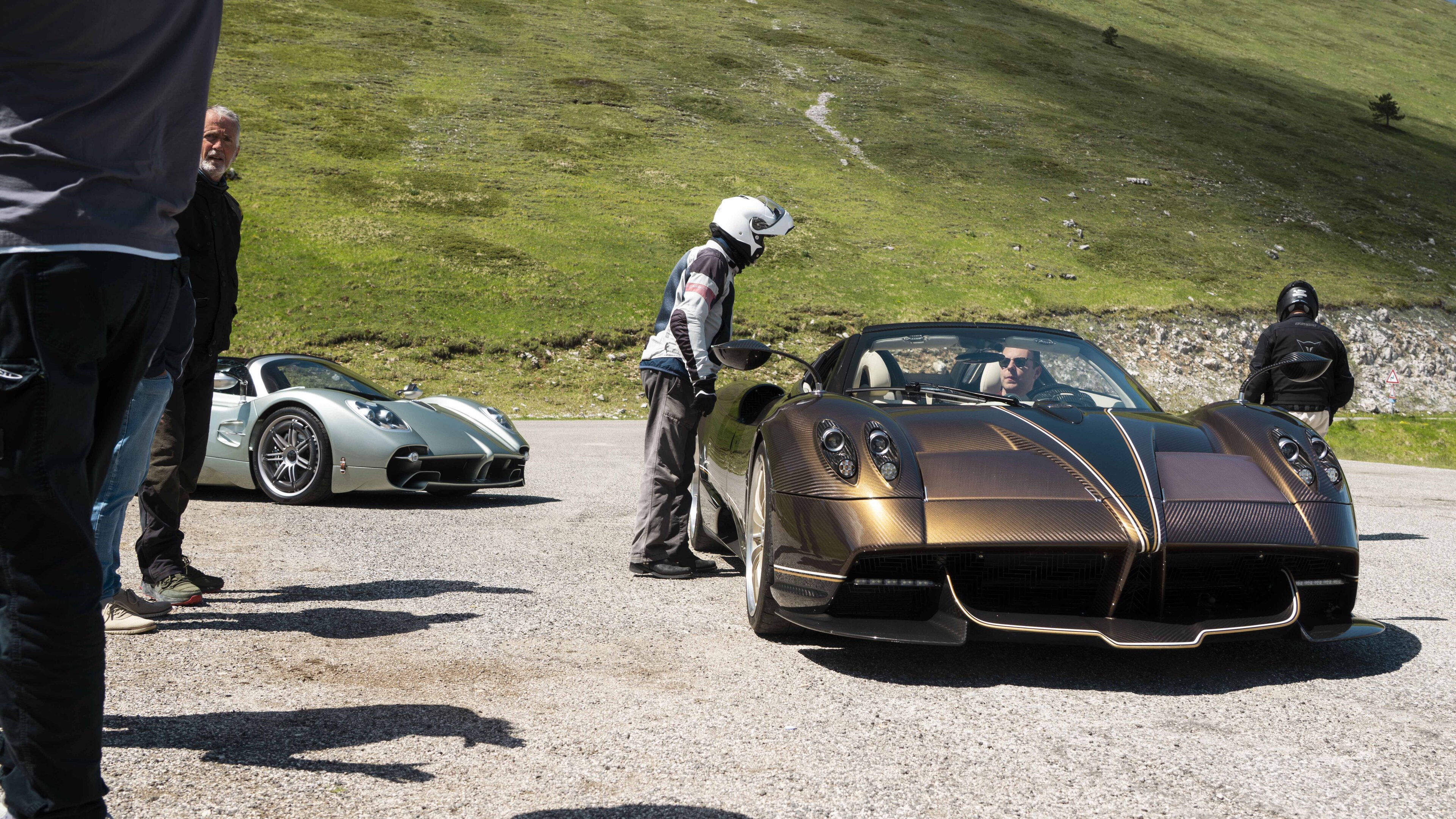
Horacio Pagani is letting us borrow two of his personal cars – an exposed carbon fibre Zonda F Roadster and the unique Huayra HP, which utilises some of the hardcore hardware from the BC Roadster but tones down the aero and chassis aggression – so it seems fair he wants a little chat beforehand. We’ll have the latest Utopia Roadster too, a seven-speed manual version in the most gorgeous Verde Mara.
Advertisement - Page continues below
Anyway, our chat is at the factory or ‘Atelier’, as it’s known around these parts. It’s a stunning place. A haven of craftsmanship, passion, obsessive attention to detail and potent engineering set in the heart of supercar country. Honestly, it’s hard to know where to look. There are cars in various states of build, from bare chassis to nearly completed status.
Photography: Mark Fagelson
Incredibly, probably uniquely, you could freeze this process at any point and be happy to just have that moment in time as a sculpture to enjoy forever. The beauty is in every detail. Around the main assembly area there are more cars from Pagani’s own collection, including Zonda chassis #1, but also extreme track-only variants and customer cars awaiting collection from servicing, recommissioning work or completely transformative and bespoke programmes.
It’s a fascinating place and it’s fully alive. Bustling with activity and sounds – from the prosaic clanging and whirr of men and women handbuilding cars to the shriek of a V12 as a car is moved to another location. But, somehow, I’m struck by the lack of noise. I called it a haven, and that’s how it feels. Inside these walls the noise of the real world isn’t allowed in. The engineers sweat over the same crash tests, emissions constraints and drive-by regulations as anybody else.
Advertisement - Page continues below
But somehow the external forces are held at bay. Even the hubbub of ‘rivals’ and lap times and the ever escalating power and downforce wars... they all evaporate. Pagani has created its own universe with its own rules. To spend even 10 minutes in here is to understand. And to want. Very badly.
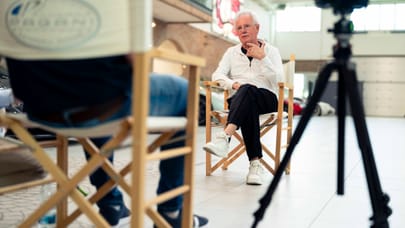
Our chat isn’t a cautionary ‘don’t crash my cars’ type affair. It’s just a happy, flowing conversation about Pagani’s history and its future. Horacio beams as he shows us the amazing facilities and how the in-house capabilities have ramped up beyond recognition in recent years. We see steering wheels machined from a solid 43kg billet of aluminium, carbon fibre chassis’ fresh from the autoclaves and thousands of stunning components that will be hidden from view but have been conceived with as much care as things that will be touched every day in the interior. Horacio seems younger with every passing year, too.
There is definitely magic floating through the Atelier. Although he does finish with “please don’t crash my cars”. Fair enough. That sentiment should be ringing in my ears the next day. The Zonda F Roadster is fresh from a full restoration and Horacio hasn’t driven it “a single kilometre”. Its value is hard to estimate because these cars tend to change hands behind closed doors, but recently a Cinque Roadster was sold for over $20 million. So, I guess this six-speed manual F is worth $15 million? Maybe a tickle more. Or less. Either way it’s more money than I can comprehend and a huge responsibility.
Yet it doesn’t weigh on me. At all. I’m reminded of the Atelier again. Value, rarity, the fact this is Horacio’s own car – all these factors which I know to be real and true – are gone. Drowned out by the sensations delivered by the F and the highly charged howl of that massive 7.3-litre V12 as it spins up to the heavens. There’s glorious noise everywhere but every layer seems designed to silence those voices within and slice through the mundane concerns of smashing a multimillion supercar into a trillion carbon shards. With the Zonda F you simply live in the moment...
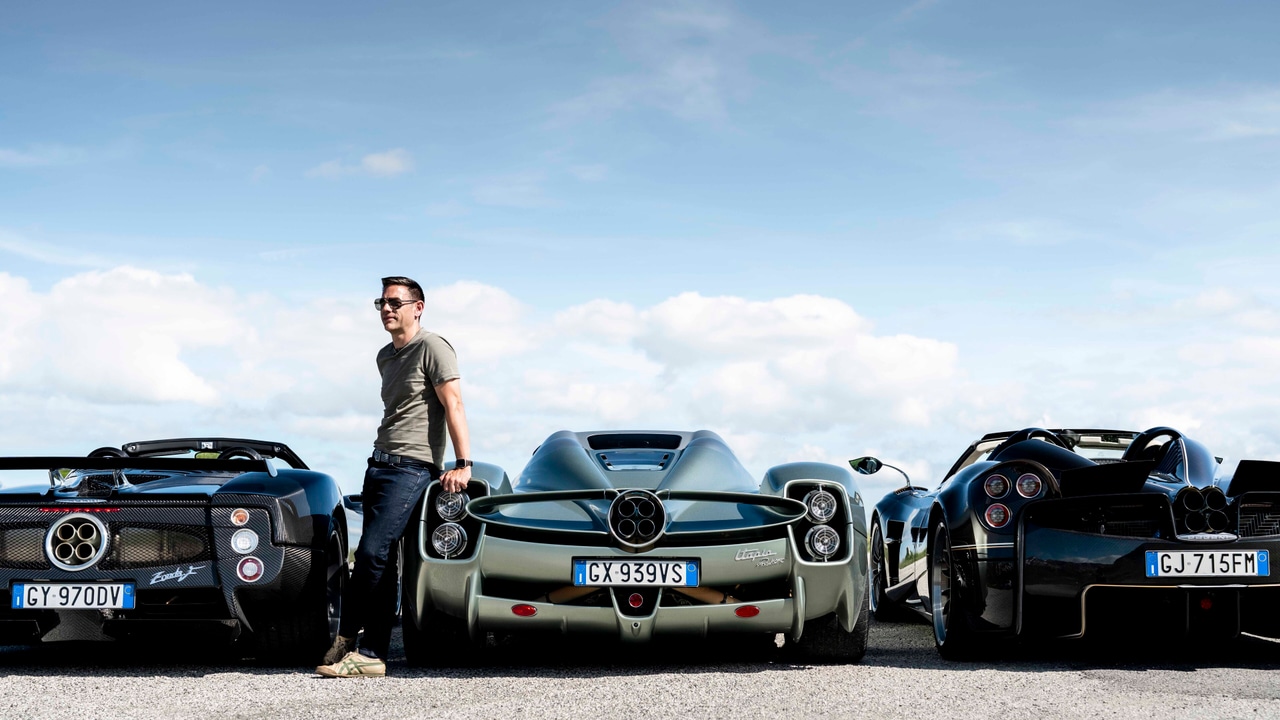
Our meeting point is a couple of hours outside of Rome in the shadow of Corno Grande, the highest peak in the Apennines. The three Roadsters arrive in two trucks and are unloaded under perfect blue skies. Our mission is to trace the evolution of Pagani, delve into the character of Zonda, Huayra and the new Utopia Roadster and ultimately decide which is the greatest of them all. And try not to get sunburnt. Deputy editor Ollie Kew doesn’t get the final memo and will later look like an extra from the set of Chernobyl. But hey, it’s probably worth the reduction in life expectancy.
Its philosophy aligns so perfectly with Horacio’s very first supercar ideals
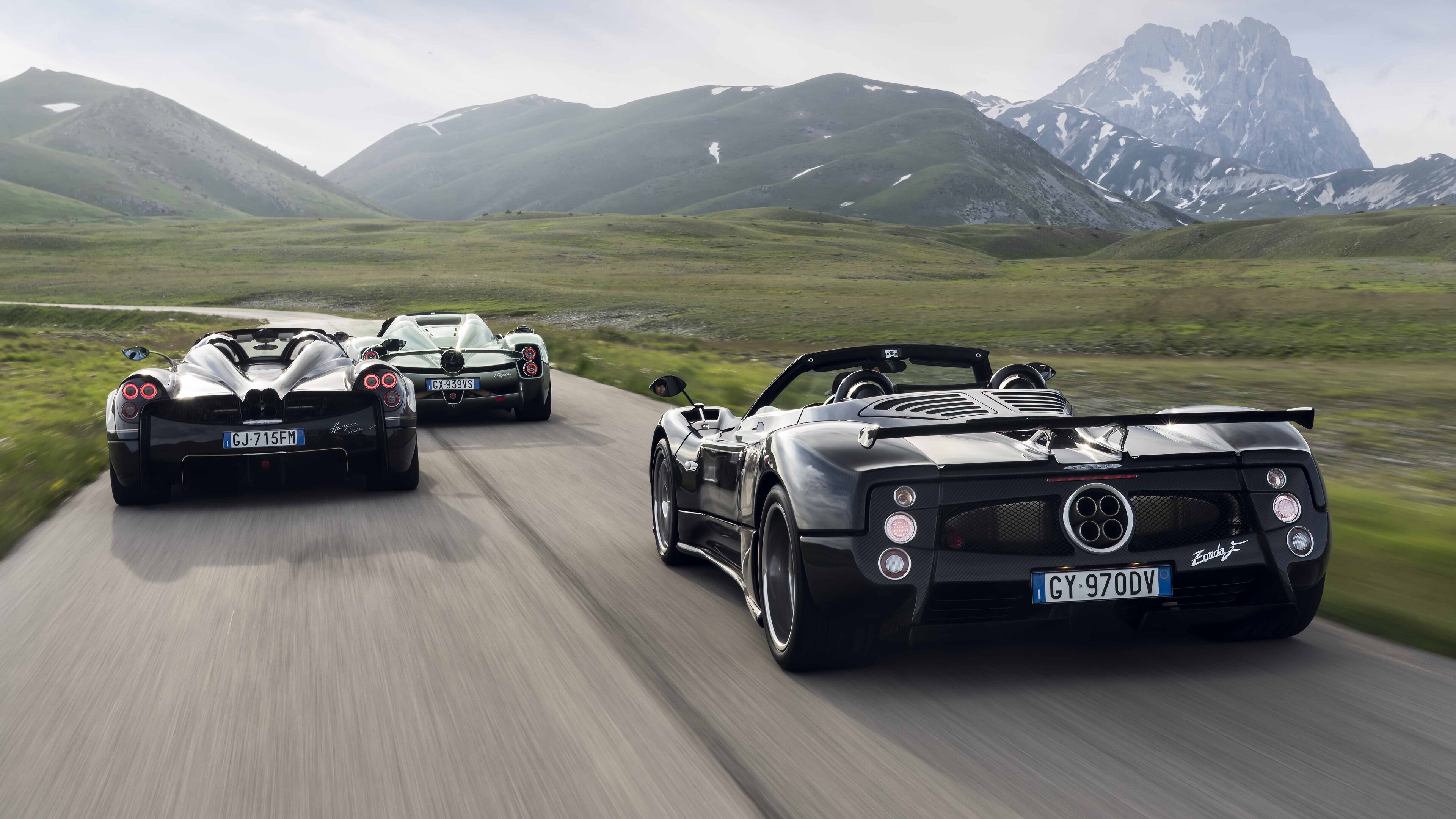
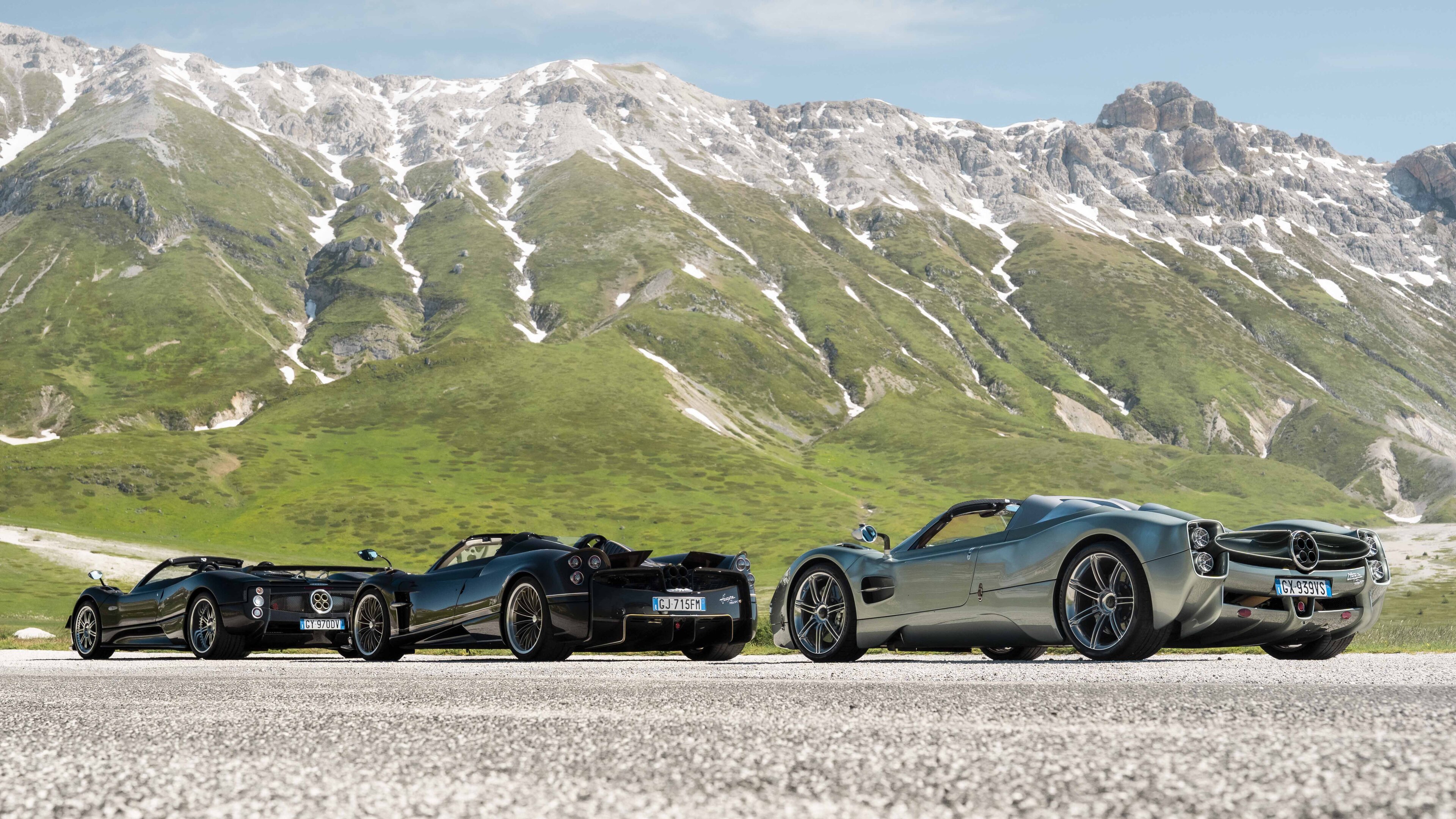
Parked side by side, Pagani’s three generations of Roadsters are fascinating, jaw-dropping, exude the perfect blend of supercar madness and sculptural beauty and seem oddly timeless. By mostly ignoring the fashion for the quasi-racecar aesthetic, Pagani sits apart and embodies Italy’s design heritage with a complex but somehow effortless look. It’s the best of haute couture (or, I suppose, alta moda) – otherworldly but before descending into the absurd.
Top Gear
Newsletter
Get all the latest news, reviews and exclusives, direct to your inbox.
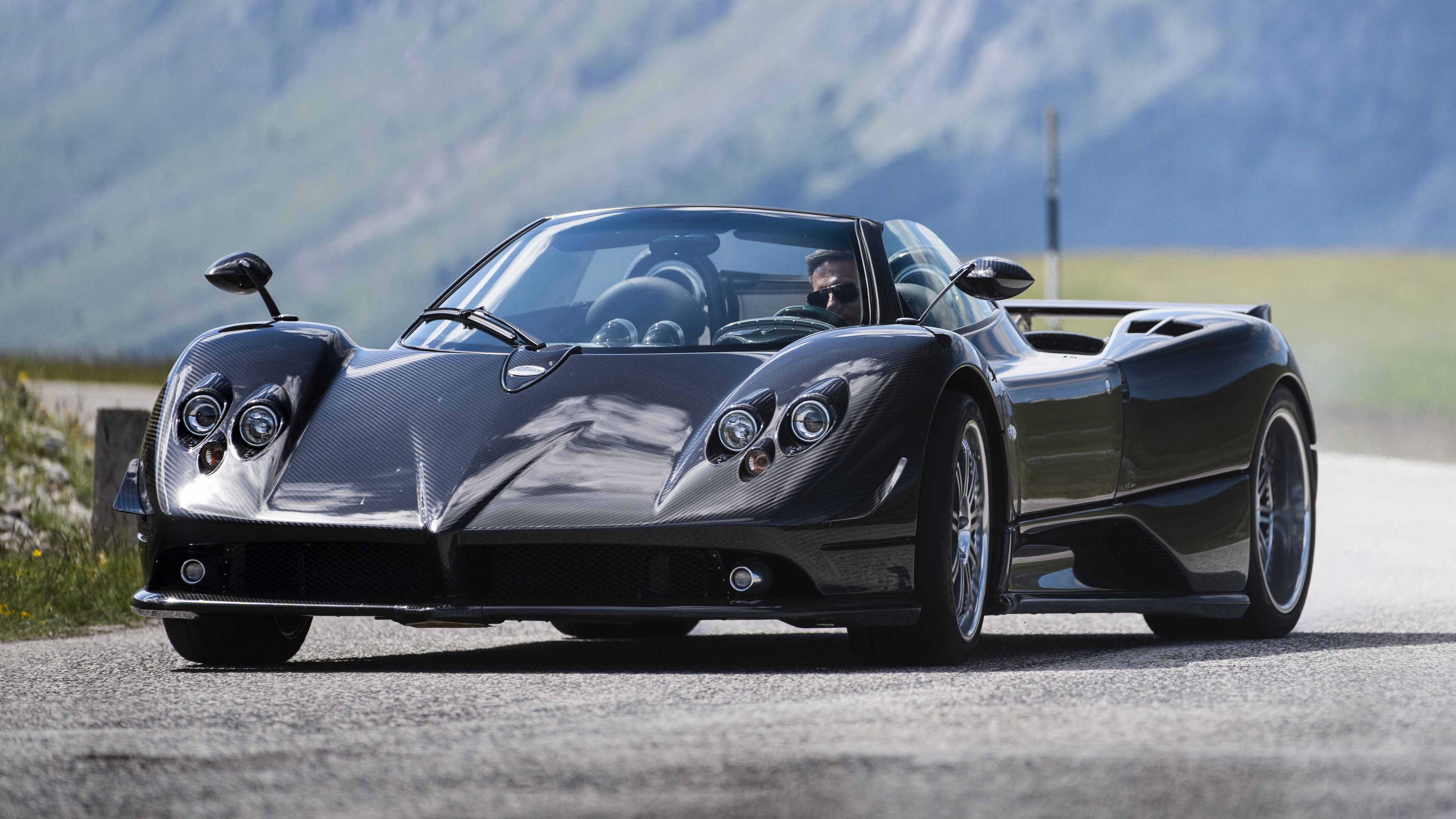
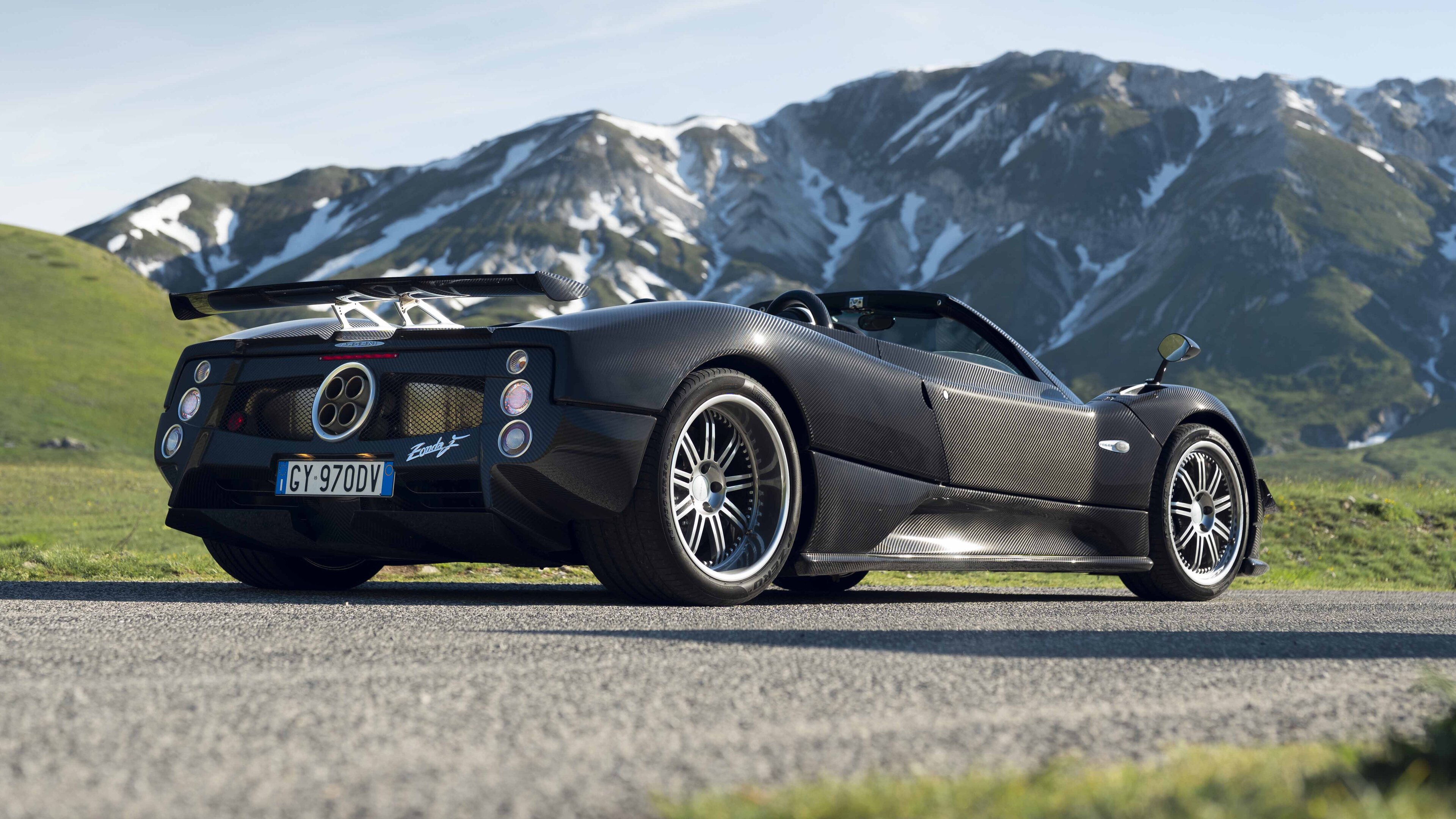
It’s impossible to encapsulate everything about Pagani in just three cars because the company offers so much personalisation and also now produces track-only models like the Huayra R Evo. However, this is a pretty fantastic spread. The Zonda F followed the first C12 and C12 S models and is perhaps the sweetest of sweet spots before subsequent variants like the Cinque and the 760 models adopted single-clutch paddleshift transmissions and went more extreme. Its normally aspirated M120 Mercedes-AMG 7.3-litre V12 is good for 650bhp at 6,200rpm, it weighs just 1,230kg (dry) and 25 coupes and a further 25 roadsters were produced between 2005 and 2012.
Huayra followed Zonda and arrived with active aerodynamics front and rear, the twin-turbocharged M158 AMG V12 married to a seven-speed transversely mounted automated manual gearbox and a more ornate look. The first coupes were wonderful things but perhaps lacked the purity and magic of Zonda. However, it progressed quickly and the slightly more hardcore BC variant, launched in 2016, was a monster. This ‘HP’ Roadster is Horacio’s own vision for the perfect Huayra. It has the Roadster BC’s 802bhp engine and gearbox tune, but with less aggressive aerodynamics and a slightly more supple ride.
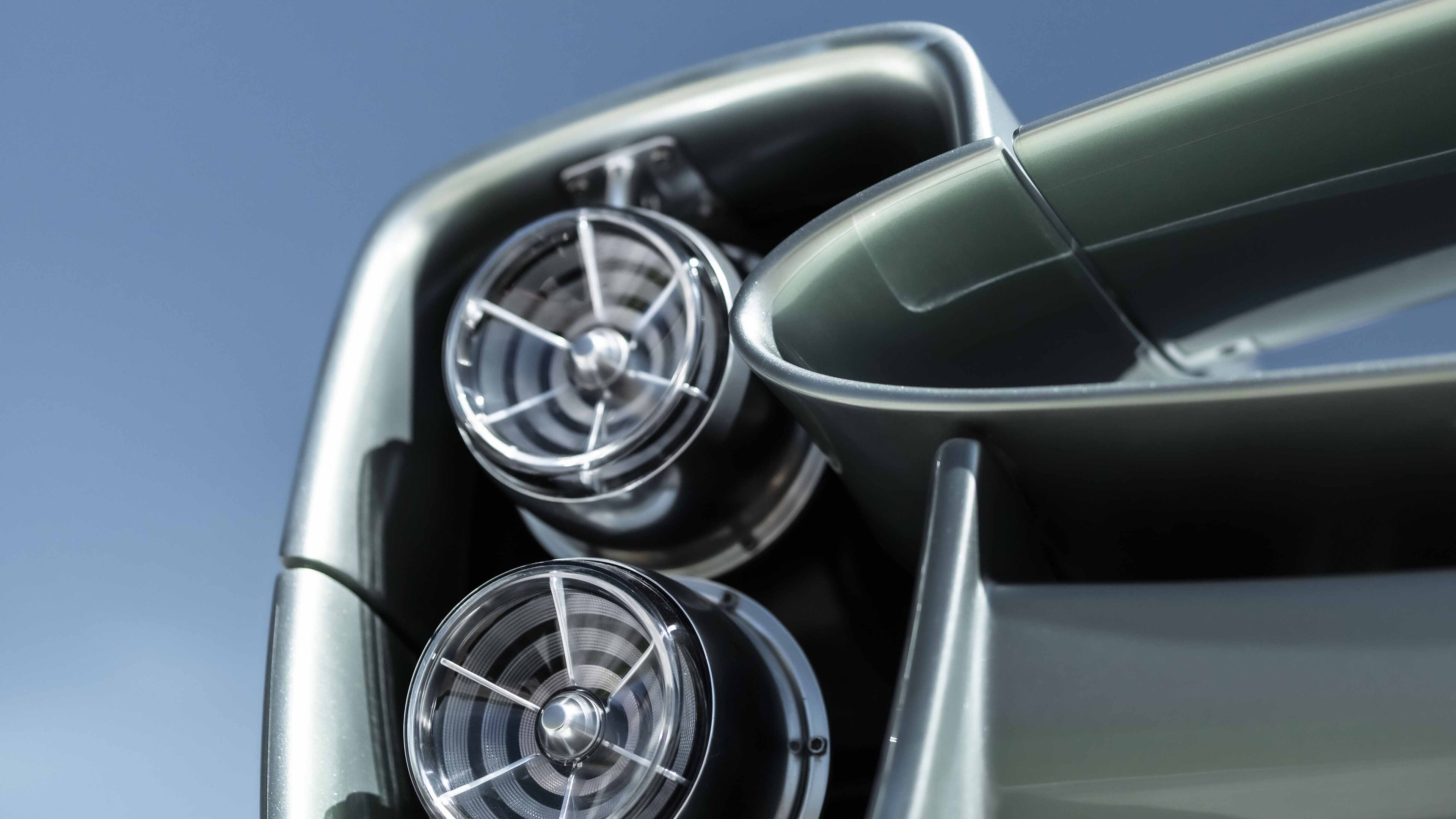
The Utopia Roadster is the latest and, perhaps, greatest. Pagani seems to have the confidence to let others chase the motorsport experience again and has instead crafted a car that in many ways goes back to the company’s roots. It looks and feels like a reimagined, reinvigorated Zonda F and its philosophy aligns so perfectly with Horacio’s very first supercar ideals.
Utopia Roadster remains turbocharged – here the V12 is good for 864bhp and 811lb ft – but returns to a manual gearbox, a seven-speed Xtrac unit with a dogleg for first. It has a Carbo-titanium and Carbo-Triax tub with front and rear tubular steel subframes and weighs 1,280kg dry. It also looks absolutely stunning. Pagani will build 130 examples at £2.6 million plus local taxes and there are surely many more variants to come.
Swing open the flyweight door to the Zonda and it’s hard not to chuckle. Both at the tangible sense of lightness and the incredible interior. The leather and wood-rimmed steering wheel is a world away from contemporary supercars that cram as many buttons as possible for that F1 aura. There’s perfect carbon fibre weave everywhere and the now iconic periscope air vents and beautiful seats with that distinctive height adjustor within the base help create a space that’s truly unique and both simple and sumptuous.
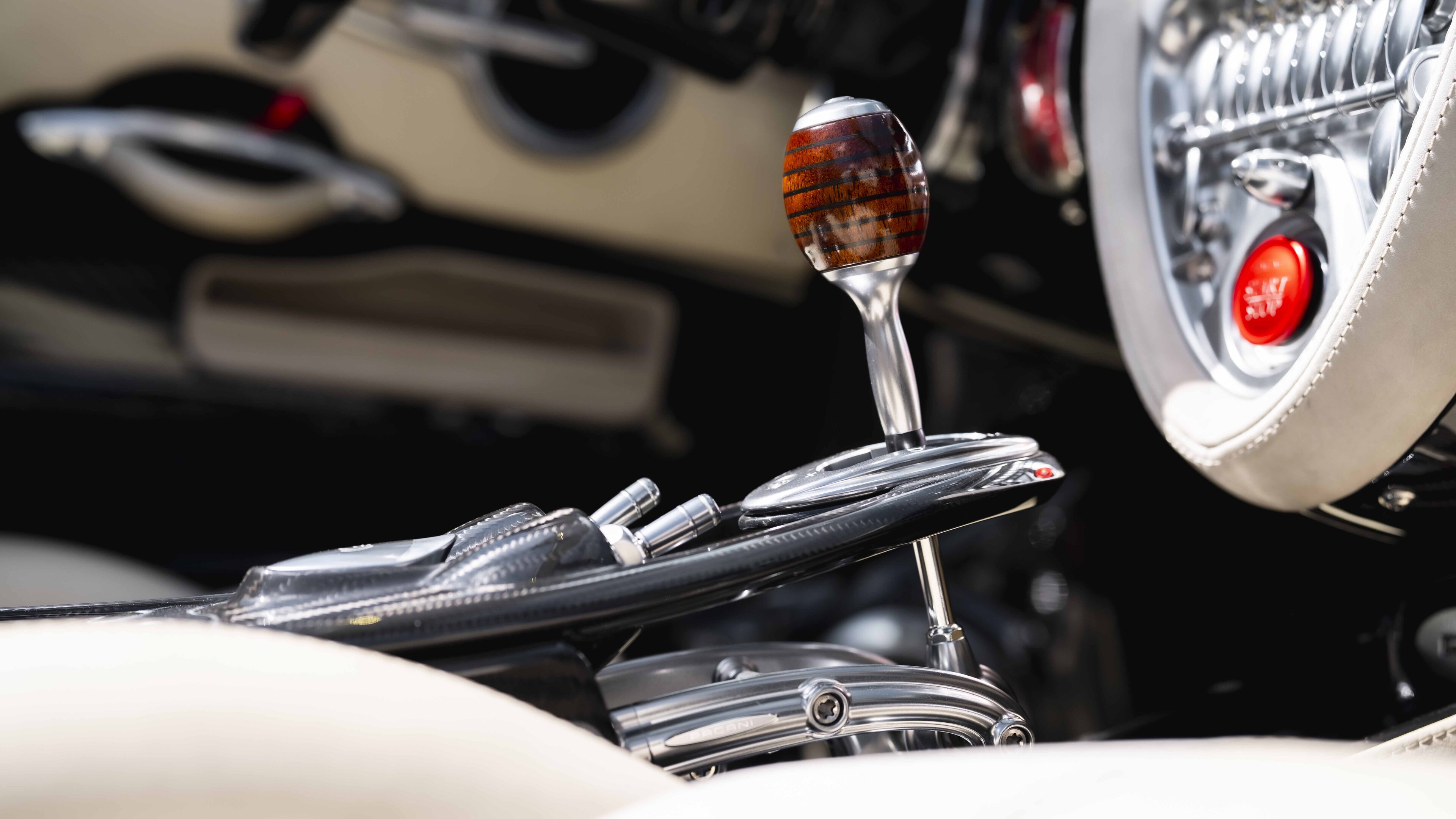
Getting in is easy and whilst the driving position is a little upright and the seat won’t go quite far enough back for the really tall, the overall feeling is ‘oh my god, is this even real?’ It’s cool. As f***. Twist the key, then press the starter button on the top of the gear shifter and the sense of disbelief grows. The V12 sounds HUGE and mixes hard-edged responsiveness with honey-coated smoothness. This F has a unique exhaust and has a more trebly, distinctly titanium sound (I actually prefer the slightly more musical sound of ‘standard’ Fs, as if there is such a thing!).
Anyway, the 7.3-litre engine is very clearly the main event. Or maybe not. Within seconds the Zonda goes from carbon fibre decoration to showcase and amazing engine in your mind’s eye, to fully cohesive, deeply immersive, amazingly nimble and wonderfully communicative supercar. The steering is light and so clean, the structure is rock solid and allows the suspension to deliver a superb lightness of touch with an underlying control and there’s just an amazing poise to everything the car does.
The gearbox isn’t one of the world’s greatest, but the joy of having a V12 and a manual gearbox – even one with a slightly hollow feeling, notchy shift – is overwhelming. Yes, you can feel that big engine swinging around slightly under hard braking and there isn’t the clinical efficiency in terms of body control of, say, a modern McLaren or Porsche. However, the Zonda offers such clarity that there are no surprises. It really has the feel of a scaled up Lotus Elise in the way it goes down the road.
Only with a massive, soaring V12 engine and the sense of occasion dialled up by a factor of about a million. In some ways it’s even better, because the Zonda not only flows but it’s also happy to really attack a road, too. That engine only revs to around 6,500rpm but you’d swear it was 10, and such is the torque you can dictate the car’s balance with your right foot in ways you’d barely believe possible. The F Roadster is, almost inconceivably, better than it looks and sounds.
The HP is completely overwhelming, searingly fast and breathtakingly capable
How can Huayra HP compete? It looks (and is) heavier and lacks the Zonda’s razor sharp freshness. It has that three valves per cylinder twin-turbocharged V12 that’s got to be less special, right? Plus, the paddleshifter will surely feel clunky? Erm, no. I’m not going to lie, it does feel initially a heavier car and there’s a sense that there’s more of a filter between you and the road surface.
But this lasts maybe three minutes. After that, the HP is completely overwhelming, searingly fast and breathtakingly capable. A snorting, whistling, roaring monster with so much performance it almost hurts and a relentless, manic energy that’s at odds with Horacio’s restrained demeanour and this car’s sophisticated colour palette.
Gearshifts hit hard and clean, the front end is nailed to the surface and all that torque means the rear squirms under full load but never fully cuts loose. Unlike the Zonda there are different driving modes (Wet, Comfort, Sport, Race and finally ESC Off) and the HP cries out to be in Sport or Race. However, such is the scale of the performance that you disable the ESC only with a real sense of caution. And probably only when there’s a camera around wanting to show the Huayra fully lit. As it turns out, the HP has good manners even above the limit, but it’s not recommended unless you’re well versed in big, wide supercars with massive performance. It is INTENSE.
After experiencing the Roadster HP I’m in need of a cold shower, but instead the Utopia Roadster sits patiently waiting. Even beside these other two amazing creations, the Utopia has incredible magnetism. It’s just so gorgeous and over time Pagani’s already sky-high level of quality has ramped up to impossible standards.
The Utopia glows like some sort of celestial being. Pagani talks a lot about Da Vinci’s view that art and science are intertwined. Marketing puff? The Zonda Roadster and Huayra Roadster HP suggest it runs much deeper than that. Perhaps the Utopia – which truly exudes something intangible – will be the ultimate representation of that creed.
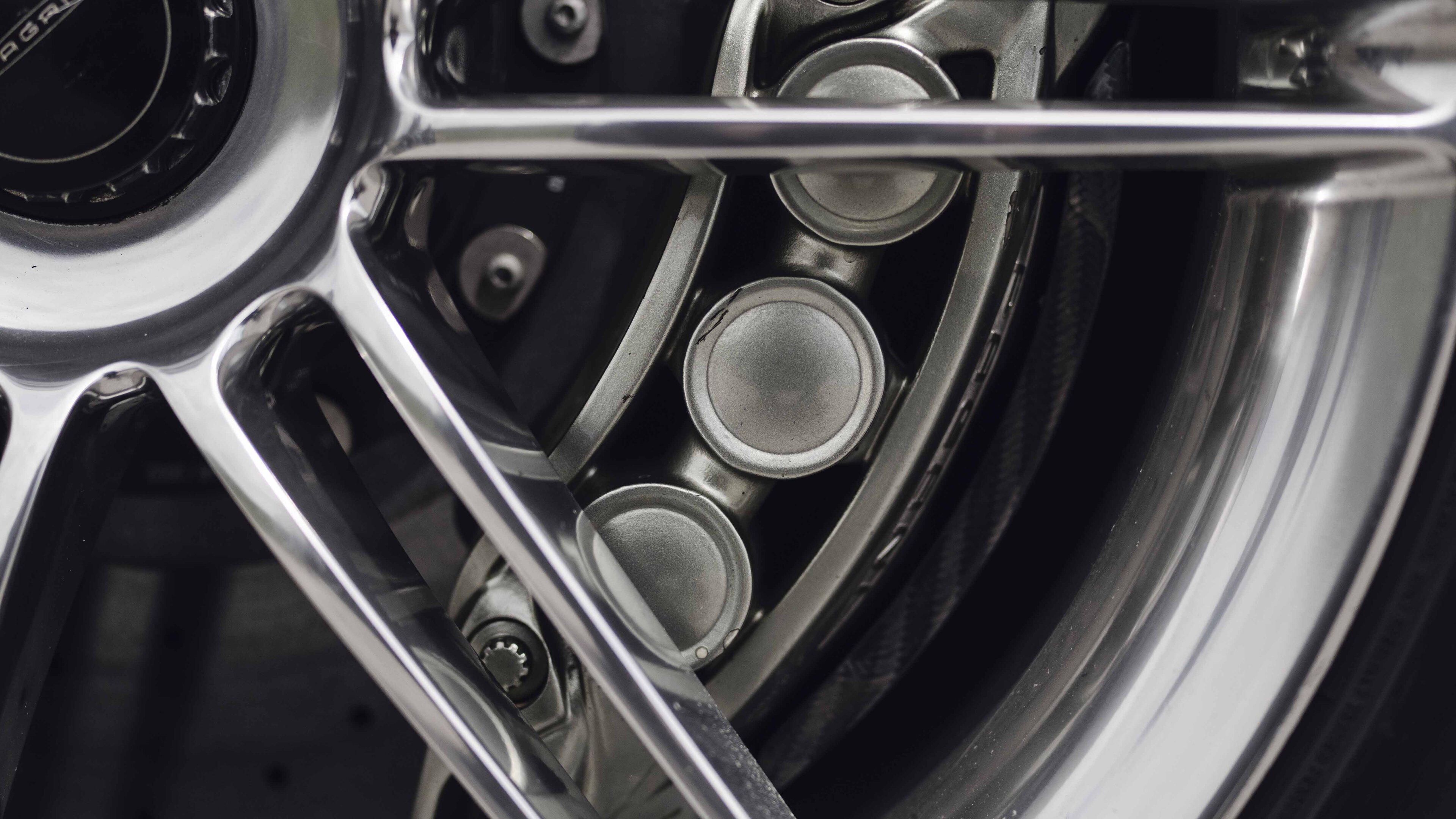
The view is incredible. The carbon fibre periscopes are back. The floating gate for the seven-speed manual ’box is a thing of wonder, those organic mirrors are filled with the perfectly scribed rear arches and ahead the raised front wings frame the road.
Utopia has definitely got some Zonda vibes, which is no bad thing. The twin-turbocharged engine doesn’t send the chill of the old screamer when you hit the start button, but there’s obvious innate power and such is the theatre everywhere you look and touch that the anticipation remains in the heavens. In the first few miles the sense of familiarity continues. Just like the Huayra HP, the feeling of endless torque that melds into a ferocious top end is awe-inspiring.
There’s a lightness and agility shared with the Zonda and that knack of flowing across even the most ragged of surfaces. Yet there’s so much more control and the centre of gravity feels about a foot lower. Massively more traction, too. Although that could be to do with the Zonda’s pretty old school tyre compound.
The seven-speed manual has a lovely shift quality but is awkward at first as it has four planes and the springing puts fourth/fifth as the neutral position. It takes a good 10 minutes before up and downshifts come easily, however once your brain is dialled in to the weighting required to steer it cleanly around the gate, it’s fabulous. Again, the big V12 is not a high revving affair, but the sound quality is so intriguing, with V12 howl overlaid by turbochargers and intake noise and rapid fire artillery on the overrun that never sounds the same twice. Nothing is synthesised here.
The Zonda F Roadster is indulgent and feels so pure. Plus... that engine
It’s tempting to say that the Utopia Roadster treads the line between the classical Zonda and head-banging Huayra HP, but that’s to sell it short simply because it never feels like a compromise. Driven gently, taking in the spectacular scenery, it’s perhaps the most feelgood supercar of them all. So much more joyous and effervescent than something like an F80 or W1. Less hyper-alert but more feelsome and bursting with character.
Push harder and whilst it doesn’t have the ruthless control and focus of more track-ready hypercars, the performance is vast and the chassis delivers a beautifully judged blend of outright grip and subtle, transparent adjustability. It’s a stunning achievement and feels so alive. You can sense that just as much love has been poured into Utopia’s driving dynamics as the jewel-like details and outrageous engineering art.
The winner? Can I say ‘The World’? Very few will ever drive, own or even see a Pagani. However, truly, the world is a better place for Zonda, Huayra and Utopia in all their variants. To drive just once on a fabulous piece of road? The extreme Huayra Roadster HP is impossible to overlook. It’s just wicked in every sense of the word. On the flipside, the Zonda F Roadster is indulgent and feels so pure. Plus... that engine.
But then again, the Utopia is so complete and the manual ’box is profoundly appealing. No wonder Pagani’s customers don’t replace, just add new flavours. If I have to declare a favourite it’s the Zonda F by the tiniest of margins. However, I guess the real lesson here is that while Pagani avoids competing with anyone, their cars are amongst the very greatest of them all.
Trending this week
- Car Review
Peugeot E-208 GTI