





Gaming
Top Gear
Crimson Desert review: many hours later, we’re unconvinced by this fascinating mess
An open world RPG with nearly no storytelling, but almost endless ideas
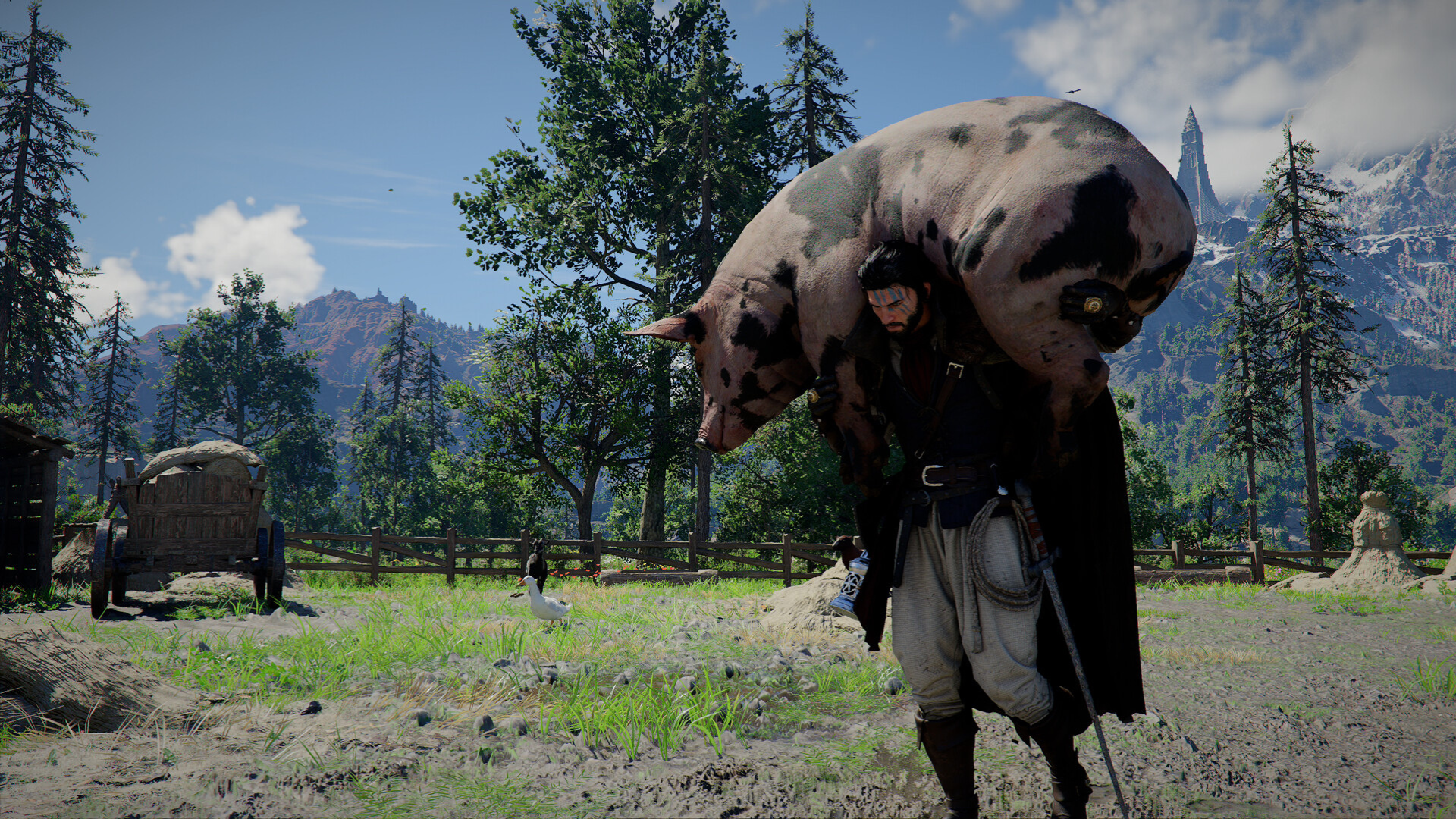
No, not there. There. You need to be standing in a very precise spot for Crimson Desert’s UI to show you the button prompt to pick up a water container. And you need to pick up the water container, because the house is on fire. It caught fire because… actually, the game isn’t big on finer details like that. All you need to know is that there’s a local healer in there and you need to get him out.
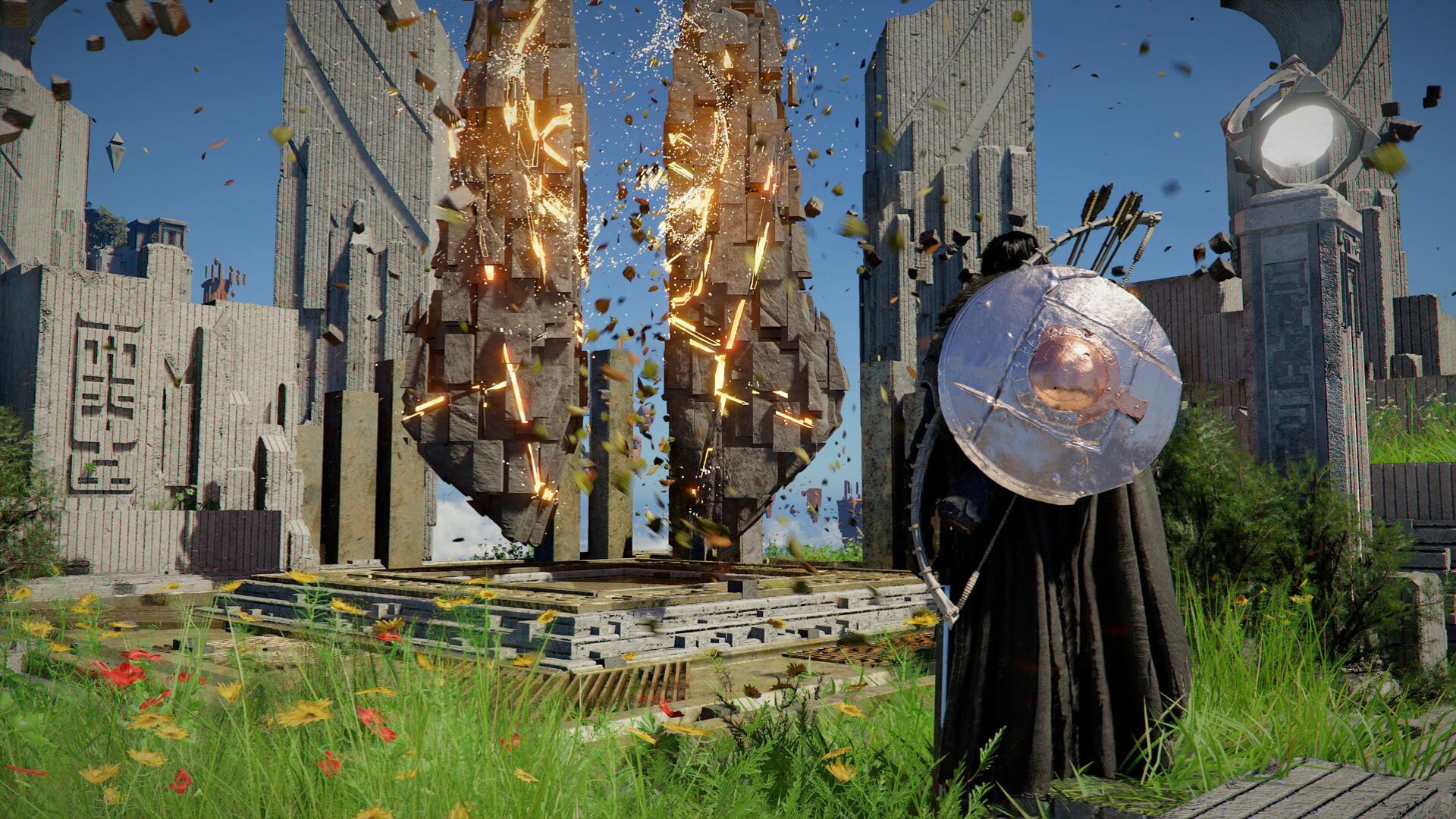
So you do. You use one of your abyssal abilities first, one of numerous supernatural and elemental-based feats available to you, in this instance the ability to pick up a massive tree trunk by telekinesis and move it away from the doorway it’s blocking. You might be tempted to go in and look for the healer at this point, but this would be wrong. As we all know, fire makes people invisible so this won’t work. You need to chuck several handily placed jugs of water into the inferno first, until they’re revealed, laying in the foetal position, stationary but apparently unharmed despite having been buried underneath some fire moments ago.
Advertisement - Page continues below
You run in and grab the healer, carry them to safety, and then… and then that’s that. Everyone who’s been watching the spectacle walks off in silence, you never hear from or see the healer again, and another quest is unceremoniously added to your journal, its origins a total mystery just like the ‘save the healer from a burning building’ one you’re fairly sure you just completed but can’t tell definitively.
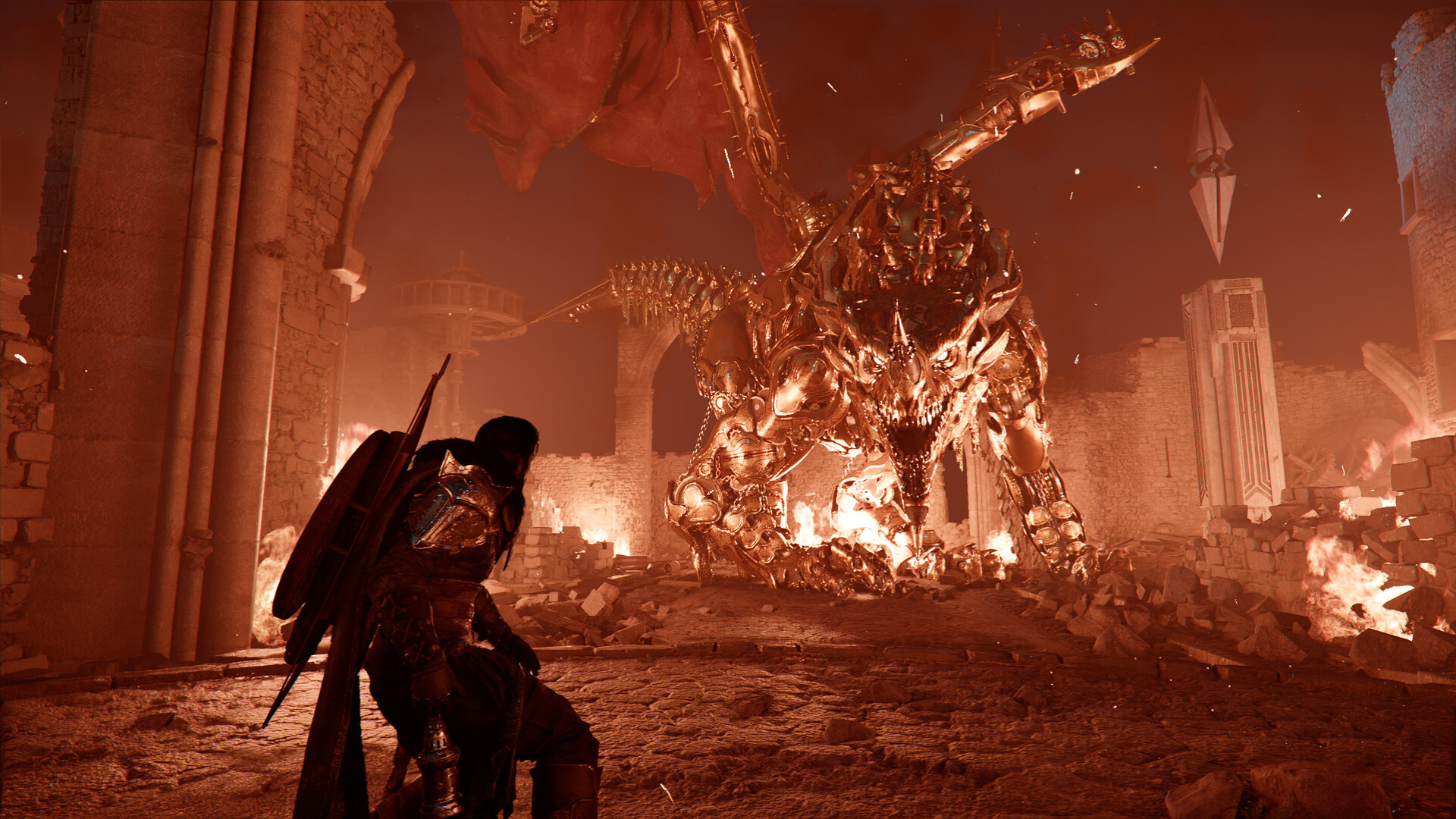
Repeat that gameplay loop for ten hours, and you’ve got the onboarding experience offered up by Crimson Desert, one of the most anticipated and ambitious games of the year, and without doubt one of the unwieldiest. It looks like The Witcher 4 come early. It has more gameplay systems than even a Metal Gear Solid would dare to throw into one game. It has significant potential. But having significant potential still leaves plenty of room for ‘isn’t very fun to play’, so let’s get into why Pearl Abyss took a swing and a miss here.
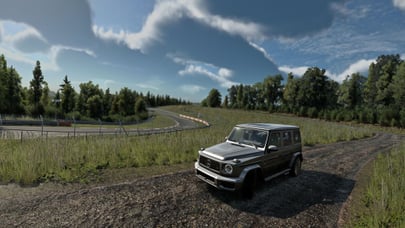

The biggest problem is in your hands. The controls are laid out with all the finesse of a noughties Peugeot interior, making basic interactions feel stressful and more complex combos and abilities feel like a memory test you didn’t revise for. It’s most reminiscent of GTA’s control layout, but since there are MMO-like layers of interactions here, it simply doesn’t feel intuitive to put your brain into Trevor Phillips mode while you’re attempting to access your horse’s inventory or force-punch some copper ore out of a mountain while climbing it.
It isn’t just that the mappings are awkward. It’s that the very best thing about this game is discovering things you didn’t know you could do, and the way systems layer on top of each other. You need total fluency in the controls in order to enjoy those things, and it takes well over ten hours to achieve that fluency. That’s, er, a problem.
Advertisement - Page continues below
While we’re down here in the dank well of bad game design, let’s consider Crimson Desert’s story before we cover other, much more successful, component parts. You are a resurrected warrior, a member of a tribe called the Greymanes who are at war with the Black Bears. Having been slain in the prologue, which by introducing characters with personalities and dialogue, tricks you into thinking those things will also feature heavily in the rest of the game, you find yourself brought back to life in a strange, abstract realm called the Abyss (which is actually high above the familiar world rather than below it, as abysses usually are) and learn that you now have abyssal powers. A nice lady in a hat encourages you to be nice to the people in the world below, and sends you on your way.
And that, with barely anything edited for brevity, is your context for setting out on this 200+ hour adventure. Any questions? No? Great, off you go.
There’s nothing conceptually wrong with building an open world game that isn’t about narrative. Breath of the Wild is hardly a page-turner, and you could write its memorable dialogue exchanges down on a postage stamp. But it commits to this design decision, purposely stripping back the storytelling to get you to focus on its gameplay systems and in all the silence, you find yourself writing your own story.
Crimson Desert doesn’t commit to stripping away the story, but nor does it commit to telling one. The result is a disjointed, confusing, and often bizarre narrative in which people you hardly know are constantly telling you to go and do things for reasons that remain unclear long after you do them. Protagonist Kliff is neither the kind of blank slate hero that Skyrim and co use to allow you to superimpose yourself into the adventure, nor a sharply drawn lead with clear passions and flaws that an epic RPG with a voiced hero needs.
Top Gear
Newsletter
Get all the latest news, reviews and exclusives, direct to your inbox.
There’s good stuff in here, mind you. It feels like rooting through a dusty old loft to find it, but it’s in here. As the game evolves you’re increasingly drawn into the management of your clan the Greymanes, and asserting their place in a vast world map of 100-odd other tribes is a compelling activity. You learn along the way interesting and unexpected ways to use and combine your abilities, like cooking food by simply pulling it onto the ground from your inventory and setting fire to it. Or levelling up your horse by patting it, until you unlock the ability to drift round corners with it like an RX-8 that neighs.
The combat, which can usually be slashed through on autopilot by hitting the light and heavy attack buttons endlessly, nonetheless has loads of scope for combos and playful touches. You can pick unaware enemies up and throw them at each other, for example, which is a far better way to start a fight than drawing your sword.
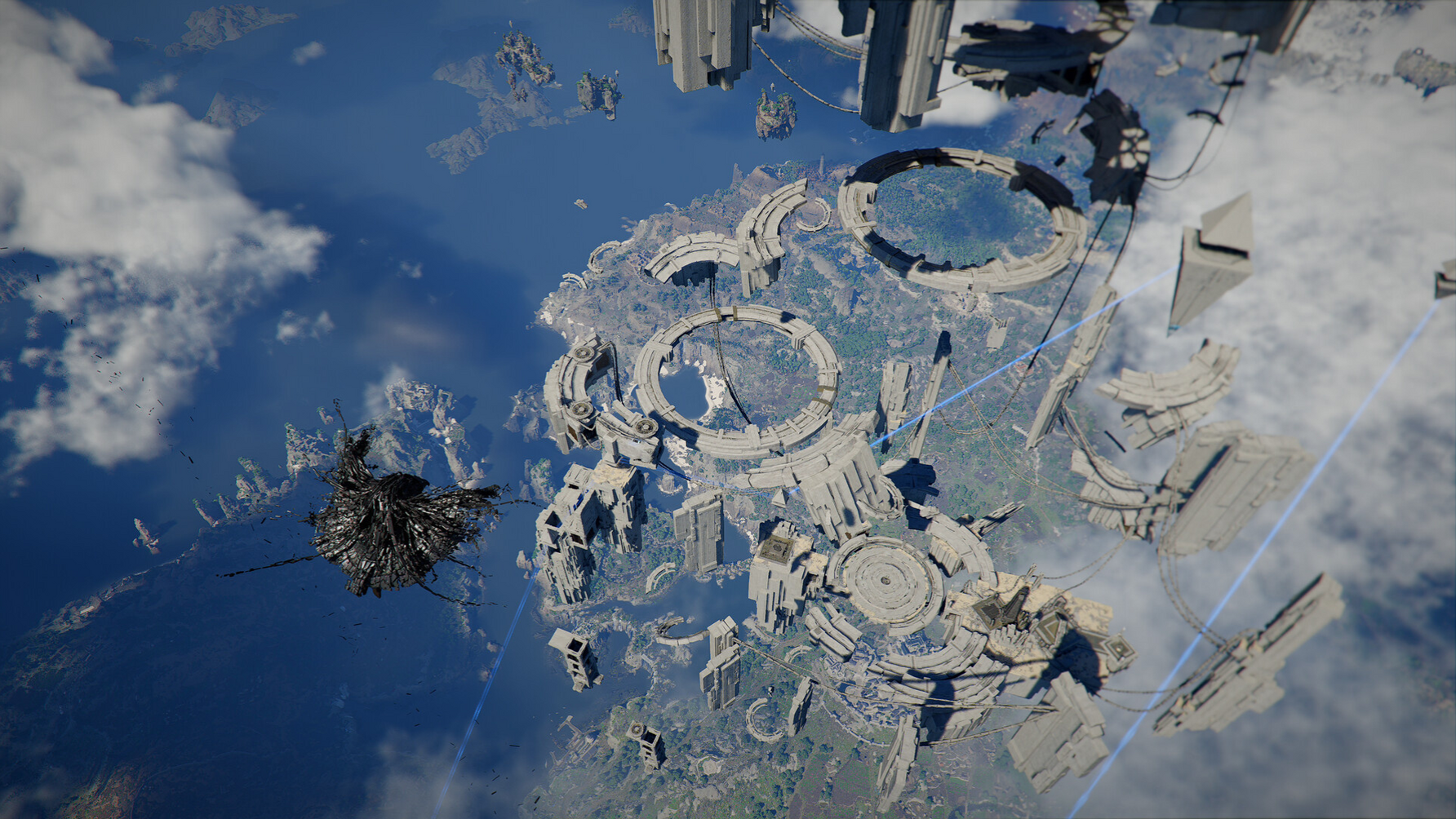
And the world map, incomprehensibly vast, features a rich collection of visual wonders. It’s hard not to wish it was grounded in more lore, that there was some history to the regions you explore and distinct cultures to the people who inhabit them, but on a purely visual level the variation and detail are stunning.
Whether the good is worth enduring the bad is a question we couldn’t answer definitively during the opening hours, and feel no closer to drawing a line under it now more than a week of solid play later. It’s robust enough to withstand determined, single-minded exploration without ever becoming stale or repetitive, with a main questline that’s about 80 hours long alone. But it’s not robust enough to ever really tell you what sort of experience it wants you to be having. Is this a singleplayer MMO? An open world RPG with MMO elements? Is it Breath of the Wild, or Dark Souls, or The Witcher? It seems to be trying to be all three at once, without half of the finesse that any one of them has.
It’s also been caught using AI assets in artwork throughout the game, which developer Pearl Abyss says were always intended to be placeholder images and their inclusion in the final release is simply an oversight. Unfortunately, the whole experience has a whiff of the glitchy generative AI response. It seems to be an exercise for shareholders, not gamers. It has numerous features that it can brag about convincingly, but which reveal themselves to be poorly designed when you scrutinise them. It’s ticking all the boxes gamers like: open world exploration, emergent gameplay, sandbox-style tools, countless hours of play. But those component parts never quite form a convincing whole. It remains a fascinating, compelling, confounding and confusing world of contrasts. Critiques of it that fall on both sides are right. There’s ammunition here to make the case it’s brilliant, and also plenty to make the case it’s unplayable. For our part, all we can say is that we’re probably done playing it now.

Trending this week
- Long Term Review
We lived with the bestselling Alfa for six months. Should you?