




GamingTop Gear
TG’s 50 greatest games of all-time: Big Rigs Over The Road Racing
Often mistaken for a broken, rubbish racer, is in fact a surrealist masterpiece
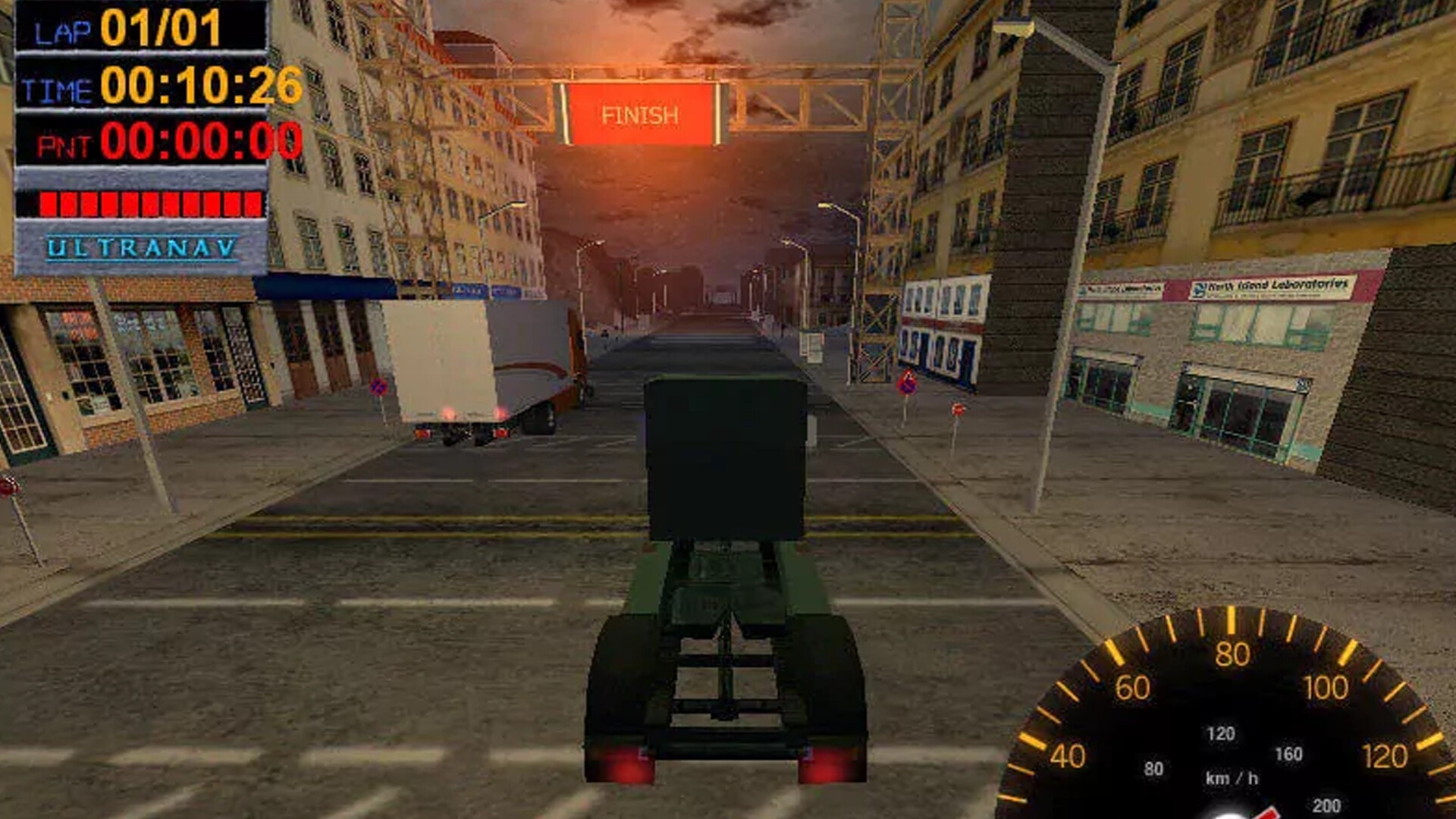
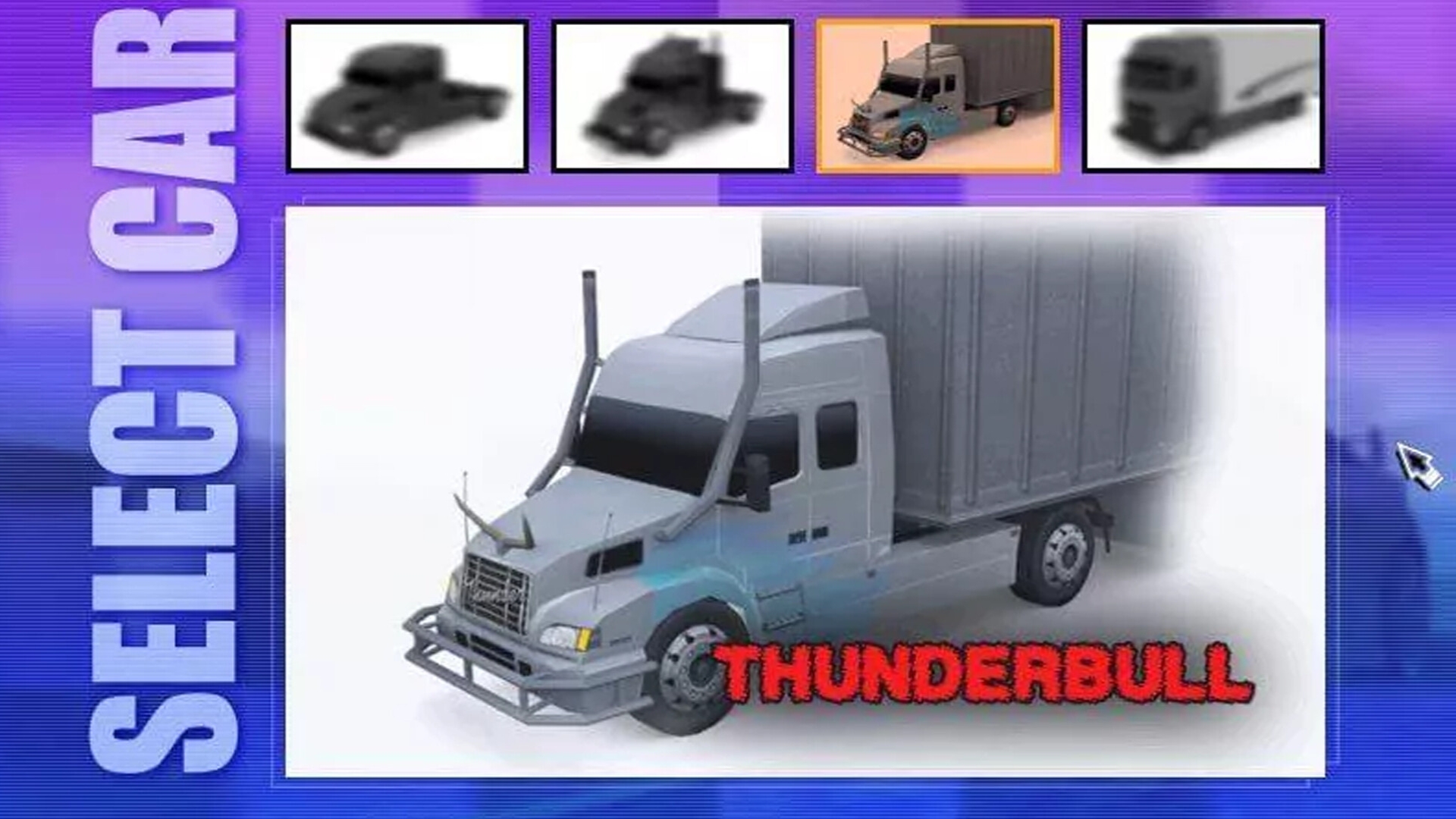
It starts with the title. Think about the choice of words there: over the road racing. Over it. In any other game, you’d expect the eponymous Big Rigs to race right on the road surface, as they do in the real world, tyres making actual contact with the tarmacadam beneath them.
But check your game box, my friend, because these articulated lorries don’t bother with gravity or traction or any of those science book snoozefests. This is Big Rigs: Over The Road Racing.
Advertisement - Page continues below
It’s true that 23 years after release, this arcade take on haulage sits at six out of 100 on Metacritic. There are reasons to claim that this is, in fact, a notoriously, unplayably bad game, like the absence of working AI opponents, collisions, laps as a concept, and many other component parts that feel quite fundamental to functional racing games. But they all miss the point. This game is a discourse.
By artfully stripping back the hand-holding that keeps the player cosseted and numb in any other racer, developer Stellar Stone sets your mind going. For example, if a race immediately declares “You’re Winner” one second into the lap as you cross the start-finish line from your grid position, you’re given to consider what winning really is. Why does this one feel so hollow? Does true triumph only manifest after adversity? It’s profound stuff.
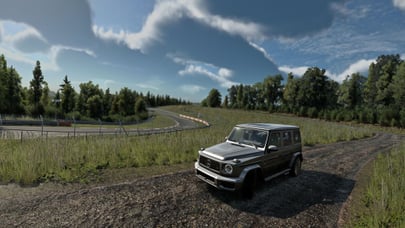

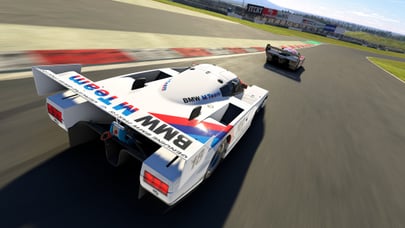
If you’ll permit us to lower the ferocity level of our snark-cannon momentarily, it’s never been clear why this game shipped in such an unfinished pre-alpha state. But it is clear that nobody at Stellar Stone thought that this was a good game, or simply didn’t know how to make a better one than this.
Projects like this don’t enter gaming folklore through tragic naivety and incompetence, but via a string of business-level decisions which leave creators high and dry and begging for a delay, or a day one patch, or frankly any other means to turn their perfectly good vision into the finished product that they and the player deserve.
Advertisement - Page continues below
Stellar Stone, if you’re out there (they’re not, they disbanded in 2006 but hopefully the individual developers found work at other studios) we know you’re better than Big Rigs and we salute you.
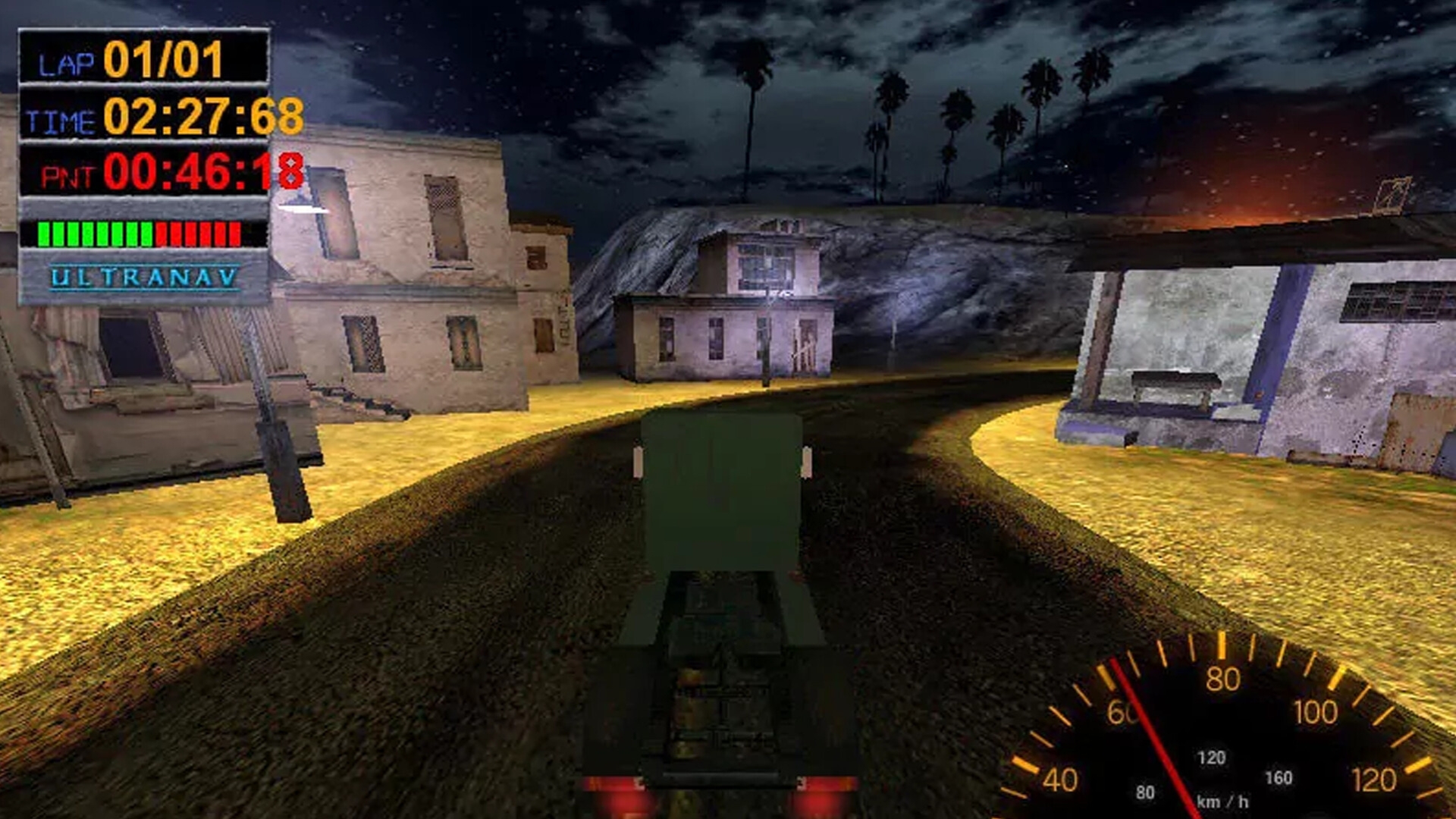
Anyway having won the race the second you begin it, what’s left to do is really up to you. It’s an early example of sandbox-style racing, in that way. You might decide to see how fast an articulated lorry can drive up one of the mountains that encircle the sole circuit in the game (very fast, turns out the ground’s topography has absolutely no bearing on your speed) or what happens when you drive your truck into a building (nothing) or simply endeavour to finish the race by completing the laps (impossible, the race does not have laps or any means of completion). And that gets you engaged.
You don’t see Forza Horizon challenging your intellect like that, do you? You don’t see Need For Speed having the bravery to ask metaphysical questions of you in the space where a playable game usually sits.
Alright then, if you insist: the most likely explanation for the stunning absence of quality or content is because of the outsourced development Stellar Stone used as a business practice, and the nature of the deal TS Entertainment’s Sergey Titov did with the studio.
Top Gear
Newsletter
Get all the latest news, reviews and exclusives, direct to your inbox.
Stellar Stone got Titov’s Eternity game engine license, and in return Titov got a chunk of the studio. Although credited as the game’s producer and co-programmer, Titov claims he had very little to do with the project, and evidently nobody else did either. Why the game released in the state it did has never been sufficiently explained, but truly, we’re glad it did.

Trending this week
- Long Term Review
We lived with the bestselling Alfa for six months. Should you?