




Interview
Top Gear
Meet the 24-year-old who wants to save the world in a home built prototype
Tamara has had multiple careers at the peak of motorsport and now has bigger plans
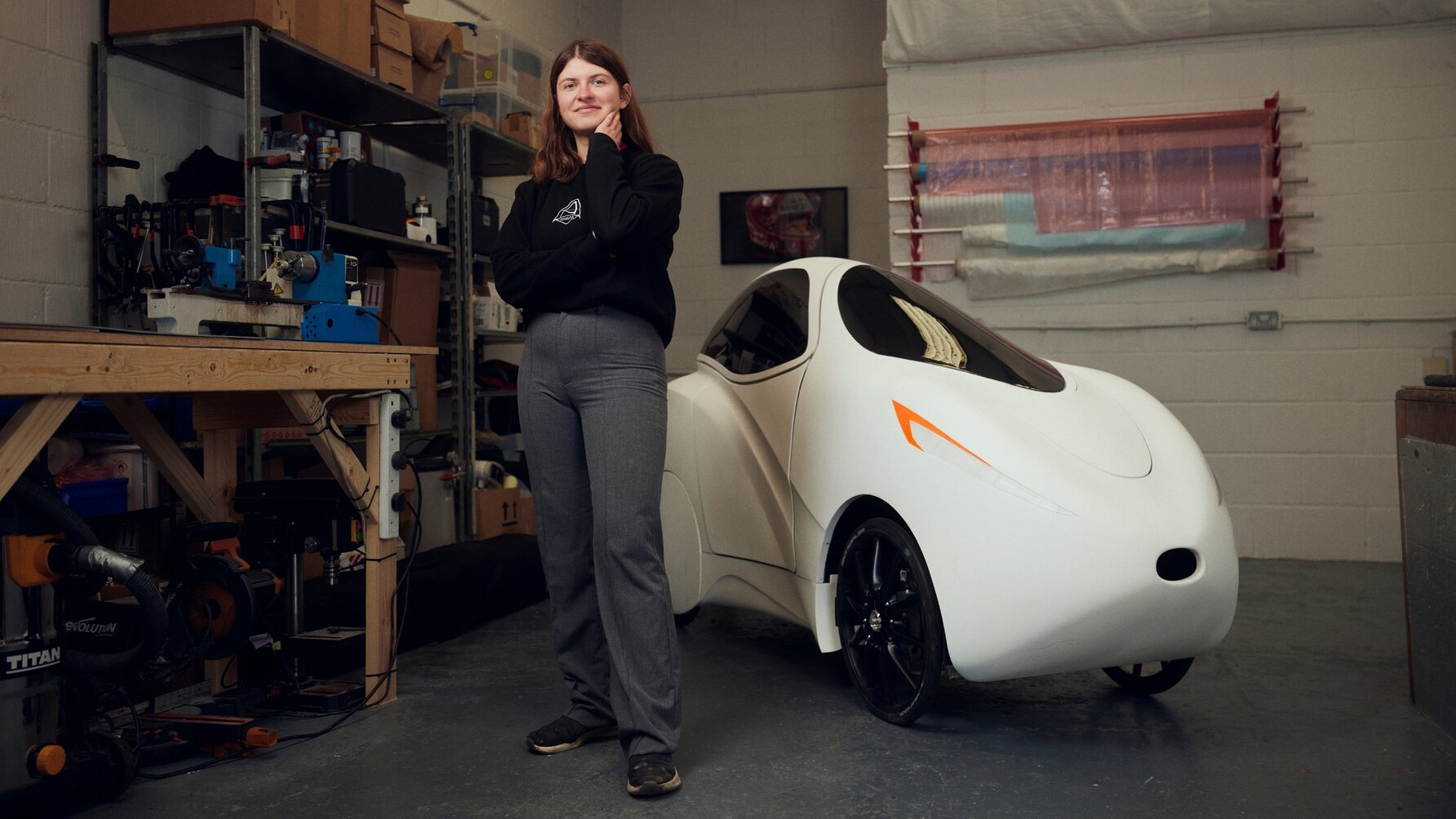
Tamara Ivancova is 24 years old. She has already worked for the AlphaTauri and McLaren F1 teams, Aston Martin’s road car division, motorsport gods Prodrive, and now she’s dreamt up her own car company and plans to tour (and save) the world in a homebuilt prototype. But sure, broadsheets: you crack on telling the world that Gen Z are work shy introverts.
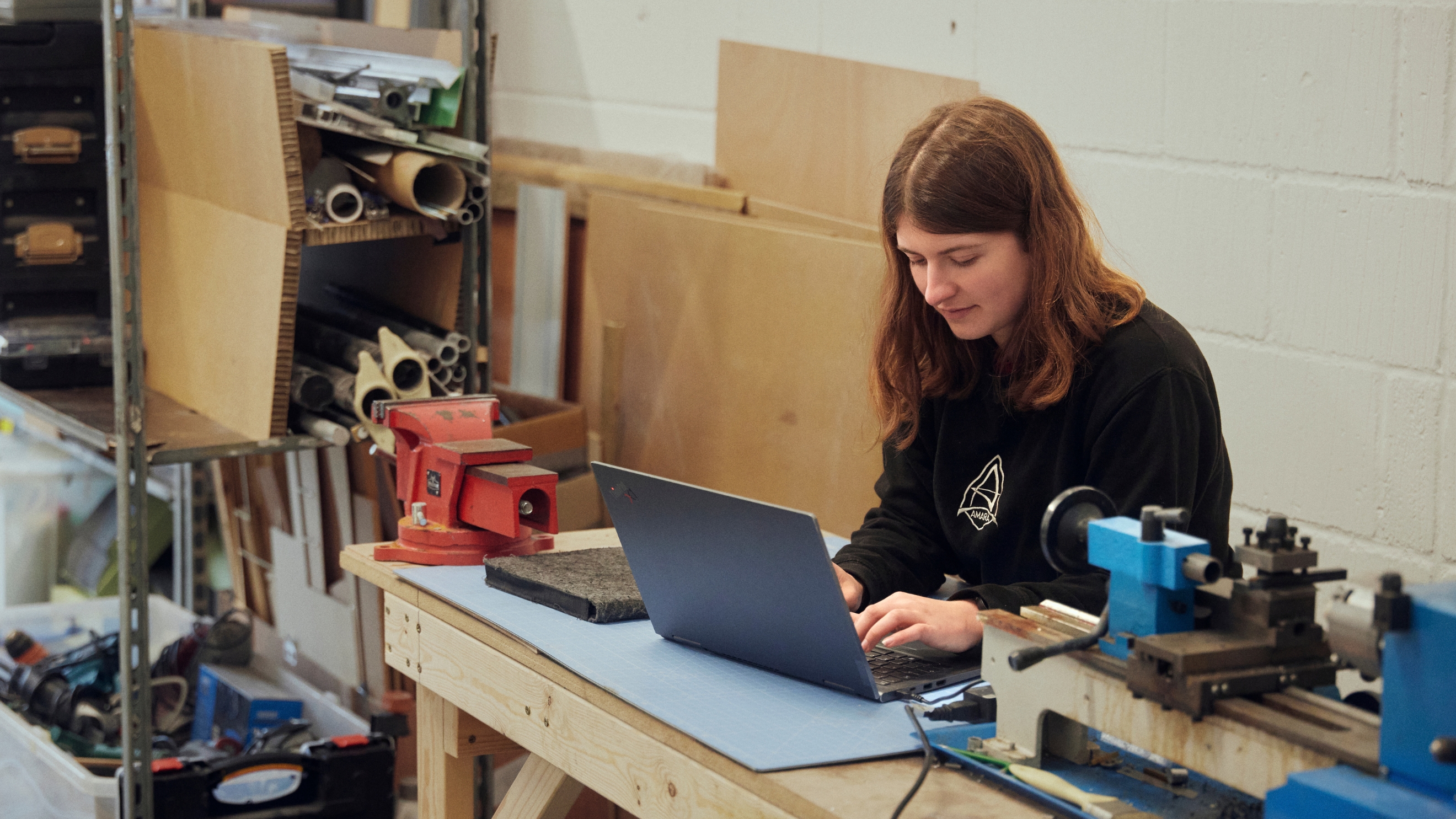
“My dad was a racing driver,” she explains in her Southampton workshop. “I grew up around cars and karting from the age of three. Then I started building things with him. We had a project car where we took an MR2 chassis and I built a new body based on my design. That was when I was 12.”
Advertisement - Page continues below
Tamara didn’t pursue being a racing driver – like her father, that dream ended when it became frighteningly expensive (though I put it to her she’s still got enough time to give it a go having had multiple successful careers before she was even old enough to get L-plates). The next chapter of her superhero origin story? Year 10 work experience.
Photography: Tom Barnes
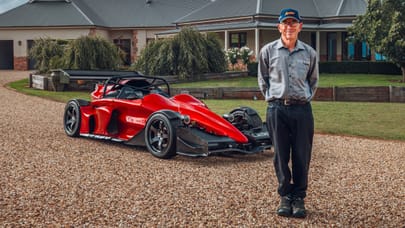
“My classmates were getting in touch with supermarkets,” she scowls. “I was like – I’m going to get in touch with Formula One teams.” Armed with her expertise in automotive engineering, she sent off CVs and covering letters to all the British based teams and heard back from several. Torro Rosso (now Racing Bulls) was first to offer Tamara a placement: “It was in the wind tunnel mainly but on my second day they took me to Silverstone.” At 15 years old, as Tamara puts it, "I didn’t know exactly what path I wanted to take through motorsport, but my ambition was to get high up. I was targeting sort of becoming Adrian Newey".
Her story actually has parallels with Gordon Murray’s – moving from overseas at a young age, redesigning a sports car to make it more competitive, early forays into racing and then getting in on the ground floor of Formula One car design. “The experience was amazing. When I started university, I just knew how these companies worked.
Advertisement - Page continues below
"Not just insight into the technical things, but actually understanding how things are run, where you can make the difference and how to get ahead...”
So, I venture... why is she now in her own workshop, surrounded by prototype models for one of the lowest carbon road legal vehicles ever conceived? Why isn’t she glued to a drawing board or CAD sim data in Brackley, Milton Keynes, or Maranello?
“I was working as a development engineer at AlphaTauri [also now Racing Bulls] working on the front wing specifically. Very quickly into that placement I realised on the route I was going. The final impact I could have in very simple terms was just making a car go a thousandth of a second faster around the track. And if it rains, or a piece of tyre gets caught in your front wing, all of that work is for nothing!
"It didn’t sit with what I wanted to spend my time doing. I already had a few projects at that point and I realised, ‘I can build and develop whatever I want. So what do I want to spend my time pushing forward? What gives me purpose?’"
Top Gear
Newsletter
Get all the latest news, reviews and exclusives, direct to your inbox.
Tamara walked away from the dream placement (possibly costing Racing Bulls more than a few championship points since) and focused her intellect and energies on her true calling: “To achieve net zero in transport.” No big deal then. Just the decarbonisation of every road vehicle on the planet. Her contribution to the thorny issue that vexes scientists, engineers and politicians the world over is actually incredibly simple, on the face of it. The bicycle.
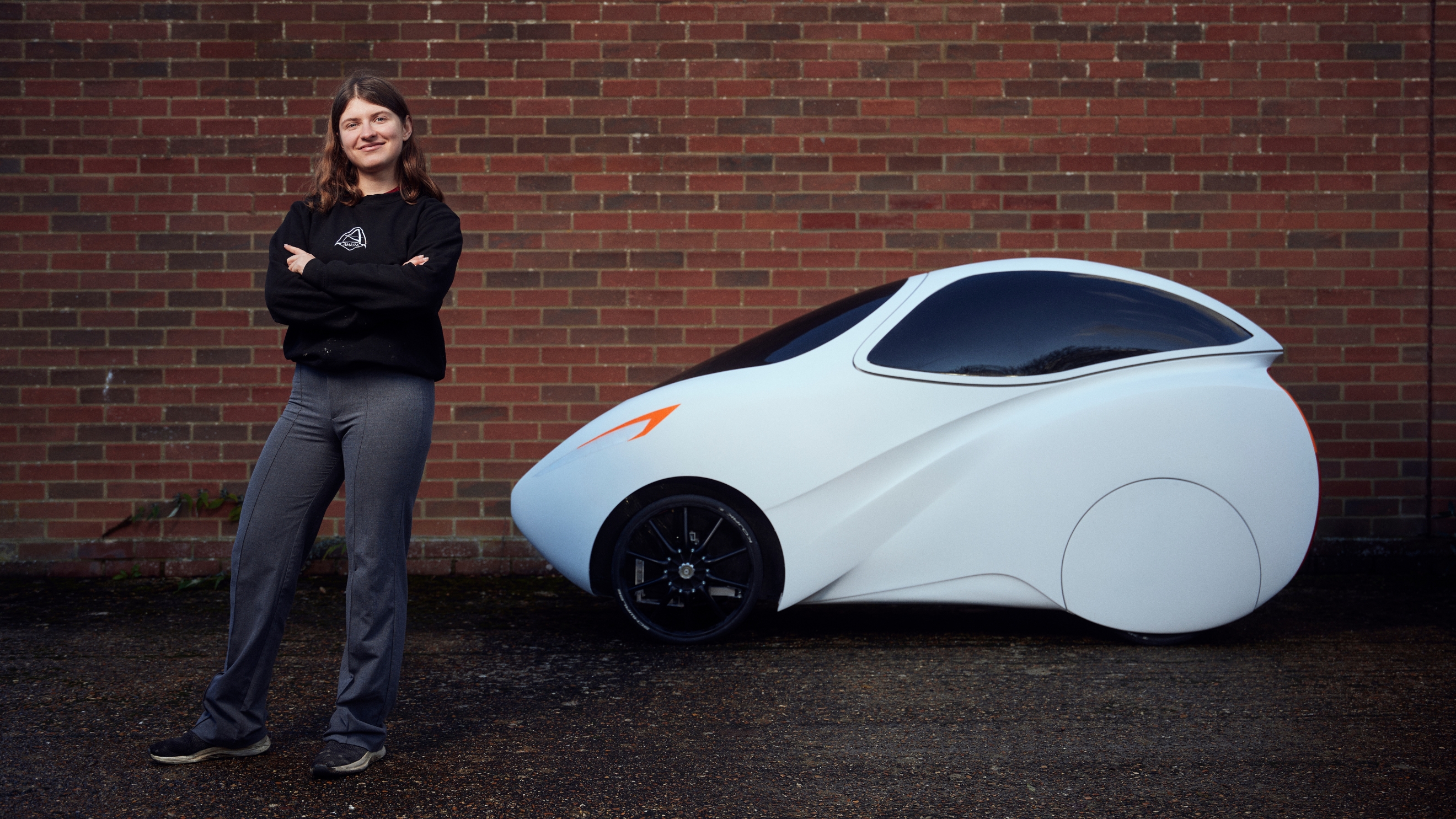
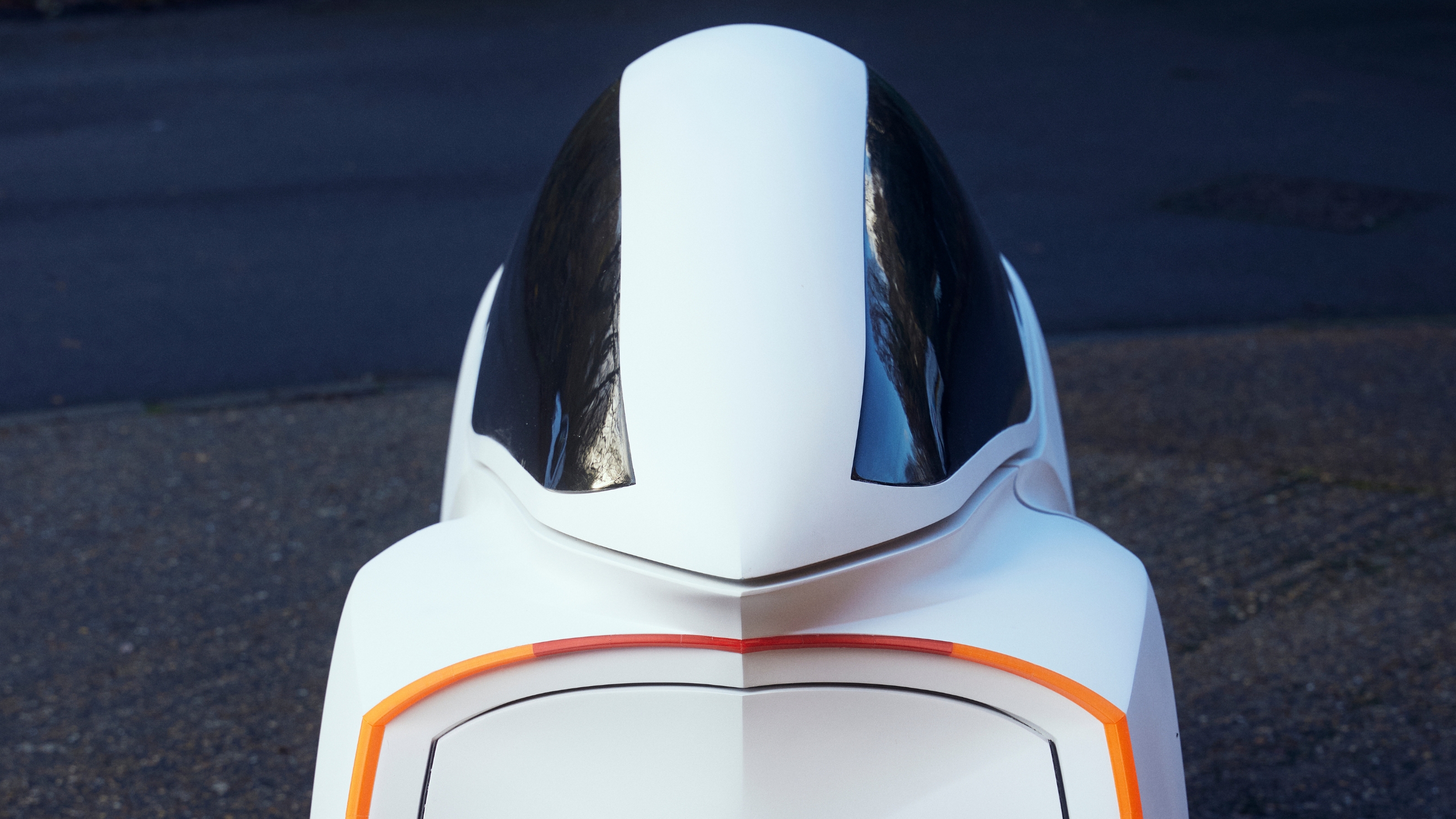
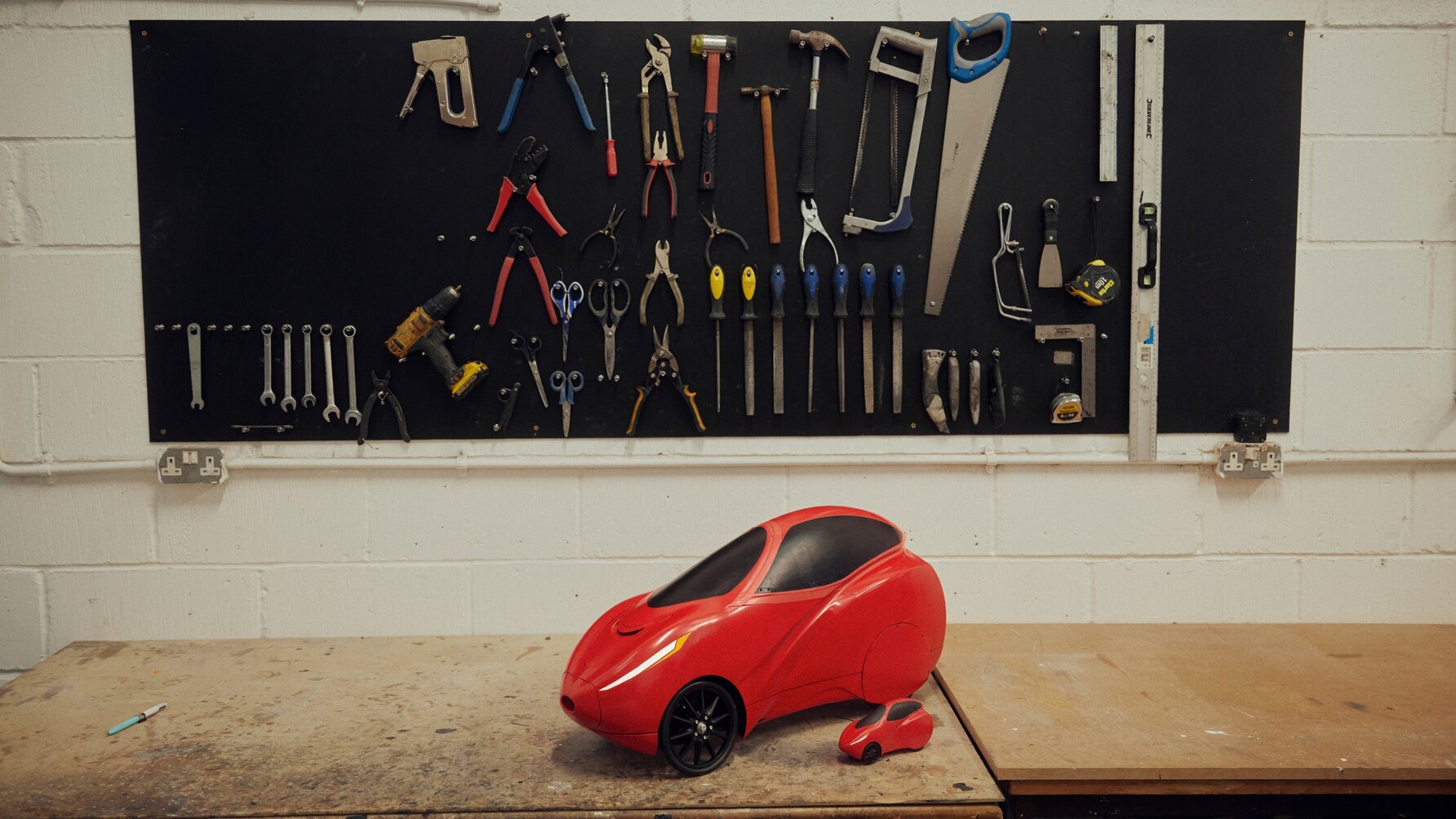
The pedal cycle is one of the most efficient ways humans have ever devised of moving about. And if you want to be aerodynamic, and get that centre of gravity lower, a recumbent bicycle is better. Tamara’s brainchild is Amara Automotive, and its first ‘car’, the Elecy. In very basic terms, it’s a recumbent bike with e-boost, cloaked in a hyper low drag body, which Tamara refined in the wind tunnel at the University of Southampton. Alumni: Adrian Newey.
Tamara gives me a dummy’s guide to her innovations. Unlike many teardrop shaped low drag solar and pedal contraptions, she’s insisted on four wheels rather than three, for stability. It’s fully enclosed, narrow enough to still use cycle lanes, has more bootspace than a VW Polo and there’s 37–50 miles of electric range. The motorised top speed is 25mph, but because it’s a bike “you can just pedal and go faster”.
This is by no means just Tamara’s dissertation. It’s now her life’s work. She’s poured savings into the Elecy and is courting investment. In 2026 she will embark on a global fact finding adventure in it: “30,000km across 21 countries and four continents. It’s from Southampton to Helsinki, and then we’re going from Kazakhstan to Tokyo as the second leg.
"We’re doing about half of Australia, along the south coast to Sydney and the entire length of New Zealand, and in North America from Alaska to... well that depends on sponsors!”
And like she mentioned earlier, with her F1 experience teaching her just as much about business as it did about aerodynamics, Tamara is quick to acknowledge even this tiny corner of the automotive world is beset with financial doom.
One of her rivals, the Scandi Podbike outfit, recently went bust having failed to launch its own low slung streamlined e-bike. “They delayed production, and they ended up kicking it off at a very different price point,” she observes.
"They were trying to get from a series of prototypes to a few thousand vehicles produced annually to meet the demand. But that’s very hard. Hardware is a difficult thing. Producing vehicles like this at that type of price point [the Podbike was a punchy €13k] requires tens of millions of investment."
Tamara might be barely in her mid twenties, but she says her motivation is legacy. “I’m in it for the long term: this is just the first way of making that impact. The first way of making net zero happen.” That’s why the bodywork is a low carbon composite, saving weight and CO2, that has applications beyond the Elecy.
“The aim is to expand through selling IP and technology to OEMs, but there’s also more vehicles in the line. The mission of my company is to disrupt the transport sector and set a new standard for how vehicles are designed.” That’s the impetuous drive of youth for you. F1’s loss could be your commute’s gain...
Trending this week
- Top Gear's Top 9
Nine funky Brazilian cars with Volkswagen engines
- Car Review
Porsche Panamera