

CUPRA
166kW VZ 52kWh 5dr Auto
£34,930
Fun at less than 70mph, surprisingly big boot, roomier than a Renault 5
Dumb regen set-up, mish-mash cabin materials, doesn't get the biggest EV discount
The first of Volkswagen’s MEB+ platformed cars we've tested properly. So the ID. Polo is the sensible supermini, the ID. Cross is the more practical small SUV-thing, the Skoda Epiq is the value-for-money one, leaving some space for the Raval to be Cupra’s spicy-little-tearaway.
To that end, it’s a small electric five-seat, front-drive hatch with (in the top-end VZ spec) 222bhp and 214lb ft, 0-62mph in 6.8 seconds and a few choice go-faster bits of hardware. So you get an e-diff, DCC (dynamic chassis control), a 15mm lower ride height and 10mm increase in track width. You can turn off the ESC and play with modes. That’s quite the statement of intention from Cupra. Essentially even the base model gets the suspension and handling from the top-spec ID. Polo GTI.
The only slight fly in the speedy ointment is that as mentioned, the package of more intentional bits only appears on the top-spec VZ and VZ Extreme cars.
But all the physical dimensions are identical, as is the look, bar wheels and a couple of small items. It comes in two battery sizes, 37 and 52kWh (both usable capacities), the smaller LFP chemistry, the larger NMC, and ranges, er, range from 186-ish miles to around 275 miles. It’s a compelling package from the off.
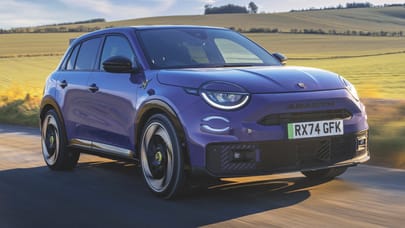
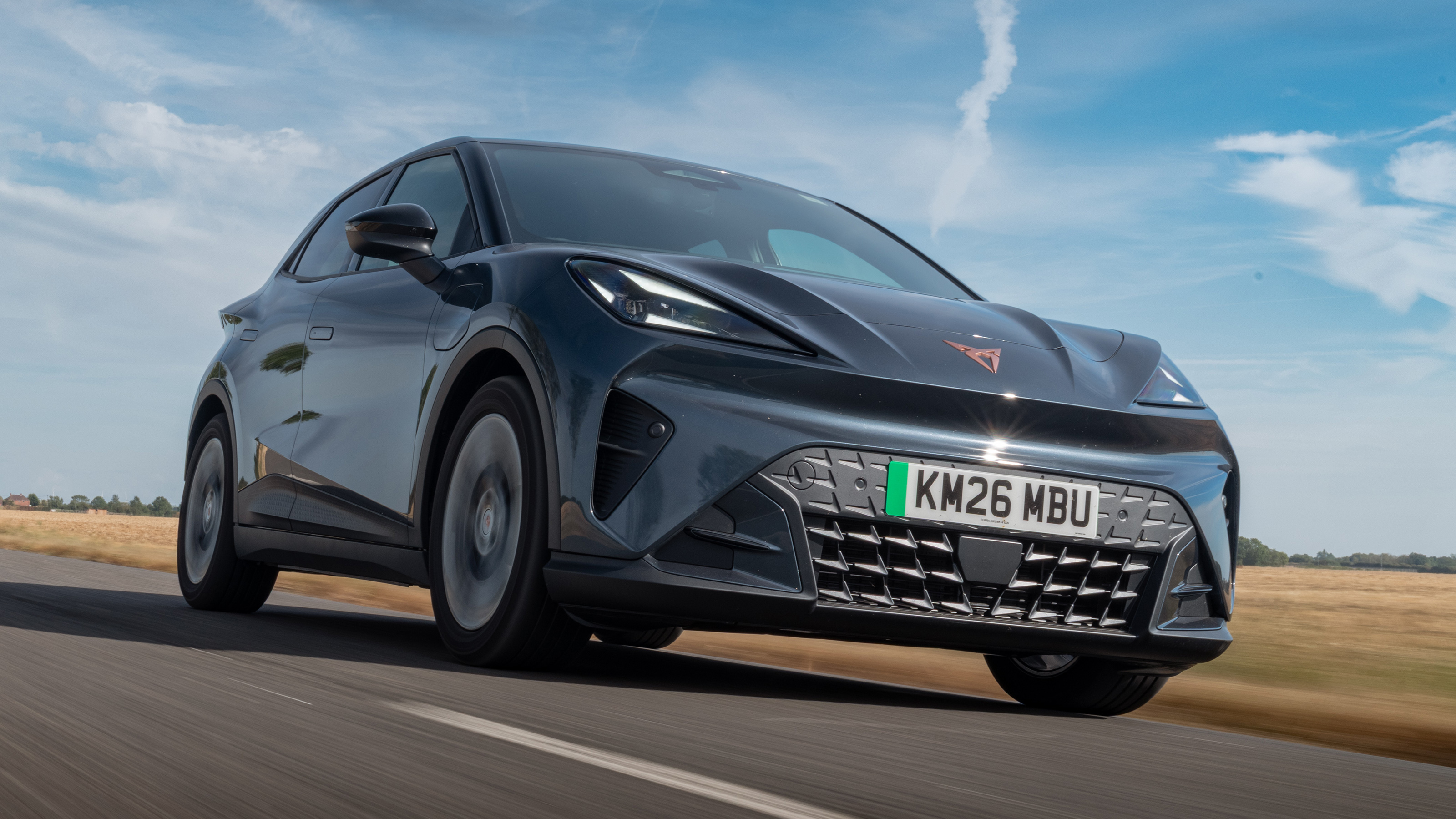
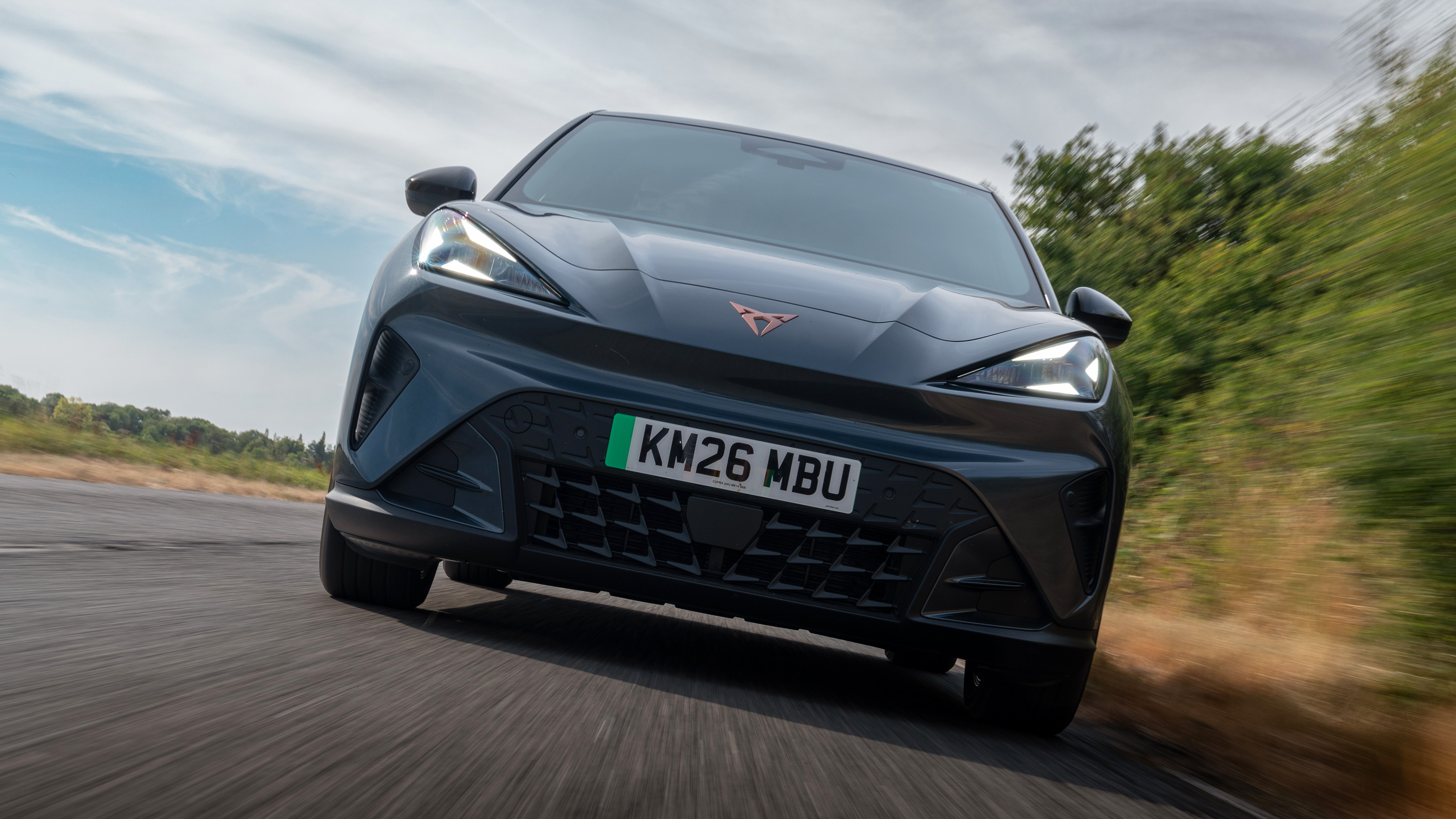
For a start, the Raval and ID. Polo are both largely built at SEAT/Cupra’s facility in Martorell, Spain. So this is the Spanish MEB+ version. Basic proportions are – as you might expect – all in the same ballpark, but Cupra’s gone to town on the body. So it’s a proper little geometric ode to triangles, making the Raval much more aggressive than the other cars on the same bones. It’s still small and stumpy though, so this is the proverbial toddler with a knuckleduster. Although we’re not actually sure that’s a proverb.
This is the proverbial toddler with a knuckleduster
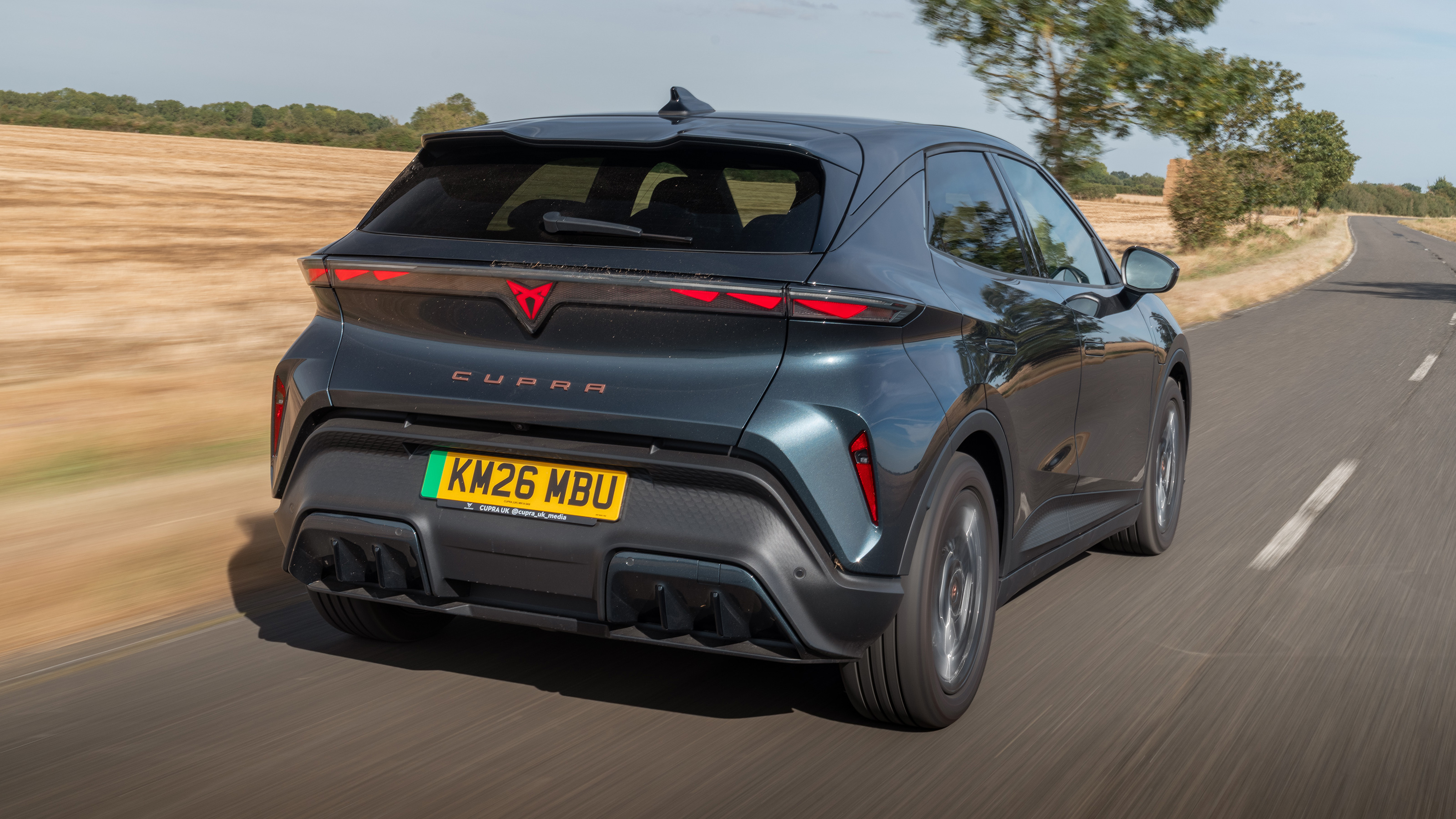
Still, there’s a scowly little face, interesting designs for the various wheels which go up to 19 inches on the higher-spec cars, which sounds ambitious for the ride quality of a city-skewed hatch. The side profile is good, the wheelbase long and the overhangs short. At the back, there’s a lightbar (of course there is), a light-up Cupra badge and a little psuedo-venturi. It’s neat, not overplayed, but with some character. Good work, in other words.
The extra engineering tweaks to the VZ models are what stands it apart though; the ID. Polo GTX (or whatever it might get called) might well get such addenda in the future, but for now the Raval is where you’ll get your more pointy driving dynamics.
Technically it’s a city-biased small EV, but the 52kWh could easily go intra-urban if you aren’t too ambitious. Think Renault 5/Nissan Micra-type ranges for the big battery, so practical enough. And even though a max 105kW of charging sounds a bit rubbish, it’s a small battery, so going from 10 to 80 per cent only takes 24 minutes. The base ‘Origin’ only manages 50kW DC, which is naff… best leave that one for committed urbanites.
But the Raval feels like effort has gone into it. There’s a nice interior, really usable space, some interesting colours and urban-useful dimensions – it feels bigger than it really is on the inside, but you realise how nippy it is when you parallel park.
Plus, it’s got some big-car features, so this feels like a size choice rather than a cost implication. You’re not buying a Raval because you can’t afford the bigger Born, but because it’s more suited to your lifestyle.
Surprisingly. The ride is good, the wheelbase long, with the wheels pushed out to the corners. The 19s on the VZ don’t make it ride with any particular hatred, and the room for the two front seats is relatively generous. Okay, so the rear seats are a little tight, but given the length of the car, they’re pretty good. Certainly it's noticeably roomier than its key rival, the Renault 5.
The real surprise is in the boot – at 441 litres (including the underfloor, which sits under a moveable boot floor shelf-thing) it’s roughly 60 litres bigger than something like a VW Golf, so that’s enough for any amount of shopping. This is a car that’s only 46mm over four metres, so there’s a lot packed into a small space.
It’s punchy from the lights, nippy in town, with decent regen from the paddles. Though this has been configured in a stupid, confusing way. More on that shortly. It’s also easy to park, so the remote control parking system on the top models is largely redundant unless you want to wedge it into a space so small you can’t open the doors.
But the big standout for the Raval is when you have a VZ with all the toys. You can turn off the ESC (not always a given) and generally commit a bit more. A lot of that is down to the e-diff – in many electric cars, make progress into a tight corner and you’ll unweight the inside wheel and set it merrily spinning (that counts in both front and rear-drive formats). But in the Raval, you can maintain a line and traction. Okay, so you’ll get a fair bit of tug from the wheel if you’re going to go really fast, but it works.
The good news is if you're working with a smaller budget or don't want the oomph, lesser Ravals are also a giggle to drive. Not just for an EV. This is a fun little car, full stop. Like the Ford Fiesta of yore: better to drive than it strictly needs to be.
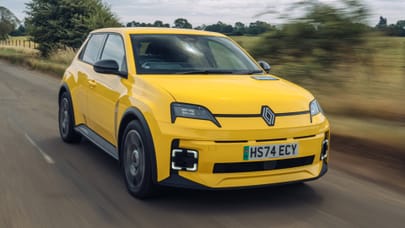
The Raval only qualifies for the lesser of the UK's Electric Car Grants, meaning you get a £1,500 discount, not the full £3,750 saving the Renault 5 enjoys. You can bet Cupra will be working on proving its battery is built by woodland critters out of leaves and driftwood in an effort to improve this.
For now, it means that this excellent little car isn't the biggest bargain in town. Prices for the V1 with 52kWh battery and 207bhp motor start at £25,495. The lesser 'Origin' trim will drop this below £24k, but the car will have the range and performance of an electric toothbrush, and the styling looks naff on the smaller wheels with less tricksy lights.
All told there are six (!) trims and four flavours of motor to choose from – head to the Buying section for full details.
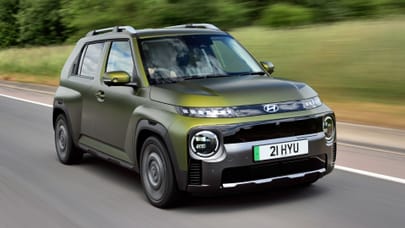
As well as the R5 and Micra, you could look at a Mini Cooper Electric, Hyundai Inster or Peugeot e-208 instead. But if the warm hatch thing appeals… there’s a JCW version of the Mini and Abarth’s 600e to consider. Plus an e-208 GTI and Vauxhall Corsa GSE inbound.
The Raval hits all the right notes in terms of practicality and day-to-day performance, but then, in the VZ version, adds a bit of spice to the driving experience. A promising first outing for future MEB+ based products.
No, it’s not a hot hatch in the traditional sense – more warm than hot – but with the e-diff and choice tweaks, it’s the kind of car you can mess about with and not fear for your life. And even the regular versions are more fun to drive than you'd expect, refined on the motorway and efficient. Just make sure the ride's not too firm and you can get along with the silly regen set-up before you buy.
The good news here is that you, the buyer, now has another strong option to consider in the small EV class. It feels like Cupra has managed to carve out an identity niche with a car that’s based on the same bits as everyone else. It’s really rather good.
Get all the latest news, reviews and exclusives, direct to your inbox.