


15
Some are brilliant, others... not so much. All of them however, are a bit strange
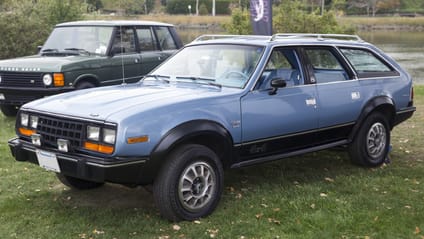
You could call the AMC Eagle ahead of its time – many have. After all, jacked-up versions of regular family cars are all the rage nowadays. Unlike our modern generi-blob crossovers, though, you could get the Eagle in all manner of shapes – a hatch, a saloon, a station wagon, a coupe and even a convertible, all riding high and fitted with full time all-wheel drive.
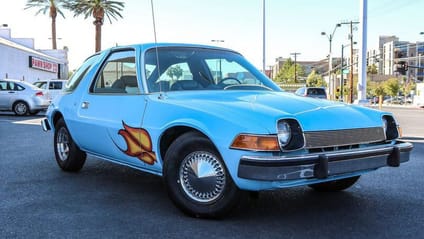
AMC was a company with a fine line in weird cars. The infamous Pacer was its 1970s take on a small car. It was wider than a Rolls-Royce Silver Shadow and the smallest engine you could get was a 3.8-litre straight-six. Well, it was American. Throw in its truly bizarre styling, and the fact that the passenger door was longer than the driver’s to make rear seat access easier, and you have a certified, solid gold weirdo.
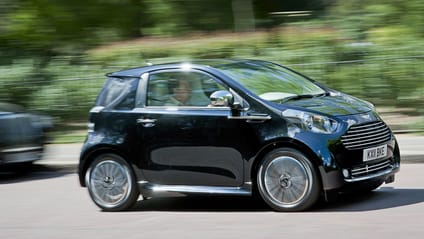
We don’t what to outright suggest that the Aston Martin Cygnet was the result of a night on the sauce, but it was conceived by Toyota and Aston bosses during the Nürburgring 24 Hours, not exactly an event known for modest booze consumption. And frankly, we’re not entirely sure how else to explain a leather-stuffed Toyota iQ with an Aston grille grafted onto it, even if it did theoretically help Aston’s fleet emissions.
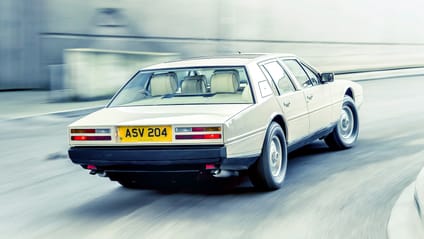
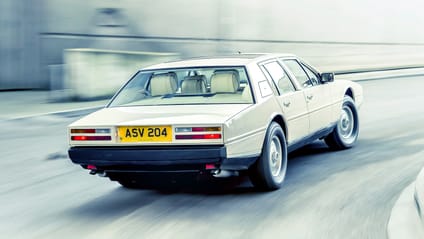
The Cygnet wasn’t the first car that turned the consensus on what an Aston Martin should look like on its head. Oh no. That would be the Lagonda, a car that stylist William Towns seemingly designed entirely with a ruler. We’re sure it would have square wheel arches if it could. Then you had its world-first digital instrument cluster, which worked so well it literally caught fire during a press presentation of the car.
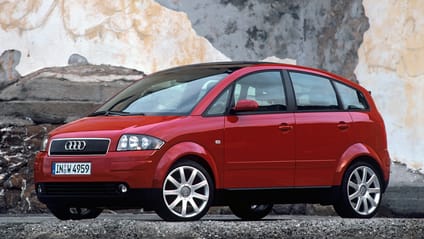
For a company known mainly for its monolithic and deeply teutonic saloons, the curvaceous little Audi A2 was a major departure. They didn’t just make it that shape for a laugh, obviously – it was part of a relentless fuel efficiency drive, as was its ultra-light aluminium construction and range of fuel-sipping engines. It all worked, but not enough to convince the public at large it was anything other than a hunchbacked oddity. Thankfully, it’s finally having its moment as a cult classic.
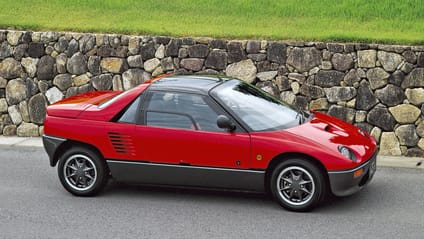
Quite apart from the fact that it was called an Autozam – a short-lived, Japan-only small car sub-brand of Mazda – the AZ-1 is a neat summation of all the magnificent weirdness Japan’s kei car regulations have spawned. Here was a mid-engined, turbocharged two-seater sports car with gullwing doors, yet one that was titchy enough to thread through the bustling streets of Tokyo with ease. Delightful.
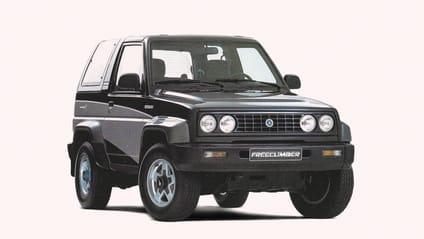
The Freeclimber started life as the rugged little Daihatsu Fourtrak, was then given a light restyle and retrim and assembled by Bertone – yes, the design house behind the Lamborghini Miura – and borrowed a range of straight-six engines from BMW. So, just to be clear, this was a Japanese 4x4, restyled and built in Italy, and fitted with German engines. Apparently, its biggest market was Spain. Go figure.
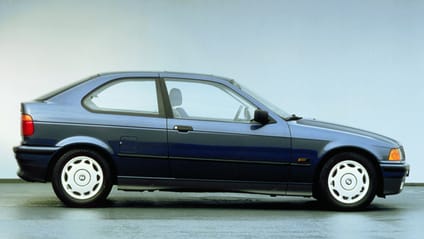
Before it poured lots of money into developing the 1 Series, BMW’s solution to developing an entry-level model was to simply slice the bum off a 3 Series to create this bobtailed weirdo. The strange factor was upped with the E46 version, which BMW decided to treat to a unique face, seemingly inspired by an insect life form from a distant planet. The later 1 Series made far more sense, and yet we can’t help but love these ’90s oddities.
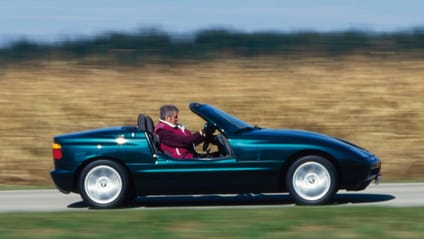
Just when it felt like every avenue in non-standard car door design had been explored, BMW gave us the Z1 in 1989, with its doors that dropped down into the sills electronically. They alone make it worthy of inclusion here, never mind its groundbreaking easily-swappable plastic body panels or the fact that it was wholly developed by Technik, an experimental division deep within Munich given the freedom and finances to do whatever it liked.
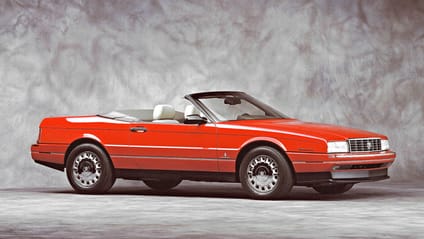
The concept of the Cadillac Allante isn’t all that weird in itself, even if front-wheel drive was an odd choice for a V8-powered Mercedes SL-rivalling luxury roadster. No, the weirdness came from the production process. The Allante wasn’t just styled by Pininfarina; the Italian firm also built the bodies in Turin, which were then loaded onto a fleet of specially equipped Boeing 747s and flown to Detroit, where the mechanical gubbins were fitted. It’s the kind of financial freedom today’s car companies could only dream of.
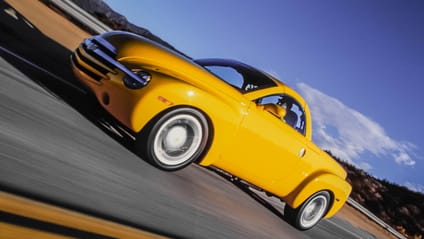
Flush with cash in the late ’90s, General Motors began looking into ways it could improve on its staid, conservative image. The Chevrolet SSR may have been an overcorrection. A pickup truck with ’50s-tinged retro styling that was also a two-seater roadster with a then very much in vogue folding hard-top may have seemed like a gaudy mish-mash of ideas back then, but in a car industry that’s now as cautious as an accountant in a minefield, it’s hard not to miss niche exercises in whimsy like this.
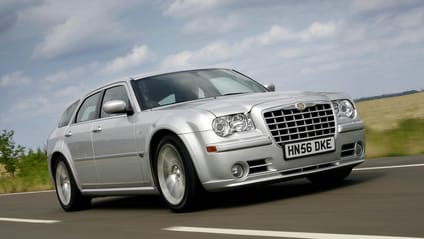
Big, thirsty, menacing, and proudly American despite its European roots, the Chrysler 300C was Tony Soprano in car form. Nevertheless, at this point, Chrysler was making a proper go of it across the Atlantic, so did an estate version that was only offered in Europe (although the US did get it in rebadged Dodge Magnum form). The result was one of the weirdest wagons of all, although it did mean more space for… whatever mob bosses put in car boots.
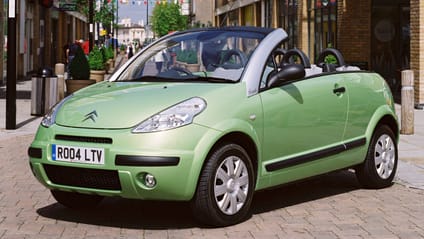
Citroen can always be relied on to inject a dash of weirdness into everyday motoring, as neatly demonstrated by its attempt to jump on the Noughties bandwagon for little cabriolets. It could have simply given the C3 the usual folding hardtop job, but no: instead, it received a truly baffling arrangement with a sardine-tin soft-top and a pair of detachable side rails. In total, it had five different roof configurations, all achievable after varying degrees of swearing.
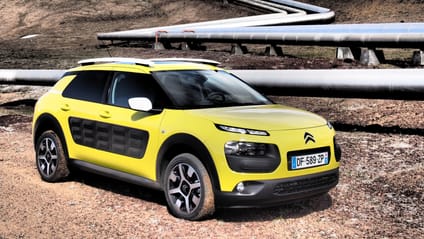
Tired of constantly accidentally smacking your trolley into the side of your car when you’re loading up your shopping? No, us neither, but Citroen decided enough people were to design a car just for them. We jest – we rather liked the original C4 Cactus, especially for its lightweight, pared-back approach. The impact-deflecting airbumps only added to its character – character that was swiftly chucked in the bin with the 2018 facelift.
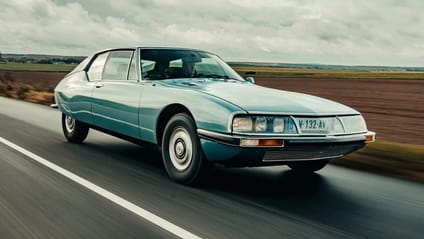
Is this the undefeated champ of automotive weirdness? The hydropneumatic suspension, glassed-in headlights, spaceship-esque profile, bizarre variable-assist steering, hypersensitive mushroom-shaped brake button, seats brought straight in from a Parisian lounge, the very fact that it brings together Citroen and Maserati in a brilliant but predictably troublesome union – everything about the SM is completely mad, and utterly bewitching.
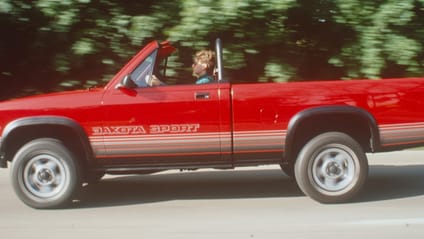
The Chevy SSR wasn’t an American company’s first crack at a convertible pickup. In 1989, the first-generation mid-sized Dodge Dakota gained a ragtop option. A simple marketing exercise to get curious onlookers into Dodge dealers, the result isn’t as inelegant as you might imagine. Unless the roof was up, in which case it looked exactly as inelegant as you might imagine.
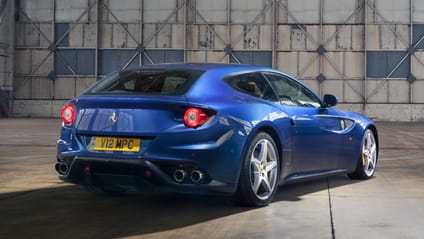
The Luce isn’t the first car to monkey with the established Ferrari formula, y’know. Debuting in 2011, the FF continued Ferrari’s long line of V12-powered 2+2s, but switched things up by adopting a shooting brake body and, for the first time in a Fezza, all-wheel drive. Not just any old all-wheel drive system, either – it was a staggeringly complex proprietary one that used a second gearbox to send power to the front wheels only when it was needed, an evolution of which lives on in the Purosangue.
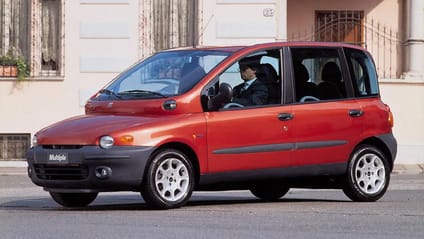
Do we need to explain ourselves here? You’ve looked at the Multipla, right? There have been very few other cars in history around which the conversation has been so totally dominated by the styling, even at the expense of the Multipla’s extremely clever and spacious modular interior. However you feel about the way the original version looks, though, there’s no denying it lost just about all its character with the dull 2004 facelift.
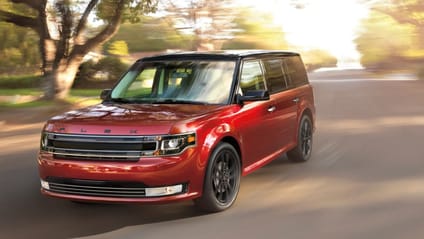
Ford’s traditionally not been a company to take brazen risks (besides siphoning all of its most beloved European models out of production in the last few years), but occasionally, something odd will escape a designer’s sketchbook into the real world. Something like the US-market Flex, a gigantic retro-infused box of a seven-seater available with the same 3.5-litre twin-turbo V6 that later went into the second-gen GT. Sadly, this characterful family hauler is something the rest of the world missed out on.
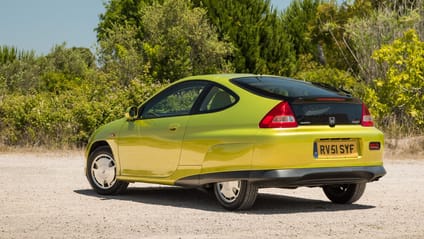
Toyota and Honda were both racing to get their mass-market hybrids on the market in the late ’90s, but while the Prius got there first, the original was about as memorable to look at as an industrial estate in Luton. The Honda Insight, a tiny, vibrantly coloured teardrop-shaped streamliner that looked like it had been beamed right in from the future, faced no such issues.
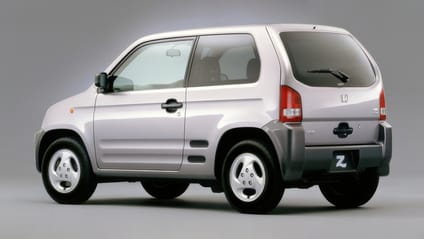
Question time: apart from a few Group B homologation specials, what was the first road car to combine a mid-mounted engine, turbocharging and all-wheel drive? Wrong: it was this dinky SUV-style kei car from 1998 which, despite its trad two-box silhouette, hid its tiny engine away underneath the rear seats. To up the weirdness factor further, check out the ZZ Top-featuring Japanese TV ads for it.
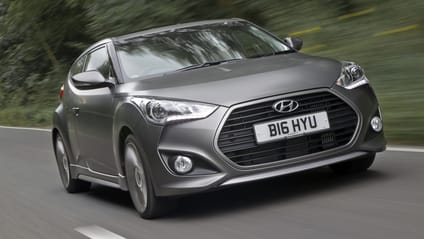
The Hyundai Veloster wasn’t the first car with the two doors on one side, one on the other layout – the Mini Clubman and the JDM-only Mitsubishi Minica Lettuce got there first. But such wanton strangeness isn’t that surprising from Mini or a kei car. From Hyundai, though, still mostly viewed in 2011 as a maker of dependable but crushingly bland transportation devices, the curious Veloster was an early glimpse at some of the daring design that was to come.
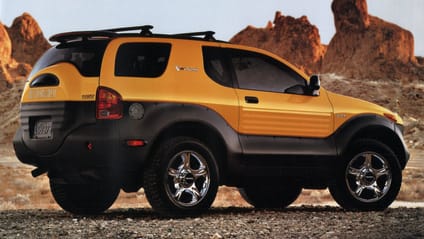
Two questions. One, why is the second part of the Isuzu VehiCROSS’s name SHOUTING AT US? Two, why does it look the way it looks? For a company we best know in Britain for sturdy 4x4s and pickups (and, admittedly, in the ’80s, the Handling-by-Lotus-ified Piazza Turbo), the rare and funky VehiCROSS was quite a departure – and a prescient one too, given the scores of lifestyle SUVs around nowadays.
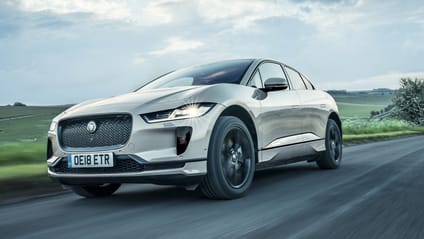
All of the noisy voices accusing Jaguar of abandoning its heritage when the Type 00 concept was unveiled ignored something crucial – its shape, with its cab rearward stance and big, thrusting bonnet – is still fundamentally quite Jaggish. Far more Jaggish, in fact, than Jaguar’s first EV, the I-Pace, which was… well, we’re still not entirely sure what it is. It certainly looks a lot less like an E-Type than the Jag that everyone seemed to have a problem with.
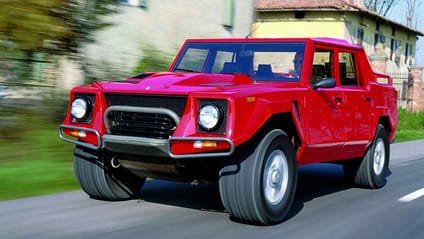
The ‘Rambo Lambo’ has its origins in an effort by Lamborghini to develop vehicles for the US military, which is a strange thing to type out in its own right. Fittingly, that abandoned project spawned one of the most bizarre production vehicles ever, a Countach V12-powered slab of an off-road pickup built by a hallowed supercar maker, at a time when SUVs were very much not part of such companies’ typical product plans.
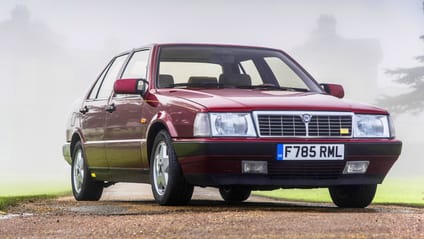
Oh boy, where do we even begin with this? The fact that one of very few non-Ferrari cars to borrow an engine from Maranello was a boxy Lancia saloon? The fact that said engine, a detuned version of the 308’s 3.0-litre V8, was mounted transversely and sent all its power to the front wheels? The early instance of a deployable rear spoiler? The fact that the 8.32 had an entirely different dashboard to the regular Thema, presumably at enormous cost? The list goes on.
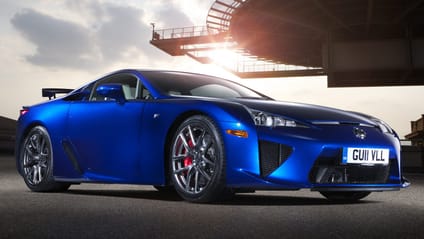
We regard the wailing Lexus LFA as a legend now, and rightly so, but that rather masks what a strange thing it was at launch. Sure, the IS F had hinted at Lexus’ performance ambitions, but for the brand to jump straight into the supercar game afterwards, with a car that cost the 2010 equivalent of well over £500k, still felt totally out of the blue, even if we’d known about the LFA’s development for the best part of a decade.
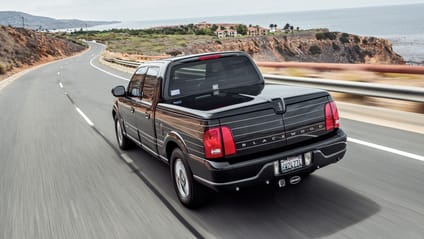
What do you suppose the name of this short-lived poshed-up Ford F-150 is supposed to evoke? High-end furniture? Thick forest? Erm, a town in south Wales? Nope, guess again – it’s literally named after the (fake) black wood cladding on its bed. And said bed wasn’t even a proper pickup bed, but a weird and undersized lockable cargo box. The Blackwood’s failure was proof that while Americans want luxury pickup trucks, they want them to be, y’know… pickup trucks.
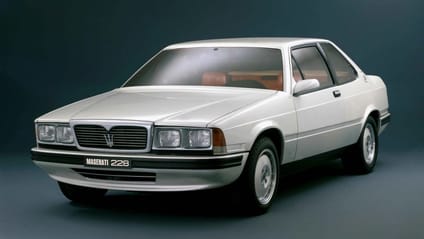
A total blip in Maserati’s long and tumultuous history, the 228 was one of a gazillion models spun off the Biturbo platform during the ’80s and ’90s. If the standard Biturbo’s boxy looks were anathema to Maserati purists, though, then the clumsily widened and lengthened 228, an attempt to compete with the likes of the BMW 6 Series and Mercedes 300CE, must have felt like the last straw. Luckily for them, fewer than 500 of these awkward-looking oddities were built.
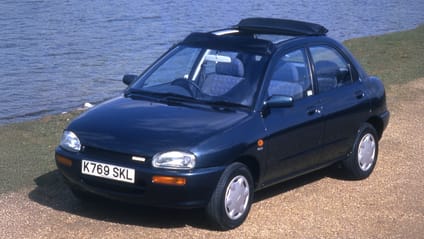
The smaller a saloon car is, the weirder it looks. That’s why in Europe, at least, they’ve always tended to be at least Golf-sized. Not the Mazda 121, though, a titchy little supermini with a vestigial stump of a boot. Adding to the weirdness is the fact that it had an optional rollback canvas roof and is often pictured with wheels shaped like koalas (although contrary to popular belief, they were never a factory option).
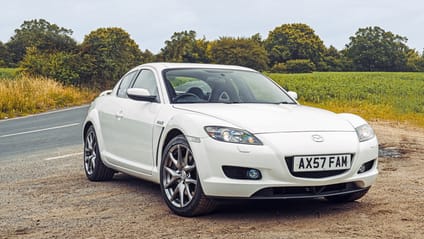
Mazda must have a thing for cars that are technically saloons but don’t really look like them. The RX-8, as you likely remember, took a different approach: in concept, this was a pure sports car, designed to tackle the likes of the Nissan 350Z and Honda S2000, but Mazda decided to give it a pair of tiny rear-hinged back doors to turn it into one of the least practical but coolest four-doors ever. Oh, and we don’t really need to go into the weirdness of a rotary engine, do we? Never stop being you, Mazda.
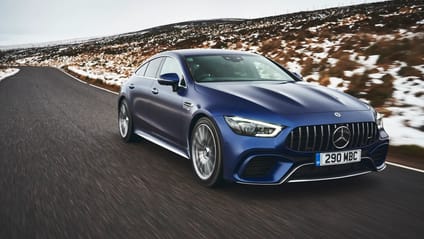
Take your pick between the angry V8-powered original or the new EV with its bottom feeder face. Both of these cars are just utterly bizarre in concept if appealing in execution (okay, maybe not the new one), and part of Mercedes’ ongoing quest to leave no niche unfilled. The fact that you end up with word salad names like Mercedes-AMG GT 63 S E Performance 4 Door tells you everything you need to know about how many disparate elements are involved.
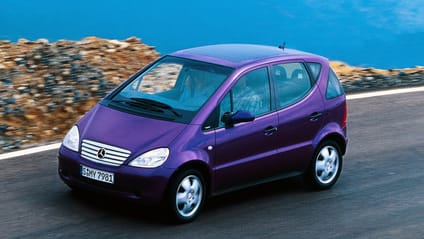
Things used to be far simpler at Mercedes. It had a small range of models, and they were all stately, sturdy and rather conservative. Then the A-Class came along in 1996 and shattered everyone’s expectations of what a Mercedes looked like. Like the Audi A2 that arrived a few years later, it was a car whose seriously clever engineering was masked by styling that divided people like some sort of yeasty paste (and in the case of the A-Class, an unfortunate falling-over incident).
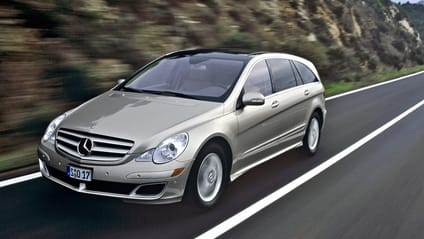
After A and M joined C, E and S among Merc’s Classes in the late ’90s, the next thing the company pulled out of its big bag of Scrabble letters was R, which it decided should be a challengingly-styled luxury estate-car-stroke-people-carrier, optionally available with a thumping great 503bhp, 6.2-litre V8. As we all know, the R-Class was a runaway success and set the template for every family car that followed. Oh no, wait.
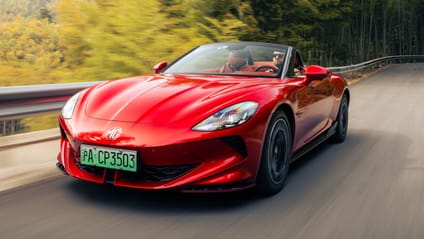
Most would agree that the MG lineup isn’t complete without a two-seater roadster, but did anyone ever imagine we’d get one like this? The overall silhouette of the Cyberster is trad roadster, but that’s about where the normality ends. Even the concept of a soft-top electric sports car is niche – there’s only one other right now, the Maserati GranCabrio Folgore – and that’s before you get to the scissor doors or arrow-shaped rear lights.
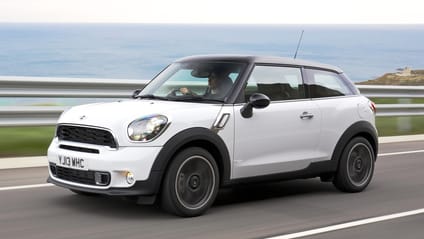
As a car with small SUV dimensions and trappings, the Mini Countryman was a difficult concept for the sort of tedious people who like to roll out the ‘should have called it the Maxi, huh huh’ line when it comes to the modern Mini. It’s not particularly weird, though, unlike the Paceman, a truly baffling model that involved taking the Countryman, ditching the rear doors and chopping the roofline. Is it a hatchback? Is it a crossover? Is it a coupe? Yes, and yet somehow, no!
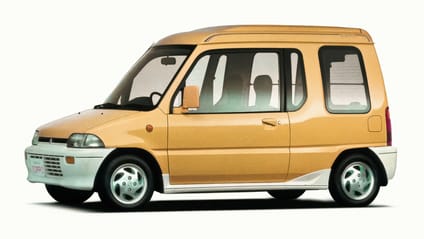
It feels like low-hanging fruit to keep singling out kei cars as ‘weird’, but one look at the Mitsubishi Minica Toppo and we think you’ll forgive us. This is just about the only car we can think of where the windows take up over half the space between the roofline and the ground, resulting in something resembling a cross between a London taxi and one of those weird American post vans. Also, there was a retro-styled edition called the Town Bee. Case, rested.
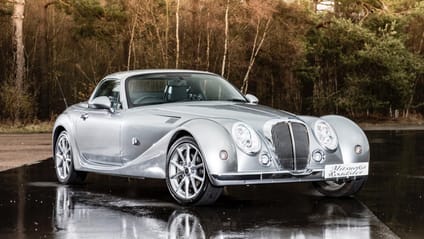
Small-volume Japanese manufacturer Mitsuoka only does weird. Well, that and hearses. However, most of its cars are limited to Japan, a much more whimsical, interesting automotive landscape than the dull British market, so in that context, some of the weirdness is diminished. The Roadster, however, sitting on an awkwardly stretched MX-5 platform and looking like somebody had tried to describe a Morgan over the phone, was briefly sold in Britain, and here, its weirdness was turned up to 11.
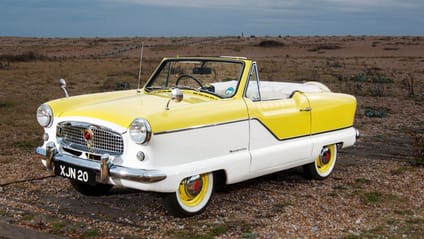
The UK and US’s ‘special relationship’ has long been a political bridge across the Atlantic, but that relationship has very rarely expanded into the automotive world. That’s largely because it results in things like… whatever the Nash Metropolitan is. Built by BMC in Longbridge but primarily sold in the US by the long since defunct Nash company, it’s about as appealing a blend of British and American tastes as Branston’s pickle on a cheeseburger. No, actually, that sounds quite good.
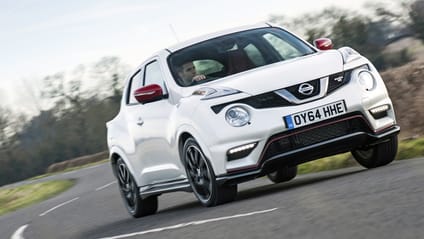
The little hot hatch market was undergoing a bit of a boom around 2013, but despite having a perfectly suitable base for one in the form of the Micra, a car that could have done with a bit of an image boost back then, Nissan decided it would take all the pocket rocket ingredients – punchy turbo engine, limited-slip diff, many red accents – and throw them at the Juke crossover instead. To this day, it remains a baffling decision.
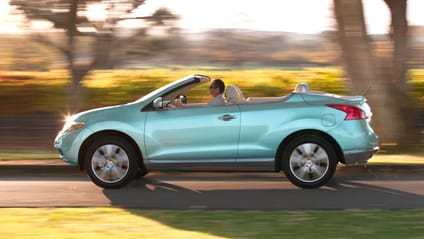
Not as baffling as a decision Nissan had made in the US market a couple of years prior, though, which was to lop the roof off the Murano SUV. The Murano wasn’t exactly a looker to begin with, and an SUV shape does not convertible-ify easily, so the results here rather speak for themselves. As plenty of this list has proven, ‘weird’ isn’t interchangeable with ‘bile-inducingly awful’, but that’s very much the case here.
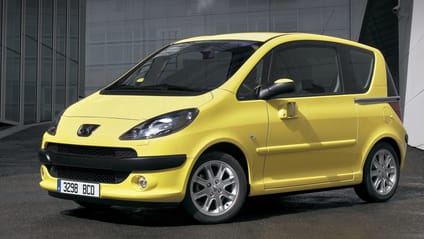
Of the big three French car companies, Peugeot is the least prone to fits of mind-melting strangeness, but it’s not totally immune. The 1007, with its electric sliding doors, was a car seemingly designed entirely for people with very narrow garages. Sounds great, until you discovered that their weight had the same effect on performance as driving around with a boot full of concrete, and that they had a habit of failing and turning your car into a plasticky prison cell.
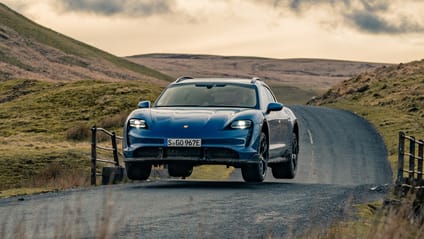
Now that we’ve all sort of got used to the idea of the Porsche Taycan, it’s worth reiterating quite what an oddity the Cross Turismo version in particular is. An all-electric, jacked-up, gravel-friendly estate car… with Porsche badges. Even as the company has expanded into areas beyond the traditional sports car throughout the 21st century, that feels like a niche even Porsche itself wasn’t sure it needed to fill.
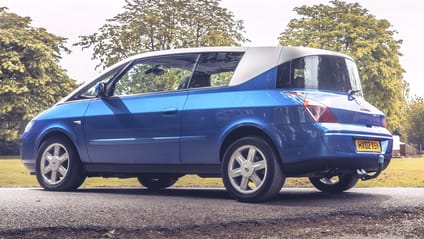
You were expecting this one, weren’t you? One of two last-ditch attempts by Renault to compete with the posh German brands by going slightly mad, the name of the half-coupe, half-people carrier Avantime – developed by long-time manufacturing partner Matra – is a portmanteau of ‘avant’, meaning ahead, and ‘time’, meaning, erm, time. Sales figures during its short life proved that to be a bit too true, and despite becoming a cult classic, its time still hasn’t arrived 25 years on. Any day now…
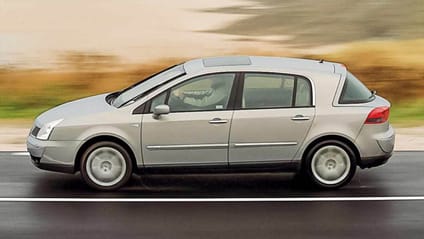
Renault’s own in-house design for a big, premium car around the same time was only marginally less strange. The Vel Satis, a vast, blobby hatchback, was nowhere near as pleasant to look at, drive, or sit in than the Avantime, so naturally, it was a far greater sales success and lived for much longer. Sigh. Then again, we’re only talking weird French luxury car success levels here – you’re hardly going to see one every day. Thankfully.
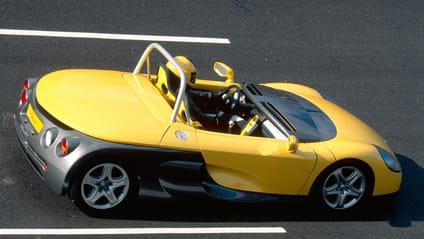
A slightly earlier slice of strangeness came courtesy of Renault in the ’90s. Originally developed as a new Alpine model to slot below the A610 before that brand was sent into extended hibernation, the Sport Spider ended up being a scissor-doored, windscreenless oddity among the comparatively sensible Renault range of the late ’90s. It had the misfortune of launching within months of the vastly more successful Lotus Elise, but be honest with yourself: which one looks cooler now?
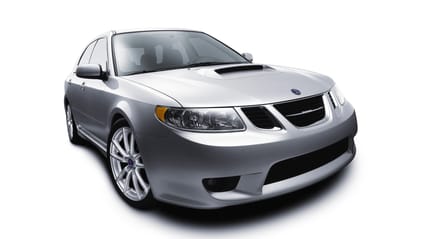
Saab and Subaru. Both slightly left-field, both fond of a turbo, both with a fine line in cars that can handle chilly weather, but otherwise, not natural bedfellows. But in the Noughties, General Motors owned both Saab and a stake in Subaru’s parent company, so when the Swedish brand wanted to expand its US lineup, this was the result: an Impreza-based, all-wheel drive mini-estate, and one of the strangest rebadging exercises in automotive history.
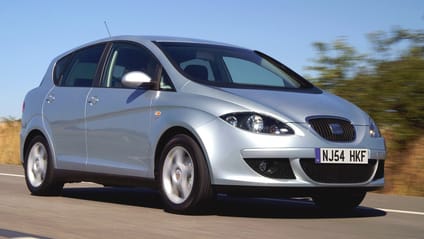
The first two Seat Toledos had been very conventional saloon cars, but for 2004’s third-gen, Seat must have looked at the Renault Vel Satis, ignored the fact that it hadn’t exactly been flying out of showrooms, and thought to itself ‘yeah, we’ll have some of that’. This tall, ungainly and melty slab of strangeness was the result. Some people bought them. We have no idea why.
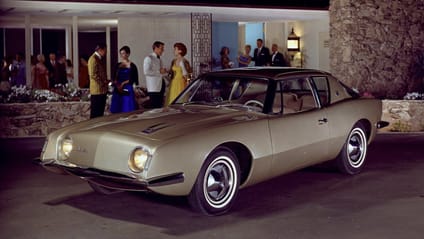
As the 1960s rolled around, certain winners were emerging out of the booming American automotive industry, and long-established, firmly independent Studebaker wasn’t one of them. It wasn’t going down without a fight, though, a fight that came in the form of the 1962 Avanti. It was fast, it was luxurious, it was futuristic, and it was so weird-looking that fewer than 5,000 were sold before it was discontinued after just a year and a half. Ah.
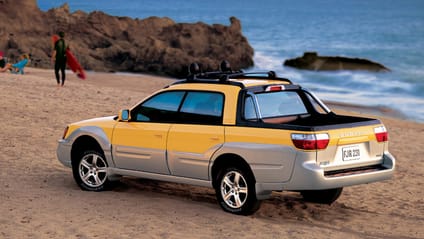
‘Wow, Americans sure love pickup trucks,’ some Subaru executives presumably said around the turn of the millennium. ‘If only we had one to sell to them.’ The problem was that Subaru didn’t have a dedicated body-on-frame chassis upon which to build a truck, nor the funds to develop one. Its solution? Take a Legacy Outback, carve away the bit that makes it an estate car, and voila! A pickup truck on the cheap. Just not a particularly useful one.
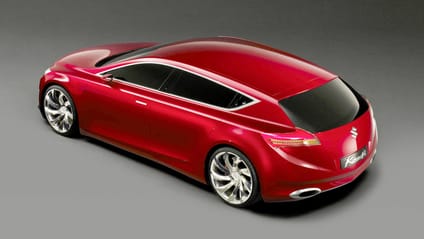
The Suzuki Kizashi doesn’t look weird. Far from it. In fact, it’s quite possibly the most normal, anonymous-looking car on this list. Its weirdness stems almost entirely from the fact that it’s a Mondeo-sized saloon car… from Suzuki. You know, the company that does the Swift. Then there’s the sole UK spec offered – at a time when two-wheel drive, diesel and manual options were non-negotiable in this class, the Kizashi was all-wheel drive, petrol and CVT only. No wonder it flopped.
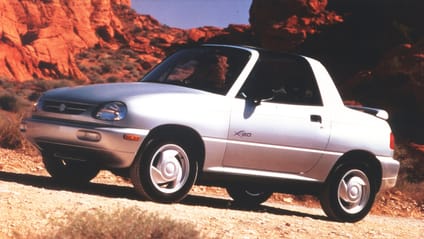
Nope. We have no idea what was going on here. We would like to issue an apology, though: when, in 2013, this esteemed publication named the Suzuki X-90 one of ‘The 13 worst cars of the last 20 years’, we had very little clue how bland and serious a place the car market would soon become. Make no mistake, the X-90 was a rubbish car, but we’d like some of this wanton weirdness back.
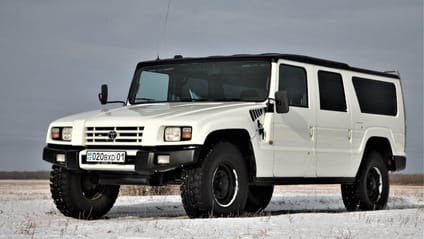
It’s absurd to think that this car was only officially sold in Japan, a country so tight on space that in Tokyo, you have to prove you have a dedicated parking space to own anything bigger than a kei car. But that’s the truth – the Mega Cruiser was essentially Japan’s Hummer H1, a civilianised version of a troop-carrying 4x4. It’s far rarer than the Hummer, though, and partly because of the ’90s JDM effect and partly because just look at it, far cooler too.
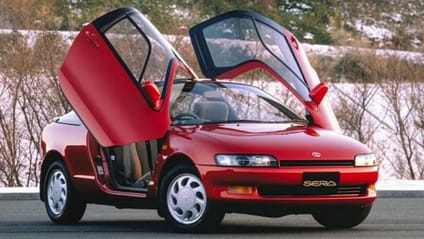
Nothing to see here, just a regular little coupe, the kind that was absolutely everywhere during the ’90s. Front-wheel drive, a little 1.5-litre four-cylinder engine, a fairly forward-looking but still quite plasticky interior. What’s so weird about this? Oh… oh. Right.
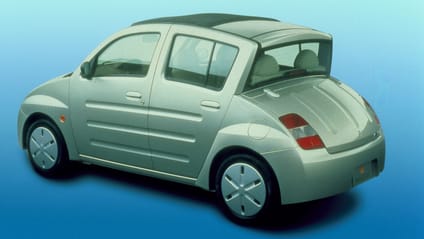
This will take a bit of explaining. ‘WiLL’ was a brief bit of turn-of-the-millennium blue sky thinking from a group of big Japanese companies, who banded together to create it as an inter-corporation brand specialising in products aimed at the yoof. One of those companies was Toyota, who thought what the yoof wanted was something resembling the offspring of a Citroen 2CV and a Ford Anglia. Toyota, in this instance, was wrong.
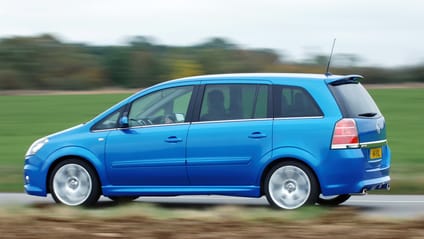
In the mid Noughties, Vauxhall took one look at the second-generation Corsa, a car that felt ripe for a fettling from the VXR performance division to take on the likes of the Ford Fiesta ST and Renault Clio 182, and thought to itself ‘nah, let’s whack a 178bhp turbo engine in the Meriva mini-MPV instead’. If anyone reading this has any insight into why this happened, answers on a postcard please. Seriously, we want to know.
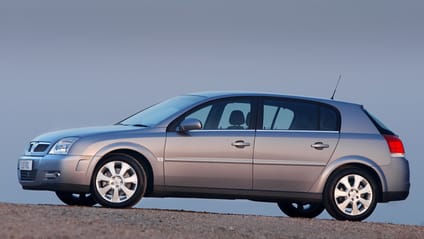
In the early 2000s, nearly every mass-market brand was facing the dilemma of what to do with the executive car sector in the face of increasing Audi, Mercedes and BMW dominance: abandon it altogether, or try something new and different. Vauxhall and Opel went down the latter route. Their solution? BIG HATCHBACK. And whaddaya know? It flopped harder than someone who doesn’t realise they’re walking straight towards a swimming pool.
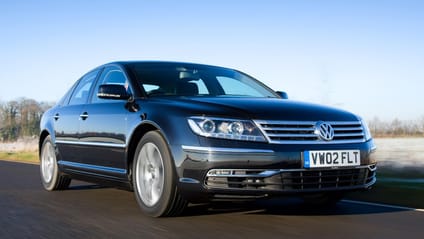
There was seemingly no limit to what the Volkswagen Group would try under the auspices of Ferdinand Piëch, even if it made precisely zero sense. The Phaeton was one of the most exquisitely engineered luxury saloons of its era, available with some astonishing engines and more than a match for the Mercedes S-Class. Unfortunately, it still had VW badges, which was a bit like trying to sell a Prada handbag with Primark written on the side.
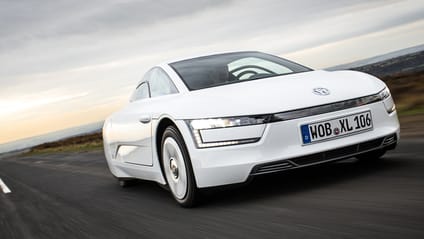
Another thing Piëch wanted to achieve was a production car capable of going over 100km on a litre of fuel – getting 280mpg, in old money. Over a decade and millions of Euros were poured into this passion project. Did it matter that to be achievable, the car would have to be so tiny and aero-optimised that it would be fundamentally compromised as a car, and so full of exotic lightweight materials that it would cost considerably more than a contemporary Porsche 911? No, of course not!
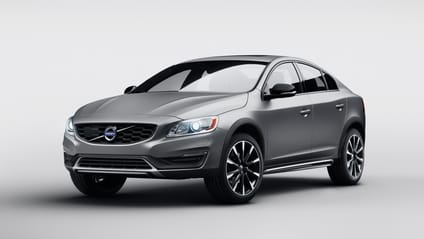
We started this list with the AMC Eagle, a model that jacked up several kinds of cars that don’t usually get jacked up, including a four-door saloon, so let’s end with another. It’s odd how nobody looked twice whenever Volvo gave its estates the old suspension lift and black cladding Cross Country treatment, but the moment it happened to the S60 saloon, it was brain-scramblingly weird, like seeing someone team a business suit with some stout hiking boots.
Get all the latest news, reviews and exclusives, direct to your inbox.