USA
Top Gear
US SUV of the Year: Rivian R2 vs BMW iX3 vs Toyota RAV4 vs Kia Telluride vs Lucid Gravity
Unsurprisingly, SUVs are the most congested category… can the Americans outpoint the rest?
And the Toyota RAV4 wins! Well, according to the general public. Because Toyota’s medium-sized family SUV isn’t just the Japanese giant’s best-selling product, having outstripped the veteran Corolla years ago. It’s the world’s favourite car.
In 2025, the RAV4 beat the Tesla Model Y, and every other model on the planet. They shift one million RAVs a year. A million! Look no further for cast-iron proof that the SUV addiction shows no signs of going out of fashion.
Advertisement - Page continues below
But popularity is no indicator of quality, and this is the new, sixth-generation, much-updated RAV4. For just a sprinkling of context, we’ve lined up a bumper crop of the latest SUVs from all four corners of the globe, showing the breadth in size, shape, powertrain and execution now on offer to the ‘I’d like to sit high up while I move my family about’ motorist.
Photography: Mark Riccioni


Toyota RAV4 GR Sport
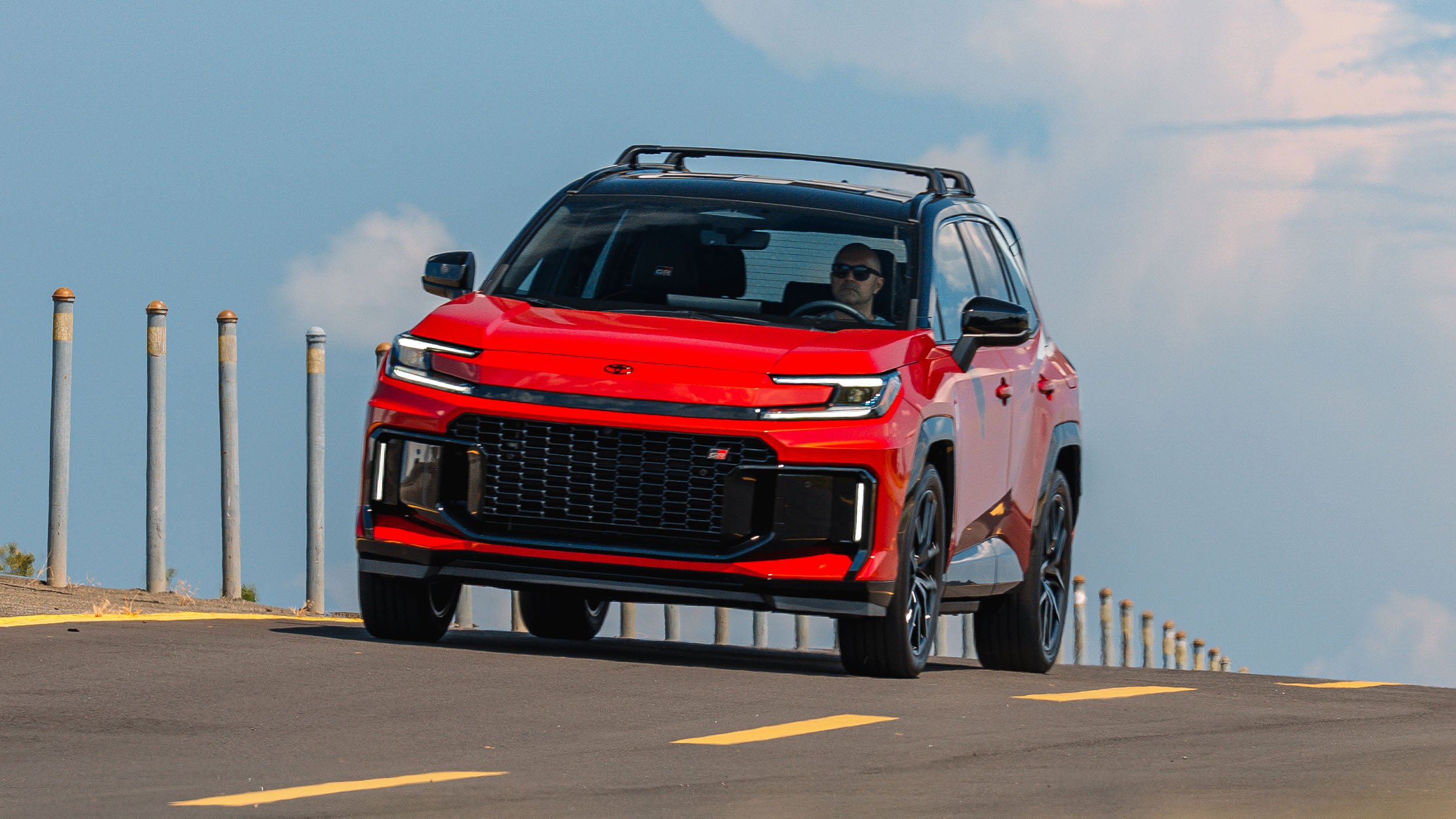
The RAV4 is a useful benchmark. The cheapest car in our group, starting at $41,500 but asking around $50k for the GR Sport version as you see it here. Unusually, the Grrrrr! Sport! is more than just a body kit.
The wheels are 2kg lighter per corner. It has its own suspension tune and keener steering. And you know what? You can feel it. It’s perky and almost chuckable. Well done Toyota, putting some recreation into the original Recreational Activity Snoozefest.
Advertisement - Page continues below
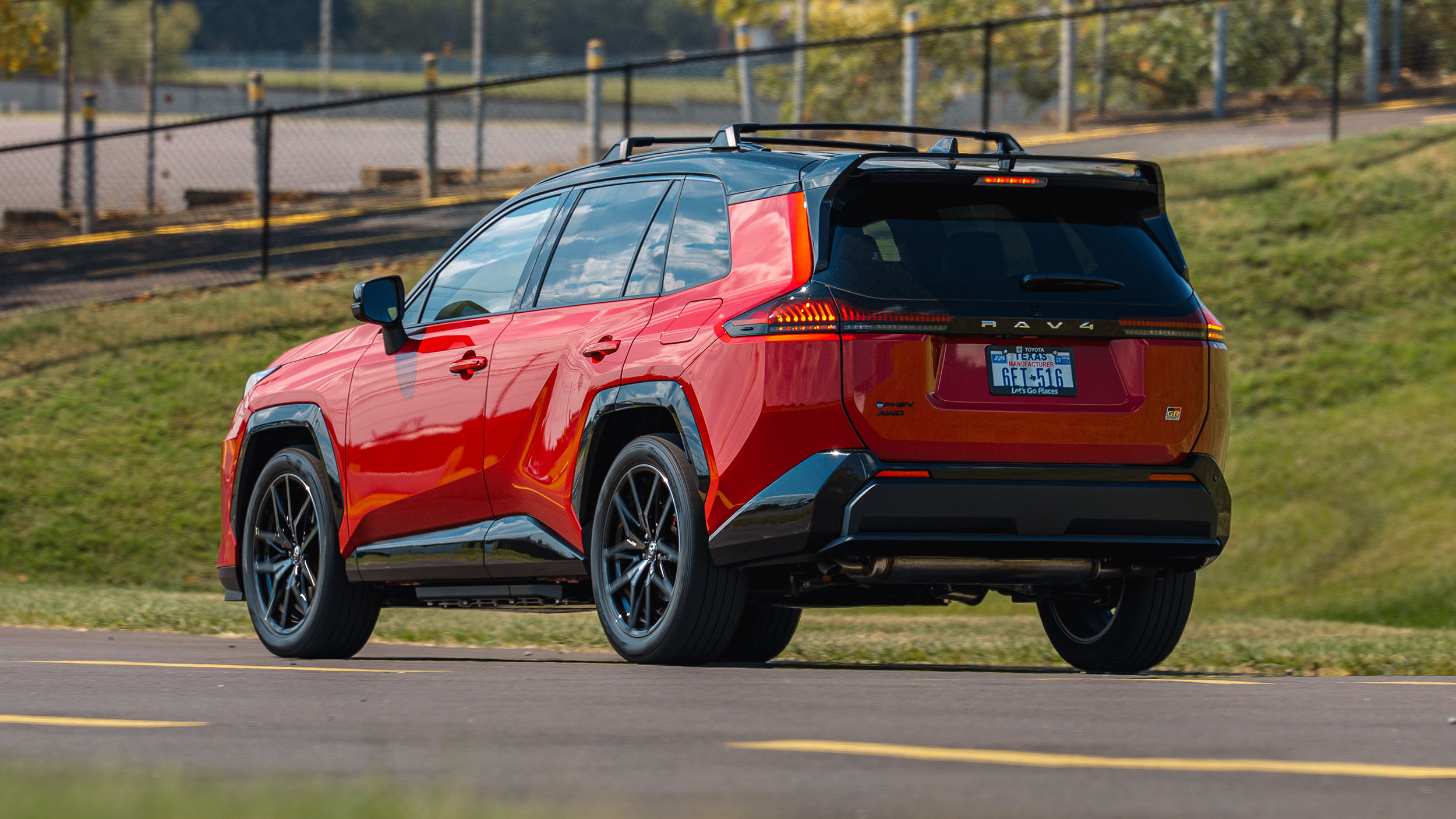
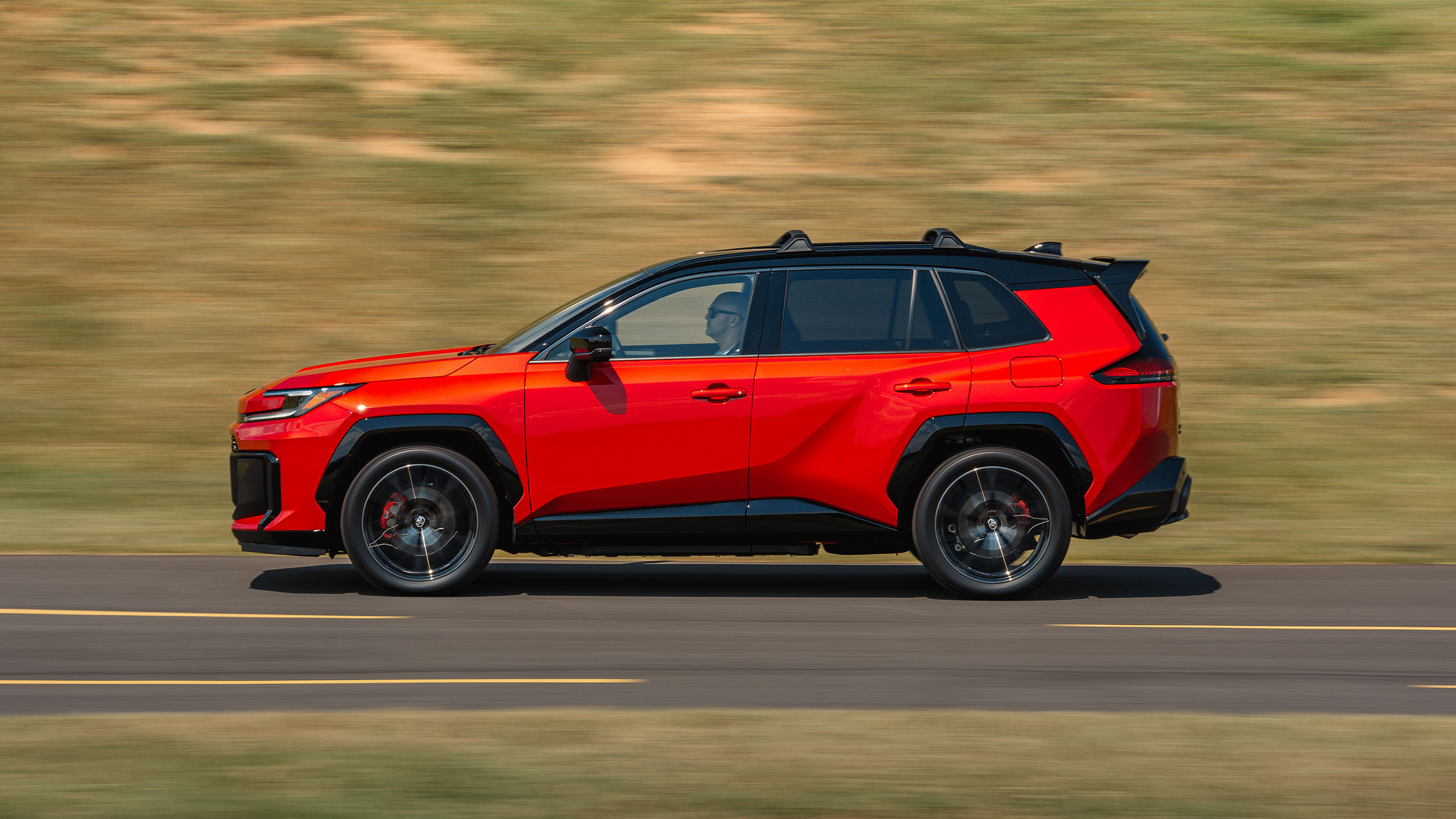
But that frisson of friskiness doesn’t extend to the usual Toyota CVT hybrid fun-sponge. Yes it’s efficient, good for over 40 miles per gallon in real world driving if you bother to charge up the battery and capable of impressive stretches of e-running even when it’s flat… but if you want to save fuel, you don’t care about handling.
Not enough to spend extra on lighter rims and a roof spoiler. This car’s customer Venn diagram is a slither. Party in the corners, jury duty on the straights. It’s also a bit of an eyeful – a gurning deep-sea creature on the outside and the cabin, though full of Land Cruiser chunkiness, is a grey mishmash of future microplastics.
Kia Telluride
If you want value, even more space, a less labour-intensive hybrid powertrain and don’t mind a big bluff block that has too much mesh up front for its own good, you could ignore the Toyota and take your business to Korea instead.
Looking for more from the USA?
Top Gear
Newsletter
Get all the latest news, reviews and exclusives, direct to your inbox.
Welcome to Telluride: a silver mining town in Colorado, and also now a three-row 4x4 because Kia decided it could strike gold in them-there hills with a vast, slabby SUV that makes a Sorento look like a toy and a Land Rover Discovery look like a rip-off.
This huge six-seater starts at less than $40,000. Put it this way, an American Kia buyer plays less for this than a Brit forks out for a base spec 1.6-litre manual Sportage. Remember that the next time someone wonders aloud why the average vehicle on American roads wouldn’t fit in the average British village.
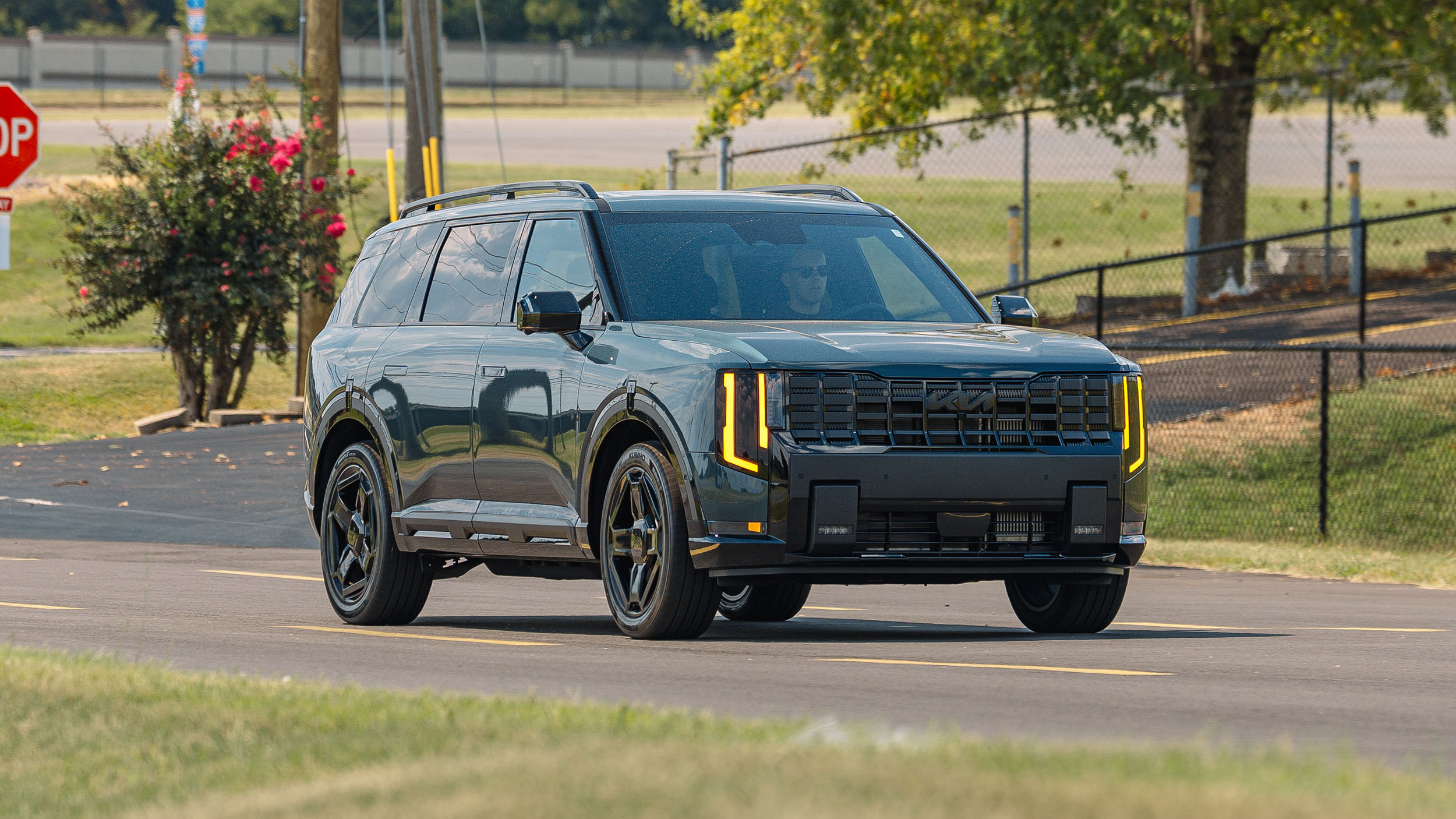
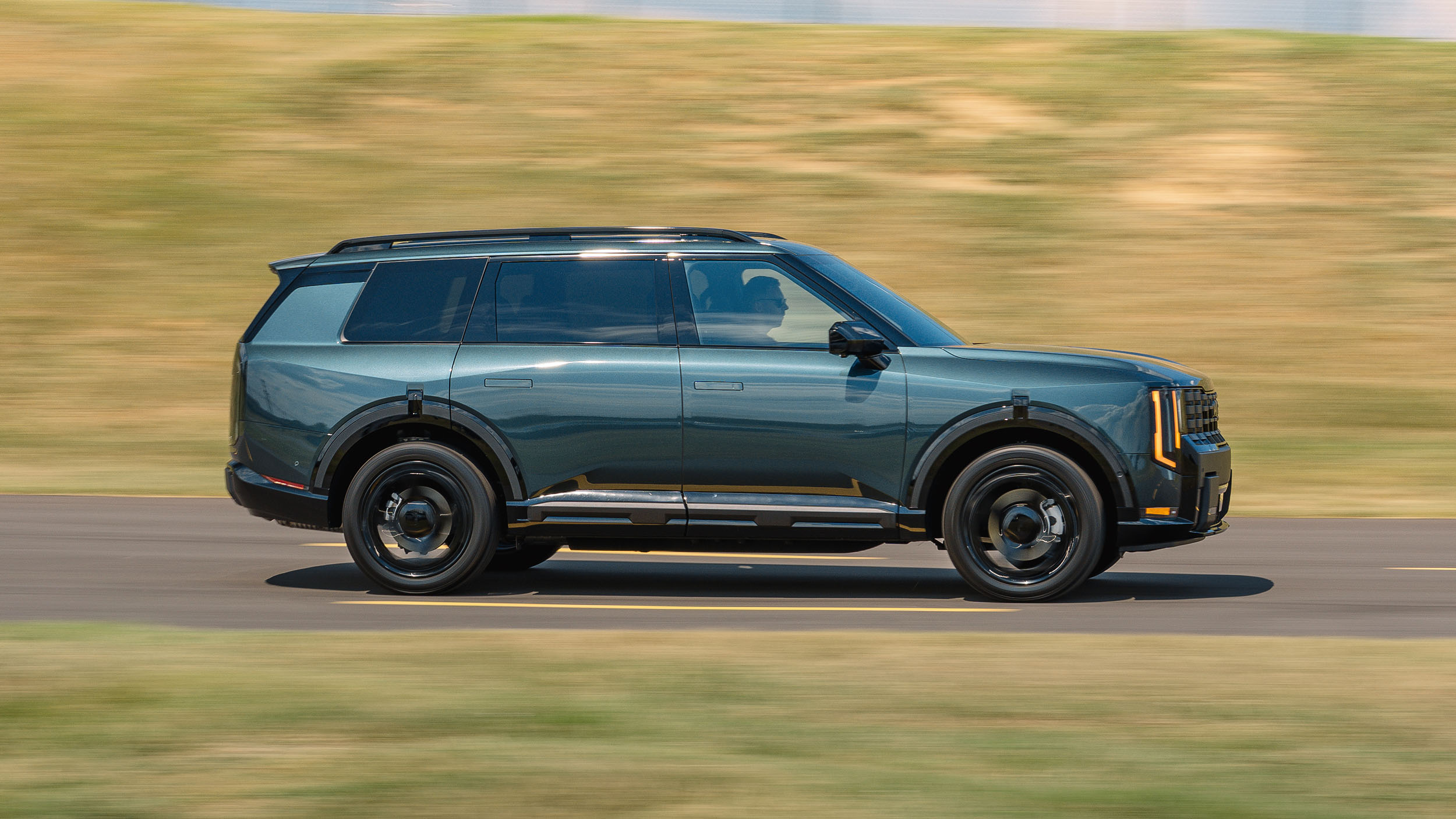
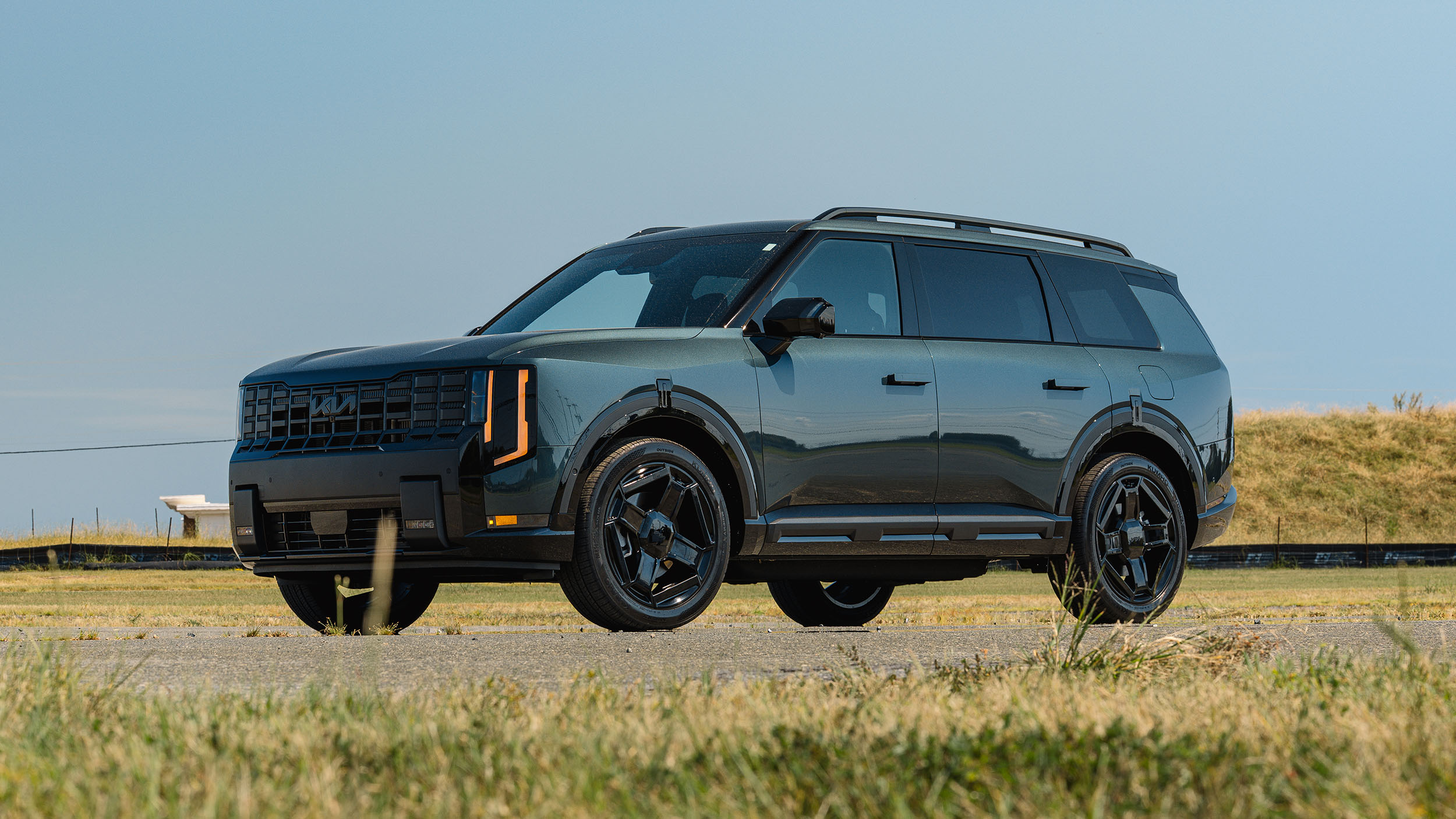
The ginormous Telluride is an odd-looking car, blocky and plasticky. So’s the cabin, a mass of petrochemical products festooned with the same screens and switchgear you get in an EV2. Its interface ain’t the most intuitive: you long for the moment CarPlay finally connects and you can use Apple not Kia’s screen.
It does feel cheap, no doubt. To touch, and to drive. It has at unsettled ride and a vocal, sluggish engine. You have to buy into the sheer amount of car you’re getting for your money.
That said, it’s hushed in the moments it runs as an EV. There’s monumental middle row legroom – just a shame the seats are so ‘British commuter train’ uncomfortable. They’re heated and cooled in the middle row in our top-spec test car, but why have they been made out of old ironing boards?
The rearmost row is also roomy but removing the bulky luggage cover is a pain and surely it should be telescopic or folding so it can be stowed on board?
Overall then, the Telluride struggles to shrug off that bargain bucket rep – it’s a facsimile of the car you wish you owned. Which is why the rear styling is a Range Rover copycat. At $61k as tested, it’s rich in spec but the value argument which works so well lower in the range is dented.
Lucid Gravity
Besides, if you want to go ‘roomy, premium and quiet’ with your SUV experience, and you don’t mind sampling an upstart brand, there’s a true spaceship to be tried in the minivan-esque shape of the Lucid Gravity.
Lucid was founded by ex-Tesla engineers who thought their current employer was cutting too many corners on engineering and quality and wanted to build the best EV on the planet. Amazingly, they may have actually succeeded. The Air saloon reinvented the sedan. Possibly perfected it, and now they’ve tried the same trick with the SUV – but at what cost?
About $99k, actually. Or $130k as tested. This is a company burning cash faster than Heath Ledger’s Joker, so the Gravity is the crucial model: a large, luxurious three-row SUV, but a rounded, friendly form on roads populated by gurning, steroidal trucks.
There are more physical controls than the other EVs in our quintet, but the split layout is less intuitive. The car’s small steering wheel concept makes it hard to place at first. Like the split screens, there’s much to get used to.
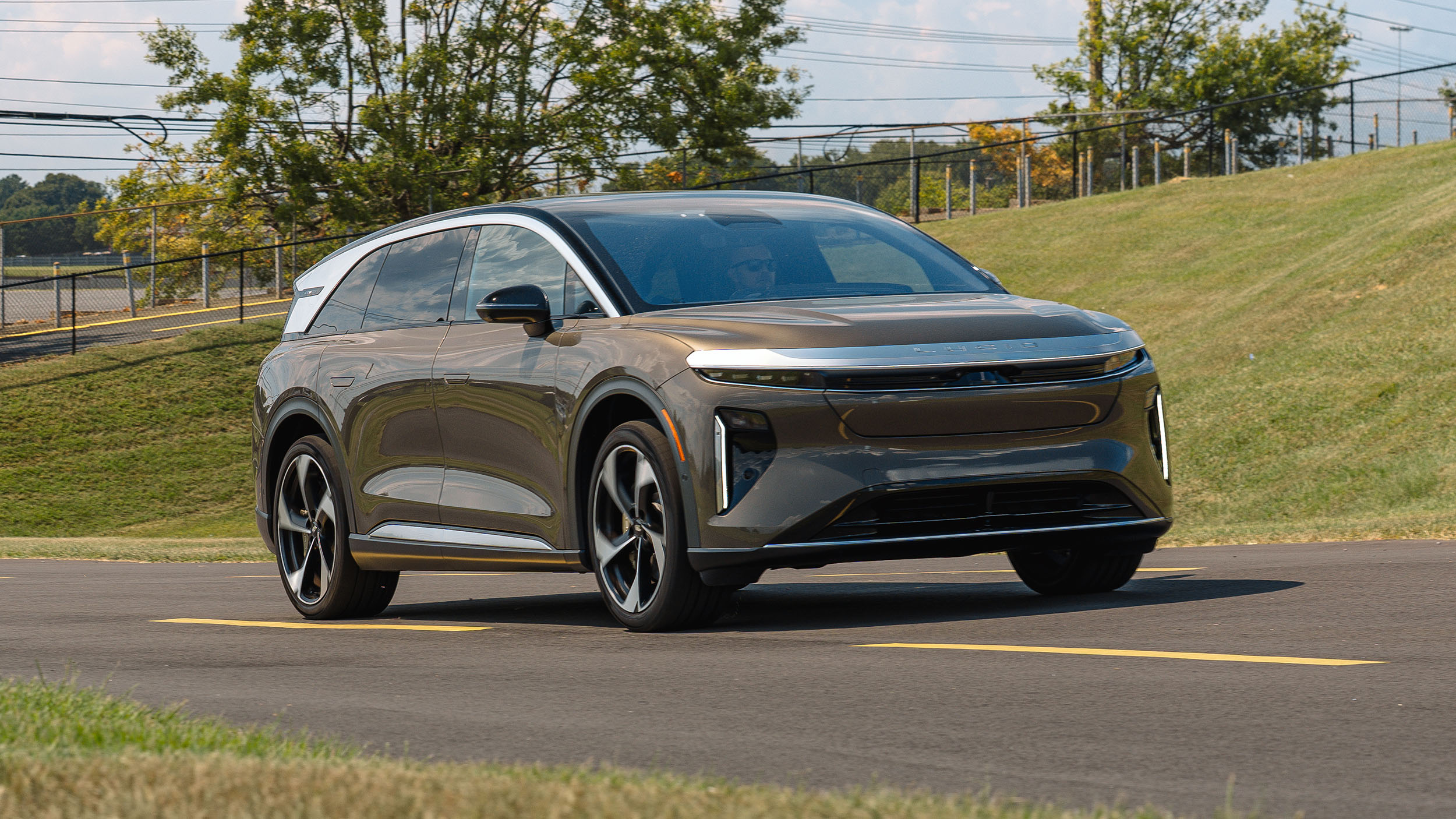
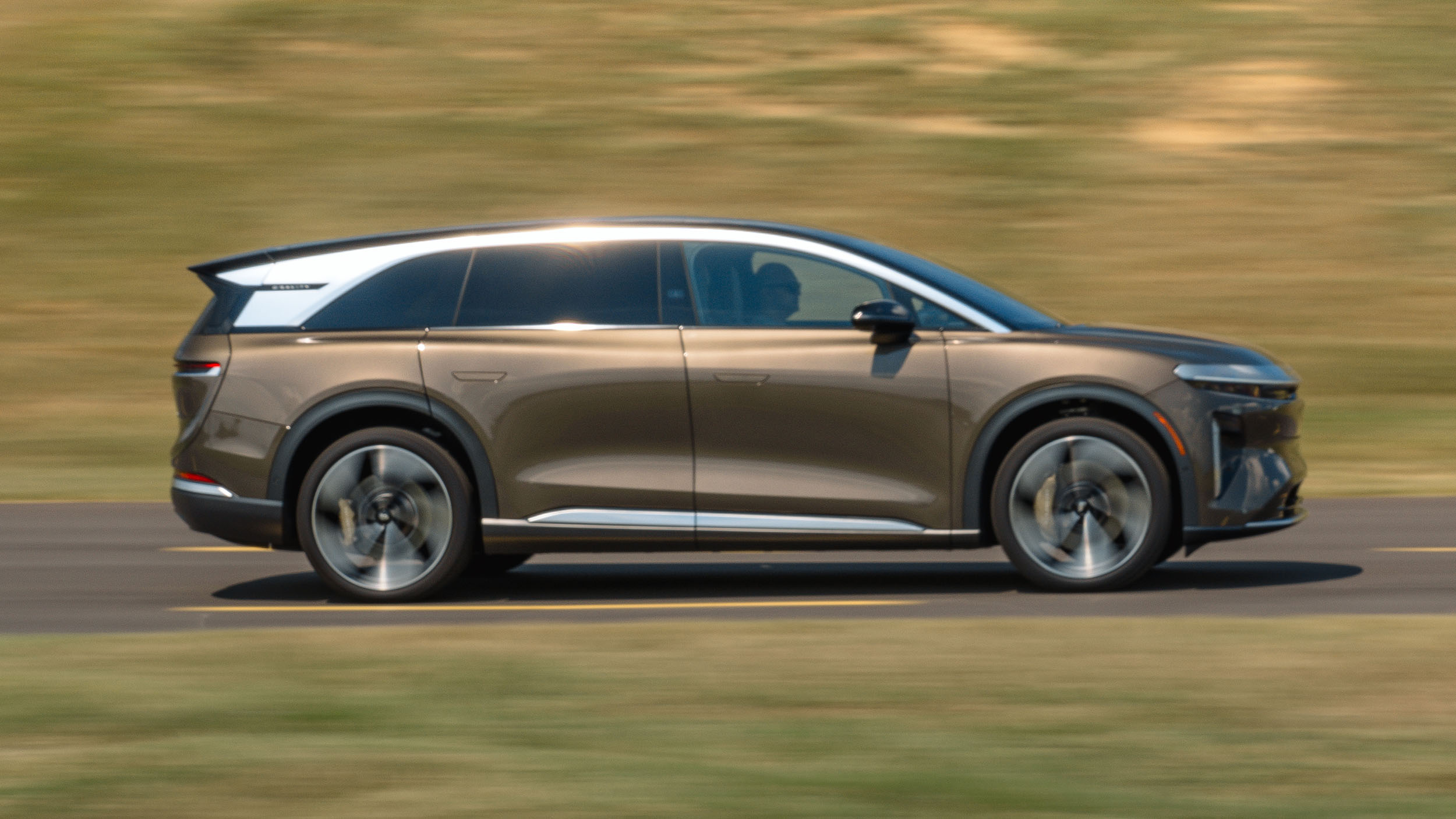
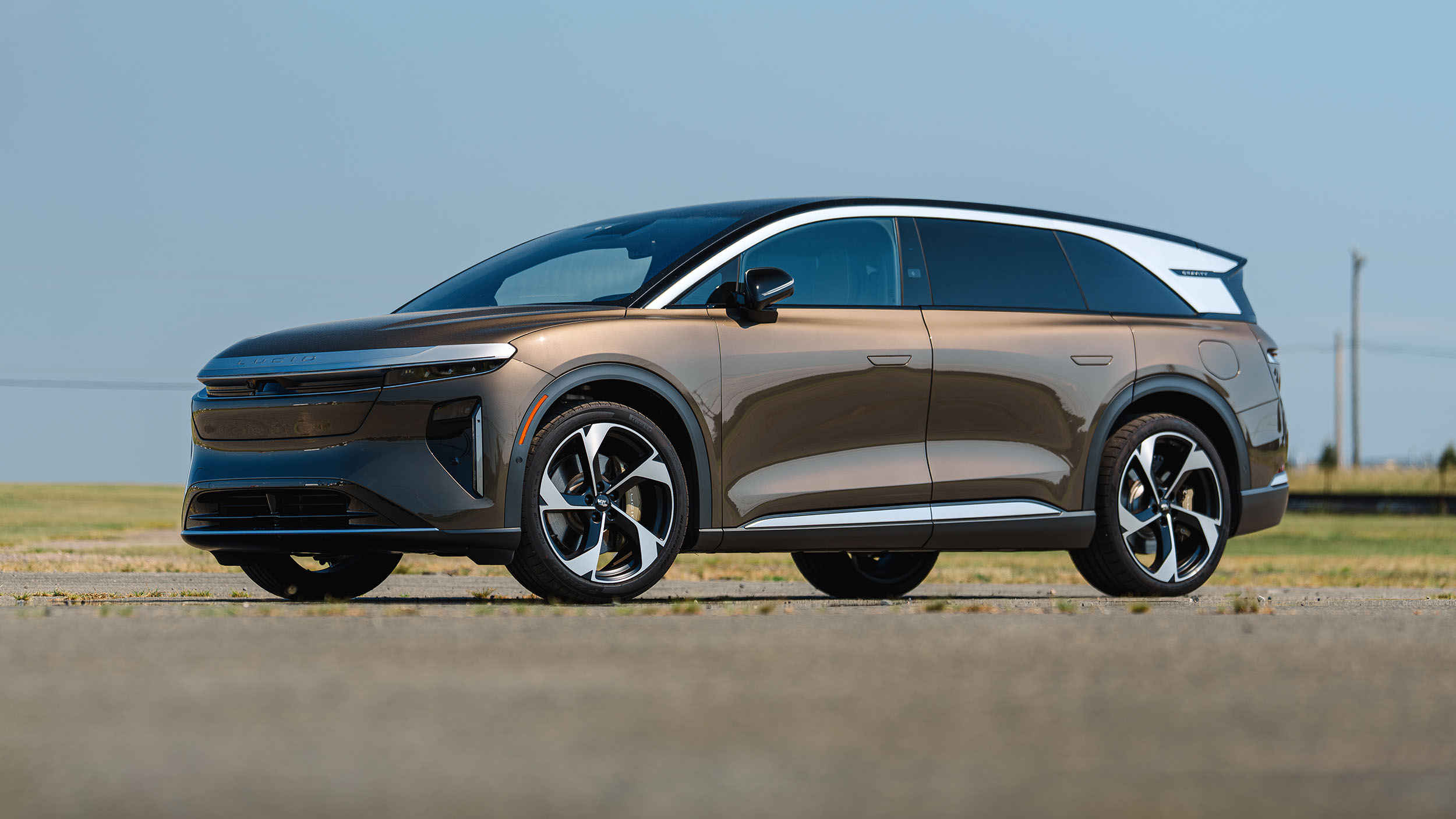
On the plus side, the Gravity doesn’t just look like the future. It’s an excellent drive in the present. It’s a talented highway cruiser, and hugely fast. Surprisingly agile too, but the ride would be better if it were fitted with smaller wheels.
We must report there were niggles. Disobedient windows. Wheezy-sounding air-conditioning. The slot in blinds for the enormous glass roof feel like an afterthought. The electric folding rear seat concept is laborious and cumbersome – Hyundai’s cheap and cheerful spring-loaded straps are unarguably easier when you want to reconfigure the cabin in a hurry.
Lucid’s difficult second album is an enigma. It feels expensive. It is expensive. It feels almost too luxuriously appointed for family life but lacks the maturity of a true luxury car experience, in its fiddly interfaces and slightly rushed detailing. This is a machine that’ll benefit from successive model year updates – hopefully Lucid will survive long enough to deliver them.
BMW iX3
Dropping down a size but remaining in the dual-motor electric ballpark, we find two very interesting rivals: the BMW iX3 and Rivian R2. The latter is to Rivian what the Gravity is to Lucid – a crucial volume seller. But it’s also akin to the BMW – a mid-size five seat do-it-all family lugger which can apparently hoon like a sports car if prompted.
A clean sheet design, unencumbered by legacy baggage. BMW calls theirs the Neue Klasse. Rivian doesn’t do buzzwords but says ‘look at my twin gloveboxes, my independently lowering rear window and my huge frunk/froot which can be opened without tugging a Victorian lever in the footwell'. Is the BMW so futuristic after all?
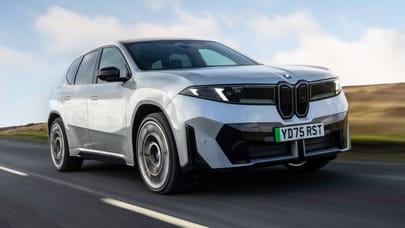
So the iX3 is Neue Klasse thinking personified but against the Americans it starts to look fussy. The complex screen, the overwrought cabin, the grim materials. As we know from extensive testing in Europe, this AWD xDrive 50e drives fabulously. Blessed with clean responses, a carlike feel and complete confidence in its movement despite a prodigious 2.3-tonne kerbweight that’s 80kg heavier than the smaller battery Rivian.
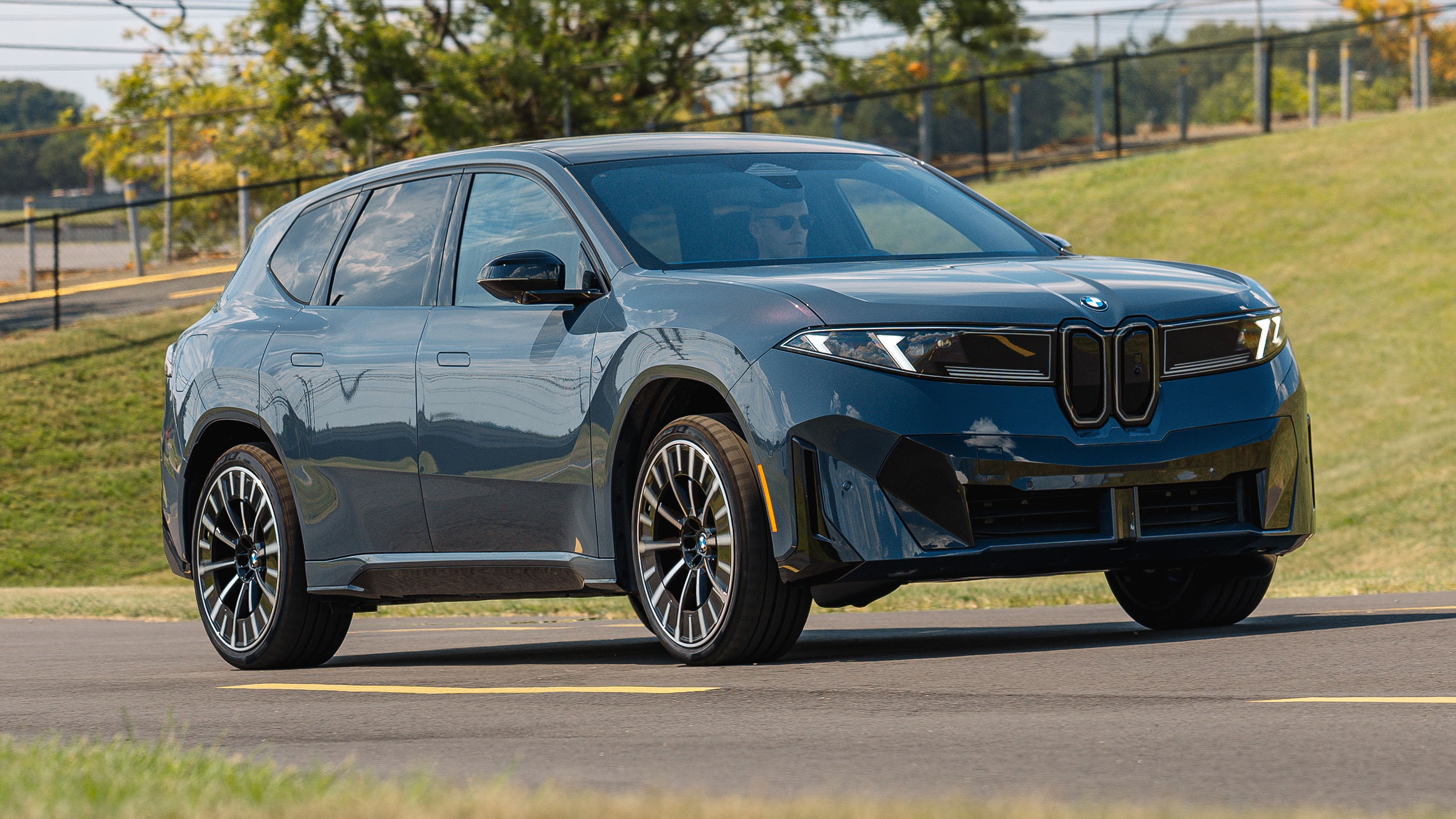
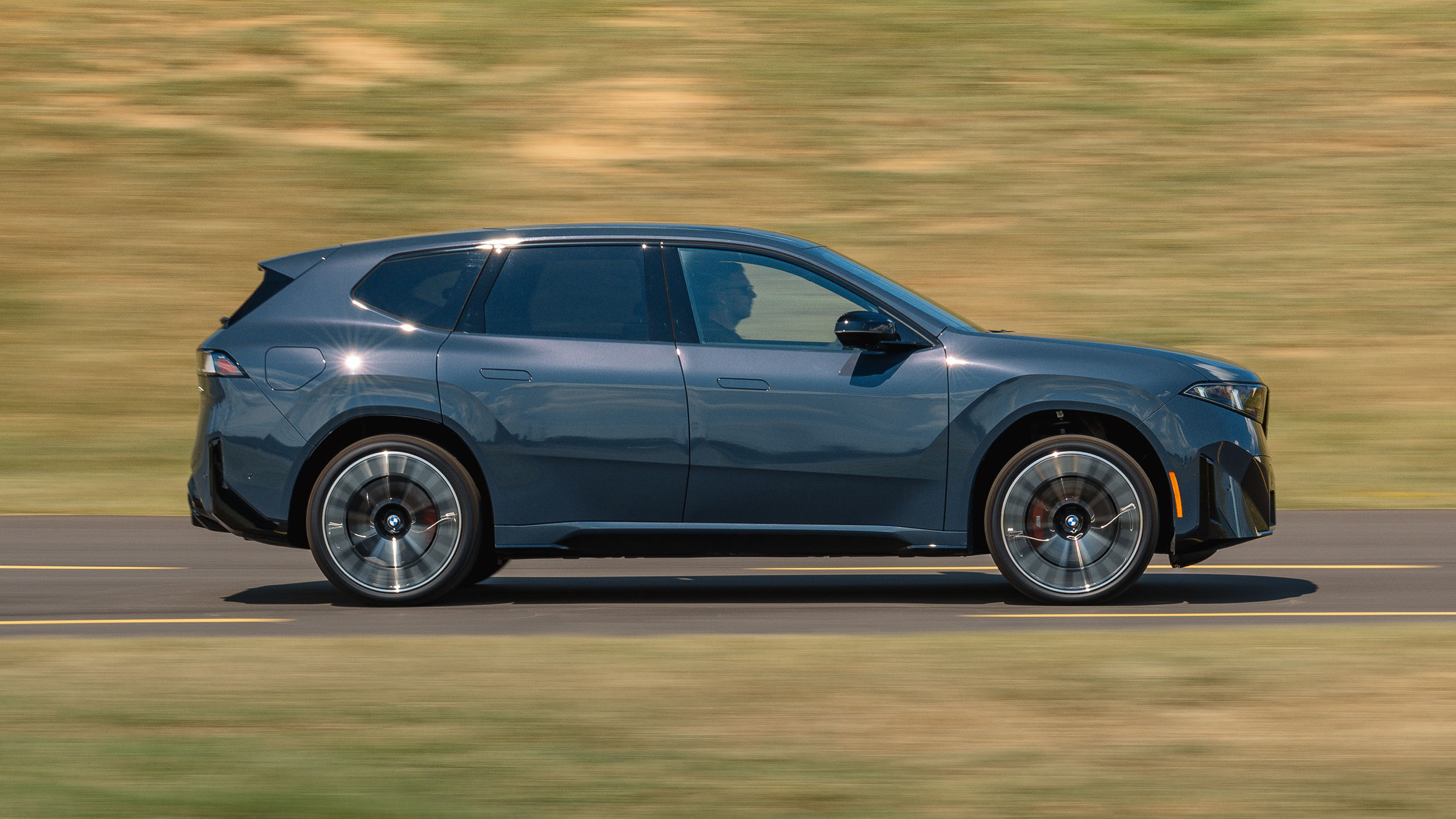
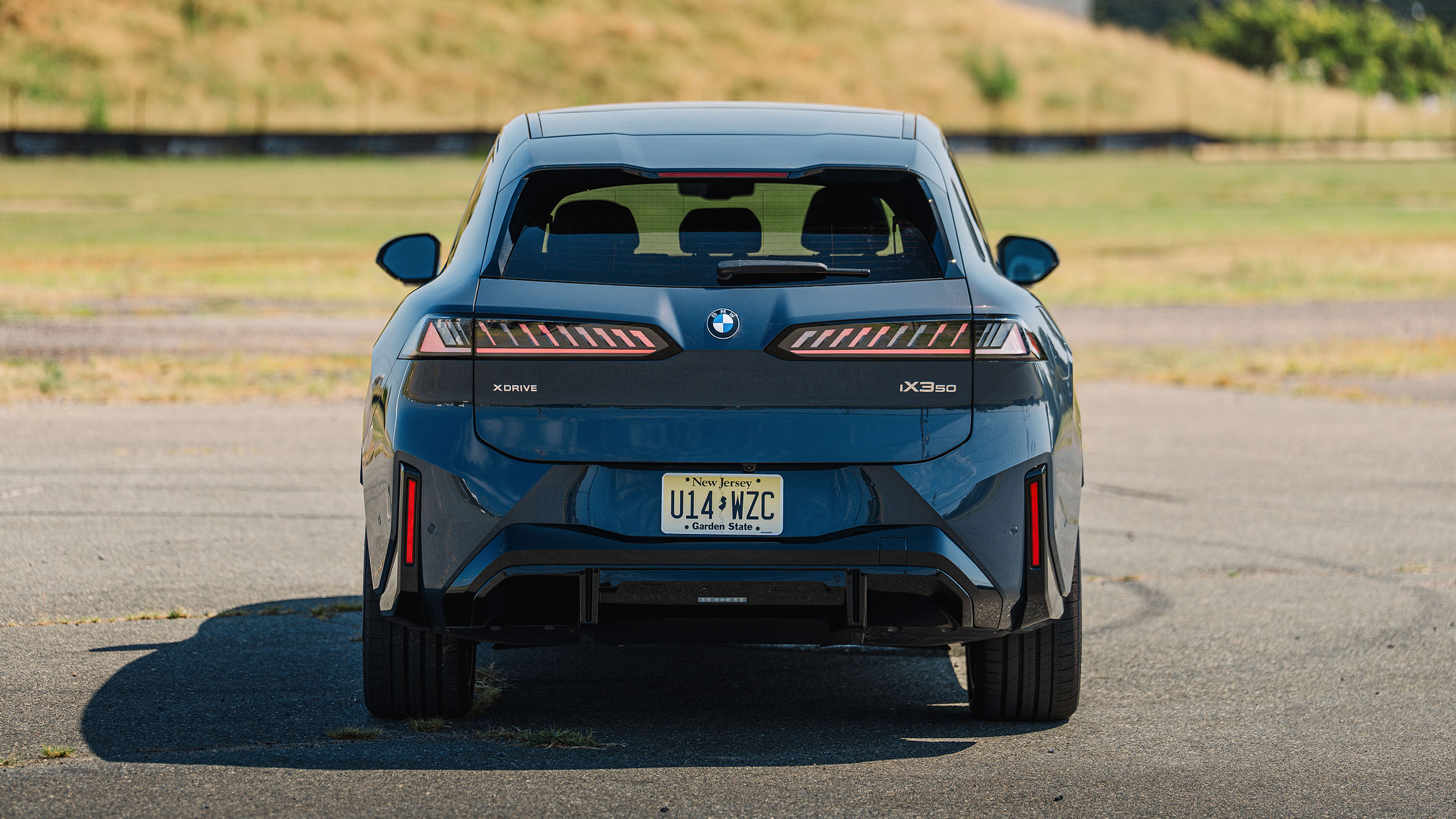
But the killer is the efficiency. Real world range is 100 miles greater than the Rivian, and the BMW manages superior efficiency of 4.0 miles per kWh to the Rivian’s 3.7 mpkWh in our testing, despite having a lighter 88kWh battery to the BMW’s huge 108kWh monster. Huge power reserves and superior aero goes a long way in the EV arena.
And that could be that – if you’re someone who wakes up screaming at 3am having nightmares about public charging or winding up on a hard shoulder with the battery indicator blinking. Be in no doubt, the BMW iX3 goes further on a charge than a Rivian R2, uses its electricity more frugally and drives brilliantly along the way.
Winner: Rivian R2
But the R2 has so much going for it as a car, rather than just as an EV. Let us explain. Keeps the clean design and signature face. It looks terrific. Futuristic yet unfussy – the polar opposite to the BMW.
Inside it’s modern car design 101 with screens galore but you do at least get physical wheel controls which can be configured to toggle heating cruise control, infotainment and more. Far less jabbing at the touchscreen than in the BMW, in other words, and more time with your eyes on the road.
We love the hessian floor mats, the light but tough fabrics and open pore wood. It walks the line of feeling expensive but hard wearing. It’s so welcoming. All week in its company, the TG team keeps gravitating to it as somewhere to simply sit.
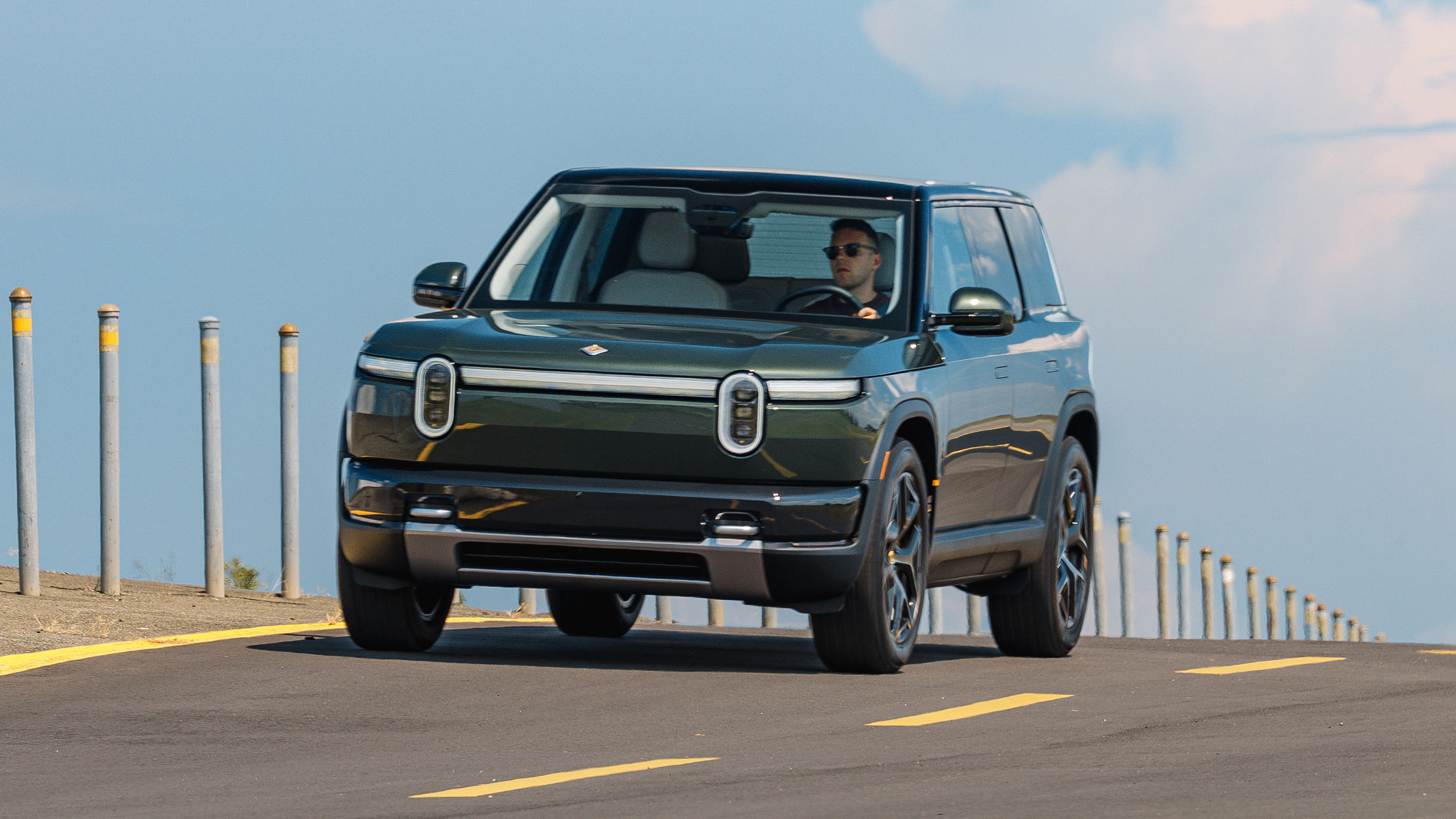
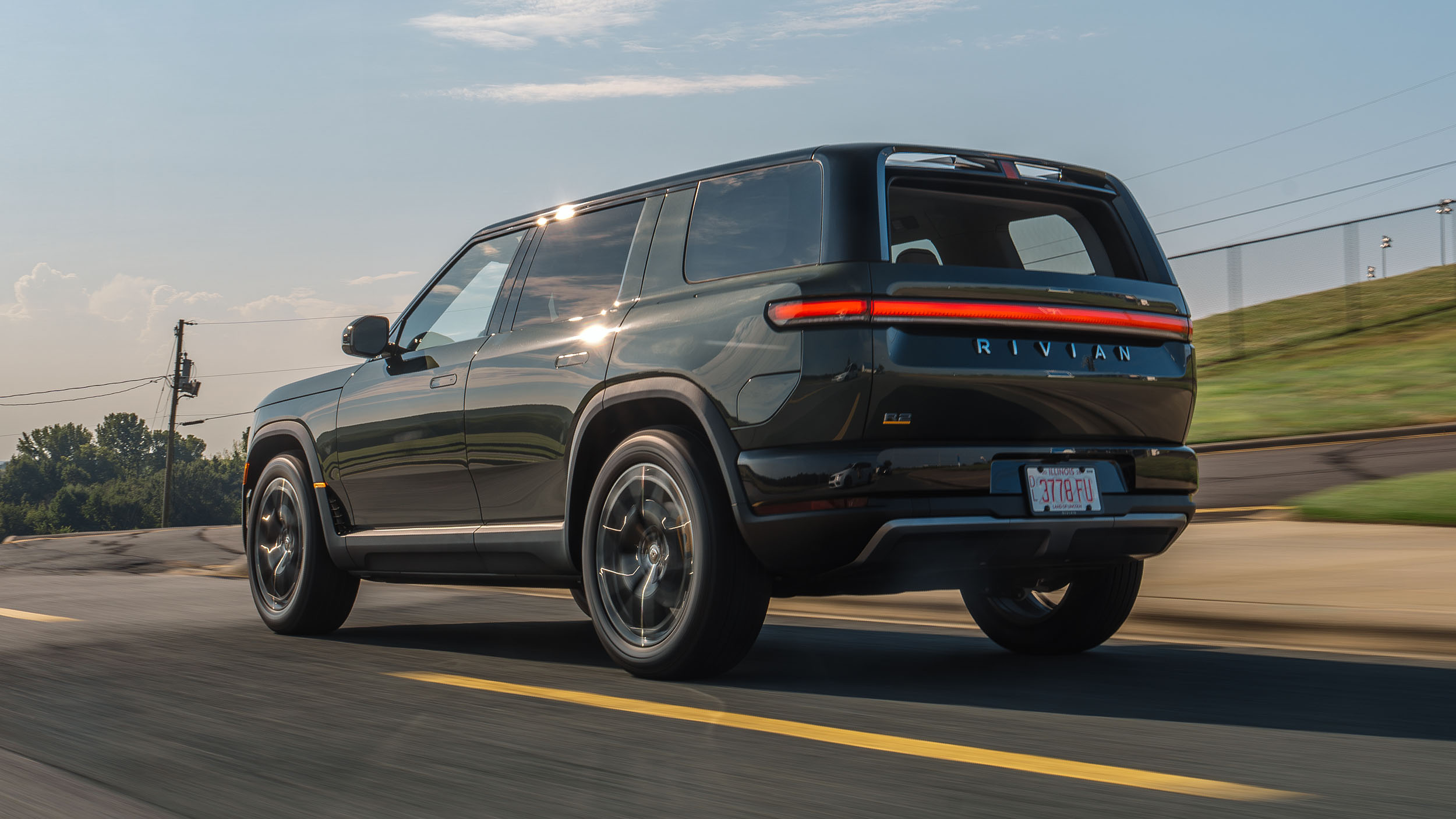
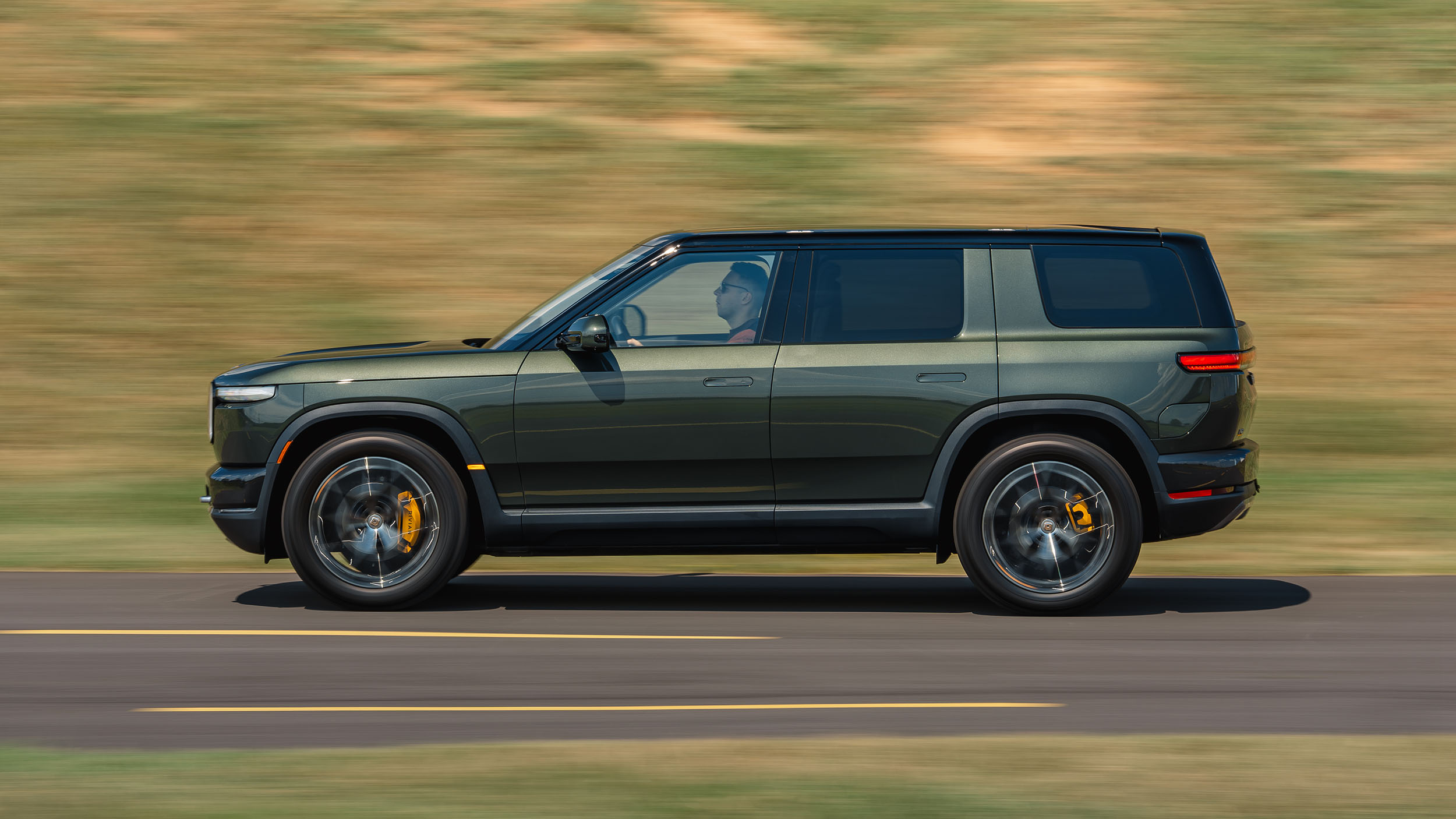
On the move, you’ve lots of choice. Probably too much, with too little bandwidth in the modes. The more truck-like ride settles in the softest setting, it’s effortlessly fast and well calibrated. We’d like a coasting mode with less re-gen, which would also aid efficiency, and you don’t need this 600bhp+ Dual Motor Performance version. It’s overkill. Then again, costing $62k as tested which is where the BMW iX3 begins without options, why the heck not?
So, the RAV4 wins the public vote, but not Top Gear’s. Of all of 2026’s takes on the rabidly popular SUV formula, we fell hardest for the refreshing, relaxed Rivian. Unlike a Fisker or a Faraday-Not-The-Future, you don’t fear that this is a company teetering on the brink. When it comes to England… we want one. And we won’t be alone.