Tech
Top Gear
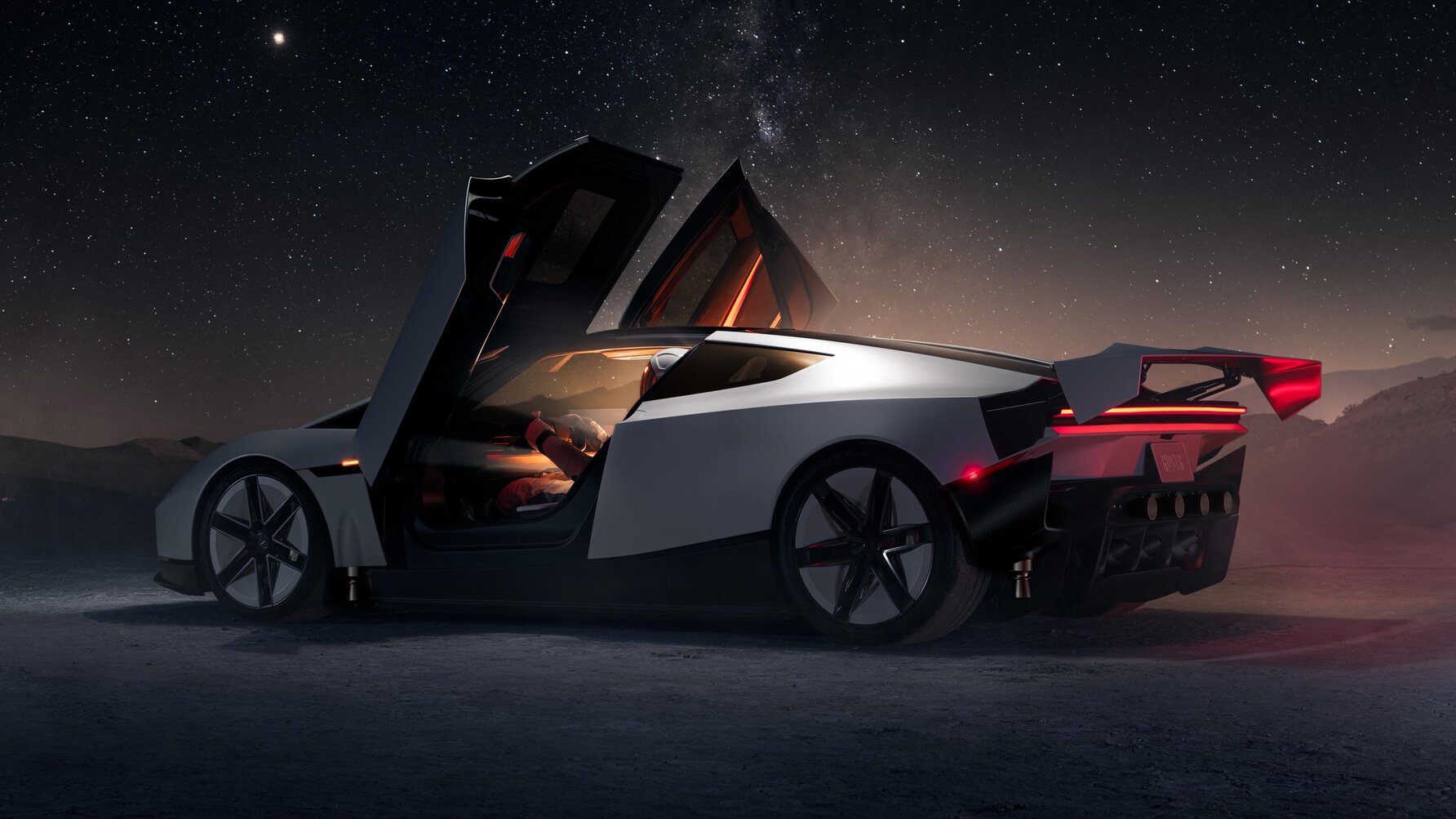
A rocket-powered flying car? Top Gear investigates the Tesla Roadster's claims
Tesla's hugely anticipated EV is finally here, but how does it stack up in the real world?
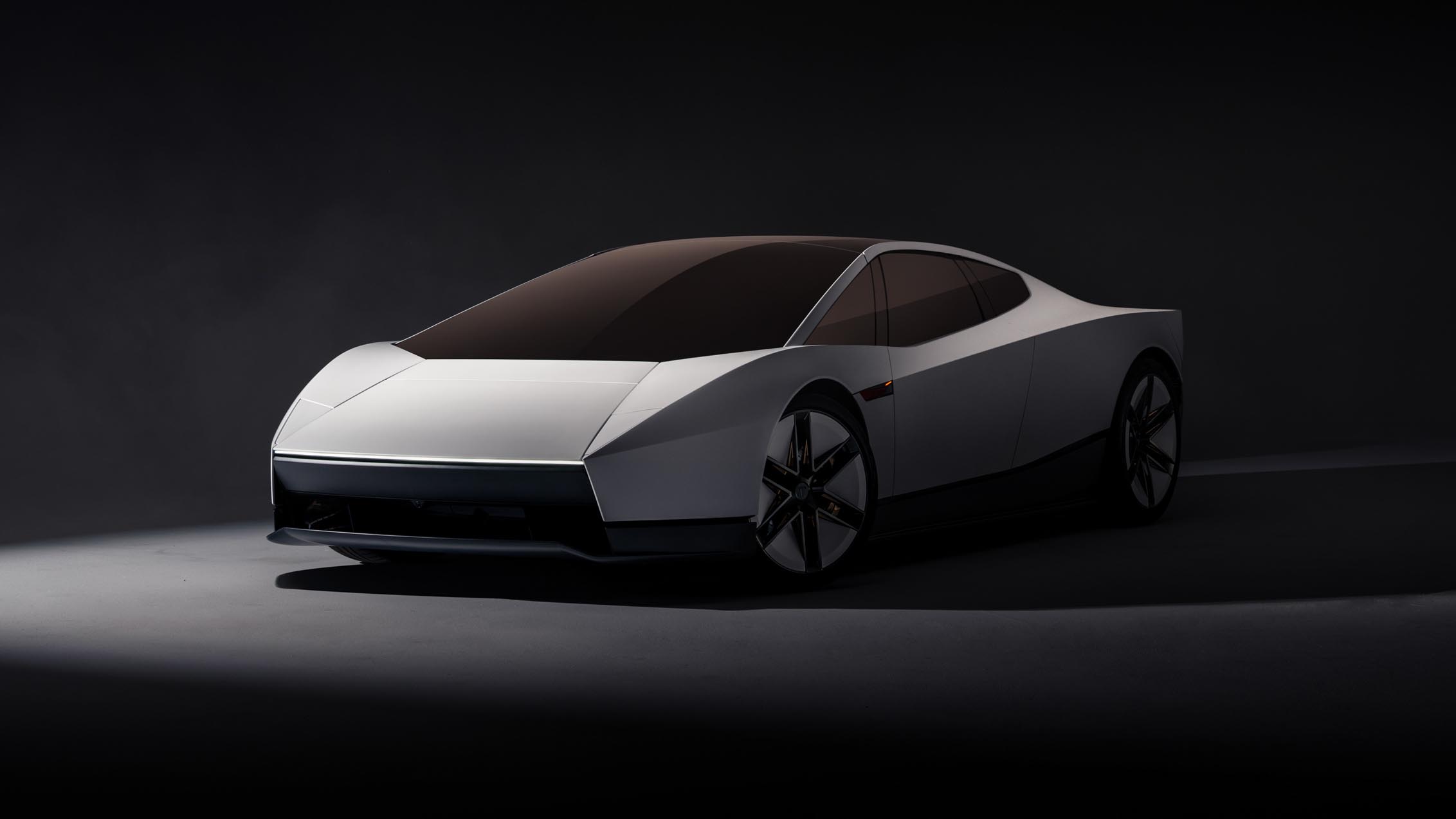
Nine years after Elon Musk promised a new Tesla Roadster, it is, literally, history. Not a single car has been sold and none will be. Instead we have… the new Tesla Roadster. Totally different in looks and specs. Again we have no firm on-sale date, although again substantial deposits are being accepted.
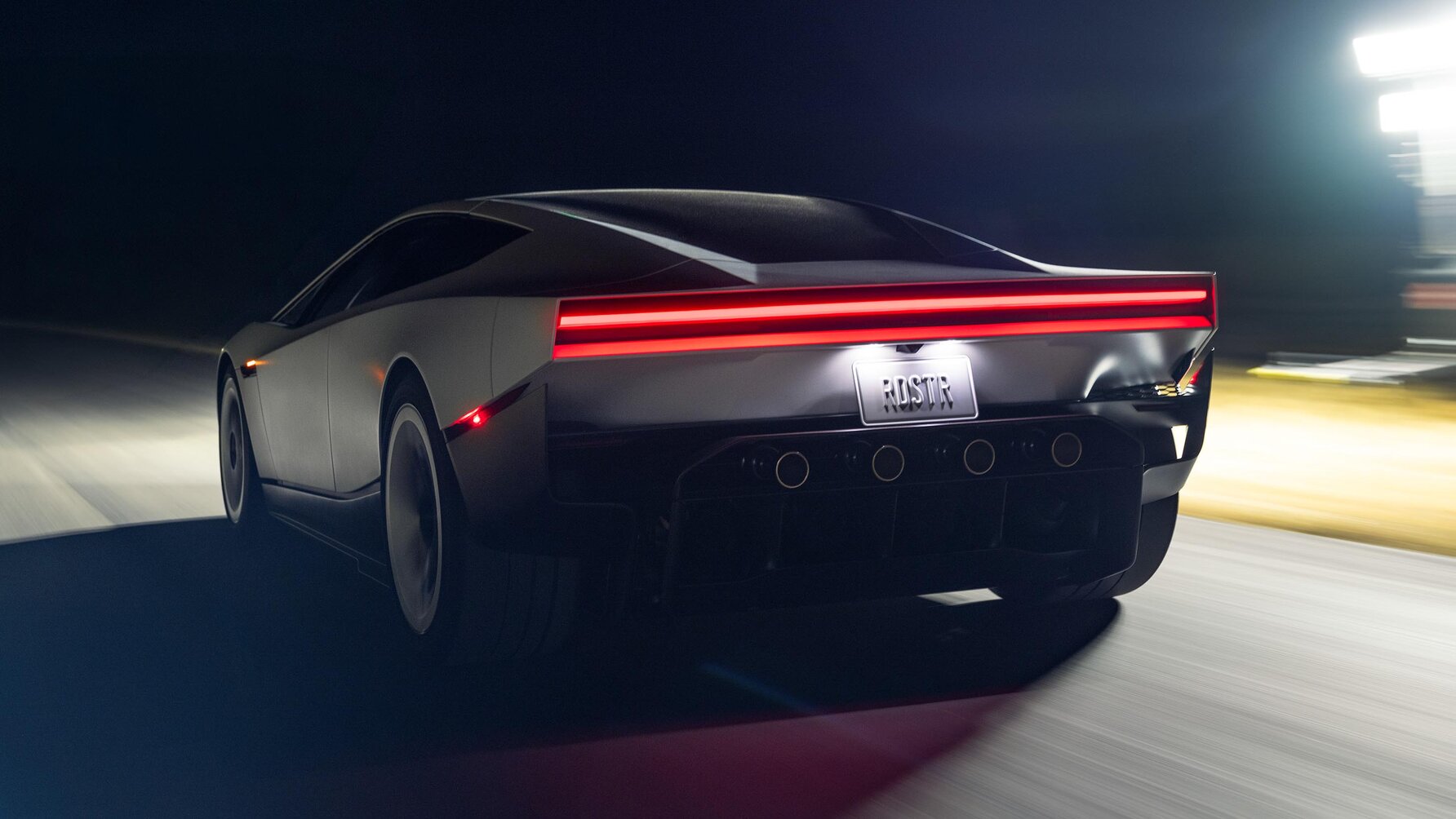
But hey, when this new new Roadster does eventually come, well, you've seen the clips. Driving upside down! Flipping in the air! "Cold-gas thrusters". Thrusters, people! Plus it looks a bit like James Bond's Lotus Esprit-slash-submarine out of The Spy Who Loved Me, because Musk owns that very car.
Advertisement - Page continues below
No car company on earth combines remarkable and real technical achievement with a habit of promising even more than it does achieve, sooner than it actually achieves it. So it's only right that we stay calm when examining the claims for the new Roadster.
Stats as a road EV
The battery is 100kWh, or thereabouts (final specs are being… finalised). That gives a quoted 300-mile range. Those numbers are entirely believable. Mostly because they're unimpressive. Both the battery capacity and the range are half what we were promised in the car announced back in 2017. The Roadster is now specced with two motors, both at the rear, rather than the 2017 car's three for AWD.
Still, that battery is pretty special, with bespoke chemistry and cooling so it can charge at 500kW, for 10-80 per cent in 10-minutes or so. It's got a titanium cover to keep weight down. Output power is enough for rear motors to deliver between them 1,360bhp.
Aerodynamics and suckers
The base version of the Roadster, called Performance, has movable side skirts that seal the underfloor. Fans suck from here, aiming their exhausted air backwards. Result is huge downforce independent of forward speed, enough for 2g cornering says Tesla. Enough for the car to drive upside-down at the launch demo.
Advertisement - Page continues below
A McMurtry Spéirling has used similar mechanisms to do the same thing. In fact most of the Roadster's specs are little more than a match for the McMurtry. Which was developed sooner, by a tiny company making much less fuss. The basic idea goes back to Chaparral 2J and Brabham BT46 fan-car racers in the 1970s.
At higher speeds, large front and rear wings emerge from the bodywork to take over downforce provision, alternating with a low-drag mode for straight-line speed. Again clever. Again not new.
Performance
Hypercars are limited getting off the line by a shortage of traction. Sucking the Roadster to the ground improves that part of a 0-62mph run, so the claim of 'under 1.6 seconds' for 0-60 is believable. The air being pushed out rearward by the sucker fans will help a bit too.
Thrusters
OK, that's the Performance version. But it's in the Thrust and Rocket versions that things get truly showbiz.
Top Gear
Newsletter
Get all the latest news, reviews and exclusives, direct to your inbox.
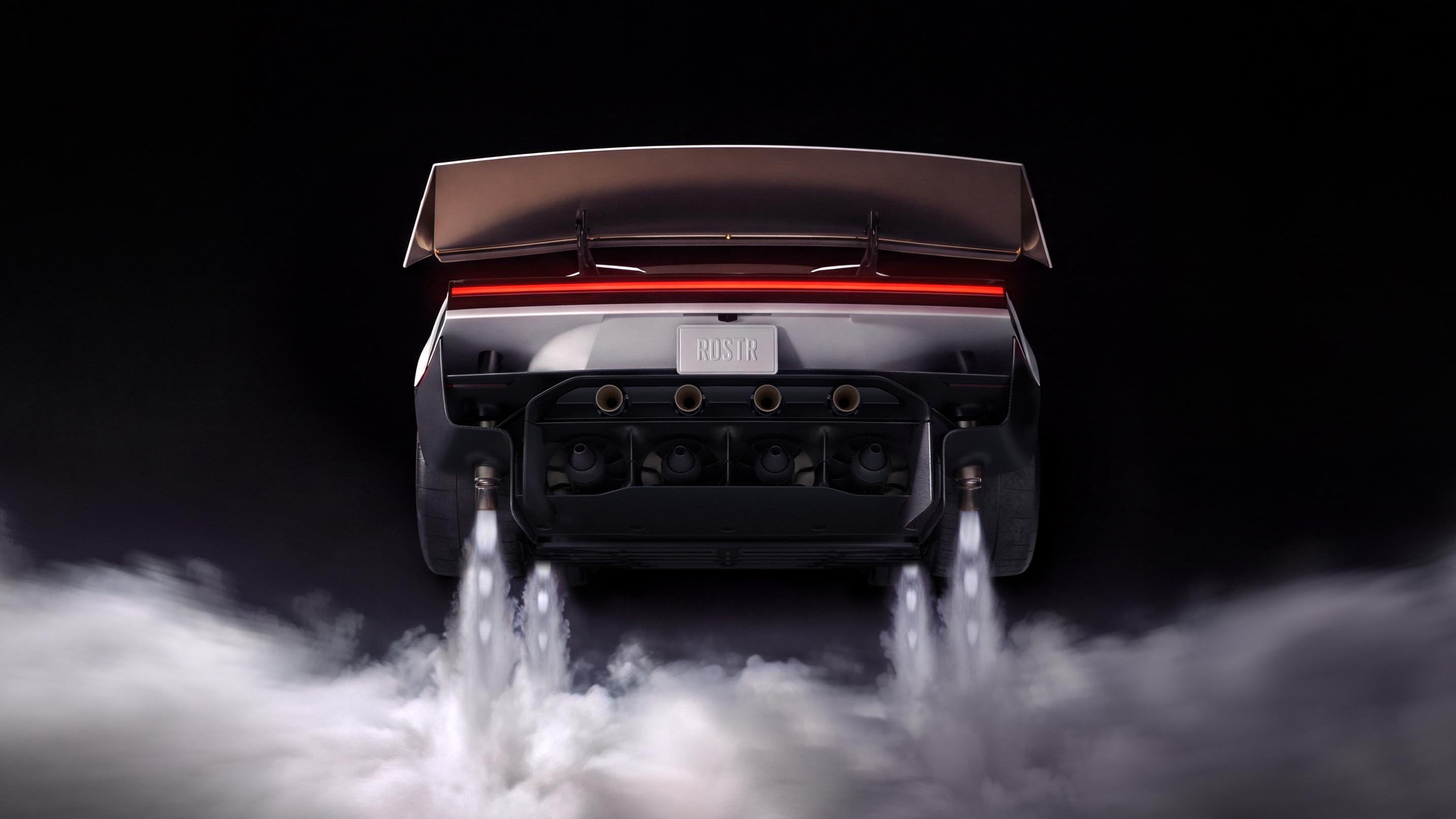
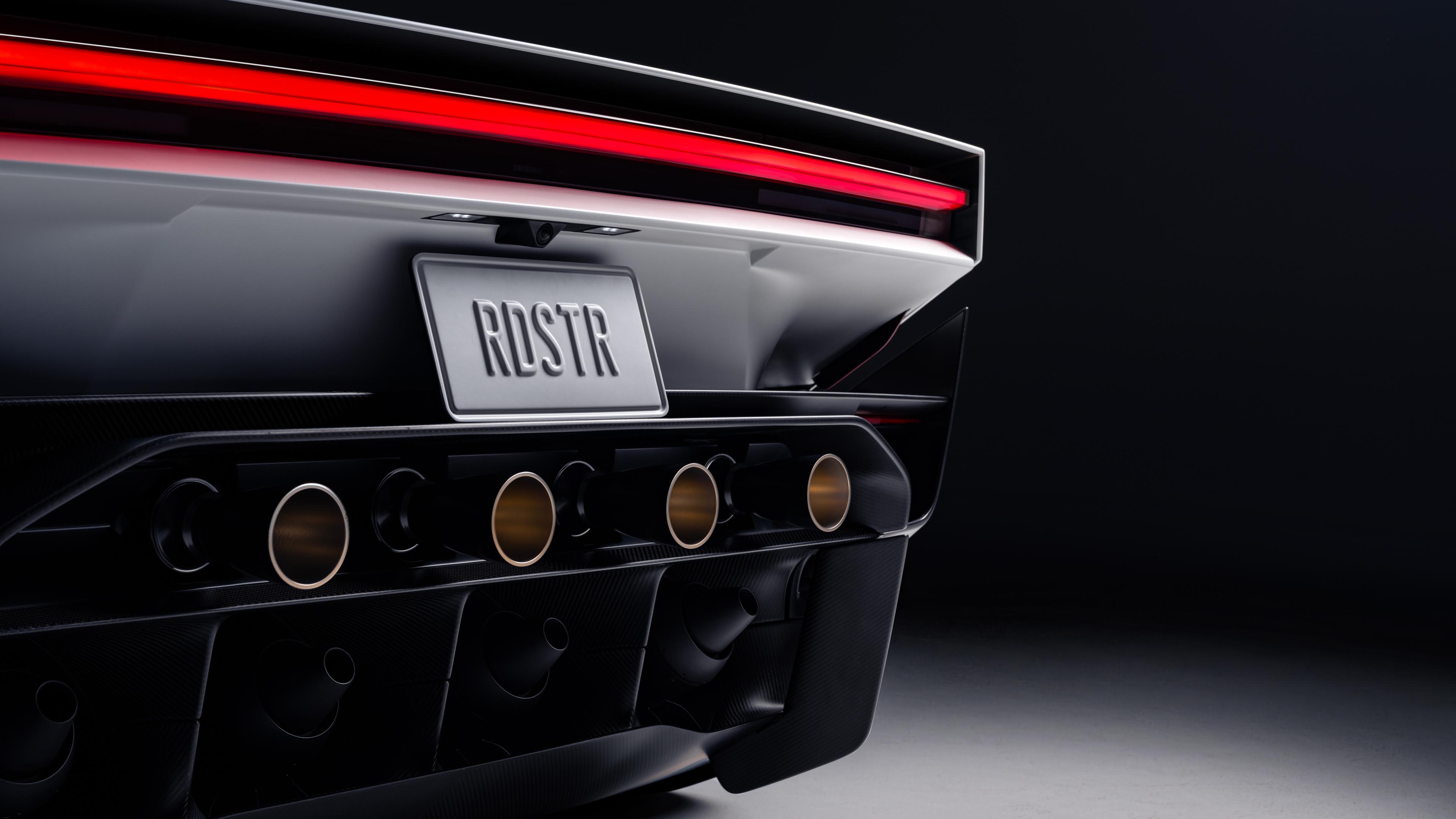
Thrust spec adds four cold-gas thrusters, which are precision outlet nozzles, fed by a COPV (composite overwrapped pressure vessel) mounted behind the seats. Now, Tesla chief Elon Musk might have a rocket company, SpaceX, but these aren't rockets. Rockets burn fuel and jet out hot exhaust, which is in no way zero-emission.
COPVs with cold-gas thrusters aren't uncommon. SpaceX uses them to manoeuvre its rockets once in space. But COPVs have been known to fail and the resulting debris has caused three SpaceX spaceships to blow up.
Think of this kit as a birthday balloon you can aim. You blow up a balloon and hand it to a child, who releases their finger and thumb from its neck. Out squirts the cold gas. Off goes the balloon. But now you have to blow up the balloon again before the trick can be repeated.
The Thrust edition of the Roadster is the one timed at sub-1.0 second 0-60. The thrusters aim out of the back of the car and propel it forward, augmenting the 1,360bhp from the wheel motors. But the pressure drops after a few seconds of use.
When you find a source of industrial-pressure nitrogen, it takes five hours to repressurise the Roadster's COPV. So you might call it 0-60 in five hours and 0.9 seconds.
For reasons of – what? – flying road debris or the fact the nitrogen leaves the jets at supersonic velocity or boring legal compliance or something else, Tesla says the Thrust edition is track-only.
Flight. Actual flight
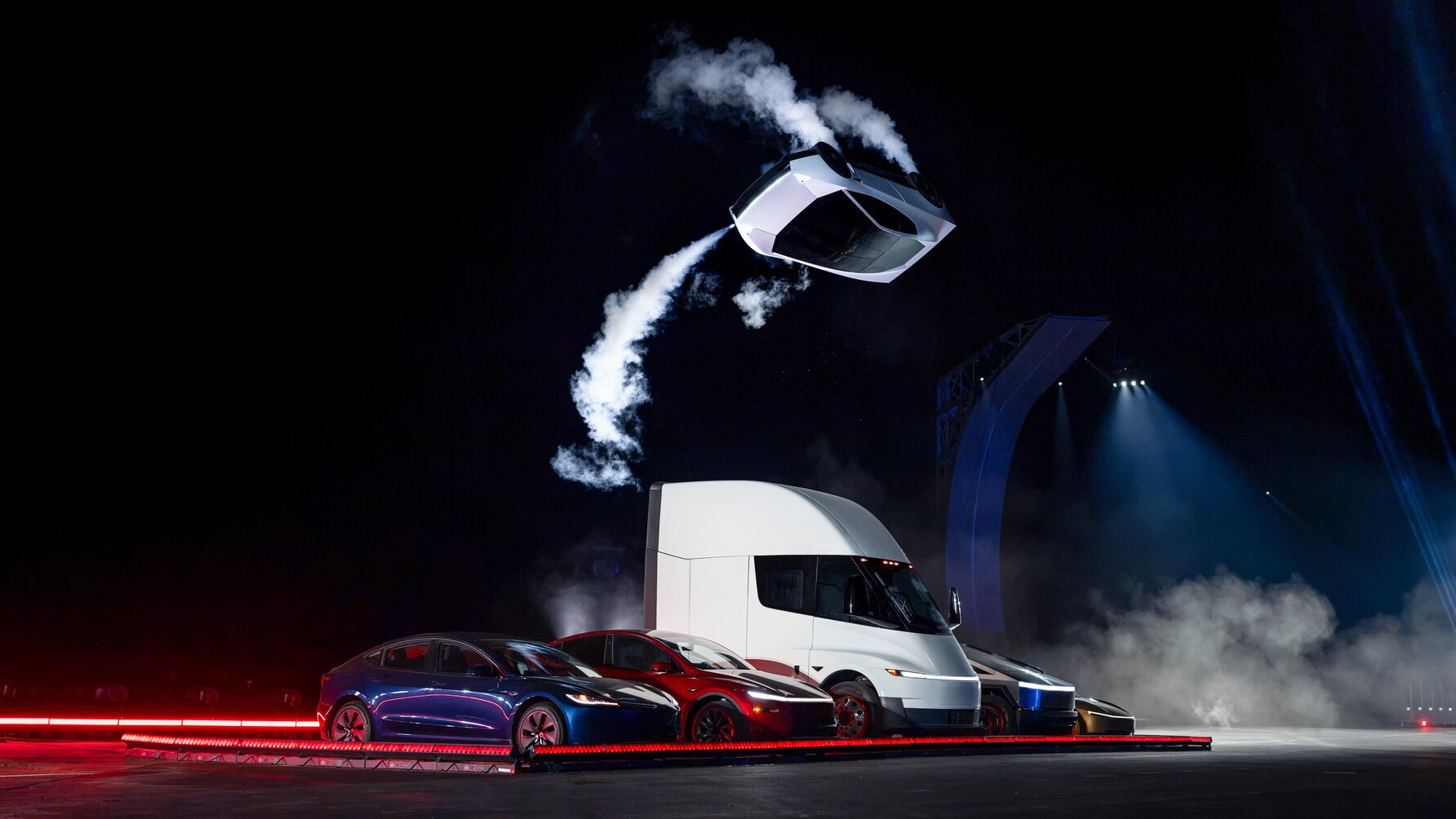
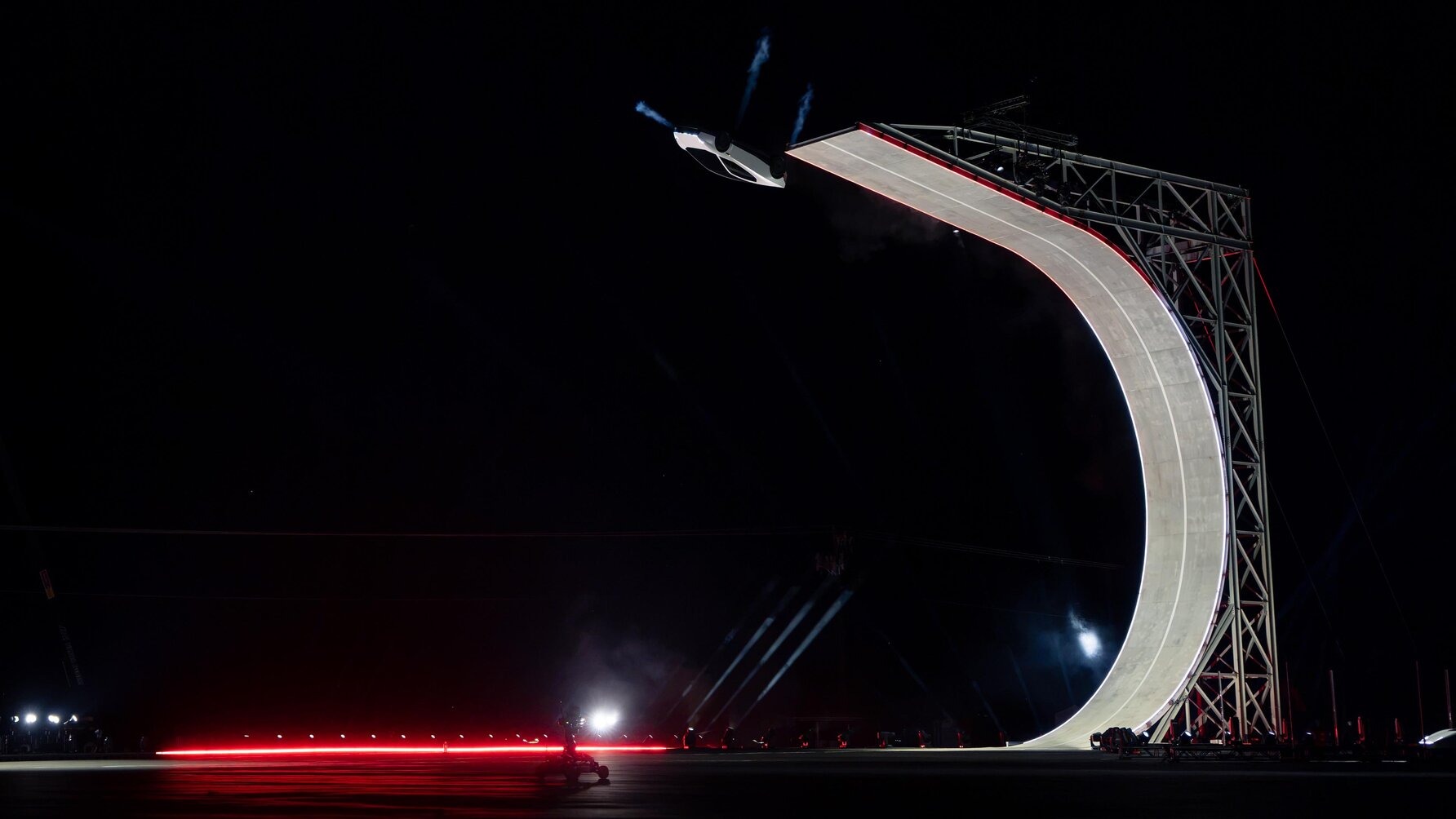
Despite Tesla's claim it goes "beyond the limits of physics", the Rocket version of the Roadster that leapt other vehicles and somersaulted in the launch was precisely obeying the laws of physics.
It has another, larger, COPV where the passenger seat would be. This feeds a set of thrusters around the base of the car. Balancing these side-to-side and front-to-rear via precision valves and software gives the airborne manoeuvrability – just like the multiple fans of a drone give it similar abilities.
But the Rocket edition of the Roadster isn't openly for sale. It's 'invite only'. So we don't have a price. And Tesla does say it's not road legal. Sur-pri-ise. In the demo, no-one was on board. So it's either autonomous or remote-control.
Given the brevity of its flights, and the time taken to repressurise, I think we can agree it's not a flying car in any sense we might have been expecting. Nor is it in any sense at all a rocket car.
Chassis
The Roadster has steer-by wire, and suspension that lowers for track mode. These things will add to the price and doubtless the capability, but they aren't new. And SBW is at odds with the claim it's all about feedback and 'manual controls'.
The language
We know Musk likes to think he has a sense of humour, but really the language on the Tesla website is seriously daft. As I say, it doesn't go beyond physics.
It's not "an expertly crafted extra-terrestrial vehicle”. Terrestrial means 'of the earth'. Flying has nothing to do with it. You can have terrestrial birds. Life on Mars is extra-terrestrial. So are the Clangers.
The show car is pained Ano White. "Ano White paint takes inspiration from aerospace techniques that provide UV and cryogenic protection when exposed to the harshness of space…" blah blah. The word ‘inspiration’ is doing some heavy lifting there. Read that claim with a legal eye and it could be the same stuff as Glacier White on a Dacia Sandero.
The Rocket version doesn’t have rockets, just another set of those nitrogen squirters. But then an Oldsmobile Rocket 88 and a Gordon Murray Rocket didn't have them either so we’ll let that pass.
How much and when?
You can reserve Performance and Thrust versions now. It's £5,000 down and £45,000 within 10 days for Performance, that second figure rising to £245,000 for Thrust. The Rocket version is 'by invitation only', no price quoted.
These are cancellable deposits, but even so the agreement has some striking wording. "While this Reservation secures your approximate priority, it does not constitute the purchase or order of a vehicle." And "your reservation may be cancelled at any time… by either you or us." So you're not buying a car but a place in the queue for a possible car.
Musk says the car will go into production in 2028. Beware Tesla's record of delays and non-happenings. The car for which Tesla took $250,000 deposits in 2017 never happened. Full self-driving across the USA with no-one in the driver's seat was promised by Musk in 2015 for 2017.
SpaceX merger
Musk wants Tesla and SpaceX to merge. He has said so. After the Roadster announcement, many Wall Street analysts, none with particular car industry knowledge, said the cross-pollination of technology between the Roadster and the actual rockets means a merger makes sense.
A merger would of course have vast implications for the wealth of Musk himself, as well as all other shareholders in both companies. That's at least partially the context of the Roadster reveal.