the fastest
155kW Style 52kWh 5dr Auto
- 0-627.1s
- CO20
- BHP207.9
- MPG
- Price£33,610



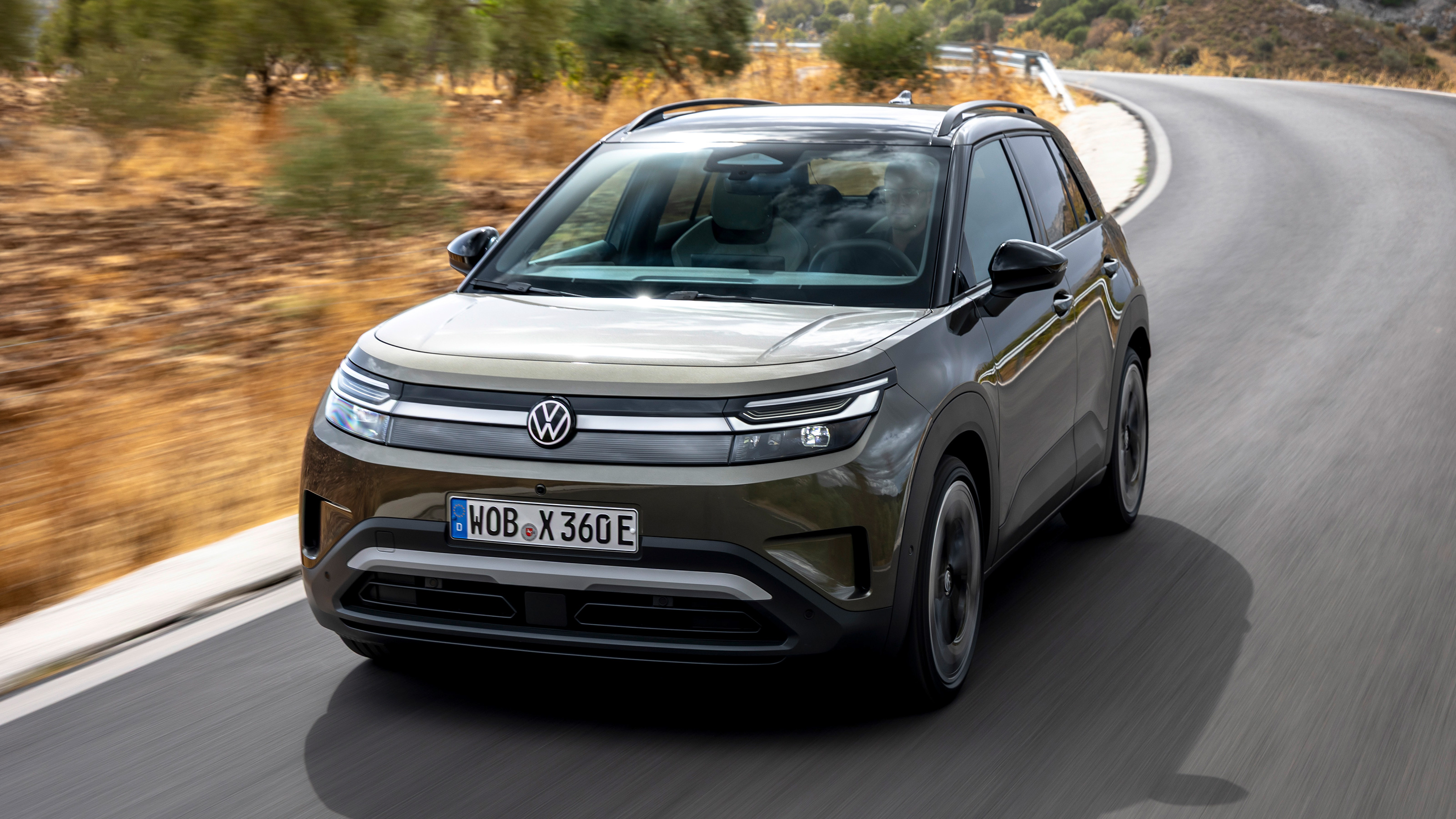
Interesting one this, because the ID. Cross is excellent to drive if you consider the mission statement of the car. Which is all-round competency rather than pointiness you use 15 per cent of the time. Multi-link front and torsion bar at the rear, but set up – just like the Polo – to be repeatable, comfortable and consistent.
The steering is great if a bit numb, but there’s very little torque steer in any situation – although we’ve only driven the car on Spanish roads in the dry thus far. We did find some serious bumpy sections though, and the Cross is almost impossible to unsettle: even when accidentally hitting quite a big bit of collapsed road, the ID. Cross just rode it out. Torsion bars might be simple (and cheap), but when they’re well-sorted, they really can work. Good stuff.
Body control is excellent while allowing actual body roll, which seems to just let you know what the physics are up to, and grip is pretty much as you’d expect, plus ten per cent. Push too far and you just get a kind of genial understeer where the weight of the battery makes itself felt, though things might be a bit more tyre-squealing if you get the smaller wheels, with the Uno Reverse of an even better ride quality.
Obviously this isn’t a sportscar, but the calm, unruffled way the ID. Cross goes about its business means you’ll never be disappointed – it would make a fantastic second car. Put it this way, you never notice anything annoying about the Cross. It might not light your fire, but it won’t throw cold water on your ambitions, either.
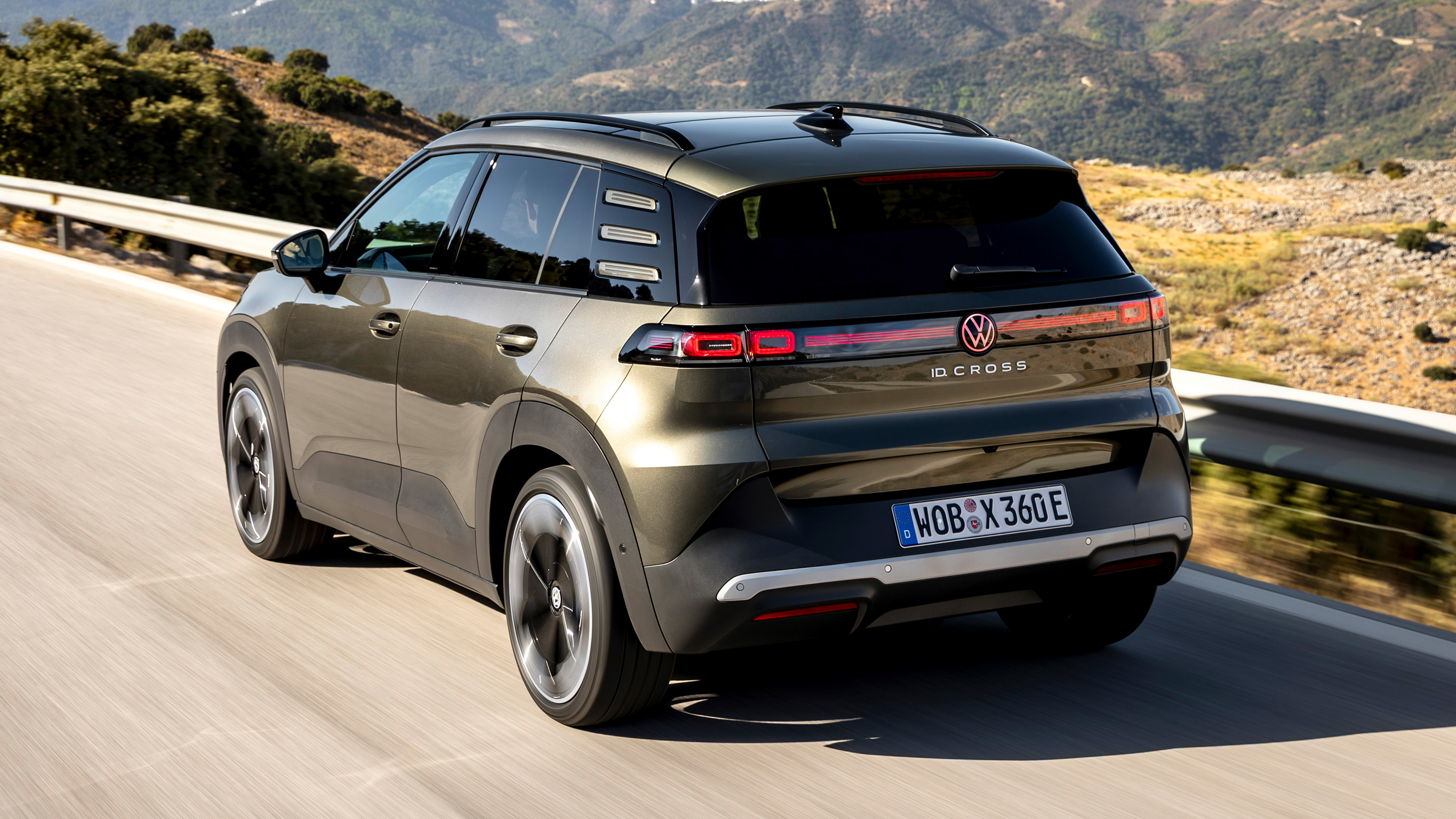
Of particular interest here is the fact that the top-spec ID. Cross R-Line isn’t just a set of ‘R’ badges and wheels, either; it’s actually hardware-specific. The 228bhp output and electronic limited-slip front diff, battery and motor architecture and suspension tuning mean that it’s essentially an ID. Polo GTi wearing a practical parka. It also gets specific bumpers, wing mirrors, badges and equipment upgrades. One to watch out for.
It’s as you might expect; 90kW DC for the small battery for 10-80 per cent in 23 minutes, but that’s only repping the 190-mile WLTP. The bigger battery gets 105kW DC and can charge in 28 minutes, with 265 miles from the standard tests.
Both get 11kW AC. All very respectable, but with consistent charging curves, rather than headline-grabbing one-minute maxes.
Get all the latest news, reviews and exclusives, direct to your inbox.