the cheapest
2.0 B5P Ultra Pro Bright 5dr Auto
- 0-62
- CO2
- BHP
- MPG
- Price£N/A



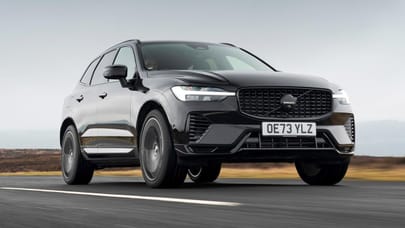
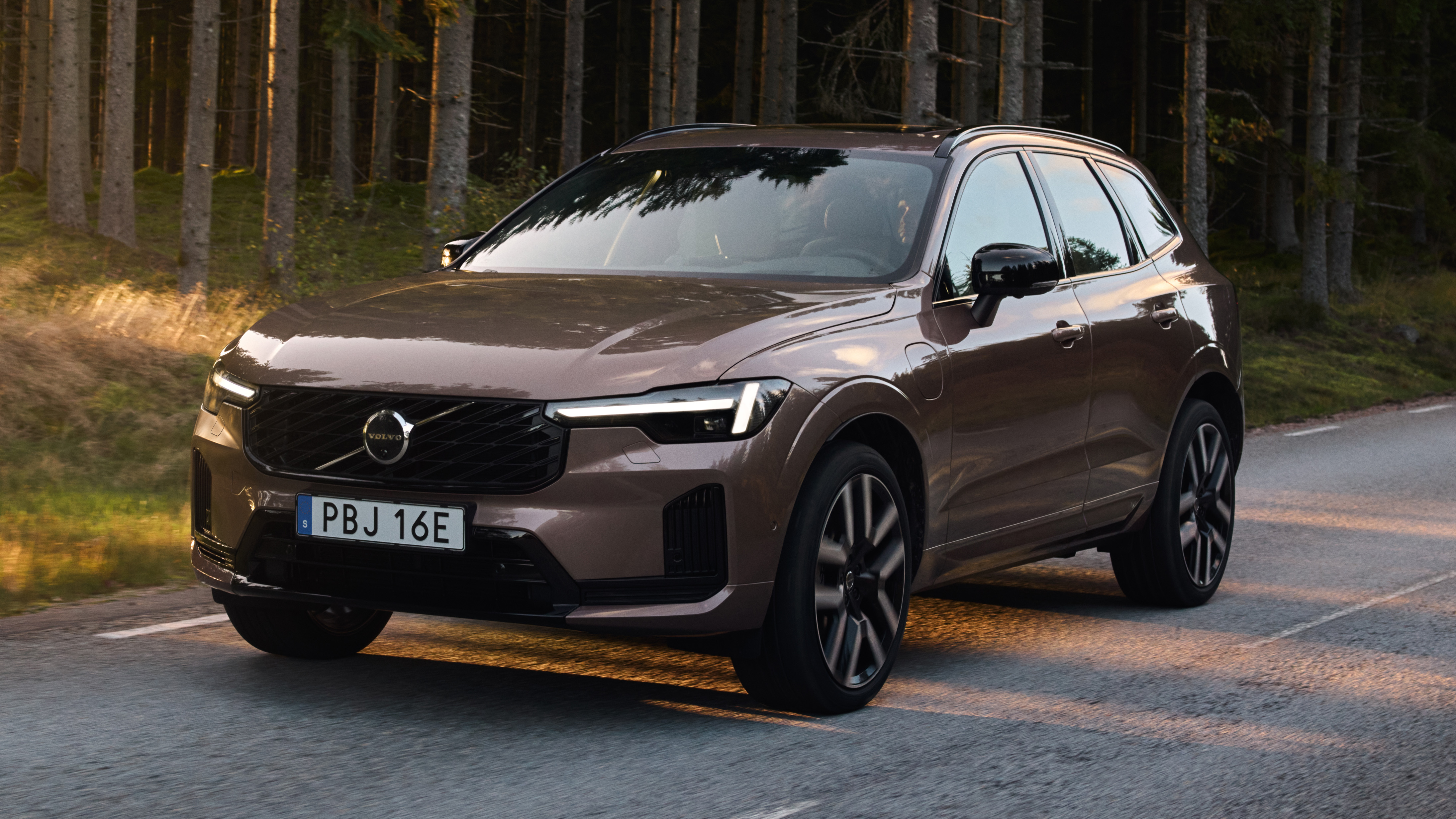
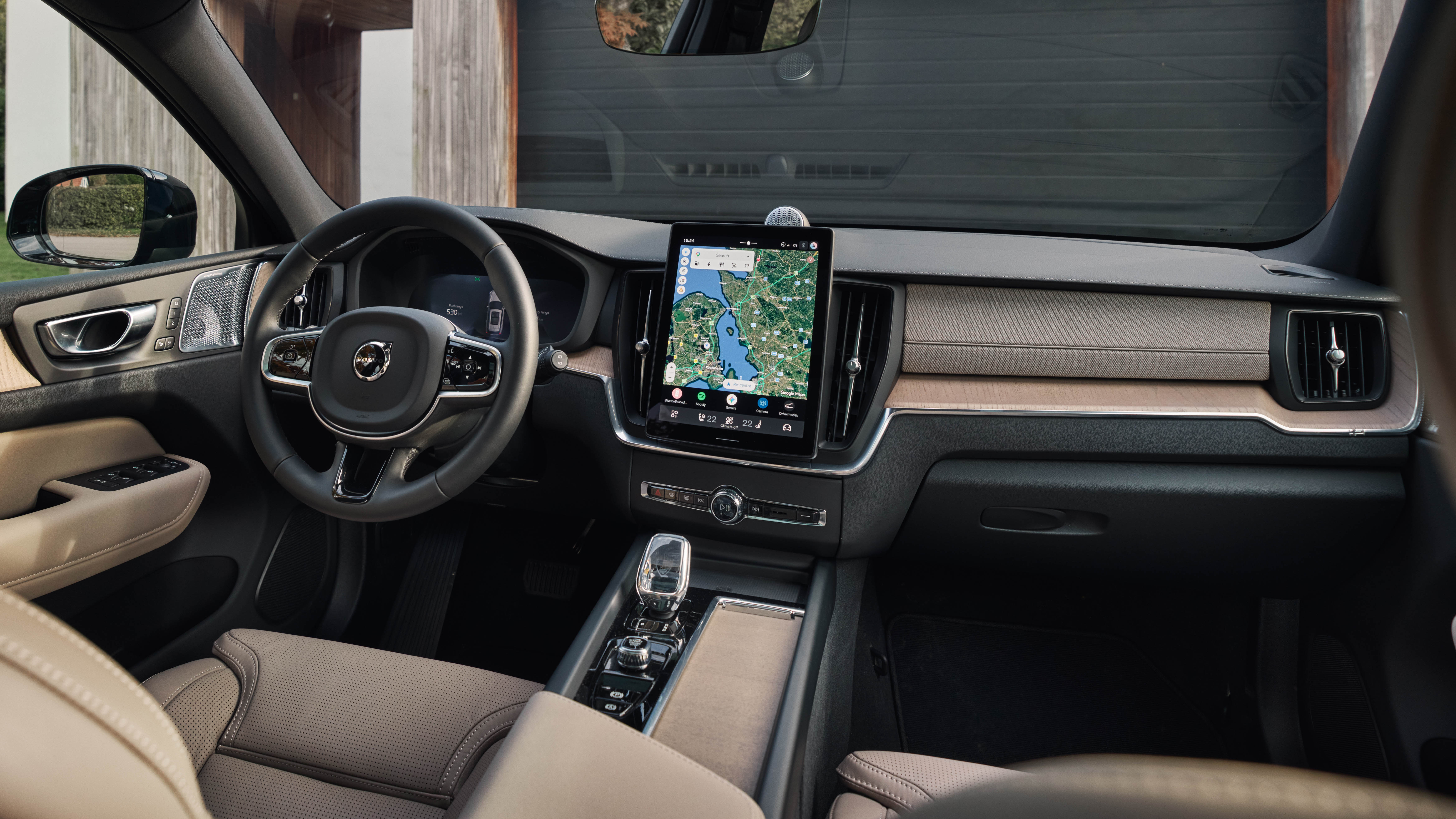
Driver engagement certainly isn't the prime mission here. Instead, you guide the XC60 through bends and it answers with unruffled decorum. Volvo even added more sound insulation with the 2025 update to make it even quieter inside.
All XC60s come with all-wheel drive and there’s optional air suspension with active damping, but Volvo doesn't do drive modes so you'll need to dip into the menus to find the little electronic toggle to firm it up. Still it's a success: switching to its firmer setting subtly makes things tauter and lessens tight-bend understeer.
Both modes are still supremely comfortable while quelling the wheel hop and body float that sometimes sully the XC90. In the same menu you'll also be able to firm up the steering feel – handy given it's a little too light in its default setting.
The eight-speed automatic gearbox – standard across the range – is fine for cruising, but it’s easy to catch it napping if you need a sudden burst of acceleration, particularly in the B5 without the punchiness of the PHEV's electric motor. Things are better if you override the box, but most models don't have paddles so you have to use the lever and its weird side-to-side action.
The mild hybrid petrol is fine with its light electrical assistance, but it’s a shame the diesel is no longer available, simply because you’ve got a smidge under two tonnes of SUV to shift around and it’s still the better fuel for the job if you don’t have access to a plug and driveway. The four-cylinder petrol does sound a little strained for a premium product, and it really doesn't feel that quick. Oh, and we only saw 28.7mpg on a mixed drive. Not fantastic.
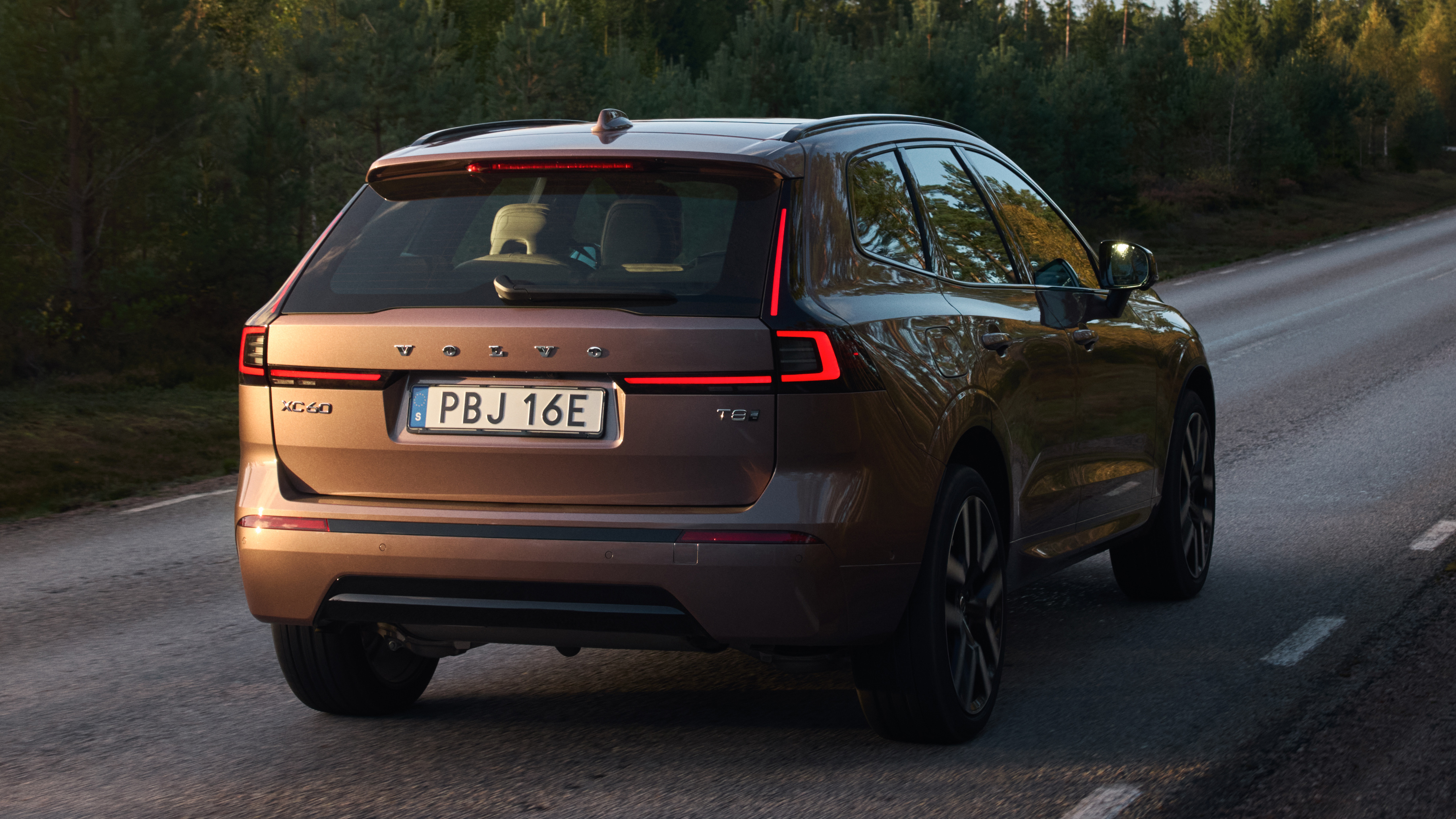
If you do have access to a plug, the T8 PHEV feels a more than capable companion. Electric drive suits the car’s calm and relaxed nature: we sat in electric mode for pretty much all of our 60-mile test route, with the trip computer showing we’d used up just over 70 per cent of juice. The rule of thumb about banking on two thirds of the on-paper range seems to apply here too. Additional torque from the e-motor does come in handy too.
A full charge using a single-phase AC supply takes around six hours, while a two-phase wallbox reduces this to around four hours.
Sure is. Safety systems include steering support if the car sees an obstacle ahead and you begin to swerve rather than stop. It'll help you pull the wheel, and use one-sided braking to keep the car pointing forwards. That's in addition to systems that help the car steer away from running off the road, or into the path of oncoming traffic, or into crossing junction traffic.
And remember all Volvos are limited to 112mph nowadays on safety grounds.
Yup, which makes a slight mockery of the T8's Ford Mustang GT-esque power output of 449bhp and shows the £11k-cheaper T6 as the more sensible option.
But there’s an undeniable thrill to having this kind of power on tap in a car so sensible and squidgily suspended, and there’s huge flexibility to the powertrain. Shame the petrol engine still sounds a little agricultural when it’s worked very hard. If plug-in power works so well for you, then perhaps the similar power output offered by a fully electric Volvo EX60 would be just as suitable and cleaner still. Especially as a company car option.
Get all the latest news, reviews and exclusives, direct to your inbox.