



25
‘Britain’s roads are broken.’ It’s a headline we seem to read every flipping year. But it’s true. The RAC attended more than 26,000 pothole-related breakdowns last year, around 71 every single day.
There is even a National Pothole Day. Yes, really. It falls on 15 January. Whether any other country feels the need to formally recognise potholes is unclear. But quite frankly, this tells you everything you need to know about the state of things.
Because while more and more cars chase sportiness, with firm suspension, big wheels and low-profile tyres, they seem to be moving in the exact opposite direction of what British roads actually demand.
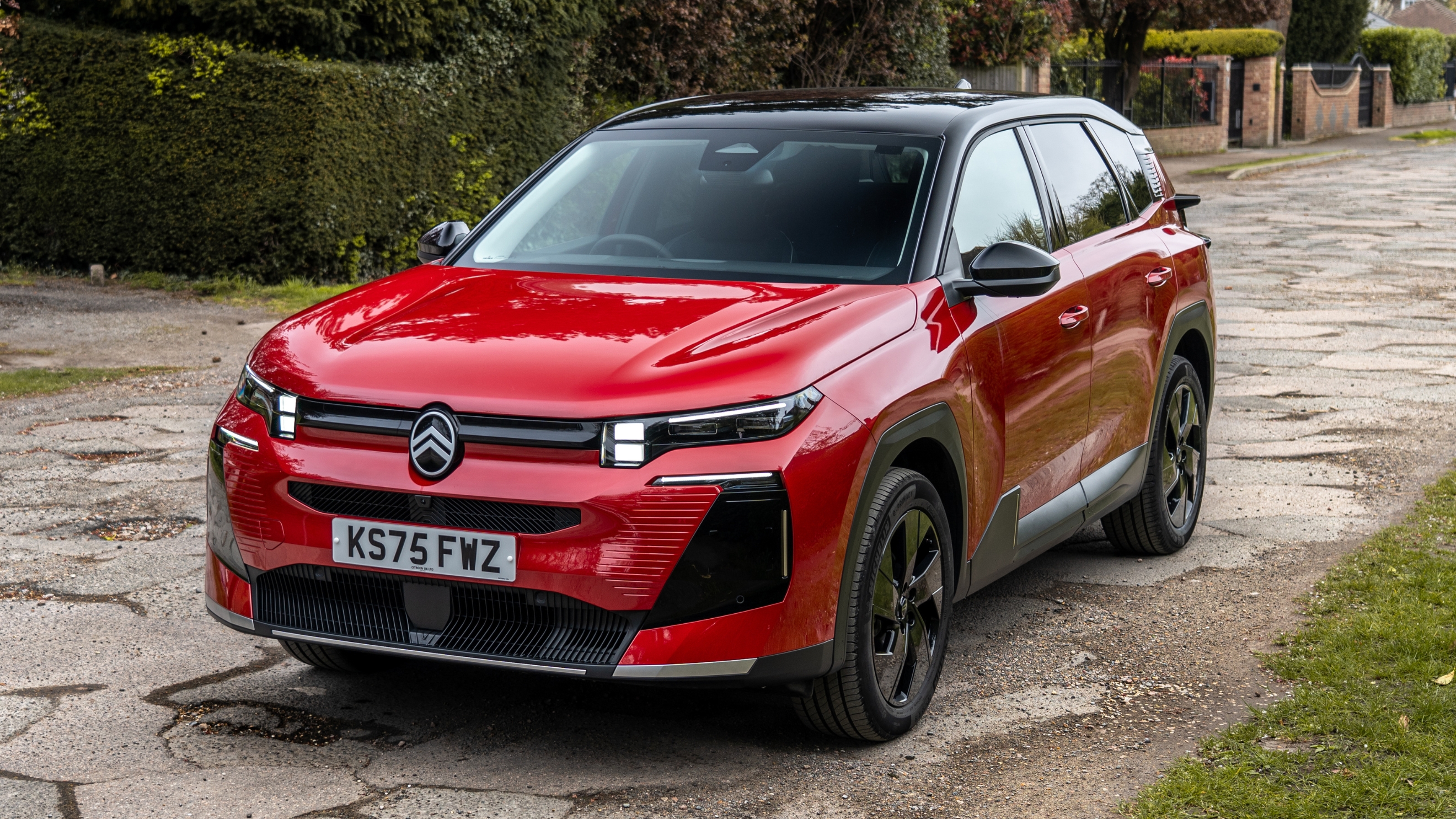
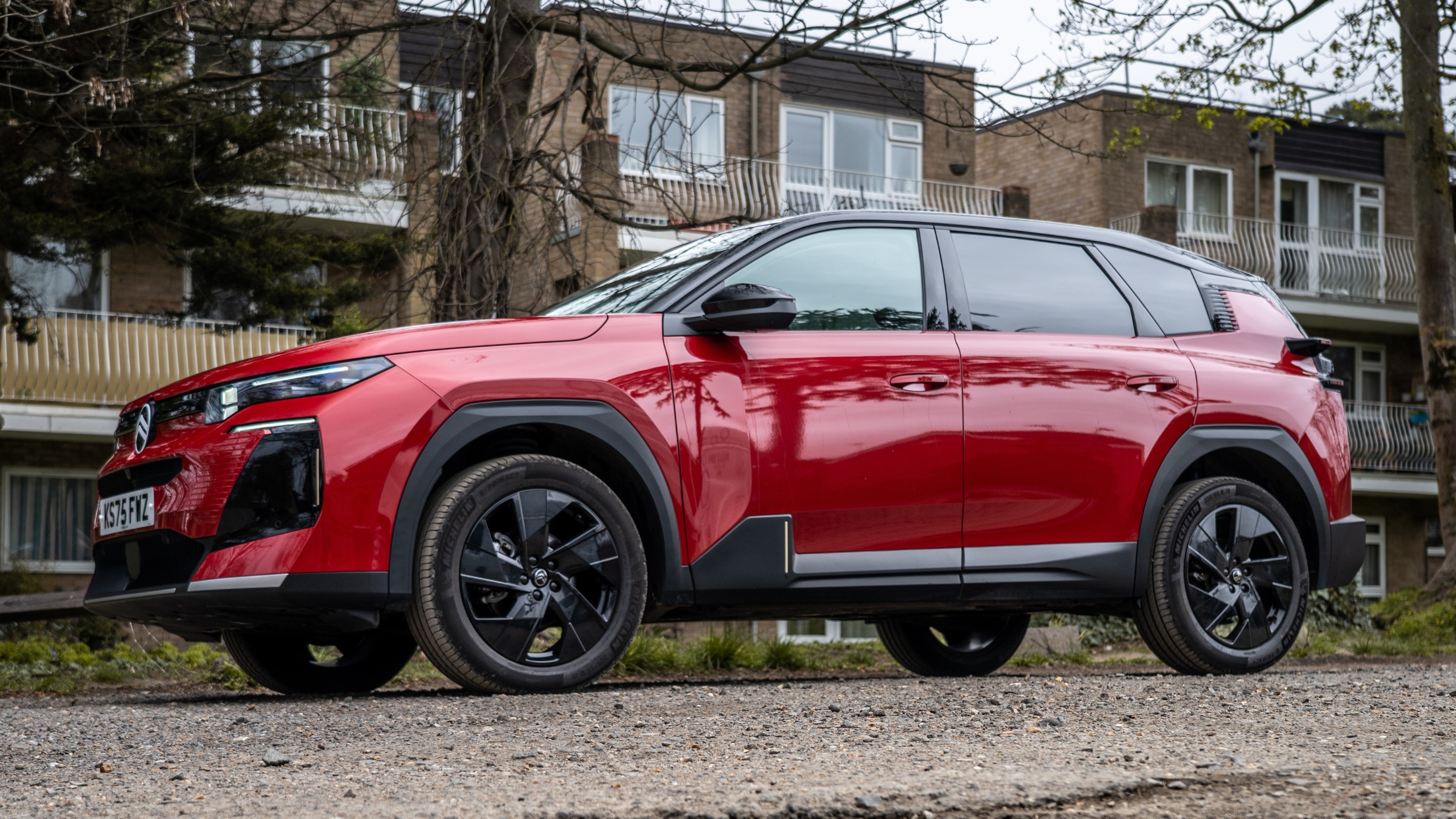
This, then, is the counter-argument. Yes, it’s on 19in wheels, but with 225/55 tyres there’s still enough sidewall to actually do something. There’s a bit of softness before the suspension even gets involved.
Then there’s the other, more important trick up Citroen’s sleeve. The clever bit underneath is something it calls Progressive Hydraulic Cushions. It isn’t the old hydropneumatic setup from the DS days, but a simpler system built around conventional springs with hydraulic stops at either end of the suspension travel. Instead of hitting a hard limit over a bump, the suspension compresses into a hydraulic cushion that absorbs the energy more gradually.
So what better way to test this out than going looking for the worst of it. Not just any battered back road, but the kind of urban obstacle course that normally has you zig-zagging like you’re avoiding landmines, encountering potholes and speed bumps in equal measure.
OK, I’m not about to launch the C5 through craters at 50mph, but the first thing you notice is how little you need to back off over smaller ruts and speed bumps. At a steady 20–30mph, you barely need to lift. It rounds off the initial hit, takes the edge off the impact, and then settles almost immediately. There’s none of that secondary rebound where the entire contents of your boot momentarily enters zero-G before crashing back down with a thump.
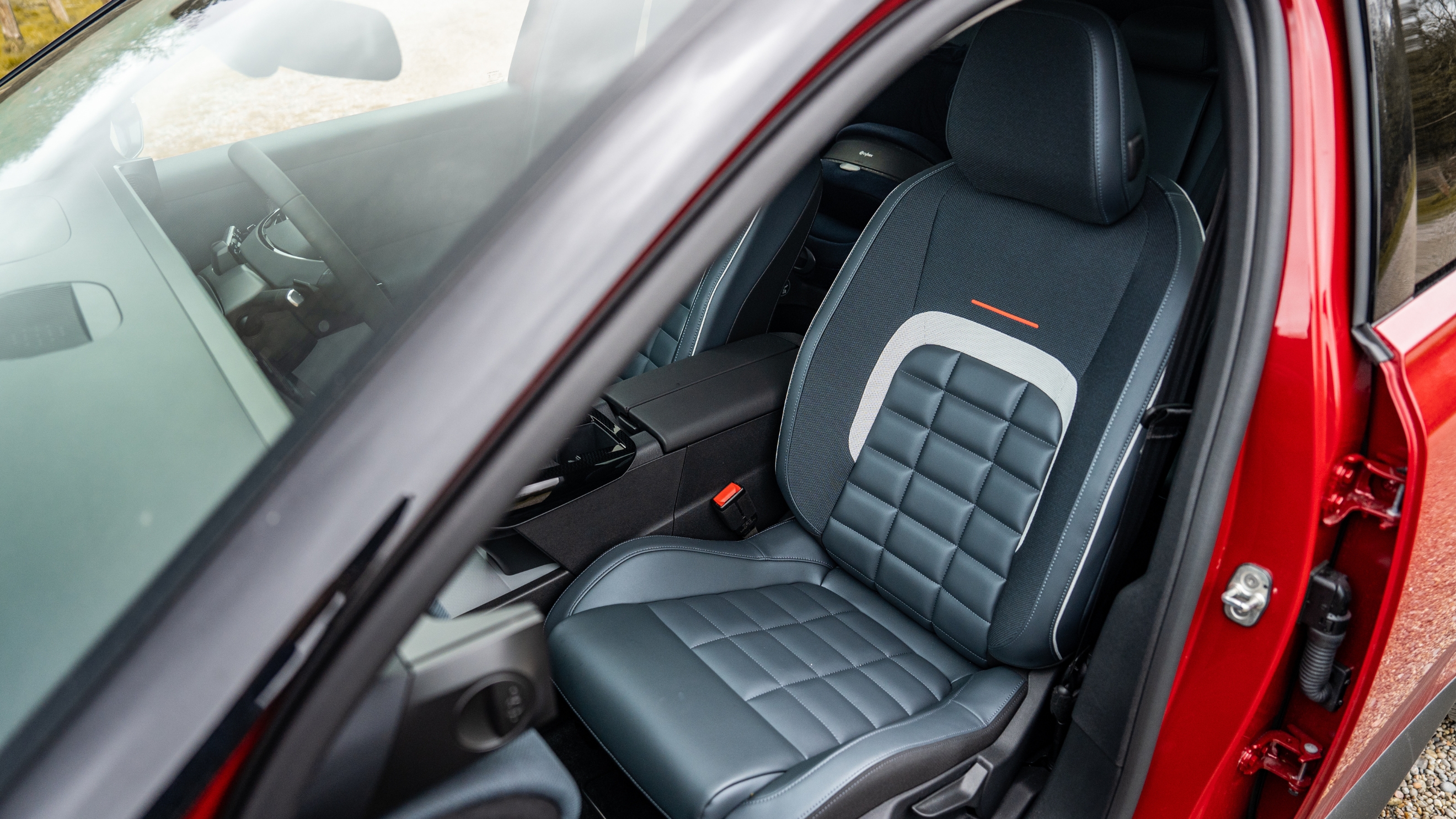
The seats help, too. Wide, soft, foamy and not remotely sporty. Credit where credit is due, they do actually feel like a sofa. Nice and squishy, but firm enough that they don’t collapse on a long drive.
Citroen, of course, has a history of prioritising comfort. From the DS to the humble 2CV, the idea was always the same, make bad surfaces feel less bad. The full hydraulic magic carpet of the DS is long gone, but the idea clearly isn’t. This feels like a modern interpretation, less dramatic and more subtle, but still focused on the same goal, and crucially, far simpler.
It might not sound exciting. But in a city where the road surface feels like it’s actively working against you, this kind of comfort starts to feel less like a luxury and more like a necessity.
Get all the latest news, reviews and exclusives, direct to your inbox.
