



25
Hyundai Ioniq 6 N
278 miles
1cc
641bhp
3.4s
Sorry kids, no we can’t give your friends a lift home, no we can’t sling the bikes in the back and I hope you didn’t have too much Nutella for breakfast, because the big green Ioniq 9 that swallowed stuff and people like a labrador at an all you can eat Chinese buffet, has gone bye bye. Daddy’s swapped it for something less practical, but a hell of lot faster and (debate among yourselves) quite a bit cooler, too.
In fact, I’d go so far as to call this a critical model for the survival of car enthusiasm as we know it. A car that petrolheads will perhaps look back on and thank for keeping the flame alive in the face of an EV hurricane.
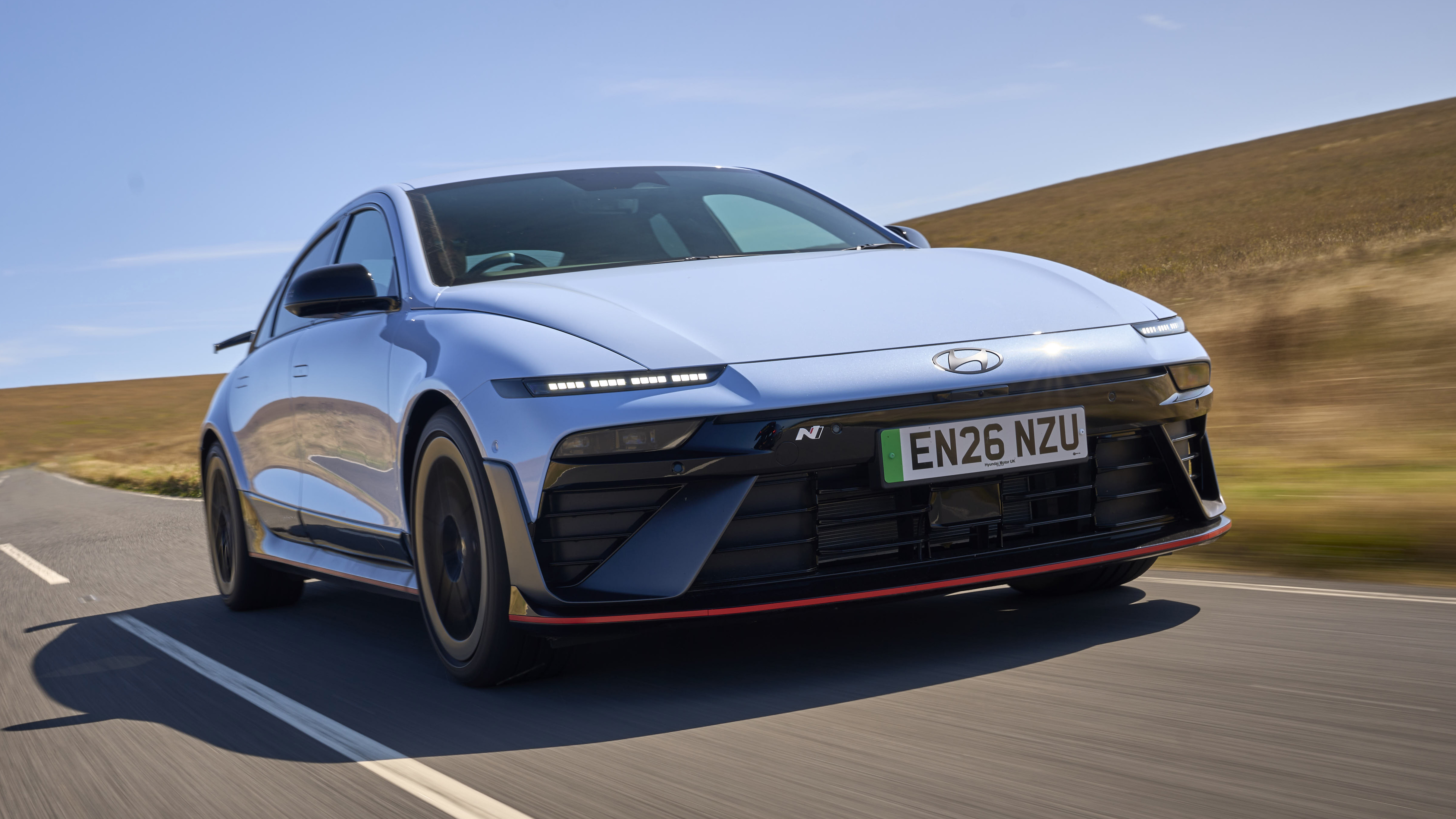
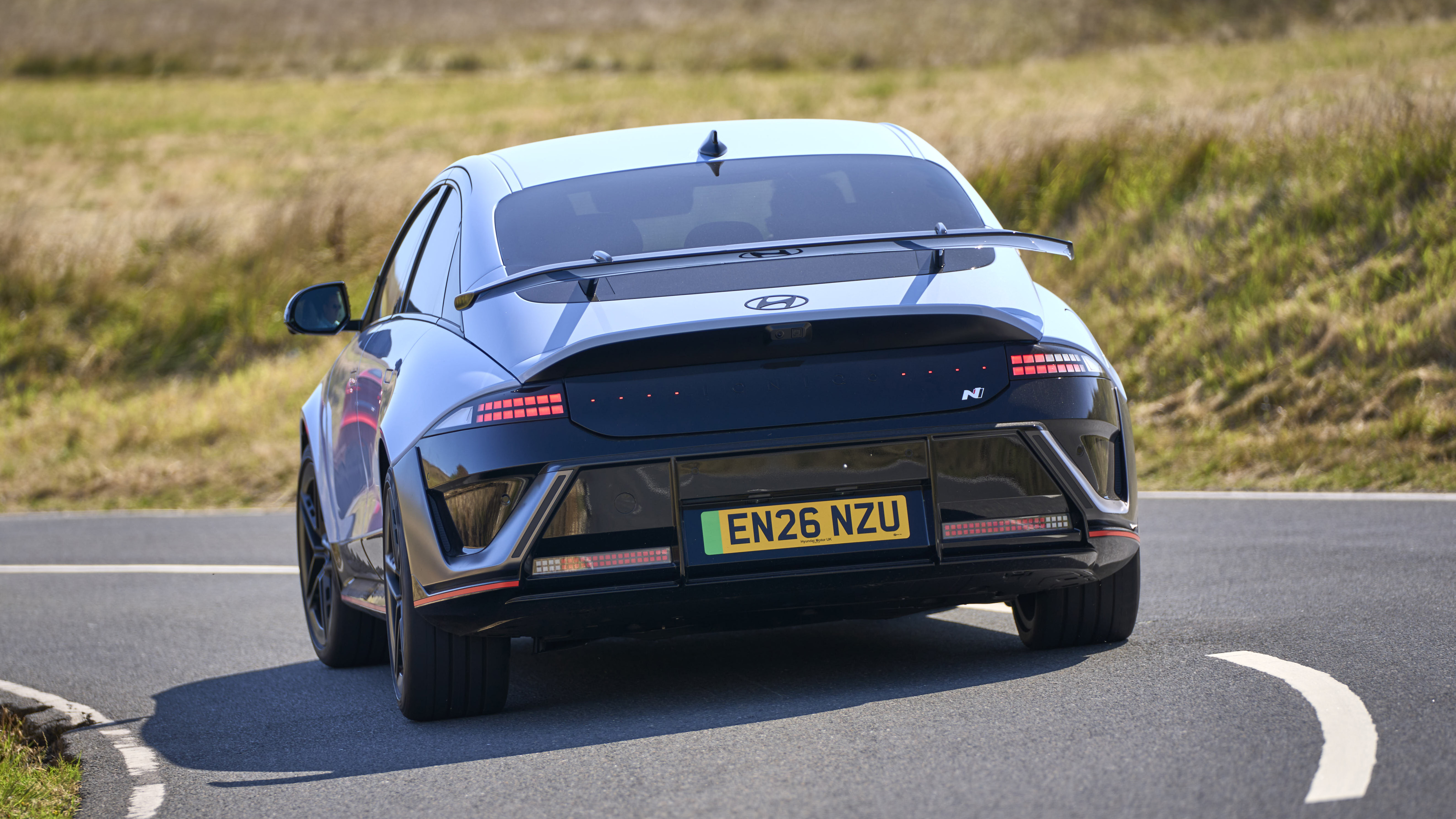
Of course, the Ioniq 6 N isn’t doing much that we haven’t already seen in the Ioniq 5 N (although it does have a lower centre of gravity and different suspension geometry to the 5) but it wraps it all up in the 6’s wild stretched-boomerang bodywork, which instantly makes the exterior more of an event.
The boot… not so much (you get 371-litres vs 480-litres in the 5 which is accessible via a much friendlier hatch, and expands to 1,540-litres if you fold the back seats down which you can’t do in the 6). However, I’m not sure I’ve seen such a luxurious amount of legroom in the back since the Skoda Superb. Or stretched Rolls-Royce Phantom.
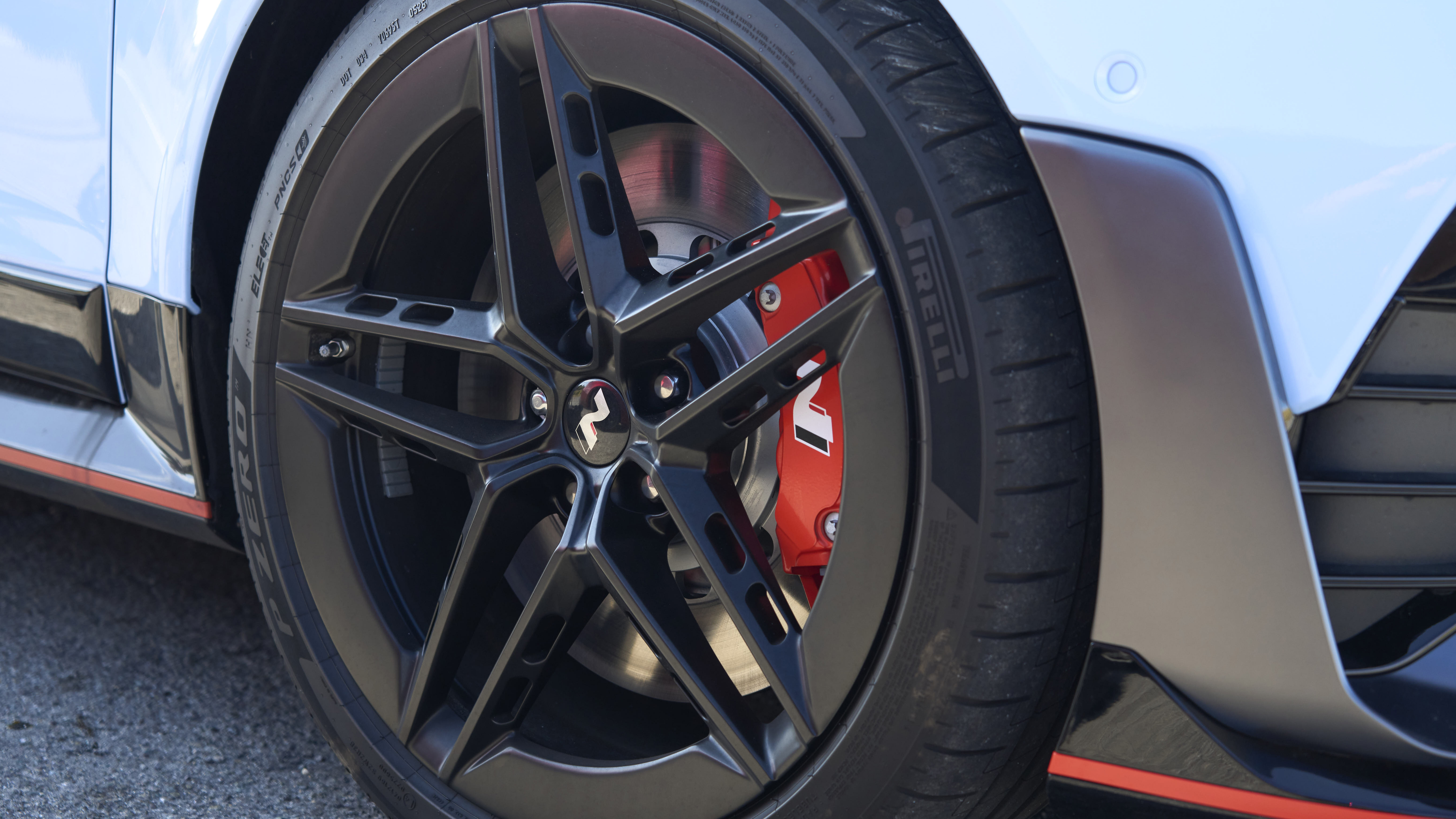
Meanwhile, the exterior add-ons: more arch, lower sills, the swan-neck rear spoiler and the £750 blue metallic paint (the only option on our car) make it look so much better than the standard 6; like a mako shark at the front, while the wing dumps a bucket of botox on the saggy rear end.
But you’re not here to discuss aesthetics, you're here for the 6N's firepower and, crucially, how it deploys. A recap then on the supercar-nagging specs: we have two motors – 234bhp at the front, 406bhp at the rear. In normal running that means 600bhp, but hit the ‘N Grin Boost’ button (I wish that was a typo, it’s not) and you get 640bhp for ten seconds, then you have to wait another 10 seconds before you can use it again.
That means 0-62mph in 3.2 seconds and a top speed of 160mph – making this as accelerative as a McLaren F1. I haven’t actually driven an F1, but I’ll bet my shoes it’s the Hyundai with its insta-kick throttle that actually feels faster.
What make this such a watershed EV for driving keenos is the box of electronic tricks it deploys to make the act of moving very fast indeed actually engaging. The list of ‘N’ modes and settings is truly boggling at first – try getting your head around N Battery, N Active Sound +, N Launch Control, N e-Shift, N Pedal, N Torque Distribution, N Drift Optimiser and all the sub-menus buried in each in a hurry and you’ll tie your brain in a knot. So I’m giving myself a running-in period, a chance to absorb what everything does and whether you should care. More on that soon.
But I'm hooked already, because the bandwidth here is so enormous - you have a comfy, head-turning, practical(ish) EV with a 300-mile+ claimed range when your life demands sanity, and more configurability than a Eurofighter Typhoon with the option to create a tyre-vaping psychopath, when it doesn’t. Two cars for the price of one.
And the movement the 5N started is rubbing off on the competition already. See Honda Super N, Taycan e-shift and the Ferrari Luce – all new EVs with gearbox-apeing software, and by the time you read this, there’ll probably be more. The shackles are off because Hyundai has proved if you do it well, there’s no shame in injecting electric cars with artificial emotion. The age of AE is upon us, and I’m in.
Get all the latest news, reviews and exclusives, direct to your inbox.
