




USA
American Revolution: Aston Martin Valhalla vs Chevrolet Corvette ZRX1
US supercars have always trailed the Europeans. Does the Corvette ZR1X finally have the firepower to scalp Britain’s finest?
Two minutes into an informal presentation about the new Aston Martin Valhalla in a pit box at the Circuito de Navarra in northern Spain, the word ‘rivals’ is used. I can’t remember the context, but that word begs an obvious question. So, I ask it. “What exactly is a rival for this car?” There’s a momentary pause before a very punchy answer...
Quite where the Valhalla sits is a topic I’ve been grappling with since reading the press info and having followed this car’s story since it was first unveiled at the Geneva Auto Salon in 2019 as the AM-RB 003. The world has changed a great deal since then, of course.
Advertisement - Page continues below
Aston Martin has its own F1 team now, so there’s no need for a Red Bull collaboration. It’s even poached Red Bull’s greatest asset, a certain Adrian Newey. But there’s also been a global pandemic, Aston Martin’s superb range of road cars have failed to convincingly turn the company around and it’s fired two CEOs.
Photography: John Wycherley & Greg Pajo


More importantly, the Valhalla has ditched the proposed all new in-house V6 engine in favour of AMG’s flat-plane crank twin-turbocharged V8 from the GT Black Series. It works in harmony with two electric motors located on the front axle and a third housed within a new eight-speed DCT. The total output is 1,064bhp and 811lb ft, with the V8 generating 817bhp and the electric motors a further 248bhp. A 6.1kWh battery provides a range of up to 14km (nine miles) at speeds of up to 80mph. Aston Martin claims a top speed of 217mph and 0–62mph in 2.5 seconds.
The chassis is carbon fibre and engineered by AMPT (Aston Martin Performance Technologies), the consultancy side of the F1 operation. It features a lower section produced by a more automated Resin Transfer Moulding process, combined with the more familiar pre-preg upper section. Aluminium subframes are used front and rear. AMPT was also heavily involved with the Valhalla’s active aerodynamics and it boasts 600kg of downforce from 240–350kph (149–217mph).
Advertisement - Page continues below
This all sounds proper hypercar stuff, right? Yet the Valhalla, limited to 999 examples, is priced from £850,000. Which is a huge amount of money but seems an absolute bargain compared to the McLaren W1 (£2m) and the Ferrari F80 (£3.1m). Or maybe it’s not. Maybe it’s a bit of a rip off compared to the 849 Testarossa and Lamborghini Revuelto, which offer similar performance and power for hundreds of thousands less? Hence the question posed in the pit box. Andrew Kay, chief engineer, pauses and then answers. “We’d like you to compare it to the F80.” Well, OK then.
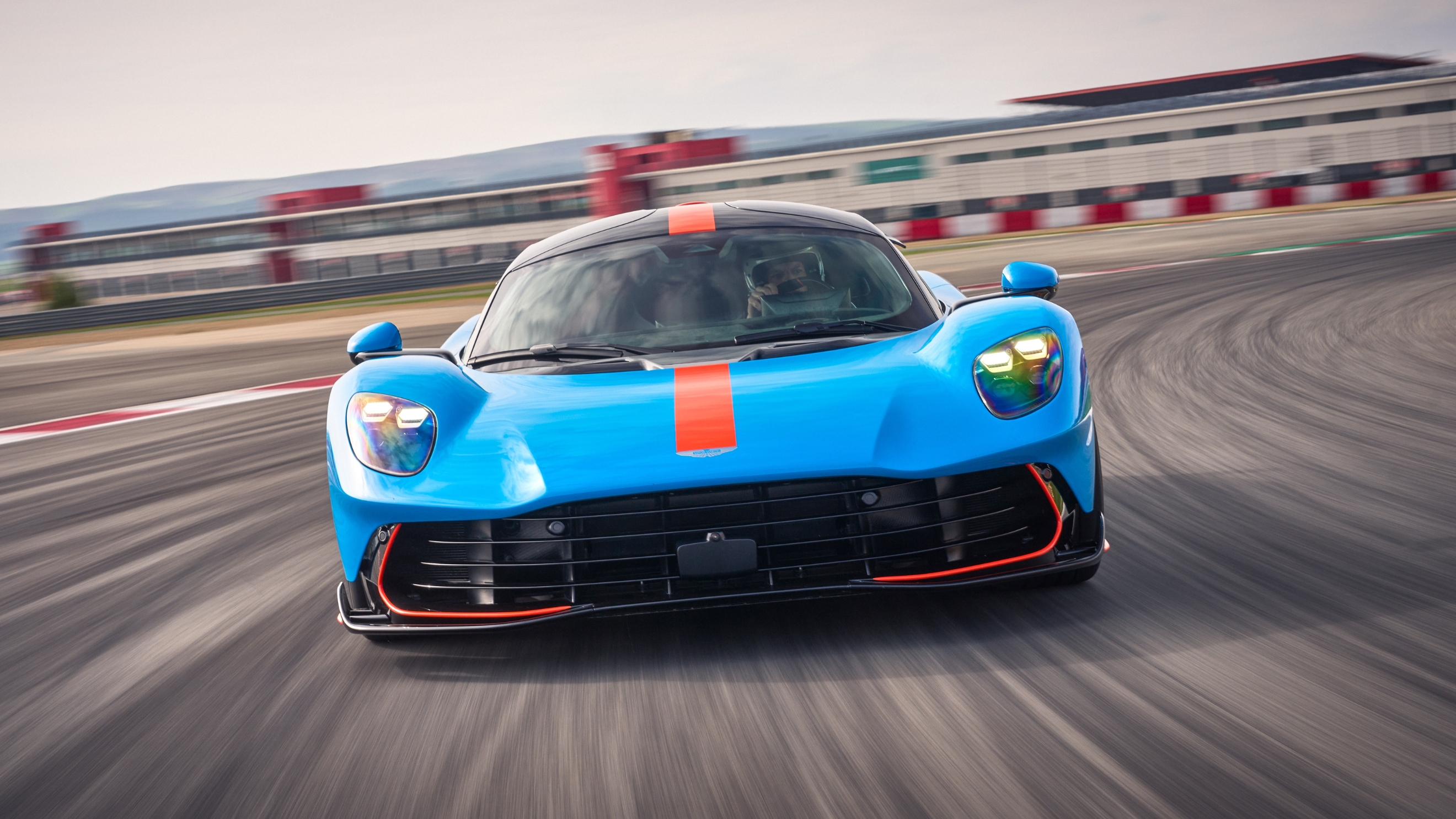
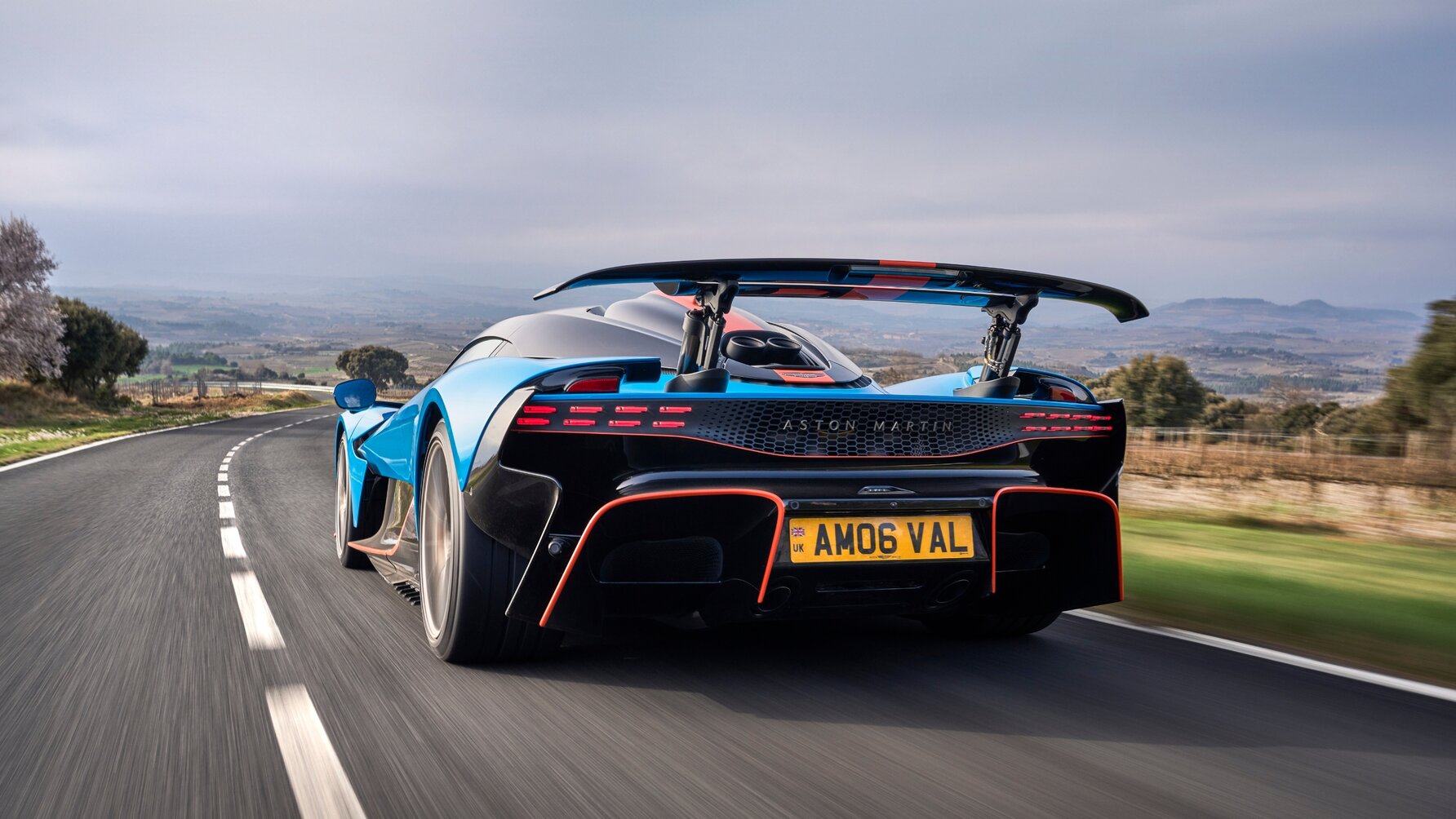
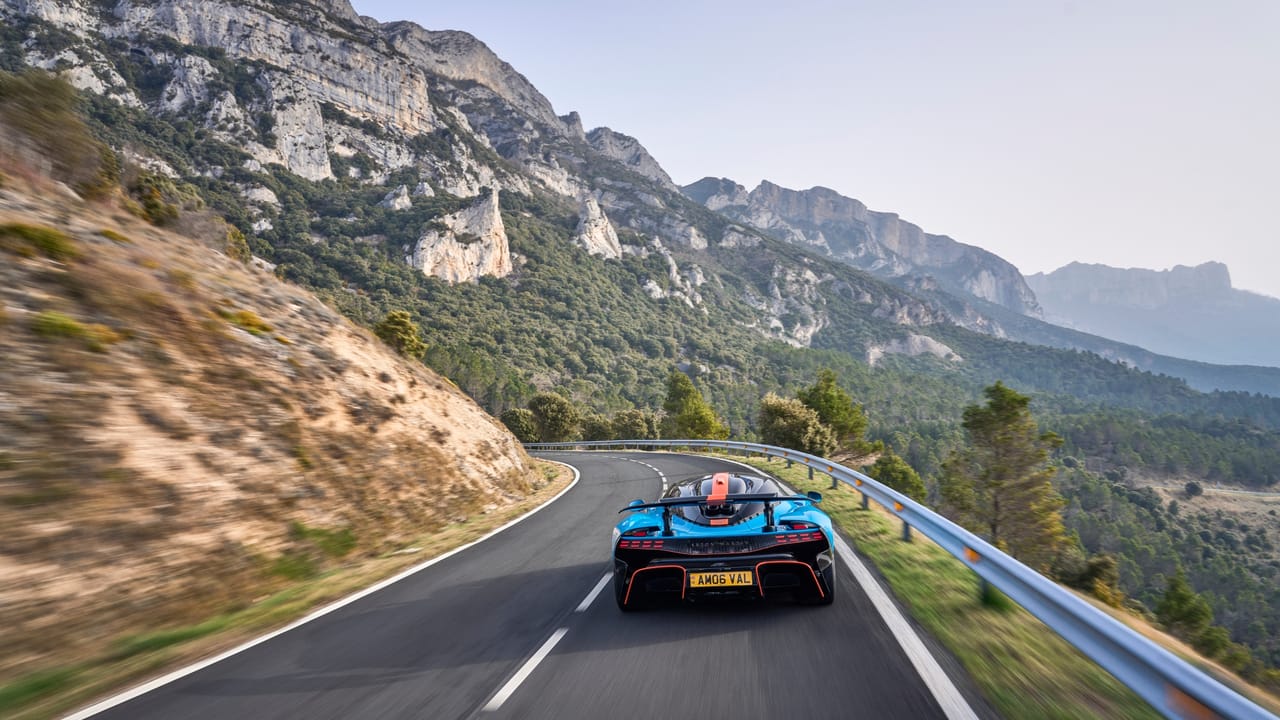
The Valhalla certainly has a high end hypercar aura about it. The shape has hints of the simply unforgettable Valkyrie, albeit softened slightly and with more meat on the bones. (Incidentally, Aston claims 1,655kg dry as compared to 1,525kg for the F80 and just 1,399kg for the W1). Even so, it’s a car that melds elegance with complexity really nicely and it feels its own thing. The Valhalla could never be mistaken for a Lamborghini, Ferrari or even McLaren. On the move and in Race mode – active aero engaged and huge rear wing raised 255mm – it looks even better.
The Valhalla has a high end hypercar aura about it
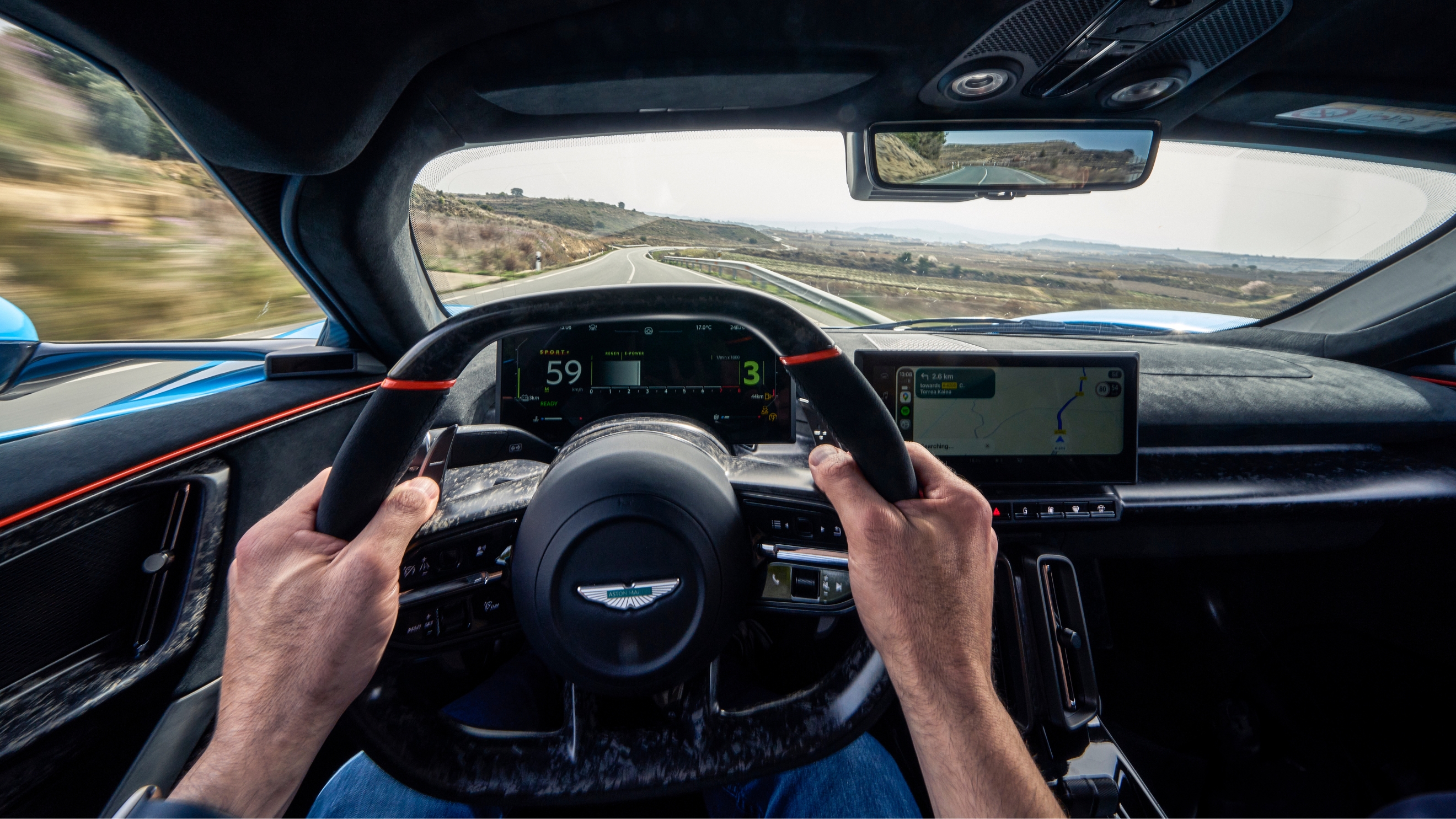
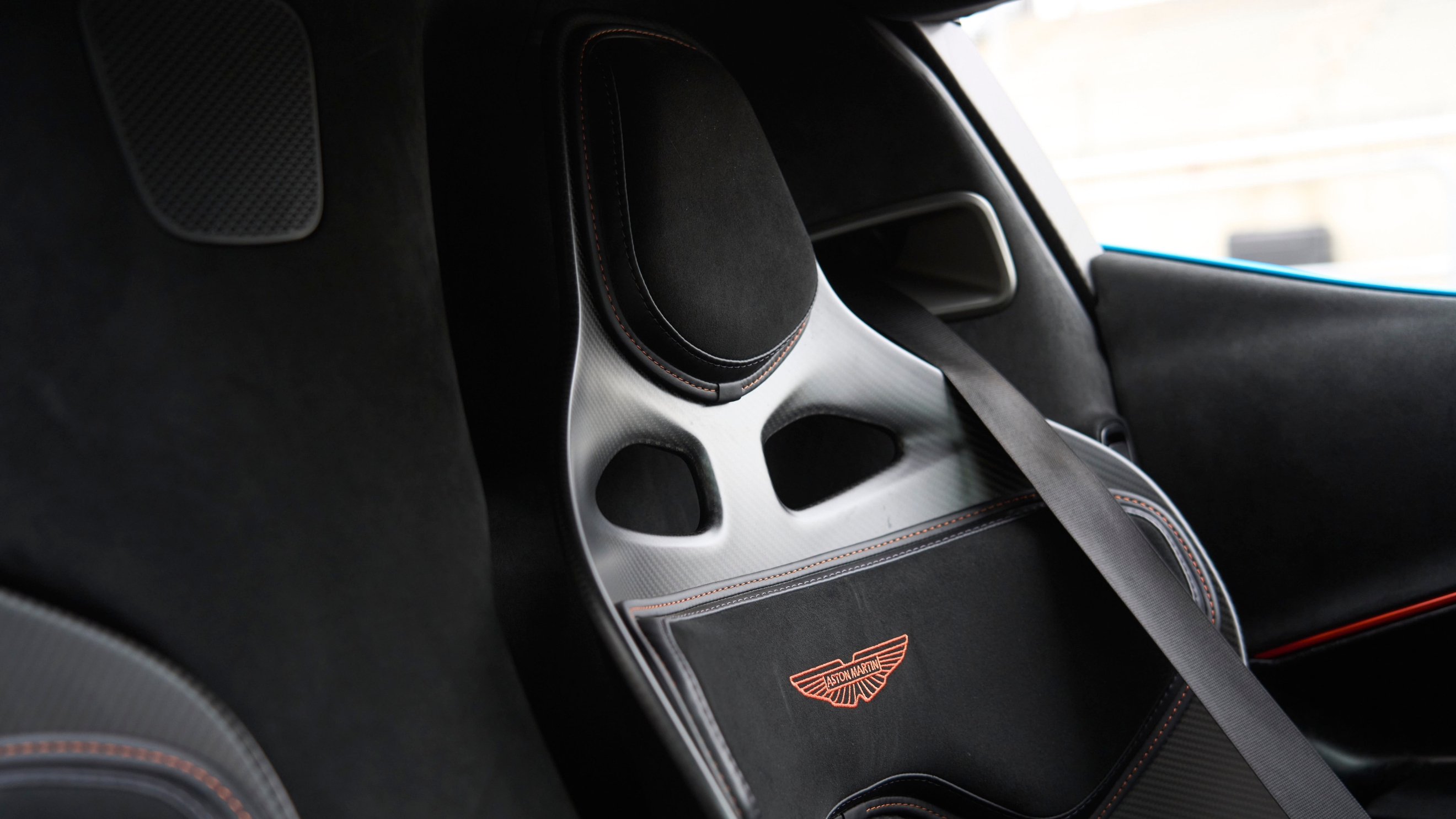
Inside it’s a new thing, too. The sumptuous, stylish and intricate detailing of, say, the brilliantly badass Vanquish cabin has not been reinterpreted. Instead, it’s simple, minimalist and, perhaps, surprisingly spartan. Our car has slightly overwhelming ‘forged’ carbon fibre everywhere, but look beyond the black marble-like pattern and there’s just two carbon fibre seats, a curved-edge hexagonal steering wheel, two screens and a handful of buttons.
The dihedral doors cut right to the tub, granting easy access to a laidback, elevated feet driving position. It’s not as extreme as a Valkyrie, but there’s definitely a hint of prototype racer about the way you sit and the view though a relatively small windscreen area.
There are good reasons for this beyond ‘because it’s cool’ and they’re all centred around the aerodynamic concept. The Valhalla also features in-board front suspension, further liberating space at the front of the chassis for a hidden but fully active underbody wing. It’s a one-piece design, the middle section acting as a gurney flap and at the sides it’s more vertical – like the sides of an F1 front wing or turning vane.
In EV, Sport and Sport Plus modes the gurney sits just below the underbody, but in Race mode it retracts to energise the underfloor turning vanes and diffuser. In combination with that active rear wing the Valhalla manages downforce to keep it consistent in a wide speed range. The wing also acts as an air brake and has a DRS function, too. In fact, it’s constantly dancing around in your side mirrors on track...
Top Gear
Newsletter
Get all the latest news, reviews and exclusives, direct to your inbox.
That’s where we begin. The engineers suggest starting in Sport Plus mode because it gives the biggest hit of straight line speed. Race mode uses a different strategy for battery deployment and is programmed for consistent performance over a full trackday stint.
I guess this means you can’t actually combine the big ticket downforce number with the full 1,064bhp and whilst there’s noticeably more acceleration in Sport Plus, the Valhalla isn’t exactly underendowed in Race. Plus, you unlock the really trick torque vectoring on the front axle. I’m in Race by about the third corner. At 50kph (31mph) the wings are active and the Valhalla is fully primed.
It takes less than a lap to know that the Valhalla does take a substantial step beyond cars like the 849 Testarossa and Revuelto. Perhaps not in raw performance terms, but just in the feel and dynamic behaviour. The chassis feels so structurally stiff and that creates superb agility. You can really chase the car hard – braking stability is awesome, it stays completely composed on the kerbs and there’s superb traction, too.
Our car has the optional and 12kg lighter magnesium wheels and is riding on Michelin Cup 2 tyres (not the extreme Cup 2R used by F80), and whilst it doesn’t produce the raw lateral G of Ferrari’s ultimate hypercar, nor quite the same mechanical intensity, the sense of purpose isn’t a million miles away.
The sense of purpose isn’t a million miles away from an F80
The V8 delivers the goods, that’s for sure. However, considering the advantages of the flat-plane crank, it seems a shame it only revs to 7,000rpm and it’s very easy to snag the limiter. It’s a hard cut too, plus the 8spd DCT seems to punish rev limit upshifts with a big thump, so it’s a double whammy that interrupts the Valhalla’s searing speed.
Generally speaking though, the gearbox is fast and punchy, even if it lacks the manic, precise fury of Ferrari’s finest. To be fair, nobody does it quite like Ferrari. Even so, I’m having a great time in the Valhalla. The sharp chassis has moments that are reminiscent of Valkyrie. Mostly in the way the car turns in so precisely and immediately creates a bit of yaw or rear-axle slip. Nothing that requires correction, but instead a feeling that the car is hyper agile and up on its toes.
The ESC system actually uses the front e-axle to counter slip by adding power wherever possible – driving you out of trouble – rather than cutting progress, and it’s really effective. Press and hold the ESC button and you activate variable traction control, which defaults to level five. Click upwards for more freedom, turn down for greater intervention. Level nine is fully off.
Completely unhindered, the Valhalla is fantastically exuberant when you wish and it cleverly mixes the more lap time orientated approach of something like an F80 or even Valkyrie with the more indulgent, dramatic style of, say, the Revuelto.
It has a deliciously adjustable balance but is also extremely satisfying to try to string together a qualifying type lap. It feels very consistent, too. The steering is quite light and it takes a while to fully dial into, but there’s no question that the Valhalla is a new flavour, one that’s beautifully resolved, entertaining and effective. And fast. Really fast. The front motors clearly empower the balance and traction but are almost invisible when the car is at the limit, too.
On the road, all the texture and colour that’s lost in the binary nature of the track floods in. Sport Plus mode adds an even more playful feel to the chassis due to e-diff tuning and the programming for the electric motors, and you can separately adjust the suspension should things get really choppy. I find the softest setting a bit too free, but it could come into its own in the UK.
Even better, the Valhalla finds its voice. The V8 is hard edged rather than musical but there’s loads of cool turbo noises and the whirr of electric motors, which creates an ever changing soundscape and injects plenty of character. It calls to mind Le Mans Hypercars, which is ironic considering the Valkyrie is the only non-hybrid entry in top level endurance racing these days.
As you’d expect, the performance feels even more extraordinary. To the point of absurdity, honestly. However, that’s no different to any car of this configuration. But that unique blend of precision and indulgence revealed on the circuit is still very much evident.
The Valhalla rides superbly and feels incredibly useable, yet there are times it delivers proper motorsport thrills or simply slides effortlessly out of a corner like a lower, wildly faster Vantage. It’s a fantastic, multifaceted experience.
The only great tragedy is that the complex hybrid architecture and in-board front suspension leave no room for any form of luggage compartment. Insane, but true. Perhaps an £850,000 hypercar with a chassis and aero designed by an F1 team doesn’t need to be too concerned with practicalities. Yet, when the end product melds breathless thrills with genuine comfort and refinement it seems a shame that the use case for Valhalla is so diminished.
So, is it a cut-price F80 or McLaren W1? Not quite. We haven’t driven the W1 yet, but the F80 is a much more furious, high energy experience that has a steely purity of purpose. It pulsates with motorsport intent and hence hits higher peaks. The Valhalla finds a different path. It feels light, accurate and wickedly fast and can be driven with real aggression, but Aston Martin has also managed to weave in plenty of the warmth of character of its more traditional cars into this cutting edge platform.
The end result is unique and compelling. A step beyond ‘normal’ supercars but not quite as uncompromising as the wildest hypercars. Oh god, do we need another category? For now, let’s just say it’s a hell of an achievement and a riot to drive. Aston Martin has nailed it at the first time of asking.
Did we just use ‘£850,000’ and ‘bargain’ in the same sentence whilst discussing the Aston Martin Valhalla? Well, yeah. In terms of the European bluebloods it does compare very favourably to cars with similar technology from Ferrari or McLaren. Compared to the truly out there models offered by the likes of Koenigsegg and Pagani? It’s a steal. We’ll stick to our guns. The Valhalla is phenomenal value.
Just don’t mention the Corvette ZR1X. This is a car that exists outside of normal parameters and in many ways renders every sports car, supercar or hypercar you can mention as a fluffy, overpriced indulgence. You just bought a GT3 RS to go fast at trackdays? Sorry, the ZR1X will go faster (much, at most tracks) for $150,000 (£112,000) less after dealer markup. But you have an order in for an 849 Testarossa for a hit of insane straight line performance? Well, that’s cool, but the ZR1X’s 5.5-litre twin turbocharged V8 engine has more power than the Ferrari’s entire powertrain, consisting of its own blown V8 and three electric motors. Oh, and it costs $350,000 (£262,000) less.
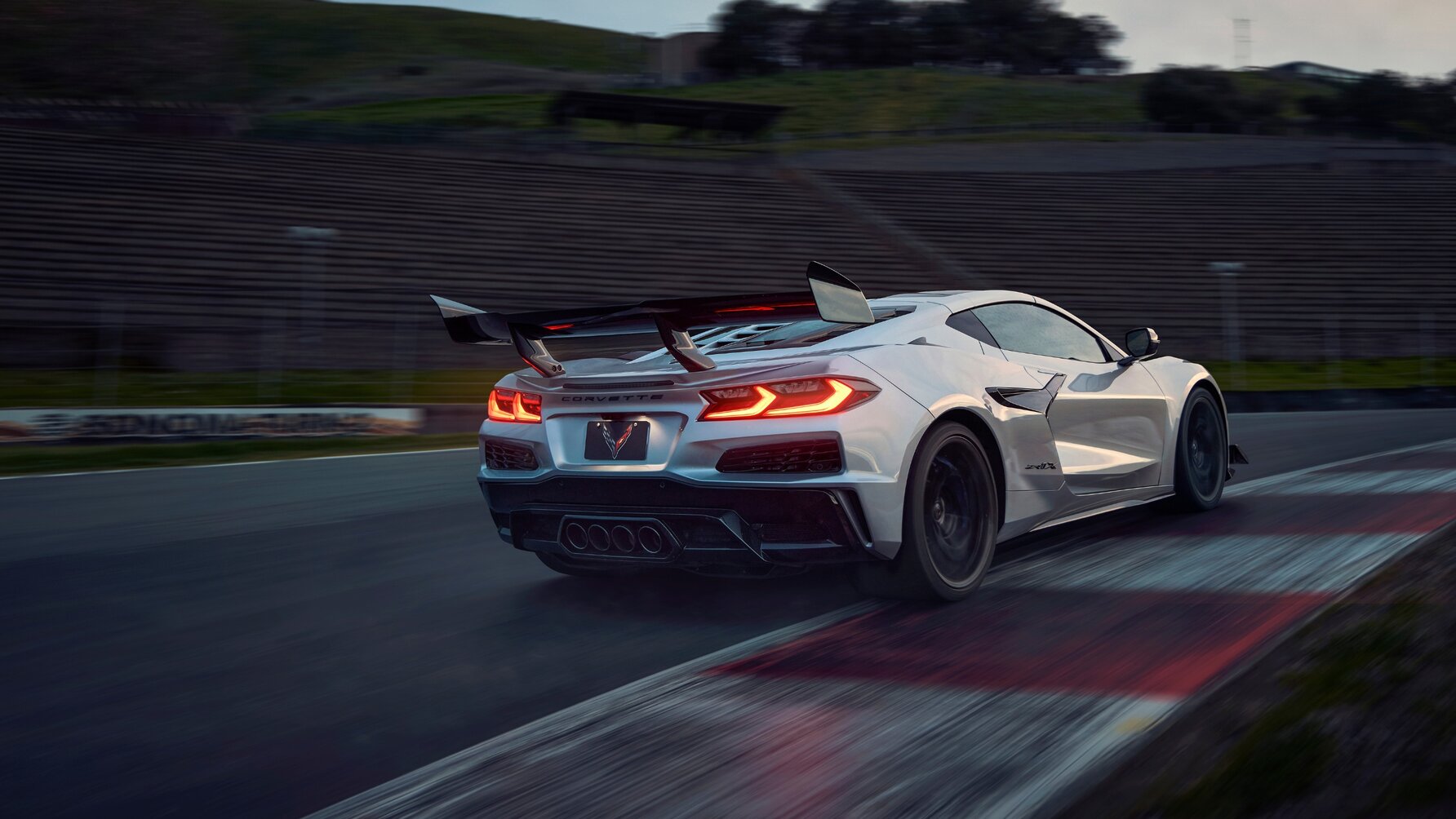
You can extend this logic all the way up to cars costing many millions. You see, the ZR1X has 1,250bhp. Which outguns the Ferrari F80. It rips around the ’Ring in 6:49.275. I’d love to tell you how this compares to most hypercars, but the manufacturers of those machines are either too scared to set a time and face being humbled by a Corvette or simply don’t have the budget to even consider embarking on such an endeavour. So often these wonderful and strange spaceships are a large part myth and fiction to go with the carbon fibre jewellery and ostrich leather interiors. The ZR1X was conceived and engineered in Detroit, which means it’s real and doesn’t buy into fairy stories. It costs from $207,395 (around £155,000). We recently drove a Ferrari Purosangue with options totalling more than a well specced ZR1X.
As if to underline the ZR1X’s anti-bulls*** philosophy, the launch venue is Sonoma Raceway, a notoriously challenging and slightly scary track about 60 miles north of San Francisco. When I ask an engineer how they settled on this place, the answer is revealing. “We know Sonoma has a reputation,” he begins. “So, we figured that showcasing the car here would underline how easy it is to drive fast. I guess it was a point of pride.”
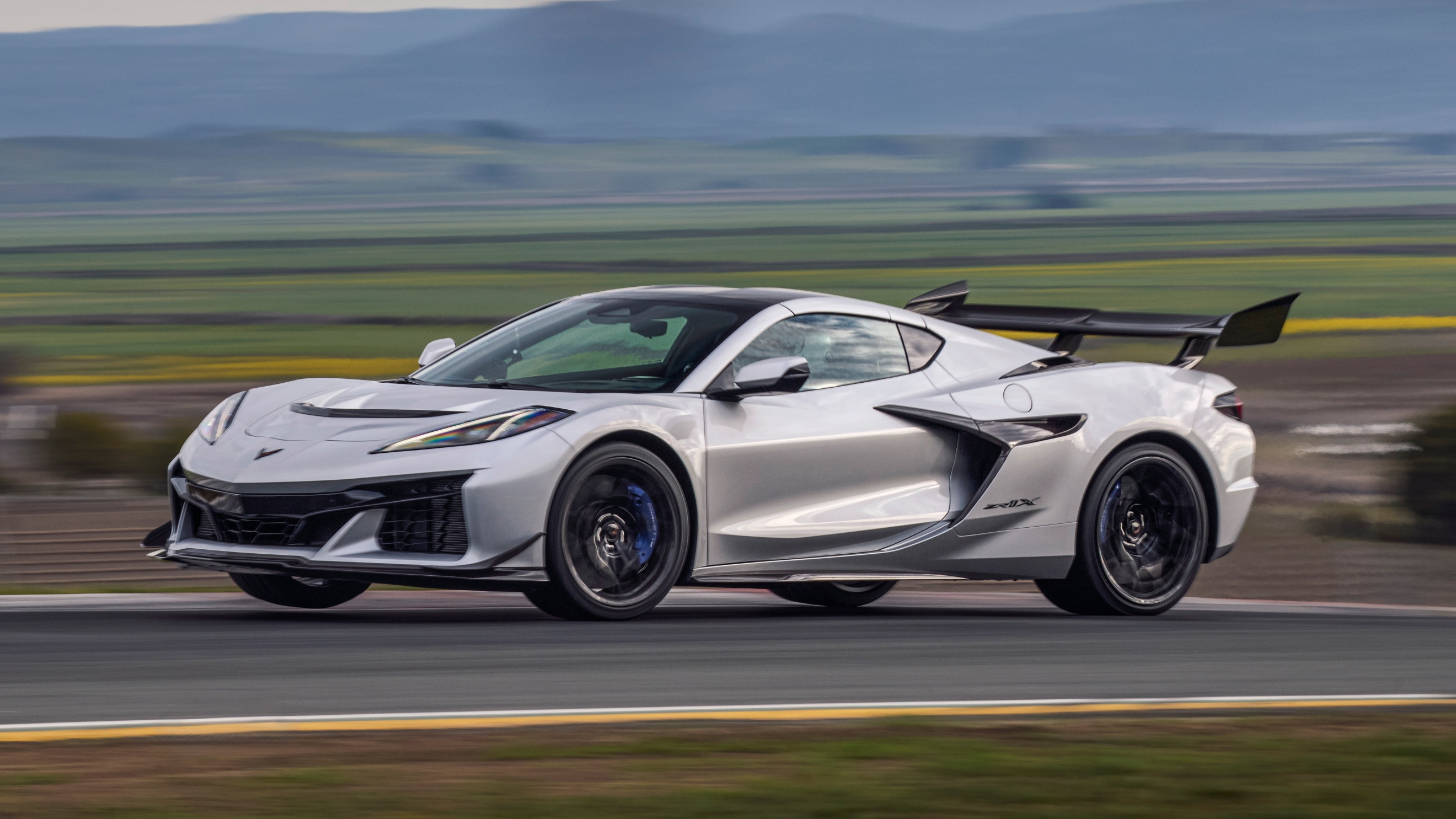
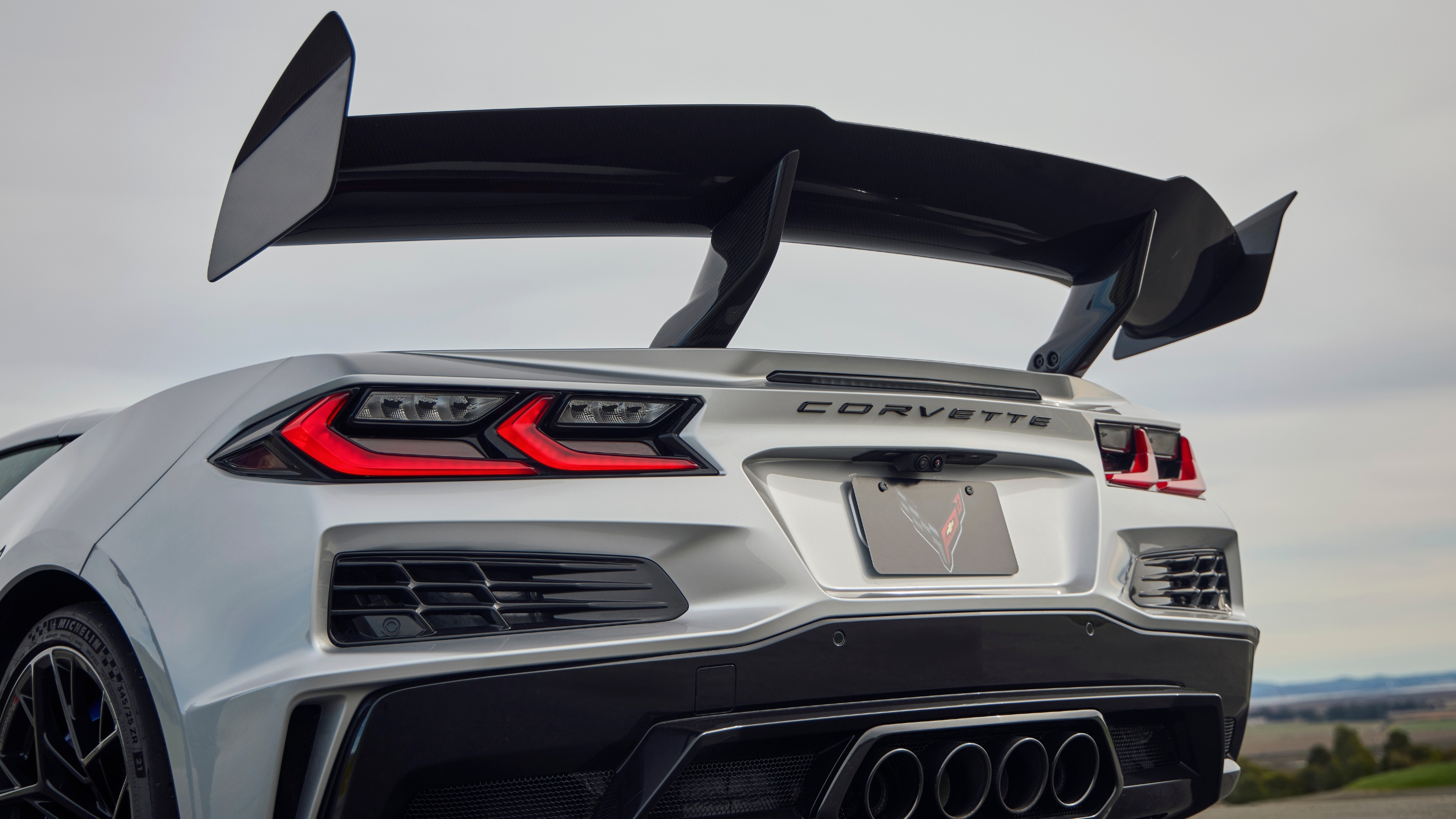
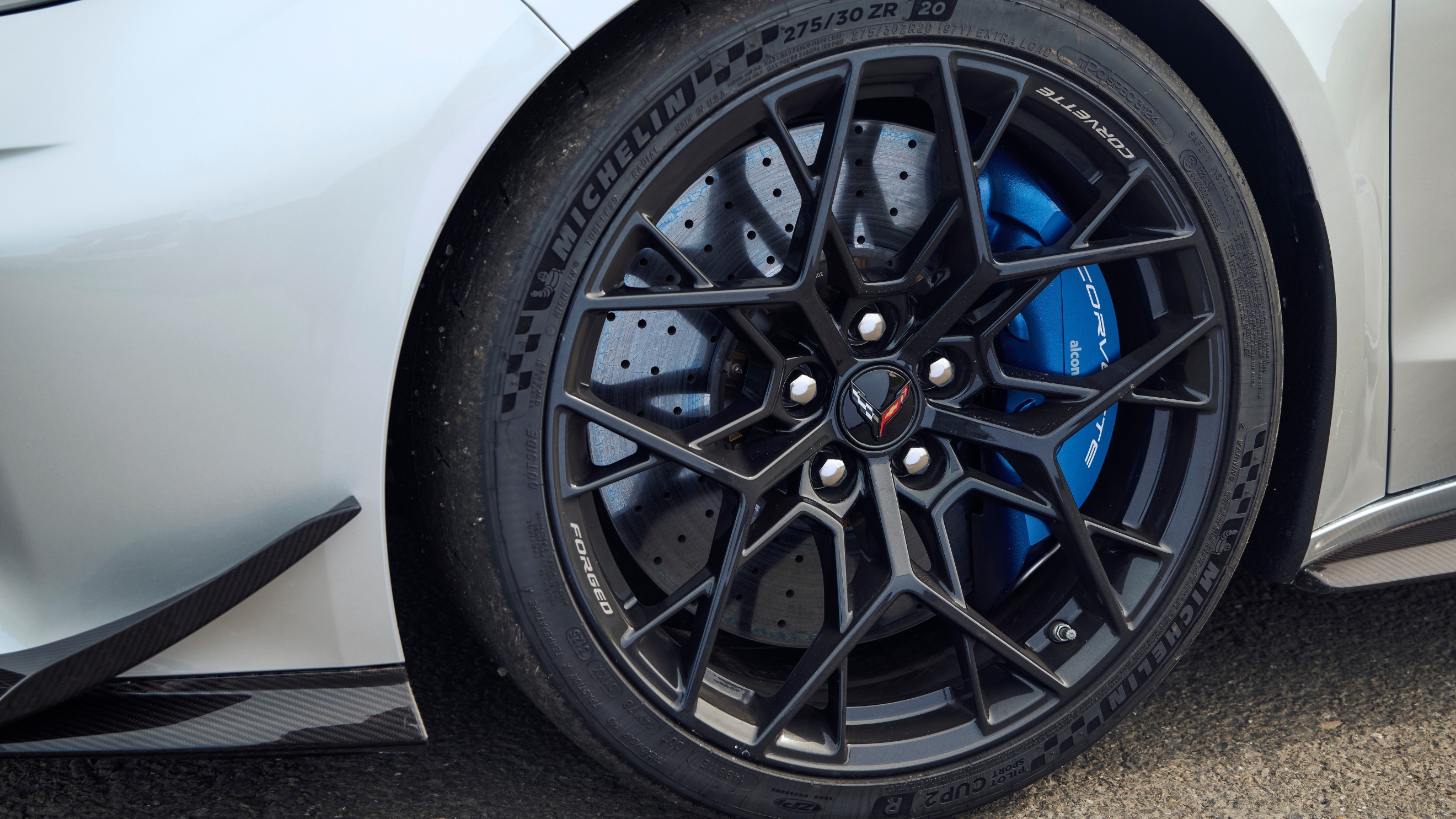
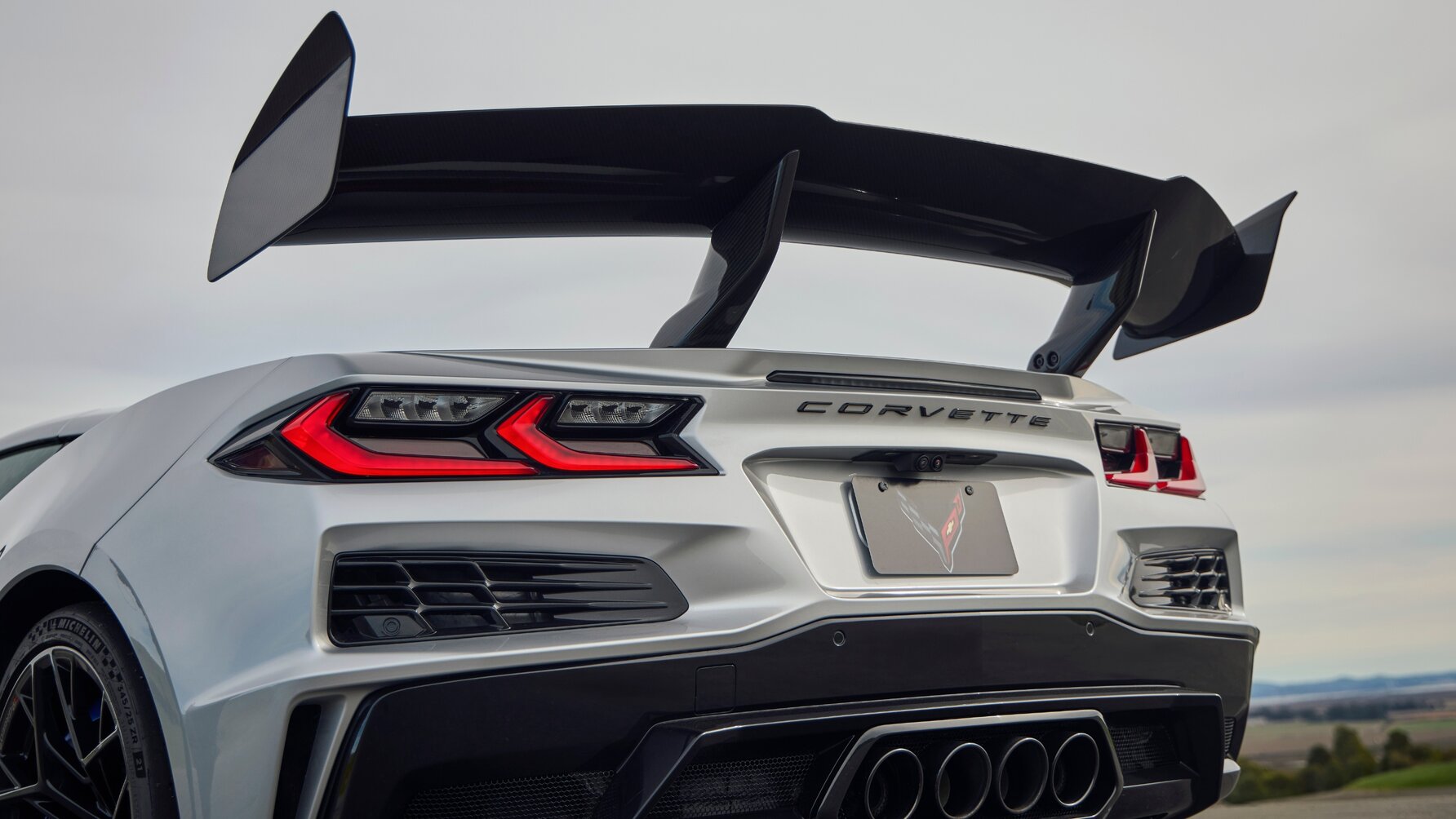
There are other signs this is not like most 1,250bhp mid-engined hybrid hypercars, too. Like, the fact there are 16 cars in all sorts of different colours and specifications ready to go. Our car for the racetrack is Blade Silver and fitted with the ZTK Track Performance Package, which brings Cup 2R tyres, a more aggressive tune for the MagnaRide suspension and includes the Carbon Fiber (sic) Aero Package. It costs an extra $11,995 (£9,000). Later we’ll experience Sonoma’s dragstrip and the surrounding roads in a Sebring Orange car with the Pilot Sport 4S tyres and more road-orientated suspension tune (although it still has the Carbon Fiber Aero Package, a $10,495 (£7,850) standalone option). Laps, drag passes and road driving... Corvette isn’t hiding anything with the ZR1X.
Corvette isn’t hiding anything with the ZR1X
Nor should it. On the track it’s wickedly fast and displays incredible endurance. Plus, there’s fine balance, literally mind-boggling traction and a powerful feeling that the ZR1X is always swinging, ready to take on anyone and anything. In that respect, Corvette’s new monster reminds me of the Nissan GT-R when it arrived on the scene and literally smashed the competition into little pieces. It can’t be Godzilla. The A-Bomb, maybe?
In simplistic terms the ZR1X marries the absurdly potent ZR1 platform (1,064bhp from that mighty LT7 engine) with the E-Ray’s front e-axle. The target was to retain the ZR1’s sense of agility but add even more stability and enhance traction with that single front electric motor, which offers an additional 186bhp and 145lb ft. A small 1.9kWh battery is located in the centre spine of the car between the front seats. It’s a simpler system than the Valhalla’s but there’s no denying its effectiveness. However, what torque vectoring there is on the front axle is done by braking, rather than with a motor per wheel.
Don’t think this isn’t a sophisticated car. Yes, it trades a carbon fibre chassis for aluminium, but there are multiple drive modes, the excellent Performance Traction Management system, MagnaRide dampers, an e-diff and various strategies for deployment. ‘Qualifying’ is the default setting and will burn through all the battery power in one lap of a ‘normal’ track.
Press the little battery symbol on the steering wheel for Endurance mode. This will give strong, consistent performance over a full tank of fuel. Either mode also allows a ‘Push to Pass’ system, which is operated by thumbing the cruise control toggle upwards and deploys maximum power until you lift from full throttle.
For the dragstrip, it’s just a matter of mashing both pedals at the same time to activate launch control, releasing the brakes and focusing way down the course. The ZR1X doesn’t so much scrabble for grip as momentarily shudder and then explode into the distance. On our third run we record 0–60mph in 1.9 seconds, 0–100mph in 4.0 dead and the quarter mile in 9.03 seconds at 157mph. It will go quicker, but on a cold day this feels about the limit. And slightly nauseating.
On the road, even with rain falling, many of the learnings from the track remain valid. The ZR1X feels bigger and heavier than, for example, the Valhalla and there isn’t the stunning agility and precision of Aston’s new hypercar nor something like the Ferrari 849 Testarossa. However, it’s still deeply impressive, wonderfully useable and the e4WD setup is very well judged. The steering is heavier than the ZR1’s, adding a sense of heft to the experience, but there’s no question that the X treatment brings a huge boost in confidence. Better yet, that added security doesn’t create a dulled experience. In fact, the driven front axle doesn’t feel intrusive or unnatural until you’re actually some way over the limit and it’s working out how best to save you from yourself.
So, there are areas you can criticise: the ’box is good but doesn’t zing like a Ferrari. The chassis is predictable and adjustable but doesn’t snap with the startling agility of a GT3 RS. The steering doesn’t pull you into the experience with the raw feedback of a McLaren 750S and there certainly isn’t the furious, heart-thumping excitement of a car as extreme and specialised as the F80. The flipside is the usability, the space for luggage, the character and firepower of that incredible V8 and, of course, the price.
The ZR1X is an everyday sportscar with superhero attributes. It truly does exist in its own universe and nobody is cross shopping a Corvette and a Valhalla. If they were? The theatre, engineering artistry and adrenaline rush of the Aston is irresistible. But dollar for dollar? It’s not even close.
Trending this week
- Car Review
Land Rover Range Rover Electric