

11
The thing that everyone said would happen for years is finally happening. Here’s a full rundown
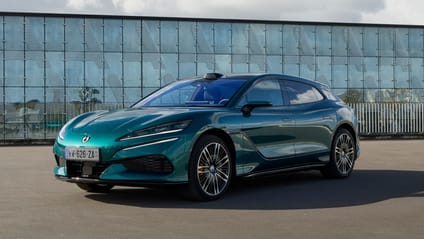
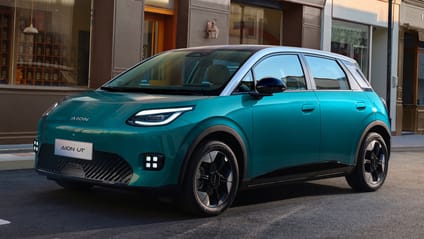
Who are they? An electrified sub-brand of Chinese state-owned manufacturer GAC, focusing on mass-market EVs and hybrids. Its USP is the ‘Great Eight’ promise – eight years of warranty, servicing, breakdown cover and MOTs as standard with each car.
Who’s the target audience? Families, mostly.
When did they arrive in the UK? Spring 2026.
How massive are they in China? Reasonably big. Parent GAC is ‘only’ the fifth-largest carmaker in China, but Aion’s cars have proven popular in its home market, and it was the first Chinese brand to sell a million EVs.
Most notable model? The one we find most interesting is the VW ID.3-rivalling UT, but the one most people will probably buy is the V, a boxy mid-sized crossover.
Where will they be in five years? It’s too early to say whether Aion will be able to pull the same trick as some other newcomer Chinese brands and become an instant success in Britain, so ask us again in a year.
Should I buy one? We’ve driven the V in Britain, and found it… fine. Nothing to write home about, but not awful. That said, Aion is entering busy parts of the market full of talented cars, so that Great Eight thing is going to have to do some heavy lifting if it’s going to establish itself.
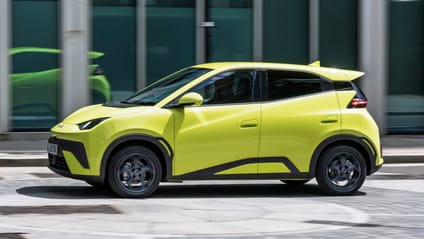
Who are they? An absolute behemoth of the Chinese car industry – one of the first to expand overseas, and now the single biggest maker of EVs in the world. Yes, ahead of Tesla. Oh, and despite what the back of some of its cars say, it doesn’t actually stand for ‘Build Your Dreams’ – BYD is a romanisation of Biyadi, its original Chinese name, and the Build Your Dreams thing is a slogan made up off the back of that. The more you know.
Who’s the target audience? Lots of people – its UK range covers small hatches, trad saloons and estates and gazillions of crossovers in both full electric and hybrid forms.
When did they arrive in the UK? Early 2023.
How massive are they in China? Massiver than almost everyone else – BYD has generally been the best-selling car company in China for the last couple of years, or at least hovering very close to the top.
Most notable model? We’ll have to go with the Dolphin Surf. At under £19k, it’s one of the cheapest EVs you can buy in Britain, and it’s one of the best-selling cars in China, where it’s called the Seagull and thus presumably is constantly trying to nick people’s chips.
Where will they be in five years? Very much still here. BYD’s already comfortably outselling brands like Citroen and Honda in Britain, and it’s currently building a factory in Hungary to become one of the first Chinese brands to establish a European manufacturing base.
Should I buy one? There’s a good question. None of the BYDs TG’s driven so far has managed more than a 6/10 review score, but you generally do get a lot of kit for your money. How much does that matter to you?
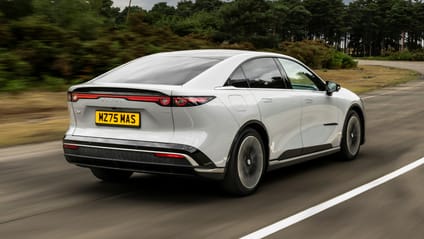
Who are they? A state-owned car company, and one of China’s oldest carmakers – it’s been building cars since 1984, and has existed in one form or another since 1862. Its first UK offerings, the electric S05 and S07 crossovers, are sold under the separate Deepal sub-brand in China, but here they’re Changan Deepals.
Who’s the target audience? Changan’s looking to poach buyers of sporty, premium European cars, which is why it has a design centre in Turin and an R&D outpost in Birmingham.
When did they arrive in the UK? Its first cars went on sale here in the autumn of 2025, but it’s been playing the long game, having established its British R&D centre back in 2010.
How massive are they in China? Pretty massive. It was the first Chinese manufacturer to sell over 20 million cars in total, and it remains one of the country’s most popular domestic brands.
Most notable model? Tough one, because you’d be hard pressed to tell either of its current UK offerings apart. The one we’re most interested in isn’t technically a Changan, because the handsome but flawed Mazda 6e is a product of a joint venture with the company.
Where will they be in five years? They’ve not really been in Britain long enough to make much of a splash yet, but if anyone else is going to attain BYD levels of success, Changan seems like a good shout.
Should I buy one? Its UK offerings so far definitely drive with a bit more verve than we’ve come to expect from Chinese EVs, and they’re priced competitively, but interior grumbles remain. Depends on your priorities, basically.
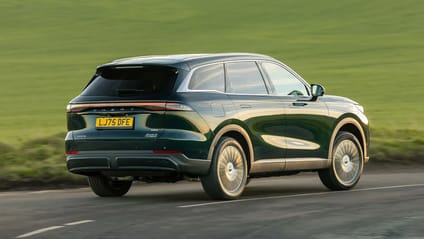
Who are they? A long-standing (by Chinese standards) manufacturer, Chery has been around since 1997, and is China’s third-biggest carmaker thanks in part to its many sub-brands, of whom more shortly. Unusually for a Chinese brand, it doesn’t sell any EVs in Britain – it’s hybrid or pure petrol for now.
Who’s the target audience? Chery is going big on the family angle, with an exclusively crossover lineup including two different seven seaters.
When did they arrive in the UK? Autumn 2025.
How massive are they in China? As mentioned above, fairly massive, although the Chery brand itself only makes up part of the company’s overall output. It’s still a major player, though.
Most notable model? Tricky one, this, because confusingly, all of Chery’s UK models so far are called the Tiggo followed by a number denoting their size. The most impressive one we’ve tried so far is the largest, the Tiggo 9.
Where will they be in five years? Chery’s been one of those brands with a particularly impressive trajectory – it’s barely been in Britain half a year, but so far in 2026, it’s outsold brands like Dacia and Honda. By that metric, it ain’t going anywhere.
Should I buy one? Quite possibly. Again, the range is a mixed bag, but the performance, equipment and value offered by some models, particularly the Tiggo 9, certainly makes them worth a look.
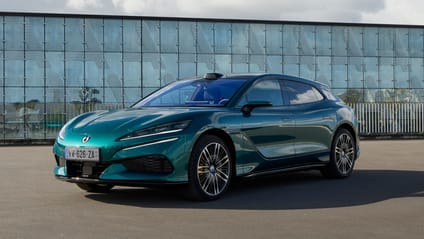
Who are they? A luxury sub-brand of BYD – think Lexus to Toyota. It actually started life in 2010 as a joint venture between BYD and Mercedes, but Merc has nothing to do with it these days.
Who’s the target audience? Well, its first two UK models are set to be the Z9GT, a low-slung, high-performance electric estate, and the D9, a big, posh people carrier a la Lexus LM. So your guess is as good as ours, really.
When do they arrive in the UK? Summer 2026.
How massive are they in China? They weren’t particularly until a few years ago, when sales took a massive uptick. They’re still a comparatively niche brand, but growing quickly.
Most notable model? The Z9GT. Besides being a fast estate, which we’re always a fan of, it’s a capable thing that’s set to benefit from a specific setup to appeal more to European tastes.
Where will they be in five years? Tricky one. So far, all the Chinese companies that have excelled in Britain have done so by being budget-friendly, so whether the appetite is there for a posh brand remains to be seen.
Should I buy one? See above – while Denza’s cars will probably undercut European rivals on price, brand image matters a lot more in this part of the market, so the products will have to really excel to be worth considering.
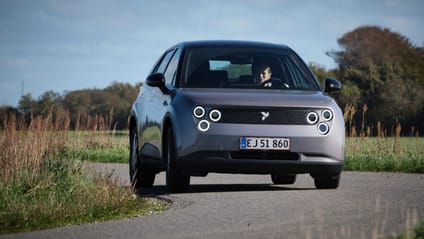
Who are they? A sub-brand of rapidly growing carmaker Nio, focusing on small but stylish EVs.
Who’s the target audience? Mostly young, style-conscious urbanites.
When do they arrive in the UK? At some point in 2026.
How massive are they in China? Well it’s only been around a year or so, but it’s already shifted 50,000 cars – admittedly, that also includes some other Asian and European markets.
Most notable model? There’s only one at the moment, and it’s just called the Firefly – a boxy, retro-influenced hatch with more than a little Honda e about its looks.
Where will they be in five years? They’re a bit too new to say, but there’s always an appetite for small, funky hatches like this.
Should I buy one? We’ve had a go in a Firefly in Denmark and came away impressed, but over in Europe, it costs around £25,000 – if it’s similar money here, then it’s going to be very hard to recommend over a Renault 5.
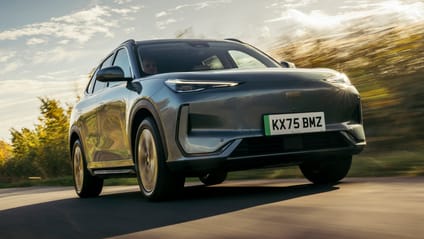
Who are they? China’s second-biggest carmaker after BYD, and one that’s had a presence in Europe for a while through its ownership of companies including Volvo and Lotus, but has recently entered the market with its own brand.
Who’s the target audience? Again, Geely is positioning itself as a family-friendly brand with a range of sensible EV and hybrid crossovers.
When did they arrive in the UK? Late 2025.
How massive are they in China? Mahoosive – solid China figures are hard to pin down, but Geely and its sub-brands sold over three million cars globally in 2025, the vast majority in its home market.
Most notable model? The EX5, its mid-size EV crossover, was apparently tuned for the European market by Lotus. Which part of Lotus isn’t clear – not the same people who did the Emira, seemingly.
Where will they be in five years? Probably still here. Geely is a massive company, and is already racking up strong UK sales just a few months after entering the market.
Should I buy one? Do you literally just want Some Car? Geely’s range is for you.
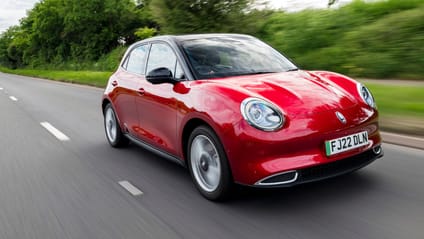
Who are they? Short for Great Wall Motor, GWM is one of China’s older car companies, having been set up in 1984. In China, it sells cars under an array of different brands, but they’re all marketed under GWM here.
Who’s the target audience? We have no idea. GWM’s range currently consists of the generic (and rubbish) Haval Jolion Pro crossover and the POER300 pickup truck. The bug-eyed electric hatch infamously launched as the Funky Cat and later renamed the 03 was recently dropped in Europe.
When did they arrive in the UK? Initially way back in 2013, with a basic but cheap pickup called the Steed. They disappeared after a few years, then came back with the Funky Cat in 2022.
How massive are they in China? They sold around 1.3 million cars worldwide in 2025, which is big but not huge by Chinese standards.
Most notable model? Did we mention that they sold a car called the Funky Cat?
Where will they be in five years? GWM is proof that not any old brand can turn up and instantly make it in an established market like Europe. In 2024, it closed its European HQ and reined in its expansion plans, and people haven’t exactly been queuing up to buy the cars it does sell here.
Should I buy one? Not unless you desperately want a car with a name that makes you picture a disco-dancing feline.
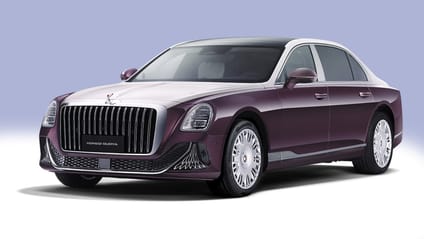
Who are they? China’s oldest car company, having built its first car in 1958, Hongqi is an upmarket brand that’s traditionally built the Chinese presidential limo.
Who’s the target audience? Traditionally businesspeople and politicians, although it’s recently launched some more attainable models.
When do they arrive in the UK? They’ve earmarked 2026 for a UK launch, although that was back in 2024 and things have been quiet since then.
How massive are they in China? Weird one, this. They’re far from being the country’s biggest brand, but as the oldest and the traditional transportation of the country’s leader, their products are fairly familiar both at home and abroad.
Most notable model? Probably the Guoya, a full-size luxury saloon with an optional V8 that’s essentially China’s Bentley, although it feels unlikely that this one’ll come to the UK
Where will they be in five years? As we said, things have been quiet on Hongqi’s UK launch since they announced it two years ago. After all, the European luxury market is a tough nut to crack, so success doesn’t feel guaranteed.
Should I buy one? We’re yet to find out what any of its cars are like, but it’s hard to imagine too many people plumping for one over a car from a more established rival.
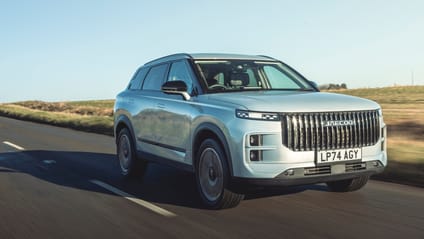
Who are they? An export-focused sub-brand of Chery, Jaecoo is nothing short of an astounding success story. It’s only existed for three years, but one of its models, the 7, is Britain’s third-best selling car of 2026 so far.
Who’s the target audience? Literally everyone, apparently.
When did they arrive in the UK? January 2025.
How massive are they in China? It’s only just introduced the brand there with the new 5 – until then, all its cars have been marketed under the Chery name in China.
Most notable model? Unquestionably the Jaecoo 7, the boxy petrol or hybrid SUV that you see literally everywhere.
Where will they be in five years? If their rate of success so far is anything to go by, then on every street in Britain, probably.
Should I buy one? Here’s the thing – Jaecoo’s cars are average at best, and there are plenty of better options out there. They’re priced very low, which is why you see so many, but we’d recommend just buying lightly used instead. This advice, of course, will be entirely ignored by most.
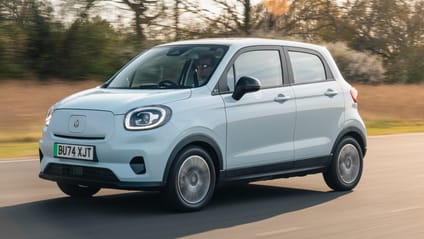
Who are they? A relatively young EV specialist that launched its first cars in 2019. Stellantis has a 20% stake in the company, allowing it to leverage an established European dealer network rather than build its own.
Who’s the target audience? Mostly families, with a range of crossovers and hatches, although the little T03 is more aimed towards city-dwellers.
When did they arrive in the UK? Early 2025.
How massive are they in China? Not massive, but growing year by year.
Most notable model? Starting at just under £16k, the T03 is one of the very cheapest EVs you can buy in Britain. It does kind of show, though.
Where will they be in five years? Leapmotor’s hardly been the rampant sales success other Chinese brands have, but it’s not exactly flagging either, so this one’s tough to call.
Should I buy one? Its cars are utterly competent, but utterly forgettable. If that doesn’t matter to you, fill your boots.
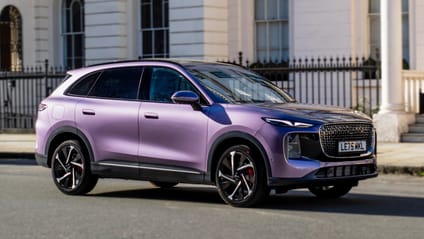
Who are they? One of Chery’s bazillion sub-brands, this one focusing on – you guessed it – electric and hybrid crossovers. Its name is apparently a portmanteau of ‘leopard’ and ‘passion’, which… yeah, okay.
Who’s the target audience? Erm… struggling to say anything original with this one. You know the millions of people that buy crossovers? Them.
When do they arrive in the UK? They’re coming at some point in 2026.
How massive are they in China? Lepas is an export-only brand, so doesn’t exist in China.
Most notable model? We have no idea. They all look the same.
Where will they be in five years? The success of Chery’s other brands in Britain suggests big things, but is there not a risk that the company is going to start stepping on its own toes? It’s hard to see what any of Lepas’ cars will do differently to a Chery, or a Jaecoo, or an Omoda.
Should I buy one? Ask us when we’ve driven one.
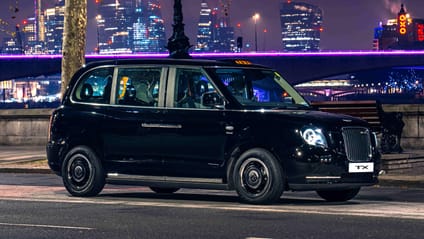
Who are they? A strange one, this – it’s the company that builds the TX, the new generation of range-extender EV London black cab. It’s actually based in Warwickshire, but is wholly owned by Geely, and while the cabs are built in Britain, its next model, a huge plush MPV called the L380, is all Chinese.
Who’s the target audience? People who won’t go saaaaf of the river, mate.
When did they arrive in the UK? They’ve sort of existed since 2013, but got properly started in 2017.
How massive are they in China? Not that big, although they do build and sell the taxi there as well as in Coventry.
Most notable model? Obviously the TX – it’s been a huge success story and a respectful replacement for the iconic but hideously polluting black cabs of old.
Where will they be in five years? Even with the rise of ride-sharing, we can’t see demand dropping off for the TX, but the upcoming L380 seems like a far more niche prospect.
Should I buy one? Erm… are you a London cabbie? This will determine our answer here.
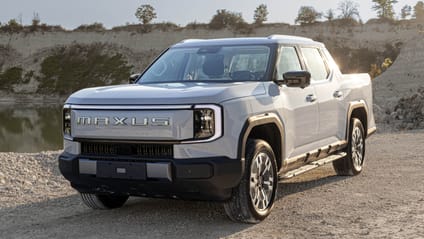
Who are they? A division of state-owned SAIC, Maxus mostly makes vans, but also sells pickup trucks and posh electric MPVs. It rose from the ashes of defunct British van maker LDV, the rights to which were bought up by SAIC in 2010.
Who’s the target audience? Delivery drivers and luxury airport shuttle operators.
When did they arrive in the UK? 2016, initially under a resurrected LDV badge before rebranding to Maxus in 2021.
How massive are they in China? Decently big as primarily commercial vehicle manufacturers go.
Most notable model? We’ll ignore the vans for now and nominate the eTerron 9, which is one of the very first full EV pickup trucks to come to Europe.
Where will they be in five years? Maxus is doing a decent job of shifting vans, but its passenger vehicles feel more niche by European standards, so it remains to be seen if they’ll stick around.
Should I buy one? Maxus is certainly playing in some areas of the market where it doesn’t face much competition, so if you need an electric pickup or posh MPV, then… maybe?
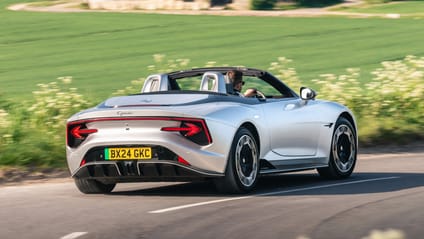
Who are they? One of Britain’s oldest car brands, MG found itself under Chinese ownership following the demise of MG Rover in 2005. Since 2007, it’s been part of state-owned SAIC. It once had an R&D centre that was the last remaining vestige of the Longbridge site in Birmingham, but that’s gone now.
Who’s the target audience? People who think they’re buying a British car.
When did they arrive in the UK? 1924. Oh, you mean the current MG? It came back to the UK in 2007 with a relaunched version of the TF roadster, before introducing its first all-new car, the MG6, in 2011.
How massive are they in China? Cars are sold under the MG brand in China, but it’s a fairly minor player there – most of its sales come from other markets.
Most notable model? The Cyberster roadster – it’s a slow seller and not all that to drive, but we have to applaud MG for being the first company to launch a semi-attainable electric sports car, and making it look damn good.
Where will they be in five years? They’ve become one of the most popular brands in Britain – probably more so than when they were actually a British brand – so there’s no reason to think that’ll change.
Should I buy one? Sure, why not? None of its cars are spectacular, but most are fundamentally decent, and the MG4 electric hatch is one of the best in its class.
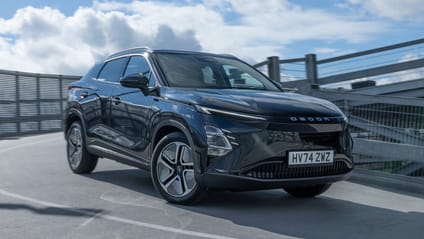
Who are they? Yet again, a Chery sub-brand. It’s closely aligned with Jaecoo, but its cars have a swoopier, sportier look, and like Jaecoo, it’s gone from basically a complete unknown to a sales leader in Britain in little over a year.
Who’s the target audience? Lots of people, if sales are anything to go by.
When did they arrive in the UK? Early 2025.
How massive are they in China? Non-existent, because it’s another export-only brand.
Most notable model? The Omoda 5, available in petrol, hybrid and electric forms, is the one you’ll have seen around the most.
Where will they be in five years? Let’s be real, they’re not going anywhere.
Should I buy one? Again, the numbers you see on the road don’t necessarily reflect the quality of the product. They offer lots of kit for the money, but think hard about whether having a brand new car matters more to you than a lightly used but ultimately better performing rival.
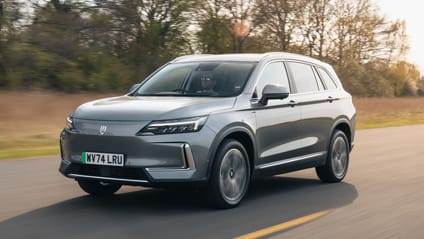
Who are they? Founded in 2017, Skywell is a collaboration between a bus maker and a consumer electronics manufacturer. You can kind of tell that it’s new to the whole ‘car’ thing.
Who’s the target audience? People whose only previous method of transport was a spacehopper – that’s about the only way a Skywell could represent an upgrade.
When did they arrive in the UK? Late 2024.
How massive are they in China? A bit player overall, but growing inexplicably quickly.
Most notable model? There’s only one in Britain so far, an electric crossover called the BE11.
Where will they be in five years? Given that they only shifted 31 cars in Britain throughout the whole of 2025, we don’t hold out much hope for them here.
Should I buy one? Please, no. Buy a Dacia Duster instead. Buy any used rival. Take the bus. Hitchhike. Walk. Crawl on your belly. Just don’t buy a Skywell BE11.
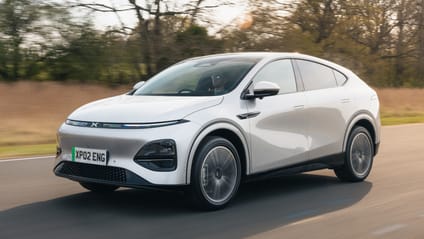
Who are they? An enormously ambitious Tesla-style tech company which, in addition to EVs, is also working on stuff like humanoid robots and flying cars. It’s short for Xiaopeng, but in Europe, you pronounce it like you see it.
Who’s the target audience? Tesla drivers who are suddenly embarrassed about being Tesla drivers.
When did they arrive in the UK? Early 2025.
How massive are they in China? Pretty big, although sales have fluctuated across the last couple of years.
Most notable model? There’s only one in Britain so far, the G6. It’s a biggish electric crossover very clearly designed to take on the Tesla Model Y.
Where will they be in five years? The G6 hasn’t exactly been flying (like a, like a G6) out of showrooms in its first year in Britain, but XPeng is a company with big money and big ambitions, and more models in the pipeline, so it could grow.
Should I buy one? The G6 is fundamentally decent and competitively-priced – it’s a solid choice if you want a very tech-forward electro-SUV and want to steer clear of the obvious, but otherwise, there are better options.

Who are they? Another sub-brand of BYD, this one even higher-end than Denza. It made headlines in 2025 when its quad-motor electric supercar, the U9 Xtreme, hit 308mph to become (unofficially, mind) the fastest production car in the world.
Who’s the target audience? The new generation of tech-hungry ultra-wealthy.
When do they arrive in the UK? BYD’s European boss has earmarked 2027.
How massive are they in China? Not very – Yangwang mainly exists as a showcase for shiny new tech, and its monthly sales are in the hundreds, not the thousands.
Most notable model? Obviously the 308mph U9 Xtreme, but even the ‘regular’ U9 has a clever suspension system that allows it to bunny hop on the spot, and the massive U8 SUV can do 360-degree tank turns and float. None of this is particularly useful, but it gets people talking.
Where will they be in five years? Who knows? Yangwang’s clearly not meant to be a huge commercial prospect, but as long as BYD keeps developing wacky tech, there’ll be a reason for it to exist.
Should I buy one? The better question here is ‘can I buy one’, because its cars won’t be cheap, and that opens up the other question of whether they’ll be worth a look over the established luxury brands. We’ve tried both the U8 and U9, and were impressed if not blown away by their abilities beyond their party piece show tricks that you’ll probably use once to impress your mates.
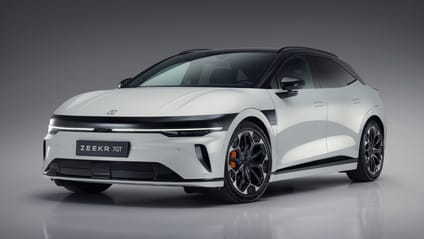
Who are they? An upmarket EV and hybrid brand created and fully owned by Geely.
Who’s the target audience? Largely well-to-do professionals – we have to imagine Zeekr will have an eye on stealing a few buyers from Audi and BMW.
When do they arrive in the UK? They should be here by the end of 2026. You can already get a taste, though, because the Volvo EX30 and Smart #1 both share a platform with the Zeekr X.
How massive are they in China? Pretty big for a more premium brand, and growing exponentially too.
Most notable model? Zeekr hasn’t confirmed which cars it’s bringing to the UK yet, but the one we’re most intrigued by is the 7 GT, a swoopy all-electric estate with up to 636bhp.
Where will they be in five years? Probably still around if the brand’s growth is anything to go by.
Should I buy one? We’ve tried a couple of Zeekrs over in Europe, and haven’t been blown away, but given the current rate of development in the Chinese car industry, that could soon change.

Who are they? The beloved lightweight British sports car company, which was bought by Geely in 2017. While Lotus Cars continues in Norfolk, building the Emira, Geely established Lotus Technology as a separate company, based in Wuhan, China, and building posh, fast EVs (and now hybrids). Both sold cars under the Lotus brand, and were then reunified in 2025, but they’re still sort of separate entities. It’s complicated.
Who’s the target audience? Certainly not fans of Lotus’ traditional featherweight sports car output. They’re more targeted towards performance-hungry but eco-conscious new money buyers, which does beg the question of why they’re being sold alongside Emiras in Lotus showrooms.
When did they arrive in the UK? Lotus as a company? 1952. Specifically the Chinese-developed Lotus EVs? 2022.
How massive are they in China? Not huge. China did account for nearly half of Lotus’ worldwide sales in 2025… but worldwide sales were just 6,520. We do worry about Lotus sometimes.
Most notable model? Ignoring the Emira because it’s nothing to do with this bit of Lotus, the Eletre – a big, fast electric SUV that’s soon to be available as a range-extender hybrid – is doing the heavy sales lifting.
Where will they be in five years? At this point, who knows? Lotus has essentially survived the last 70 years on nothing but vibes and goodwill, so we hope that and the fact that it’s owned by a massive manufacturer will be enough to keep it around as it attempts to become an Anglo-Chinese Porsche.
Should I buy one? The tragedy of Lotus’ sales woes is that the Eletre and Emeya are both very good cars – absolutely worth a look if you’re in the market for a posh, quick electro-SUV or saloon.
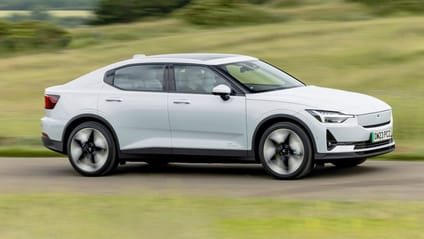
Who are they? Once Volvo’s in-house racing team and tuning division, following the Swedish company’s purchase by Geely, Polestar was spun off into its own standalone sporty EV brand in 2017. It’s headquartered in Sweden, but is a largely Chinese creation as a standalone brand and builds most of its cars in the country.
Who’s the target audience? People with rollneck sweaters and very elegant, slender spectacles.
When did they arrive in the UK? 2019.
How massive are they in China? Weirdly, despite building loads of cars there, tiny. There were rumours last year that it might even exit the market amid slow sales, even as it grows in Europe.
Most notable model? The Polestar 2 was the brand’s first mass-produced car, and even though it’s approaching its seventh birthday, it remains one of the best all-round EVs on the market.
Where will they be in five years? Most likely still around, and still doing well. They’re navigating a tricky EV market at the moment, but the products are strong and sales are still generally on an upswing.
Should I buy one? You should. We’ve been a big fan of every Polestar we’ve driven so far, and we reckon they’re some of the best premium EVs around.

Who are they? The Mercedes sub-brand that brought us the titchy City Coupe back in 1998 has, since 2019, been a joint venture between Merc and Geely, now headquartered in Ningbo and building bigger cars largely using Geely bits.
Who’s the target audience? This, we’re not entirely sure. People still associate the Smart brand with tiny, cheap city cars, so its swing into a bigger, posher and much more competitive end of the market is a slightly puzzling one.
When did they arrive in the UK? In 1998 in their original guise, but the first of the Geely-developed models, the irritatingly named #1 (yes, you do pronounce the hashtag) arrived in 2022.
How massive are they in China? Not massive yet, but this new iteration of Smart is still quite a new thing, so that could change.
Most notable model? It’s not actually here yet, but the #2 is a return to the teeny city cars that made the Smart brand in the first place.
Where will they be in five years? Depends. Sales haven’t been particularly strong in Europe so far, but maybe some more affordable models more in line with what we expect from Smart will change that.
Should I buy one? Its range of bigger cars are decent, but fundamentally do nothing to stand out in a crowded area of the market. You could at least get the 637bhp #5 Brabus if you want a mid-sized electric crossover that inexplicably has more power than a McLaren F1.
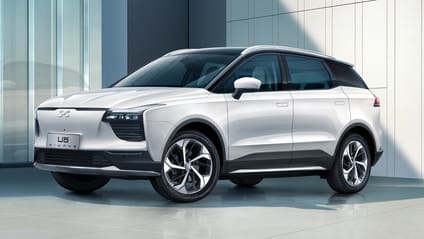
Who are they? Yet another newish, mass market EV manufacturer. Its slightly awkward name is nothing to do with artificial intelligence – ‘ai’ is Chinese for ‘love’. Aww.
Who’s the target audience? You’ve seen how many crossovers there are on the roads, right? That’s what Aiways builds.
When will they arrive in the UK? Aiways has been making noises about coming to the UK for a few years, but nothing’s materialised yet.
How massive are they in China? Quite simply, they don’t sell cars there. They used to, but fell victim to the hugely competitive market, so pulled out to focus on Europe.
Most notable model? Dunno, sorry… What was the question again?
Where will they be in five years? Well, the fact they had to pull out of their home market hardly bodes well, does it?
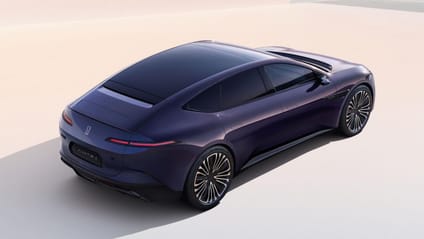
Who are they? Not a typo, and not to be confused with James Cameron’s trio of torturously long blue alien movies, Avatr is yet another company building slightly generic, slightly upmarket EVs and range-extenders. It’s a tie-up between Changan, EV battery manufacturer CATL and tech giant Huawei.
Who’s the target audience? With its range of larger, plusher cars, Avatr’s clearly going for a slightly wealthier audience. It feels like another brand that wants in on some of Tesla’s turf.
When will they arrive in the UK? They’ve missed an originally-mooted 2025 target, but they could still be on the way before long.
How massive are they in China? They’re still pretty niche, although they’ve already sold more than 150,000 cars since 2022.
Most notable model? The one that looks the most interesting to us is the 12, a big, fastbacked Panamera-ish saloon.
Where will they be in five years? Too early to say, really. The cars look decent, but there’s a lot of brands vying for attention in this space at the moment, and we don’t know if Avatr is doing enough to stand out.
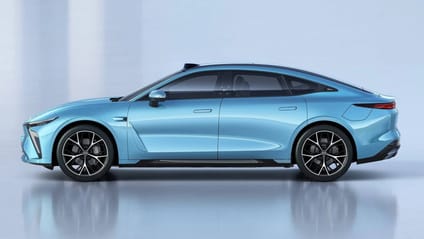
Who are they? Say it with us now: it’s a Chery sub-brand! This one has a bit more of an upmarket focus to it, though. Its cars have a whiff of Lexus about them.
Who’s the target audience? Well, if we’re to keep the Lexus comparison up then, presumably, people who play a lot of golf?
When will they arrive in the UK? They’ve been making noises about a UK launch for a few years, but nothing’s materialised yet. Except it sort of has, because the car sold as the Exeed RX in some markets is the Omoda 9 over here.
How massive are they in China? It’s tough to nail down figures, as numbers tend to get rolled into Chery’s overall sales, but it seems to be doing reasonably well.
Most notable model? They’re all painfully generic crossovers, except for the Sterra ES, which is a rather handsome fastback saloon. So that one.
Where will they be in five years? Based on the continued success of Chery’s other brands, probably doing rather well.
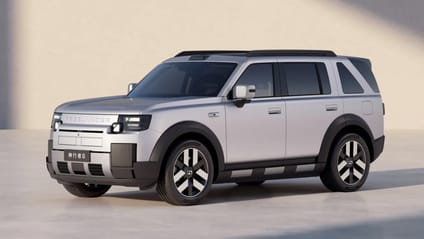
Who are they? A new sub-brand that’s emerged from the joint venture between Chery and Jaguar-Land Rover. And yes, that is where they got the Freelander name from.
Who’s the target audience? Land Rover already has plenty of SUV segments pretty well covered, but Freelander could represent a lower price point – but not too low, based on what we’ve seen so far.
When will they arrive in the UK? Nothing’s been officially confirmed, but 2027 looks likely.
How massive are they in China? It’s a totally new brand, so we don’t know yet.
Most notable model? There’s only one so far, the Freelander 8 (what is this obsession with just using single numbers as names?). It’s a chunky SUV with a rear end that neatly references the original Land Rover Freelander.
Where will they be in five years? Your guess is as good as ours, but there’s no shortage of people out there who want boxy-looking SUVs.

Who are they? It’s a sub-brand of – you guessed it – Chery. This time, the focus is on boxy, retro 4x4s inspired by stuff like Jeep Wranglers and Land Rover Defenders. Oh, and that name – the brand’s called iCar in China, but Apple owns that name elsewhere, so they got around that by… keeping the ‘i’ and misspelling ‘car’.
Who’s the target audience? People after trad 4x4 looks for (presumably) a lot less money.
When will they arrive in the UK? Could be as soon as this year.
How massive are they in China? Again, tough to say exactly, as they’re part of a much bigger entity, but sales seem to be small if not unsustainably so.
Most notable model? The V23 is the one that’s interesting us the most, with its unashamedly retro looks combined with electric power and, seemingly, some proper off-road chops.
Where will they be in five years? We can’t imagine this one’s ever going to be a major player, but it could be the sort of brand that sits in a happy niche.
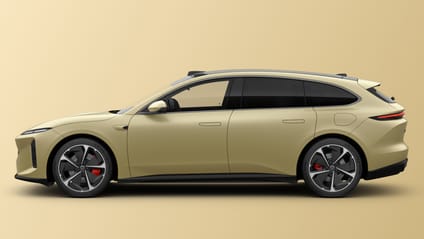
Who are they? A new-ish EV brand established in 2016, but one that made early headlines with its Nürburgring-smashing EP9 supercar, and gained an early foothold in Europe, launching in some markets in 2021. Its big selling point these days is its battery-swapping tech, allowing its cars to get a freshly-charged battery quickly swapped into them at dedicated stations.
Who’s the target audience? Another Tesla-chaser, this one, although with a larger and more diverse model range than the American company.
When will they arrive in the UK? It’s doing it this year with the Firefly sub-brand, but while rumours have persisted, nothing yet has come of the actual Nio brand entering Britain.
How massive are they in China? Fairly big for a premium brand, but still miles off the really big companies like BYD and Chery.
Most notable model? All its cars are very electro-generic with a similar look to any number of other Chinese EVs. We quite like the ET5T, purely because it’s an estate.
Where will they be in five years? Almost certainly still around, maybe selling cars in Britain.
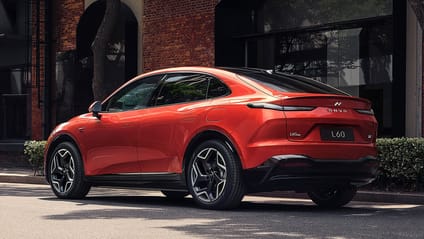
Who are they? A sub-brand of aforementioned Nio – still EV only, but with a more mass-market positioning.
Who’s the target audience? People who still want those techy EV futurist looks, but at a lower price. Onvo’s working the family angle, too.
When will they arrive in the UK? A projected early 2025 launch came and went, and we haven’t heard anything since.
How massive are they in China? Onvo’s only been around for two years, but it already contributes to a decent chunk of Nio’s overall sales.
Most notable model? The fastback L60 looks quite tidy – designed by the same person that did the original Bentley Continental GT, as it turns out.
Where will they be in five years? Without access to a convenient crystal ball, we don’t know, but Nio’s backing makes us think Onvo should do relatively well.
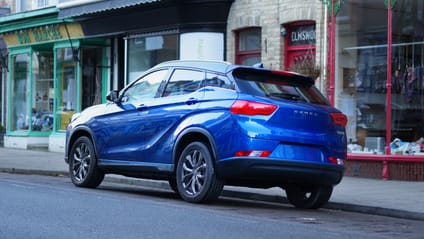
Who are they? An export-focused affordable EV brand, and part of a wider Seres Group that also owns several other sub-brands.
Who’s the target audience? People looking to make the move to electric on a tighter budget.
When will they arrive in the UK? Well, here’s the thing: the brand announced its British market launch in early 2024 with the staggeringly generic Seres 3. It had a price (a fiver under £30k), it had a car in the UK to shoot some press pics with, but two years have passed and there’s not been a peep out of Seres’ UK operation since.
How massive are they in China? The Seres brand itself is export-only, but the wider group is a decent performer, having shifted not far off half a million cars last year.
Most notable model? The 3 is the one that was supposed to have been coming to Britain – not that we’d have noticed it if it did.
Where will they be in five years? Still plodding along in all likelihood, but who knows if that planned British launch will ever happen? More to the point, who cares?
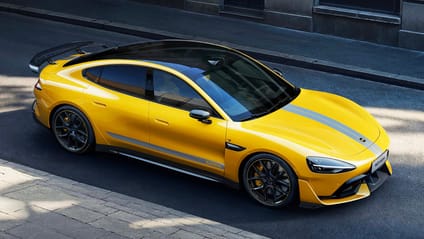
Who are they? A phone manufacturer that decided to start building cars in 2023, and casually went on to set the third-fastest time ever around the Nürburgring.
Who’s the target audience? Tech-heads and speed freaks.
When will they arrive in the UK? A European launch is earmarked for 2027, but it’s unconfirmed if that’ll include the UK.
How massive are they in China? Staggeringly for quite an upmarket brand, and a young one at that – it sold over 400,000 cars in 2025 alone.
Most notable model? That’d be the SU7 Ultra, an electric sports saloon. It’s a track-only prototype version of this that set that Nürburgring time, and the production-spec one put a heck of a showing in there too.
Where will they be in five years? Given what they’ve achieved in just a few years, probably everywhere.
Get all the latest news, reviews and exclusives, direct to your inbox.