




InterviewTop Gear
“It depends on the mood I wake up”: Horacio Pagani on his favourite car
We chat with company founder Horacio about the story behind three generations of Pagani...
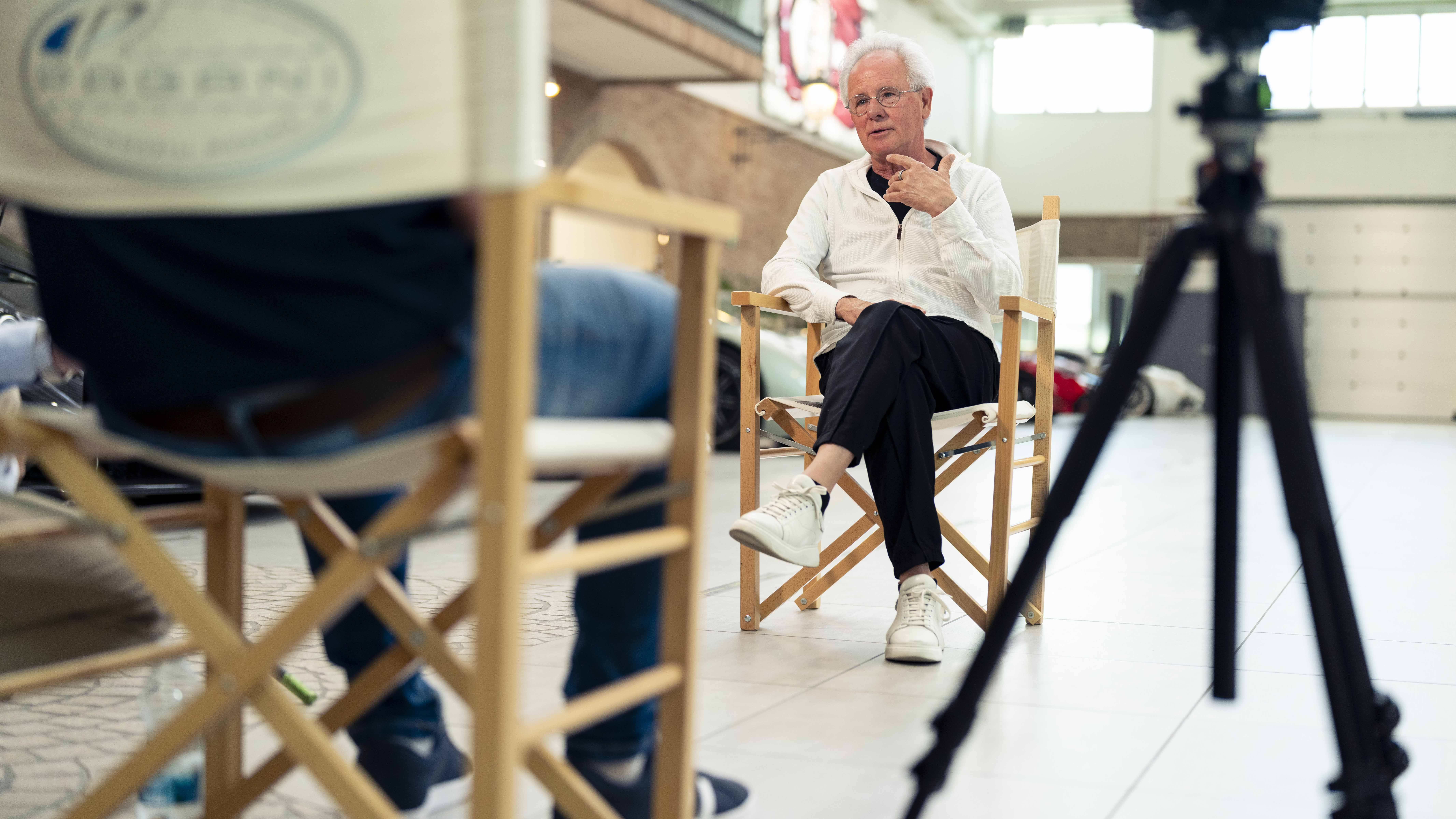
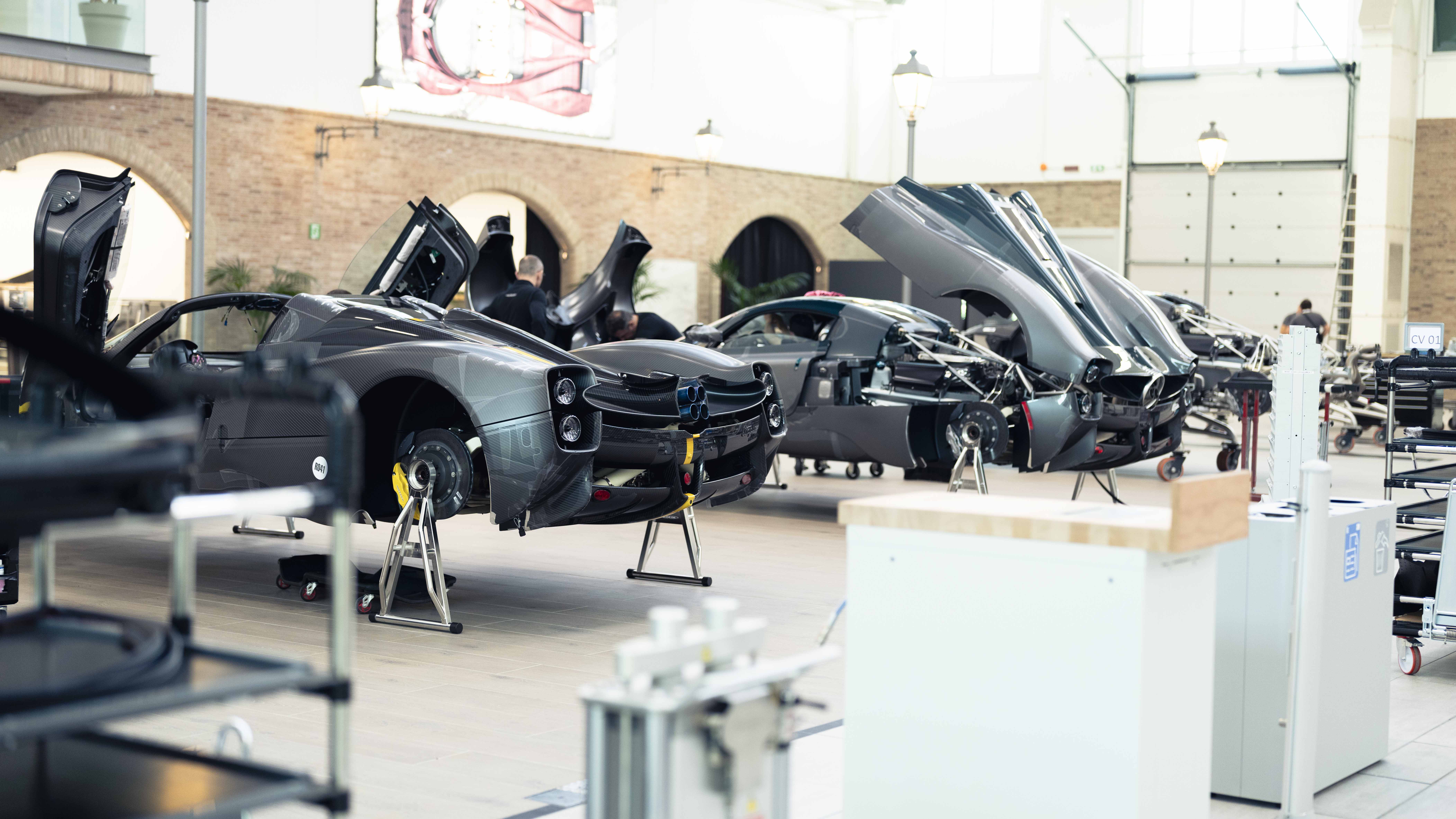
Amid the ‘Atelier’ factory floor surrounded by Utopias in various stages of build, we asked founder Horacio about his three-car legacy...
On driving a Zonda for the first time
“It was certainly an incredible moment because I had dreamed about it my whole life. But the car immediately felt like a friend. There wasn’t anything particularly dramatic about it; everything worked quite well – surprisingly so!”
Advertisement - Page continues below
On Pagani’s core principles
“The inspiration is drawn from Leonardo Da Vinci’s world, from the world of 1980s and 1990s racing cars, and an obsessive attention to detail, this craftsmanship that is very much like a Renaissance workshop.”
On paving the way for other hypercar startups
“I believe in the possibility of extreme personalisation, trying to satisfy the customer in all of their desires. It later became something very attractive for other brands, and I must say a good business too, for all the other brands that followed this path.”

On the Zonda Roadster, Pagani’s first cabriolet
“One characteristic of the Roadster is that many things turned out well without us having specifically studied them – from the way the windshield wiper clears the glass to the fact that you don’t get air hitting your head. It wasn’t necessary to do what we later had to do on Utopia, adding deflectors here and there. The car was also very rigid, extremely rigid, just like the coupe. So it behaved in the same way, but open-top, allowing you to hear the engine sound even better.”
On why the Huayra had to go turbo
“Undoubtedly, a naturally aspirated engine has its own charm, and a turbocharged engine has another. We couldn’t continue with the Zonda’s engine because it no longer complied with the new regulations. Also, to reach the power levels required over time: our cars must live for at least 10 to 12 years. Therefore, when we start a project, we must be certain that halfway through we won’t have to change the engine. So the Huayra’s V12 started, if I remember correctly, with a little over 700 horsepower and eventually reached 860–870 horsepower as well as the opportunity to homologate the cars worldwide.
Advertisement - Page continues below
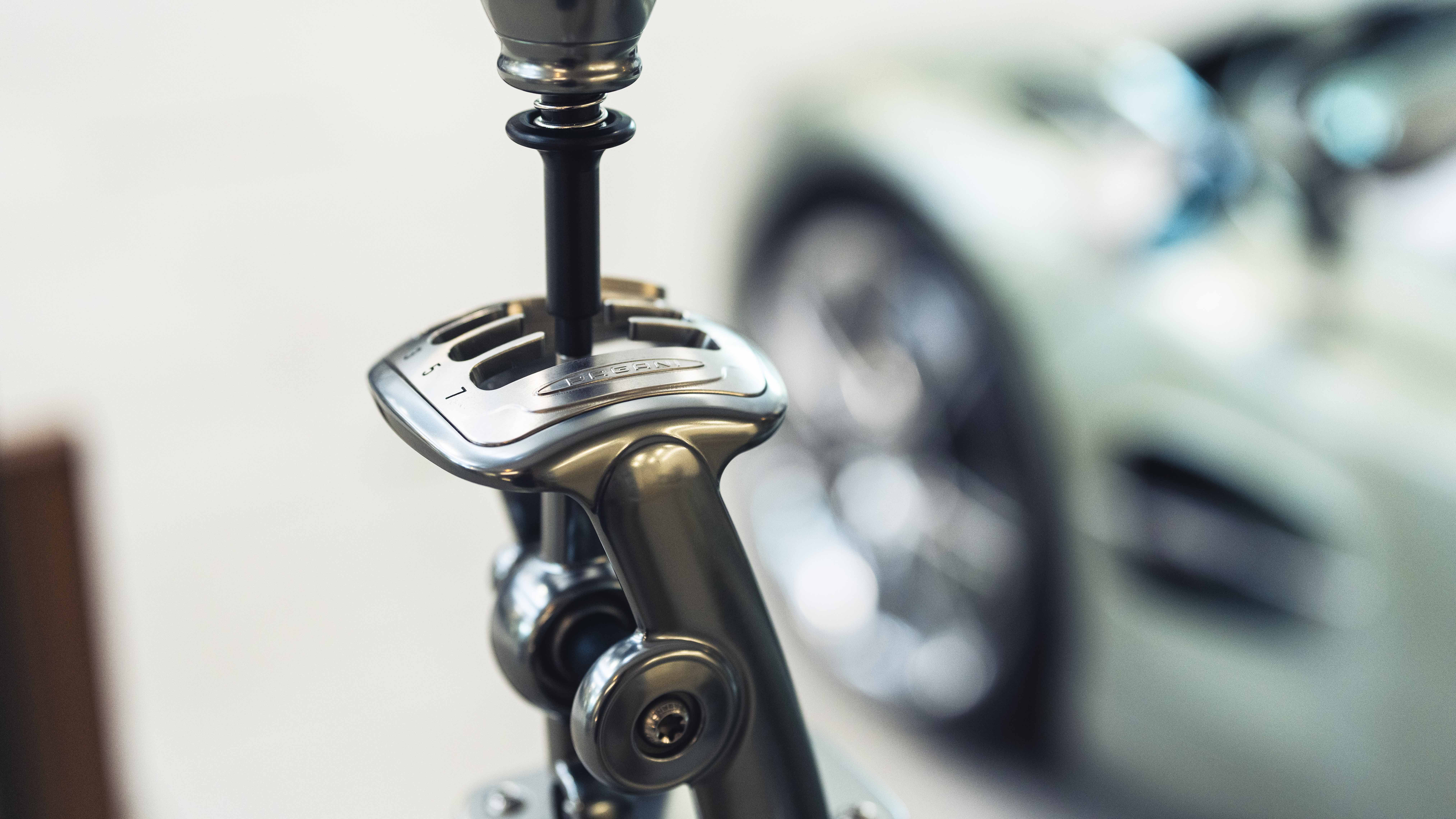
On the return of the manual gearbox
“Pagani doesn’t build cars to satisfy the ego of the people who work here. We build cars to satisfy the ego of the person who pays for them. So if customers ask me for something, we try to build what they want. And the customer asked for a manual gearbox, a real manual connected mechanically to the engine, not a manual-style electronic stick shift, which would have been much simpler. So we worked hard to build exactly what the customer asked for.”
On which is his favourite Pagani model
“It’s important none of [the cars] invades the space of the other. They are three completely different personalities, but they all share the same logo and belong to the same brand – that was our intention. Which one would I take for a drive? It depends on the mood I wake up in that day, or where I need to go.”
Photography: Mark Fagelson
Top Gear
Newsletter
Get all the latest news, reviews and exclusives, direct to your inbox.
Trending this week
- Car Review
Peugeot E-208 GTI