

12
'Murica is mostly dominated by homegrown talent, but not always...
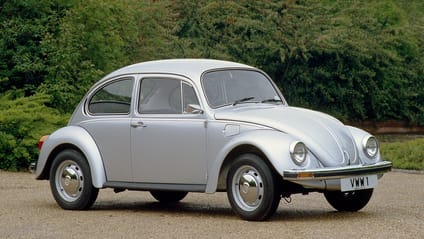
In the ’50s and ’60s, when fuel was cheap and space was plentiful, Americans that still wanted a small, fuel efficient car were seriously underserved, and the original Beetle pretty much had a monopoly on the market. The combination of its affordability and simplicity, a genius and sometimes self-deprecating ad campaign and its status as a symbol of ’60s counterculture meant that VW shifted around five million Type 1s in the States between 1950 and 1979, and plenty can still be found across the country today.
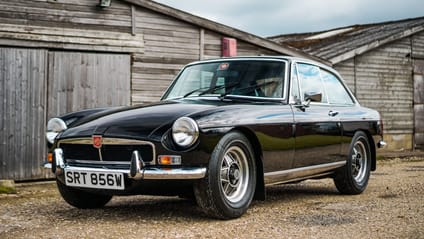
British manufacturers went on a big US export drive following the Second World War, but it was the sports cars made by the likes of MG, Austin-Healey and Triumph that really captured America’s imagination. The little MGB was the biggest beneficiary: across its 18-year lifespan from 1962 to 1980, with the majority of the roughly half a million built going to the US – some figures put it as high as 90 per cent for the convertible version.
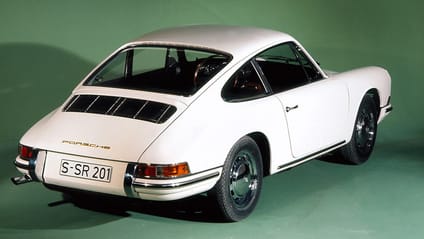
You’d be hard pressed to find somewhere that the Porsche 911 isn’t popular, but America has had a particularly passionate love affair with the bum-engined sports car ever since it first went on sale there in 1965. It’s one of the model’s biggest markets, with various US-only special editions produced over the years, and nowadays, Porsche comfortably sells over 10,000 a year in the States. To put things in perspective, the 13,574 911s it sold in America in 2025 is over 50 per cent higher than the entire Maserati range… globally.
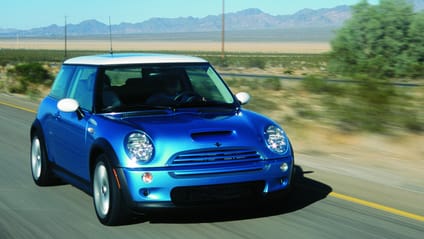
The original Mini was sold in the US between 1960 and 1967, but it never really took off, with only around 10,000 sold. The same absolutely can’t be said for its BMW-developed revival, though: even though small cars were falling out of fashion at the time, and it only went on sale there in March 2002, nearly 16,000 new Minis had already found US homes by the end of that year. By 2024, the brand had sold its millionth car in America, a number largely driven by the core hatch and convertible models.
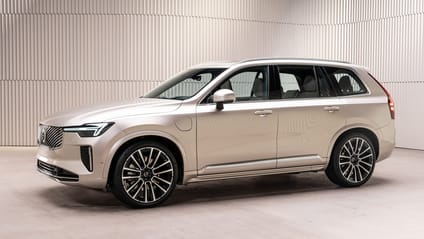
The boom in luxury SUVs around the turn of the millennium was heavily driven by the US market, where Volvo already had a loyal fanbase, and the XC90 was a clear attempt to capitalise on this. It launched at an American motor show (Detroit 2002), and the 2005 introduction of a Yamaha-designed V8 was aimed squarely at the US market. It worked, with the first-gen car driving Volvo to several years of US sales records following its introduction, and the model achieving its highest US sales figures ever in 2025 with 40,217.
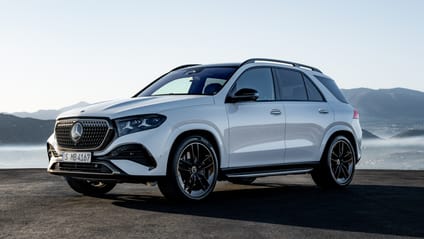
That luxury European SUV trend had been kicked off in earnest a few years earlier by the 1997 arrival of the Mercedes M-Class, and if its target market wasn’t already clear enough, it was for this car that Mercedes set up a factory on US soil near Tuscaloosa, Alabama. Sure enough, the M-Class – renamed the GLE in 2015 – was an instant hit with US buyers, even with the first-gen car’s dubious build quality. The current model remains Merc’s US best-seller, earning 67,928 sales in 2025.
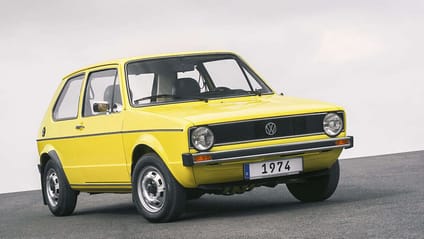
Several European manufacturers tried to capitalise on America’s newfound thirst for small, efficient cars in the wake of the 1973 oil crisis, but it was only really VW, which already had an established dealer network, that succeeded. The original Golf – rebadged the Rabbit for America – arrived in the States in 1975, and by 1978, VW was building it in Pennsylvania. During the 10 years it was made in the States, over 1.3 million Rabbits were sold domestically.
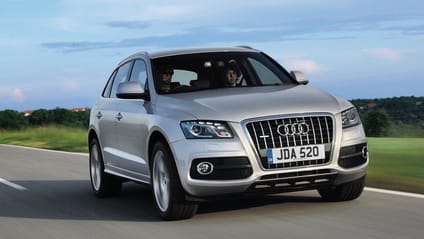
Audi almost abandoned the US market in 1993, suffering from the sales aftershock of its ‘unintended acceleration’ scandal, but it’s since bounced back, first cresting 100,000 American sales in 2010 and achieving more than double that since then. Much of that is down to the success of the Q5. First launched in 2008, it’s Audi’s best-seller in the US, with over 46,000 sold there in 2025.
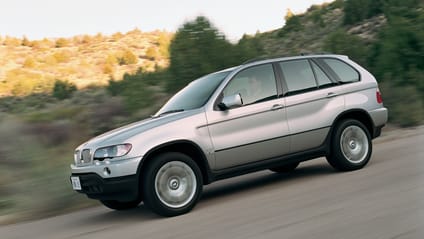
Spurred on by the success of the M-Class, BMW launched its own take on the America-friendly luxo-SUV, the X5, in 1999. The company already had a plant in South Carolina, and the new ‘Sports Activity Vehicle’ (bleurgh) was a natural fit for production there. Sure enough, in its first full year on the market, 2000, it contributed to a US sales increase of nearly a quarter for BMW, and in 2025 – the third year running in which the brand broke its US sales record – some 72,246 were sold.
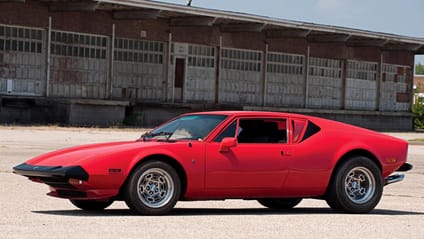
We’re dealing with much smaller numbers here, obviously, but the De Tomaso Pantera’s relative success in the US really is remarkable. Although handbuilt in Italy, the V8 engine came from Ford, and the relationship between the two companies led to the Pantera being sold via Lincoln-Mercury dealers in the US. This arrangement only lasted between 1971 and 1974, but even though sales in Europe continued until 1992, well over half of the 7,000-ish Panteras ever built were sold in the States during that initial four years.
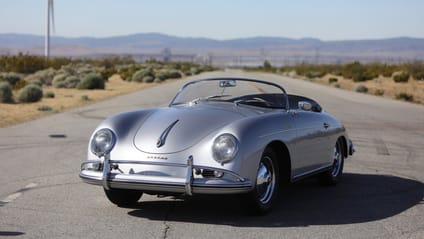
Porsche had only been making cars for two years in 1950, when New York luxury car dealer Max Hoffman – an influential name in the success of a number of European brands in America – made arrangements to import the gorgeous little 356. The initial agreement was for just 15 cars a year, but by 1954, Hoffman was selling 11 a week – 30 per cent of Porsche’s annual production. By the time the 356 went out of production in 1965, almost three quarters of them were going to the US, laying the groundwork for the 911’s subsequent success.
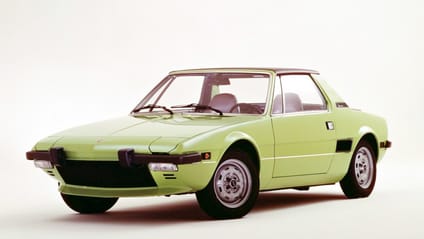
With the exception of the nation’s supercar output, Italian cars have always had a hard time in the US, but a couple have bucked the trend. Perhaps the fact that it looked like a shrunken supercar, as well as the fact that this lightweight, fuel-efficient roadster arrived in the States post-oil crisis in 1974, helped it achieve over 20,000 US sales in its first year. Ultimately, the US market accounted for around two thirds of X1/9s ever built.
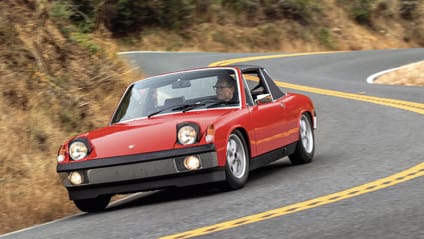
Although it arrived a few years earlier, in 1969, the Volkswagen co-developed Porsche 914 was a very similar car to the X1/9 – a small, wedgy two-seater targa-topped roadster with a four-pot engine, its modest power offset by a diminutive kerbweight. Clearly, cars like this were having A Moment in the US in the 1970s, because it was easily the biggest market for the 914. While exact figures are hard to come by, the majority of 914s built were sold in States, where it became Porsche’s best-selling model.
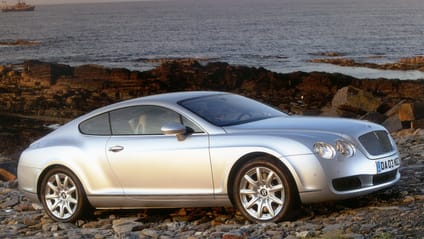
Bentley wasn’t really selling many cars anywhere until the Volkswagen-developed Continental GT arrived in 2003. Before that, its annual output was barely cresting 1,000 cars, but in the first full year the Conti was on sale, 2004, it moved 7,686 cars worldwide. The increase was the most dramatic in the US, though: Bentley sales jumped from 437 cars in 2003 to 2,393 in 2004, all driven by the fact that the Continental GT could have been tailor-made for places like Beverly Hills or the Hamptons.
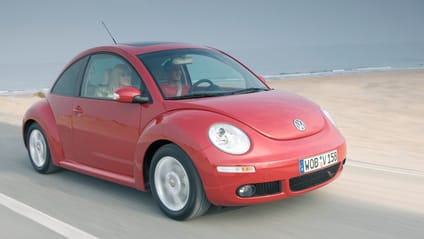
With the original Beetle having been so beloved in the US, it was very much with the American market in mind that VW set about developing a retro revival in the ’90s. The concept that would become the New Beetle was styled in California by two American designers, and made its debut in Detroit. This approach paid off in the production car: it only went on sale three months into 1998, but still racked up almost 56,000 US sales that year, and managed 83,434 in 1999.
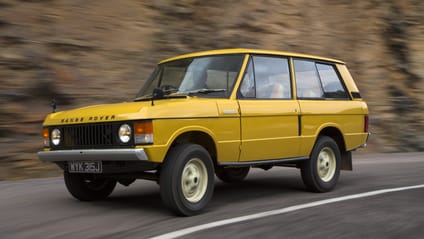
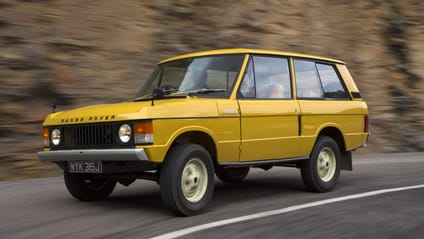
None of the big luxo-SUVs we’ve discussed so far would arguably exist without the Range Rover, which itself has been one of the biggest success stories for a British car in the US. Official sales began in 1987 after grey market imports had proven popular, and while German rivals have since overtaken it in sales, the US – where the Rangie has also become a cultural phenomenon, leading to the baffling-for-Brits nickname of ‘Rover’ – remains the car’s biggest market.
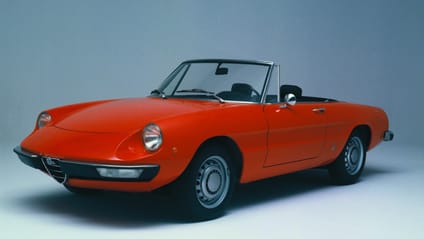
Alfa Romeo has made a few attempts at securing volume sales in America, none of them very successful. But, as they did for so many other European manufacturers, small sports cars bucked the trend, with the original Alfa Spider finding a faithful audience, no doubt given a boost by a fresh-faced Dustin Hoffman zipping about in one in The Graduate in 1967. Never sold in massive numbers anywhere, the US was nevertheless a big enough market for the original Spider to stay on sale there for its entire 27-year life, racking up over 50,000 sales.
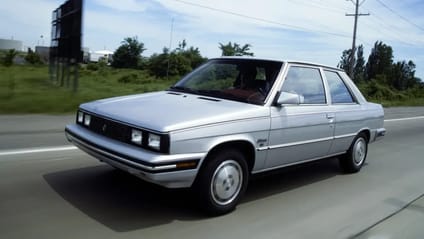
Renault maintained an on-and-off presence in the US from its nascent days to the early ’90s, but its most successful US model was actually built there: the Alliance saloon and Encore hatch – reworked versions of the 9 and 11 – were produced in Wisconsin between 1983 and 1987, part of Renault’s tie-in with AMC. Over 600,000 were built and sold for the North American market, including a US-only Alliance Convertible.
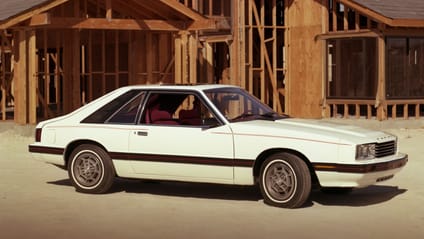
Despite the company’s near-global presence, Ford models tend to be quite heavily tailored to their local markets, but the original Capri shows they can still have cross-market appeal. In 1970, US imports of the German-built coupe began. Sold under the more upmarket Mercury brand, Ford advertised it as a ‘sexy European’ (well, it was the ’70s), and the arrangement lasted until 1977, with around 500,000 sold in the US – over a quarter of the 1.9 million built globally over 18 years.
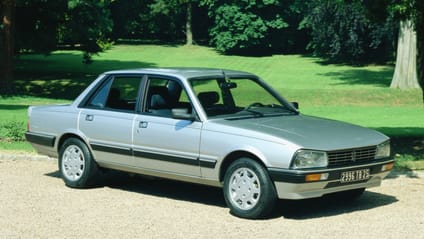
Peugeot is another French manufacturer whose US presence stretches back further than you might think – in fact, Peugeots won the Indianapolis 500 three times in the 1910s. Before pulling out of the market in 1991, the 505 was its last decent seller there. It was still a minnow in overall terms, peaking at just over 15,000 sales in 1984, but the diesel version in particular was a sleeper hit with cost-conscious customers, given how few oil-burners were available in the States.
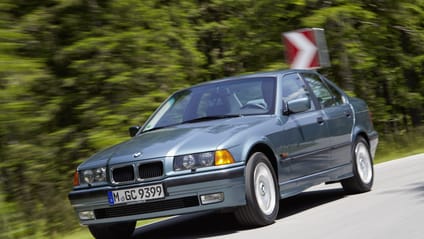
Though it’s outsold these days by the inevitable rise of BMW’s SUVs and even the swoopier 4 Series, the evergreen 3 Series has always been popular in the US – popular enough back in the ’90s for BMW to have set up its South Carolina factory to build the E36 generation there. Its comparatively modest 2025 sales of 33,030 are down from a massive peak of 141,632 in 2014.
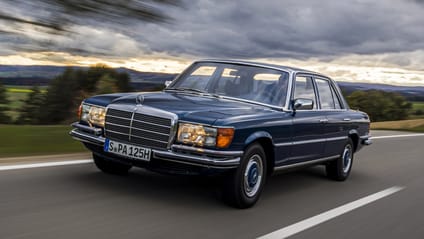
The arrival of the first car to wear the S-Class badge in 1972 arguably heralded the beginning of the end for the big American luxury saloon. This restrained, imposing, forward-thinking box of fine wood and leather made the latest full-size Cadillacs and Lincolns look generations behind the times, and suddenly, anyone who was anyone wanted to be seen getting ferried around in a Mercedes. US sales peaked in 2006 at 30,886, although it’s since slipped behind the BMW 7 Series as well as – you guessed it – Merc’s SUVs.
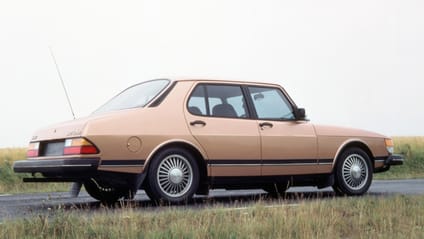
Like many other European brands, Saab’s following in the USA was comparatively small but almost unerringly loyal. By the end of the 1950s, it was the Swedish company’s largest export market, but it was the original 900, launched in 1978, that really turned it into a hit. Stylish yet safe and seriously rapid in Turbo form – known as the SPG in the States – it was gobbled up by yuppies across the land during the peak of ’80s excess.
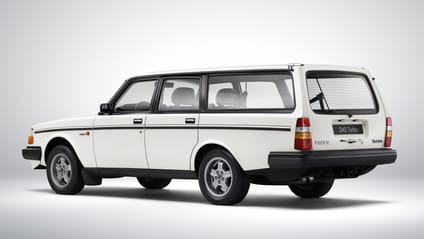
Volvo first started selling cars in the US in 1955, and built up a small following of well-to-do types won over by their dependability and charm, but it was the arrival of the 240 in 1975 that made the company a household name. People fell for its combination of comfort, safety, dependability, efficiency and, in Turbo guise, sports car baiting pace, as it became Volvo’s best-seller, helping the company move over 100,000 cars in the States for the first time in 1985.
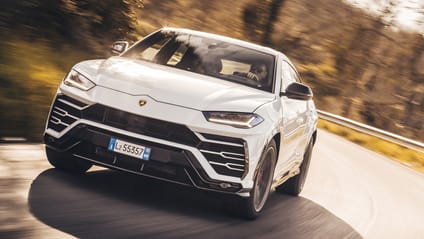
The Lamborghini Urus is named after a type of extinct wild cattle, but it may as well be called the Cash Cow, especially given how well a brash, V8-powered mega-SUV fits into modern America. In 2018, its first full year on sale, Lambo’s US sales jumped from 1,095 to 2,489. The company no longer breaks down sales by model or market, but it now comfortably crests 10,000 sales a year, the US is its biggest market and the Urus its most popular model, so it’s not hard to do the maths. Sorry, math.
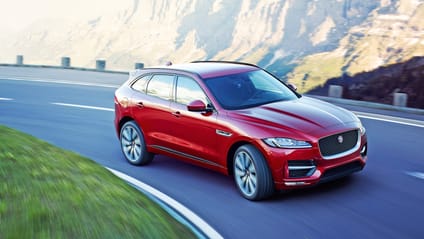
Chart Jaguar’s annual sales in the US, and you’ll see it’s almost always remained a niche player, American buyers firmly preferring German and Japanese brands for their luxury cars. Until, that is, 2016, when sales suddenly more than double, going over 30,000 for the first time in over a decade and staying there until a Covid-related slump in 2020. What happened in 2016? Jaguar launched the F-Pace. Never underestimate America’s appetite for a posh SUV.
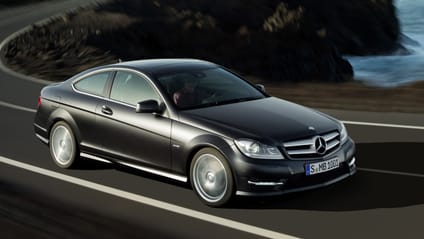
Like every saloon, the Mercedes C-Class’ popularity has faded in recent years as more and more buyers flock to SUVs, but it still remains one of the company’s most popular models in the States. A respectable 22,993 were sold there in 2025, but that’s nothing compared to its peak popularity in 2013, when a massive 88,251 C-Classes found homes. It’s still traditionally lagged behind the BMW 3 Series, though.
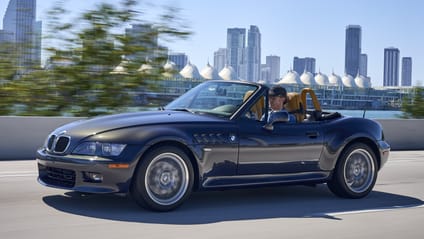
Having seen the US success of the Mazda MX-5, BMW envisioned a big US market for a roadster of its own, and really went all in with the Z3 in 1995: it was built exclusively at Beemer’s South Carolina plant, and its more laid-back approach to sports car design always felt tailored to the US market. It worked: BMW expected to sell up to 14,000 Z3s a year in America, but it had already topped 15,000 by the end of 1996 and hovered around 20,000 for the next three years.
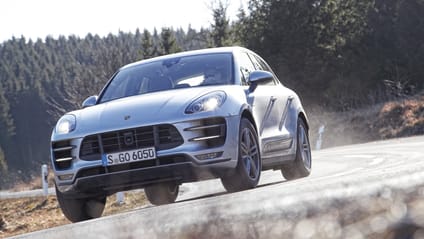
Porsche’s US sales had been trending up ever since the Cayenne perfectly captured the luxury SUV moment in 2003, but there’s another tangible increase in line with the launch of the Macan in 2014. The following year, US sales crested 50,000 for the first time, and they’ve grown every year since, save for an inevitable but minor slump in 2020. Of the 76,219 cars it sold in the US in 2025, 27,139 – over a third – were the Macan, in both petrol and EV guises.

Admittedly, the Ford Focus was conceived from day one as a ‘world car’, but it was Ford of Europe that handled the bulk of the development. Nevertheless, when it went on sale in North America in late 1999 with minimal changes from the hugely successful European version, it was just as much of a smash hit there. In 2000, 286,166 Foci found homes in the US, making it one of a tiny handful of cars to simultaneously be among the 10 best sellers in both North America and Europe.
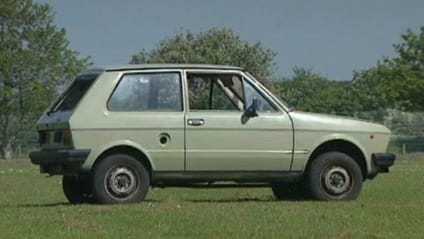
You’d imagine that trying to sell a communist-built car to Americans in the mid ’80s would have been an impossibility, but remarkably, the Zastava Yugo’s brief time on the market in America was actually quite successful. That was largely because it was very cheap – in 1985, it started at just $3,990, around $12,000 today. Although its success was brief, sales peaked in 1987, when an impressive 48,812 units found homes with cost-conscious consumers. Overall, more than 140,000 were sold in the States before sales ended in 1992.
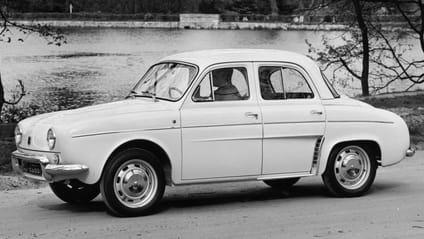
An oft-forgotten chapter in the story of European cars in the US, Renault spotted an opportunity to sell its ’50s Beetle rival to Americans after seeing the success of the little VW, and sure enough, it worked, albeit briefly. Sales started in 1957, and by the following year, it was actually outselling the Beetle in some states. In 1960, sales tipped over 100,000, briefly making the Dauphine the US’s second-best selling imported car, before an economic upswing and the arrival of some ‘compact’ cars from Detroit saw sales start to decline.
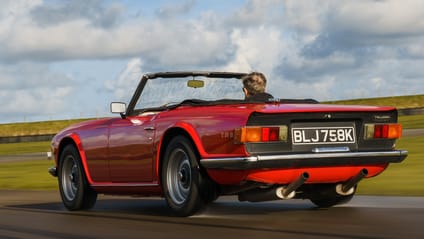
Riding the same wave of enthusiasm for little British sports cars that brought the MGB so much Stateside success, Triumph’s roadsters were never quite as successful as their Abingdon-built counterparts, but they still found plenty of popularity in the US. The handsome TR6 was a particularly big hit – it’s reckoned that of the 95,000-ish built, only about 8,500 found homes in the UK, with the vast majority of the rest sent to the US.
Get all the latest news, reviews and exclusives, direct to your inbox.