

47
Don your skinny jeans and join us for a journey back to the distant days of, erm, a few years ago
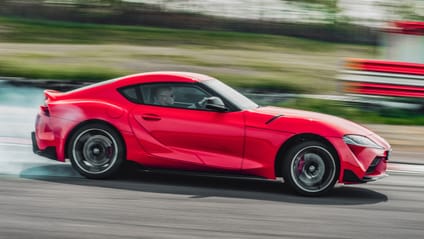
It may have been ‘just a BMW’ (as if using BMW underpinnings was ever a bad thing), but the GR Supra’s styling at least put a Japanese twist on its well-proven bones. More importantly, though, it resurrected a much-loved name after nearly two decades of dormancy, and helped solidify Toyota’s position as one of the most enthusiast-friendly brands in a market that all too often seems to forget about them. Not bad for just a BMW.
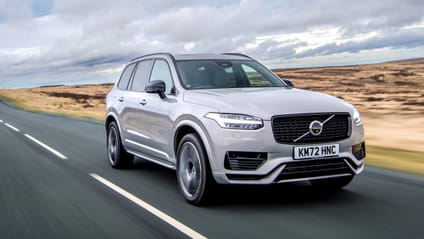
It’s telling that the second-gen Volvo XC90 has now been on sale for over a decade with only the very mildest of tweaks – it was simply that good from the get-go. Not only is it that rarest of things – a giant SUV that won’t make people hate you – but its Scandi-chill cabin ambience is as appealing now as it was in 2015, and its laid-back approach to driving is the perfect tonic to the harder, faster, sportier approach being pursued by many rivals.
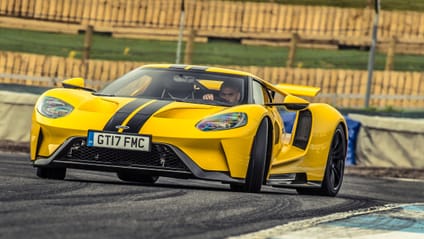
It perhaps didn’t quite have the same impact on launch as the retro-drenched original GT from the 2000s, but the second-gen Ford GT was still a heck of a thing. Developed in secret in a dark, flood-prone bunker deep within the bowels of Ford, the skunkworks approach was apt for a car that caught the supercar establishment off-guard in 2015 with its forward-looking twin-turbo V6, carbon tub and unapologetically purposeful looks.
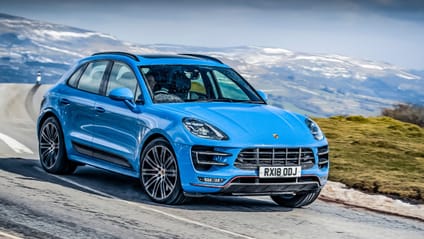
Frankly, we’re amazed it took as long as it did for Porsche to capitalise on the success of the Cayenne with a smaller, more attainable SUV, but capitalise it did. The Macan almost instantly became Porsche’s top seller, with that badge on a smaller, more affordable car acting like catnip to well-heeled urbanites everywhere. Purists may have hated it for further diluting their beloved brand, but it drove well and helped bankroll plenty of special 911s and Caymans. ’Nuff said.
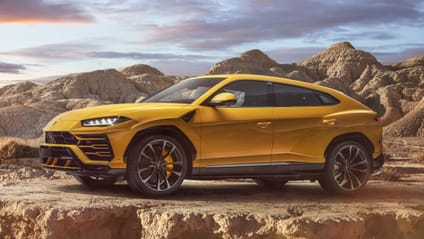
Speaking of diluting brands – hoo boy. The Urus has seen Lamborghini smash sales record after sales record, becoming an aggressively-driven, pinned-in-second staple of wealthy neighbourhoods all over the world in the process. It’s not pretty and it’s not subtle, but its breadth of ability is breathtaking, and it’s set the template for every uber-mega-giga-SUV that’s come since, and helped drive Lambo to record profit levels even as competing brands struggle.
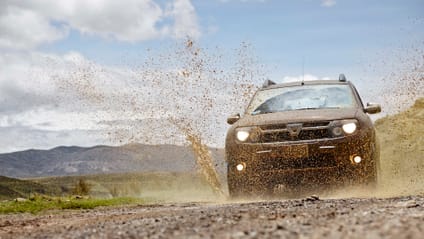
Let's take the temperature down a bit, shall we? Amongst all the ferocious, flame-spitting and three-wheeled heroics offered by pretty much everything on this list, one car stood alone in its pursuit of a single, everyperson goal: the mighty Dacia Duster. For the Duster distilled the very essence of motoring. Some cars we love for their pupil-melting beauty or for pushing the boundaries of technical possibility. But the main reason we love cars is because they offer freedom, a passport to the furthest-flung corners of the globe. And no car in the world offered more freedom for your quid than the Dacia Duster.
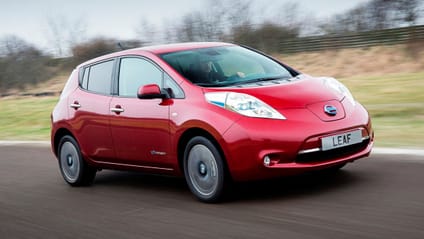
Before the original Leaf arrived in 2010, electric cars were a complete joke – style-less, often unsafe boxes of misery that could be outpaced by a jogger and could barely make it up a hill without running out of juice. The Leaf may not have been that pretty, and its circa 100-mile range looks pathetic now, but this was the first car built in large numbers that showed that an EV could look and feel largely like a regular car. For that reason, it was a gamechanger.
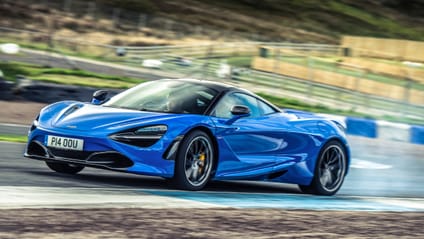
Ushering in McLaren Automotive 2.0, the 720S was everything we loved about the company’s earlier output, refined, updated and improved. Savagely quick when you wanted it to be – its 710bhp was almost 50 more than its big rival, the Ferrari 488 GTB – and yet totally docile and approachable when you didn’t, it also further ironed out the lack of personality that had dogged some of the brand’s earlier cars.
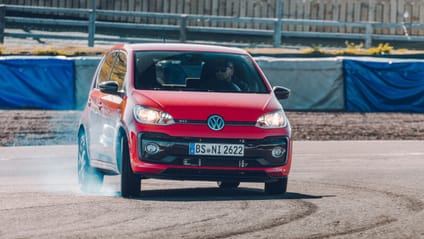
The Up was prime Volkswagen, the company flexing its engineering might in a way that didn’t fly in the face of its name. Starting at less than £8,000 when new in 2011, it was a true people’s car, but while most competitors felt as cheap as they were, the Up didn’t. It was grown-up, spacious and refined, right down to the reassuringly Germanic thunk you got when you shut the door, but it could still do the cheeky, carefree fun thing that marks out the very best little cars.
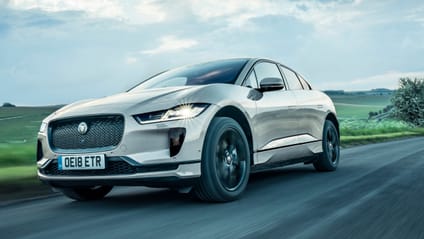
We wonder if the same sort of fuss would have been caused if Jaguar had rolled out the whole ‘defy ordinary’ thing when it revealed the I-Pace back in 2018, because it certainly looked like nothing it or any other company had done before, or has since. Arriving a year or so before the slightly phoned-in-feeling Audi e-tron and Mercedes EQC, it felt like the first serious challenge to Tesla from a ‘legacy’ brand. In many ways, it’s a shame it ended up being a bit of a false dawn.
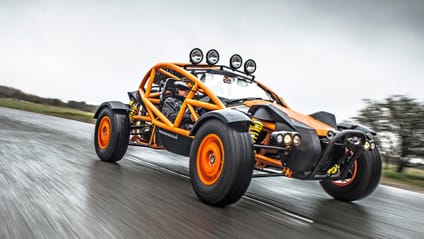
Who would have guessed that the ultimate fun-having machine we’d been waiting for would turn out to be a cross between an Ariel Atom and a dune buggy? Actually, when you put it like that, it seems obvious. The Nomad’s real party piece, though, isn’t its off-road chops or its zingy Honda engine, but the fact that its blend of composure and long-travel suspension make it an unexpected B-road hero for Britain’s knackered tarmac.
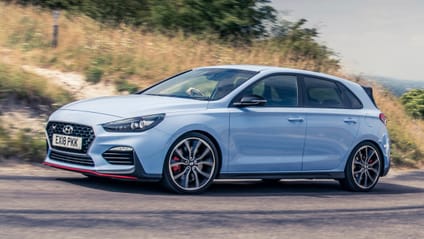
It’s fair to say expectations weren’t all that high when Hyundai announced that its new N performance sub-brand would be launched with a Golf GTI-rivalling hot hatch. It was an absolute delight, then, to have those expectations comprehensively shattered by the i30 N, a fast, capable and involving hatch overflowing with the sort of cheeky, old-school charm the segment was lacking in the 2010s. It was quite the introduction to a division that’s gone on to knock out hit after hit.
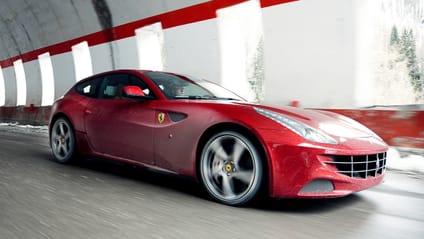
It was a bold call for Ferrari to replace the relatively unloved 612 by revisiting a body shape not really seen since the BMW M Coupe, the shooting brake. The result, though, was a totally unique car that had the cool factor turned up beyond the end of the dial. A glorious 6.3-litre V12, genuinely usable back seats and boot, and a Ferrari first in the shape of an utterly baffling four-wheel drive system: are we all in agreement that this is infinitely cooler than the Purosangue?
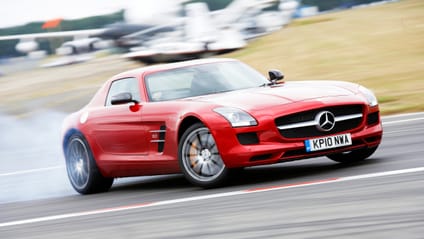
Trying to ape a car as era-definingly gorgeous as the Mercedes 300 SL ‘Gullwing’ is a risky game, but Merc pulled it off to expert effect with the SLS, a gorgeous and just slightly unhinged grand tourer that came with at least three explosive devices on board. Two were the pyrotechnic hinges that allowed its distinctive doors to detach if the car rolled, and the third was the phenomenal 6.2-litre, 563bhp V8 that existed for the sake of converting petrol into noise and tyre smoke.
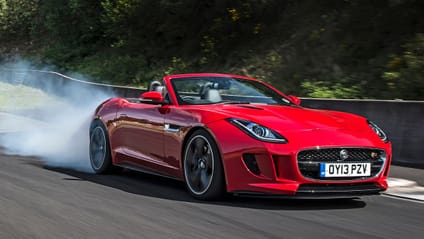
The Jaguar F-Type was at least the third attempt to get a sports car under that name into production since the 1980s, but happily, it was third time lucky. The F-Type landed in 2013 with heart-melting looks and a selection of V6 and V8 engines that sounded like a chorus of angels. Angry, supercharged angels. Sure, it may never have been quite as sharp to drive as a Boxster, but what little it lacked there, it made up for many, many times over in sheer charm and charisma.
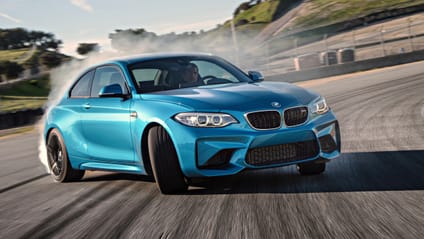
With the M3 steadily moving into territory once occupied by the M5 throughout the 2010s, the BMW M2 was a welcome shift back towards the M division’s roots when it launched in 2016. A feisty, pugnacious streetfighter with a turbo six up front, drive to the rear and a standard manual gearbox, it was a proper little pitbull of a car. The dog, that is, not the bald-headed, catchphrase-heavy rapper.
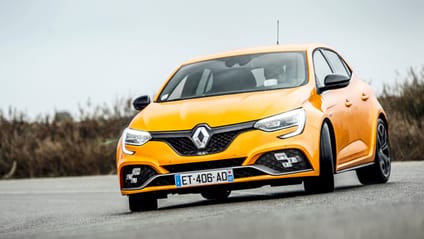
Take your pick of the baffling array of versions and special editions – they’re all brilliant. Renault had established itself as the company to beat when it came to hot hatches with the earlier Clio 182 and big-bummed Megane R26, and the second iteration of hot Megane only solidified that, helping reset expectations of what a powerful front-wheel drive car was capable of, especially in hardcore Cup guise. There’s a reason car journalists wouldn’t shut up about these things for the first half of the decade.
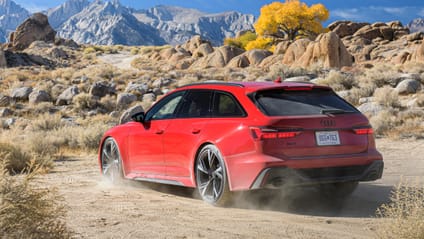
Yeah, yeah, we know – the whole fast estate thing is total car journo cliche bait, and nobody buys them because everyone wants quick SUVs. The thing is, though, the outgoing RS6 really is that good – it’s supercar quick, will swallow loads of stuff, is beautifully built and, in a break from the fast Audi estate tradition, it doesn’t run off and cry when you show it a twisty road. Cliche alert: it really is all the car you’ll ever need. Assuming you can afford to buy and run a V8-powered uber-wagon.
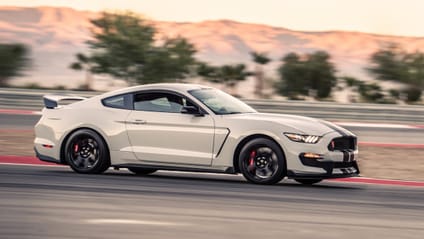
Like a 1930s Hollywood star’s accent, the Shelby GT350R was a mid-Atlantic car. It was quite clearly a Mustang, but kit like its carbon wheels and flat-plane crank V8 were the sort of things you’d expect from Porsche or Ferrari, not the land of the drag strip and the home of the crossplane. It worked, though: this was the most serious, track-focused Mustang until the bonkers GTD turned up, and its blend of American and European sensibilities made it a thoroughly unique experience.
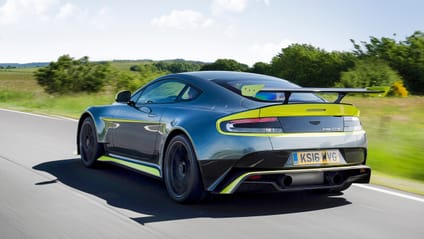
The Aston Martin Vantage had already been around for over a decade by 2016, charming its way around its advancing years with its devastatingly good looks and earth-shaking soundtrack. Along with the extremely rare V12-powered GT12 of a year earlier, though, the (slightly) more attainable 440bhp, V8 GT8 ditched a load of weight, threw some chassis tweaks and aero at the car, and suddenly, the ageing Vantage, like a cool uncle, could happily kick it with the latest crop of hardcore sports cars.
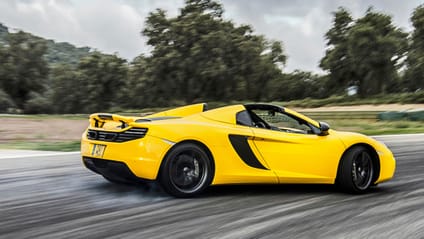
Launching a new supercar company is no small feat. Sure, McLaren had recognition as a Formula 1 team, and for a forgotten ’90s obscurity called the F1, but still. Thankfully, the 12C proved right away that it was up to the task. Sure, it was a little clinical next to a Ferrari 458 (its original name, MP4-12C, sounds like an obscure government form), but it was a serious performer right out of the gates, putting fellow supercar makers on notice immediately.
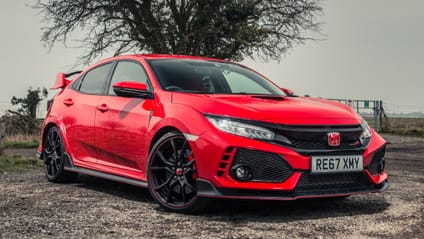
After a few years away, the Honda Civic Type R returned in 2015 with the FK2. That car was good, but the one that came after, 2017’s FK8, cemented the Civic Type R as the very creamiest of the modern hot hatch crop. Savagely quick, and somehow able to send 316bhp through the front wheels without any drama, it was the way it cornered and the unequalled slickness and precision to the controls that really completed the package. You just had to live with those looks.
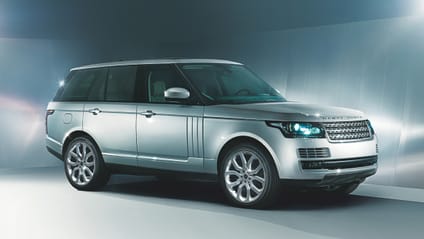
Land Rover had a big task on its hands replacing the beloved L322 generation of Range Rover. Its solution? Just do the same thing again, but make it more modern. If it ain’t broke, etc, etc. As a result, the L405 was a proper Range Rover of the highest order, a car capable of wearing many different hats, often all at once. It may have moved ever further into the luxury sphere, but it was still more than happy to swap its Versace loafers for a pair of stout green wellies.
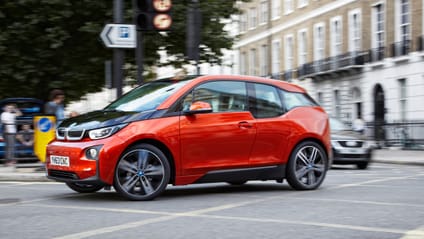
The posh German brands have a habit of making small cars that are a bit too futuristic for their own good. It happened in the ’90s with the Audi A2 and original Mercedes A-Class, and it happened again with the original BMW i3, a space-age electric hatchback with a lightweight carbon and aluminium chassis, an interior full of sustainable materials and an optional range-extender powertrain. This was a car for the 2020s that just happened to be launched in 2013.
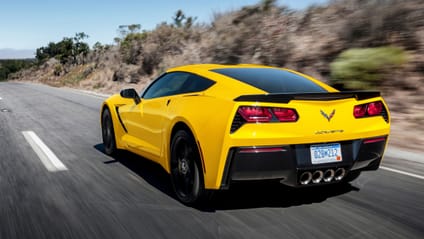
The last of the front-engined Corvettes, the C7 ensured that the breed went out on a high before the mid-engined C8 took over at the start of the 2020s. Though it still had the big, old-fashioned pushrod LT1 V8 at its heart, it was comfortably the most sophisticated ’Vette yet, further proof that American performance cars weren’t just about straight lines any more – although it could monster those, too, especially in 755bhp ZR1 form.
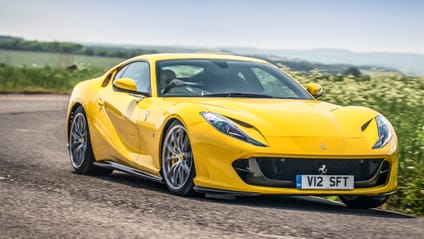
Some car names are just a combination of numbers and letters. Some try to evoke exotic locations or wild animals, and others are just meaningless words made up by marketing departments. That’s not the route taken by the Ferrari 812 Superfast, though. With 789bhp on tap from a wailing 6.5-litre V12, it can cross continents as aptly as it can slide its way around Fiorano. It’s an example of Ferrari deploying all of its considerable engineering talent to create a car that’s astoundingly well-rounded, and, erm… rather quick.
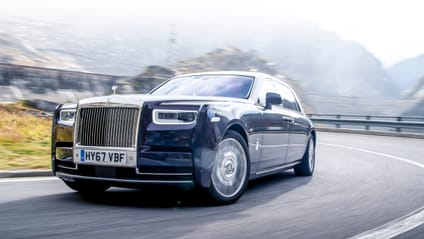
The Phantom VII had rejuvenated Rolls-Royce under its new BMW ownership in the early Noughties, so the follow-up was going to have to be pretty special. Thankfully, it was, and still is. Other companies talk a big game with AI this and autonomous that, but true luxury will always lie not in shiny tech, but in the sheer serenity, comfort and craftsmanship a Phantom shrouds its lucky occupants in. It’s part manor house, part private jet, all exquisite.
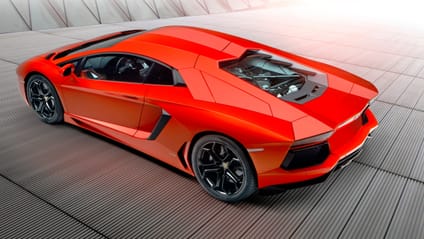
Supercars were getting ever more strait-laced and po-faced as the 2000s became the 2010s, but a big V12 Lamborghini could always be relied on to buck the trend. The Aventador was big, impractical and had a single-clutch paddleshift gearbox that was comically outdated, even in 2011. It also looked like it had been drawn by a six-year-old, spat blue flames from its behind and made a noise that sounded like a continent splitting in half. In other words, it was a proper Lambo, and the perfect antidote to Serious Supercar Syndrome.
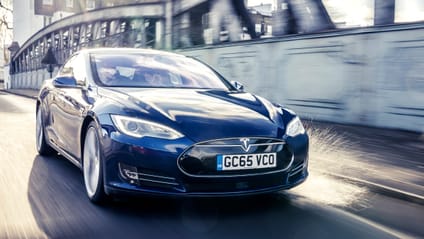
You’ll have to put a certain CEO out of your mind for a moment, because it can’t be understated quite how far the Model S moved the game on in 2012. From its semi-autonomous tech to its screen-centric interior to the very fact that it was a stylish, desirable electric car with a genuinely usable range, this car caught an entire industry napping, and they’ve all been playing catch up ever since.
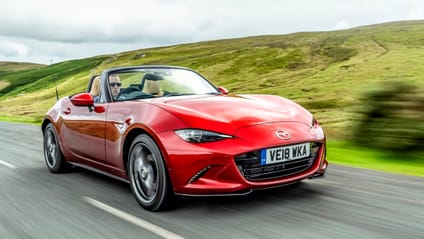
The 2010s were a period of enormous technological advancement for the car industry, and for its fourth-generation MX-5, Mazda… entirely ignored it. Instead, it concentrated on what made the first three MX-5s great, keeping the revvy, nat-asp, rear-wheel drive recipe and somehow making it about 100kg lighter than the car it replaced. It was wonderfully refreshing back in 2014, and feels it even more so 12 years later. Long may it continue.
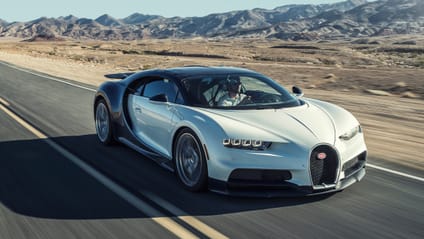
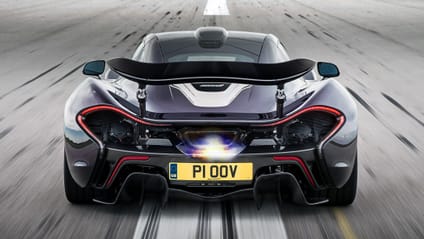
The Bugatti Veyron had totally changed the game in 2005, and while its 2015 replacement, the Chiron, wasn’t anything like as revolutionary, let’s not mess about here: it was still an 8.0-litre, quad-turbo, 16-cylinder monster with 1,479bhp in its least powerful form that became the first road legal car (in lightly modified guise) to top 300mph, and yet was as beautifully appointed inside as an S-Class and as unmenacing to drive around town as a Golf. Talk about talent.
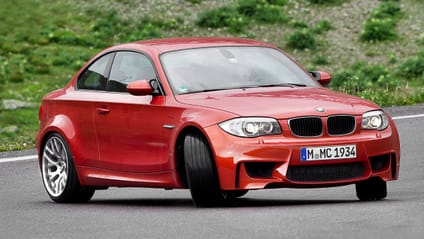
An affront to M aficionados at the time, with its turbocharged engine (which wasn’t even a full-on M motor, just an off-the-shelf BMW one), its humble bones and a name that flirted dangerously closely with an M icon, the 1 Series M Coupe quickly silenced the haters. Reviving the spirit of the old 2002 Turbo, its pumped up bodywork looked epic, and with 335bhp, rear-wheel drive and a titchy wheelbase, the driving experience was a ‘sit down, shut up, hang on’ thrill ride. It paved the way for the M2, but the 1M will always be cooler. Fact.
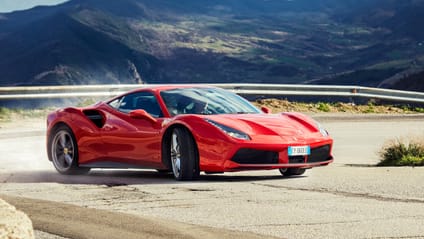
There were a lot of nerves around the Ferrari 488 at launch, not only because it was the first of Fezza’s mid-engined berlinettas to go turbo-only, but because of what had come before it. Thankfully, most of that nervousness was unfounded. The 488 was not only as sharp and exciting to drive as we’d come to expect from a mid-engined Ferrari by then, but that amazingly responsive V8 rewrote the rules on what to expect from a turbocharged motor. It only got better throughout its life, too, culminating in the sensational Pista.
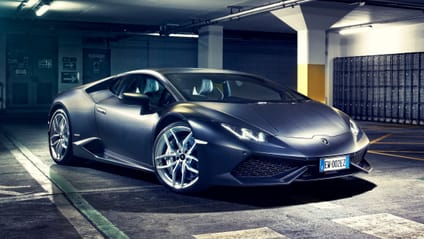
When the Huracan launched in 2014, almost all its rivals had V8s and had either already gone turbocharged, or were about to. Certainly, none of them had engines that could match the drama of the Lambo’s 5.2-litre V10. While the earliest versions never fully hit the spot, it was a proper camembert car – it just got better, and more satisfying with age, until it was one of the best, creamiest, richest supercars on sale. Sorry, we’re still thinking about camembert.
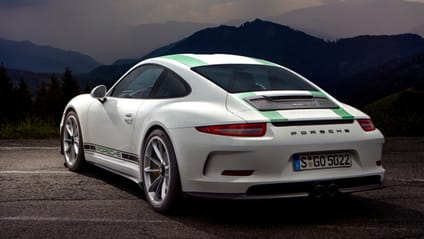
Take the screaming nat-asp 4.0-litre engine from a GT3 RS, pair it with a manual gearbox, get rid of a load of weight, clothe it all in a wingless body with ’60s throwback stripes, watch as the world’s car media works itself into a rabid, frothing frenzy over the finished product. Porsche knew exactly what it was doing with the 911 R, and we fell for it hook, like and sinker. Mainly because it was utterly brilliant.
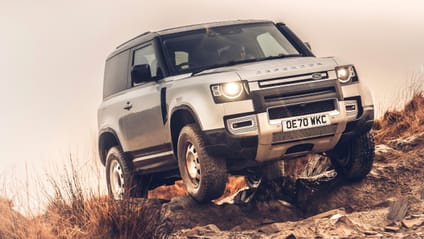
How do you replace a car that was in production for 67 years and was part of the actual cultural fabric of a nation? Well, if you’re Land Rover, you do it in a way that annoys the people who for some reason think the ability to hose out the interior is still a major selling point in a new car, but that for everyone else is a stylish, luxurious and still hugely capable reimagining of a legend. And then offer it with a supercharged V8 for good measure.
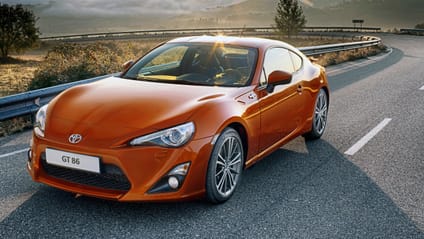
The year is 2012, and there hasn’t been a sports car in Toyota’s range since the MR2 died five years earlier. The most interesting thing in the brand’s showrooms is the weirdo that is the iQ. Thankfully, salvation is just around the corner, and it has a thrummy Subaru-developed boxer engine, the skinny, low-grip rubber from a Prius to help it do skids, and a price well within the reaches of many who’d grown up enamoured by Initial D. It also has an enormous torque flat spot, but y’know, nobody’s perfect.
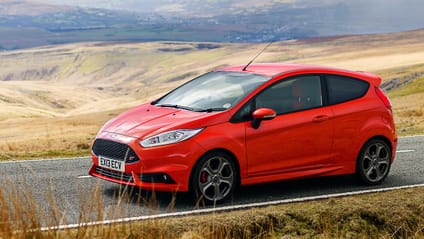
Ford had gone into the new millennium showing the rest of the car industry how to make normal cars drive brilliantly, but paradoxically, its performance stuff had been a bit hit and miss. 2013’s Fiesta ST, though, was absolutely a hit, and a big, song-of-the-summer one at that – nothing revolutionary, but brilliantly accessible and enormously fun. It was far from the most powerful of its class, or the poshest, but for simply doing what a little hot hatch should and putting a big grin on your face, nothing else came close.
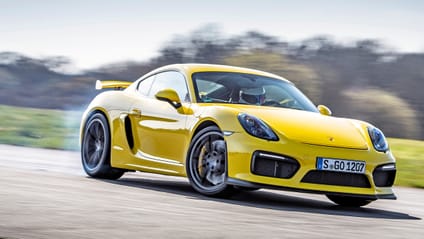
You always got the sense that Porsche was holding the Boxster and Cayman back from their full potential, because of their rear-engined sibling that held an almost sacred spot in the company’s lineup. It was truly worth the wait for the GT department to finally get its hands on the ‘baby’ Porsche in 2015, though – if you weren’t bothered by its Not A 911 status, the Cayman GT4 quickly cemented itself as one of the most complete and engaging sports cars of its era. Of any era, in fact.
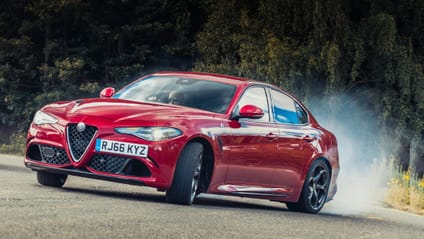
We’d all but given up on Alfa ever managing to build a great driver’s car again before the Giulia Quadrifoglio burst onto the scene in a cloud of tyre smoke in 2016. Here, with its sensational rear-wheel drive chassis and phenomenal new twin-turbo V6, was finally an Alfa Romeo that was every bit as fantastic to drive as it was gorgeous to look at, and worth every previous disappointment for the Alfisti.
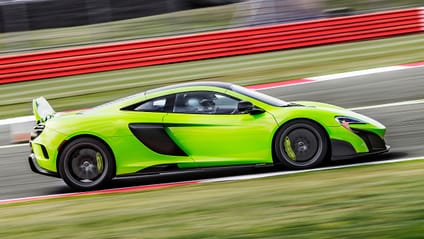
The update from 12C to 650S represented a major shift in personality for the reborn McLaren’s first model, but that was nothing compared to the changes made for the limited-run 675LT. This wasn’t a simple lightweight special – the 3.8-litre twin-turbo V8, now pushing a beastly 666bhp, was so thoroughly re-engineered that around half the components were new. Together with the reworked aero, compliant suspension and talkative steering, the result was one of the most engaging supercars of its era.
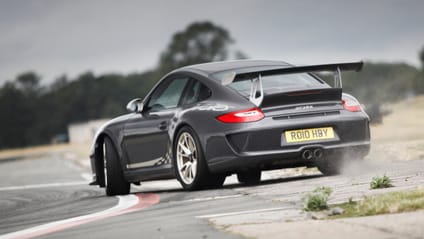
At the turn of the 2010s, time was running out for Porsche’s sensational, hard-edged Mezger flat-six, so its maker decided to give it a proper retirement gift. That amounted to an increase from 3.8 to 4.0 litres, a host of other tweaks, a new 493bhp output, and installation in one of the most hardcore 911s ever: an even lighter, harder version of the 997 GT3 RS – hardly a big teddy bear to begin with. The result was an uncompromising road racer, but possibly the most exciting 911 derivative of all time.
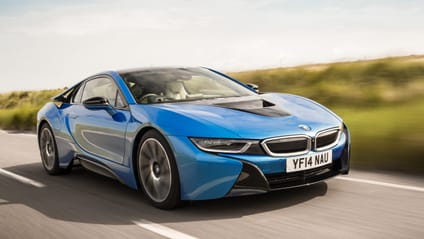
Remember earlier, we were talking about how ahead of its time the BMW i3 was? Arriving in 2014, the plug-in hybrid i8 was arguably an even more spookily prophetic look at the way performance cars would be going a decade later. Except that most fast PHEVs nowadays are big and heavy – with its carbon chassis and compact three-cylinder engine, the i8 wasn’t, and that meant it could keep pace with a 911 Carrera, sip fuel like a diesel Golf, and handle with as much alacrity as you’d hope a mid-engined BMW sports car would.
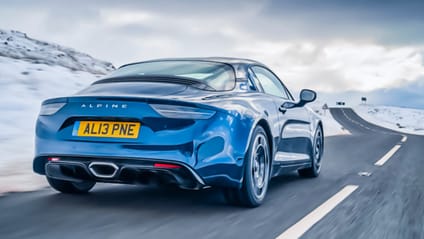
As cars spent the 2010s getting ever heavier and more complicated, the reborn Alpine A110 was a superb reminder of how fundamentally right a car feels when you keep the recipe simple, the power modest and the weight low. While admittedly a niche choice next to, say, a Cayman, it remains a complete masterstroke from Renault, and one of the most all-round satisfying sports cars of all time, its gorgeous retro looks only heightening the appeal.
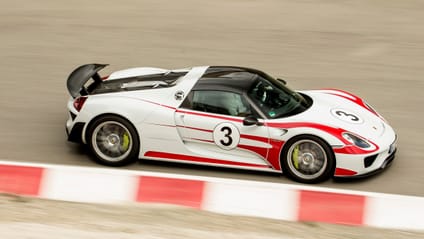
Just as mind-rearrangingly fast as its rivals, and as dramatic too, with its motorsport-derived V8 and exhausts that belched flames almost directly out of the engine. Yet it was simultaneously the most usable – it had the biggest electric range and the plushest cabin, and its all-wheel drive meant its biblical performance was more accessible more of the time, which can’t be a bad thing.
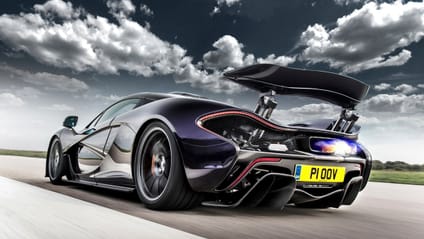
And so, the McLaren – perhaps the most savage of the three, with the 727bhp made by its twin-turbo V8 coming in a big, boosty rush and, like its rival from Maranello, its total 903bhp output going to the rear wheels alone. It’s an unquestionably exciting thing that demands your respect, and yet unlike the Ferrari, it’ll pootle around town silently in e-mode, giving away nothing of the sheer fury that lurks beneath. To us, its looks have just got better in the intervening decade-and-a-bit, too, but again, it’s an incredibly close-run thing.
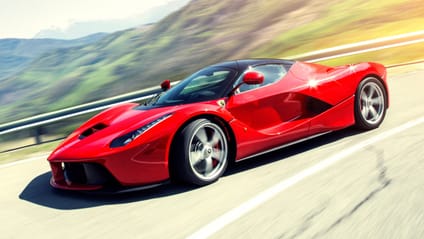
The Ferrari The Ferrari. Silly name, transcendental machine. For TG, this pips the Porsche and the McLaren in the once-in-an-era rivalry that became a defining storyline for an entire generation of car enthusiasts. It's the one that made our collective spines tingle. To use that KERS technology to do nothing but supplement the supernatural V12 is not forward-thinking, but, by crikey, it’s wonderful. It drives like we imagined a supercar would drive when we were ten years old – leagues above common, laugh-out-loud fun, stupidly fast.
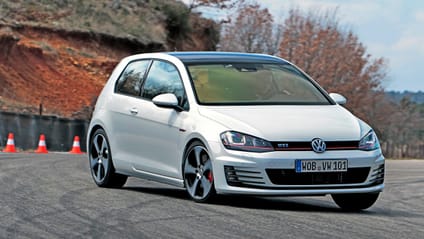
Those hypercars are all well and good, but for the vast majority of us, they may as well only exist in idle daydreams. The Mk7 Volkswagen Golf GTI – quite possibly the most complete, well-rounded hot hatchback of all time – is the opposite of that. There’s practically nothing it doesn’t do well, unless you’re trying to use it for something daft like crossing the Arctic or going to the moon, and yet you can buy one nowadays from about half the price of a new Dacia Sandero. Amazing.
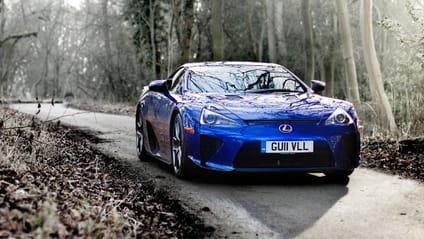
The IS F had shown that Lexus had promise as a maker of performance cars, but most were still sceptical about the idea of it building a supercar, even if it had been a painful labour of love a decade in the making. Any lingering doubt was soon obliterated, though: the LFA was a masterpiece. As satisfying to drive as any supercar contemporaries, yet as beautifully built as we’d come to expect from Lexus, the icing on the cake was quite possibly the most exquisite engine ever fitted to a road car.
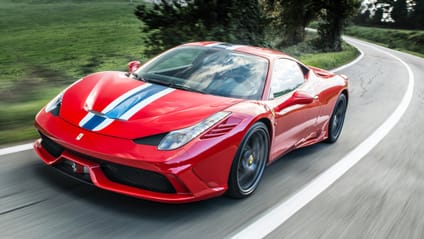
How to mark the end of the era of naturally aspirated, mid-engined Ferraris? That was the dilemma facing Maranello in the early 2010s. The answer? The 458 Speciale, a lighter, harder, more powerful version of what was already the best of the breed. The treatment elevated the 458 from a great car to a truly epic one, imbued with a level of involvement, response, drama and usability that arguably nothing that’s come along since has managed to eclipse. The tipping point between analogue and digital, it was a high point for the supercar, and the best car of the 2010s.
Get all the latest news, reviews and exclusives, direct to your inbox.