



25
Older Atoms and stiffer, more aggressive Caterhams are a wild ride. Fizzy and frenetic but, bullied by the road surface, they tend to be pushed and punched about making you feel like you're strapped to the back of a bucking bronco.
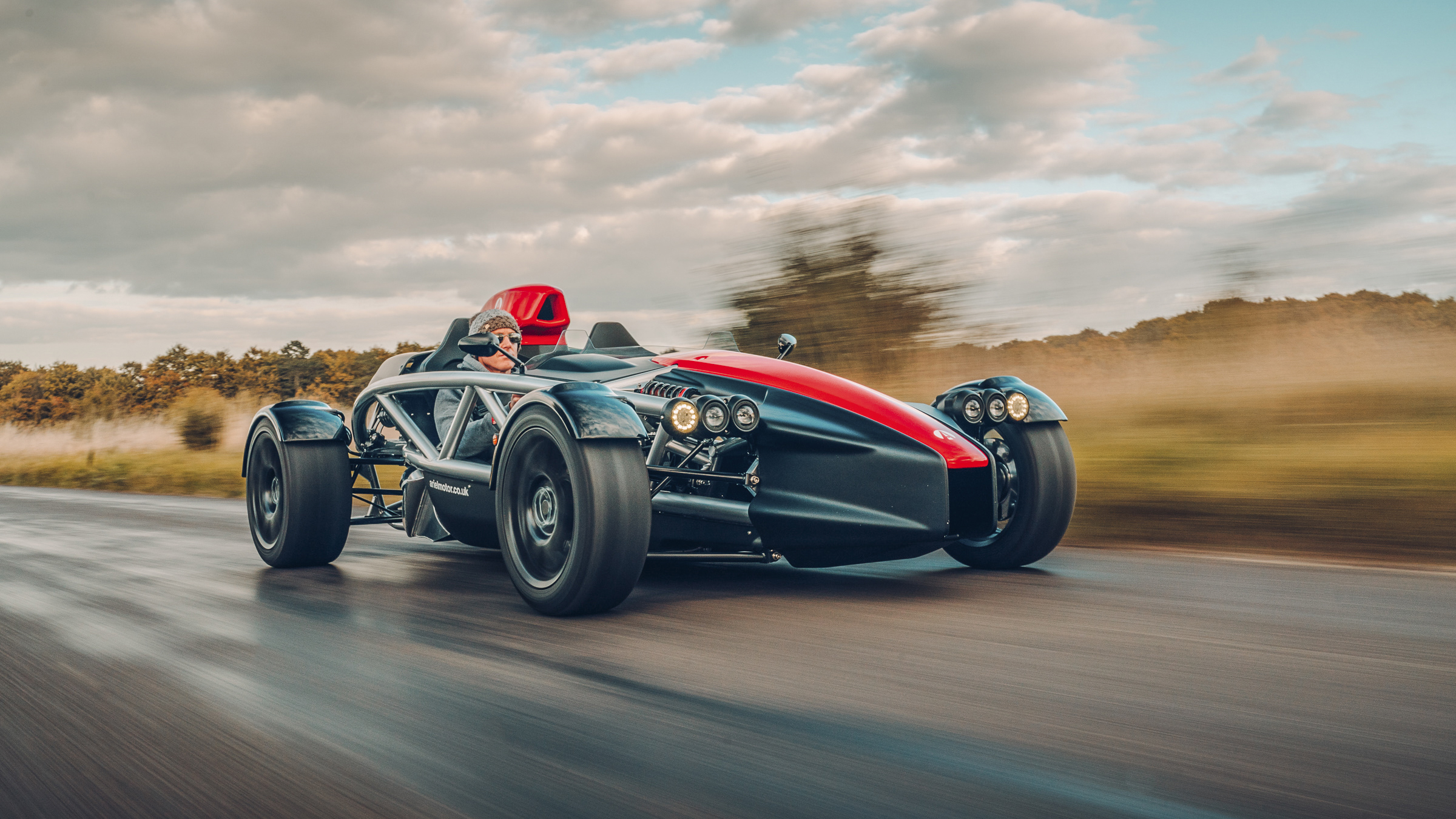
With the Atom 4, Ariel focused in on the suspension geometry and the result was outstanding. It still is today, nearly eight years on from when we first drove it. There is a fluency to its movement, an ability to soak up punishment and a maturity to its responses that no rival can match.
To drive the Atom 4 is to be convinced. Yes, you still get bugs (or worse) in your teeth if you have a helmet allergy, and with that level of exposure you might think that jumpy, jittery suspension is a minor consideration. It isn’t.
Because the Atom can now make largely unflappable and easy progress even on the bumpiest, trickiest roads, you don't have to keep such a firm grip on the steering, you’re free to enjoy the ride a bit more. It’s supple, able to skate over potholes and bumps without deflecting the car from its course. There’s barely any tremor and fidget from the frame, it stays level around corners and under braking and acceleration.
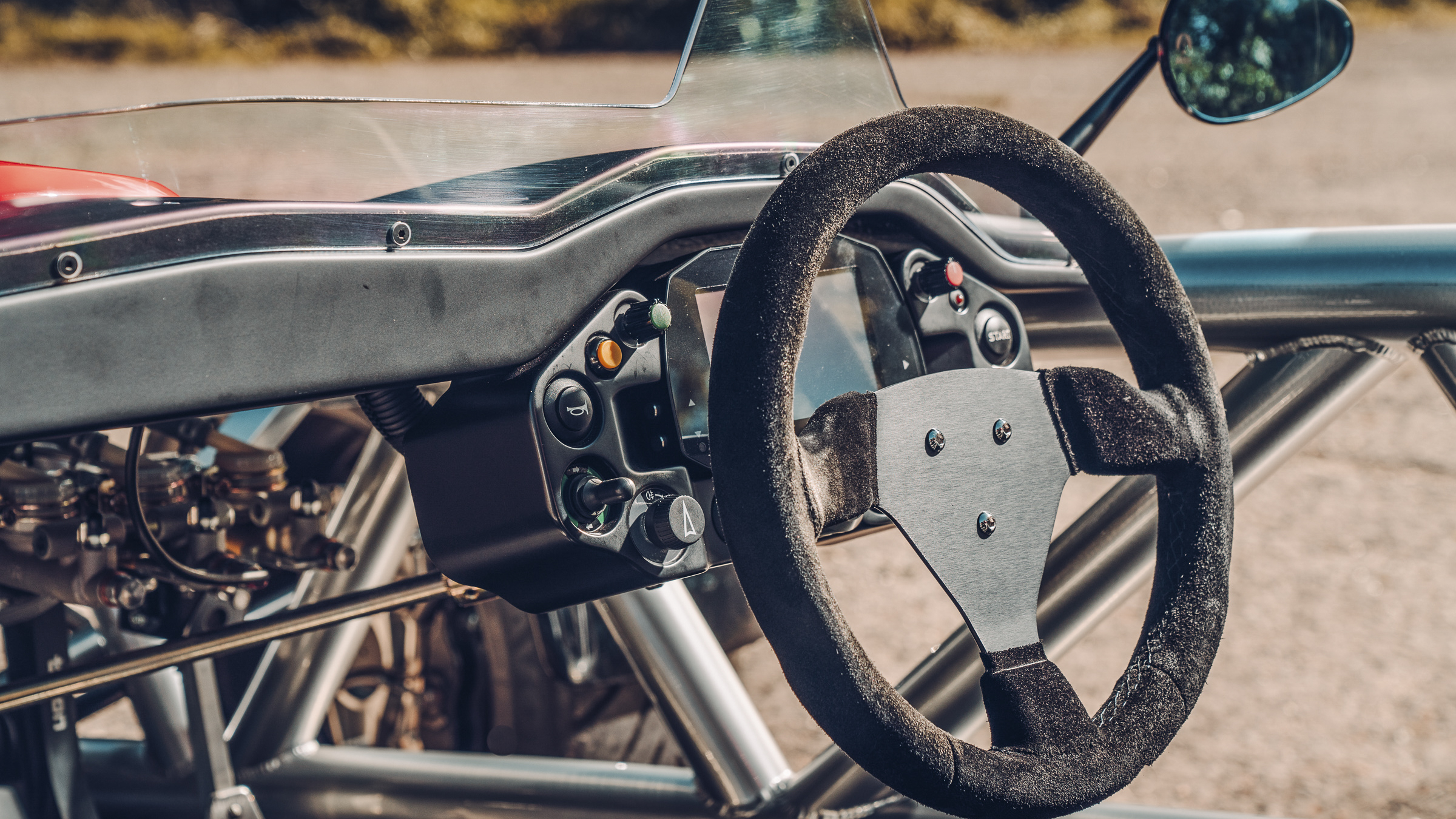
Depending on what dampers you have opted for, there’s a whole range of adjustments. And it's not like you have to lie on your back under the car in order to make changes when the dampers are so exposed and accessible. Just twist to fit your mood whether that’s a summer pub trip with your partner or a solo track day. And because the car is light and fulsome, the change to how the car feels is remarkable.
We recommend in-ear headphones as a minimum. If you're doing distance, you need to listen to something else to drown out wind roar and other traffic, and if you are blasting about, kill the tunes but keep them in.
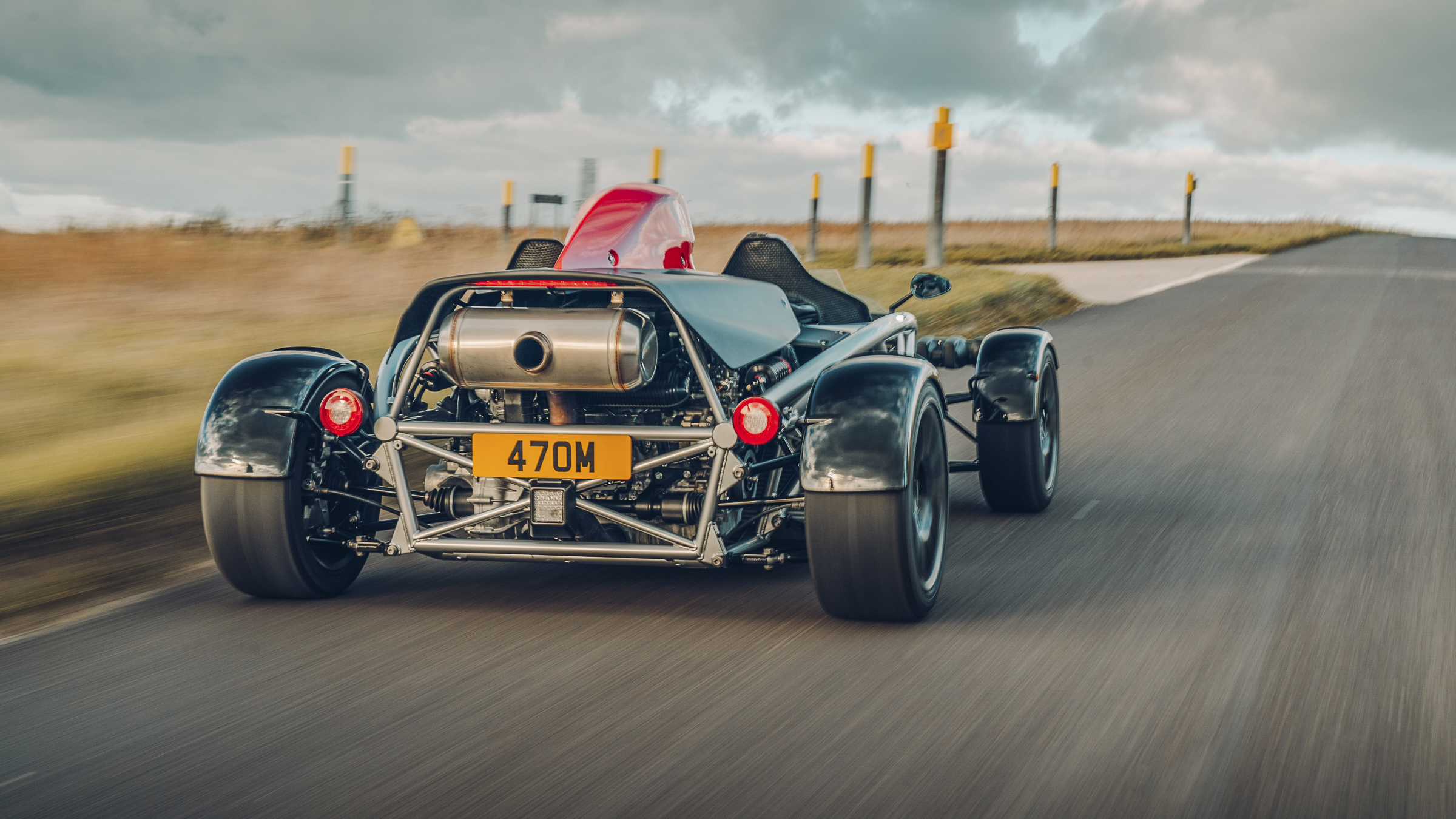
Reason being that the air intake between you and the passenger dominates everything. The turbo hisses and shrieks like Medusa having a meltdown. There is engine noise back there, but it’s hard to discern if you’re on and off the throttle and the engine is sucking and blowing like a Parkrun novice. Still, with the noise muffled it’s fun to play tunes on a turbo this responsive.
If you value purity above all then you might be bothered by the fact that throttle input isn’t precisely mirrored by progress. There’s inevitably some low rev lag. But once beyond 3,000rpm, it sharpens up beautifully. Plus the integration of engine, turbo and gearbox feels so tight and well engineered.
Maybe that's not so surprising when you know that the whole package comes direct from Honda, but that is by no means job done. Everything from engine vibration to throttle calibration still needs to be sorted. The gearbox is an absolute highlight. Faster Atoms have a sequential ‘box, which is wonderfully precise and fast, but you lose the tactility and pleasure of shifting the lever yourself.
This powertrain gives you options. You can drive at the power peak, or you can sit back and let the torque thrust you along – something it is ridiculously effective at. The performance is frankly ridiculous. It’s supercar fast, Ferrari 296 or McLaren 750S pace, but with extra outdoors astonishment, capable of generating colossal speed in very short timeframes.
The old car was self-limiting – the suspension got scary quite quickly and aerodynamics limited top end shove. Neither of those is the case any more. Which means the numbers on the dash get big very quickly, and you feel comfortable with them. Not good for licence retention. As we keep saying, more speed, more capability is the way all sports cars are going, we just didn’t think it would apply to lightweights.
Not that the Atom 4 is short of feel or finesse. It’s just that a filtering process has occurred. Yes, the steering doesn’t wriggle and kickback as much, but don’t mistake that for useful signals. It’s still wonderfully precise and gives you great confidence in the front end. The car’s balance remains slightly rear-biased due to the engine position (the weight distribution is 35:65), but you are going very fast indeed if you start to find understeer a problem.
Overall the balance is much better – back off mid-corner and the tail might start to move slightly, but it’s a calm movement. Similarly if you get wheelspin, it’s less spiky.
Complete monsters, but they retain the drivability of the base car. Suspension control and tyre grip is up, which means the 4R is pretty harmonious as neither power nor grip dominate. Whereas in the 4RR nothing Ariel could do managed to rein in 525bhp.
It’s fun and usable in a wide range of situations. It’s wonderfully tractable around town. It’ll happily pull away in second and if you turn the boost knob down to 1 (for a paltry 220bhp), you get a lot less noise from the intake. No throttle snatch or engine lumpiness, just pure professionalism.
Because it rides well, there’s masses of torque and your head isn’t pummelled in the airflow nearly as badly as before (those tiny screens are remarkably effective), it’s comparatively comfortable to do distance in. Unless it rains.
Get all the latest news, reviews and exclusives, direct to your inbox.
