

the fastest
166kW VZ Extreme 52kWh 5dr Auto
- 0-626.8s
- CO20
- BHP221.3
- MPG
- Price£36,245
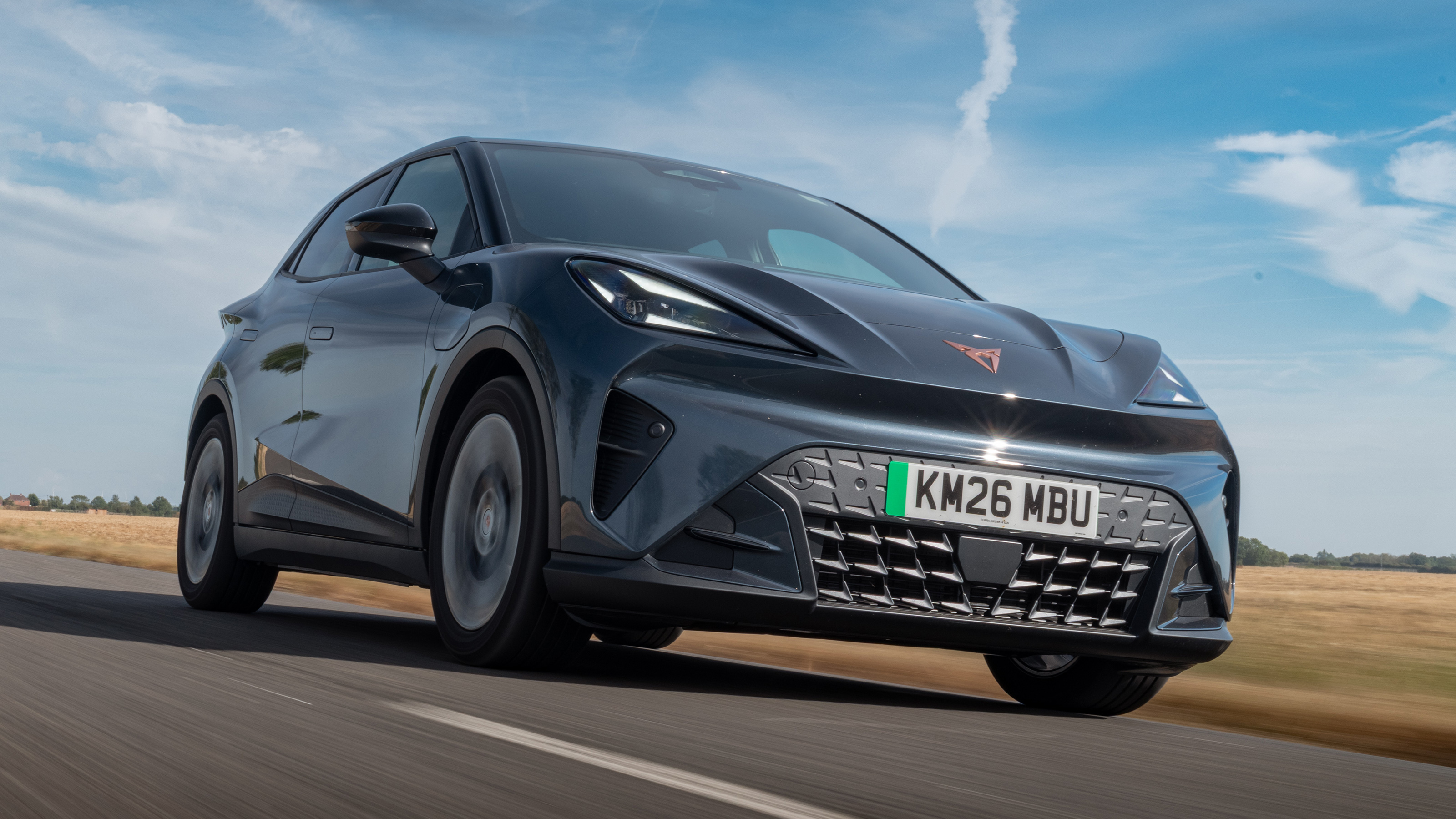
Fun, but not scary. That’s the conclusion. The Raval rode very well even on 19s (other wheels are 17s and 18s) on quite smooth Spanish roads, but when we tried a car shod on 17s in Britain it was noticeably firmer and less plush than a Renault 5. But then again, the whole point of Cupra is that it's supposed to have Latin flair and feel sporty. If you want a less sharp ride, wait for the ID. Polo.
In the VZ, there’s still a fair amount of movement. But sometimes that’s actually useful; it feels like you’re being a bit rally, but it’s all under 50mph. The e-diff is the useful thing here, mainly because you don’t immediately unweight that inside wheel and just spin up the one without traction.
It’ll torque steer a bit, move around a bit, generally feel like it’s misbehaving within certain parameters. It was actually lifting an inside rear wheel on hairpins, which is Fiesta ST territory, and not something you expect from an EV.
Switch off the ESC – which isn’t something you can do in a lot of cars these days – have it in the correct mode and do a ‘turn-in and lift’ shocker and the back end will even mooch towards the outside of a corner. And yes, that did surprise us a little bit. Okay, a lot. But it was fun.
The lesser versions are a great compromise, retaining the agility and pointiness but never feeling skittish or nervous.
There’s also an e-launch mode, but that doesn’t really hit like you think from an EV – but then again 0-62mph in 6.8s just isn’t neck-snapping these days. In fact, if you need to get going, you’re better off just flooring the thing and cracking on. Mopeds – used to traffic light dominance – don’t really like the Raval, which is always childishly amusing.
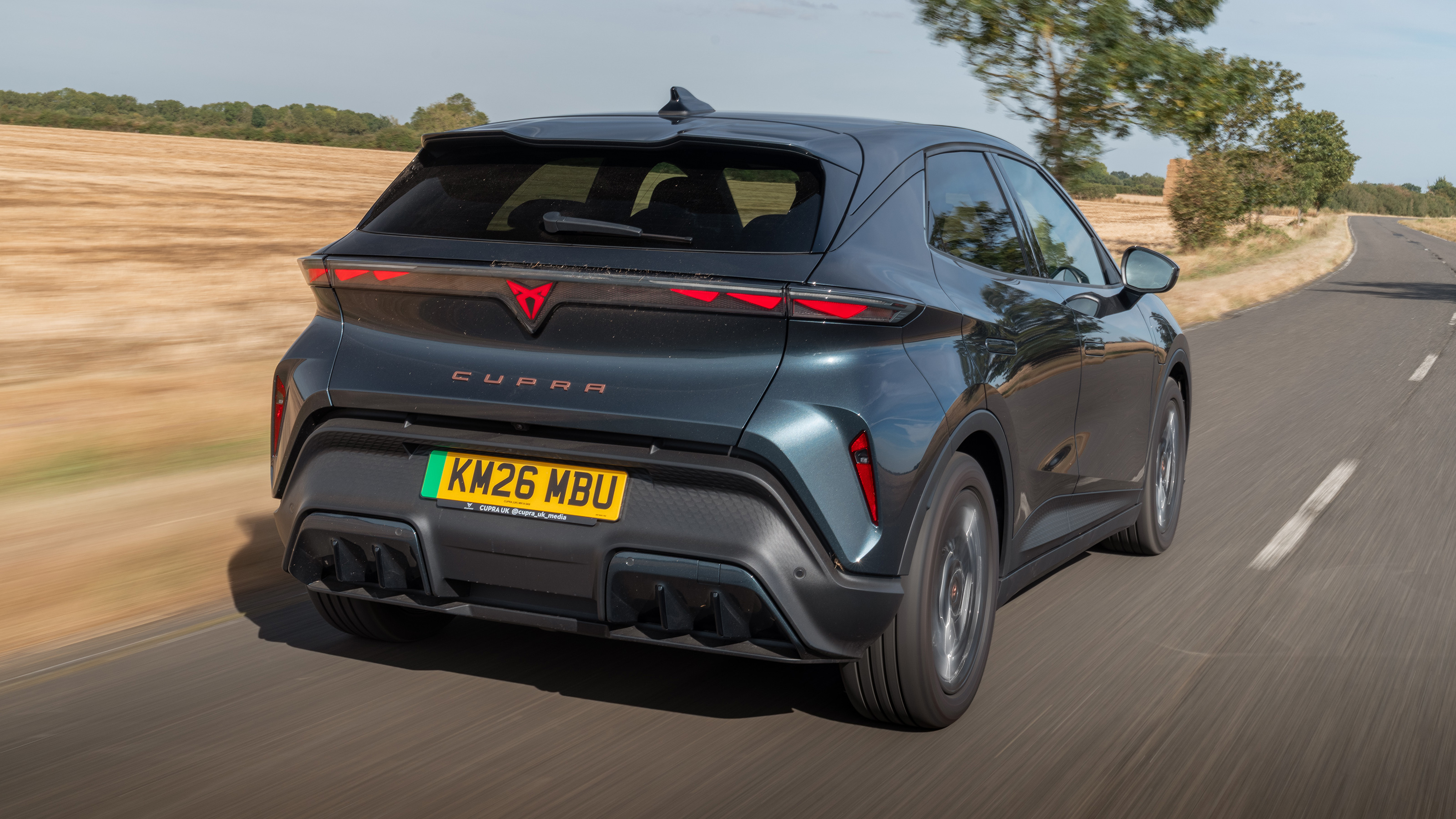
So it’s not a sportscar and the differences in the modes are marginal, but if you wanted a small hatchback EV with a touch of spice, you got it. Cupra is carving out a little niche for itself – and although we’re loath to endorse any kind of marketing spiel, it does feel just a touch rebellious in the context of what it is. Even the 207bhp version likes a torque-steer wriggle and feels nippy under max acceleration.
If you want to get all sensible for a minute, there’s efficiency to be had here. In town, the Raval was in its element and the range-o-meter barely seemed to want to move, giving over 5.0 mi/kWh. That dropped considerably when out on the quicker Spanish roads and motorway, but we were still looking at 220 miles of range all-in.
That’s for the biggest battery (52kWh) and the most power output (222bhp), too. So these new platform cars certainly seem to be capable.
Back in the UK with the circa-200bhp version with the bigger battery and less range-hurting driving aids, we easily managed over 4.5 mi/kWh and a real-world range of 235 miles. That's around 40 miles less than the WLTP claim, though be aware we've only tested the Raval during Spanish and British heatwaves.
In winter, it'll be interesting to see if its performance tanks as hard as the Renault 5, which sheds a calamitous 100 miles of range in January versus what it'll offer up in July...
You can try, but it'd be easier to invent a perpetual motion machine and drive around in that instead.
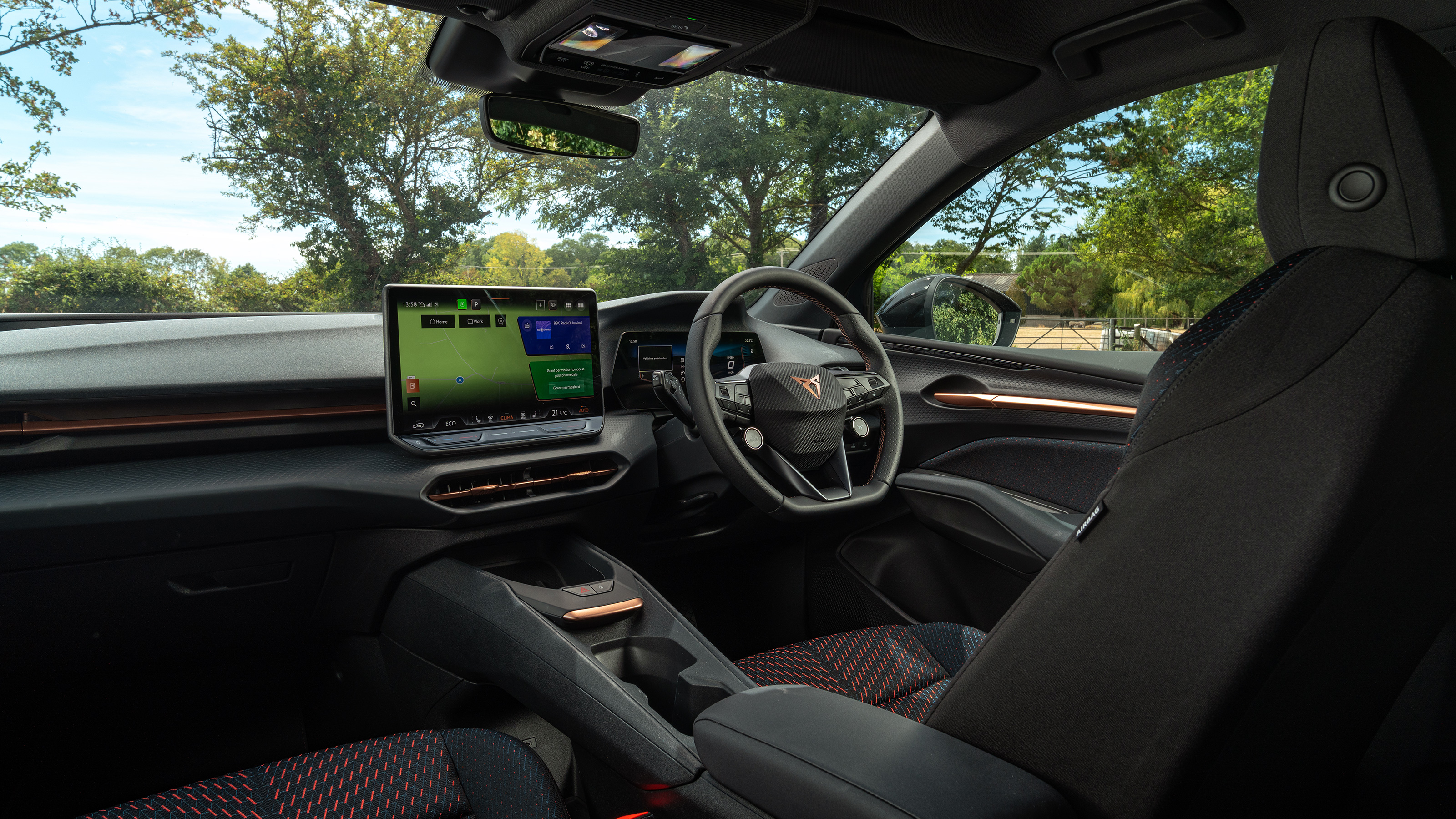
The Raval mucks up this simple feature by autocratically deciding you want different amounts of regen in each of its five drive modes. If you manually click the paddles to cue up say, max regen in town, the moment you touch the gas pedal, it’ll default back to its own choice. Why do (some) carmakers think drivers want the brakes to be a guessing game? Madness. Hopefully a logical software update banishes this bugbear soon.
Get all the latest news, reviews and exclusives, direct to your inbox.