



25
Everything you need is here, but a lot of what you don't isn't. Which is calming.
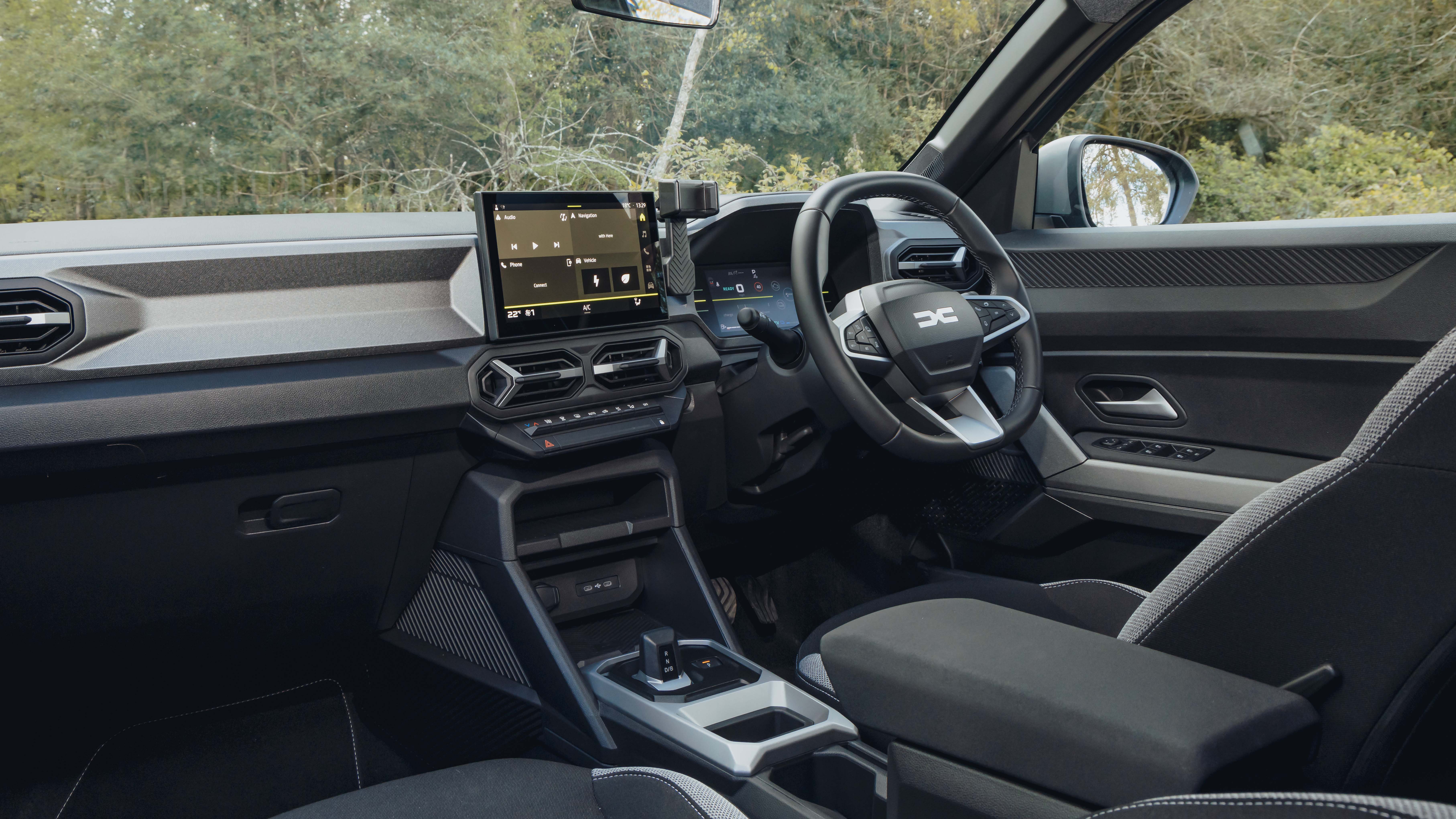
Yes, you know where the money is being saved. Hard plastic abounds. The carpet resembles a slab of moulded blotting paper (if much more durable). The vents have a gritty action. Want a soft touch dash? Get a Renault Symbioz and see how you like the extra monthly payments.
The Duster's seats are fine and it's easy to get comfy in the front. Rear legroom has grown a little since the previous Duster and because you sit upright it's OK even for adults. The rear side windows aren't that big and the beltline is high so 10-year-olds might not be able to see out that well.
The boot size varies, depending on what's under the floor, measuring an impressive 594 litres in the unencumbered FWD manual, 520 in the 4x4 (because differential and more complex suspension), and 496 litres in the full hybrid (because battery). Seats down you’ve got between 1,696 and 1,609 litres of space to play with.
All versions now get a digital driver's display, but the small graphics don't use the pixels well. The 10.1in centre touchscreen is also a bit dopey: by the time the satnav screen boots up, you'll have arrived at your destination. But there's a handy built-in clip for your own phone – though we did find getting it in and out a bit fiddly.
Journey spec also has a better stereo: 3D sound, Dacia says. We found it a bit one dimensional. Still, a big up for the proper physical climate switches and buttons to defeat the inappropriate intrusions of driver 'assist'.
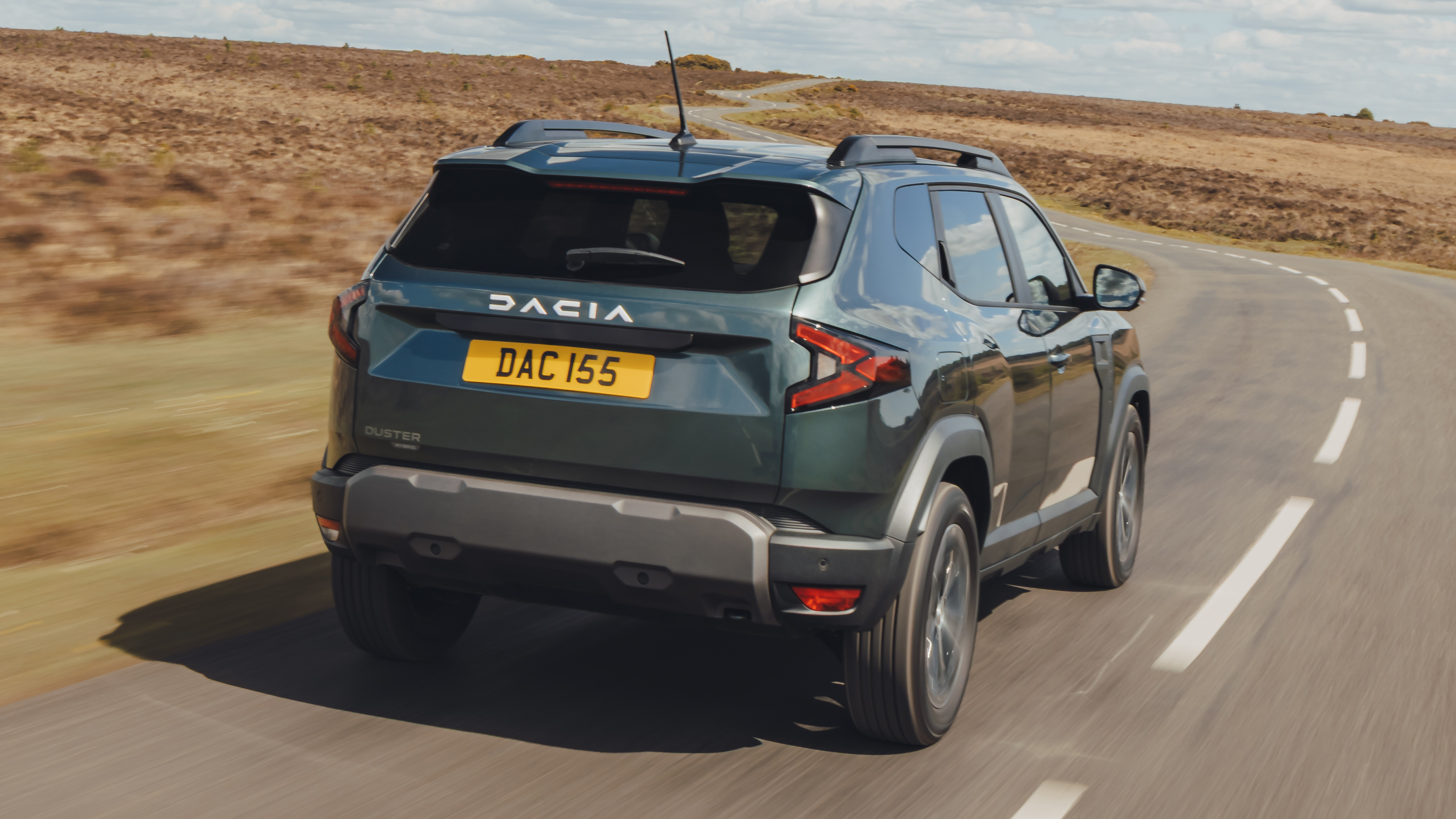
Dacia is offering some clever accessories though: storage clips for gadgets, hooks, fun roof racks and boxes to make use of the modular roof bars, and best of all a double bed that stores origami-like in the boot and turns the Duster into a two-people campervanette.
Get all the latest news, reviews and exclusives, direct to your inbox.
