

DS
1.6 E-Tense Performance Line + 5DR EAT8
£46,835
Facelift has improved looks, interesting cabin style, supple ride in most versions
No pure petrol option, rather expensive, top-power one has awful ride and confused identity
The new DS 7. Not new new, because you might recognise it as the DS 7 Crossback, as it was called when it was unveiled in 2017. Since then it's been facelifted, and now goes about its business minus the Crossback badge.
Unfamiliar with DS? Formerly part of Citroen, a few years back the French conglomerate decided to spin it off into a separate brand. Why? Premium players pocket the plumpest profits.
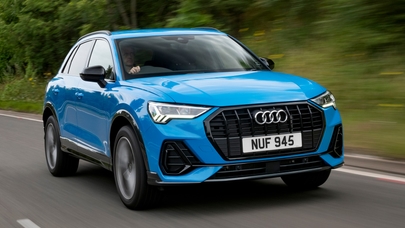
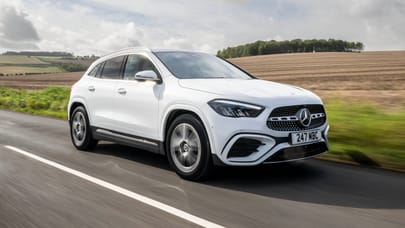
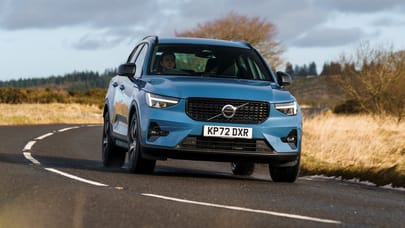
Rivals include the Audi Q3, BMW X1, Mercedes GLA, Jaguar E-Pace, Volvo XC40… you get the gist. None have quite left-field appeal of the DS 7, though.
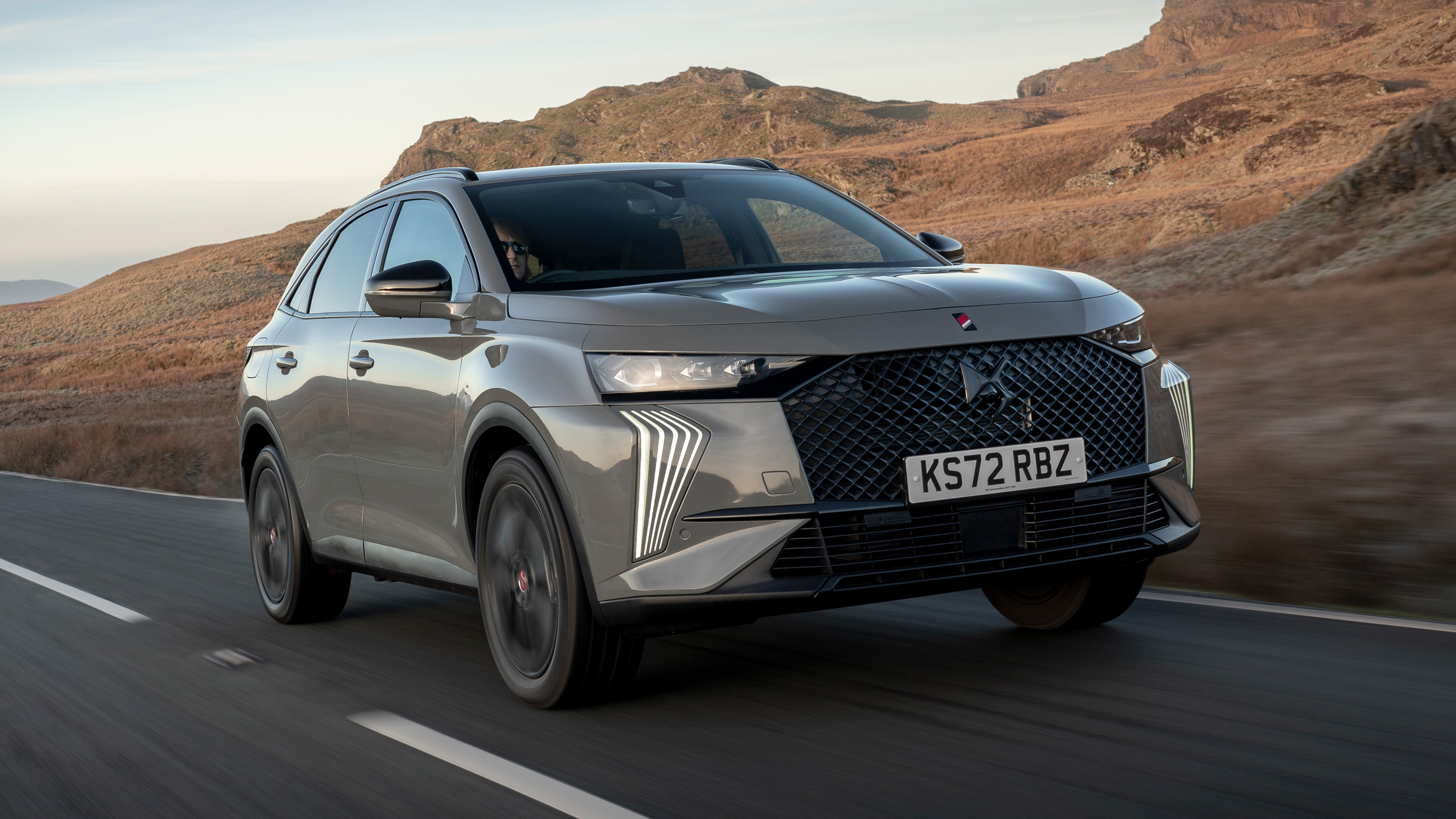
Well, it wears a rather smart-looking new face, including slimmer LED headlamps and those five vertical light bars on the front corners. A light veil, DS calls it.
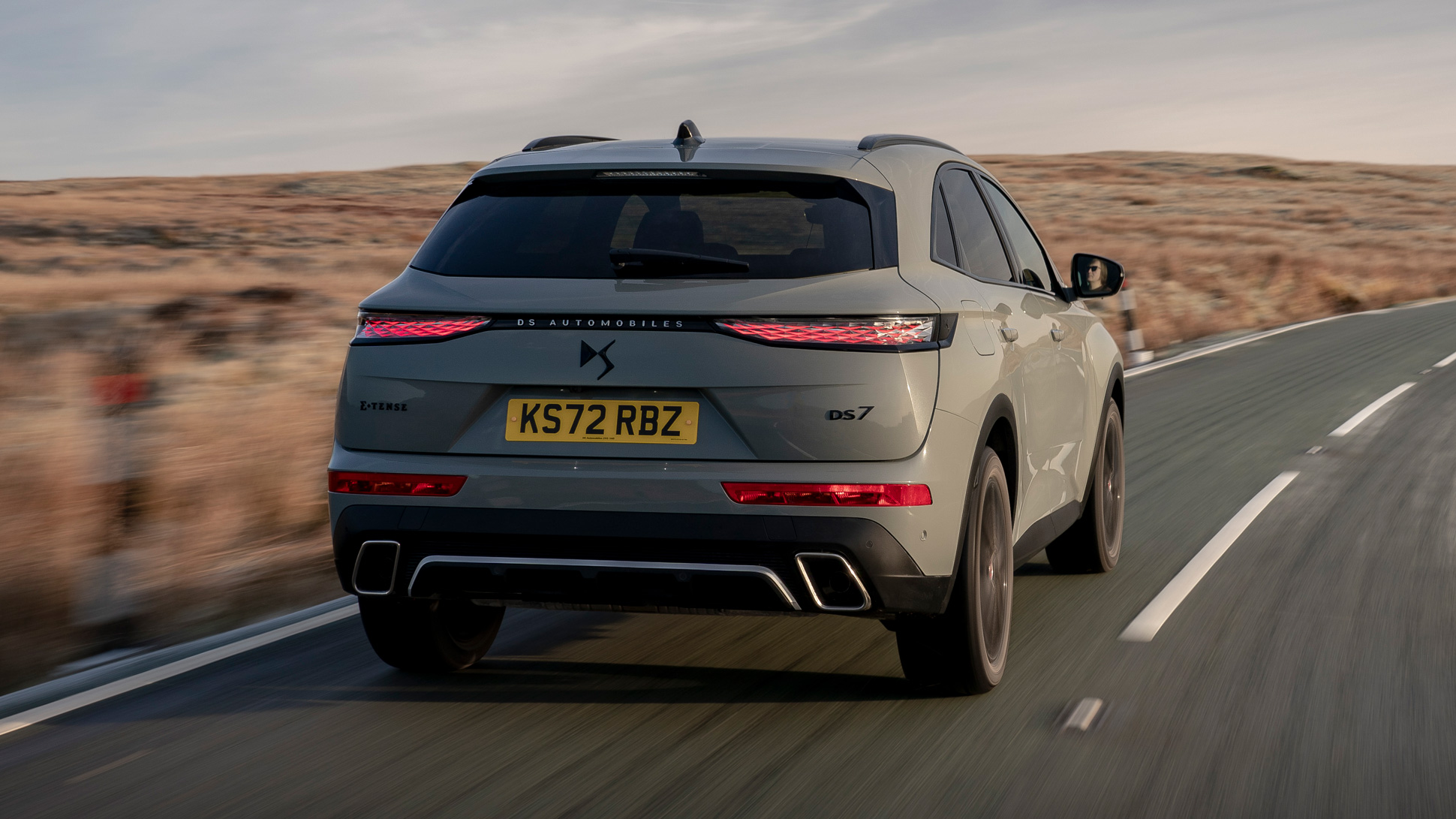
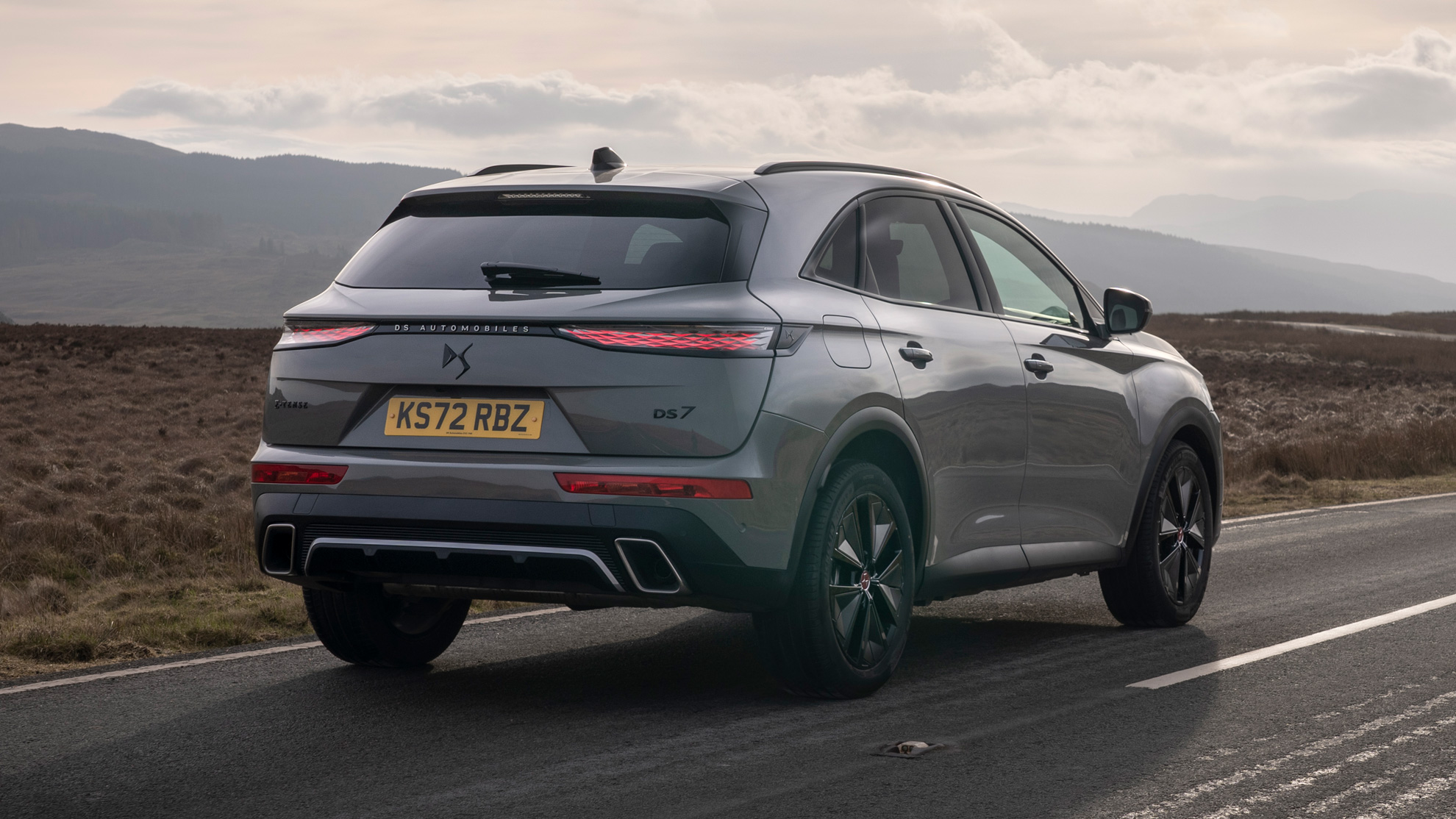
The back end has also received the same treatment, with slimmer LED rear lights and a redesigned boot lid, plus DS lettering in place of the Crossback signature. New alloy wheels complete the uniform, one we reckon it wears rather well. Overall effect is to have improved the stance and made it look more solid. More, yes, premium.
Inside, the cabin has also had an upgrade with new materials along with a refreshed instrument panel and improved infotainment system, plus voice recognition.
Boldly, DS has taken all pure-petrol cars off sale. It's diesel and PHEV-only. The lesser-powered PHEV is front-drive only and pairs a 1.6-litre engine and single 109bhp electric motor, while the middling- and upper-powered engines are all-wheel drive and get an additional 110bhp electric motor.
All three get a higher-capacity 14.2kWh battery than before, good for around 40 miles of electric range, with charging taking an hour and 45 minus from a 7kW wallbox. Or seven hours from a three-pin socket.
There’s plenty of tech available, including Active Scan Suspension, a camera-controlled damping system that adjusts each wheel independently according to imperfections in the road for improved comfort. It works reasonably well, best on medium-smooth surfaces.
Well, inside some of the trims, materials and switches are a bit bling, though others rather gorgeous. Materials are fine: leather, metal, hi-res widescreens. The whole confection somehow has the air of a boutique hotel bar. Or maybe bathroom. Minus the porcelain. Head to the interior tab for more.
Don’t expect any sporting pretentiousness: minus the range-topping 355bhp 4WD variant, it’s clearly been designed with comfort in mind, from the plush cabin, that squishy road-reading chassis and the driver aids. It's all the better for it.
Prices start at £36,760 for the diesel DS 7, but if you’re wanting the plug-in hybrid – and the eight per cent BiK tax rate – you’re looking at £44,190. The AWD versions start at £51,890. Head over to the Buying tab for the full lowdown.
The DS 7 is well-enough executed as a vehicle to barge its way into the mosh pit of rivals. It looks premium (particularly so now given the mid-life facelift), feels premium, and drives pleasingly enough, while its striking, plush cabin and relaxed nature are a relatively distinctive proposition.
The biggest issue is the asking price, which will surely put it out of reach compared to most of its mainstream rivals. Although much of that price is accounted for by the PHEV system.
DS buyers it seems are positively attracted to the fact they're not just buying their umpteenth Audi, and cherish the individuality. Certainly we can't see the day when there's one of these on every street. It's a little oddball for that, even if appealingly so.
Thank you for subscribing to our newsletter. Look out for your regular round-up of news, reviews and offers in your inbox.
Get all the latest news, reviews and exclusives, direct to your inbox.