

the fastest
157kW E-TENSE DS Performance Line 61kWh 5dr Auto
- 0-627.1s
- CO20
- BHP210.5
- MPG
- Price£40,295
The steering is accurate enough and body roll well controlled. But it's not the sort of car that encourages you to corner at pace. The ride height and comfort-first suspension will see to that.
Disappointing, then, that it’s not actually that comfy. It's quite firm on all but the smoothest of roads, likely not helped by the big alloys it rides on. Strangely, DS seems to have done away with its Active Scan Suspension – the camera-based road monitoring system – in the new No 4. It’s much missed.
There are driving modes, including Sport. You’ll do well to leave it alone. Because the steering and handling are unengaging, you won't gain much by using it. Does anybody actually use driving modes in their family hatch anyway?
We’re yet to try the mild hybrid in this new DS No 4, though it’s a familiar powertrain from elsewhere within the group. It essentially pairs a diddy three-cylinder petrol engine with a small electric motor and battery for a 143bhp total.
It can operate on electricity alone, but you won’t get very far on it. Instead it’s there to support the engine on startup/under acceleration – though the 0-62mph time of 9.5 seconds is slightly slower than its equivalent Peugeot 308 and Vauxhall Astra counterparts. No hustling here.
As mentioned it’s self-charging and recovers energy during deceleration and braking. Oh, and it's a six-speed auto only. DS reckons on up to 54mpg – we’ve seen a real world 50mpg elsewhere.
This is largely the same as its predecessor, sandwiching a 108bhp electric motor between the 178bhp engine and the seven-speed electrified dual clutch transmission for a combined total output of 222bhp. However, it now gets a 14.6kWh battery allowing for up to 50 miles of e-running. In electric-only mode, it'll easily keep up with suburban traffic.
It's a sprightly thing at full bore, 0-62mph taking 7.4s, but you do have to give it a bit of notice when a spurt of acceleration is needed, so it can wake the engine, summon some boost, and probably shift down a gear or two as well. Again, nothing unusual for a PHEV, but this one is merely average at doing that juggle. Still, if you can drive with anticipation it's smooth and quiet.
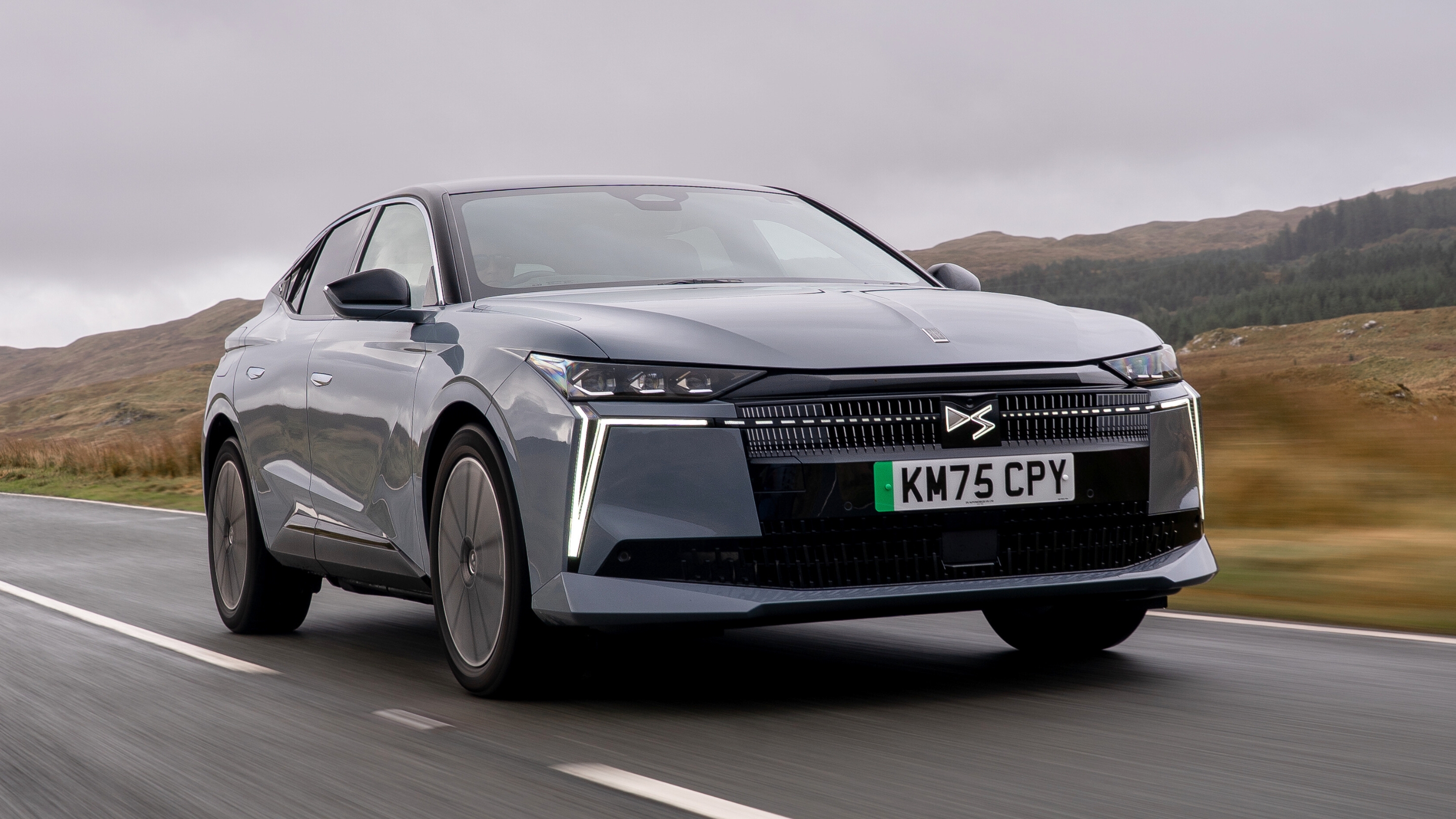
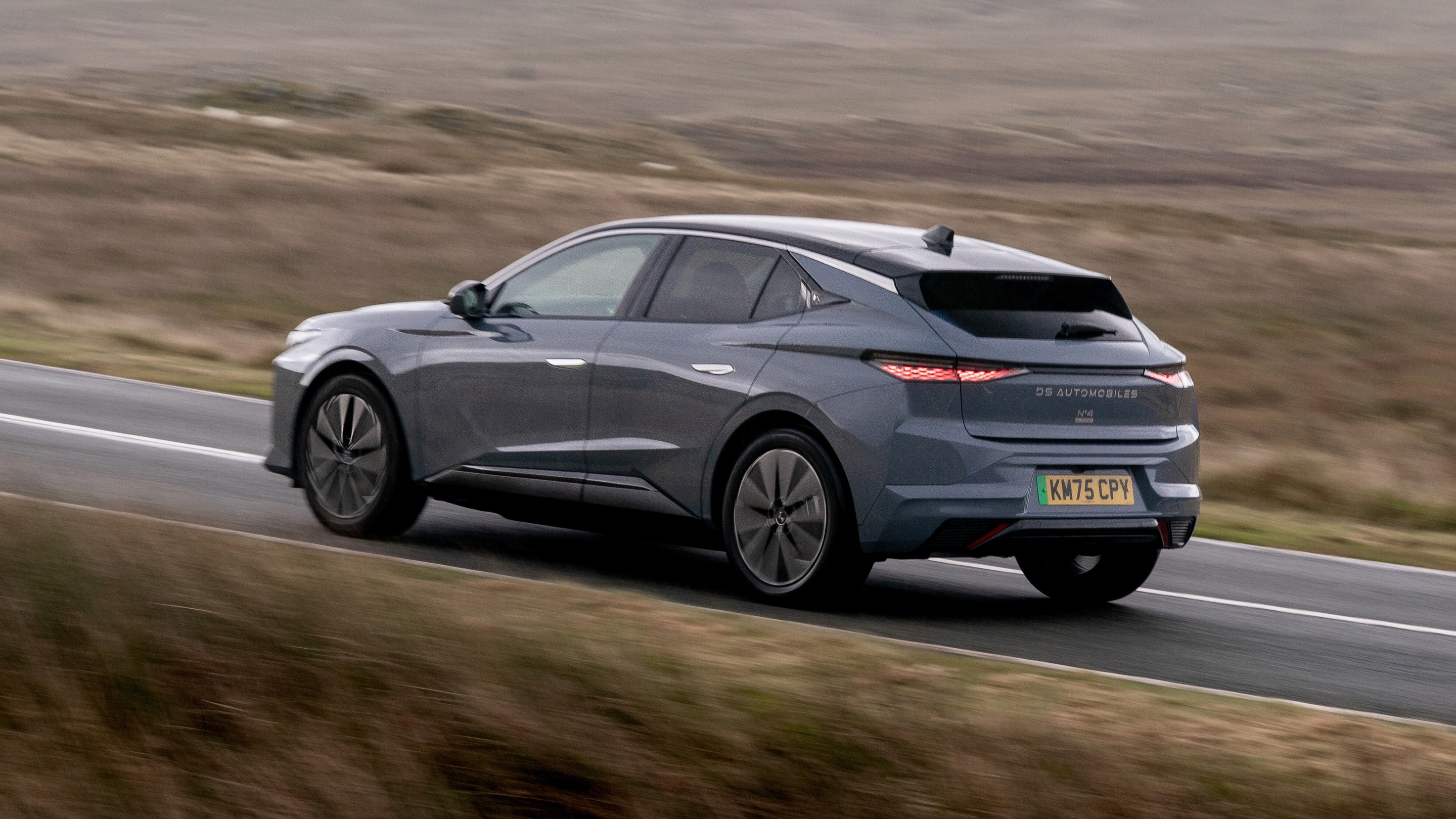
Yep, we’re getting there. So, the most important figure is 280 miles. That’s the claimed range, courtesy of the 58.3kWh (net) battery. Total power output is 210bhp, delivered to the front wheels.
Which is plenty, and also makes it the quickest No 4 you can buy, with 0-62mph seen off in 7.1 seconds – although it doesn’t feel that fast, largely because the power delivery is quite progressive. It doesn't pin you back in your seat like a Tesla, for example. Paddles behind the steering wheel allow you to switch between three levels of regen, useful for town/motorway driving.
Find yourself a 120kW charger, and a 20 to 80 per cent charge takes around half an hour. And an expensive bill to match. On a home wallbox, it’s around five hours 20 minutes. But it'll cost you less than a cup of coffee.
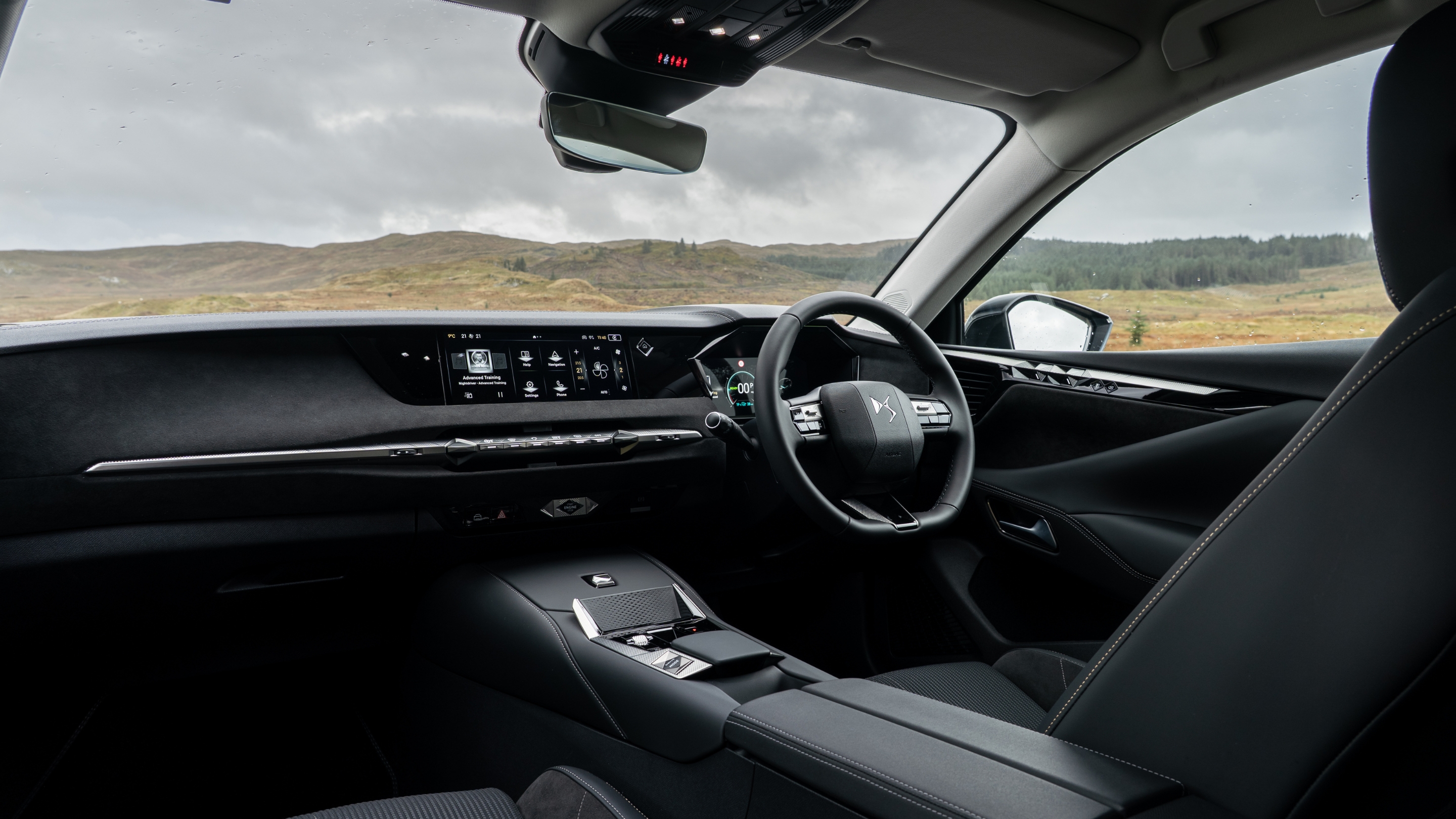
Yup, the usual story, including speed limit and lane keep assist. But you do at least get a dedicated button below the screen that takes them to you to the menu to turn them all off. Better yet, you can programme it so that holding down the button turns off everything completely. Still have to do it every time you get in, mind.
Get all the latest news, reviews and exclusives, direct to your inbox.