



25
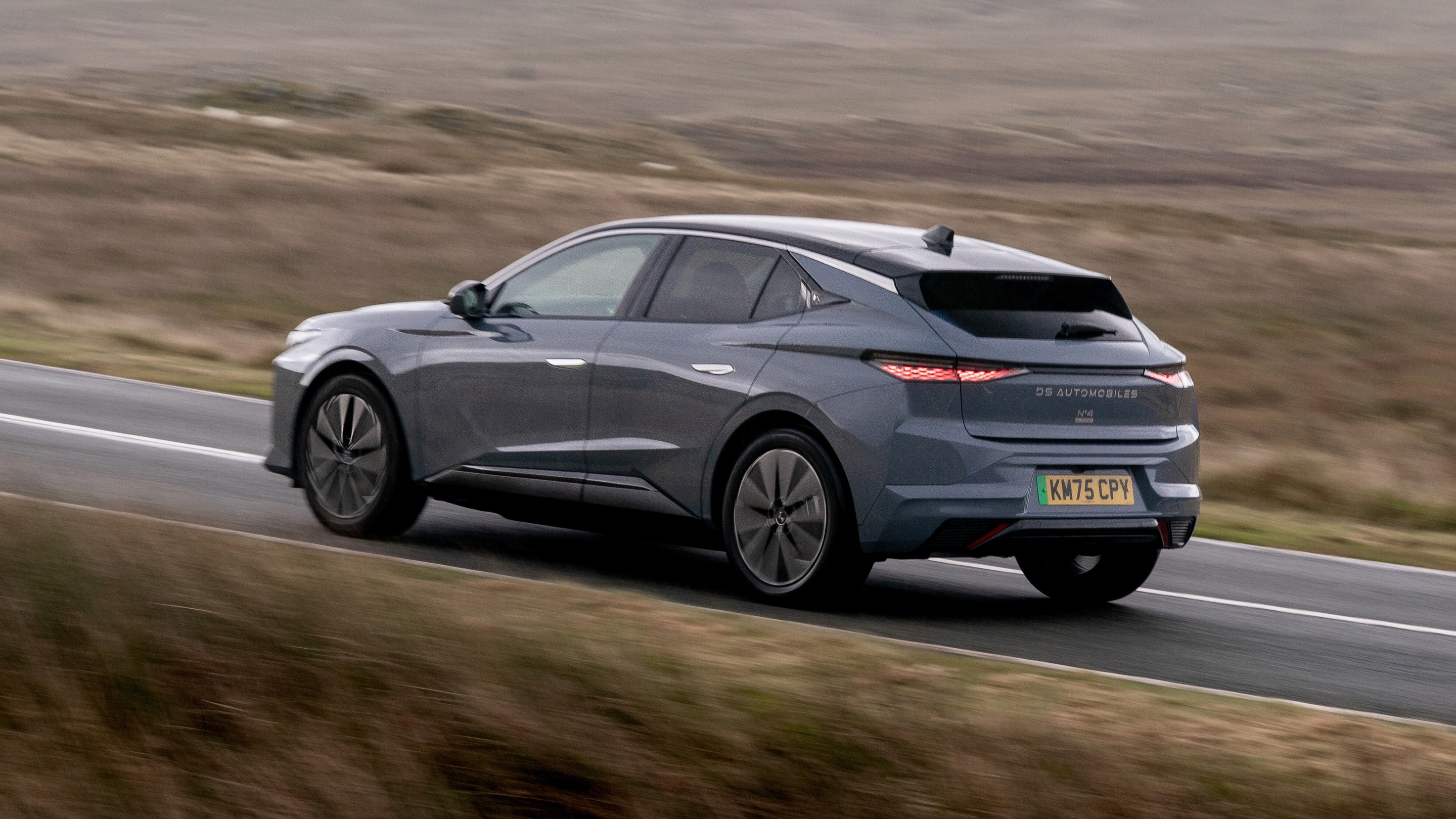
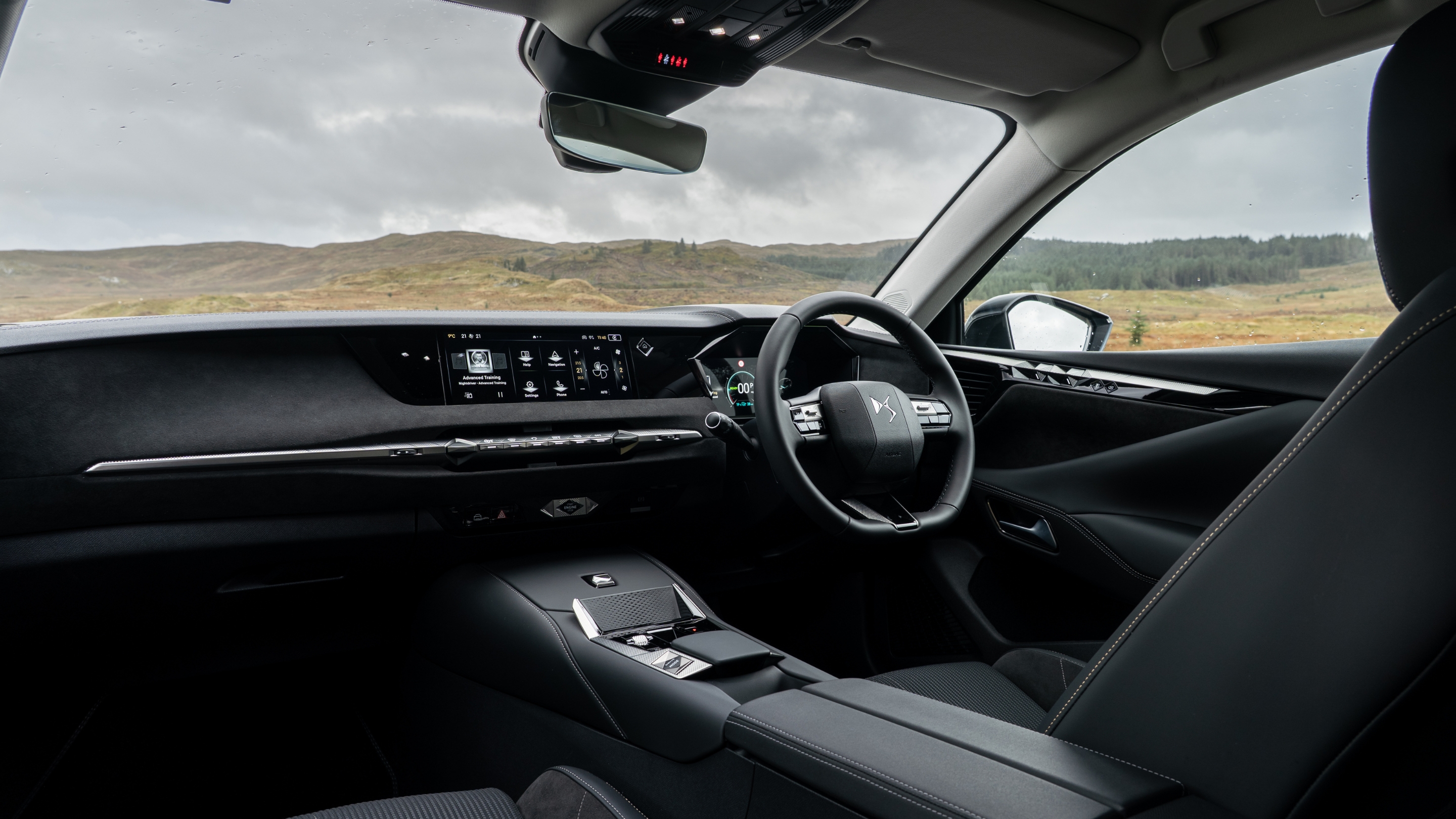
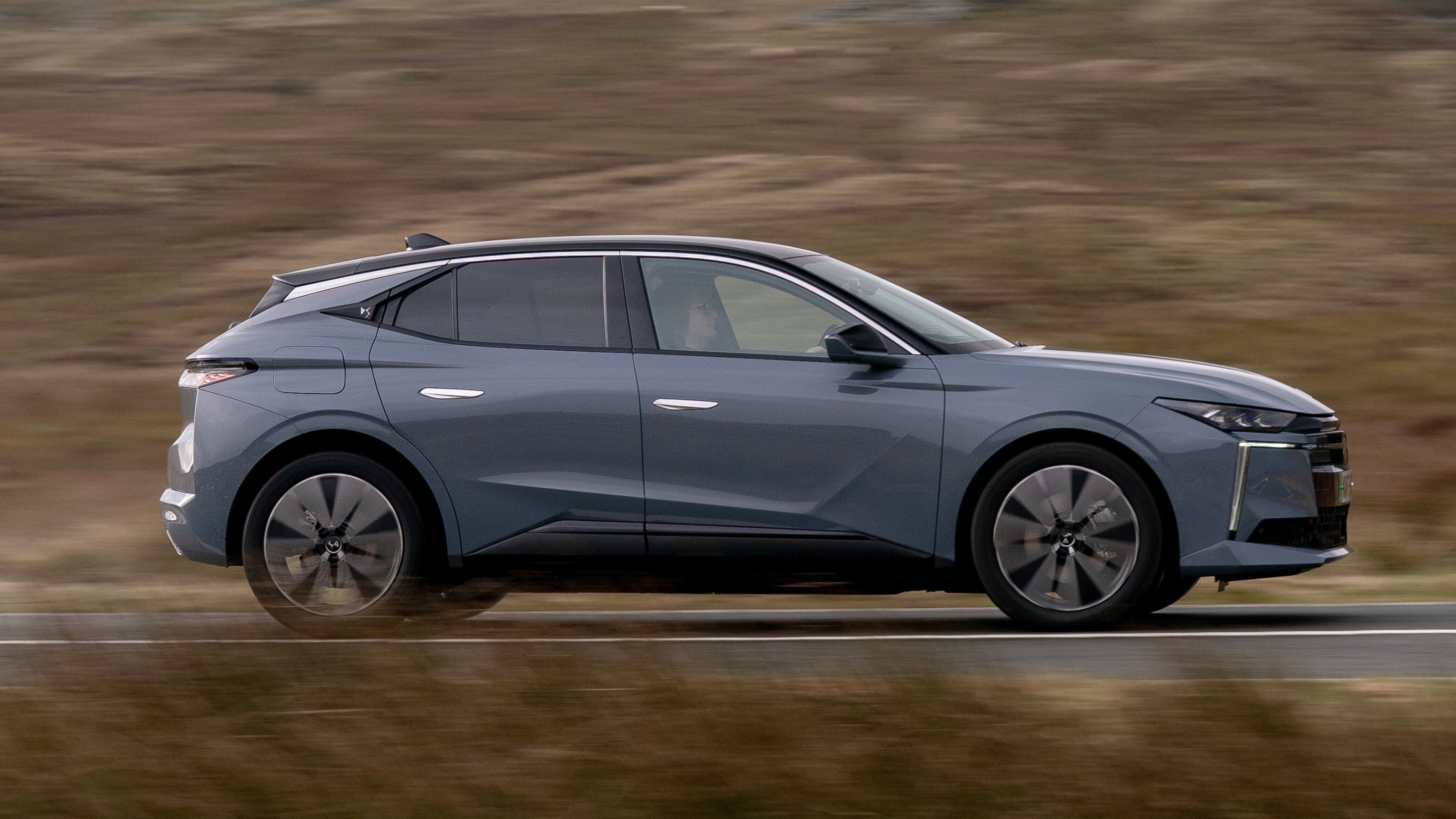
The DS No4 likes to remind you it's from the global centre of fashion. Even if being a £30k-40k hatchback does put practical and cost limits on the materials and finish. And individuality too – come from a Peugeot 308 or Vauxhall Astra and you can’t help but notice the shared steering wheel controls and gear selector.
Still, it's plush and rather ornamental, with knurled metal and unusual stitching patterns, though start digging and you’ll discover there’s quite a lot of hard plastic in here too. Manual seat adjusters feel cheap too. But there are some nice touches too, including the air vents that are tucked out of your eyeline, the centre ones behind the climate controls themselves and the outer ones in the doors.
The body is (very) deep and the glass shallow, so it feels cocooning rather than airy. Space is fine up front, but a bit limited for legroom in the rear. Family crossovers are roomier. And if you want versatility – individual sliding rear seats or variable boot floor – stroll over the dealer floor to the Citroen C5 Aircross.
The 10in touchscreen undoubtedly feels a little dated. It's bland to look at and slow to operate – night and day compared to that in the No 8. It does at least have some useful configuration options so you can set it up for rapid access to your most-used displays and controls, via a series of widgets and menus.
There are one or two hardware buttons too, including a 'home' key for the screen, and one for rapid access to the driver aids. Also a volume knob driver and passenger can reach, hooray! And a drive mode selector. There's also a wide, informative HUD in most versions. Again, configurable.
But if you’re coming from the old DS 4, you might notice the secondary screen, down where you'd find an iDrive controller or similar, is gone. That’s a shame. It was called Smart Touch, and could be used as a handwriting pad, map-zoom control, and for more shortcuts. Alas, it’s been consigned to history.
ChatGPT. Yes, really. DS has decided that you should be able to have a full conversation with your car, and you activate the system as you would with any in-car voice control, only the DS's virtual assistant is called Iris. Once you’ve woken it up you can ask it pretty much anything you like, and just for a moment it might trick you into thinking it’s better than standard systems with a much wider range.
As is the case for anything AI generated, you can't blindly trust the results. Still, the whole point of this machine learning software is that it learns to expect what you’re going to ask, how you’re going to ask it and what your accent sounds like. Apparently that’s supposed to be a good thing. Maybe we’re just paranoid, but we prefer to drive our cars rather than talk to them.
Yup. It's 430 litres in the self-charging hybrid, 360 litres in the plug-in hybrid (because battery), and 390 litres in the full electric version (also because battery, just in a different way).
That’s actually marginally bigger than the Astra and 308. Bigger then the BMW 1 Series, Audi A3, Mercedes A-Class too. So if that’s what you’re basing your decision on…
Get all the latest news, reviews and exclusives, direct to your inbox.
