

the fastest
1.6 Plug-in Hybrid 195 GT Premium 5dr e-DSC7
- 0-627.9s
- CO2
- BHP191.8
- MPG
- Price£40,210
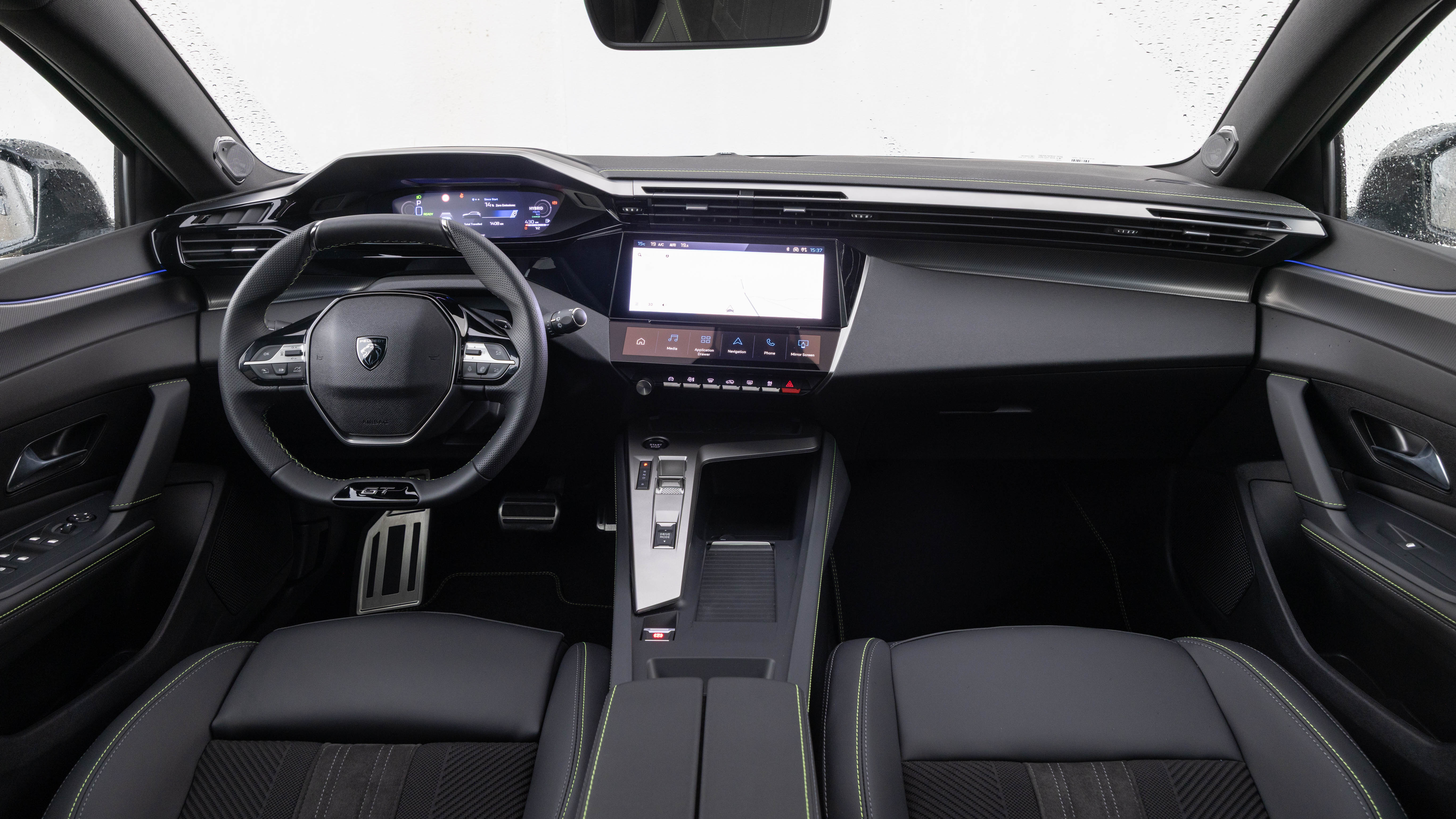
First thing you’ll have to get to grips with is that small steering wheel. If you'll pardon the pun. It takes some getting used to, but gives a good impression of driving a go-kart. There’s disappointingly little feel to it, but it helps to ramp up the fun factor.
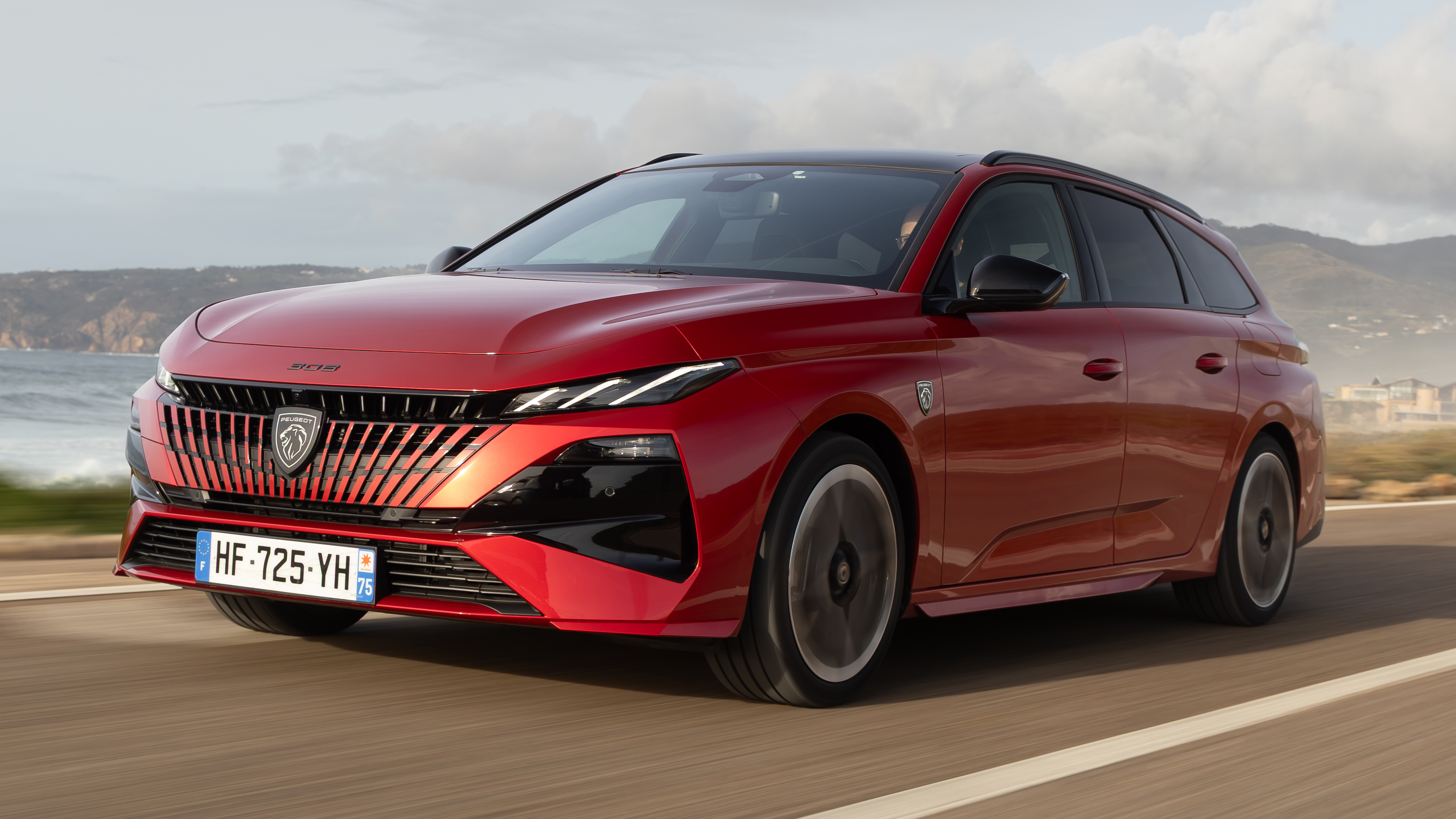
Body control is well managed and it handles tidily around corners, with the ride mostly comfortable – we’d suggest you swerve the biggest wheels, which offer minimal tyre sidewall and make any journeys that much less more agreeable.
First up is the 1.2-litre mild hybrid. It retains the three-cylinder engine of the pre-facelift version but gets a small electric boost for a 143bhp, while the eight-speed auto has been replaced by a six-speed.
It offers a small amount of e-running – around town and when sat in traffic – but is slightly more urgent than old, with the zero to 62mph sprint seen off in nine seconds dead, and fuel consumption improved to the mid-50s. We’re yet to test it here, but you can hear our full thoughts in the hatch behind these blue words.
The 1.5-litre diesel offers 129bhp and 221lb ft of torque, 0-62mph in 10.6 seconds, and 56.5mpg. But is ultimately best suited to high mileage motorway drivers.
The old 180 was a calm, relaxed affair, with a real world 20 miles of e-range, and the 225 was slightly punchier.
So the 195 that replaces them both seems a good middle ground. It knocks the 0-62mph time down to 7.7s, with the torquey e-motor helping to mask the weight of all those batteries. Again, it’s a quiet cruiser, notably so around town when running in electric mode, with the bigger 17kWh battery offering a useful 53 miles WLTP e-range. Hit the motorway and the arrival of the combustion engine is amazingly well suppressed, making it impressively leisurely on any longer runs.
Through the touchscreen you can handily ‘save’ a certain amount of electric range – your options being six miles, 12 miles or ‘maximum’. We saw around 70mpg when calling on both e-motor and engine, and around 38mpg with the e-save to maximum (or relying solely on the engine in other words). Peugeot obviously claims a ridiculous 128.4mpg on the official test cycle, but that has zero relevance to your driving.
Peugeot calls it the ‘e-Toggle’ switch – in layman’s terms it’s the gearbox control, allowing you to switch between drive, park and reverse. The eagle-eyed will have also spotted the drive mode selector, which allows you to switch between electric, hybrid, eco, normal and sport modes (depending on the powertrain). All fairly self-explanatory, that is, except sport mode, which firms up the power steering, improves torque response, and shortens the gearshift time.
Needless to say, the 308 SW is fitted with the full suite of driver aids, though we found the obstacle detection particularly over-zealous, warning you every time someone pulled into your lane on the motorway. You can at least create customisable shortcuts to quickly switch them all off.
Get all the latest news, reviews and exclusives, direct to your inbox.