


Advertisement
“Another charming take on the electric hot hatch that we’re thoroughly happy exists, though anyone hoping for the full 205 GTI rebirth will be left wanting”
Good stuff
Grippy, rapid and looks damn good. Bold design elements and colours feel on brand
Bad stuff
No virtual gears hint at a wider want for engagement. Range remains a limiting factor
Overview
What is it?
A comeback. A frankly enormous one. We’ve not been able to buy a GTI-badged Peugeot since the beginning of the decade, around which time the old 208 and 308 GTI hot hatchbacks – both underrated things – were retired from sale. It returns on a 208, albeit in a way we suspect Peugeot didn’t initially plan when the latest-gen supermini began production.
So what powers it?
With some inevitability it’s fully electric. It’s become flavour of the month at the lower end of the performance car spectrum, appearing to save the hot hatch from extinction with the Abarth 500e, Mini JCW Electric, Alpine A290, Vauxhall Corsa GSE and now Cupra Raval among the cars firing this most beloved of genres back into life. There’s even a new Volkswagen ID.Polo GTI just around the corner.
Advertisement - Page continues below
The bones of this E-208 GTI are pretty familiar. Peugeot is among the last of the Stellantis members to put this combo of 277bhp front-axle motor and 54kWh battery (51kWh usable) into a squat production car. Like the Corsa GSE it shares a platform with, this is genuinely rapid, claiming 0-62mph in 5.5 seconds (though a limited 112mph top speed).
It also claims 219 miles of range on its standard Michelin Pilot Sport 4 S tyre, or 233 miles if you go for an optional Hankook (and enjoy a mite less grip with it). Max DC charging is 100kW, allowing you to replenish from 20 to 80 per cent in around half an hour. It can recharge overnight on a 7.4kW home wall box.
Is it properly sporty?
Peugeot claims there’s knowhow from the handsome 9X8 racecar of its World Endurance Championship programme in here – specifically around its battery cooling, for greater stamina when driven quickly – though all of the GTI’s on-paper changes tally with those of the Corsa GSE. Their hardware is all shared.
There’s a host of brand-name improvements to ensure its near doubling of the base E-208’s power is handled adequately. The ride height drops a whole 25mm, the tracks are wider, there’s a new anti-roll bar at the rear, and a Torsen mechanical limited-slip differential is strapped to the driven front axle. More determined spring rates are offset by hydraulic bump stops for a better balance of precision and comfort.
Advertisement - Page continues below
Its Alcon brakes are enormous 355mm items up front while the regen system decouples in the car’s Sport mode, for more natural pedal response in rapid driving. You also have the ability to flick it into a looser-hipped stability control mode to better dig into the hooligan heritage of the original Peugeot 205 GTI.
I think I’ve spotted a few references, too…
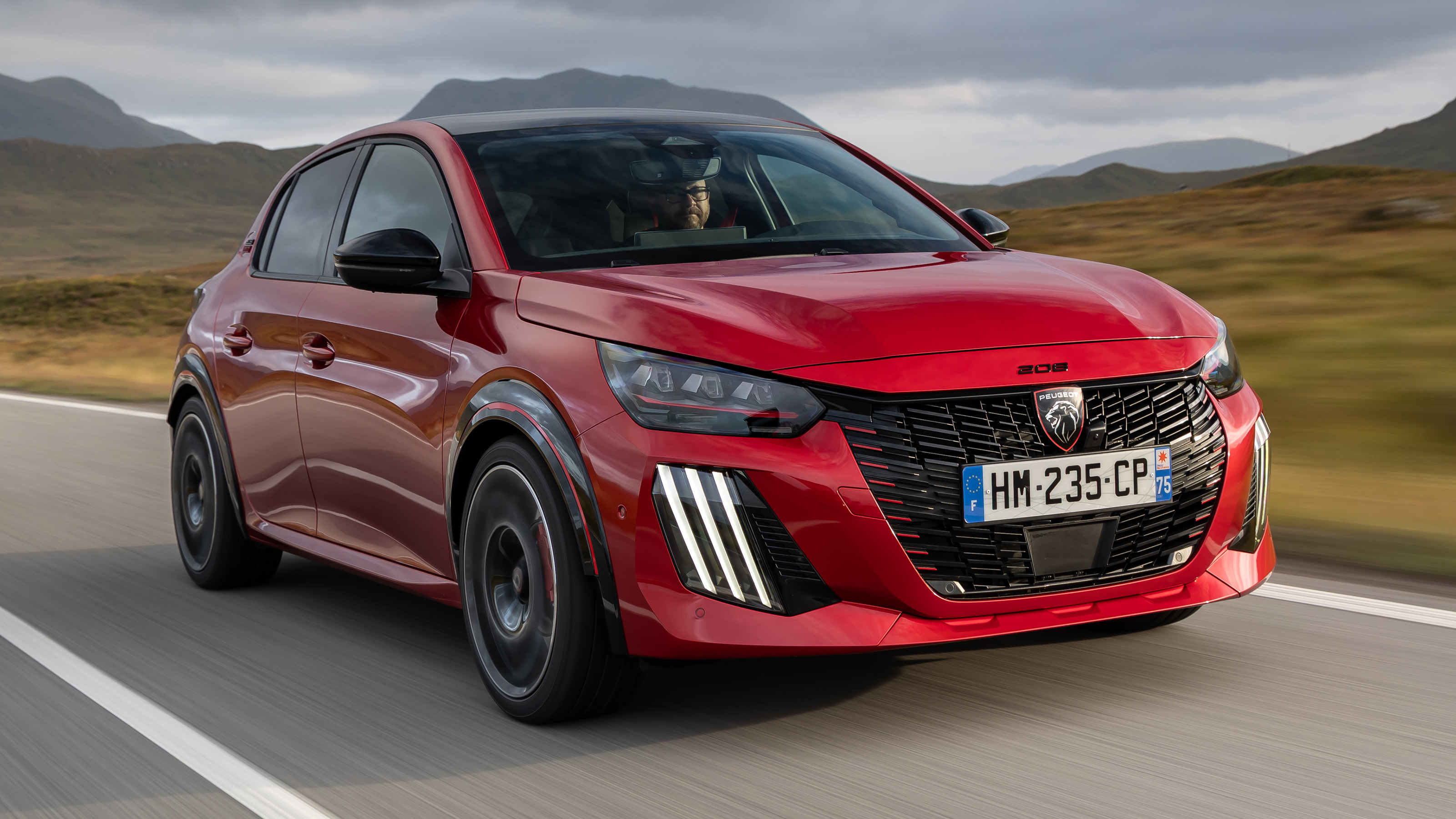
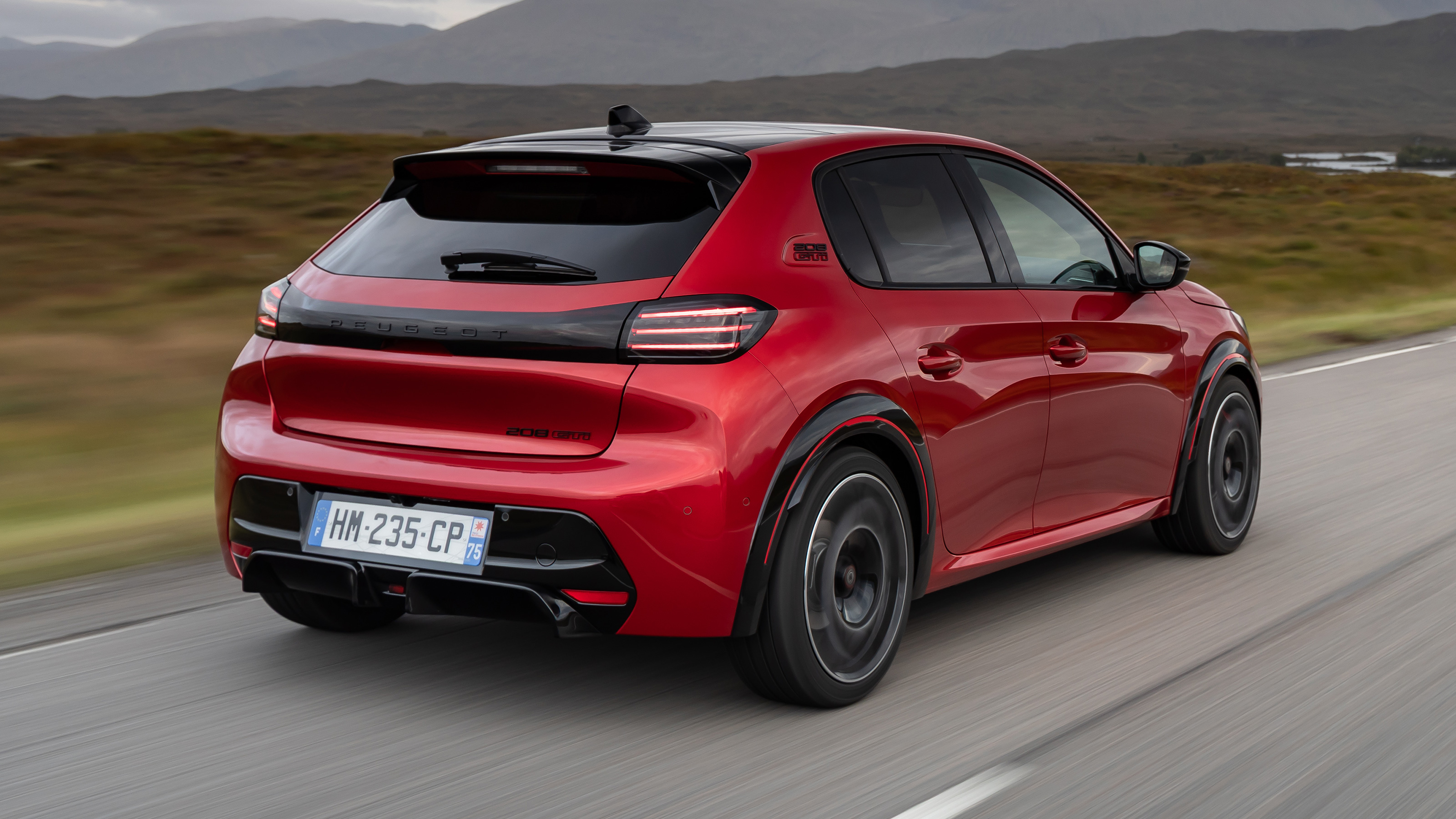
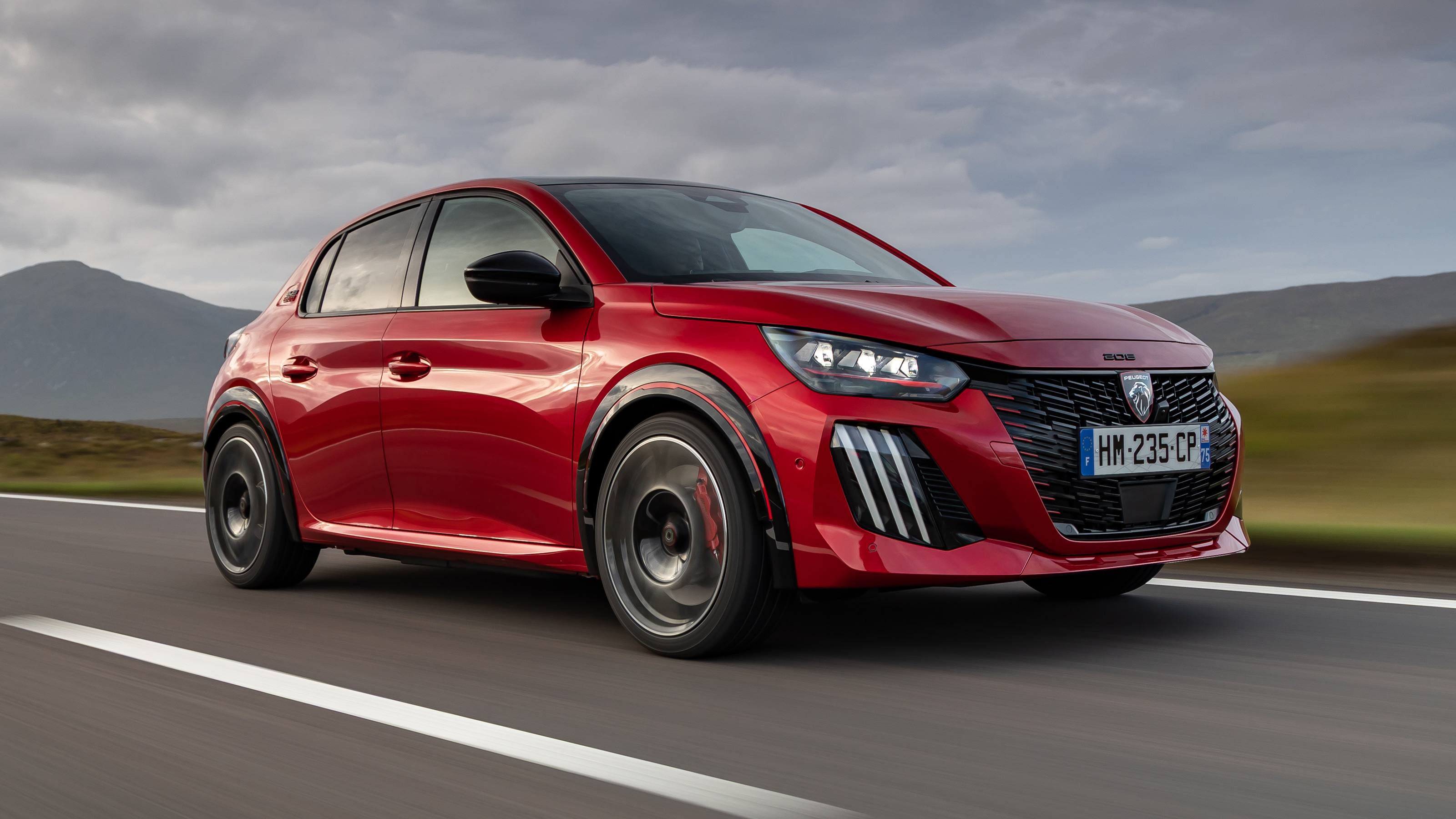
Yep, the exterior makeover performs some cheesy but ultimately charming nods to this car’s hallowed ancestor. There’s the C-pillar badging. The red strakes across its ‘grille’, through its headlamp units and over its wheelarch extensions. Its 18in wheels (same size as the Corsa, natch) have perforated holes to mimic old 205 rims.
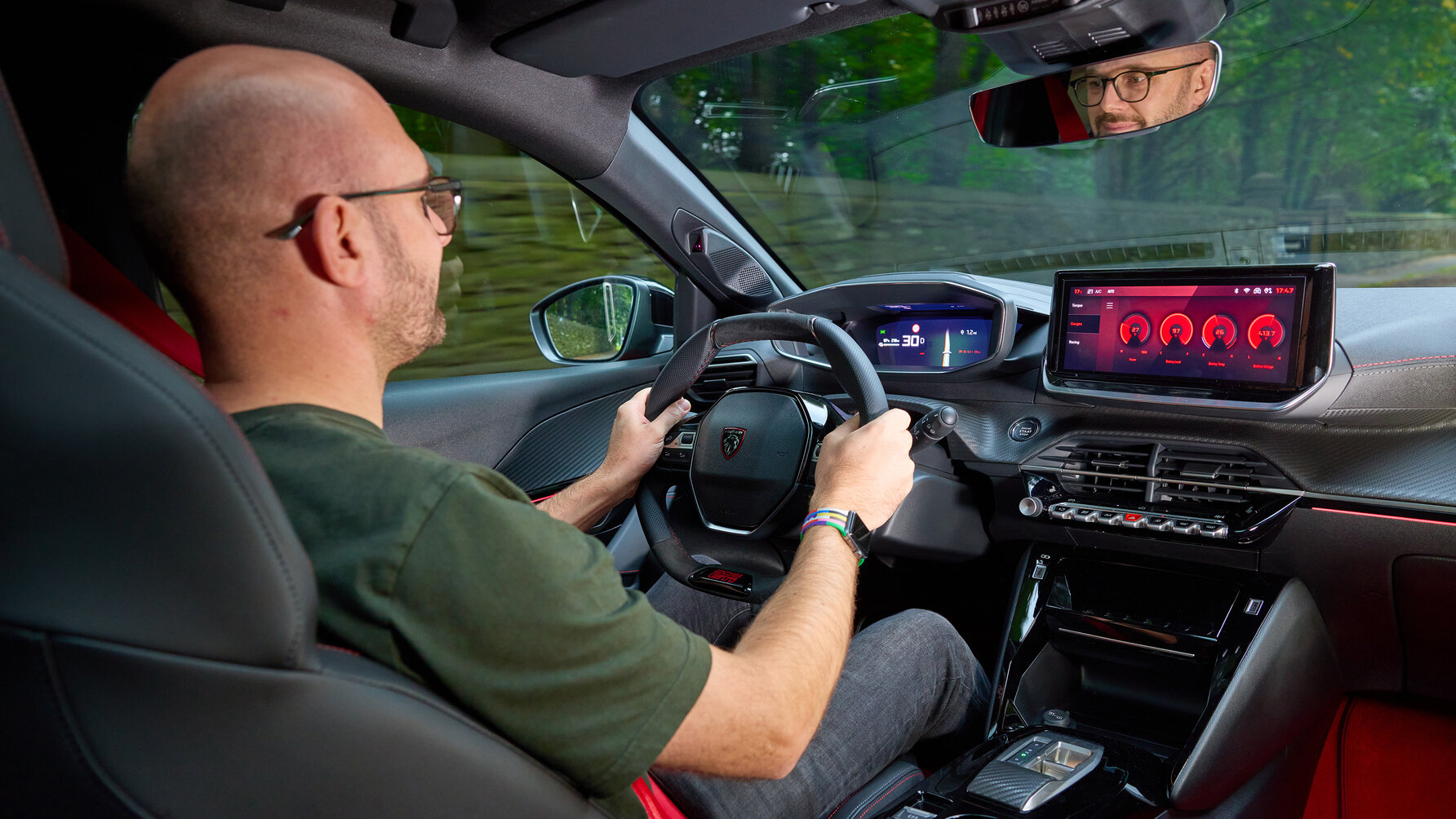
Inside, you get red carpets, mats and seatbelts (though special editions of the old 208 GTI had those, too…) and some natty, Eighties-tastic textiles on the seats. Even the GTI font matches that of GTIs previous. Adding depth to the visuals is a specific set of performance instruments for the central touchscreen and a new, synthesised motor sound to accompany your acceleration.
So how does it perform?
No surprise: quite a lot like that Corsa. At least in day-to-day use. Keeping its 1.5-ton weight in check is a stiff ‘ol setup, and it feels tautly strung through town, though its relatively dinky dimensions and the quick reactions of its e-motor do make it an amiable urban car. Pass a national speed limit sign and it appears to breathe better with the road the more you use its power. It’s an easy and confidence-inspiring thing to hustle along, grip always strong into corners and traction very impressive out of them thanks to that diff.
Is it fun enough? The playful edge of an Eighties hot hatch is inevitably missing and while the electronic warble accompanying your acceleration is welcome, this powertrain stops short of being truly engaging. But with room for adults in the back, a decent boot and okay efficiency if you’re careful (we scored 2.7 mi/kWh in reasonably rapid driving, for a realistic 100-120 miles of use if you’re allowing a safety margin for hunting down a charger), you might just be able to argue it’s a decent all-rounder if you don’t mind its taut ride and punctuated long-distance runs.
So how much will I pay?
An additional £500 over its Corsa GSE cousin. It’s priced from £34,995 before any government assistance; £33,495 after. That’s roughly ten per cent more than a 205 GTI cost in the mid Eighties with four decades of inflation applied.
Extras are simple: £500 for a panoramic glass roof and then between £750 and £950 for a paint colour spicier than the standard Okenite White. The Elixir Red shown above, perhaps the most 205-adjacent colour in its palette, is the most expensive of those. The more efficient Hankook tyres are a no-cost option.
What's the verdict?
“Is it a bona fide GTI? It’s grippy, rapid and an arresting thing to spend time with regardless”
Is it a bona fide GTI? We’d need longer with the car to fully decide that, but then an old 205 or 306 took mere moments to exhibit the special sauce coursing through their components. The switch to fully electric hot hatches inevitably comes with compromise – none of ‘em yet offer ICE levels of engagement or a spectacular range figure – and this E-208 GTI can’t help but feel a different breed to the cars before it.
Yet it’s grippy, rapid and an arresting thing to spend time with regardless, and it looks pretty darn good too. As covetable as an Alpine A290, as rapid as a Corsa GSE and (nearly) as usable as a Cupra Raval VZ, it makes a strong case for itself in a rapidly swelling sector.