



25
Skoda Elroq Estate
340 miles
1cc
335.3bhp
5.4s
Motorways and major trunk roads are known collectively as the “strategic road network”. A BBC report tells me that the SRN accounts for two per cent of England’s roads by mileage, but carries a third of all traffic and two-thirds of all freight. That’s some food for thought. A banquet, in fact.
The M25 is probably the SRN’s most famous/notorious member. Although it took 11 years to build, it was officially opened by Margaret Thatcher on 29 October 1986, so as an entity it’s almost 40. I feel like I’ve spent 40 years using it, at least half of which has been at an average speed of 20mph. Or less. It carries about 250,000 vehicles per day, more than double the number it was engineered to cope with, so it’s no wonder much of the surface is shot to bits and needs repaired. We can all agree on that.
What I want to know is when and why National Highways, the body responsible, decided it was OK to shut entire junctions of major motorways to implement the repairs? This isn’t in the dead of night, either; I’m talking at 10pm or earlier, when there’s still plenty of traffic using these routes. Coning off lanes is one thing, reducing the speed limit to 40 or 30mph another. Irritating but tolerable. Yet at some point in the last few years, closing the whole thing has seemingly became policy.
My most recent adventure into this particular world of pain eliminated junction 29 to 28 of the M25, a major chunk where east London elides with Essex, and close to the intersection of the M25 and M11. Twenty miles further on, junction eight to 10 of the M11, the exit for Stansted airport, was also closed. FFS. Of course, the safety of the teams repairing barriers, gantries or the road itself is paramount, but what happened to keeping one lane open? I need to find out.
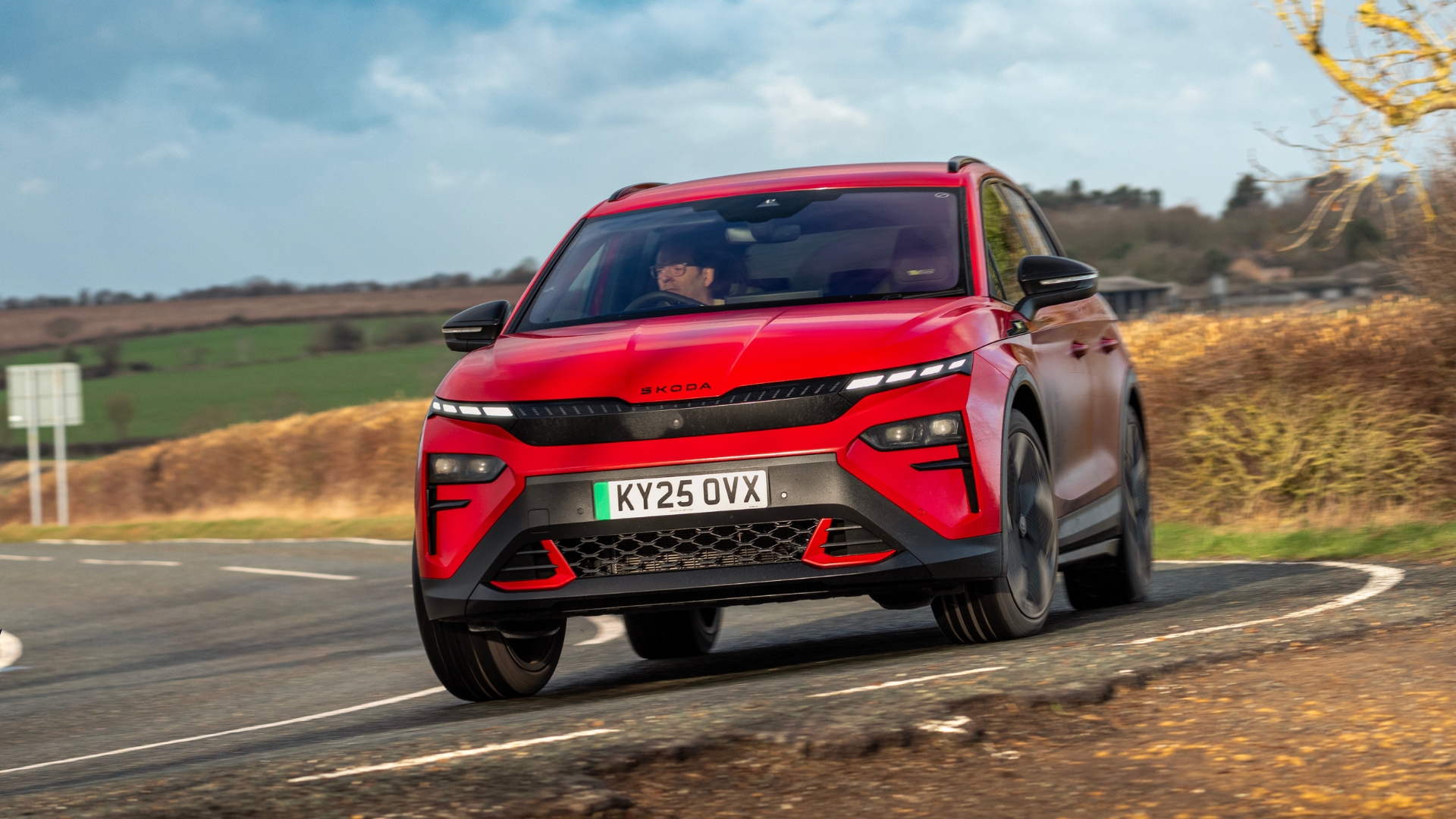
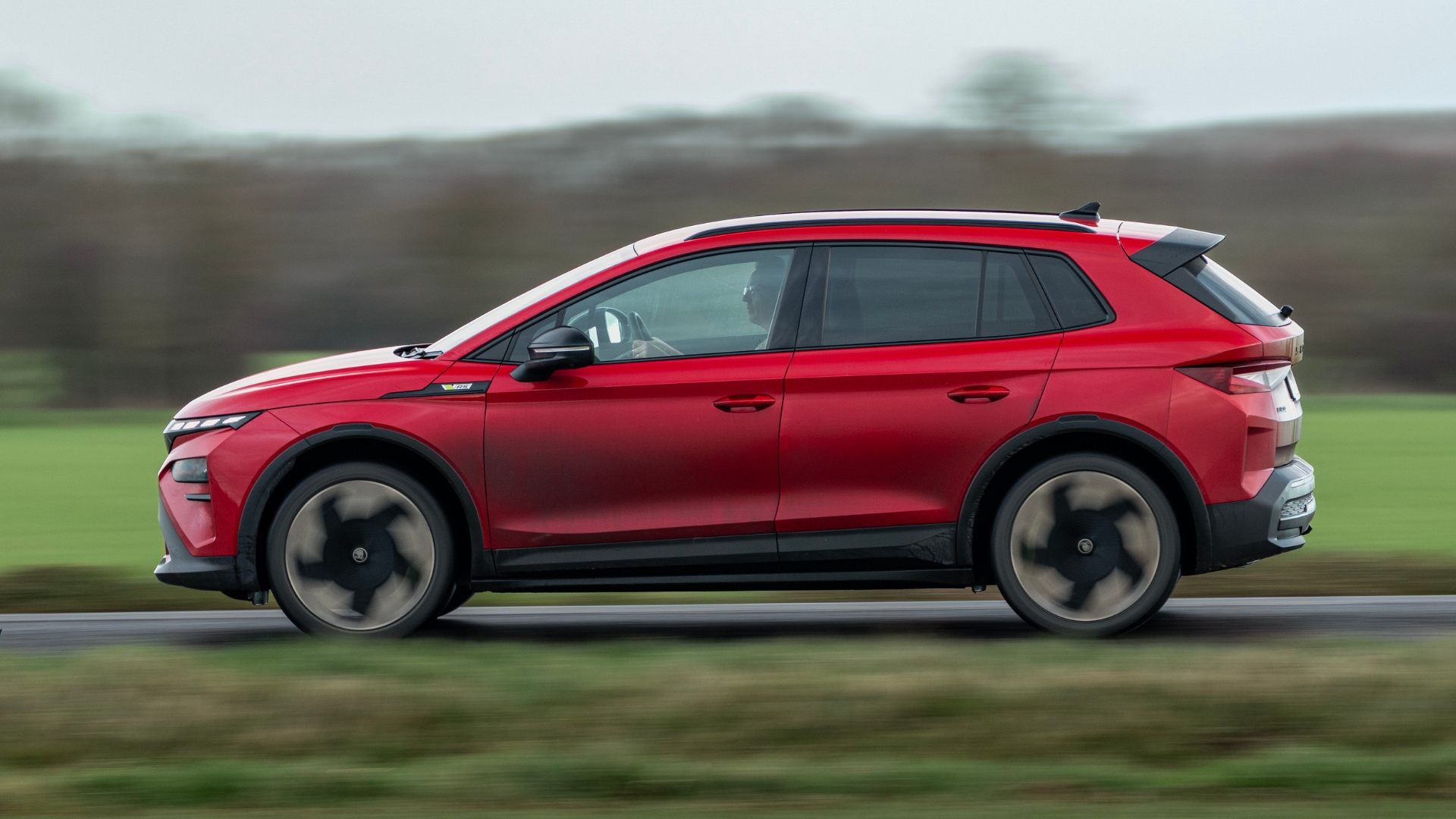
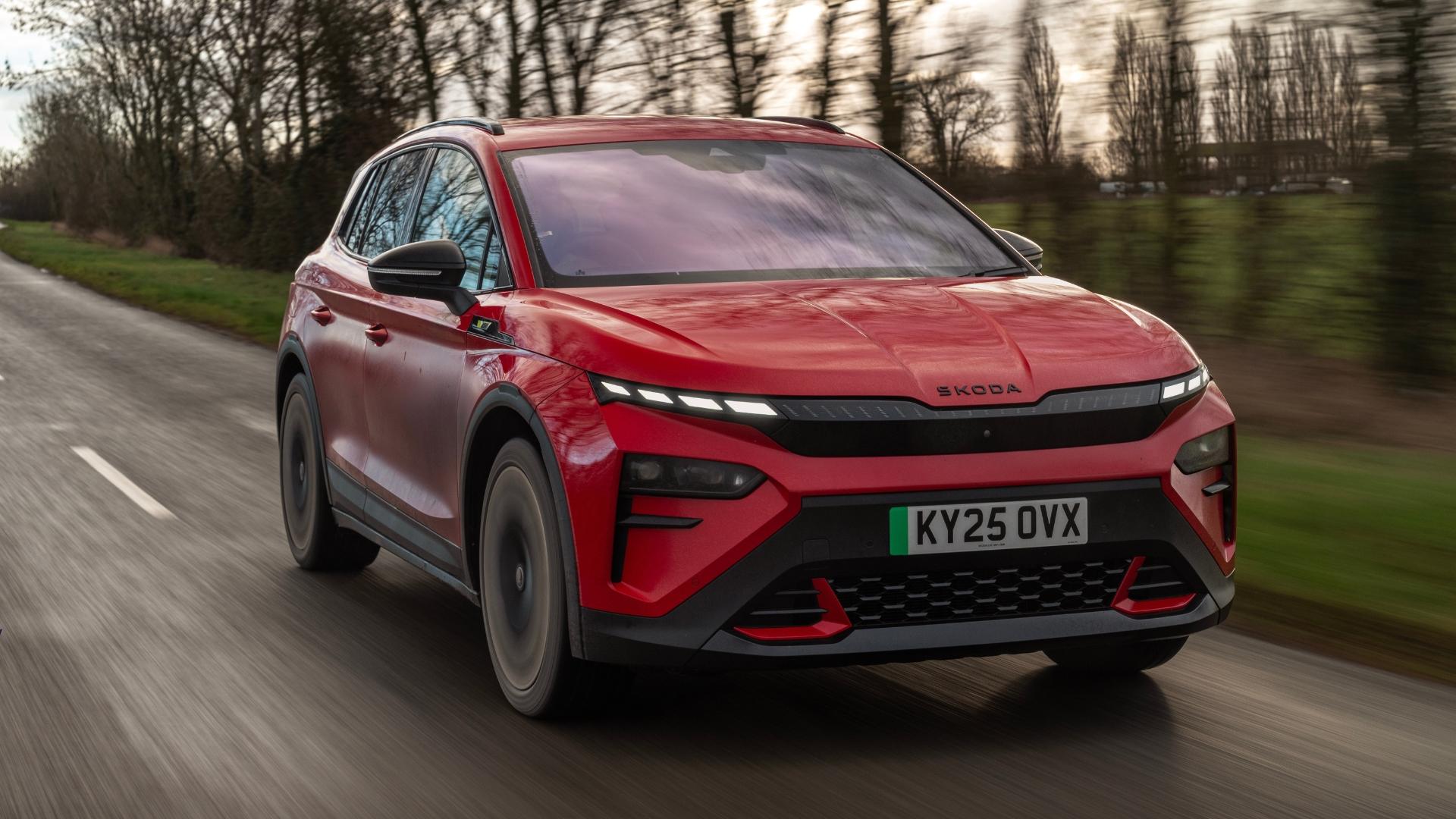
Anyway, into the Essex countryside the Elroq vRS and I ventured, not the first time I’d found myself on this particular diversion. Nothing else for it but to whack on a good tune and dial into the road. At least I wasn’t getting too skinny on the battery’s state of charge (remember fuel light bingo? There’s more jeopardy in an EV). As it happens, I was returning from a 36-hour hour immersion in the new Audi RS5, a car whose brilliant but bulky PHEV powertrain makes the fully electric Elroq look relatively light (the Avant is 216kg heavier).
Having previously doubted the veracity of the vRS badge on this particular Skoda, it turns out that it’s actually a very solid modern incarnation of the old hot hatch idea. The single motor version would undoubtedly be more efficient, but when you get your head into the idea of this being twin-engined (sounds better to me than dual motor), it suddenly seems more fun. And it is.
What seems perfectly decent at five-tenths finds extra layers the faster you go, delivering more feel on turn-in than you’d expect and the sort of traction you’d hope all-wheel drive can summon up. There are different levels of brake force available, which you access and adjust via the paddles on the wheel. Turns out that stopping in the vRS is also more fun the more you lean on it. The low-speed mushiness disappears. Don’t tell National Highways, but they inadvertently helped serve up the best drive I’ve had in the car so far. Maybe there’s something to be said for the long way round, even in an electric Skoda.
Get all the latest news, reviews and exclusives, direct to your inbox.
