

12
We all have our automotive guilty pleasures...
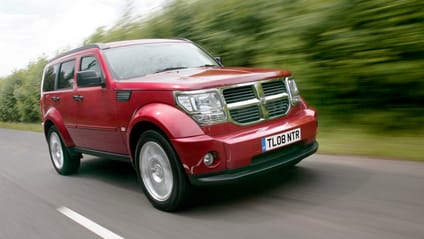
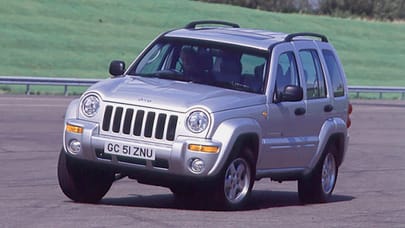
Sibling car to the equally abysmal fourth-gen Jeep Cherokee and just as poorly screwed together as everything else Chrysler was churning out in the 2000s, the Dodge Nitro is almost a cartoon caricature of an American SUV, but one that Dodge felt might succeed in Europe (spoiler: it didn’t). It’s far from a good car, but we can’t help being slightly drawn in by its silly name and frontiersman looks.
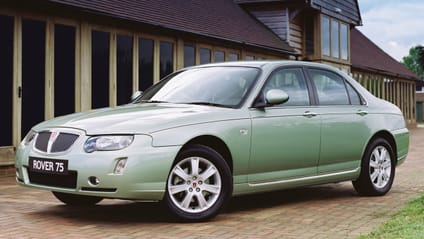
The Rover 75’s biggest issue is perhaps that it arrived bearing a 1950s village fetes and cream scones attitude to what a British car should be, right as the country was in the midst of the exciting, metropolitan Cool Britannia era. If you can look past its rural vicar vibes, though, you’ll discover that the 75 was a spacious, comfy car with decent handling and a strong range of engines.
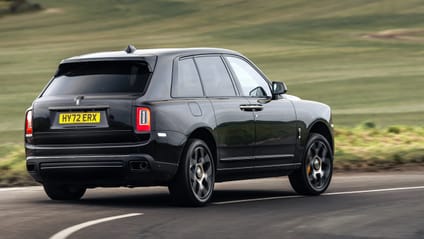
The Rolls-Royce Cullinan is a vast, wasteful, ostentatious method of transport for the one per cent that looks like a cartoonish London taxi. It embodies a lot of things we dislike about the modern luxury car market, but you’d be kidding yourself if you looked at that gorgeously appointed cabin and felt the effortless progress offered by its V12 and didn’t immediately want to drive it to the very top of Scotland.
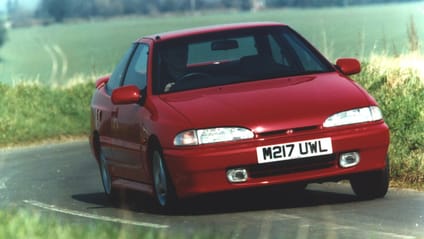
A two-door coupe the long-forgotten Hyundai S-Coupe may have been, but sporty it most certainly wasn’t. If you went for the earlier 81bhp automatic version, you’d be waiting at least 14 seconds to top 60mph and be entirely out of puff at 99mph. It was also perhaps the least stylish coupe on the market. However, in our current two-door-starved world, we’d take more slow coupes over no coupes at all.
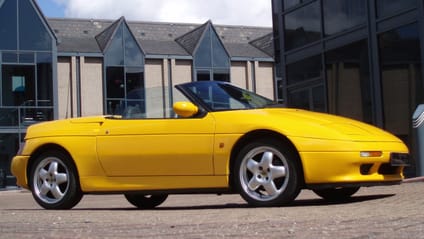
1989’s reborn Lotus Elan had three things against it. One, it was Lotus’ only front-wheel drive car; two, the engine came from an Isuzu Piazza; and three, it was revealed within months of something called the Mazda MX-5. All this pretty much sealed its fate, a shame because despite its humble engine and drivetrain, the M100 Elan was still a Lotus sports car, and therefore still absolutely superb to drive.
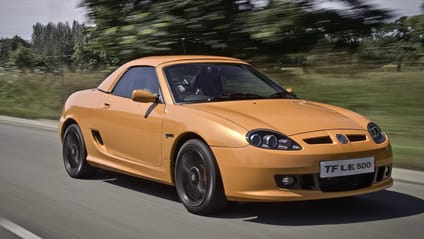
The first car produced by MG under its new Chinese ownership in 2008 was a lightly tweaked MG TF roadster – a car dating back to 2002, and really just a facelift of the MGF from 1995. Shockingly enough, there wasn’t much appetite for a 13-year-old car when the still-fresh NC Mazda MX-5 could be had for less money, but now? We’ll take whatever affordable mid-engined sports cars we can get.
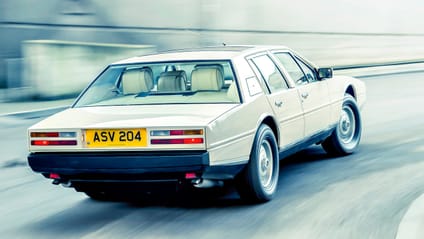
For a company renowned for building knee-tremblingly gorgeous cars right across its history, the Aston Martin Lagonda is, erm… distinctive. However, it’s still a V8 Aston Martin, and one that could now genuinely be called a pioneer – way back in 1976, the Lagonda was the first production car to get digital instruments, which you’ll now find in pretty much every new car. Yeah, okay, they broke a lot, but still.
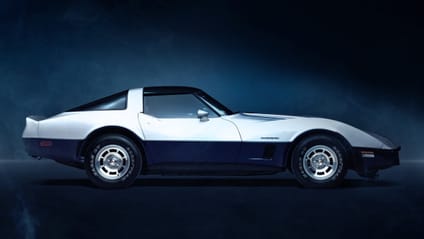
We’re talking about the dying days of the long-lived C3 here. Wheezing along with a range of underpowered, emissions-strangled V8s, its once-elegant late ’60s lines had been tarnished with all manner of overblown early ’80s aero bits that made it look like a kit car. It was undoubtedly the low point of the Corvette’s 73-year history, and yet that underdog status means we can’t help but be charmed by it.

The Mustang Mach-E caused the internet equivalent of a full-on, pitchforks-out riot when it was unveiled, and it’s easy to see why – the name of one of the world’s most iconic performance cars being slapped on an electric crossover is going to rile certain people up. Clever move from Ford, in some ways, because at least it got people talking about what, name aside, is a very competent family EV.
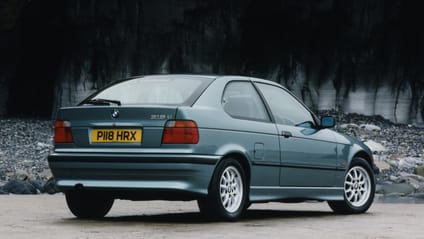
It’s not often a ’90s BMW serves as an enthusiast punching bag, but that’s what the 3 Series Compact – the pre-1 Series entry-level Beemer – was for so many years, mainly thanks to its gawky looks, made worse by the weird face BMW decided to saddle the E46 version with. Thankfully, as a relatively cheap way into a lightweight, rear-wheel drive car, people are finally starting to appreciate the Compact.
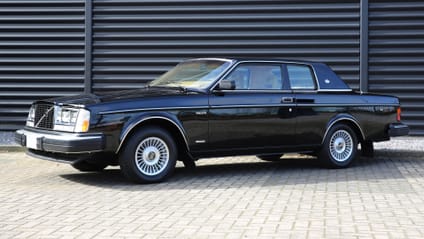
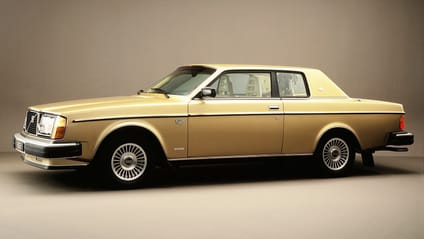
You may be wondering why something with Bertone badges on its flanks looks like, well… that. That’s because the legendary Italian carrozzeria didn’t actually style the Volvo 262C – only built it. Still, if you can’t appreciate its awkward, boxy proportions, even in an ironic way, then there’s one way in which the 262C will always be undeniably cool: David Bowie owned one. Take that, nearly every other car in existence.
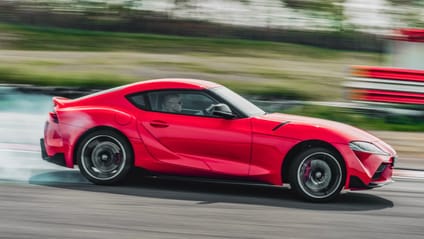
Contentious one, this. For everyone who loves the new Supra, someone else will inevitably trot out the ‘just a BMW’ line. Fair enough, it’s true. But has being based on a BMW ever really been a bad thing? The fact is, the Supra wouldn’t have come back at all if it wasn’t for the Munich partnership, and in an ever-shrinking sports car market, we can forgive it some familiar underpinnings.
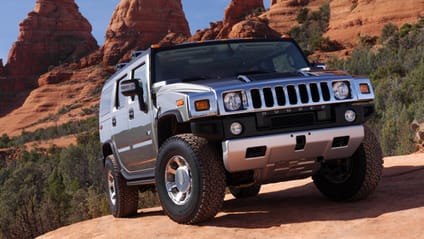
The original Hummer H1 was a truly ridiculous vehicle, but the H2 upped the ante by basically just being a Chevy Suburban school run bus wearing a set of army surplus fatigues. It’s the gas-guzzling poster child of the anti-SUV sentiment that ran wild during the 2000s, and had an interior made from America’s flimsiest, scratchiest plastics, but we still find ourselves inexplicably drawn to its overgrown Tonka truck looks.
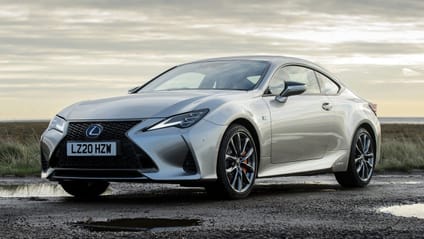
Although flawed, the V8-powered Lexus RC F only grew more likeable throughout its long life. That wasn’t the case for its unloved hybrid sibling, saddled with a four-cylinder engine and a CVT gearbox. While it’ll always live in the shadow of its V8 sibling, though, consider this: it was a stylish, well-made, refined and efficient hybrid coupe, a decade before the reborn Honda Prelude won praise for being just that.
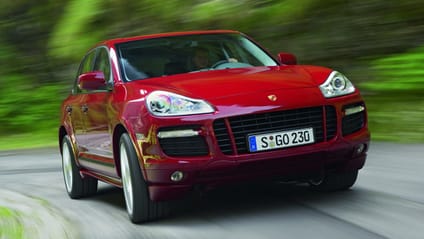
The original Cayenne is the car that made sports car makers realise there was lots of money in building posh SUVs, igniting the ire of legions of internet commenters over the last couple of decades. Also, it wasn’t a looker. It was, however, good to drive, genuinely capable off-road, and helped fund all those brilliant GT department 911s that have come since, so we should probably give it a break.
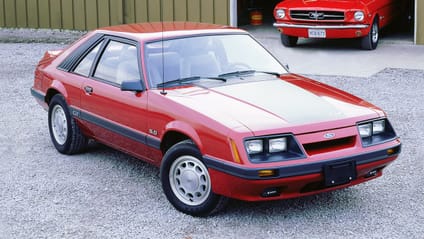
Nobody could accuse the third generation ‘Fox body’ Mustang of being the worst ’Stang ever – that (dis)honour goes to the weedy Mustang II that came before – but it’s certainly not the best, and is probably the most… mullety. Anyone who’s been around Clapham lately will have noted that mullets are cool again, though, as is the Fox body, which nowadays offers up cheap, accessible V8 thrills for US enthusiasts.
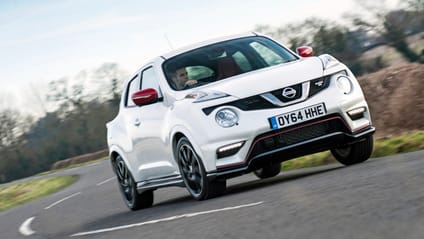
The Nissan Juke has become such a de facto punching bag for the modern petrolhead that it’s easy to forget that Nissan once built one with some genuine enthusiast appeal. The Nismo RS’s 1.6-litre turbo motor packed 215bhp, it had a reinforced body, a limited-slip diff and lots of racy red bits; and it was genuinely good fun down a wiggly road. Granted, it still looked like a Juke.
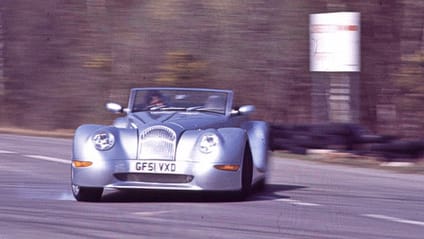
Ah yes, the car that looked like it was staring at a pencil held very close in front of its face. The early Aero 8, Morgan’s attempt to drag itself into the 21st century, is certainly a challenging thing to look at. What lay beneath was undoubtedly appealing, though: a brand new bonded aluminium chassis, racy rose-jointed suspension and a gutsy BMW V8 sending its power to the rear. Lovely.
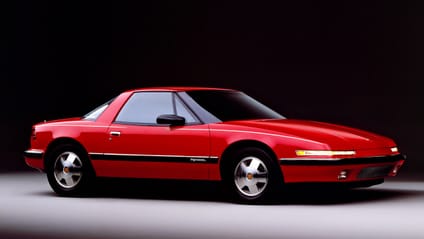
A curious attempt to reverse the trend of Buick showrooms increasingly resembling retirement homes, the Reatta failed to lure people away from their Mercedes SLs and Jaguar XJ-Ss because it was front-wheel drive and only came with a four-speed auto and an anaemic V6. A flop in period, there’s now some real appeal in its crisp styling. It was even one of the first cars to feature a touchscreen display.
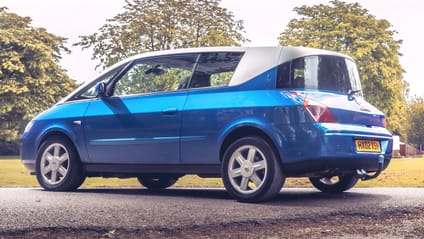
We don’t know what Renault was thinking when it cooked up the Avantime, but we’re glad it did. There’s no real reason a high-riding two-door people-carrier-stroke-coupe should appeal so much, but the Avantime just oozes cool. Maybe it’s that gloriously airy interior, or the fact it’s so wilfully different from any other car. Either way, we always applaud the driver on the rare occasion we encounter one in the wild.
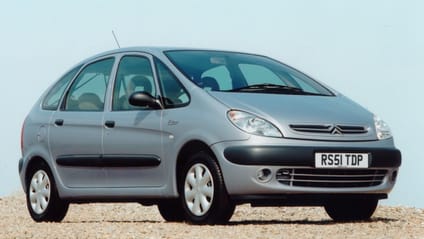
For a certain generation, six words will be forever associated with the Citroen Xsara Picasso: ‘Do you know who I am?’ Stop and look at it, though, and this humble family hauler turned transportation of choice for angry Hullensian ex-boxers pulls the challenging trick of combining proper practicality with – although this might be a hot take – a bit of genuine French chic. Still not sure who Ronnie Pickering is, though.
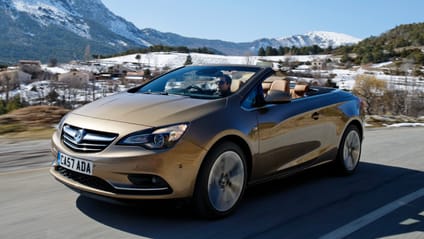
It’s a convertible Astra. That’s literally it. And it’s named after a naff Eurodance group. We can’t explain why we like it. Maybe it’s the fact that it was one of the last genuine attempts at an affordable mass-market four-seater convertible, or because it’s actually quite a pretty thing. Maybe it’s because thinking about it gets ‘Everytime We Touch’ stuck in our heads, and we can’t deny that’s a banger.
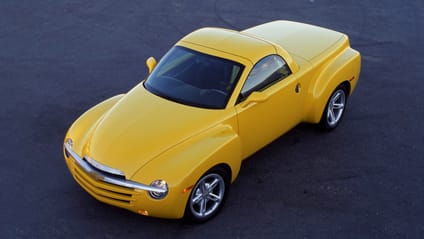
Another case of Renault Avantime syndrome – something so conceptually bizarre, we have to be glad it exists. Part two-seater convertible sports car, part pickup truck, part retro ’50s pastiche, all fever dream. We have no clue how this thing ever got past product planning, but we’re happy it did, especially in manual, 395bhp form. It’s unquestionably kitschy, but maybe it’s time we all stopped trying so hard to be cool.
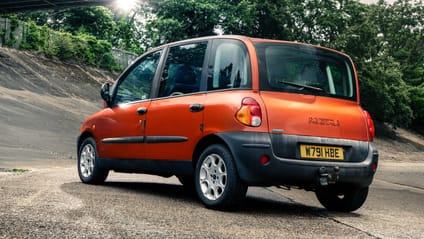
The Fiat Multipla could have gone down in history for its hugely flexible seating layout that made it perhaps the ultimate family car of the ’90s. But of course, it didn’t, because Fiat took the bold but commendable decision to put it into production resembling some sort of alien life form. It was certainly divisive, but it was interesting, which is more than you can say about the facelifted car.
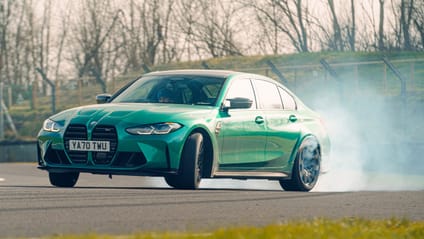
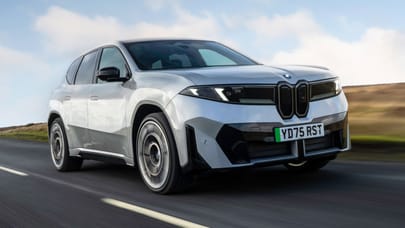
Six years on from its launch, we still can’t get on board with the beaver-toothed look of the latest M3 and M4. Then there’s the fact that, in Britain at least, it’s the first M3 we can’t have with three pedals. Ultimately, though, neither of those facts take away from the fact that it’s an astonishingly complete, capable and involving performance car – and that it finally comes as an estate.
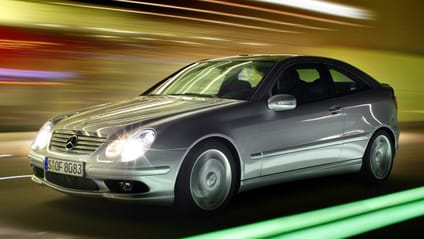
You forgot this existed, didn’t you? The C-Class Sport Coupe and later CLC were Merc’s bizarre attempts to market a premium small car before the A-Class morphed into something more conventional. Like the 3 Series Compact, they were essentially larger saloons with a bit lopped off the back, resulting in awkward styling but rear-wheel drive and some gutsy engines. Some markets even got a rare 354bhp C32 AMG Sport Coupe.
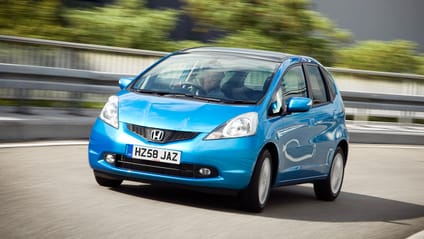
The Honda Jazz has garnered a bit of an unfair reputation because it’s traditionally been found en route to the bowls club with Radio 3 on the stereo, merrily bumbling along at 42mph in a 60 zone. And sure, it comes with a strong whiff of Werther’s Originals, but who says you need a state pension to appreciate a small car that’s practical, well-made, decent to drive and unerringly reliable?
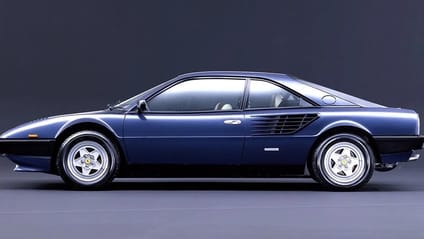
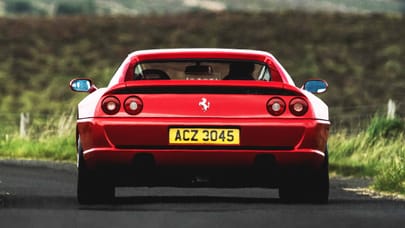
Ah, the ‘poor person’s Ferrari’. Ignoring the fact that that’s a slightly elitist viewpoint and that you’d still need healthy savings to actually run a cheap used Fezza, the four-seater Mondial’s reputation is still mostly undeserved. Despite being derided for its slowness, it was packing a healthy 300bhp by the end of its life, and it brought a new dimension of practicality and day-to-day usability to the Ferrari stable.
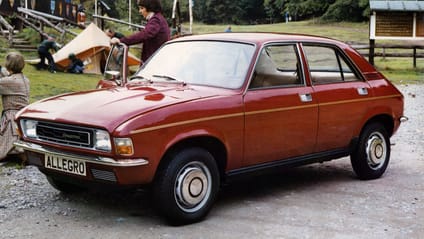
An all-too-frequent staple of ‘worst cars ever’ lists, the Allegro’s biggest issue was that it was built by British Leyland, an organisation dogged by Byzantine management structures and industrial strife that massively compromised its products. Had it emerged from another company elsewhere in Europe or maybe Japan, we’re convinced it would today be hailed as one of the most forward-thinking cars of the ’70s. We will die on this hill.
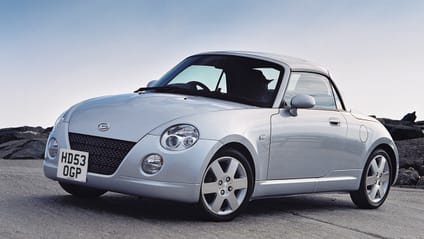
Psst. Come here. Look, me and you know that kei cars are cool. But the truth is that to most other people outside of Japan they’re just oddly-proportioned, miniature novelties. That’s especially true of the Copen, with its bubbly and weirdly symmetrical cartoon ladybird styling. Our advice? Ignore the haters. The Copen is a fun-spirited, friendly little roadster that packs some very clever engineering into that tiny folding metal roof.
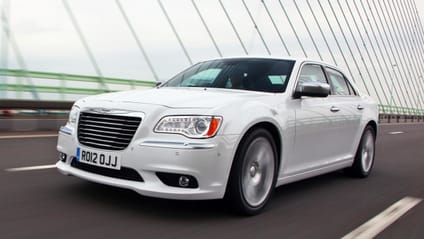
The Chrysler 300C was almost universally laughed at when it launched in Europe for its wannabe Bentley styling, dated Mercedes underpinnings and interior that appeared to be assembled from melted down wheelie bins. But 20 years on, surely even the snobbiest of enthusiasts find the idea of a big, comfy saloon with V8 power, rear-wheel drive and imposing mafia boss styling somewhat appealing. If not, they’re probably lying to themselves.
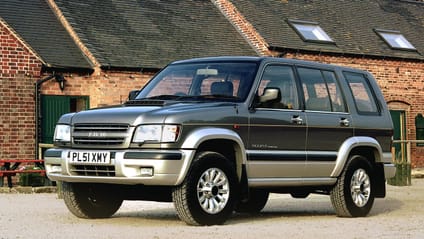
Why would anybody have bought a Trooper over a Toyota Land Cruiser, or even a Mitsubishi Shogun? Well, for a few good reasons, actually. It may not have the badge clout or legendary reputation of Toyota’s 4x4, but the oft-forgotten Trooper was nearly as capable and dependable, and is a lot more affordable these days. Plus, there was a JDM version which – we’re not kidding here – had a Lotus-tuned chassis.
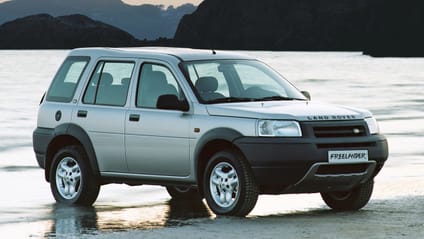
The arrival of the original Freelander in 1997 might have been perceived by diehard Landie fans as the brand gone all soft and lifestyle, and it’s since garnered a not undeserved reputation for catastrophic reliability, but ask yourself this: is the chunky-looking Freelander with its fun colours, genuine off-road capability and convertible option not a more appealing proposition than the scores of bland crossovers that fill its market niche today?
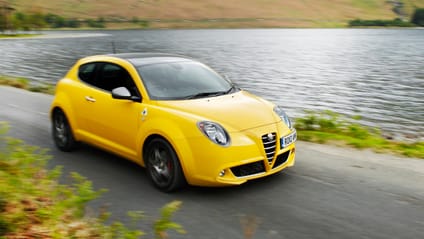
Like most Alfas of its era, the little MiTo wasn’t brilliant to drive. Unlike most Alfas of its era, it wasn’t particularly pretty either. All that meant it fell well short of posh supermini rivals. But for all the flaws they can have, you kind of have to love an Alfa, and nowadays, the MiTo serves as something of a gateway drug into the highs and lows of Alfa ownership.
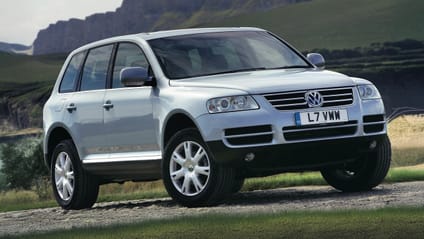
Part of an early Noughties upmarket push for Volkswagen – an ironic move, given what its name translates to – the original Touareg never quite hit the spot compared to rivals like the Land Rover Discovery or Volvo XC90. But retrospectively, its reputation is rescued by some real off-road chops and some of the outrageous engines it came with, including a turbodiesel V10 and, in certain markets, a flipping 6.0-litre W12.
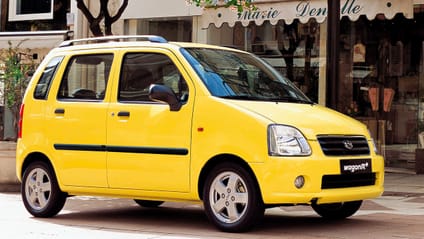
The term ‘shopping car’ doesn’t exactly have positive connotations among enthusiasts, and few cars sum it up quite as literally as the Suzuki Wagon R+, some versions of which had an actual removable shopping basket stored under the passenger seat. Still, when lots of new cars are trying hard to be something they’re not, it’s hard not to be charmed by a car with such an unapologetically utilitarian, practical remit.
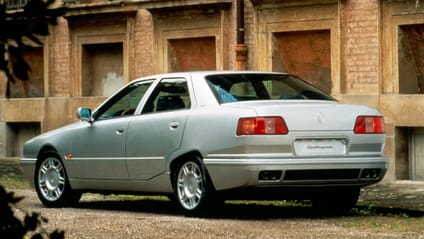
When the fourth generation Maserati Quattroporte launched in 1994, its Biturbo underpinnings were already 13 years old, and the styling, although led by the master Marcello Gandini, could politely be described as ‘interesting’. Perhaps it’s the rarity, though, or the serious M5-bothering pace, or just the growing enthusiast appreciation for all things boxy, 1990s and slightly obscure, but the unloved Quattroporte IV just seems to grow cooler by the day.
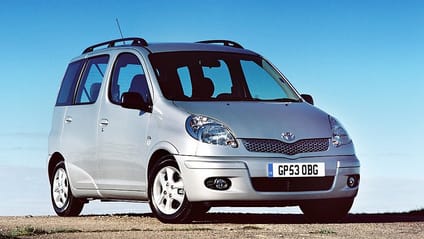
When the Toyota Yaris Verso arrived in 1999, it must have seemed as painfully uncool as cars got. You’d have been just as well carrying around a big sign saying ‘I’ve given up on life’ than driving this supermini/van mashup. Oh, how the tables turn. What was once an uncool and deeply unstylish symbol of ennui now looks to us like an unpretentiously utilitarian, dependable and enormously practical runabout.
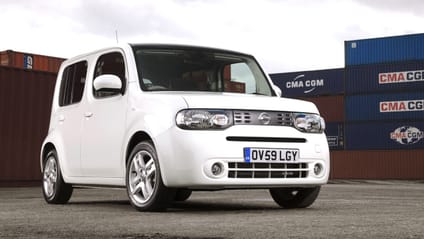
In terms of utilitarian cars, though, they don’t come much better than something literally named after the most practical shape of them all. The Cube was always going to be a tough sell to European audiences, especially since Nissan opted to up the weirdness by giving it asymmetrical styling but – we’ll say it again – we wish more cars were this unapologetic in eschewing traditional notions of style for sheer usefulness.
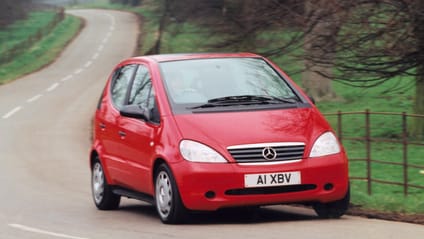
The original A-Class is one of those cars that’ll be forever linked to one particular moment – namely, when it fell over during a Swedish magazine’s ‘elk test’. Its one-box looks were a bit much for many people too, and build quality was patchy. What its reputation ignores is that it was one of the most cleverly engineered cars of its era, packing astonishing amounts of space into a compact footprint.
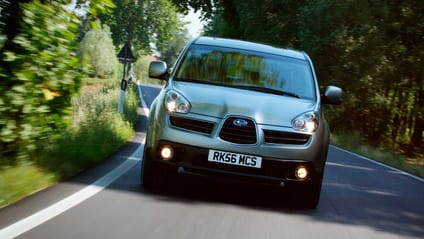
Eurgh! Look at it! Subaru’s short-lived (in Europe) attempt at building a posher SUV is best remembered for its unfortunate snout, which was controversial enough on the Hawkeye Impreza but near unpalatable here. Exclusively available with six-pot petrol power, it was always destined to flop in Europe, but that rarity – and the fact that it’s one of a handful of non-Porsche cars with a flat-six – is precisely what appeals now.
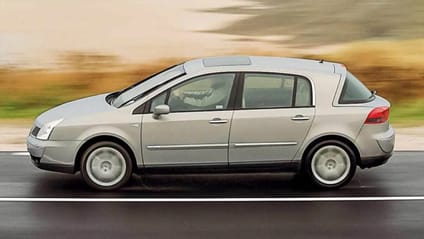
Another bout of hallucinatory weirdness from early Noughties Renault, the Vel Satis aimed to tempt buyers out of the likes of A6s and E-Classes. Those looks meant it never stood a chance, though, as did its sub-par handling and remarkably un-French firm ride, and it was a predictable flop in Britain. Like so many other failed attempts to peddle big French barges to Brits, though, we’re inexplicably drawn to it.
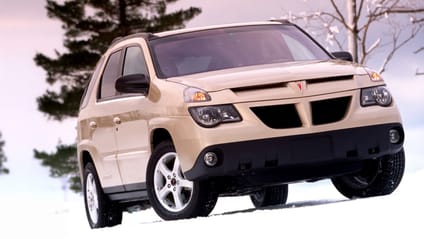
You knew this was coming, didn’t you? The Aztek spent years as a punchline, frequently derided for its looks, its rubbish engine and its lack of real off-road ability. And yet… it was decades ahead of the lifestyle crossover trend that now permeates every corner of the new car market, and in the age of the BMW XM and Audi Q8, the shock value of its looks has unquestionably dimmed.
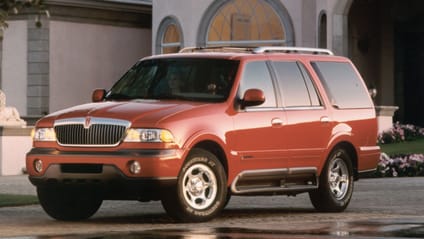
The early Lincoln Navigator is everything we in Britain like to poke fun at about turn-of-the-millennium American luxury – unsophisticated truck underpinnings, brash, chrome-laden styling, a thirsty yet underpowered engine and a cabin full of shiny leather and fake wood. It was a car for early Noughties Premier League footballers and New Jersey mob bosses, which makes it all the more embarrassing that we secretly quite like the way it looks.
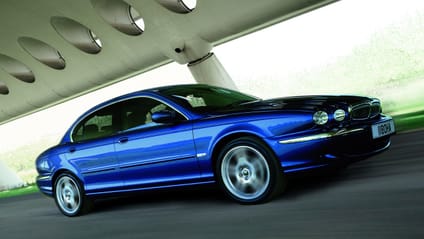
‘It’s just a Mondeo underneath’ is the jibe endlessly levelled at Jaguar’s first attempt to take on the 3 Series, C-Class, A4, et al. Which ignores one crucial thing – the Mondeo is a notably well-received car, so what exactly’s wrong with that? Nobody seemed to mind that the A4 was basically just a posh Passat, and using the Ford’s proven underpinnings probably did the X-Type a lot more good than harm.
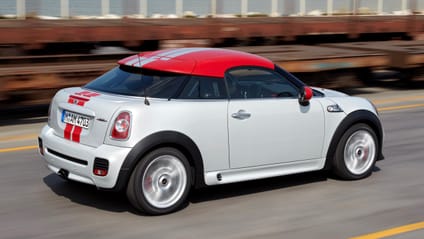
Nearly all the discourse around Mini’s short-lived two-seater duo revolved around the styling, especially the Coupe, with its backwards baseball cap roof (seriously, that’s what it was meant to look like), and looks aside, few people were in the market for an even less practical version of an already impractical car. Nonetheless, with so few affordable sports cars around nowadays, we think it’s time these two got a second look.
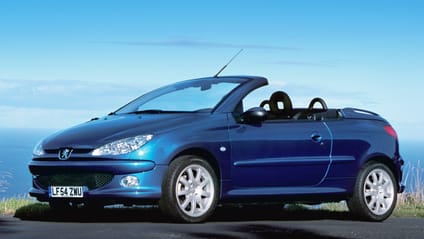
Most of the hardtop coupe-cabrios that started emerging around the turn of the millennium are rightly remembered as ungainly mistakes, but we think it’s unfair to lump the Peugeot 206 CC in with them. Unlike most of its ilk, it was a genuinely pretty car, roof up or down, and it wasn’t the usual shuddery, floppy mess to drive. It was even decently quick with the 206 GTi’s 138bhp motor.
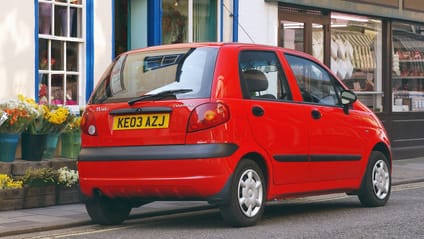
If you can get past its froggy looks, it only takes a quick browse of contemporary road tests to show that the little Matiz was a far better car than most people probably imagine at first glance. With its surprisingly sophisticated drive, near non-existent running costs and spacious interior, it’s arguably a surprise it’s not mentioned more often, a la Panda and Twingo, in the pantheon of great small cars.
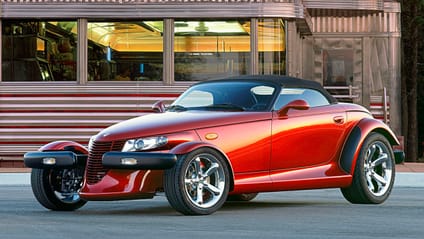
It was saddled with an underpowered V6 and a rubbish four-speed auto, and its retro hot rod-inspired styling didn’t really work, but despite all that, the Plymouth Prowler is a proper guilty pleasure, a symbol of a time when car companies were more willing to throw a bit of money at an unquestionably niche product. Also, Prince owned one. If that doesn’t make it cool, we don’t know what will.
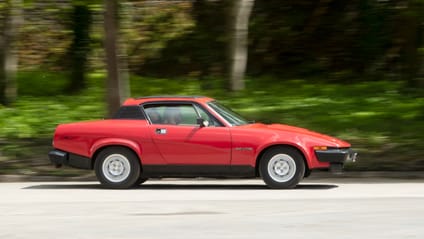
Like the Allegro, the TR7 was more a victim of BL’s 1970s difficulties than anything else – that, and the fact that roadster traditionalists used to the old-school looks of the earlier TR cars definitely weren’t ready for its radically wedgy looks. But now, you have to admit, it looks fantastic. The build quality, we can’t defend as much, but that’s part of the fun with an old British car. Right?
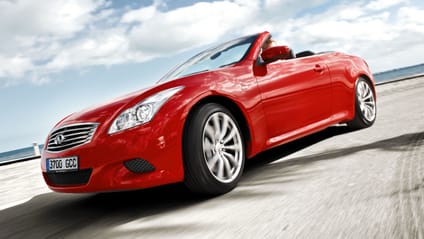
Nissan’s brief attempt to sell cars from its posh, America-oriented Infiniti brand in Europe already feels like a weird dream, but it definitely happened. Of all the cars it attempted to peddle here, the drop-top G37 was among the oddest and least successful, but it looks a bit of a used bargain these days when you consider it’s a rear-drive convertible cruiser with a meaty V6 and typical Nissan reliability.
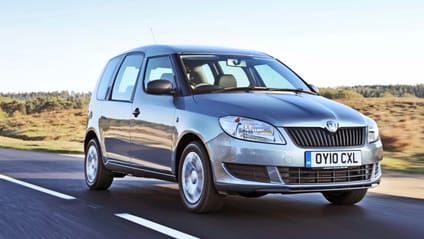
A hilariously slow mish-mash of whatever bits the Volkswagen Group could find lying around, the Skoda Roomster made no effort whatsoever to be stylish, sporty or luxurious. That, along with some unfairly lingering preconceptions around the Skoda badge, probably turned a lot of people off it when it was new, but it’s precisely what we like about it today. That, and its name. Roomster! Try it, it’s fun to say.
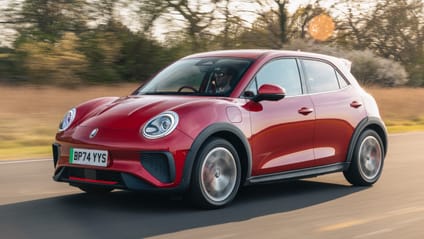
There are many good small electric cars, but the GWM Ora 03 is not one of them. It’s small and electric – just not very good, which might be why GWM seems to have quietly removed it from its UK website without telling anyone. Nevertheless, we can’t help being endeared by its doe-eyed looks and underdog status. We preferred it when it was called the Funky Cat, though.
Get all the latest news, reviews and exclusives, direct to your inbox.