




Big Reads
"A spitting, snorting, maniac of a car": why the Kimera EVO38 is a Top Gear hero
The successor to our reigning performance car of the year gains more power. Hold on tight
When you’re driving a new and improved version of the car that last year we branded the greatest performance car on the planet, there’s not much wiggle room. It’s either a new benchmark that’s inched closer to perfection, or a Top Gear hero totally ruined. It’s called the Kimera EVO38 and can it actually be better than the all-conquering, PCOTY-winning EVO37? Place your bets.
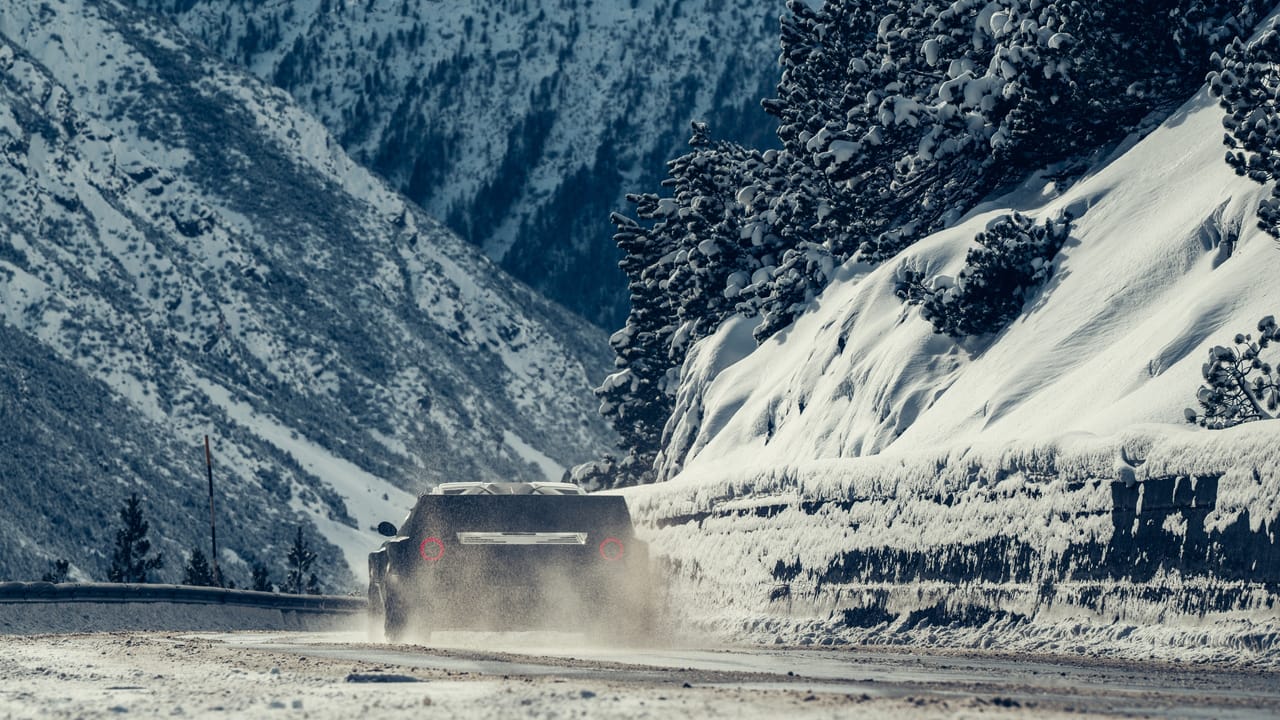
We’re in the Italian ski resort of Livigno, currently being primmed and pisted for the arrival of the Winter Olympics the following week, and we’re first outside the factory to get behind the wheel, before it heads off for customer drives. As you’d expect then the CEO, founder and ex-WRC driver, Luca Betti, is here to keep an eye, I mean, support us, in any way possible. We read that to mean driving the knackers off his own car on an ice lake, while we yell and whoop in the passenger seat, and then face the other way while we have a go ourselves – both on said track and a frosty mountain pass.
Advertisement - Page continues below
But first, a recap. Kimera Automobili is a boutique supercar maker/restomodder based out of Cuneo, Italy. Its first model, the EVO37, was a tribute to the Lancia 037 Group B rally car, famously the last RWD car to win the World Rally Championship in ’83. It’s a restomod, technically, with just a little Lancia Beta Montecarlo spliced into the chassis... but beyond that, it’s all new. It rocked our world when we first laid eyes on it almost five years ago, and then shattered it into tiny pieces when it took down the likes of the Lamborghini Revuelto, Aston Martin Vanquish, BMW M2 CS and Porsche 911 GT3 RS Manthey at our Performance Car of the Year test in 2025.
Photography: Olgun Kordal
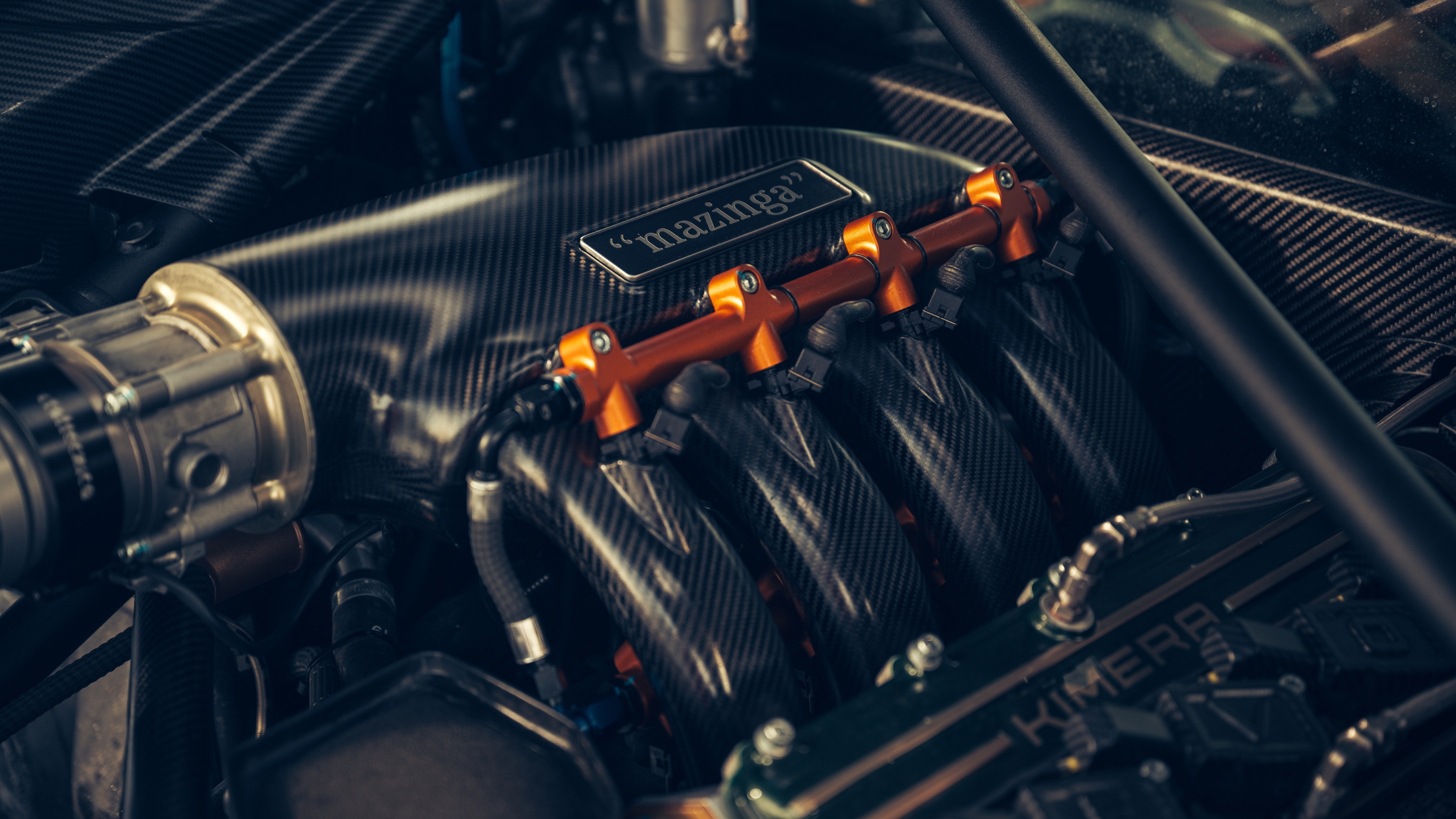
The ’38 is the tricky second album and picks up where the ’37 left off... albeit with many significant modifications. It’s 4WD, not RWD – a nod to the 4WD version of the Lancia 037 that was in development back in the 1980s, but eventually canned in favour of the Delta Integrale. The engine is the familiar 2.1-litre four cylinder supercharged and turbocharged unit from the ’37, with a bigger turbo to push peak power up to 600bhp, although you can select from three engine maps: a gentle 400bhp, 500bhp or the fully caffeinated 600bhp. Given the whole thing weighs around 1,100kg (miraculously less than the ’37 thanks to more carbon and titanium components) that’ll do.
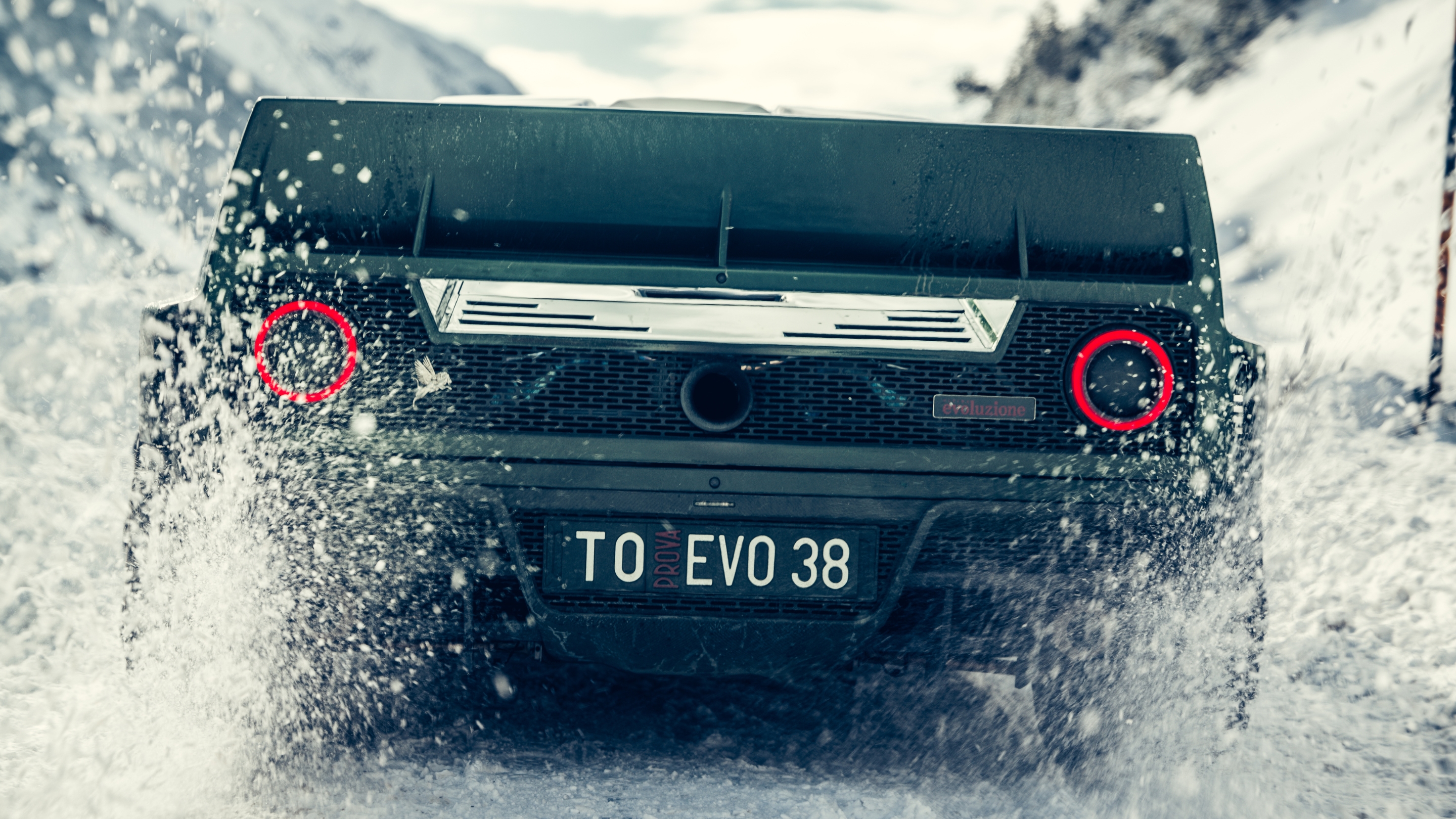
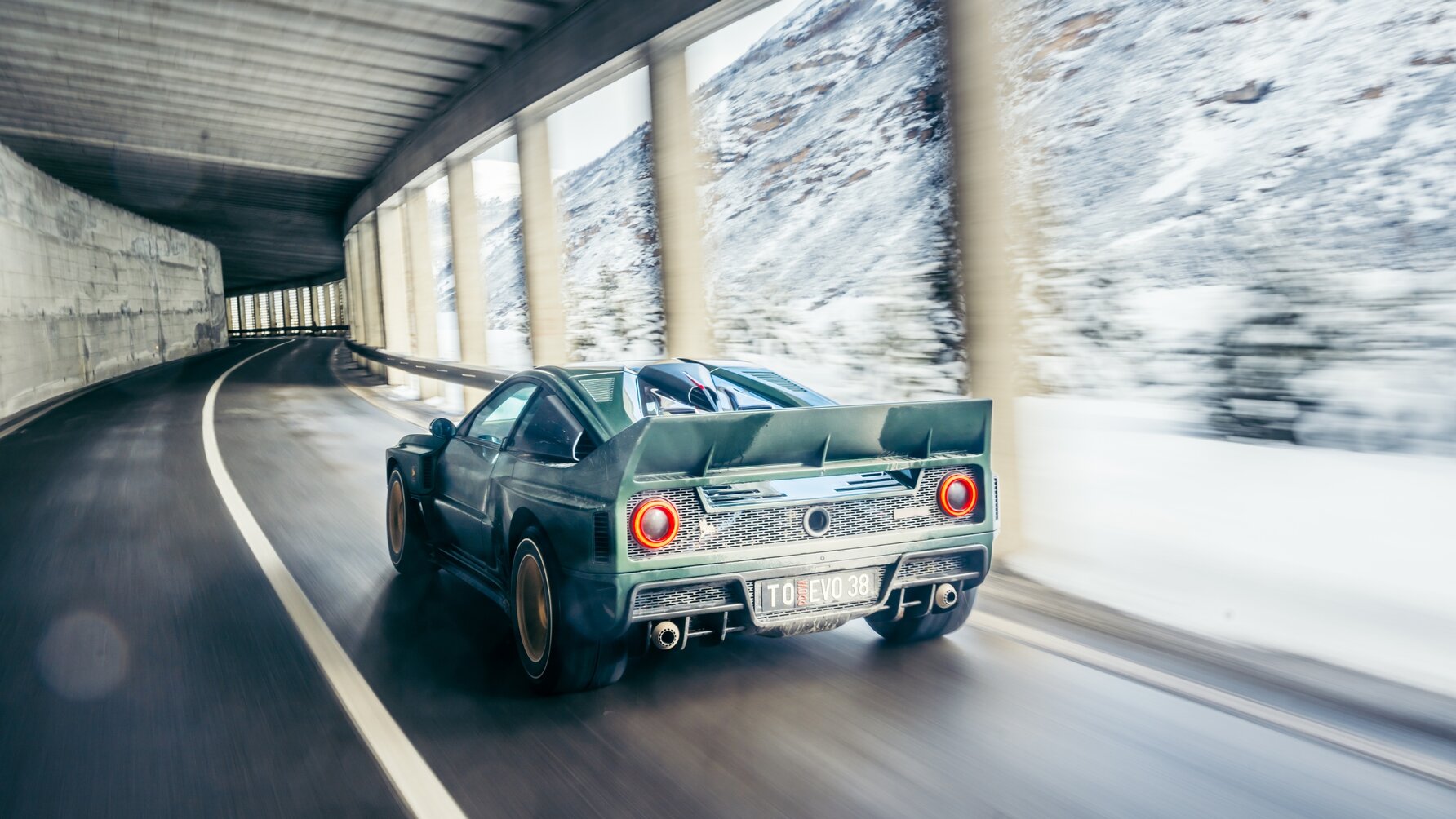
The engine has been heavily reconfigured too, with the turbo moving from high and adjacent to the engine, to directly behind it. A switchable exhaust flap lets you straight pipe the gases out a single wide-bore hole in the back for maximum noise, or split it via a pair of mufflers to the two lower exhaust tips if you like your neighbours.
Advertisement - Page continues below
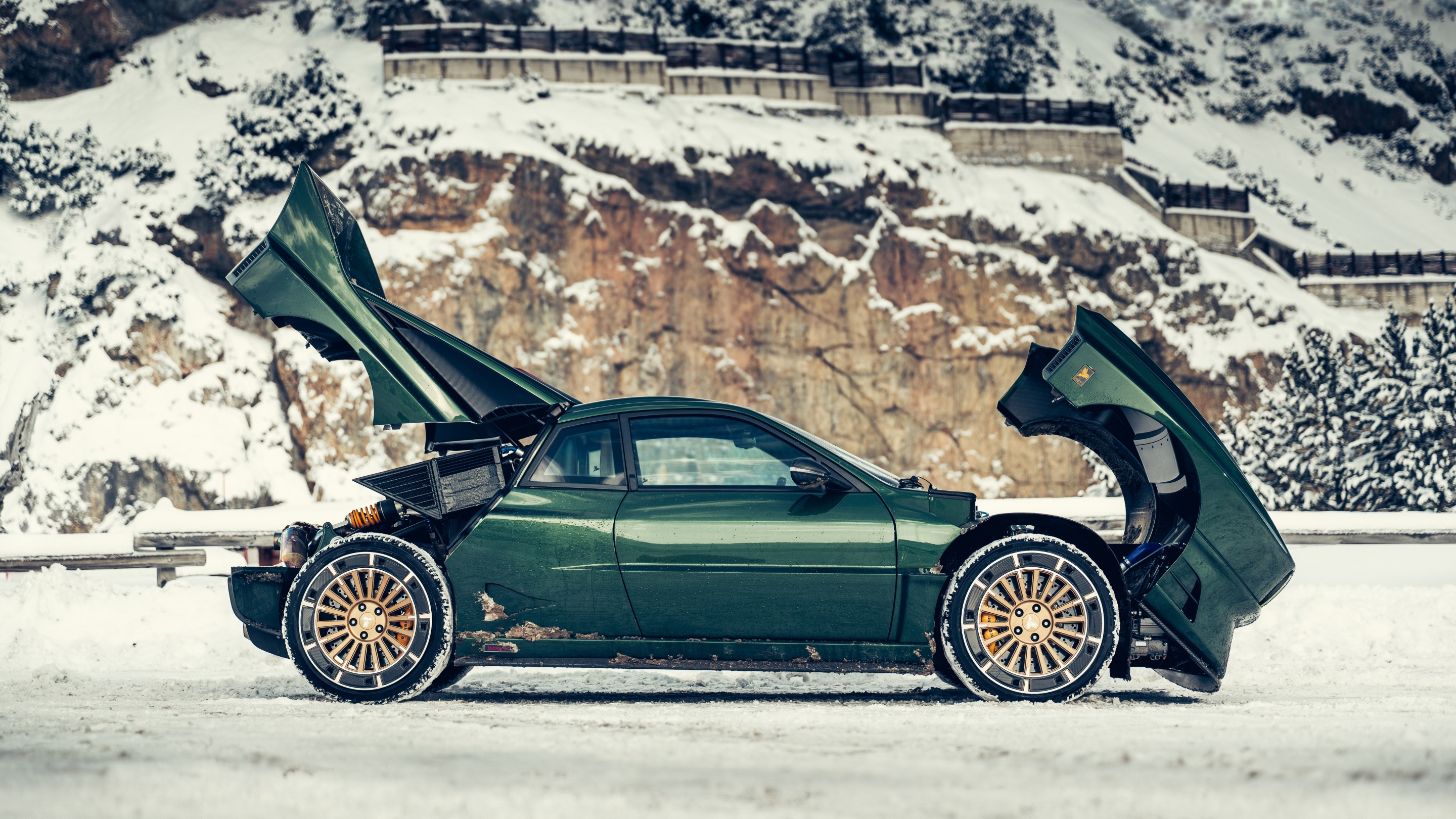
Give the engine a proper workout and from directly behind, with the flap open, you can see the turbo glowing orange. Unnecessary? Perhaps, but damn cool. Rehoming the turbo also frees up space for a roof-mounted ram air scoop, and intercooler and oil cooling to be fed by the shoulder intakes.
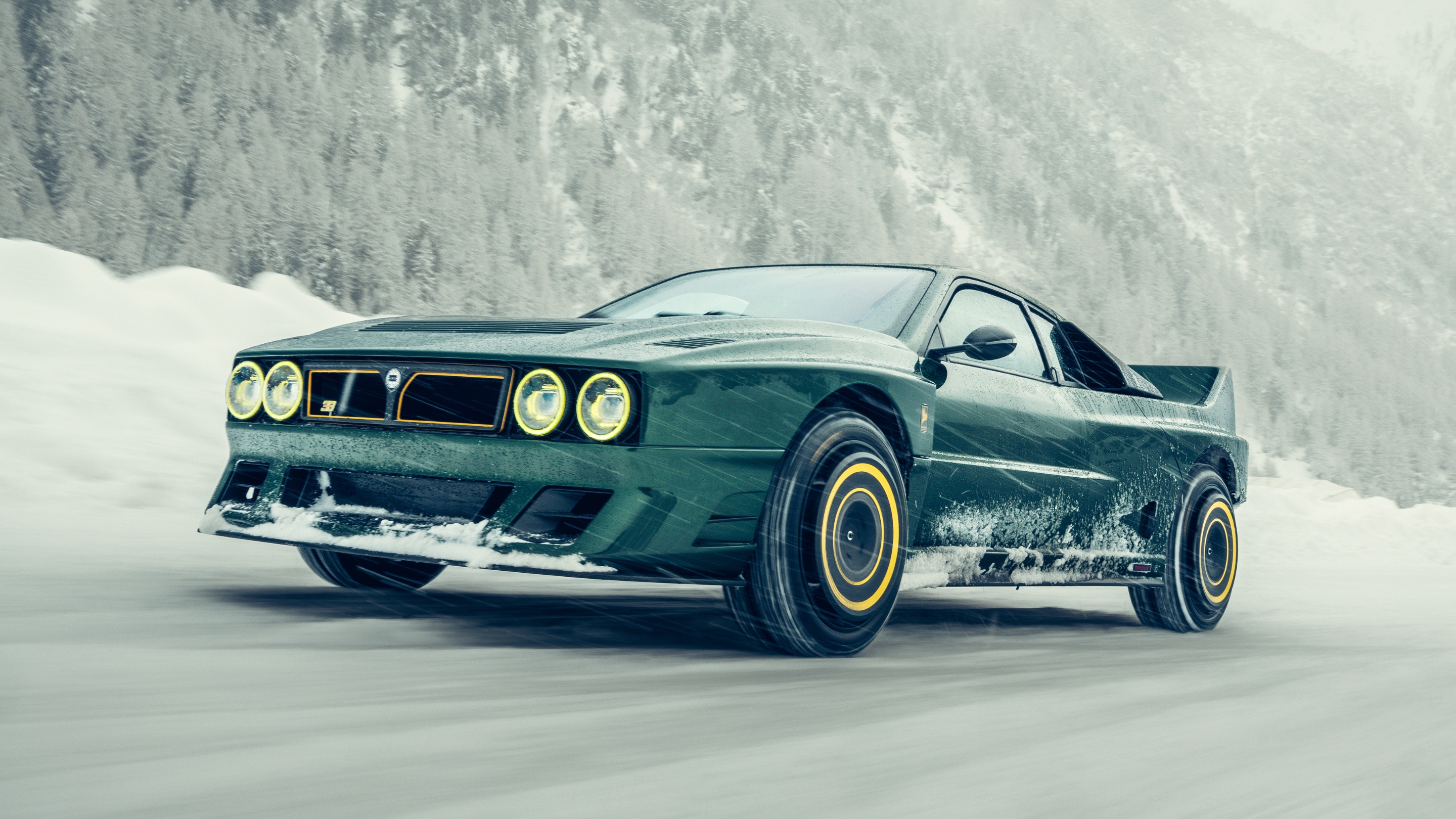
The suspension, front and back, is now an in-board push-rod layout, with a hydraulic lifting system built into the dampers to raise all four corners by 50mm – more than a speed bump nose lift system, it’s designed to give rally car clearance on gnarly surfaces. And thanks to some extra bracing the chassis is now three times stiffer. The new 4WD system has some party tricks, too – a delightfully tactile lever next to the driver’s right thigh that lets you switch between a 50/50 torque split, 25/75 front/back or fully RWD. And you can do it on the fly as the surface conditions fluctuate in front of you.
If we thought the ’37’s interior was a delight, this takes thing to another level. Kimera understands, better than any other car company in the world right now, the importance of physical, analogue controls that feel and sound wonderful, plus a sense of theatre is crucial in a car that’s this expensive and dripping in nostalgia. For example – a front driveshaft isn’t the sexiest component in the world, but here it’s encased in a transparent box and inscribed with red lines so you can see it spinning down by your feet.
Then there’s the control panel above your head with a trio of deliciously thunky switches from an actual helicopter, and flaps to control the electric windows. To start the car you flick each toggle in turn to activate the electrics, system checks and fuel pumps before squeezing two buttons on the centre console to fire up the engine. It never fails to make you smile.
Then there’s the hydraulic handbrake that declutches the engine so you can keep the throttle in when you give it a tug, aircon that now runs off a 48V system and unlike the ’37 actually works, and a little screen to control the radio and other settings that’ll appear from behind the dash before tucking itself away again.
And we haven’t even mentioned the six-speed manual yet – now with shorter ratios and a 30mm higher lever than the ’37’s to close the gap between steering wheel and the cold metal ball on top. The casing is all milled from solid aluminium and designed to mimic the shift surround from a Delta Integrale. The steering wheel is simple as can be, the ‘comfort’ seats we tried were both supportive, comfortable for long stints and electrically adjustable for height, manually back and forth. And in a perfect mashup of this car’s retro roots and cutting edge tech, the dials are analogue, with physical needles, but punctured with small screens that can flash up different functions and driver information.
On the outside the front splitter is way more aggressive with brake cooling channels, and a central ‘S-Duct’ intake inhales air and spits it out through the bonnet for a little downforce and cooling. It also gets a ram-air intake in the roof, and a Ferrari F40-inspired slatted, transparent engine cover. At the rear that new central pipe, and an orange glow from deep inside the belly of the beast, gives away you’re in the new one.
Top Gear
Newsletter
Get all the latest news, reviews and exclusives, direct to your inbox.
And Kimera hasn’t knocked too many corners off the visceral physicality of driving this thing. It’s still a spitting, snorting, living, breathing maniac of a car, only now there are more toys to play with and its operating window has been significantly expanded. This is particularly important as we drove it both on an icy mountain pass strewn with tunnels, and also on studded tyres on an ice track. More on that in a bit.
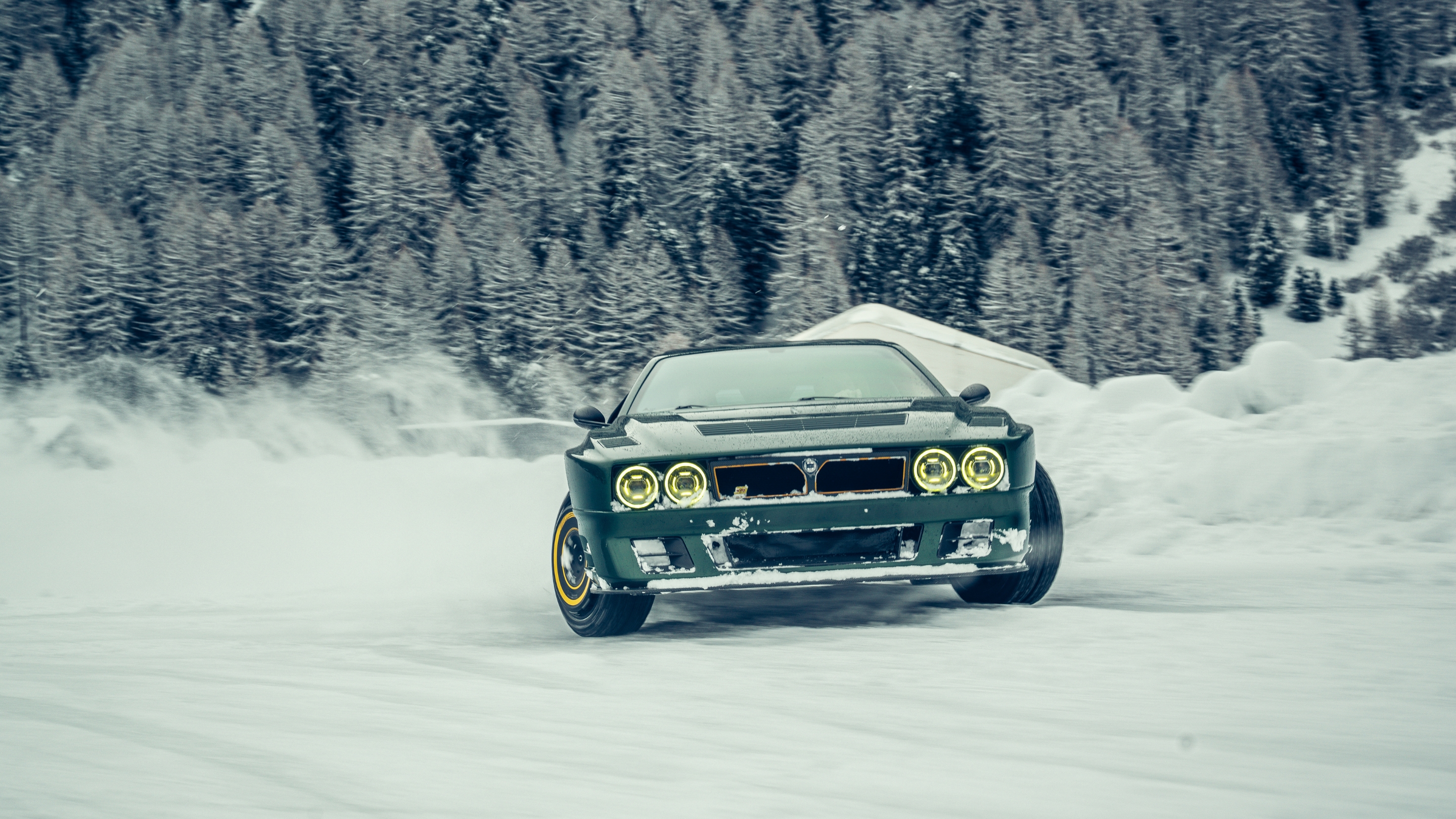
The grip is obviously enhanced with four-wheel drive, but what’s exciting is how it hasn’t corrupted the ’37’s unique agility and keenness to rotate like a rally car. The steering is still quick and flighty, but the car responds in perfect tune, tucking the nose in and wanting to powerslide every time you nudge the wheel off centre. It’s so refreshing next to modern supercars that tend to err on the side of understeer.
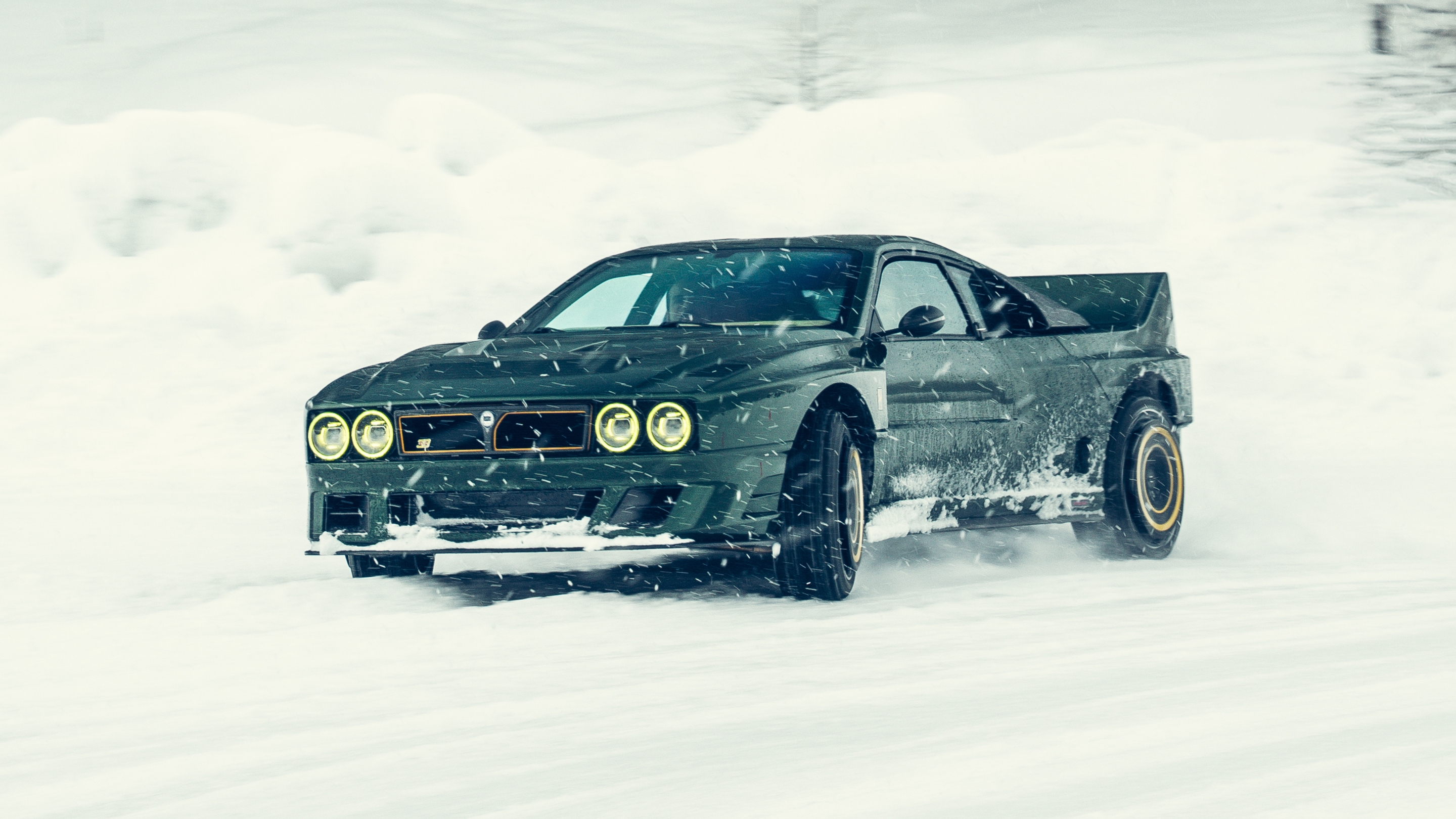
The gearshift and clutch pedal both have heft and a motorsport precision to them, and the brakes are mighty – helped by not having too much mass to work with. This isn’t a po-faced driving experience, there’s movement and information streaming through your eyes, ears, hands and bum – a constant interaction between you and the car that means it’s impossible to get bored behind the wheel of this thing. It’s driving in 4D.
Betti is a huge Ferrari F40 fan and you can feel that old school, boosty delivery in this engine, albeit with the supercharger to give a torque bump at low revs. It’s a total riot of whistles, whooshes, intake resonance and exhaust blare. A proper rave going on over your right shoulder. It’s the epicentre of the whole experience, and the antidote to the anodyne, linear power delivery of a powerful EV. Who said four cylinders were boring? Especially when you have the run of an ice track and an expert tutor/oversteer cheerleader next to you.
As we held massive four-wheel drift after massive four-wheel drift, revelling in the ballet of the car penduluming and clawing its way around on ice, I was struck by two things: how beautifully balanced and predictable the car was, but also how robust and primed for abuse it is.
Every intake stuffed with snow, the engine pinging off the limiter, the turbo working its little socks off... and just like in Portugal with the EVO37 last summer, it soaked it up and asked for more. It doesn’t just have rally car DNA, it’s built like one too.
OK, there’s a teeny-weeny downside in that only 38 examples will ever be built and they’re all sold out. Even at a cost of €880,000 plus local taxes (£918k in the UK including 20 per cent VAT). However, Betti said a handful of Martini editions are on the way offering a few more allocations. Want one? I’d get on the phone quick.
For a small company to so emphatically nail its first car while learning on its feet, to win something as prestigious as Top Gear’s Performance Car of the Year, and then to be brave enough to make fundamental changes in the hope of making it better still... is a phenomenal achievement.
Like the ’37, this EVO38 is the polar opposite of heavy, complicated, electrified modern supercars – it’s small, light, noisy, and bursting with character. Next? Something called the Kimera K39...
Trending this week
- Long Term Review
We lived with the bestselling Alfa for six months. Should you?