




First Look
Top Gear
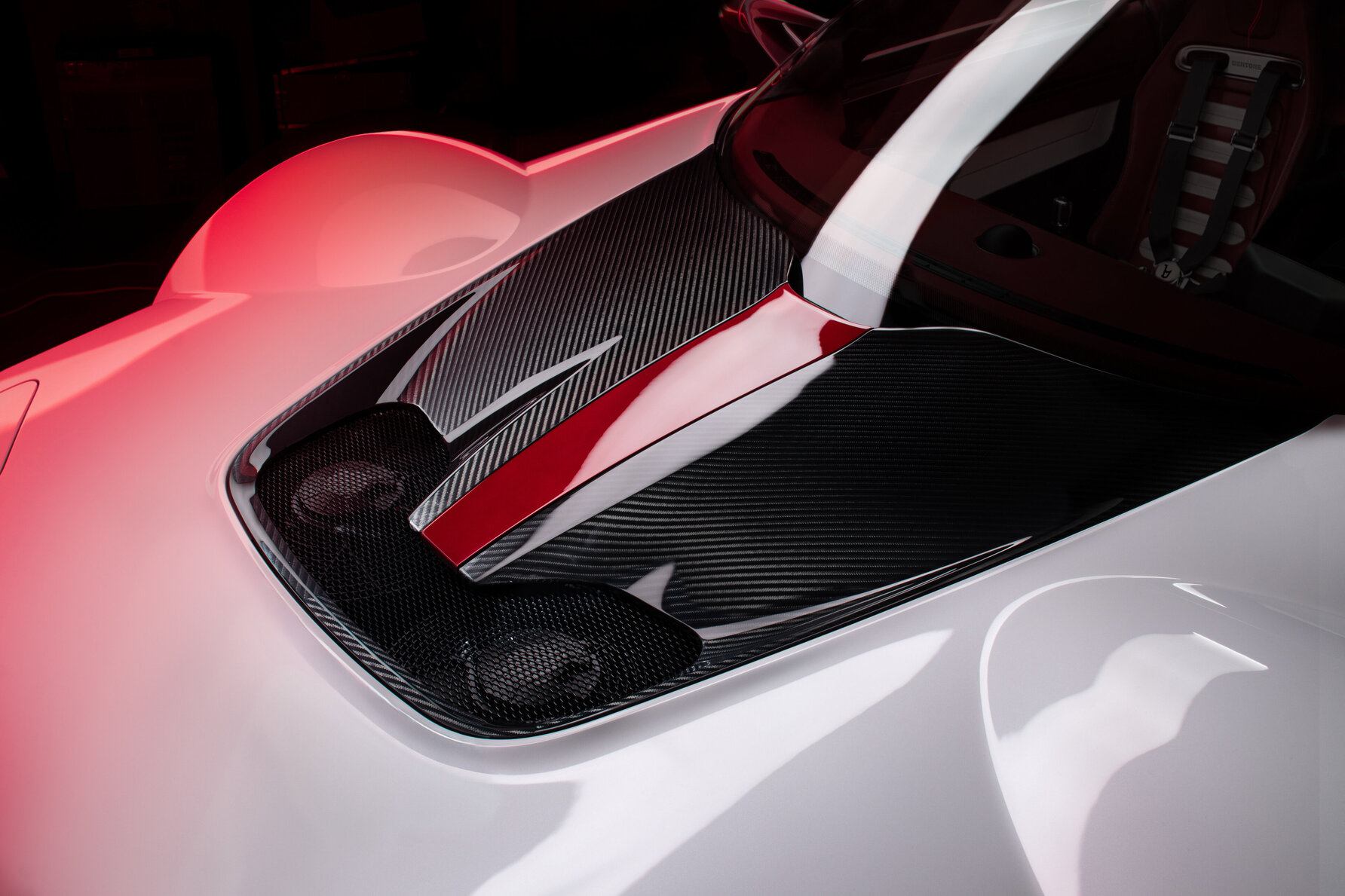
The glorious Bertone Runabout is back, and this time it's a V6-engined lightweight
Bertone resurrects one of its coolest designs for a limited run of proper road cars you can actually buy
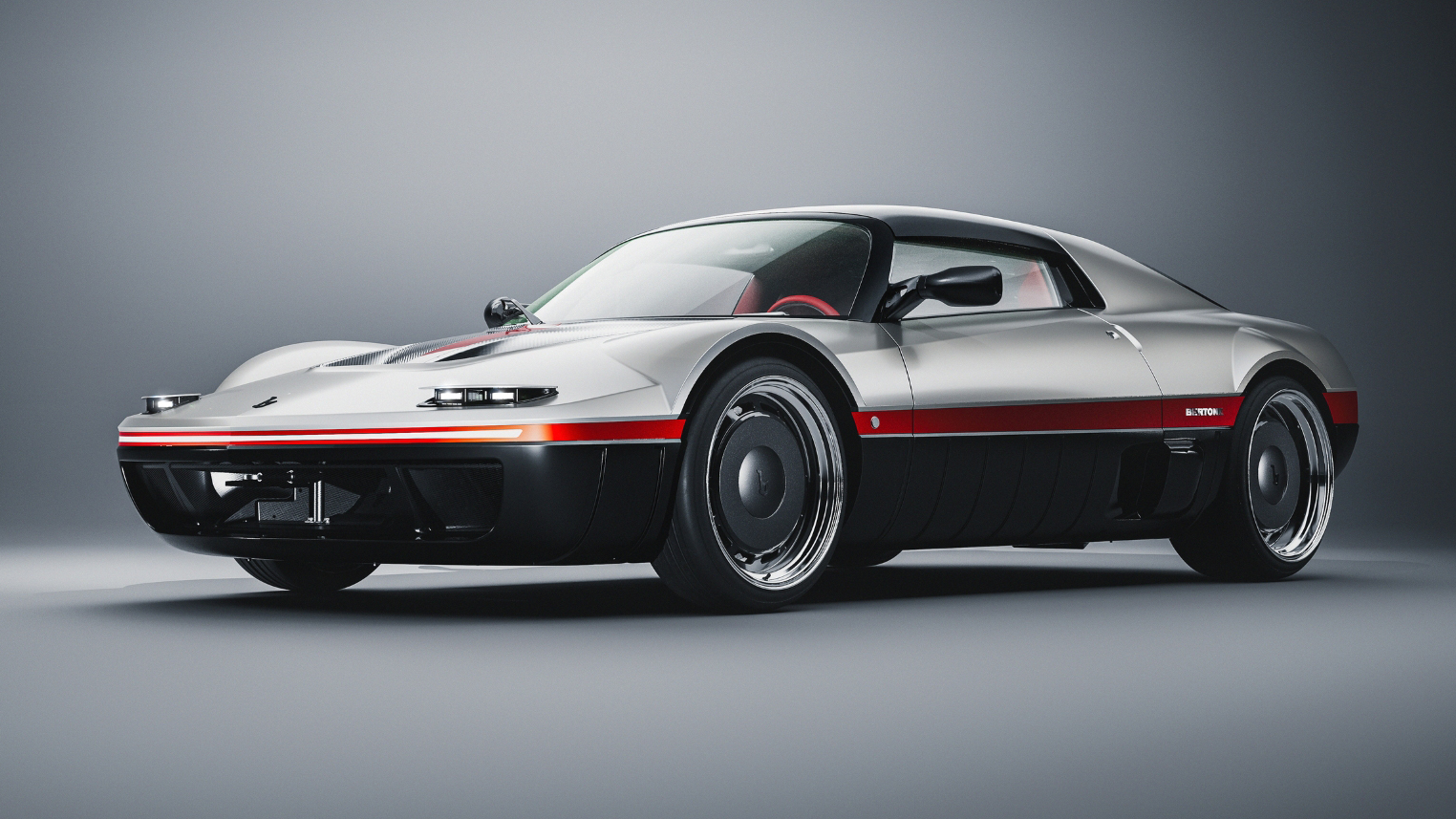
Bertone is calling this a ‘neo-retro’ rebirth of the Autobianchi A112 Runabout by Bertone, a concept car for the 1969 Turin motor show. Styled by Marcello Gandini, it was inspired by contemporary - wait for it - speedboats. The 2026 version comes as either a permanently open barchetta or more practical targa, and is a proper production car you can drive on actual roads, albeit severely limited in numbers, with only 25 slated for production. None of them float, just to be clear.
And when you get to those roads, this’ll prick up your ears: 3.5-litre supercharged V6 with 468bhp, six-speed manual, rear-wheel drive and weighs roughly 1,150kg. So just a smidge more than something like an Alpine A110 with a bigger jab to the kidneys. The original concept car had a Fiat 128 1.1-litre four with about 50bhp, so this is a serious upgrade. The numbers are rapid rather than hypercar-ish and overly brutal - 0-62mph from rest in 4.1, just shy of 170mph top speed.
Advertisement - Page continues below
Though you’d be pushing it in the barchetta variant if you went for max - that aeroscreen won’t do much against a couple of well-placed rocks. Still, the impression is that this is for drivers who actually like the sensations of driving rather than traffic light drag enthusiasts - thank the lightness for that, which mainly comes from particularly dainty dimensions and an extruded and bonded aluminium chassis set up.
Speaking of that chassis... when is a car not a car? When it’s a Bertone. The specs of the skeleton scream Lotus. And it kind of is, but not in the way that you might think. The chassis is a virgin item sourced from a supplier and modified by Bertone. The engine is sourced directly from Toyota and given a bespoke set up for tune and things like induction, exhaust and placement, and the whole thing has a new-car VIN.
You might like
So bluntly, there’s a lot of Exige architecture in there, but this isn’t a car that’s been taken and rebodied. This never left anyone else’s factory as a complete vehicle, so it’s not a restomod. Hence Bertone calling it Neo-retro - which is a reference to the styling inspiration rather than the guts. But on the more practical side, no one ever drove an Exige and thought it was rubbish, so there’s plenty of joy in the fact that Bertone pretty much knew what it was working with in terms of components. You’ve got reliable and proven building blocks here - but what you make of them is a different story. Plus, the suspension is well-known double-wishbone with three-way adjustable dampers and tweakable anti-roll bars, so you could set this thing up to be pretty much how you wanted it if you were willing to invest the time in a little fettling.
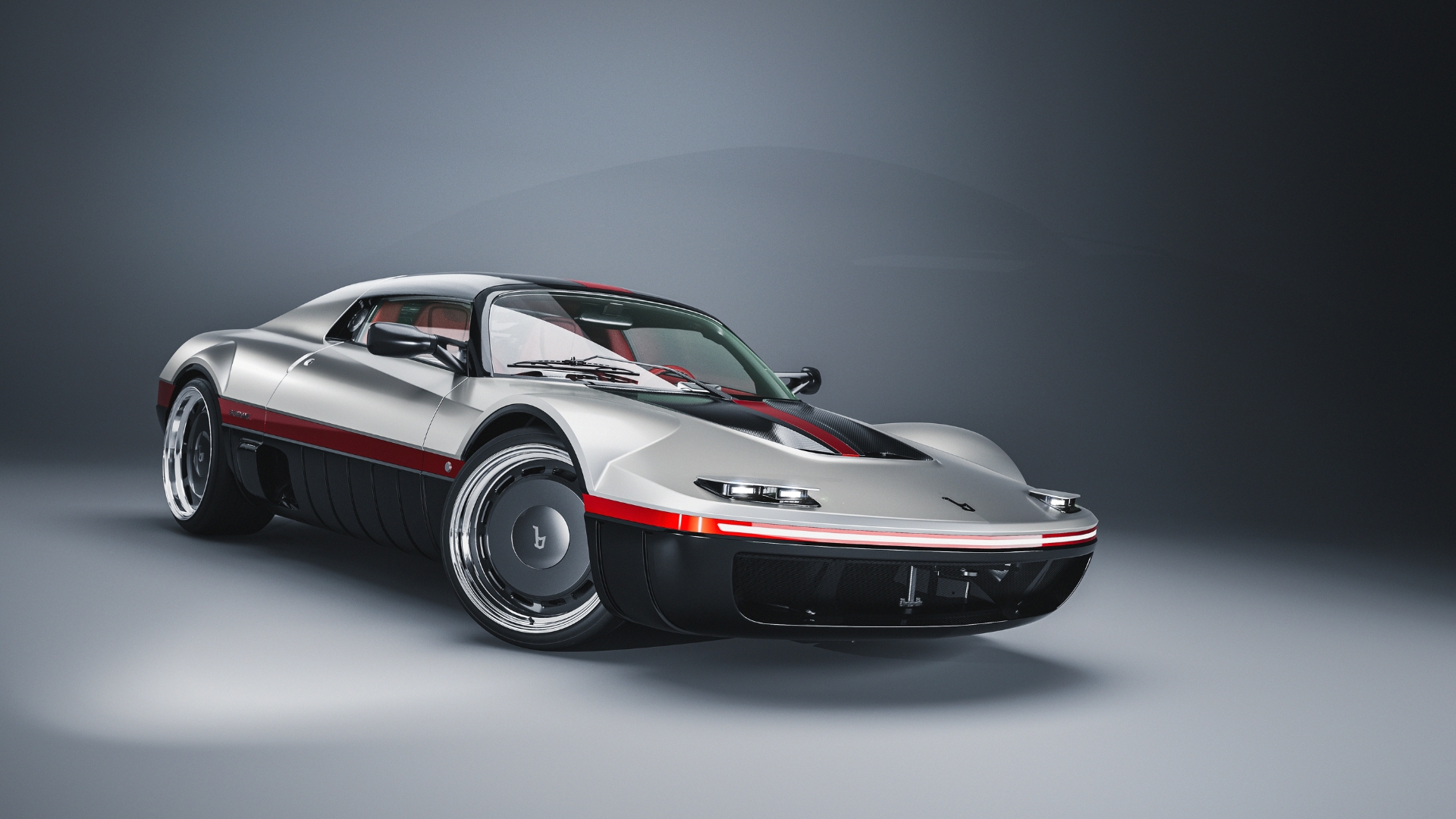
Now to probably the best bit - design. First up, the Runabout isn’t the kind of car that grabs you by the eyeballs and gives your head a shake; it’s more subtle than that. Interesting proportions - as mentioned, it’s relatively tiny in comparison to most modern cars - a very raked vibe, especially with the rear-rising swage line accentuated by the black lower body. But the interesting thing is how it relates to the original muse - it looks great on its own, but when you know the original car, you get the full HD picture.
Advertisement - Page continues below
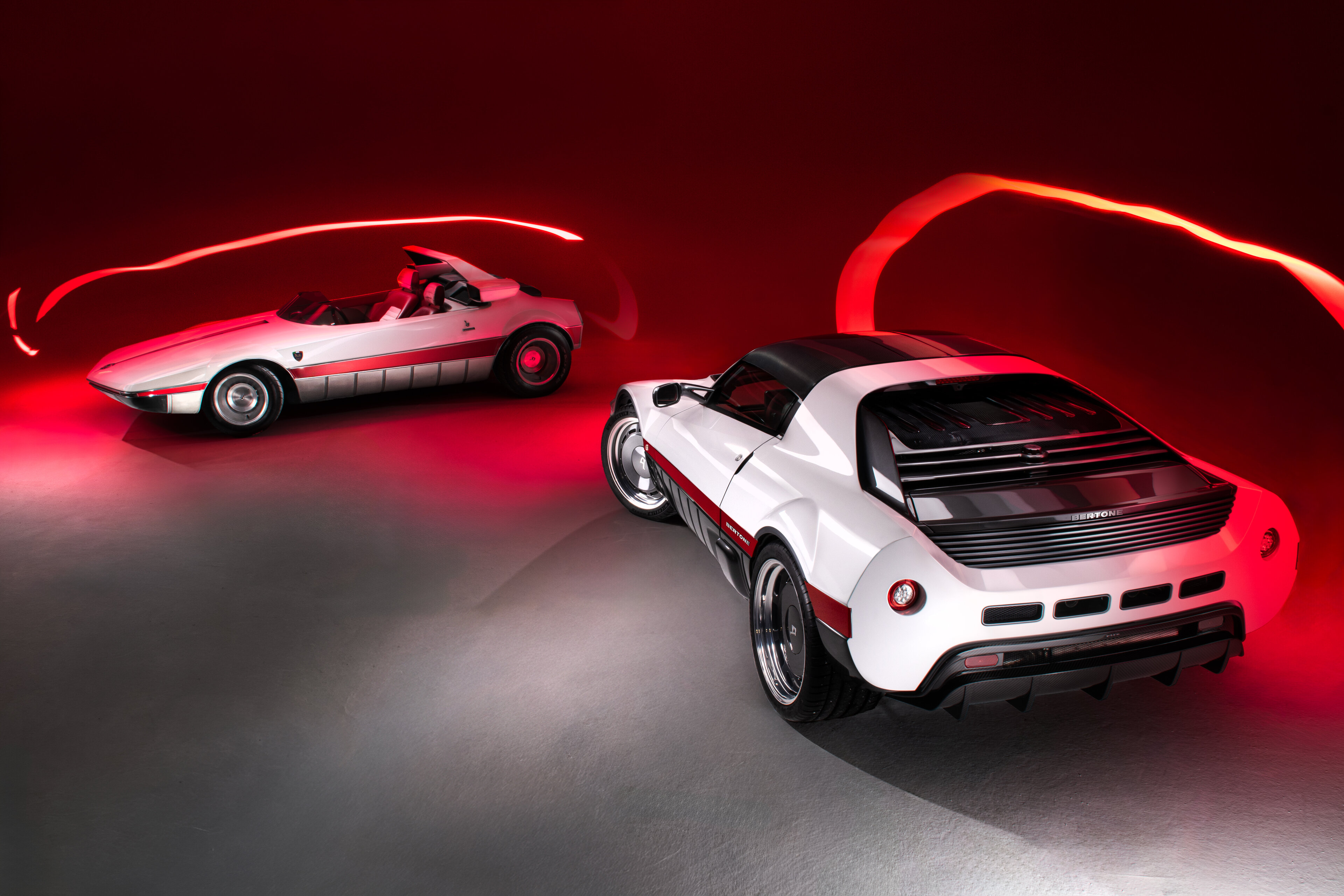
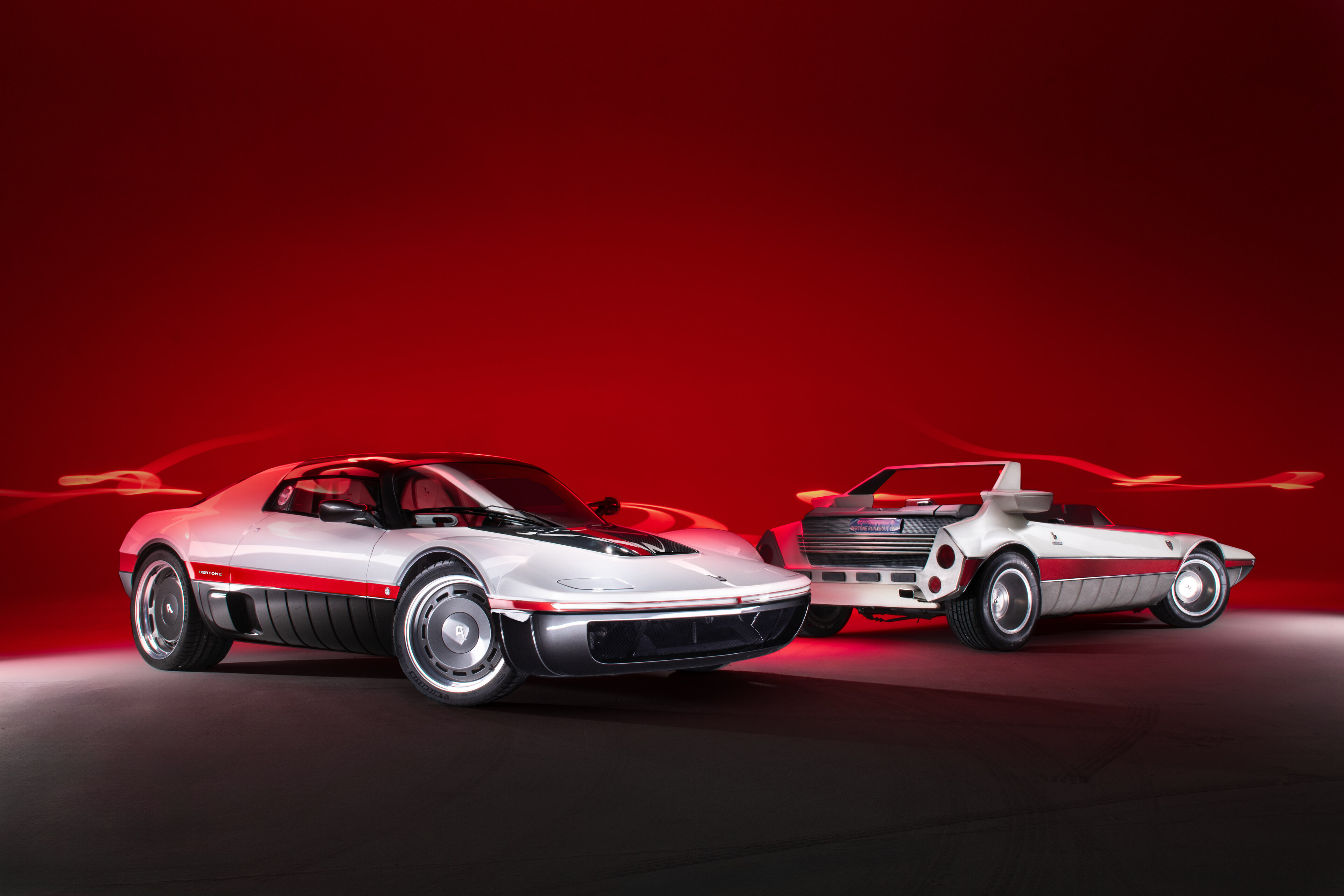
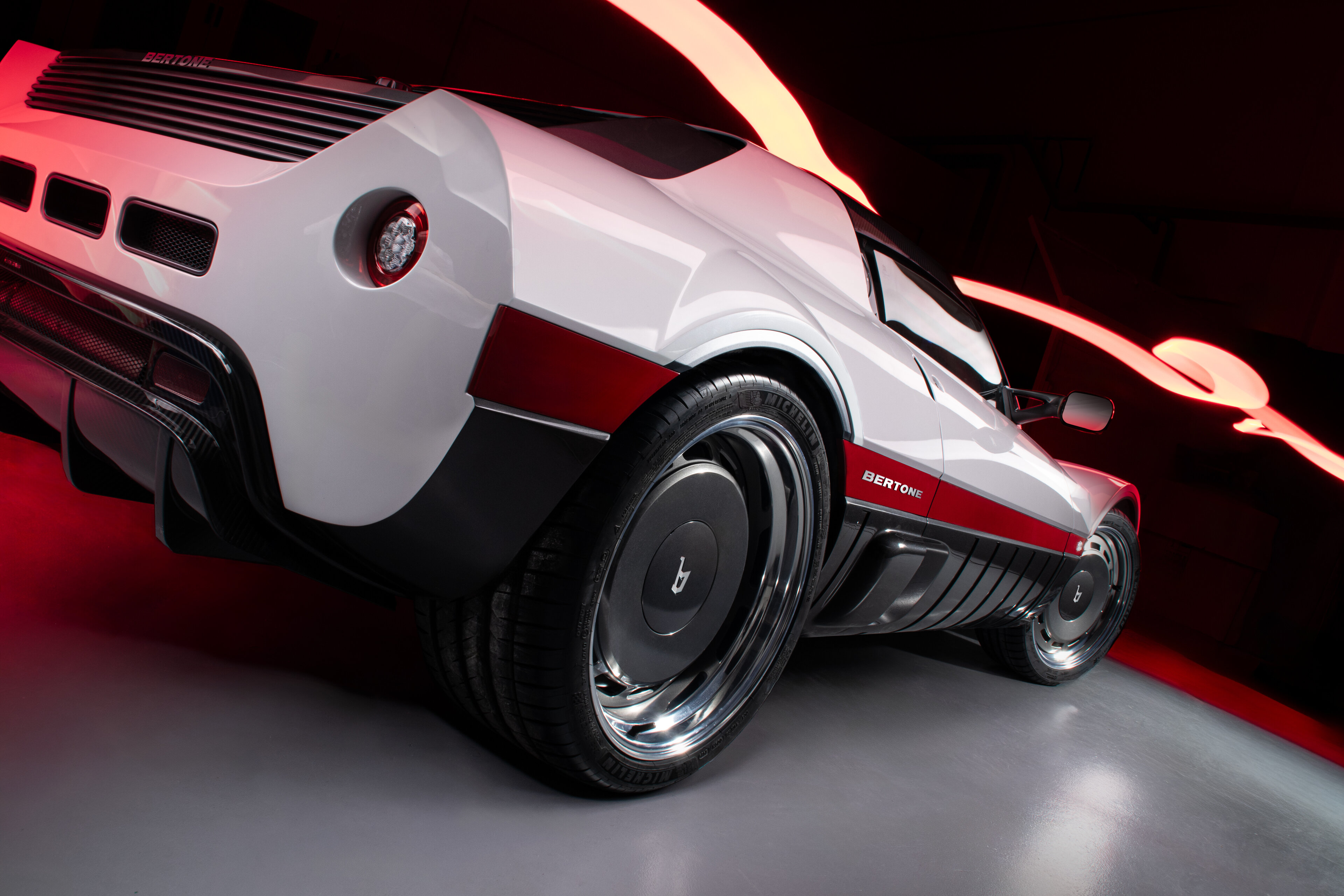
Get vibes of the Fiat X1/9? The original Autobianchi Runabout was the inspiration for that car. The neo-Runabout takes the idea and runs with it in a modern context. So yes, it’s not quite so delicate in the forms as an X1/9, but it’s got fitter rather than just fatter.
The super low nose has a line that runs from the slight beak all the way up the side of the car to the rear (steel) roll-hoop element. Pop-up oval-opening headlights are small and neat, the bonnet vents preventing the front from being a bare slab like the concept. Forged aluminium 18s on the front and 19s on the rear give it stance, though the temptation might be to want an inch smaller and more rubber for that real retro look. Though the standard wheels do ape stylish steels, so they look fabulous (to TG’s eyes, at least).
Top Gear
Newsletter
Get all the latest news, reviews and exclusives, direct to your inbox.
One thing to note is the radius of the front wheelarches that reach deep into the centre of the car - the wheels look perfectly framed, and if you get low and look down the profile, you get that radius repeated in the rear arch - just like the concept.
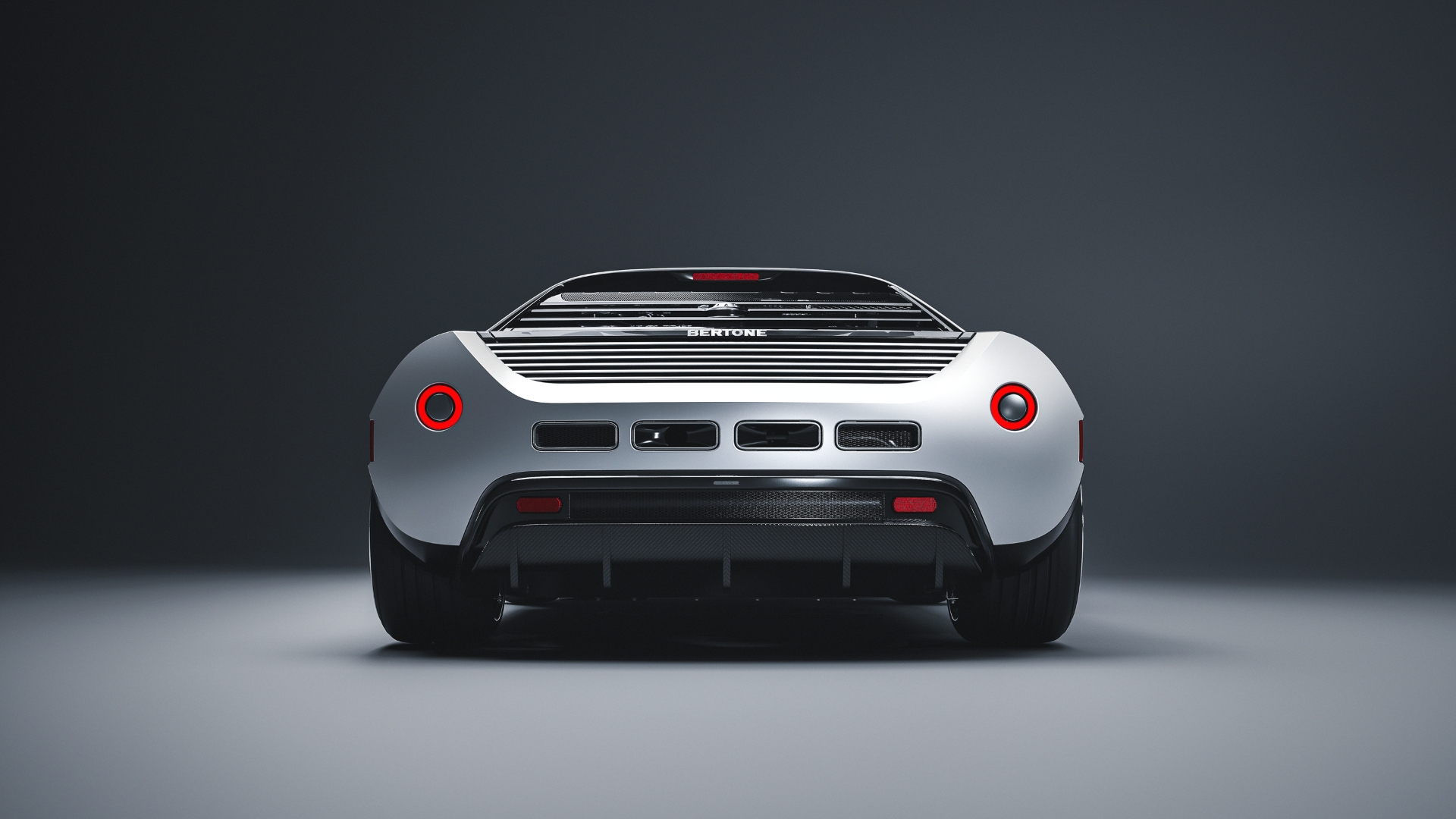
There’s the same vertically contoured lower bodyside as the concept, with door mirrors on pillars on the door tops - probably the only bits that looks a little heavy. After that, it’s got the bunched-up, forward-leaning look that comes with having a bit more visual weight in the rear of the car, and a rear that falls away over a slatted engine cover into a cutaway rear bumper that resembles a cartoon dog bone. Small, circular rear lights and a quartet of rear vents complete the picture, and it feels like a nicely edited reduction of all the good bits of the concept. It’s a car of detail.
Inside? Pretty, but pared back. Ingress into the barchetta is obviously simple - just pop the door and step in. But the targa is far more practical in anywhere that has actual bad weather, and that’s good too; you can open the door and then swing the top hatch upwards for easy entry. Or remove the top section entirely on sunny days. There’s obviously nowhere to store it, but it’s a far more useable version for more than just high days and holidays. The seats ape the original, being slim leather sports seats in contrast leather, and you sit low with good reach angles to the milled aluminium steering wheel. There’s a set of - again, milled alloy - knobs for heating controls and the like on the centre console, and a small digital driver’s display up front. But no big screens or AI-powered thought processes.
A nice nod to the original car is the floating compass in the top of the dash, itself a meta-nod to the speedboat inspiration at the very beginning of the project. Very analogue sat-nav. One thing you probably will notice is something quite old-school: the pedals are quite off-set (to the right in this left-hand drive car), so that’ll be something to get used to. Otherwise it’s a clean and practical interior with some nice touches - absolutely what you might expect.
The car starts at €390,000, which, given the pricing of most rarefied low-volume stuff feels good value. With only 25 being produced, it’s got some collectability, and Bertone is a atelier steeped in history. Plus, it’s much weirder, more characterful and interesting than Bertone’s other sort-of coachbuilt car, the GB110. The other thing to note is that you can option it up a bit. Different stripes, matte or shiny lower body, different colour wheels and leather, different combinations to go with whatever body colour. And it’s a really colour-dependent car - the green barchetta show car was a shout though.
The reason the modern Runabout is particularly interesting is because this isn’t just another random start-up; it’s got serious history. And so begins a very distilled story: Bertone originated in 1912 as an industrial design company founded by Giovanni Bertone that actually made horse-drawn carriages. Son Guiseppe ‘Nuccio’ Bertone took it over after World War II, and basically became the world’s best talent scout for automotive designers. Giorgetto Guigiaro, Marcello Gandini, Franco Scaglione - they all worked for Bertone - and hence, some of the most famous cars in the world were produced under the auspices of the company, albeit usually more associated with the names of the men who penned the sketches.
You want a roll-call of cool stuff? Lamborghini Miura and Espada (and the Urraco and Jarama - though they’re not as well-known), Lancia Stratos, Citroen BX, Alfa BAT, Giulia GT and Montreal as well as the Carabo concept, Fiat Dino Coupe, various Iso Rivoltas and the Grifo, the Fiat X1/9, the Maserati Khamsin - even the super-cool Volvo 262C - all Bertone. And there are a lot more - a search engine is your friend here.
The brand was bought by the Ricci brothers (Mauro and Jean-Franck) fairly recently, and revived in 2022, with the GB110 supercar. The Runabout is the second limited-production car in the pipe, and there are more to come. Now pick a favourite old-school Bertone design and decide which one you’d like to see revived - and what bones you’d lay it on.

Trending this week
- Car Review
Land Rover Range Rover Sport Electric