





Gaming
Top Gear
Resident Evil 2 is one of the best games of all time, partly *because* it's lo-fi
A survival horror game with a supernaturally long lifespan
If we learned nothing else about shooting zombies in the dark over the last 25 years, we learned this much: fidelity is the enemy of atmosphere. However crisp and clear modern Resident Evil has become, however bouncy Leon’s hair might be as it swishes to and fro while he runs from the recently un-unalived in the remakes, those shiny modern game engines just can’t muster the same dread, mystery and indelible sense of place that the classic PS1 era Resi titles could.
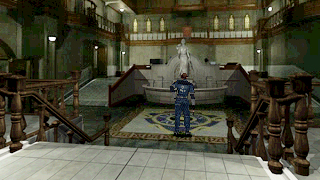
It turns out that survival horror actually benefits from a scarcity of polygons, and a limited supply of sound samples that must all fit onto a physical disc. Modern developers are virtual architects, but the Capcom team who worked on Resident Evil 2 in 1998 were more like great impressionist painters, giving you just enough detail onscreen with their pre-rendered backgrounds and disquieting camera angles for you to infer a much more detailed scene. You were an active participant in the horror, because you filled in the details with your own fears.
Advertisement - Page continues below
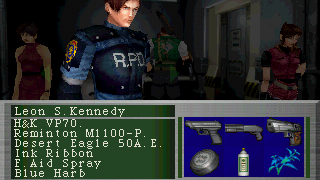
The sleepy midwestern town of Raccoon City has been struck by a biochemical weapon developed by the Umbrella Corporation. Where there were once people there are now zombies. Leon Kennedy, a junior police officer on his first day of duty, and Claire Redfield, a college student looking for her brother Chris, are about to cross paths, and, through the medium of extremely stilted dialogue, collaborate with each other in a bid to increase their chances of survival.
That’s the setup. But the best stories to be told from Resident Evil 2 aren’t harvested from exposition. They’re the anecdotes about the first time you met The Licker, surely the most frightening assembly of polygons the original PlayStation ever rendered. Or that window in Racoon City PD headquarters. The one you walked past without incident the first time, and from which an arm reached out to grab you the second time, sending your PS1 pad ceiling-wards.



That moment-to-moment terrorising is something Capcom perfected over the course of those first two Resi games, and once again it was through the lack of fidelity that they were able to master it. Those fixed camera angles, in awkward positions that never gave you much of a view down the corridor or into the alleyway, maintained a constant and nerve-wrecking sense of anticipation. That achingly slow door opening cutscene, deployed to disguise a loading screen, gave your imagination just enough time to start thinking about what horrors might be waiting in the next room.
We’re used to the genre conventions now, but in 1998 it felt fresh and mysterious to be solving puzzles in a zombie game. Quite why the administrators of RCPD HQ decided upon a filing system which involved shifting antique busts and aligning precious gemstones with rays of sunlight coming in through the window is a decision lost to time, but we’re glad they did. It wouldn’t have been quite the same if Leon spent his campaign simply retrieving keys from filing cabinets or looking up files in a search engine.
Advertisement - Page continues below
The two separate campaigns, different for each character, add a welcome extra wrinkle of narrative subtlety and complexity. Claire and Leon’s experiences do have some crossover, but they’re also affected by your decisions – specifically who you choose to play as first. There are secrets lurking in those rainy streets and eerily quiet corridors, if you have the patience to embark on the multiple playthroughs it takes to see them all.
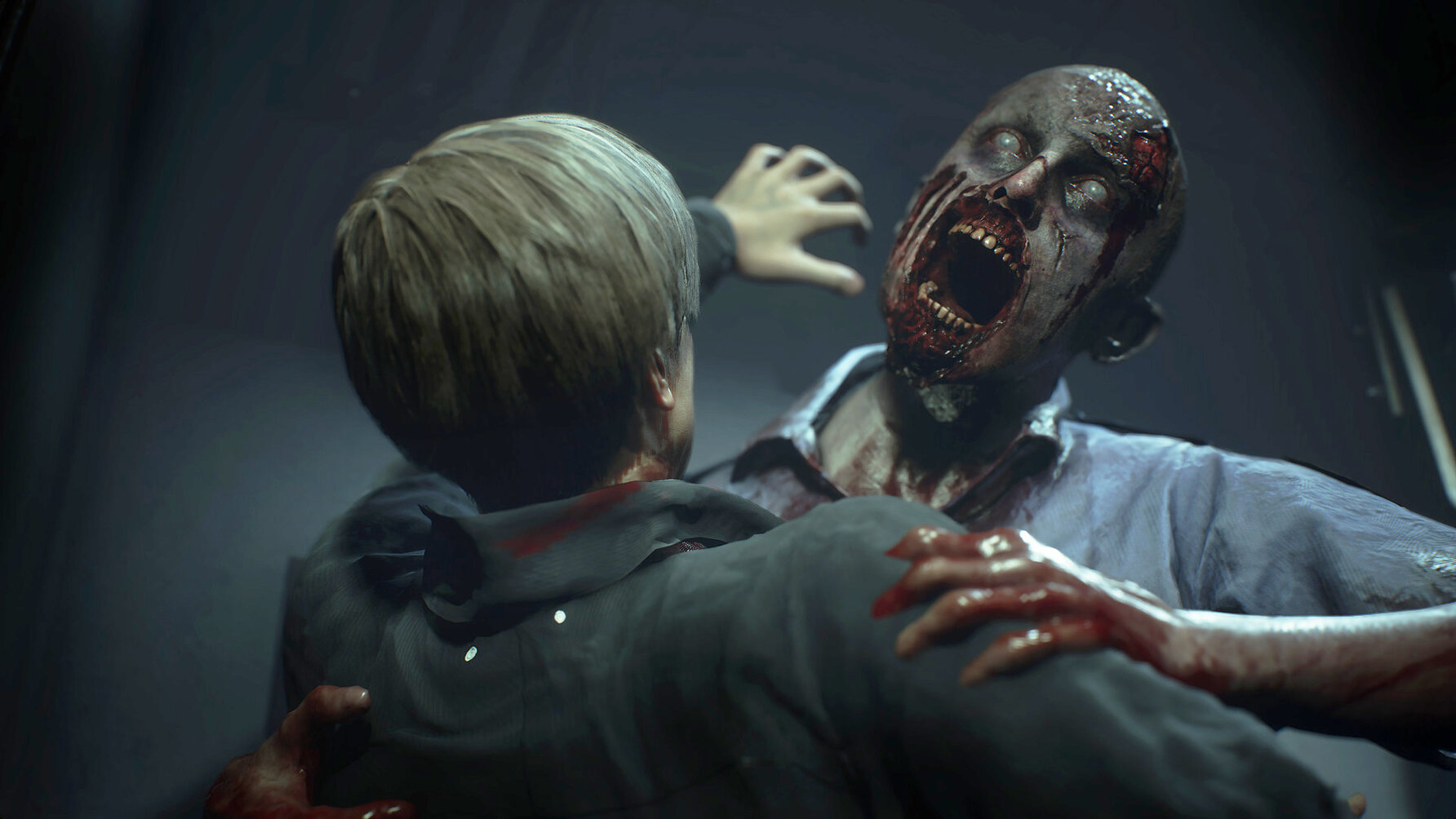
This being a survival horror game, it would make sense for the best bit to be the shooting of the zombies. And yet such were the awkward controls, the discombobulating camera angles, the scarcity of ammo and the stubborn refusal on the undead’s part to lay down and cease existing, that combat almost never feels particularly satisfying. An encounter with a group of zombies is something you muddle through, spending more resources than you hoped you would, taking a bit more damage than it seemed like you might, and you’re left feeling absolutely nothing like a big screen action hero. Instead, you feel like the vulnerable mobile buffet you are.
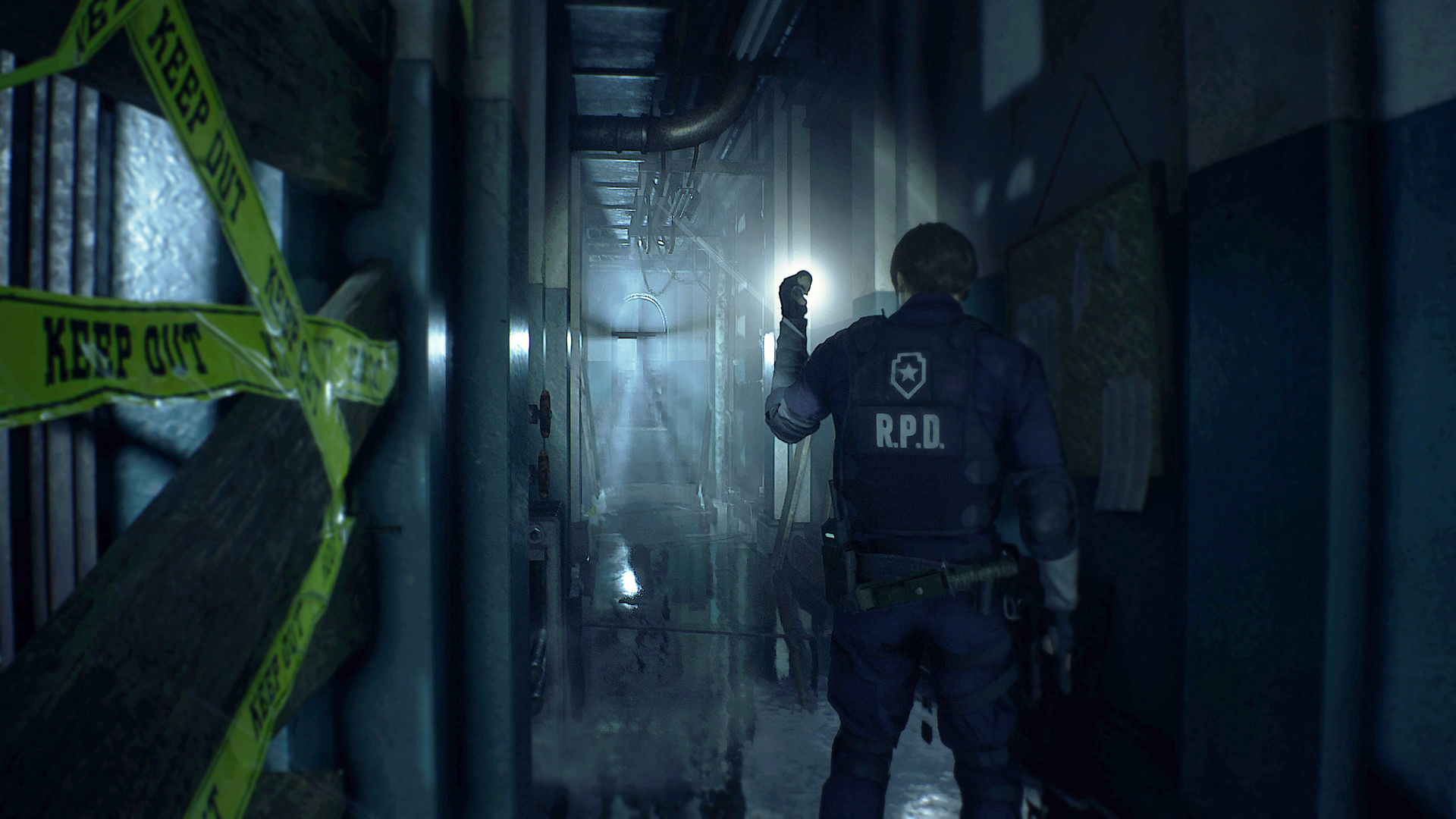
Things changed considerably in the 2019 remake, most notably in the achingly pretty way those familiar haunts were presented. Maybe it’s the nostalgia that still make it work as a mood piece. Or maybe Capcom’s latter day developers are simply savants at conjuring old school atmosphere using modern lighting techniques. In any event, the Resi 2 Remake is a worthy companion piece to the original that plays like a totally different game – one that feels good to shoot zombies in, for example – and makes significant plotting rewrites, but still somehow feels like quintessentially the same experience.
All of which means that, like its subject matter, Resident Evil 2 has been granted an unnaturally long lifespan. You can stumble your way through the whole thing in six hours if you’re determined enough, and many people did, 28 years ago. The fact that it’s still on people’s minds and storage drives today tells you all you need to know about the level of quality this survival horror reaches.
Top Gear
Newsletter
Get all the latest news, reviews and exclusives, direct to your inbox.

Trending this week
- Top Gear Advice
28 cars that saved their companies from financial ruin