





Gaming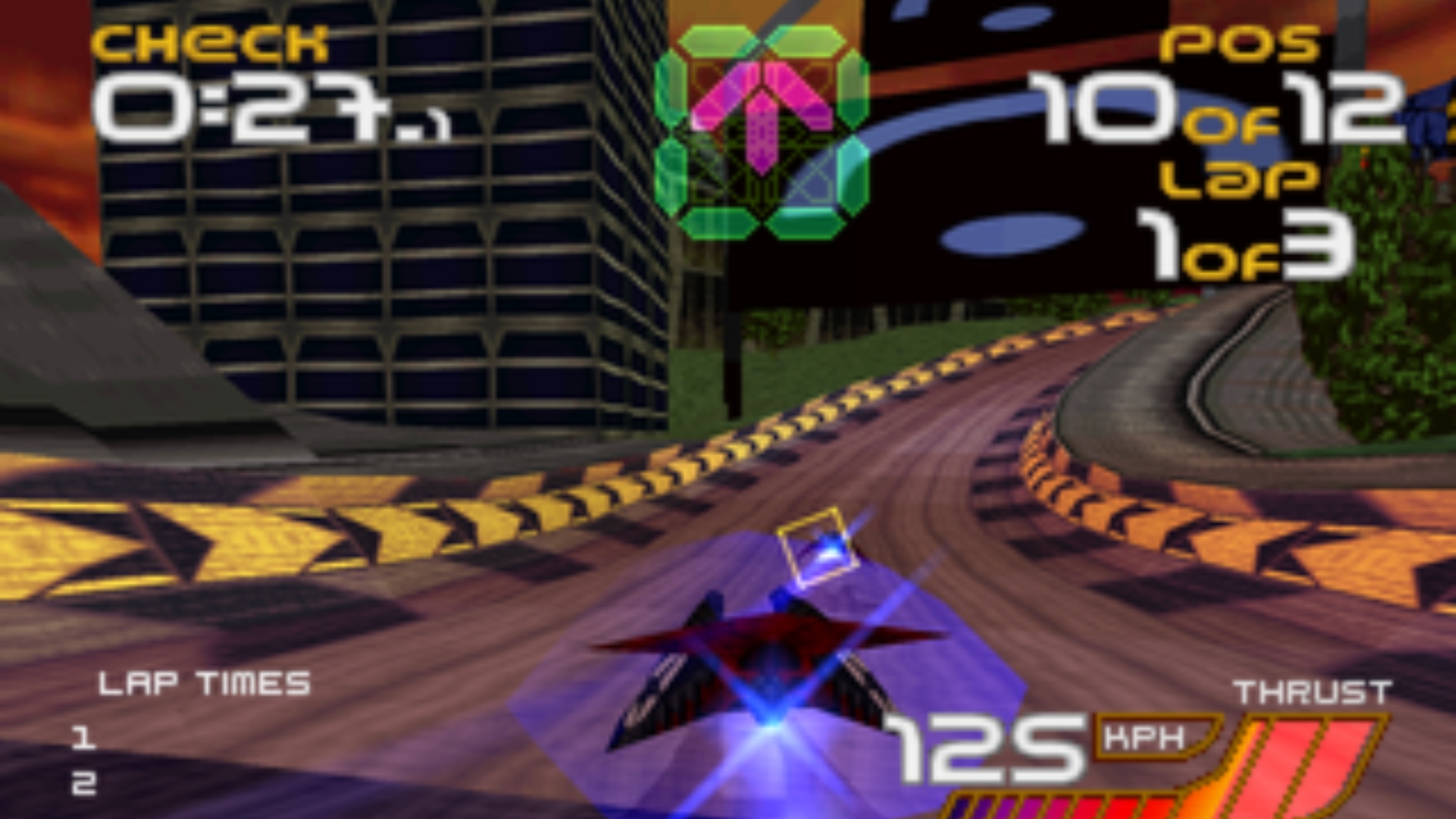
Top Gear
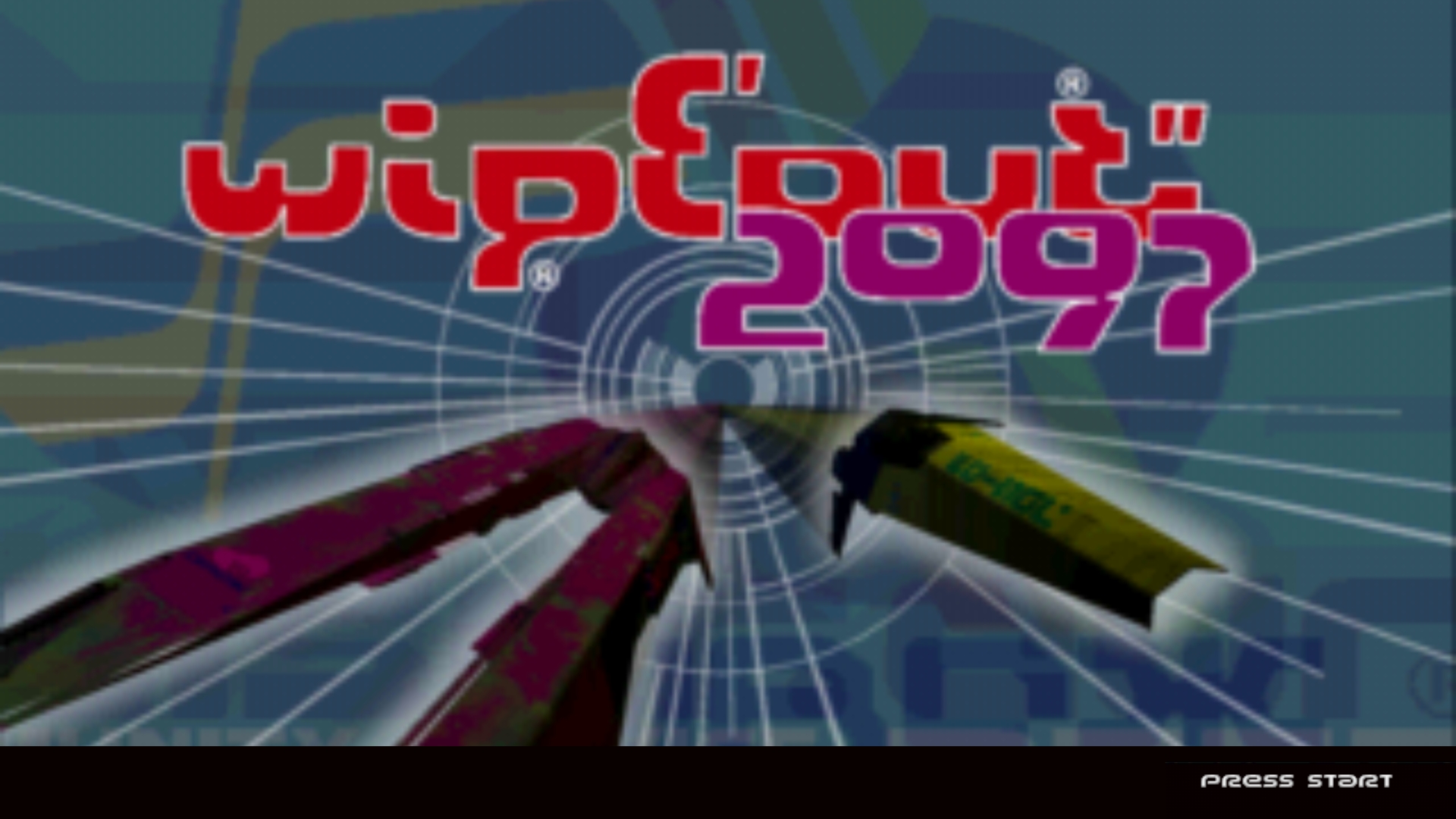
TG’s 50 greatest games of all time: WipEout 2097
One of the original PlayStation’s best racing games, and there’s not a wheel or a tyre in sight
Let’s start by trying to quantify what ‘cool’ is. The Nintendo 64 was fun. It had plenty of excellent games, all of them daubed in cheery primary colours and soundtracked by tunes you can probably still hum now. It was wholesome, it was enjoyable. But it wasn’t cool, was it? The original Sony PlayStation, though – now there was a cool console.
Looking back, it was probably a dead-eyed, grey-suited marketing push that began the PS1’s journey towards being cool. Its ads were all about showing that the SNES and Megadrive were for kids, positioning this new grey box as something more dangerous. Something your older sibling would be into. If the SNES spent its downtime whistling the Mario Kart theme to itself and doing its homework, the PlayStation was out back smoking.
Advertisement - Page continues below
But the exact dimension of its coolness, the way its games actually capitalised on all that marketing we ate up like so much sugary ‘90s cereal, came down to a number of firebrand creators delivering genuinely innovative and cultured pieces of software. And no game series in the PS1 library embodies that more than WipEout in 1995.
Set in a distant future where Formula One’s long since been given its marching orders by anti-gravity spaceships hurtling along clinical metallic tracks, the WipEout games seemed to have a detailed and fascinating vision about the universe they were set in which simply wasn’t commonplace for ‘90s racing games. It seemed to have read some books, and gone to uni and studied design. You could tell that by the capital E in the middle of its name, and the typeface. WipEout was absolutely dripping in cool older sibling appeal.


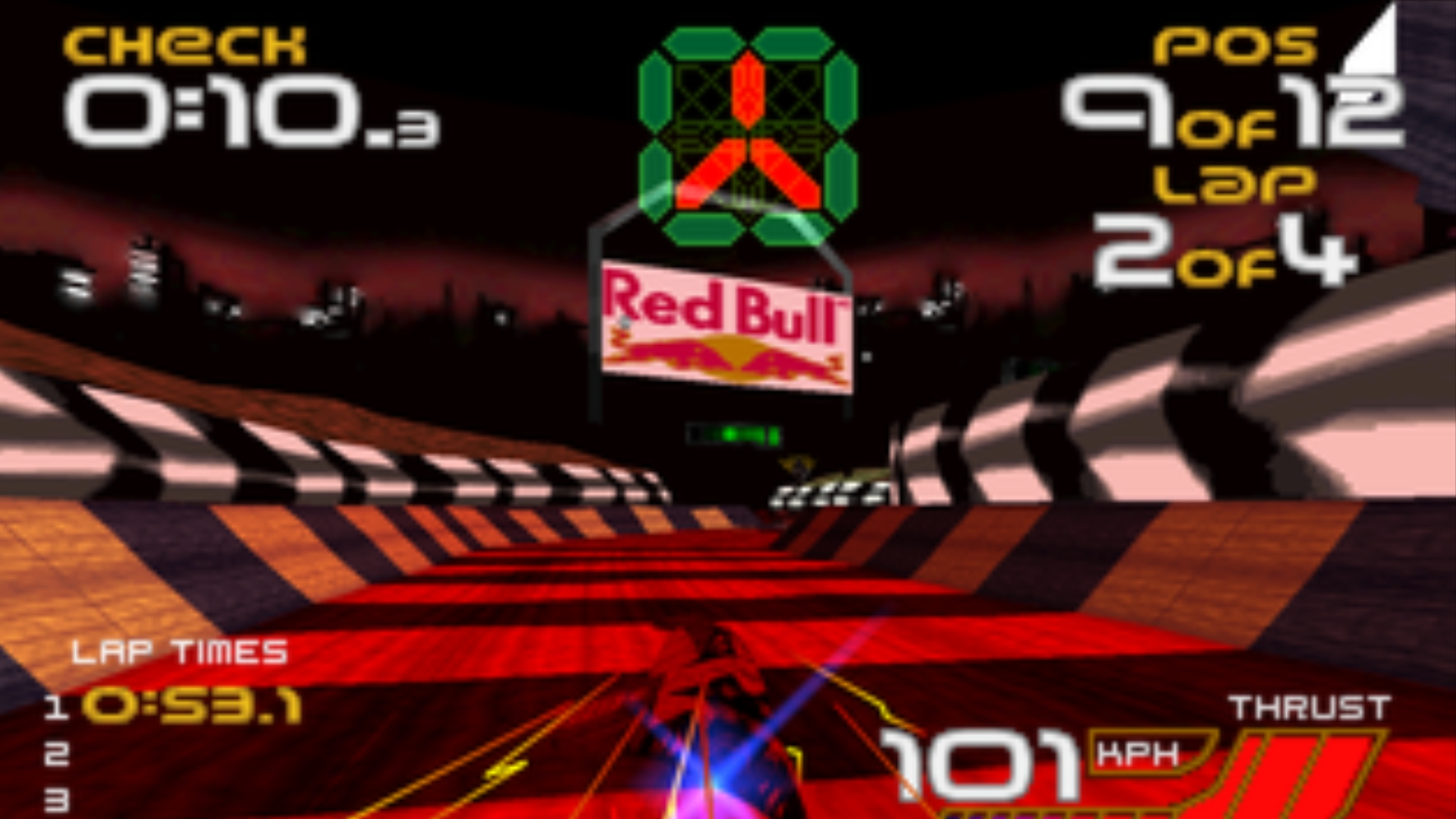
And then its 1996 sequel WipEout 2097 simply did everything better. There were more circuits and ships, more spectacular explosions from its weapons, and a soundtrack that got you into electronic music on the spot, featuring Fluke, The Chemical Brothers, Prodigy, and other artists your parents hadn’t heard of.
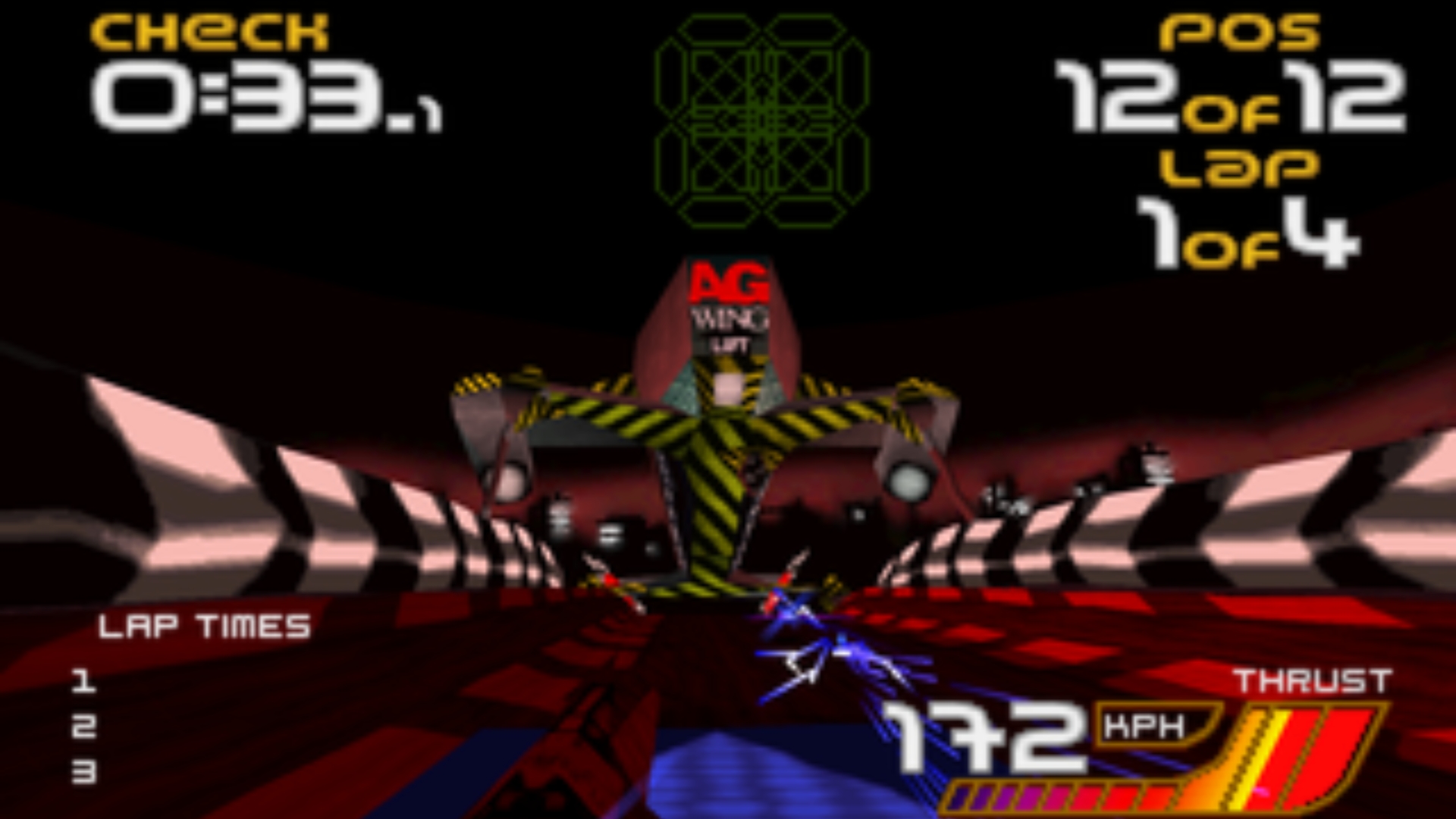
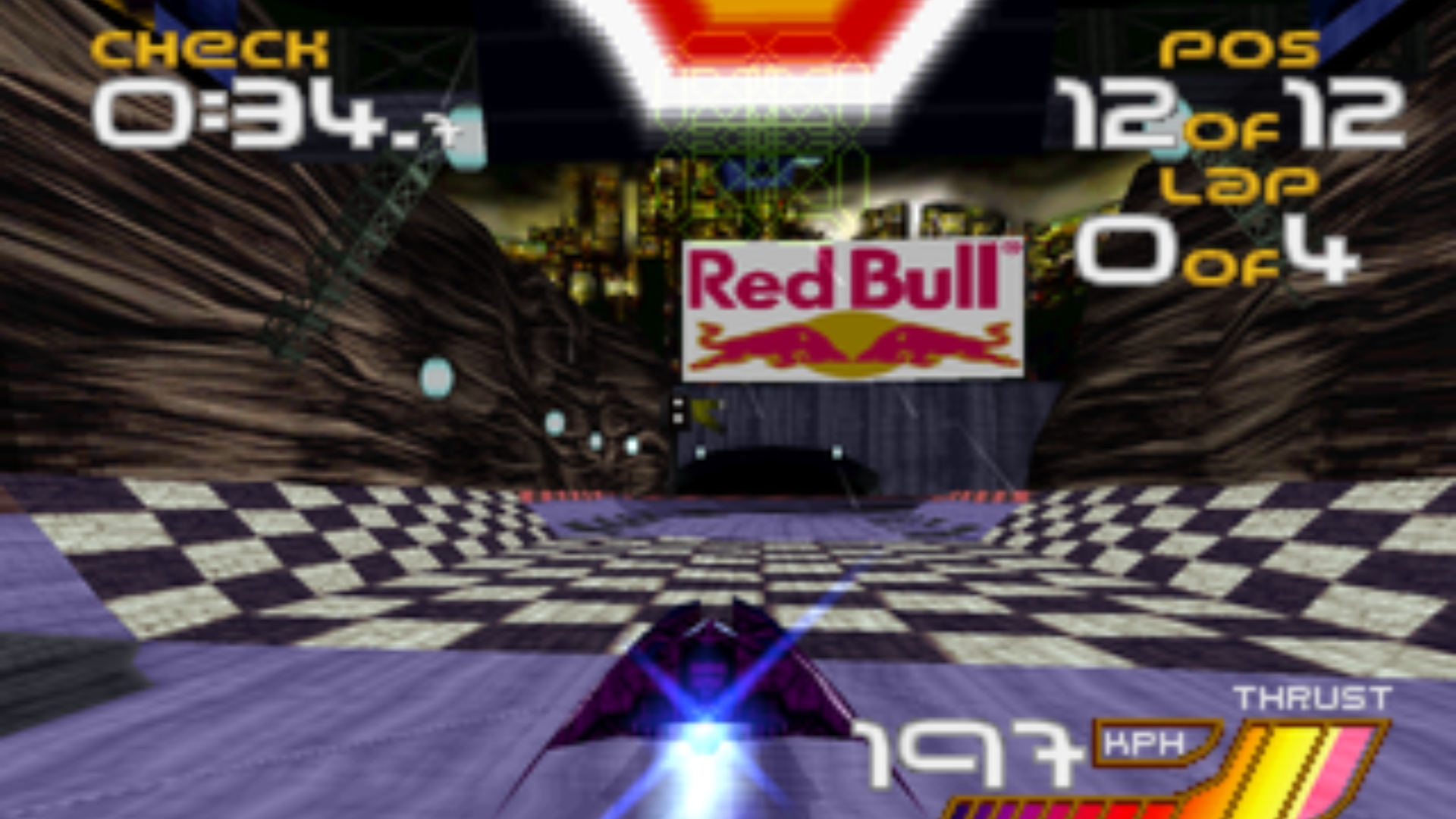
Taking a corner in a typical PS1 racing game was a twitchy, unconvincing affair. Cars felt weightless and unconvincing. WipEout 2097’s ships, though, felt floaty, lithe, and finely balanced. They tipped and glided through corners, their wings grinding against the steel track barriers with a satisfying metallic ring. Nobody has ever driven one of those fictional sci-fi racing ships, but the second you picked up the grey PS1 pad and took one through a few corners, your brain told you: this feels correct.
Advertisement - Page continues below
All of this exoticism and cultured futurism came out of the Wavertree technology park in Liverpool, where a group of developers calling itself Psygnosis was headquartered. Psygnosis teamed up with Sheffield-based The Designers Republic for the game’s promotional imagery, and in that collaboration WipEout 2097 gained both a Japanese influence and a relationship with electronic music. The Designers Republic had worked with artists like Aphex Twin, Nine Inch Nails and Pop Will Eat Itself during the ‘90s, and that same edgy, hyper-stylised anti-establishment look of the game’s box art and magazine ads only deepened the sense that this game was probably too cool for you, but would let you play it anyway.
It’s one of the pillars upon which the whole console’s aesthetic and appeal were built on. PlayStation 1 wasn’t the most powerful gaming hardware on the market, but it did the best job of demonstrating what 3D polygonal graphics could be used to achieve - a library of culturally aware, innovative, faintly dangerous titles that it felt just as life-affirming to own as a great new album. Yes, you were still just racing around a track and firing off weapons at your opponents, similar in that sense to Nintendo’s infinitely safer Mario Kart, but WipEout 2097 made you feel inherently cool while you did it.
Top Gear
Newsletter
Get all the latest news, reviews and exclusives, direct to your inbox.
Trending this week
- Long Term Review
How does a new Mini Countryman compare to an old Range Rover?
- Car Review
BMW iX3