




GamingTop Gear
TOCA 2 Touring Cars is one of the greatest games of all time, and here's why
It captured the sport’s best era, and birthed serious racing games in the process
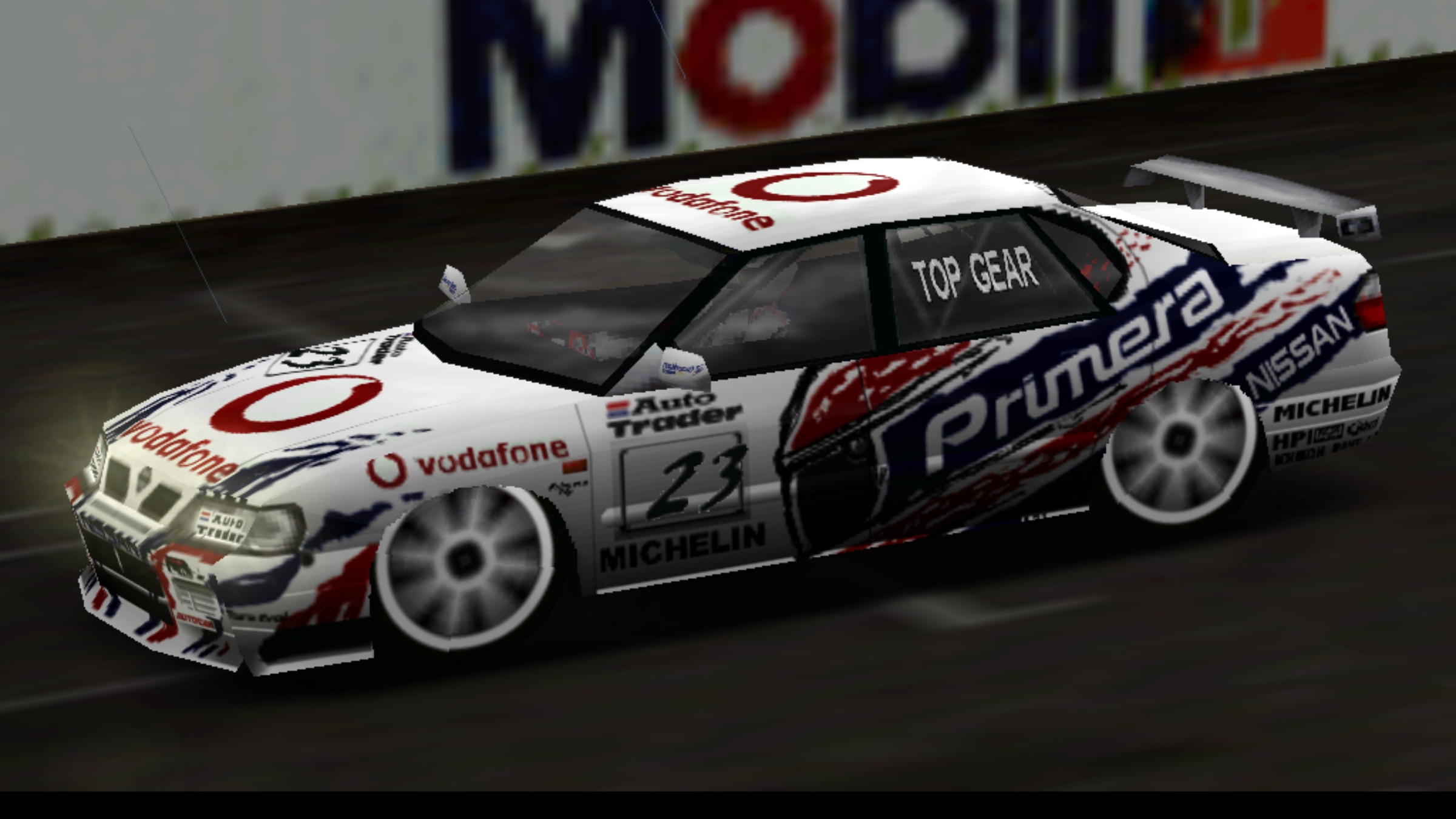
So many things came together just right to make TOCA 2: Touring Cars as good as it was. First of all, when Banbury-based Codemasters decided to make a game about the British Touring Car Championship in 1997, the sport was just about to enter a golden age.
Its governing body got the regulations absolutely spot on with its Super Touring Formula 2.0 rules, creating close racing between cars that looked recognisably like family saloons but were packed with bleeding edge aero and transmission tech.
Advertisement - Page continues below
Manufacturer investment was at an all-time high. Factory teams representing over a dozen manufacturers poured money into BTCC to a degree comparable only with F1, and like wasps around your can of summer holiday cola, the top-tier drivers were soon drawn in.
Including one Nigel Mansell, who’d dabbled previously in the series in 1993 by, in a manner typical of the man, writing his car off in a non-championship ‘shoot-out’ event at Tamiya. That first foray concluded with a trip to the hospital. Mansell being the reigning F1 champion at the time, his BTCC appearance during one of his many retirements drew a lot of attention.
He returned in 1998 for three races, summoning Mansell Mania among the crowds at the time and elevating the sport into mainstream awareness. Codemasters had evidently looked into their crystal ball a year previously and decided that this was the time to start making TOCA games.
The next element that lined up perfectly was the abundance of racing game development talent within the studio at the time. This was the lot who’d made Micro Machines and Colin McRae Rally, and competition between the teams working on each title to one-up each other was fierce.
Advertisement - Page continues below
Gavin Raeburn’s TOCA team found a devilish balance between immediate, pulsing racing and a handling model that required some thought and dexterity. TOCA and TOCA 2’s cars feel dangerous and twitchy, right on the edge of control, not compliant like their arcade racer contemporaries.
Probably a bit too twitchy, actually. Hold the brake pedal down for all but the most feather-light of touches and the rear axle will lock like your phone screen in the rain, and no amount of corrective inputs can prevent the spin. It wasn’t strictly realistic, but it did mean you could have some absolute barn-storming fights with Alain Menu & co.
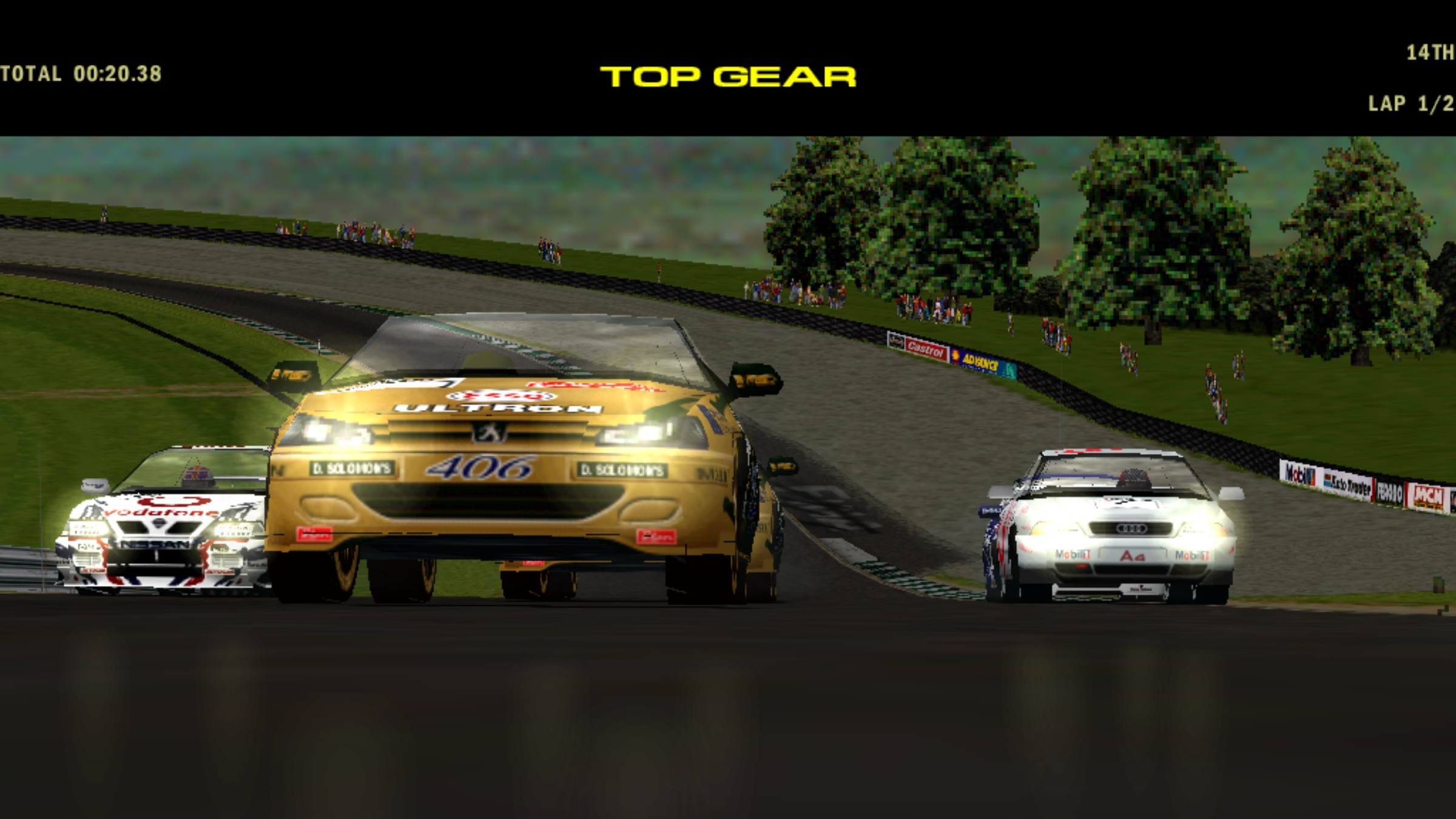
Heading three-wide into the corner is commonplace in TOCA 2, just like it was in the sport at the time, and once you rub up alongside another car you know at least one of you is heading for a gravel enema. This is a racer that captures the elbows-out, bruiser nature of its racing category brilliantly, making even a mid-pack finish feel hard earned and creating real adversaries out of its AI drivers.
Little details that live long in the memory: you could input your own name in the rear window (or indeed any string of characters, including colloquialisms that’d have the BTCC facing serious legal action). Windows and bodywork smashed and clattered with incredible physicality for 1998. And, best of all, the marshals took a relaxed view on driving around the circuit backwards and smacking head-on into the Accord that shunted you off the track on the last lap.
Top Gear
Newsletter
Get all the latest news, reviews and exclusives, direct to your inbox.
It’s gone down in the collective gaming memory for all those reasons, and for its friendship-ruining local multiplayer, in which all of those aforementioned qualities take on new significance. Two family saloons, haring down Donington Park with expletives proudly written in their windows, bashing the sponsors off of each other with glee.
The TOCA games would evolve into TOCA: Race Driver, which begat Grid, which influenced pretty much every racing game you care to name today. It made tricky, serious racing cool on the PlayStation 1, captured the best bits of BTCC, and even when things had gone 1998 Nigel Mansell-grade wrong and we sat in the gravel trap observing our steaming engine through shattered glass, we still had a grin on our face. Unlike our Nige, of course.
Trending this week
- Top Gear's Top 9
Nine funky Brazilian cars with Volkswagen engines
- Car Review
Porsche Panamera