




InterviewTop Gear
Mark Higgins on Spectre's Rome car chase: "we might have ended up in the Tiber"
The ex-rally driver tells TG about what it's really like to be a stunt driver. Includes: aqualungs
What’s it like to be a stunt driver? Ex-rally driver Mark Higgins would know - here he shares his tips with TopGear.com...
The amount of preparation that goes into any driving stunt is huge. It’s not unusual for us to be preparing six months before going on location. I’ll be brought in by the stunt co-ordinator once we have a script and know roughly what we have to do and what cars we’ll be doing it in. We might use Dunsfold or Longcross, if it’s a UK-based film, for set-up work, modifying and preparing the cars, working out how we’ll do the stunts and rehearsing them so that when we go out on location we know what we’re doing – it’s just like an actor learning their lines, really.
Advertisement - Page continues below
There’ll be more prep once we’re on location, which might be two weeks before shooting begins. We can have a look at exactly what we’ll be doing, tweak and refine our plans. We’ll often push toy cars around a table, before we start doing any driving. If there’s only a couple of cars involved – like the Rome scenes in Spectre – it’s quite straightforward. But you also have to work with cameras and tracking vehicles. So if you’ve got 40 cars and 40 drivers for a street scene, things get a lot more complicated – especially if there’s a language barrier.
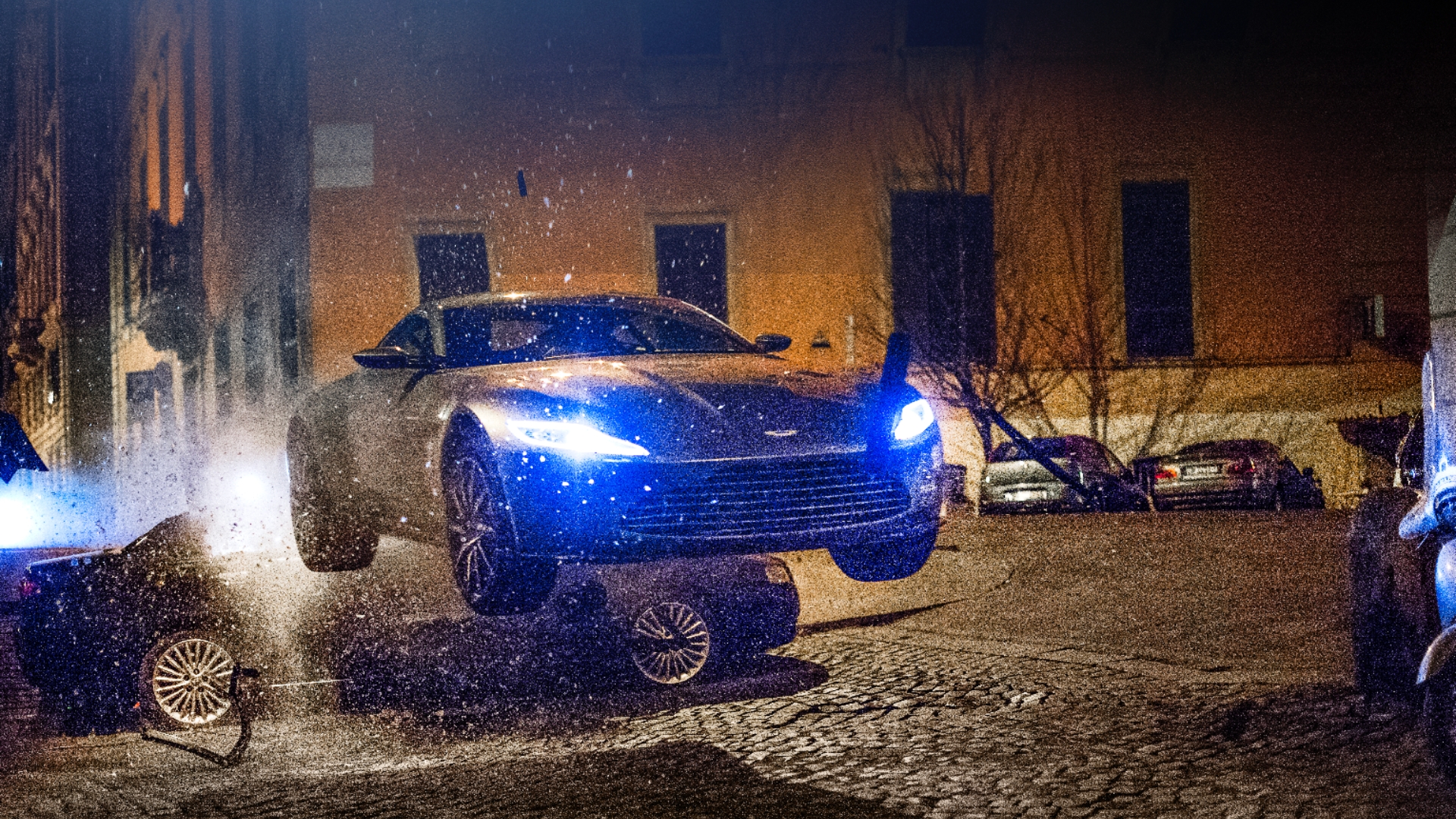
Those stunts might not look dangerous, but there’s just so many variables. For Spectre, we were in Rome for a month shooting every night. We had a lot of DB10s, but only really used one for most of the scenes. But it’s actually more efficient to have lots of cars. You’d imagine they’d be the big cost, but on a major film it’s actually the shoot time, so if you can have one car driving, another rigged for on-boards and another for special effects, like spurting flames, it’s better.
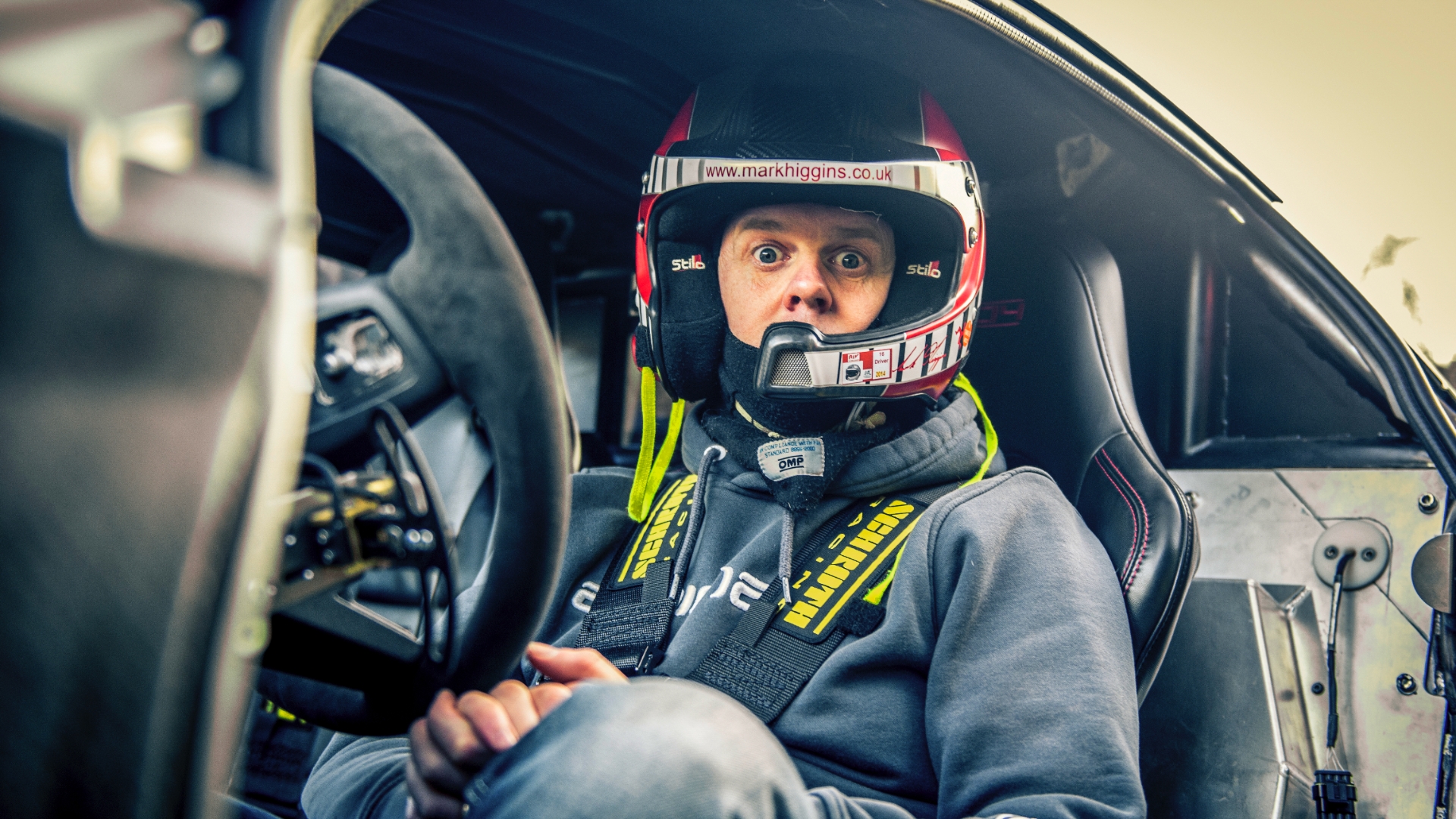
Above all, the shoot needs to be time-efficient. The attention to detail staggered me to start with. Even if my face isn’t going to be seen, it’s always easier to drive in costume, just in case. I try to avoid wearing a mask, as it doesn’t help vision – that said, if it’s a tricky stunt, my face would be CGI’d… And then there’s the continuity people. Before you start driving they’ll come round and check the outfit, that the wig’s on straight, even that the watch on my wrist and clock in the car is reset to ‘film time’ after every take.
We try to keep things as safe as possible. When we drove down the steps for Spectre, there was a chance we might have ended up in the Tiber, so there was an aqualung in the car, and we trained in a dark swimming pool. I was told that if it went wrong, I had enough air for 20 minutes and should just stay in the car and try to relax, and a scuba rescue team would get me out. Not sure how easy that’d be!
Advertisement - Page continues below
We do get to feed back and say what’s possible – you can’t do a massive drift in a FWD Ford Fiesta – but sticking to the script can be frustrating from a driver’s point of view, because you’ll do what you know is a great sequence but only a little bit of it is used. We do try and watch the rushes at the end of takes so we know what the cameras are seeing, which can help us to understand what’s required.
As a driver, I prefer to do real things. My first big film job was on Quantum of Solace – I was driving the Alfa 159 chasing the Aston DBS, and I had the stunt co-ordinator in my ear shouting, “hit him harder, hit him harder", and, well, who doesn’t like the sound of that? While rallying for 20 years, I tried to avoid crashing, so being told to have contact without a serious talking-to is great.
Top Gear
Newsletter
Get all the latest news, reviews and exclusives, direct to your inbox.
Trending this week
- Long Term Review
We lived with the bestselling Alfa for six months. Should you?