

12
The groundbreaking machines that left indelible marks on the car world

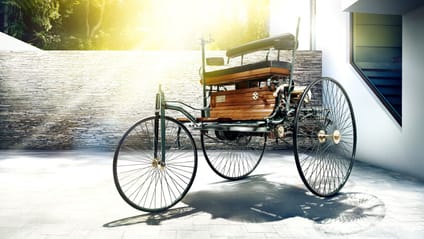
Right, hopefully we don’t need to explain this one. While there were some semi-viable attempts to build self-propelled carriages as far back as the 1760s, the fact is that before the 1886 debut of Carl Benz’s Patent-Motorwagen, the only practical form of personal transportation had hooves. For most people, that remained the case until the emergence of the next car on this list, but the Motorwagen is genesis. No, not the posh Hyundais.
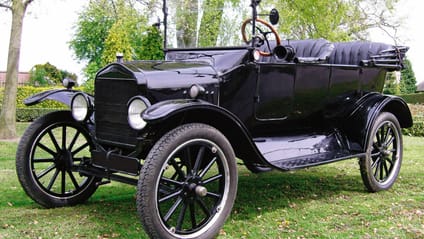
While the first car to be built en masse on an assembly line was 1901’s Oldsmobile Curved Dash (named for its, erm, curved dash), it was Ford’s improvements to the system that allowed it to churn out over 15 million Model Ts between 1908 and 1927. The efficient production process meant that, by the end of its life, Model Ts started at just $380 – around £5,500 in modern money – and car ownership was no longer the preserve of the ultra-wealthy.
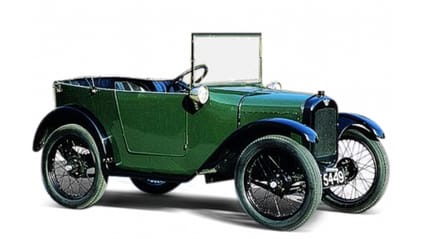
Not only did the little 1922 Austin 7 have a similar effect in Britain to the Model T in the US, it was also the car that popularised the pedal, steering and gearshift arrangement that remains industry standard to this day (first introduced by Cadillac a few years earlier). Companies by the name of BMW and Datsun also produced license-built or copied versions of the 7 as some of their very first cars, too – wonder what happened to them?

There had been cars designed expressly to go quickly prior to the 1929 arrival of this little MG, but they’d mainly been big, expensive and exclusive – more analogous to the supercars of today. The nippy little M-type was affordable, costing the 1929 equivalent of under £10,000 in today’s cash and opening up sports car ownership to a far wider audience, and it provided the basic recipe that all subsequent two-seater roadsters would build on.
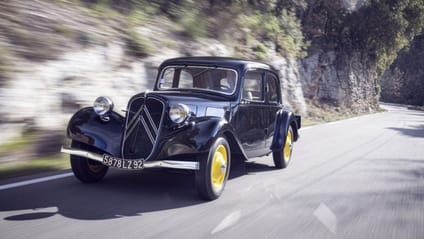
The list of innovations the Citroen Traction Avant brought to the world deserves more than this little paragraph, but there are several biggies in the way its influence is still felt over 90 years after its launch. Packaging together front-wheel drive and a unibody construction in a mass-produced car for the first time, the Traction Avant was a glimpse at the way nearly every ‘normal’ car would be laid out in subsequent decades.
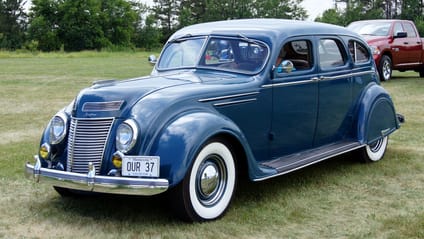
Aero efficiency is more important than ever in car design today, but it started being taken into consideration almost as soon as some clever people realised that actually, a car with an entirely vertical grille and windscreen might not cut through the air that cleanly. The first car built in meaningful numbers to take this on board was 1934’s Chrysler Airflow, and while it was still a comparative commercial flop, its influence can still be felt in all of today’s super-slippery EVs.

Today’s rufty-tufty 4x4s – Defenders, Land Cruisers, G-Classes, Broncos, Wranglers – are first and foremost lifestyle vehicles, but each and every one can trace their roots back to something designed for entirely pragmatic reasons: the US Army’s need for a nimble, capable off-roader for its Second World War efforts. Several companies came up with designs, the Willys one won (try saying that three times quickly), and from it, a new kind of car was born.
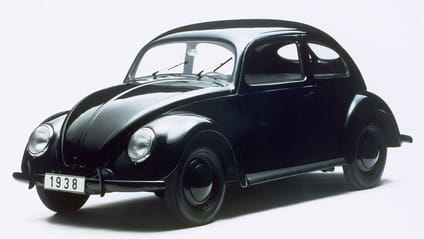
Talk about a redemption arc. From its origins as a product of a regime shot through with pure evil, the Beetle went on to not only become a countercultural symbol but put more people on four wheels than any other single car design. The ‘People’s Car’ name may have been applied for entirely inward-looking reasons, but the fact that it was built on every continent (except Antarctica, obvs) feels far more worthy of that moniker, and every car that’s been described as such since has the Beetle to thank.
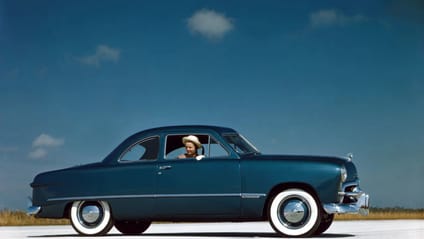
The 1949 Ford, launched in 1948 (thank you, confusing American model years), could well claim to represent the single biggest turning point in car design ever. Before it, running boards and distinct, separate wheel arches were the norm, and while it wasn’t the first car to integrate everything into one continuous form, it was the first to roll it out in a major, industry-shaping way. It’s because of this car that the car you drive today looks the way it does. Unless you drive a Caterham.
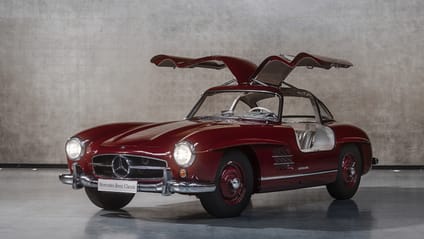
The 1954 gullwing Mercedes 300SL wasn’t just utterly gorgeous – it was highly influential too. As well as being one of the very first sports cars designed with that fully-integrated bodywork we were just talking about, elements like its lightweight chassis, fully-independent suspension and big, fuel-injected engine caught other sports car makers napping. In many ways, it was the blueprint for what we’d come to know as a supercar.
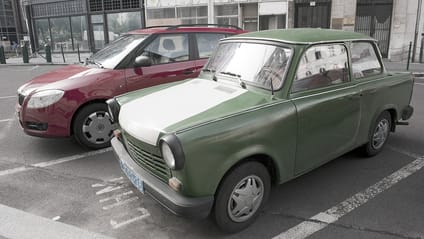
Who’d have thought that the smoky, stinky two-stroke Trabant would one day be considered a pioneer in eco-friendly cars? Car manufacturers today like to shout about the amount of recycled material they work with, but the Trabby was doing it way back in 1957 with its body made of Duroplast, a plastic reinforced with cotton waste fibres. This was more down to the economic realities of building a car in Communist East Germany than any environmental reasons, but it doesn’t half sound groundbreaking now.
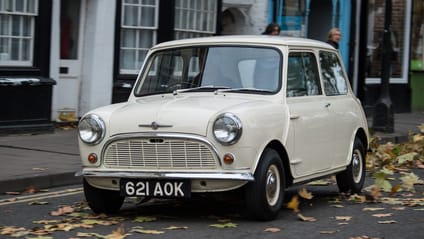
One of the final ingredients in the Standard Modern Car recipe started by the Citroen Traction Avant came with the Mini in 1959. It was famously the first car to make a real success out of a transverse-mounted engine, bringing huge packaging and interior space advantages to the little car. While it’s rightly regarded as a cultural icon, this is the Mini’s, and designer Alec Issigonis’, most lasting legacy on the automotive industry.
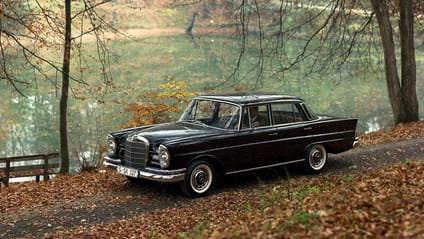
Before 1959, the car industry’s approach to safety was to make a car as rigid as possible and say ‘well, just don’t crash’. That year, though, two separate manufacturers both introduced safety innovations that would go on to be widely adopted by the whole industry. One was energy-absorbing crumple zones, developed by Béla Barényi in the ’30s but not introduced until ’59 on the W111 Mercedes saloon.
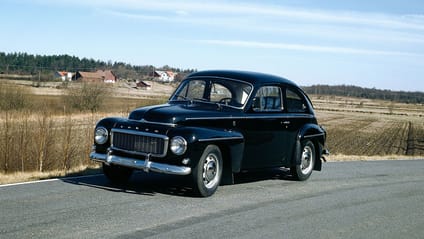
The other big safety breakthrough of 1959 was the three-point seatbelt, developed by Volvo engineer Nils Bohlin and fitted that year to the handsome PV544. A vast improvement on the lap belts that had previously been fitted to some cars, the three-point belt quickly proved its worth, and once it and Barényi’s crumple zones became commonplace across the industry, car accidents became a lot more survivable.
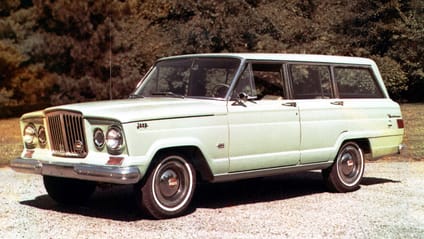
Any manufacturer wanting to compete in a proper luxury space these days has to make an SUV, otherwise there’s simply no point trying. You might think the Range Rover was the first car to alight on this money-printing formula, but the original Jeep Wagoneer got there six years earlier in 1963. Although based on the utilitarian Gladiator pickup, it had a far plusher cabin and less agricultural styling than any other big 4x4 at the time, inadvertently spawning a segment that would become truly massive in a few decades’ time.
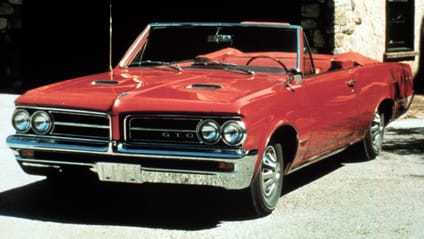
America’s ongoing love affair with the muscle car begins here, in 1963, with the high-performance GTO package for the LeMans luxury version of the Pontiac Tempest. Slightly inauspicious beginnings, you might argue, but the fact is that the Tempest LeMans GTO, to give its full name, well and truly kicked off the breed of cars that continue to define American performance today. Wonder if its creator, John Z. DeLorean, ever did anything else?
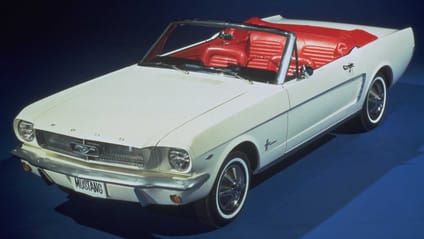
Arriving less than a year after the GTO, the Ford Mustang would never have been considered a muscle car back in those days, but a pony car. Whatever that’s supposed to mean. That’s all semantics, though – the Mustang helped make sporting looks and decent performance attainable for the typical American, becoming one of the first real automotive working class heroes and spawning a legion of imitators.
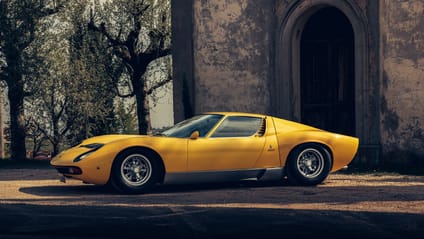
Everything you associate with supercars today – speed, rarity, glamour, noise, impracticality, eye-popping wedge styling, a huge mid-mounted engine, an alarming tendency for the nose to go light at high speeds – begins here. Okay, not that last one, that was just the Miura. But the fact is that everything that’s been called a supercar in the ensuing 60 years owes a debt of gratitude to this staggering monument to beautiful excess.

For years, most developed car markets were largely dominated by their domestic brands, but that began to change in the ’60s, and no more dramatically than in the way Japanese manufacturers began to get a foothold in other countries. The humble little Toyota Corolla – affordable, good to drive and unerringly reliable by ‘60s standards – was the poster child of this Japanese export boom, an early sign of its eventual status as the world’s best-selling car nameplate.
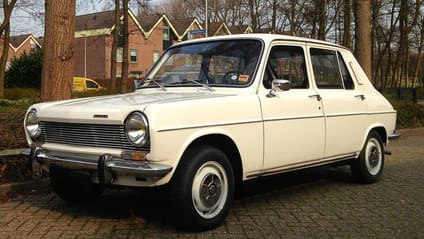
From the 1970s until the late 2000s, the de facto choice of family car in Europe was the humble hatchback, and the Simca 1100 was where that love affair began. Before it arrived in 1967, small family cars were a motley bunch with various body styles and drivetrain configurations, but what the 1100 landed on – front-wheel drive, transverse-mounted engine, three or five doors including a hatchback tailgate, a two(ish)-box design, fully independent suspension – set a precedent that literally every major European manufacturer would soon follow.
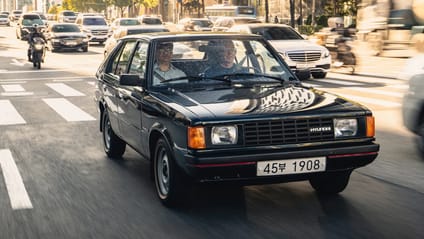
With Japan having proven itself as a serious global car industry player in the late ’60s and early ’70s, it was the turn of South Korea soon afterwards. The Hyundai Pony, the country’s first locally-designed car, was an unsurprisingly humble beginning, but exports began almost immediately after production started in 1975, and the affordable Pony quickly found fans around the world, setting Hyundai on the trajectory to becoming the absolute behemoth it is today.
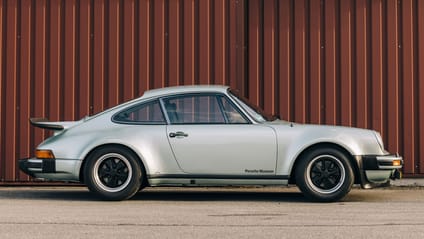
Perhaps surprisingly, it was the US that first experimented with turbocharging road cars in the early ’60s, but it would be another decade before turbo fever properly took over. The BMW 2002 Turbo was an appetiser, but the first Porsche 911 Turbo was the car that properly kicked off the industry’s obsession with boost. An object of teenage bedroom wall desire and yuppie aspiration, it made ‘turbo’ synonymous with ‘really, really cool’.
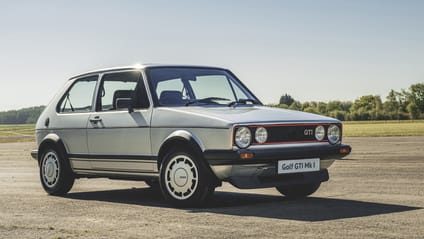
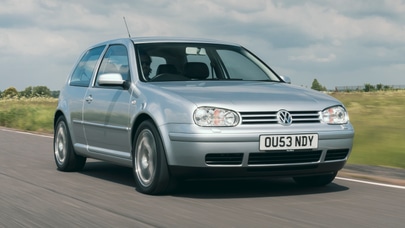
If you’re a dyed-in-the-wool nerd (and if you’re reading this, you probably are) then you know the original Golf GTI wasn’t the first car built to what would become the de facto hot hatch recipe. That was the Simca 1100 TI, or arguably even the Autobianchi A112 Abarth. But this red-lipsticked, tartan-seated bundle of fun was the car that catapulted the hot hatch into the mainstream, kicking off the genre’s golden age and spurring on countless rivals.
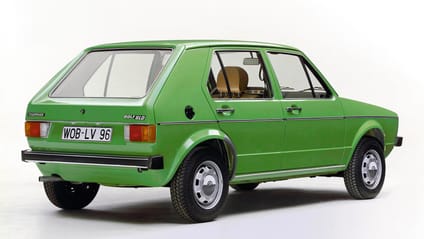
The GTI wasn’t the only influential Golf to land on the market in 1976. Before then, diesel was a fuel for trucks and only the most penny-pinching car owners in their weird, clattery Peugeots and Mercs. But the appearance of a diesel option in the Golf made the masses pay attention to the fuel-saving benefits of a DERV, kicking off a European love affair with the fuel that wouldn’t start to subside until VW itself did That One Thing 40 years later.
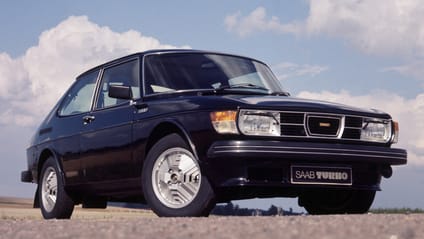
The 911 Turbo had made a snail-equipped engine a thing of enormous desire, but you could only have one if you were very rich. The 1978 Saab 99 Turbo heralded the turbocharged car you could buy if you were only reasonably rich. Not only did the wedgy Swede (somewhat) democratise the turbo, but with performance that bested six-cylinder rivals, it clearly demonstrated the performance and efficiency benefits of turbocharging that make it so ubiquitous today.
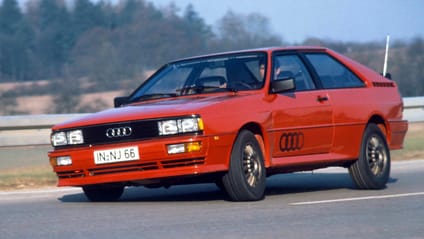
Like Elvis with rock ‘n’ roll, the Quattro was not the first non-off-road car to come with four-wheel drive – Subaru and, of all companies, Jensen got there first – but it was by miles the most influential. With its traction and performance benefits immediately apparent on the road and rally stage, it wouldn’t be long before manufacturers everywhere were scrabbling to get their own all-paw road cars in showrooms.
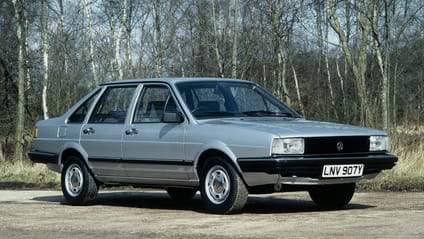
The VW Santana, a slightly posher second-gen Passat, lasted a mere three years in Europe, but because of a 1982 deal VW struck with Chinese state-owned carmaker SAIC to build it in Shanghai, it’s one of the single most influential cars in the world. Coinciding with economic reforms that opened up car production and ownership, nearly 3.5 million Shanghai Santanas were built over 30 years. It’s no exaggeration to call it China’s Model T – and we all know where the country’s car industry is now.
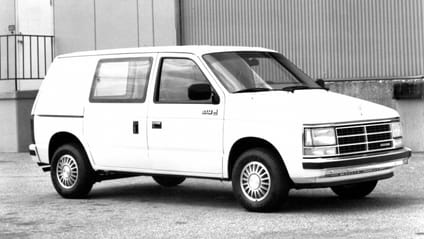
It’s rare that a car invents an entirely new segment, but Chrysler landed on a money-spinning formula in 1983 with the twinned Dodge Caravan and Plymouth Voyager minivans. Suddenly, big American families had a far more practical alternative to the station wagon, and soon, all the American and Japanese brands had competitors. It was only the minivan’s eventual status as the final boss of uncoolness that saw them start to fade from popularity.
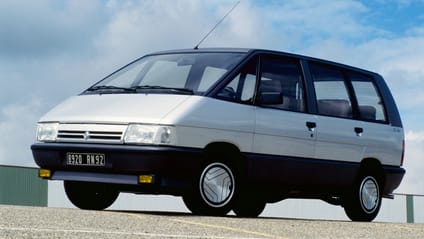
While Chrysler was developing its minivans in the US, its European division was simultaneously working on a similar idea in league with engineering contractor Matra. However, Chrysler Europe was soon bought by Peugeot, who thought the design too radical, so Matra took it to long-time rival Renault instead, who took the gamble and launched it in 1984 as the Espace. Sure enough, Europe was soon in the grip of an MPV boom of its own.
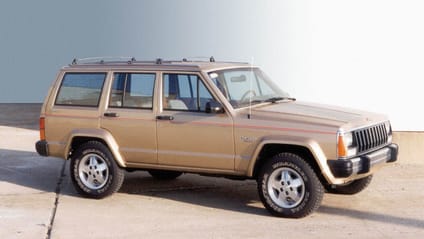
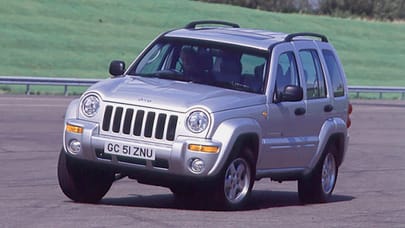
The Espace wasn’t the only segment-defining car launched in 1984 that Renault had a say in. At the time, it was in league with AMC, then-owner of the Jeep brand, and the companies worked together on the second-generation Jeep Cherokee, a 4x4 designed to appeal to both North America and Europe. Built on a unibody platform rather than a ladder chassis, it blended car-like manners and a plush interior with off-road chops. Intentionally or not, Renault and AMC had invented the modern SUV.
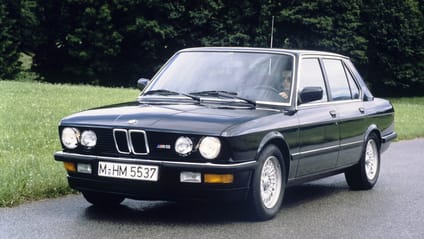
There had been fast saloon cars long before the first BMW M5 launched in 1984, but they were just that – saloon cars that happened to go fast, courtesy of a big engine and maybe some chassis upgrades here and there. The M5 redefined what a fast four-door should be: not only did it go like a sports car, it cornered and stopped like one too, and that’s been the standard in the segment ever since.
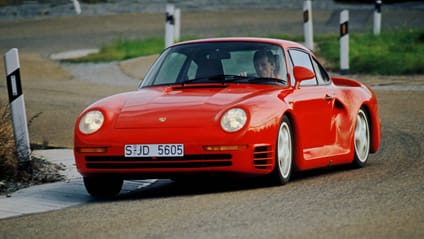
The 1986 arrival of the Porsche 959 marked a tipping point in supercar development, when they began to go from unwieldy, brutish dinosaurs to highly-finessed technological tours de force. With active suspension, all-wheel drive, composite bodywork and twin turbochargers, the 959 was the blueprint for the direction supercars would take over the next four decades. Pretty remarkable for something that began as a homologation special for a rally car that never ended up happening.
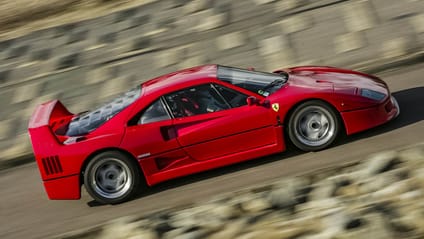
If the 959 was the first truly modern supercar, then its big rival, the Ferrari F40, was one of the last truly old-school ones, even if it was the first road car to incorporate carbon bodywork. That’s not the main way it moved the game on, though. When the car as we know it arrived a century earlier, even 100mph must have seemed like an impossible fantasy. The F40 was the first car to double that number, and the 200mph barrier has had a near-mythical status ever since.
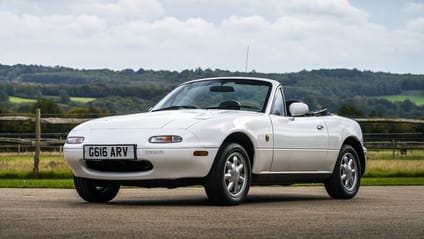
Following the arrival of the Golf GTI, old-school sports cars suddenly became about as desirable as a smack in the face with a wet fish – until 1989, that is, when the Mazda MX-5 expertly reignited the world’s love affair with the roadster. It was so popular that it led all manner of other companies to launch rival sports cars of their own, and so unassailably brilliant that within a couple of decades, they’d all largely given up again.
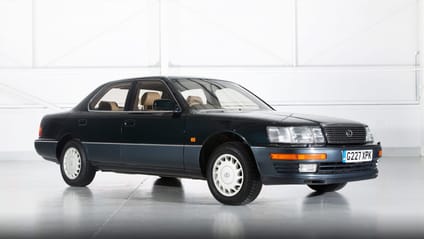
1989 was a brilliant automotive year for Japan, a country in the midst of a spectacular economic bubble. Its car companies were taking full advantage – while Mazda was reinventing the sports car, Toyota was busy readying a new luxury division, launching the Lexus LS that year. Almost immediately, it caught the European old guard napping with its astonishing levels of comfort, refinement and quality, especially in the all-important US market where suddenly, a Mercedes or BMW badge wasn’t enough on its own.
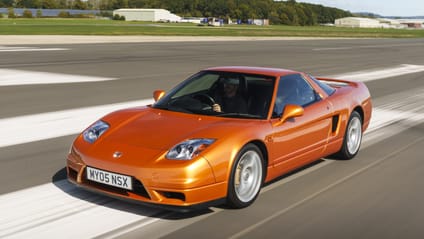
Today, the only thing stopping modern supercar owners from using their cars every day is their fear of damaging the resale value (or their access to 12 other cars), but back in the ’80s, you’d have to be brave or foolhardy to use a Ferrari, or a Lambo, or even a 911 Turbo, as a daily. It was once again Japan that changed the narrative in 1990 – the Honda NSX was every bit as brilliant to drive as its rivals, but was no more taxing to use every day than a Civic.
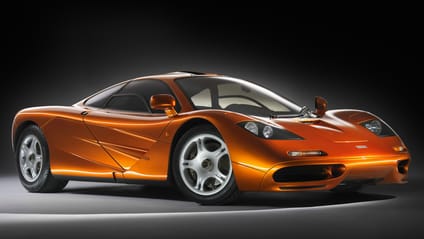
Only five years after the Ferrari F40 had raised the top speed bar, another car arrived that not only tore up the rulebook, but shredded it and set fire to its tattered remains. Even though the McLaren F1 was never designed to shatter records, the 240mph it eventually achieved was so far beyond anything else that, for a while, it felt like nothing would ever top it – and among naturally aspirated cars, nothing else has.
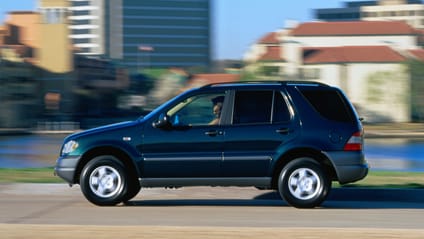
Posh SUVs had existed before the Mercedes M-Class arrived in 1997, but not in the modern sense – your options were essentially a Range Rover, a Jeep Grand Cherokee or, in the US, an agricultural truck chassis with posher badges and some cheap leather. The M-Class’s instant success changed that almost overnight, and within a few years, every company competing in a premium space simply had to offer a big 4x4 if it wanted to be taken seriously.
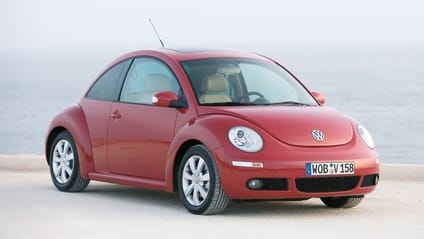
Besides a few gaudy ’30s throwback design tropes found on ’70s and ’80s American barges, retro car design wasn’t really a thing before the 1990s. Launched in 1997, the Volkswagen New Beetle changed that in a major way. Suddenly, the public couldn’t get enough of classic designs rehashed for the new millennium, and while retro design has experienced peaks and troughs since, it’s never gone away, as evidenced by things like the new Renault 5 and Citroen’s upcoming 2CV revival.

This one shouldn’t come as a massive surprise, given that you simply can’t move for hybrids in the current car market. For years, though, the Prius wasn’t just a hybrid, it was the hybrid – the first to be mass-produced following its launch in 1997, and in an era before EV maturity, the de facto mode of transport for drivers that wanted to be eco-friendly (and celebrities that wanted to look it).

Before the Cayenne arrived in 2002, sports car manufacturers stayed in their lane. Maybe, if they were feeling particularly bold, they’d do a luxury saloon. But figuring it had a good chance at the same success Mercedes had with the M-Class, Porsche went ahead and caused a mass purist blood-boiling incident, and what do you know? It worked. Now, basically every sports car maker’s best-seller is an SUV, and this is the car to thank/blame.
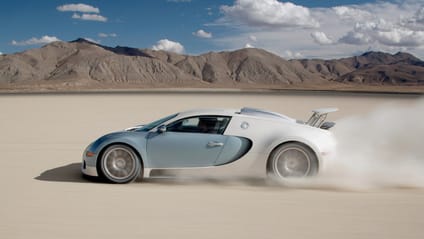
The Bugatti Veyron’s 253mph top speed was mighty impressive, but arguably not the most impressive thing about it. No, that would be the fact that, unlike the spartan speed machines that preceded it, it hit that figure while being as luxurious as a Bentley, as unintimidating as a Golf and as untroubled by high velocity as a cruising 747. Simply nothing since has moved the game on as much, and it’s possible nothing ever will again.
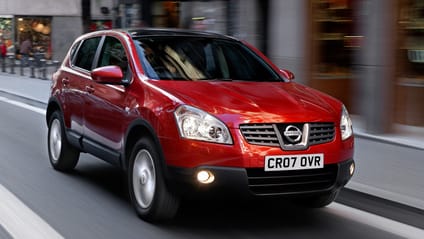
The Nissan Qashqai is the automotive equivalent of cornflakes for breakfast, but that’s sort of the point. This curious hatchback/SUV mashup perplexed us at launch in 2006, but it turns out Nissan had stumbled upon the family car formula of the 21st century. The segment spawned by the Qashqai is now by far the most commonplace type of car around the world, and while we still don’t entirely understand why, we can’t blame literally everyone else for getting in on the act.
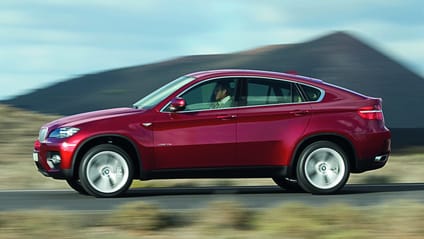
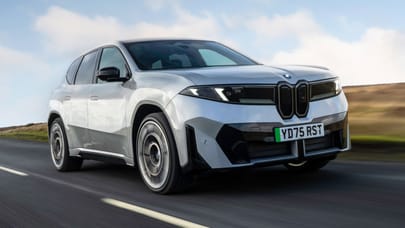
Look, we’re not saying every car on this list changed the industry for the better. Some just proved that the general public are a funny old bunch, willing to spend more money on a version of a car that usually looks worse and is always less practical. Yes, it’s the rolling contradiction that is the coupe SUV, a segment that now blights the lineup of almost every major manufacturer and can trace its roots back to this… thing from BMW, launched in 2008.
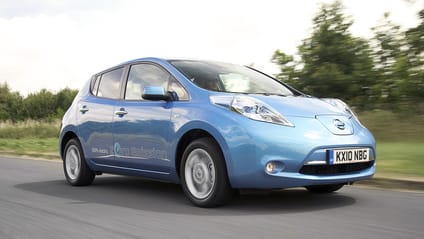
Any self-respecting automotive pedant will tell you EVs are nothing new. They’ve been around since the dawn of the car itself, but the convenience of petrol saw them fade away until some scientists noticed that this CO2 stuff is actually quite bad. It wasn’t until the 2010 arrival of the Nissan Leaf, though, that the EV came of age. Before, they were a raggedy assortment of slow, miserable boxes, but it proved that an electric car could be just that – a car that happened to be electric.
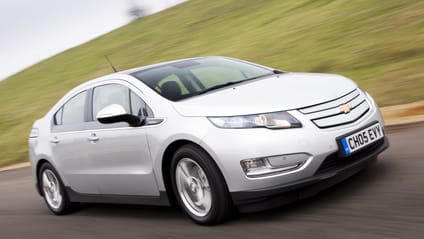
Of course, while EVs are here to stay, they’re not being bought in quite the numbers many predicted they would by now, and one of the interim solutions more and more manufacturers are landing on is the range-extender, a primarily electric car with a small combustion engine on board to top up the battery when needed. A neat idea, and one first proved viable by the Chevrolet Volt way back in 2010, a car that looks increasingly ahead of its time now.
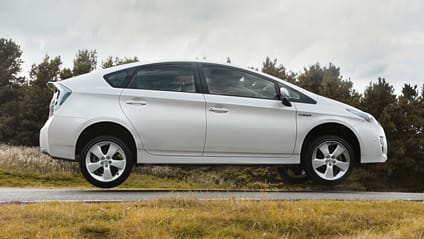
Pop quiz time: which company was the first to mass produce a plug-in hybrid? If you said BYD, then well done – you’ve probably seen that TV ad it’s been running. But the BYD FD3M was a slow seller, and barely offered at all outside China. Fittingly for its status as the hybrid pioneer, it was the PHEV version of the third-gen Prius that first took this setup, currently enjoying peak popularity, to a global audience in 2012.
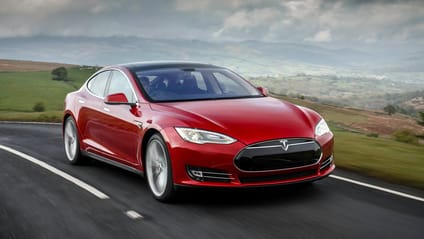
The Nissan Leaf may have proved that mainstream EVs were viable, but you were hardly going to look cool pulling up to the kerb in one. Just two years later, though, an electric car would arrive on the scene that wasn’t just practical, but actively desirable. The global car industry was caught off guard by the Tesla Model S, not just in how this upstart company had beaten them all to a major milestone, but in the way its constant updates redefined model development cycles.
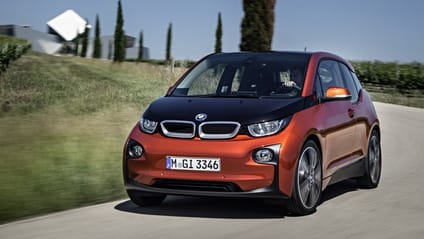
The original BMW i3 was another pioneering EV and range-extender, but that’s not why it’s on this list. Instead, it’s because of the way it was built. Before the i3, light but strong carbon fibre monocoques were the preserve of supercars, and renewable interior materials were barely a thing. Since then, the latter has become a major sustainability brag for most companies, and it only feels like a matter of time before we start seeing a lot more of the former.
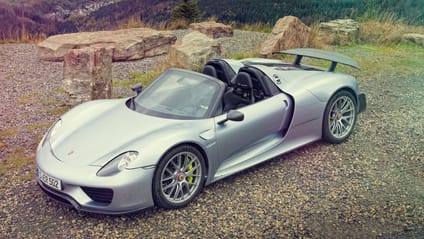
If a new supercar is launched in the 2020s, it’s more likely to be a plug-in hybrid than not. Just look at the list: SF90, Artura, 296, Revuelto, Temerario, 849 Testarossa, Valhalla. All these super-PHEVs can trace their roots back to two thirds of 2013’s ‘holy trinity’, the Porsche 918 and the McLaren P1. Not only did the Porsche get there first by a matter of months, though, it also more accurately predicted the way the next generation would handle the petrol/electric split.
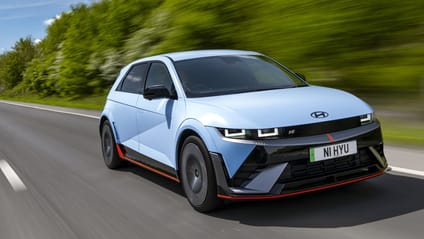
There are some car enthusiasts who maintain that an electric car can never be as fun to drive as a petrol one. They have never driven a Hyundai Ioniq 5 N. This was the first EV to pack genuine old-school driver appeal, and it’s becoming apparent that features like its synthesised engine noise and gear shifts are going to be increasingly adopted across the performance car industry in an effort to convert the combustion loyalists.
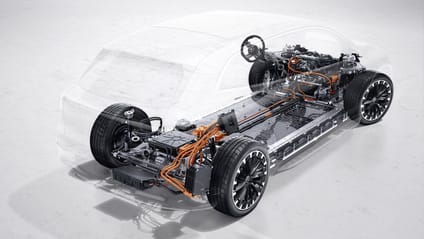
This is The Next Big Thing. For lots of complicated sciencey reasons we don’t have time to go into here, solid-state EV batteries solve many of the things that currently make people hesitant to go electric – they’re way lighter and charge far quicker than existing tech, can withstand extremes of temperature better, and are effectively fire-resistant. Development is full speed ahead at several companies, and it’s a matter of when, not if, they first arrive in a production car – and whatever car that is will go down as another gamechanger.
Get all the latest news, reviews and exclusives, direct to your inbox.