




TechTop Gear
How does vehicle-to-grid tech work and how can it save you money?
More importantly - why is it the next big thing, and not a big thing *now*? So many questions
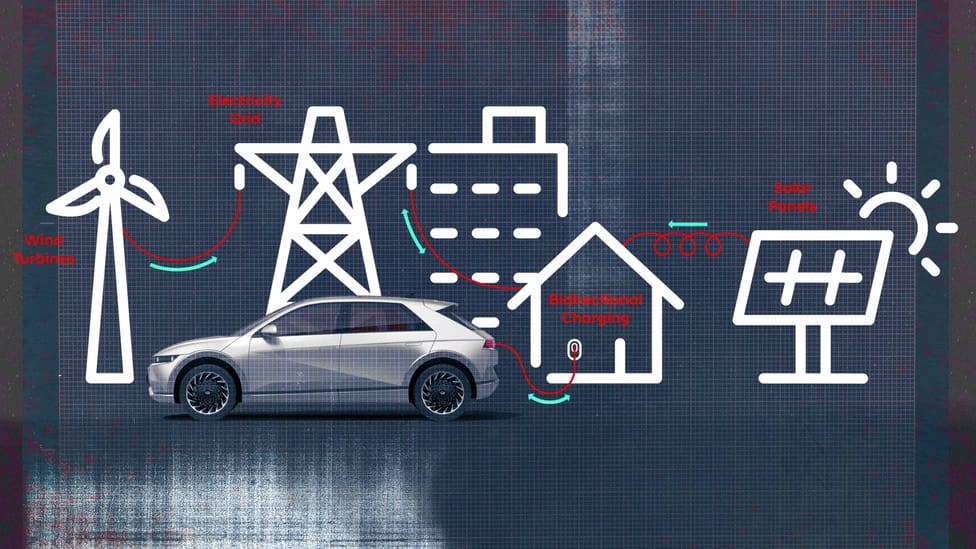
Vehicle to grid, or V2G to its many fans, has been around as an idea forever even if it’s only just becoming reality. In effect it time shifts and location shifts power generation. Because it saves the electricity grid money, it’ll save electric car drivers money. Here’s how.
The grid has lots of spare capacity at night, because most homes, offices, factories and other buildings are asleep. So as with any commodity in surplus, the grid sells electricity cheaply then. Come the morning and teatime peaks, the grid has a hard job keeping up. So that pushes up prices.
Advertisement - Page continues below
Another thing. There’s more and more wind generation off the country’s east coast and Scotland. Power lines to get it to the south and west are expensive and ugly. So we want storage in those generation-poor areas, allowing the existing grid to shift energy in their direction when it’s not stretched by day.
Here’s the pitch. Charge your car on nighttime electricity. Discharge your car to the grid during daytime peaks. By playing the pricing troughs and peaks, you can make enough money to drive nearly for free.
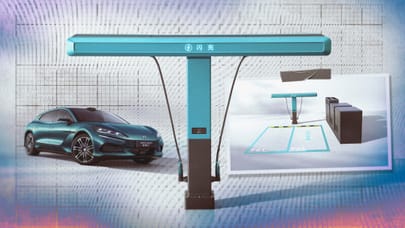

So why’s V2G the next big thing and not a big thing now? Well, it’s not simple. Your V2G car has to produce AC that’s exactly in phase with the 50Hz of the grid. Very few cars have the gumption to do that at the moment. And cars need certifying to grid standards, as does the wallbox.
Octopus energy has announced a tariff, but at the mo it’s just experimental. Oh, and you have to use its wallbox and lease a... BYD Dolphin. Nissan has certified a wallbox for the Ariya, but it’s not in use yet. Renault’s 4 and 5 are compatible with V2G and Renault has its own provider of wallboxes and energy, so the integration is tighter. Dan Caesar, CEO of the Electric Vehicles UK lobbying outfit, told me: “Bidirectional charging should become commonplace in the next year or two.”
Advertisement - Page continues below
The potential upsides are huge. For the country: less stress on the grid. For the environment: better uptake of fluctuating renewables. For car owners: cheaper driving.
At least, for car owners who have their own home chargers. But it will further increase the cost apartheid between those who do, and those who still have to use public overnight chargers and pay almost the cost of driving a petrol car.
Top Gear
Newsletter
Get all the latest news, reviews and exclusives, direct to your inbox.
Trending this week
- Top Gear Advice
28 cars that saved their companies from financial ruin
- Car Review
Mercedes-Benz CLA Shooting Brake