




USA
Top Gear
TG's US car of the year: K4, Model 3, Elantra N... or a surprise six-cylinder performance car?
America doesn’t really buy ‘cars’ any more. But if it did… which is best?
… and the crucial word here, my friends, is ‘car’. Because the US car industry really doesn’t have that many of them any more. Ford, for instance, only makes one model which is not an SUV or a truck: the Mustang. Needless to say, it ain’t new. And neither is the single not-an-SUV-or-truck that Chevy makes: the Bolt EV. You have to truffle around in the dirt, squinting to find any carmaker that’s making a new car for the US these days.
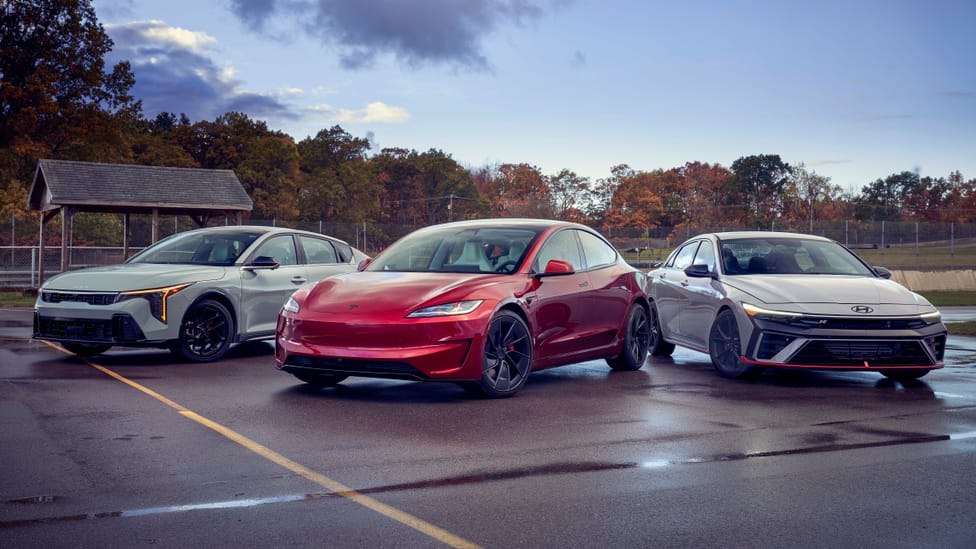
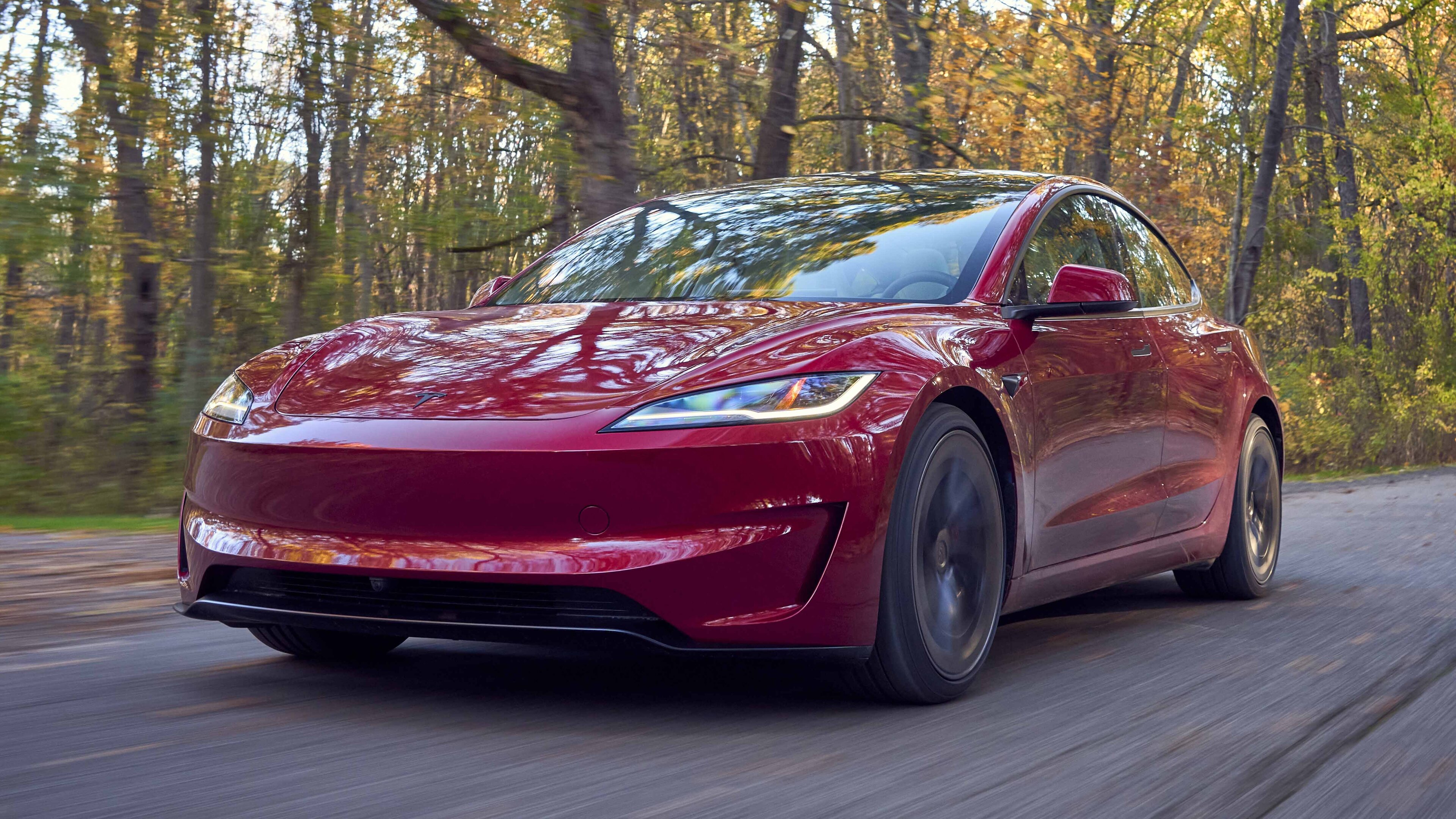
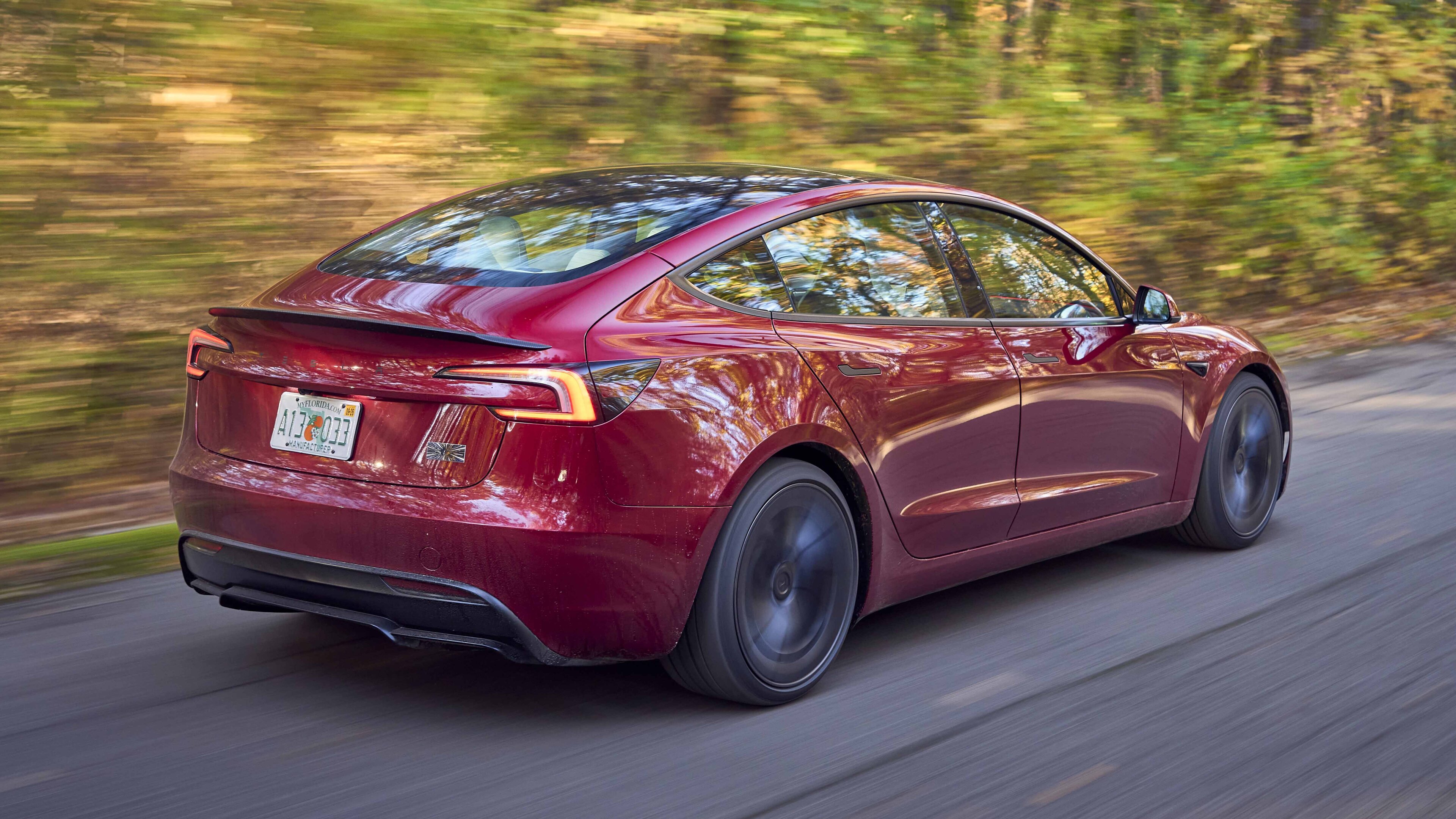
So welcome to Top Gear’s US Awards Car Of The Year shortlist. Not natural rivals: the Hyundai Elantra N is a small performance saloon (or sedan, I guess we ought to be saying) while the Kia K4 is the same size, the same sort of shape and equally Korean, but does without the crucial ingredients of horsepower and pinstripes. Bringing an American homeland interest to the party is the latest Tesla Model 3 Performance, surely the most unassuming looking 500bhp car ever sold to the general public.
Advertisement - Page continues below
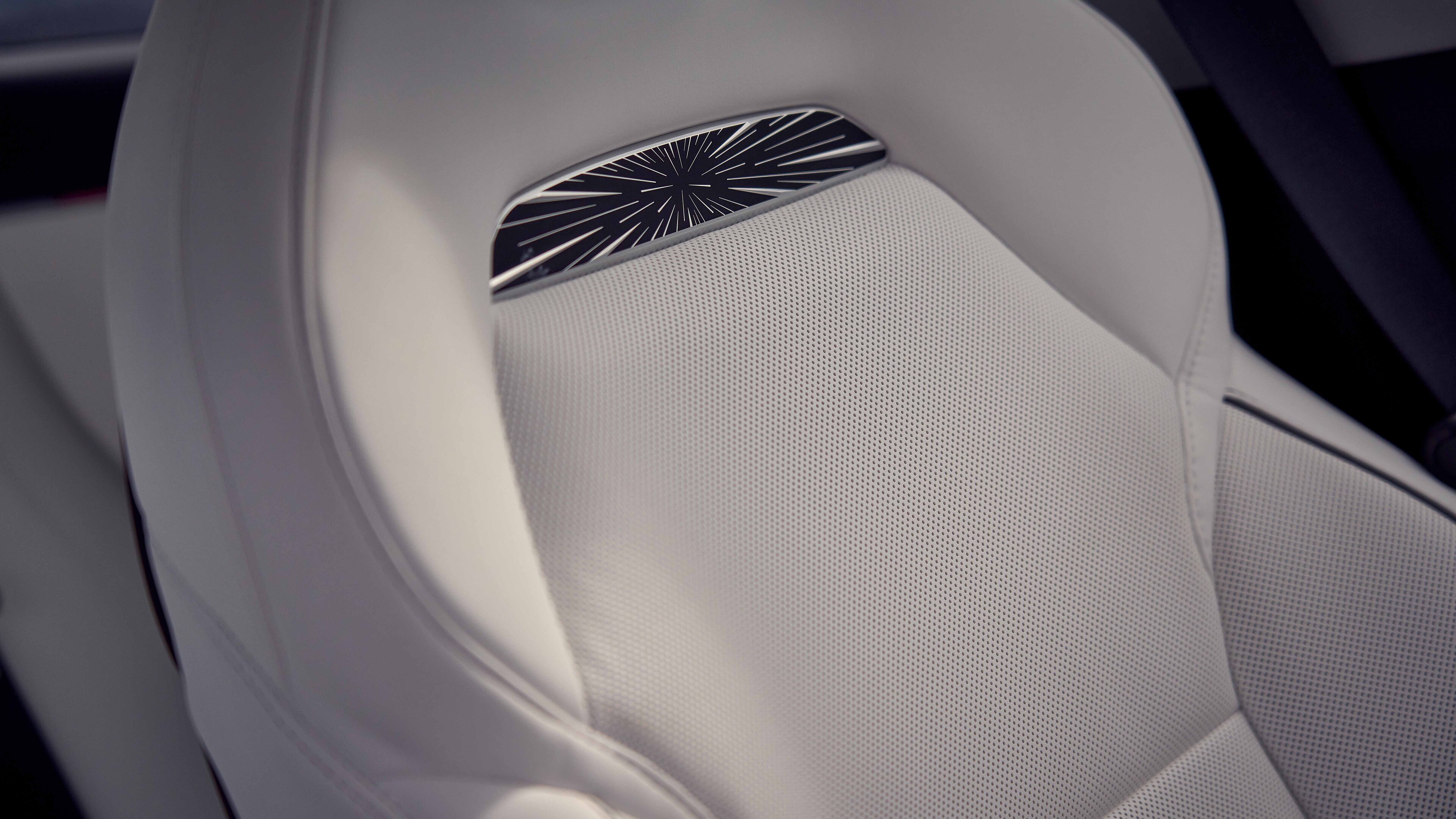
You’ve got to be a real Tesla geek to spot the clues – the reprofiled front bumper, the turbine alloy wheels, and that odd jump-to-hyperspace badge on the bootlid – to be forewarned this car can leap from 0-60mph in 2.9 seconds, with rollout subtracted. Whatever that means. Apparently out here you’re allowed a head-start on your own drag race. Good job America doesn’t set Olympic rules. The 100-metre sprint would be over in 87 yards.
Words: Ollie Kew, Alex Kalogiannis
Photography: John Wycherley
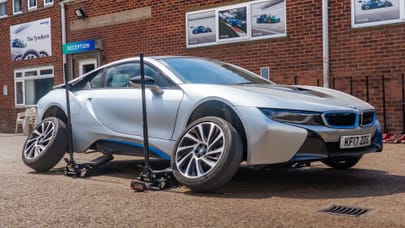
We’re not here to race these cars, or to see which goes the furthest between refuels. We’re here to bring some Top Gear nuance to the shrinking world of the normcore four-door sedan. Which is the most satisfying machine overall – as a piece of design, as a practical family conveyance, as a distance-muncher, and as something in which to while away the 38,000 hours of their lives the average American spends driving? That’s just over four years. You can’t afford to spend that many hours in a clunker.
Probably less if you drive the Tesla. Good grief it’s fast, in that semi-violent, sneering, unthinking way EVs like to teleport about. Here the sensation is even eerier because Tesla staunchly avoids any attempt to engage the driver in the process. There is no piped-in techno-warble soundtrack. No simulated paddleshift gearbox, or any paddles at all. No gearstick, in fact: you change direction by swiping the touchscreen, which is maddeningly dumb for the first half-hour then begrudgingly becomes second-nature.
Advertisement - Page continues below
There’s no sense Tesla wants this to be an involving experience. The Model 3 – now with us since 2017 and wholesale-updated in 2023 – even in $54,990 Performance trim exists to gaslight you into not wanting to drive at all. It yearns to take over. And when it does, on home turf at least, Autopilot is pretty sensational.
It’s somehow more confident on US roads than the student-driver spec hesitancy we get in the UK, and thinks for itself uncannily, solving problems, using initiative. We asked it to navigate to a hotel that’d only recently finished construction. The Model 3 wasn’t sure the parking lot was open (it was) but to be on the safe side, it took the next turning and parked up at a store across the street, neatly in the middle of the bay. “Hmm, I think this is as close as I can get you – will this do?” it seemed to say earnestly. Forget OpenAI’s Sora – this is convincing artificial intelligence.
Looking for more from the USA?
Top Gear
Newsletter
Get all the latest news, reviews and exclusives, direct to your inbox.
But we’re not trying to write ourselves out of a job and if you’re reading this, chances are you like cars because you like to drive, and you fancy doing so ye olde fashioned way. This is where the Model 3 falls flat on its amorphous face. The steering is still laced with a disconnected, synthetic force-feedback which is just plain unpleasant. It rides level and composed but transmits too much ‘feedback’ into the otherwise serene cabin. It’s not a convincing sports saloon, more an escaped airport parking lot pod that will outpace a Lamborghini.
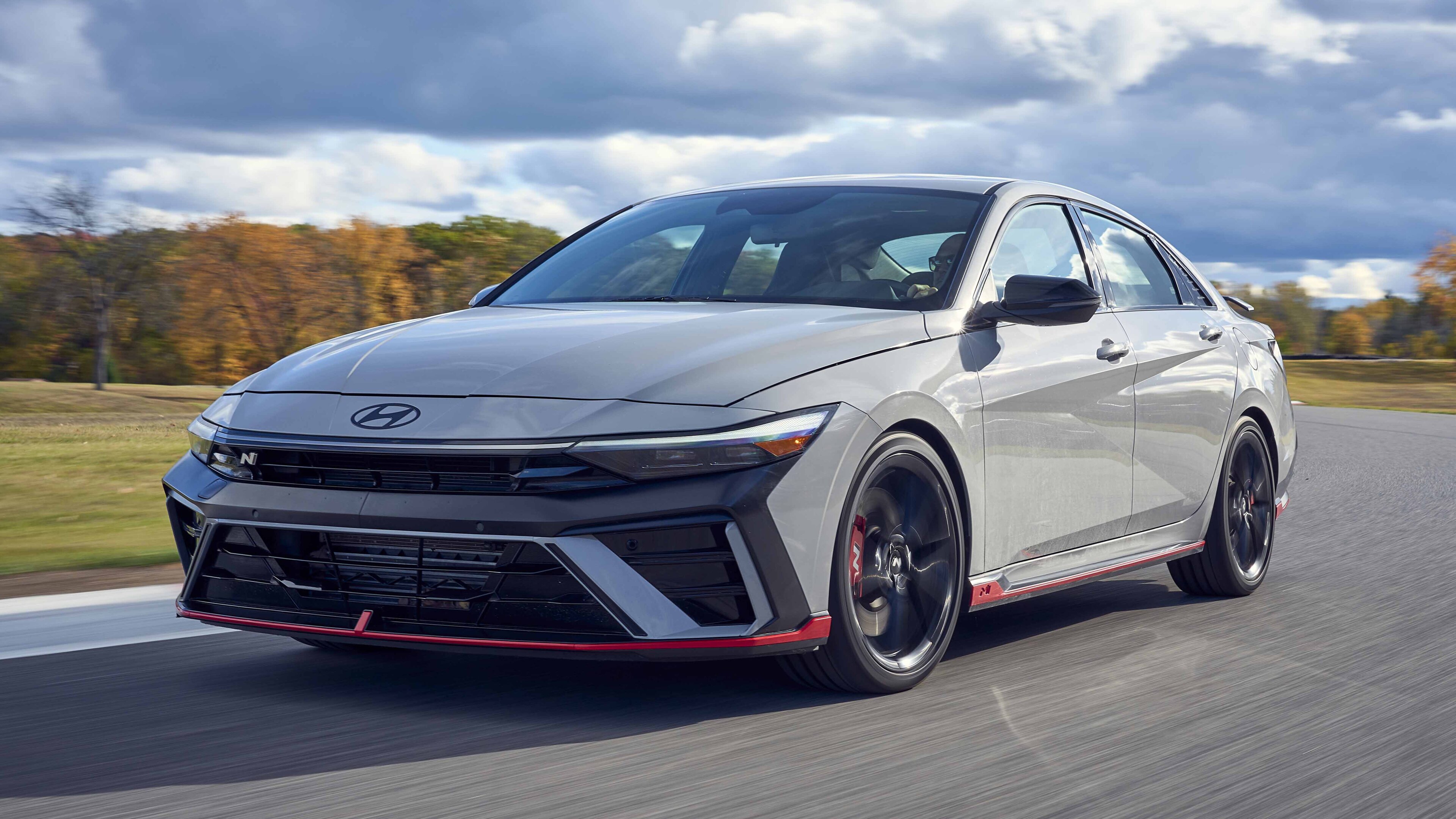
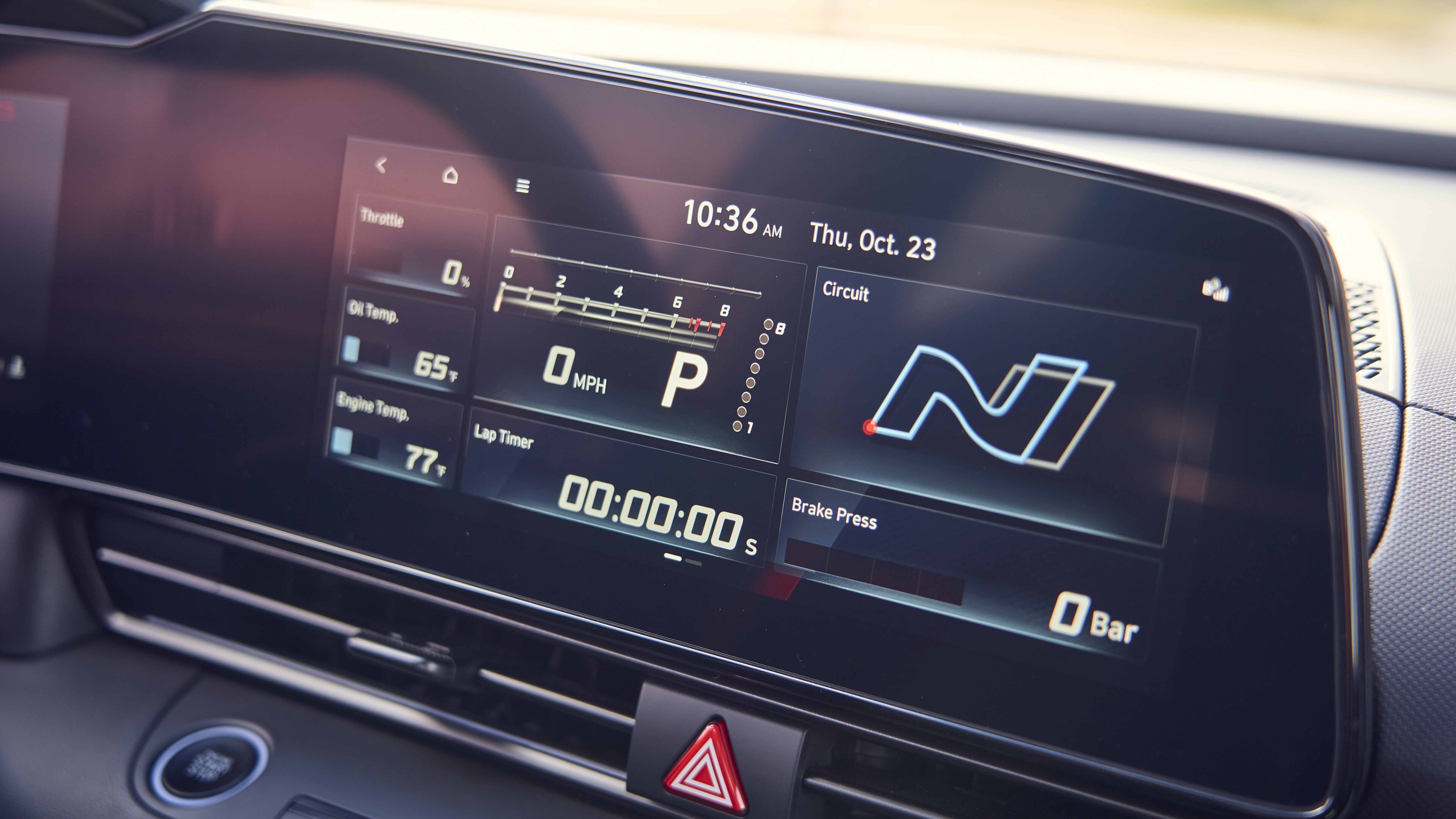
Feeling in comparison like something from a Bronze Age cave painting, the Hyundai Elantra N cannot drive itself. It still uses buttons (remember those?) to make it warmer, cooler, louder or comfier, rather than a touchscreen Apple would be proud of. But for $20,000 less than the Tesla, you do at least get two cars in one: a relatively practical compact family sedan and a proper performance hooligan. Something that’s useful in both directions on the school run.
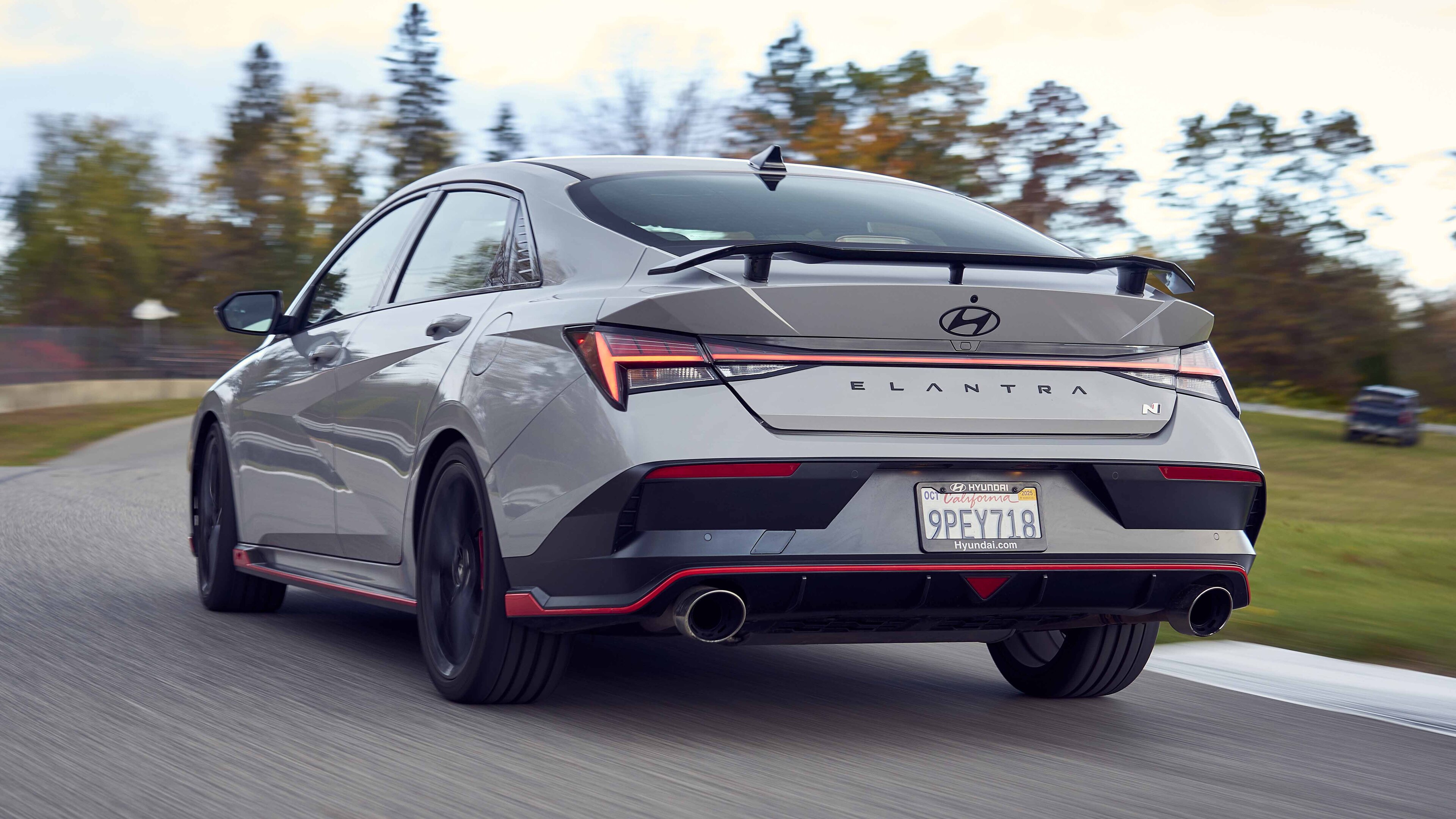
Besides the ‘it’s a boy!’ blue N buttons on the steering wheel it’s the greyest, shiniest thing this side of an estate agent’s suit inside. But you can seat adults in the rear, and you’ll grin when opening the boot (trunk?) to find a bright red shaft of scaffolding between the rear suspension towers. Hyundai does way more than apply a bodykit when it’s serving the N treatment.
It’s a sign of strange times afoot in the car world that the K4 represents something of a palette-cleanser
The thrummy 2.0-litre turbo engine bothers the front wheels with 276bhp and 289lb ft, and though our test car’s optional eight-speed twin-clutch automatic gearbox adds a layer of smoothness and sophistication, even that modest power total occasionally feels too much for the Elantra’s front axle. It’s a car that has all the types of -steer: a touch of safety understeer when you turn in ambitiously, a hilarious gob-of lift-off oversteer when you come off the gas to correct it, torque-steer writhing in the wheel as you build up the boost and occasional bump-steer when the overtaxed front axle encounters a hump or camber in the road.
Not the most polished performance car in the world then. But in short sharp bursts, it’s exciting, satisfying and fun. The sort of car that turns a tightening off-ramp into a giggle. For Brits it’s a bittersweet drive: this is essentially a booted version of the dearly-missed i30N hot hatch which Hyundai no longer sells in the UK – a rambunctious yin to the clinical Civic Type R’s yang that put Hyundai’s N division on the European enthusiast’s radar then disappeared just as quickly, leaving the only speedy Koreans on sale in the UK as £65k+ EVs. Americans, buy this Elantra N. You don’t know how good you’ve got it.
But the Elantra itself is slightly last-week as new car models go: this frowny version has been around since 2020, albeit with a thorough update earlier this year. So you might be in the market for something that’s actually newer. In which case, Kia is among the few car-makers to have you covered, with the new K4.
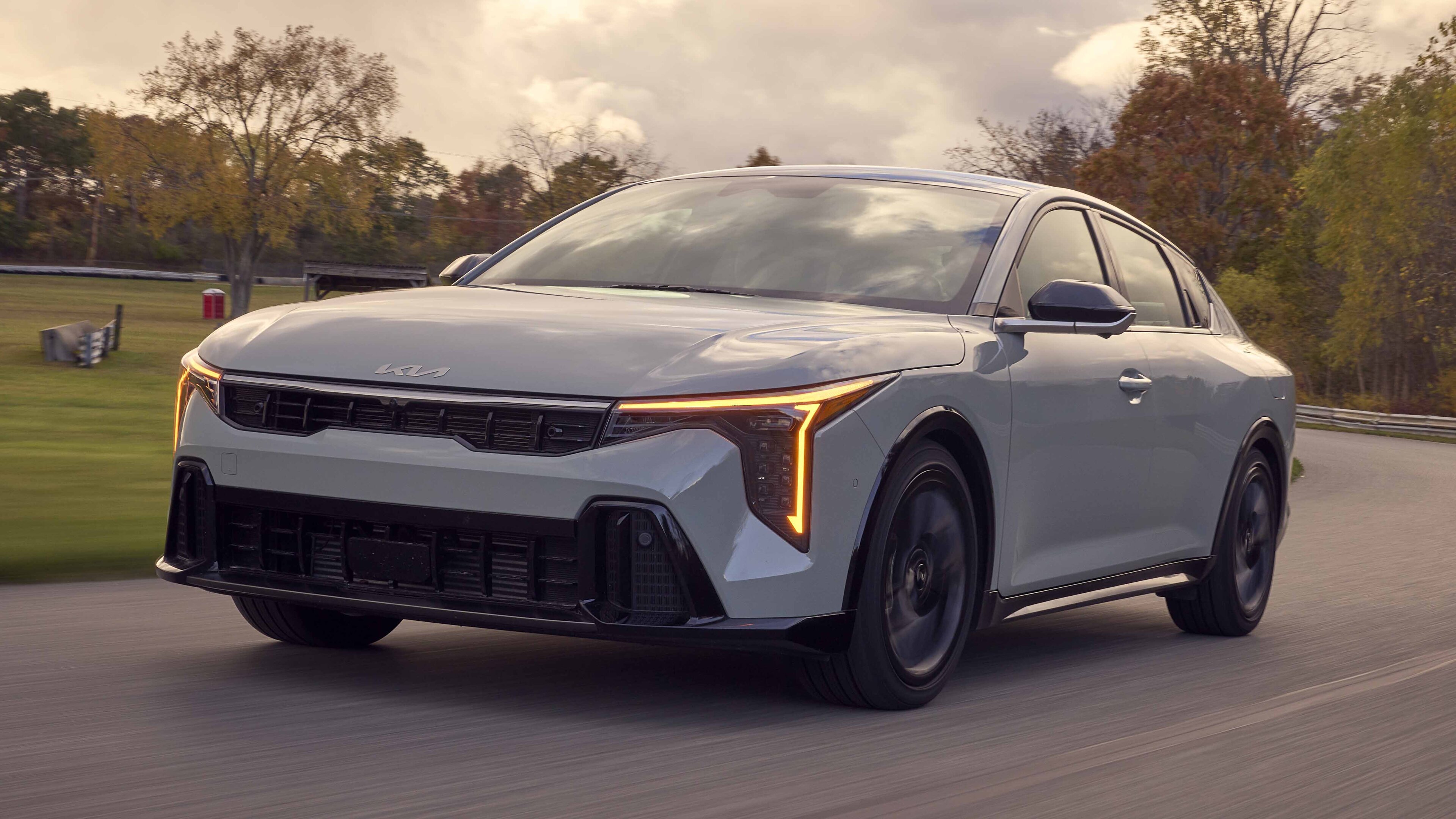
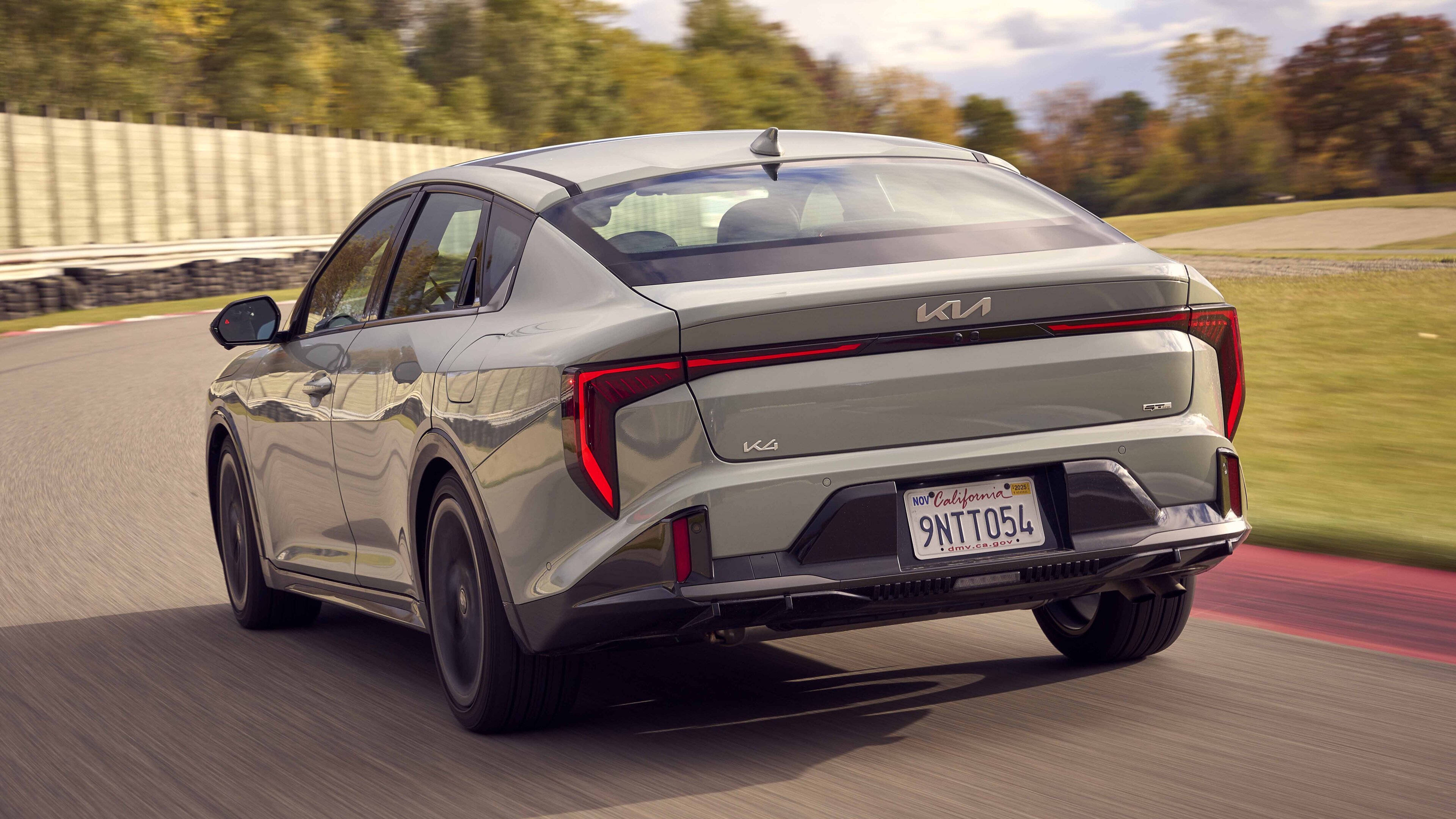
It’s a sign of strange times afoot in the car world that the K4 represents something of a palette-cleanser. It’s essentially a Kia Jetta, a My First Camry surely destined for a tedious life hopping between airport rental parking lots and bodywork repair shops. But if a world where cars are increasingly doing things The Tesla Way – more tech, fewer physical controls, more nannying, less common sense – the stodgy, simple K4 is actually rather likeable.
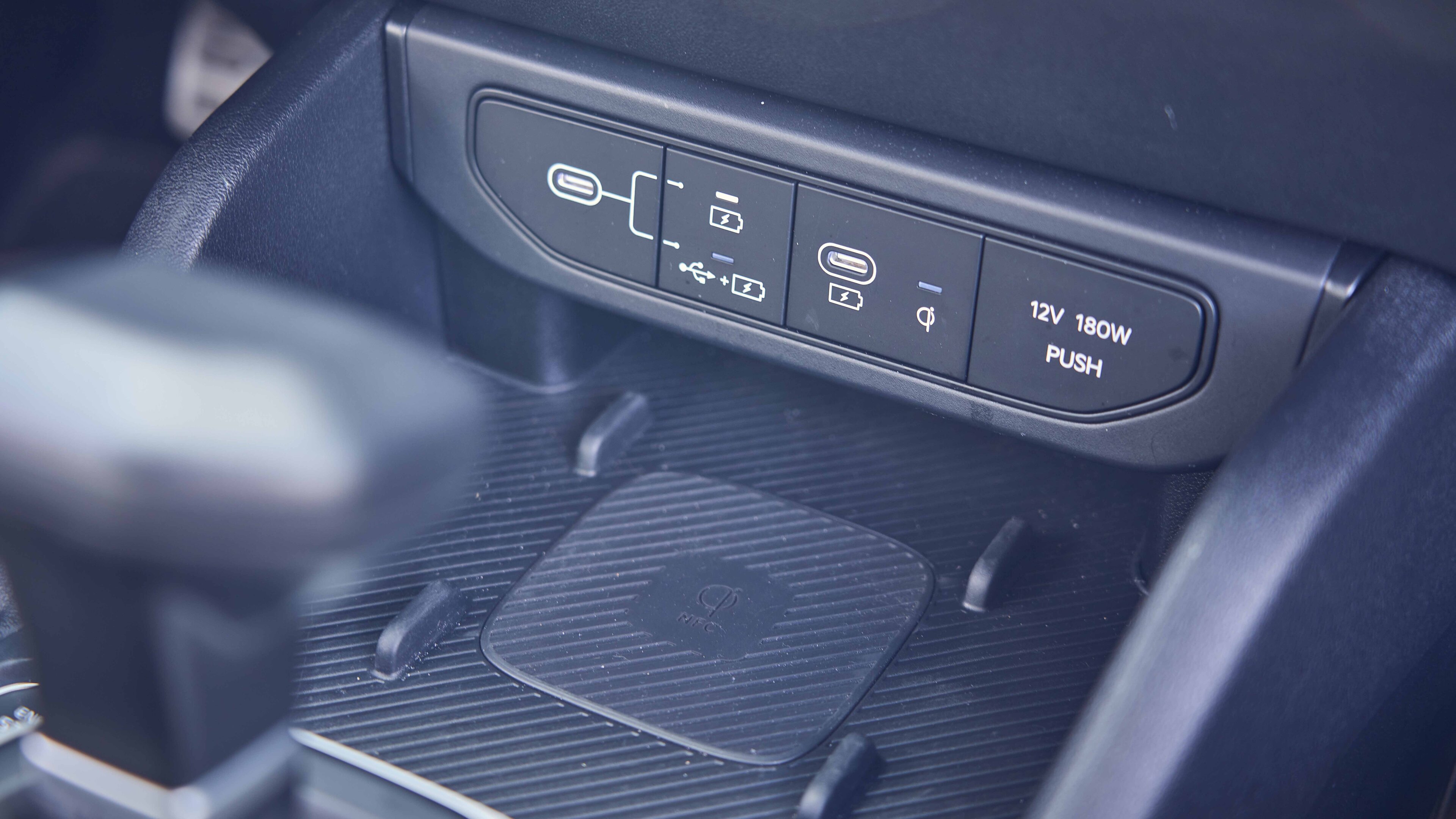
It starts at ten bucks under $22,000, which take it from us Brits, is enough to have a queue of ripped-off UK motorists jostling for a green card. It’s festooned with common sense: the interior layout is logical, the driving position well-sorted, there’s plenty of oddment stowage and lots of readily accessible sockets to keep your devices charged.
The back seats are a touch flat, but leg- and foot-room are well catered for. Passengers over six foot won’t appreciate the rakish roofline eating into headroom, but Kia’s done that because anyone even considering a K4 is clearly making a conscious choice to avoid a boxy SUV.
There’s much to recommend all three ‘cars’, even if the general American public has moved on to bigger and worse things
Before Uber orders a boatload, beware the built-in handle on the back of the front seats apparently there to aid entry and exit to the back seats. It twangs the driver or front passenger’s backrest just like when you’re settled into an Economy-class flight when the guy behind levers himself up to visit the toilet for the fourth time. Annoying.
But that’s a rare own-goal in an otherwise painfully sensible machine. The plastics are nothing to write home about, but it all feels solidly clipped and screwed together. The trunk opening is a tad narrow and the touch-pad heater controls are a fiddle because Kia nonsensically bunged those vital controls behind the attractive squircle steering wheel. But at least there’s still enough buttons to get along with, and the old Audi-style ship’s thruster gear selector is a nice touch.
If only it availed more power. The K4’s biddable, forgiving chassis would really like to meet a fun young engine for a good time. Right now it’s trapped in a loveless marriage with a reedy 190hp 2.0-litre petrol four-pot that’s neither feisty and peppy nor creamy-smooth. It averages 37mpg on test and shuts up at highway speed, but the likeable K4 probably deserves better.
So there’s much to recommend all three ‘cars’, even if the general American public has moved on to bigger and worse things. All three are roomier than you might expect, have a wider breadth of ability than the SUV marketing empire would want you to hear about, and they all offer compelling value for money across three very different spectrums of performance.
But while the Tesla is too joyless to be a true all-rounder, and the Kia lacks a distinguishing feature, the Hyundai Elantra N is one of those increasingly rare all-things/all-people kinda cars. You could lend it to your grandmother and she’d appreciate the gesture, or you could attempt a new Cannonball Run record and probably get close. It wins this test – but I’m being told in true American wrestling entertainment style, that a late-show upstart is here to spoil the victory party – time for a chat with my American colleague, Alex Kalogiannis…
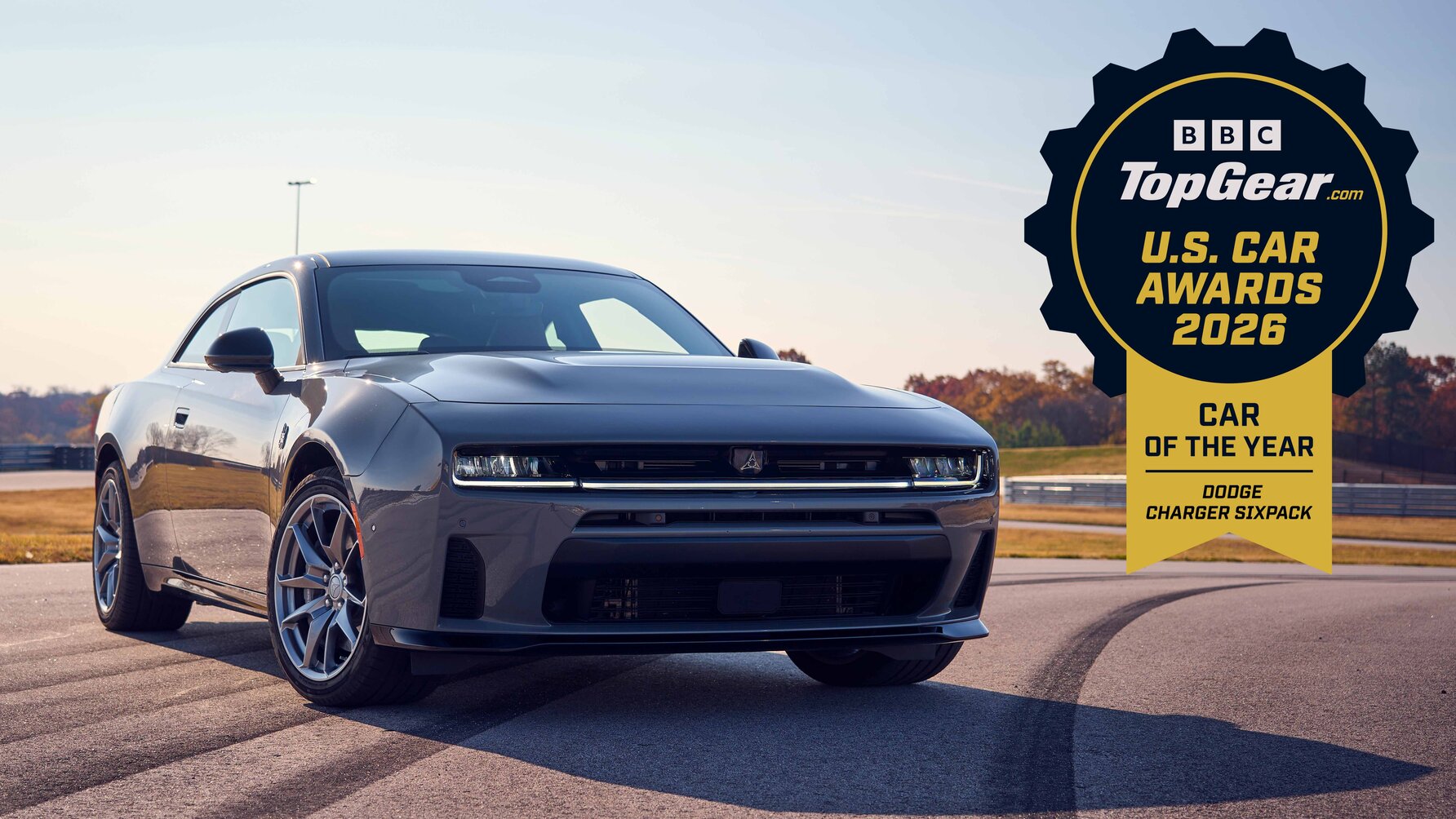
Alex Kalogiannis: Funny you should mention that. Have a gander at the Dodge Charger Sixpack, an all-new iteration of a classic American muscle car… From, er, Canada.
Ollie Kew: For those of us on the other side of the Pond, what the heck happened to Dodge’s muscle car? Didn’t it go electric, and promptly tank?
AK: That’s right, the Dodge Charger Sixpack is an exciting return to form after the debut of the Charger Daytona, the EV muscle car that is something of a failed experiment despite being quite good, actually.
It looks cooler, it sounds better and it’s more satisfying as a performance car
Whatever the case, it wasn’t what Dodge fans were looking for, and the Sixpack brings the Charger more in line with expectations.
OK: So the V8 is back? Why’s it named after a surfer’s stomach?
AK: Actually even a Charger has to downsize in 2025, though a gas engine is back. There’s now a 3.0-liter twin-turbo inline-6 under the hood, providing 550 hp and 531lb ft of torque. This drives all four wheels as standard but full power can be sent to the rears if AWD isn’t muscle-y enough for you.
Since it was developed at the same time as the EV Daytona, it benefits from the slick, streamlined design that makes it eye-catching, along with a stylish and functional interior to match. Different drive modes give it the capability to handle various surface conditions or can be optimised for sporty driving. This and a functioning back seat make it a versatile daily driver instead of a weekend-only plaything. It even has room in the trunk for a full set of wheels, in case you might want to take a spare set to the track.
OK: No idea what a hood or trunk is, but it sounds like a proper all-rounder. But then, so is my beloved Hyundai.
AK: For sure, the Elantra N’s whole deal is pulling double duty in the same way, but I’d argue the Dodge Charger pulls it off better. For one, it’s not a factory re-tune of the family sedan, making it slightly less “how do you do, fellow kids” in its presentation.
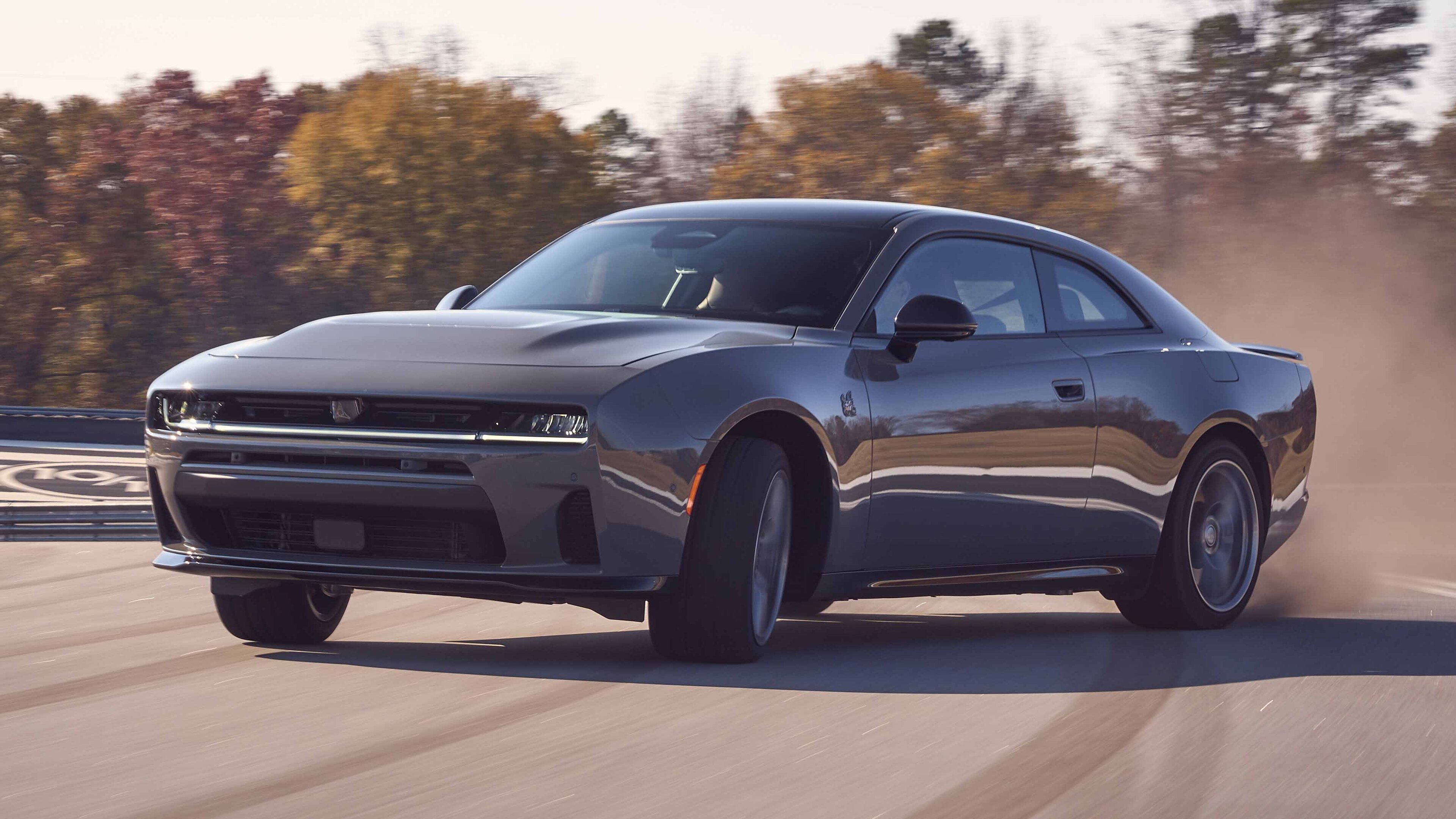
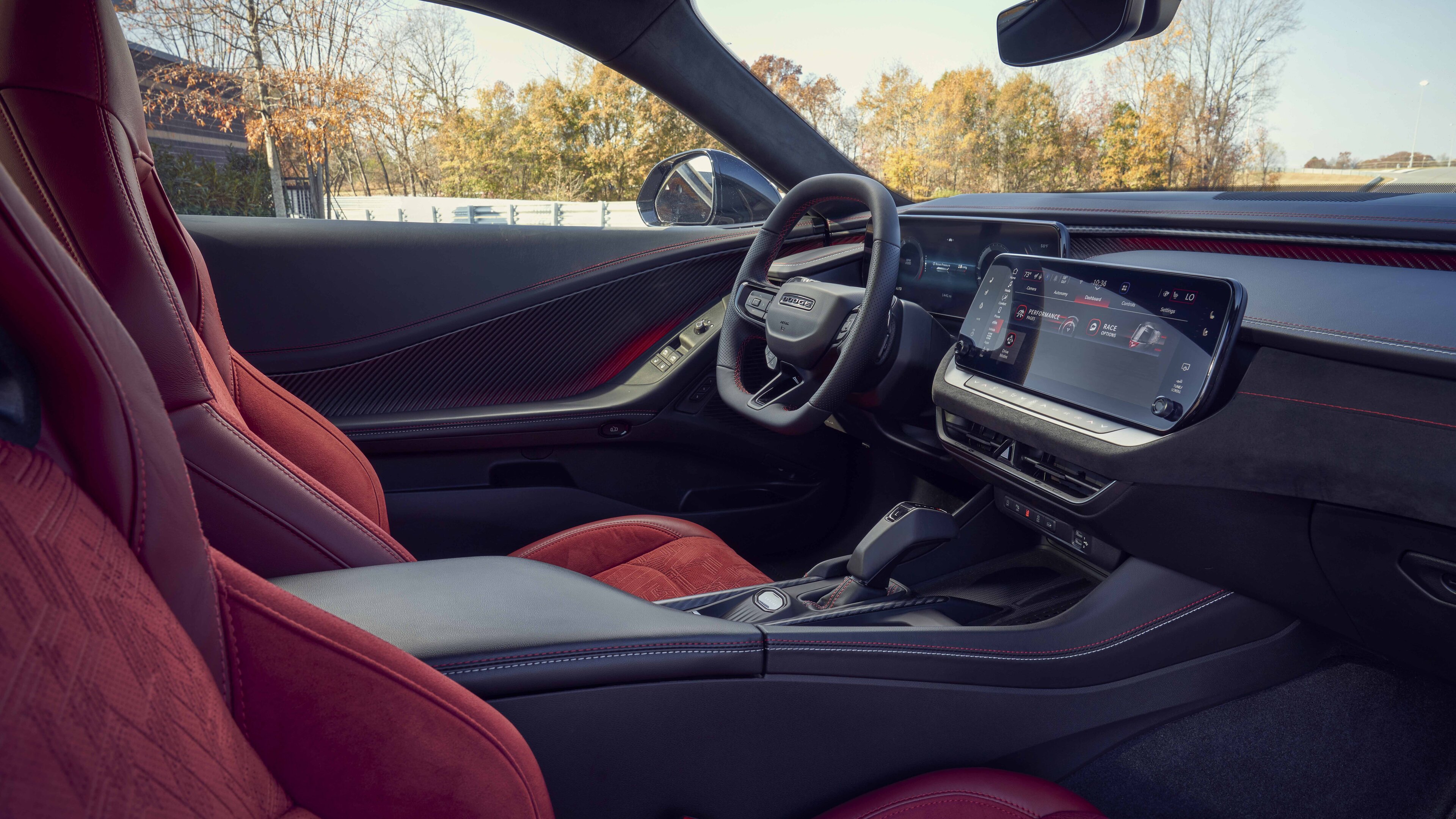
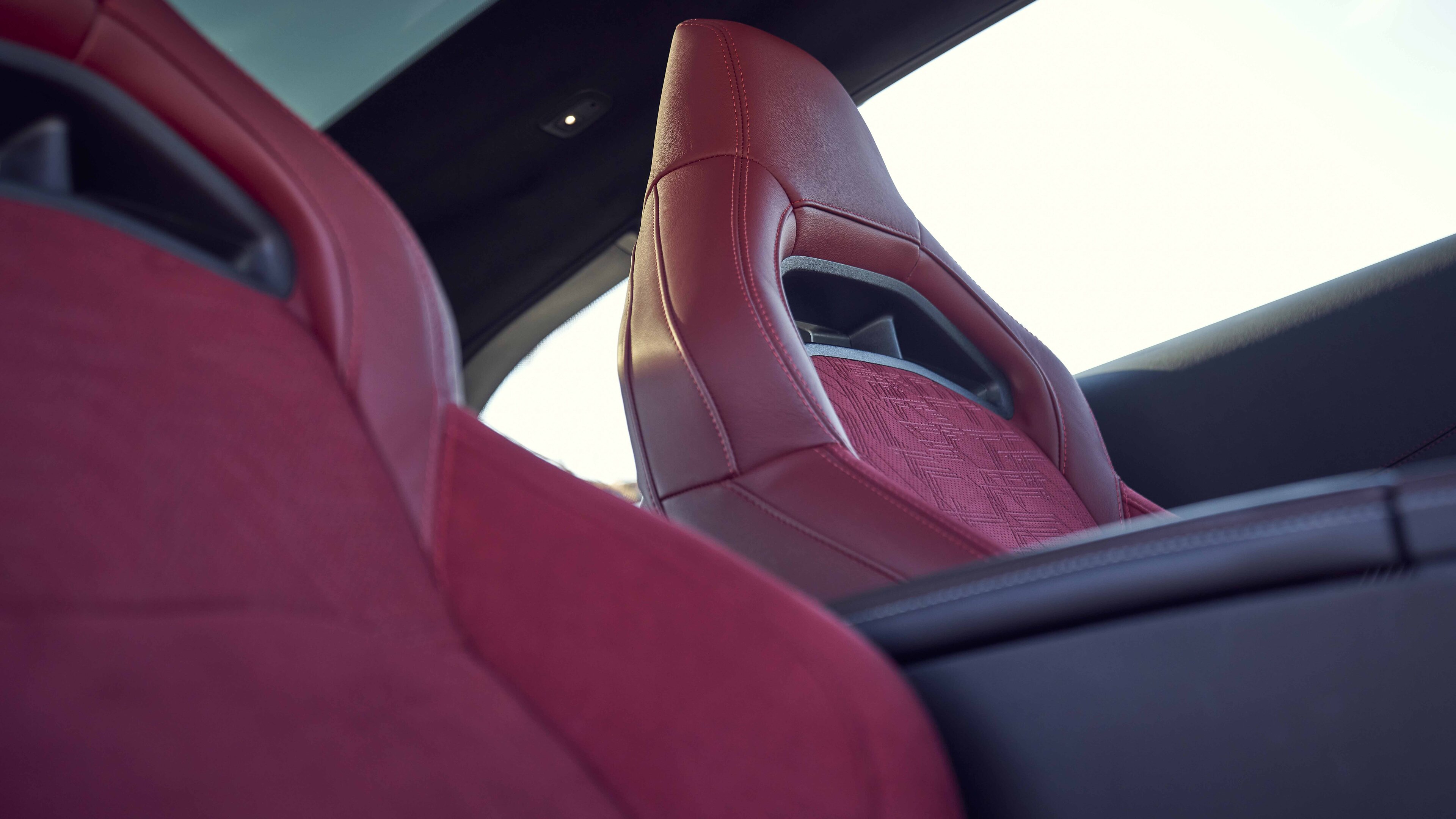
Indeed, it’s a car that reminds you of what it felt like driving to high school football practice, even if you… never did that. It’s got that character, and it’s infectious. You’d like it, too, I’d wager, regardless of what you call football.
OK: But America has always been good at setting up cars for its own back yard, much as the ‘world series’ is nothing of the sort. Is this Dodge actually a sorted performance car?
AK: I’d wager so. The 40/60 power split in sport mode is a strong balance of power and does wonders in obfuscating how wide and heavy the car is, up to a point at least. Can it be whipped around as playfully as the Elantra N? I’d say no, but I would say that the Charger is better at communicating its behaviour, and does so more naturally than the Elantra’s, I’ll say, performative oversteer. With push-button RWD, the Charger’s tail-wagging is legit and much more satisfying.
OK: So this puts us in a quandary. The Elantra is charming, but by no means ‘all-new’, whereas this sounds like a mega return to form for one of America’s icons.
AK: Look, I like the Elantra N a heck of a lot, but I’m afraid the Charger Daytona Sixpack is a compelling last-minute upset: It looks cooler, it sounds better and it’s more satisfying as a performance car while also switching between roles as a family hauler.
US Car of the Year winner: Dodge Charger Sixpack
Trending this week
- Top Gear Advice
28 cars that saved their companies from financial ruin
- Car Review
Mercedes-Benz CLA Shooting Brake