


Report 6
As everything else in the world gets more complicated, your watch is a chance to keep things simple
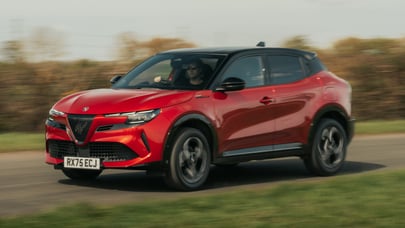
When did everything get so complicated? A few years back, if someone handed you a set of car keys, you didn’t need instructions. You just got in and drove off. Then along came the Toyota Prius and suddenly cars needed a ‘startup sequence’ – foot on brake, press this button, wait for screen to boot up, check light, select gear... what was wrong with turning a key?
Watches got complicated even earlier. The first calculator watches came out in the 1970s, and when Casio made affordable ones in the 1980s they became a popular bit of early geek chic.
The smartwatch upped the ante. They allow you to check your messages, control music, track health data and more. Now around half of all watches sold are of the smart variety.
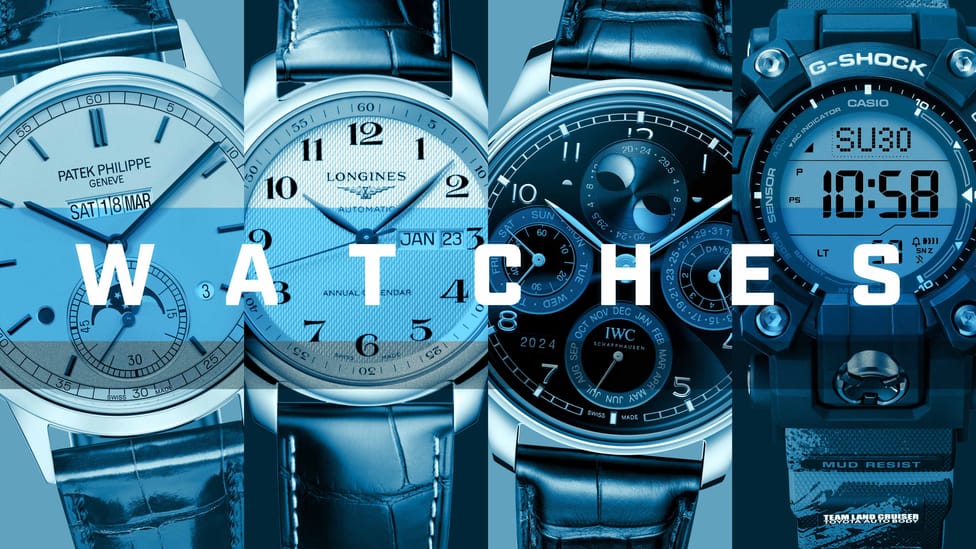
But not everyone wants complicated watches. After little more than a decade, the smartwatch market is flattening out. And even though hundreds of millions have been sold, it’s really only impacted the battery powered watch market – nobody buys a smartwatch instead of a Rolex.
The market in simple, high quality mechanical watches has remained strong through this digital age for a reason. People like things to do what they are supposed to do without any fuss.
The mechanical watch movement has stayed basically the same for centuries. If you showed a new mechanical watch to an 18th century watchmaker, they would be amazed by the refinement and the tiny scale, but they would understand exactly how everything worked. A smartwatch would look like witchcraft.
Get all the latest news, reviews and exclusives, direct to your inbox.
Get all the latest news, reviews and exclusives, direct to your inbox.