

the fastest
150kW 60kWh 5dr Auto [Premium Pack]
- 0-627.3s
- CO20
- BHP201.2
- MPG
- Price£30,085
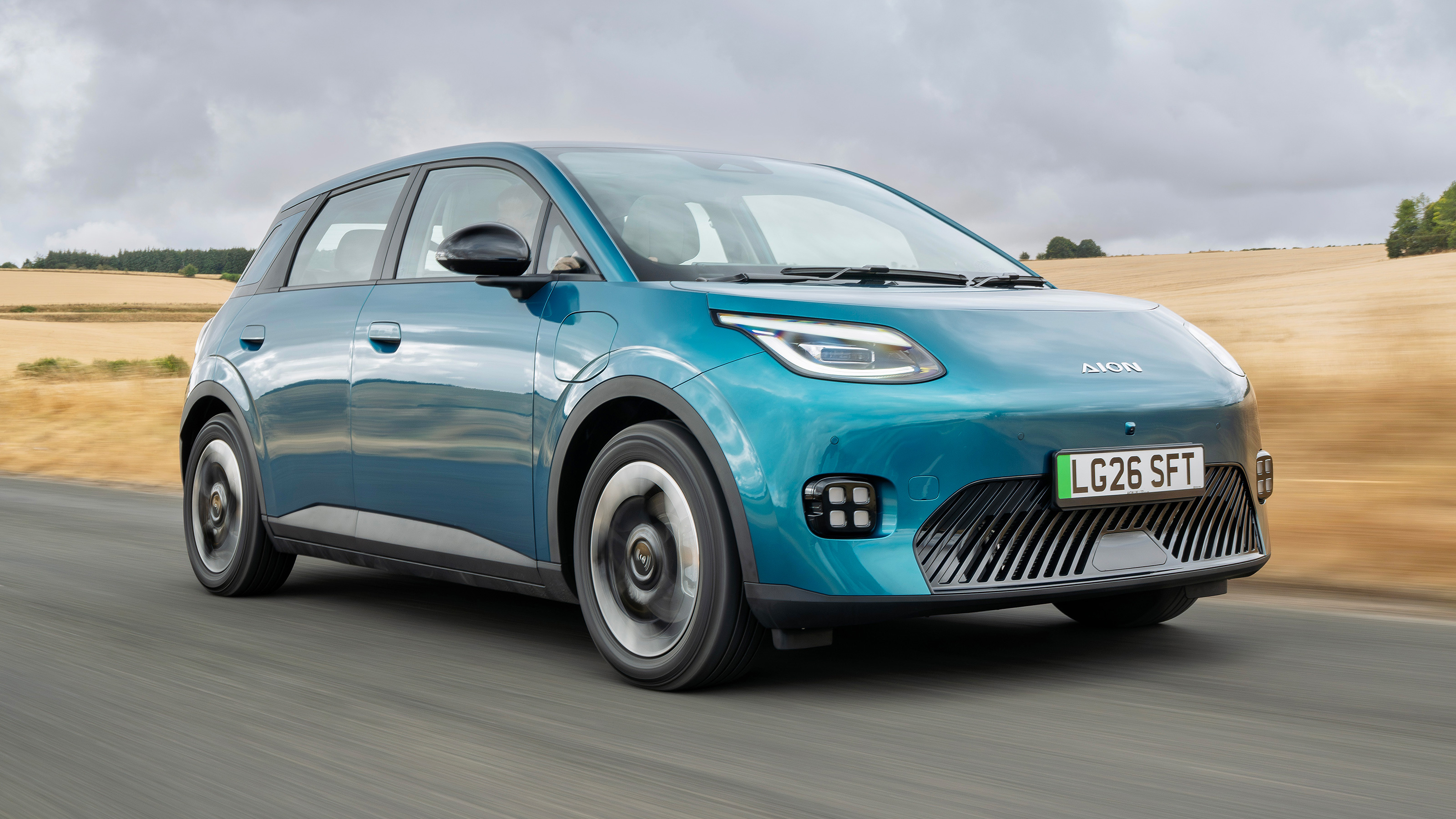
Comfortable. That’s the first impression, from the moment your lower back sinks into the gorgeously padded driver’s seat. Ahh. Set off and within a matter of seconds you’ll also notice how pliant the suspension is, shirking off bumps in the road with very little fuss. It’s not quite as squidgy as a Citroen e-C4, but it’s not bad at all.
It doesn’t last though. While the Aion UT has more than enough torque to keep pace on the motorway (and surge past B-road slowcoaches, believe it or not), the ride deteriorates at higher speeds – bigger disturbances upset it more, like a dinghy hoisted out of an indoor pool and plopped into the middle of the Atlantic. And you can’t blame the suspension for that: the Renault Twingo has a torsion beam at the back and that’s still sublime at 70mph.
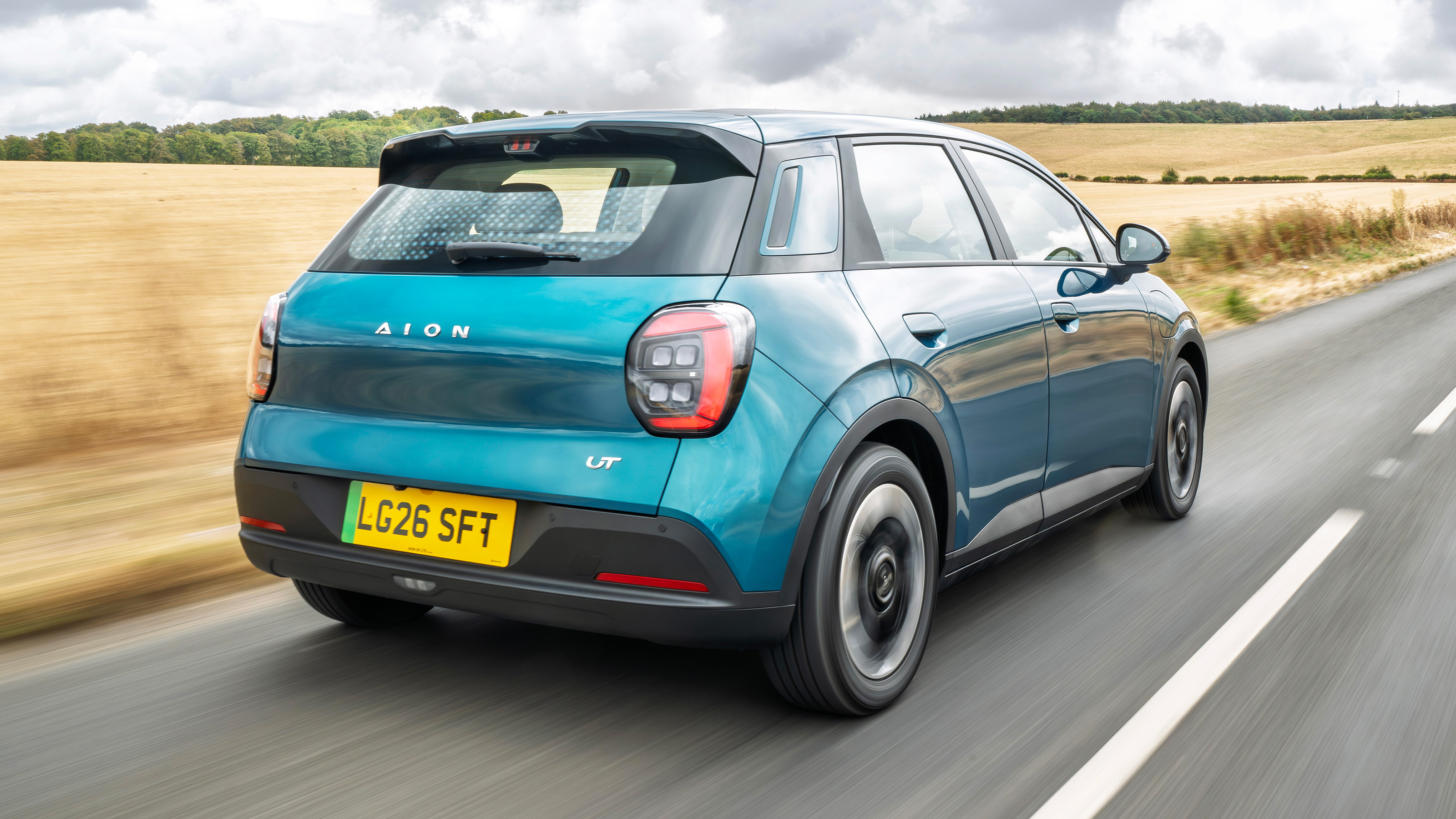
There’s also a surprising amount of wind noise for a car that looks like it was inspired by a beach pebble, and at lower speeds especially there’s a low-pitched whine from either the motor or the electrical system that once heard, you’ll never unhear. Annoying.
Sit rep: this is a car best suited to local miles, not far-flung ones.
To a point. Plant the throttle from a standstill and two things will happen: the front wheels will scrabble for traction (as happens at tight junctions if you’re not careful) and torque steer will wrench the wheel around in your hands – both signs that the development work on the UT only went so far.
But dial it back a touch and acceleration is smooth and punctual – this is a fluid car to drive, and it doesn’t fall to bits through fast corners. The steering is vague but weighted heavily enough (there are two settings for it, Comfort and Normal) that you’ll have confidence to place it where you want it on the road.
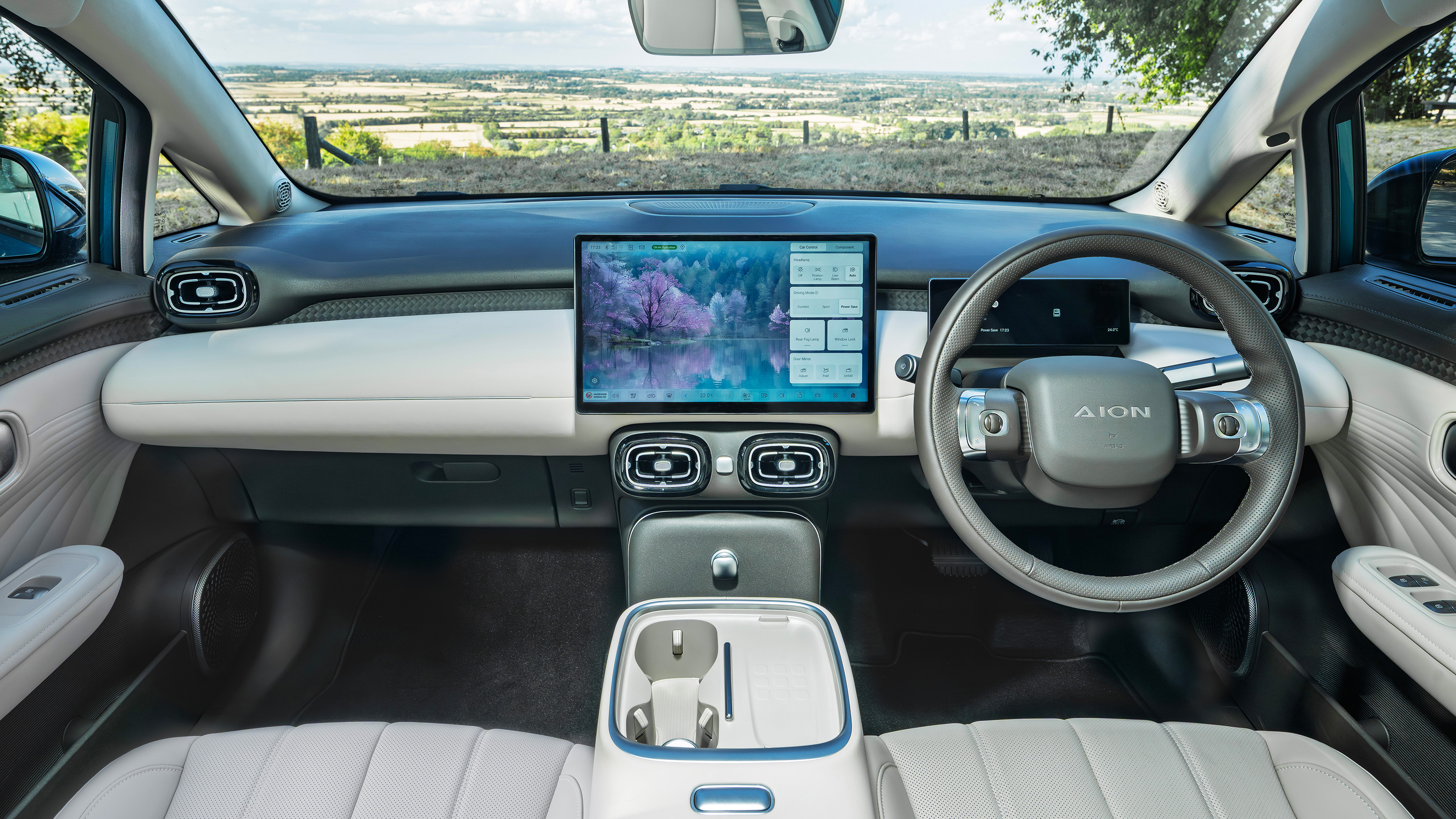
There are three drive modes – Comfort, Sport, and Power Save – which alter the throttle response, two brake settings (Standard or Sport) that don’t do much, and three levels of regen: Off, Low or Medium. Which actually makes sense because the last of those isn’t that strong. The brakes don’t have masses of stopping power but are okay – we found the return spring on the pedal wasn’t that smooth. But we’re nit-picking.
So bothersome. At any given time you can have the speed limit warning, driver attention warning and emergency steering all chiming in at once, while the lane keep software is downright belligerent. On more than one occasion it nobly tried to guide the car away from the white lines and towards stuff coming the other way, and it also had a habit of making up its own road markings on lanes where there weren’t any. Needs binning pronto.
You can switch all of these off but it takes a long time within the touchscreen, so your start-up ritual will be measured in minutes not seconds every time you get in. Ugh.
Hey, you can never take the range at face value. For any electric car. But on our test along a mix of country roads and motorway, the UT performed well: we averaged very nearly 4.0 mi/kWh on a warmish day, which suggests you could eke out 240 miles total from the 60kWh battery in similar conditions. Obviously that estimate will drop when it’s cold, but on this evidence the Aion should be an efficient little runner.
A heat pump – which helps with energy usage in chillier temperatures – is standard.
Get all the latest news, reviews and exclusives, direct to your inbox.