

BYD
150kW Comfort 65kWh 5dr Auto
£34,910
Clever plug-in hybrid system, generous kit as standard, quality cabin
Bland styling beneath the plastic, poor driving manners, the EV isn’t cheap
Another in the ever-expanding range from BYD, the world's largest combined maker of EVs and PHEVs. It's Chinese, but opening a plant in Hungary in late 2026. This one's called the Yuan Up in its homeland, but over here it’s the Atto 2, sitting below the Atto 3 crossover.
The Atto 2 came first as an EV, but now there's a plug-in hybrid (PHEV) too. BYD calls its PHEV system DM-i and as we'll see its engineering is very different from what's in the German-engineered PHEVs.
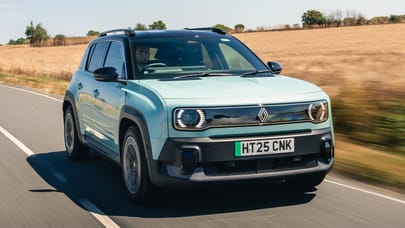
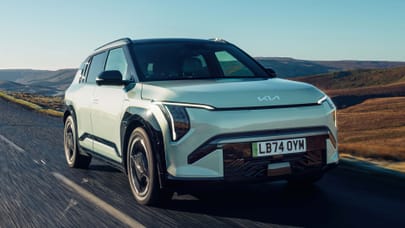
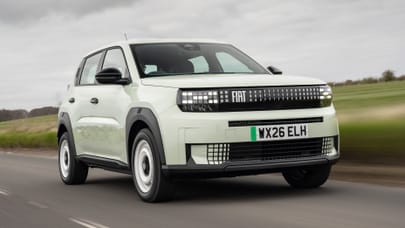
The pure-electric version faces plenty of strong competition, including the Renault 4, Kia EV3, Fiat Grande Panda, Ford Puma Gen-E, Jeep Avenger, Volvo EX30, and Smart #1 to name but a few.
Fewer rivals for the cheaper PHEV though. Other PHEV crossovers are bigger and dearer. So look at mid-size hatches – the Volkswagen Golf eHybrid, the Vauxhall Astra in PHEV form and the Peugeot 308, although it’ll undercut all of those significantly.
Right, let’s start with the powertrains. The entry Atto 2 EV pairs a 174bhp electric motor with a 51.1kWh lithium-ion phosphate battery, for a range of up to 214 miles on the ever-generous WLTP measure. Maximum charging speed is 65kW on a DC charger.
Above it is a 201bhp version paired with a bigger 64.8kWh battery that does 267 miles of WLTP range. It also supports charging speeds of up to 155kW. Much better. All versions do at least get a heat pump as standard, which BYD reckons can extend your range by 10-20 per cent in winter.
Again, there are two different setups of DM-i, although both get the same 1.5-litre four-cylinder petrol engine at their hearts. The entry-level Active trim then gets a 7.8kWh battery for 25 miles of all-electric range, while the Boost deploys a much more useful 18kWh battery for 56 miles.
The latter can also charge faster (6.6kW for Boost vs 3.3kW for Active), but fast is a relative term as it's AC charging only. The Boost of course holds more energy, so flat-to-full charge times are similar at just over three hours. You do get more power in the top trim too, with a system output of 209bhp. The entry-level PHEV makes do with 164bhp.
Most of the time DM-i acts as an extended range EV. In other words there's a motor to drive the wheels, juiced either from the battery or from a motor attached to the engine if the engine's running. It's a simple engine that has high efficiency over a narrow rev band – no need for variable valvegear or turbo. In some situations – motorway mainly – it's more efficient to clutch the engine directly to the wheels, so it does.
This isn't much different from the Honda and Nissan hybrid systems, but the big battery means it can go further and faster without waking the engine. Then in hybrid mode it has more ways of using the energy flow between the engine, the two electric machines and the battery.
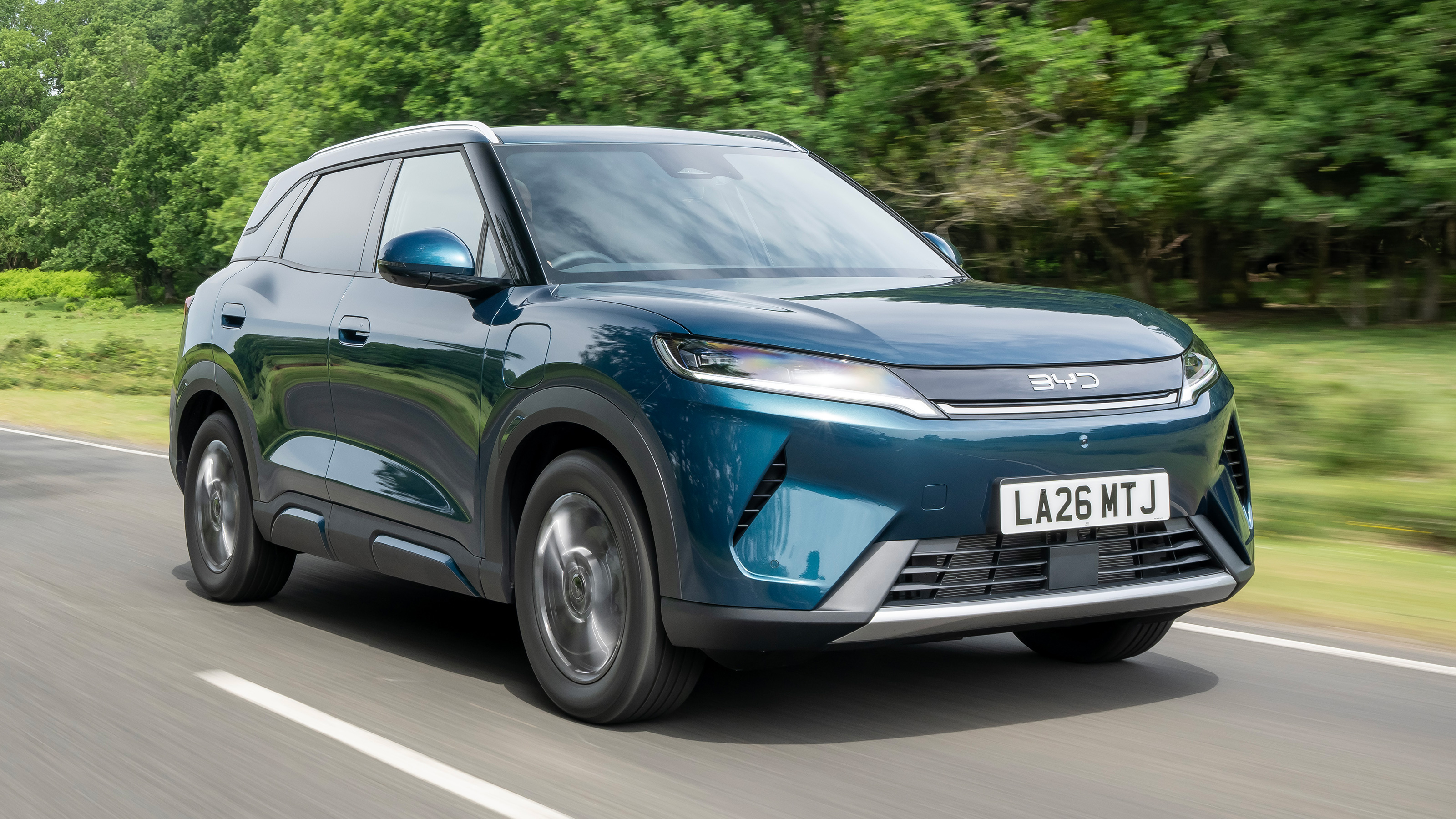
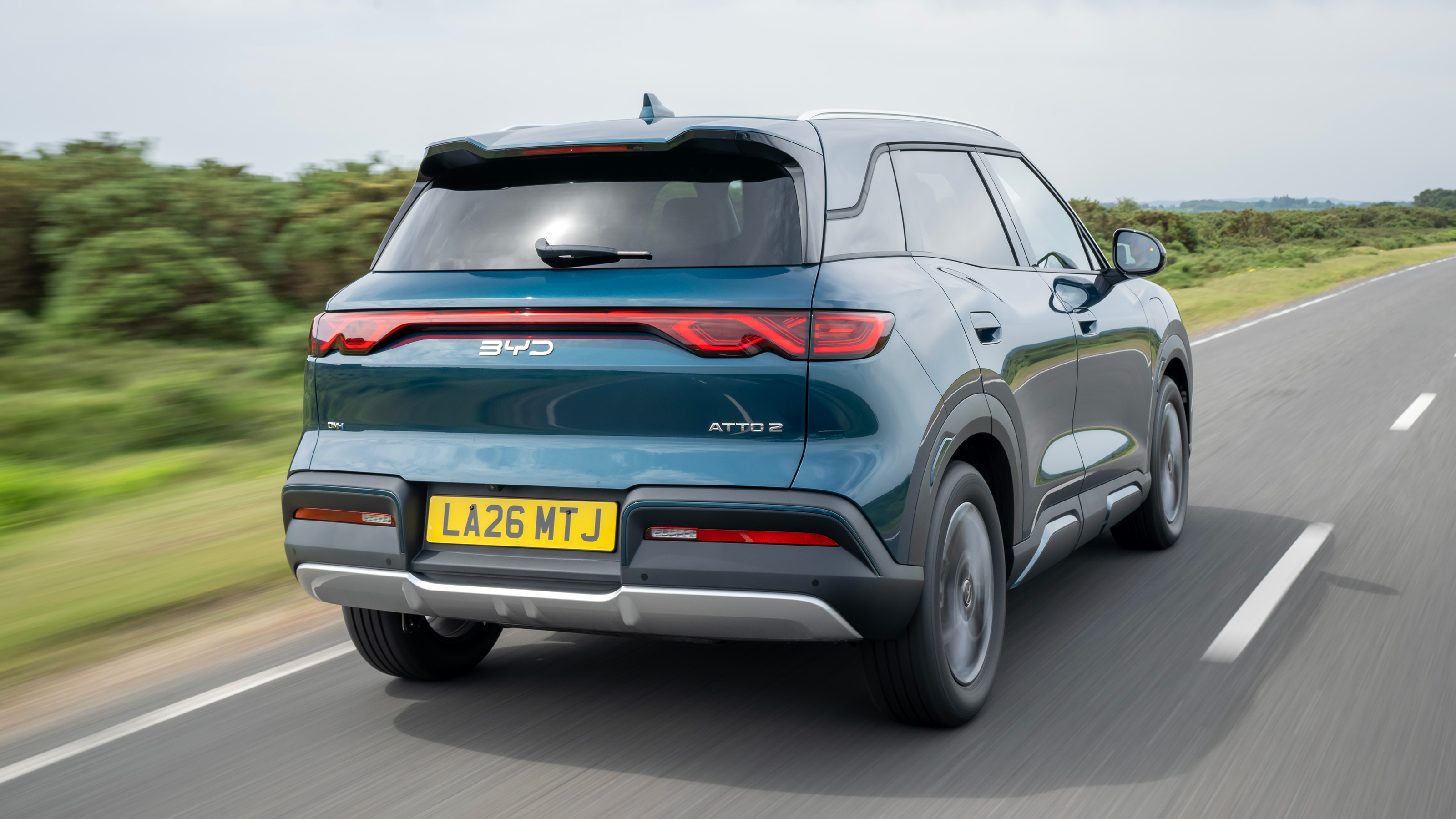
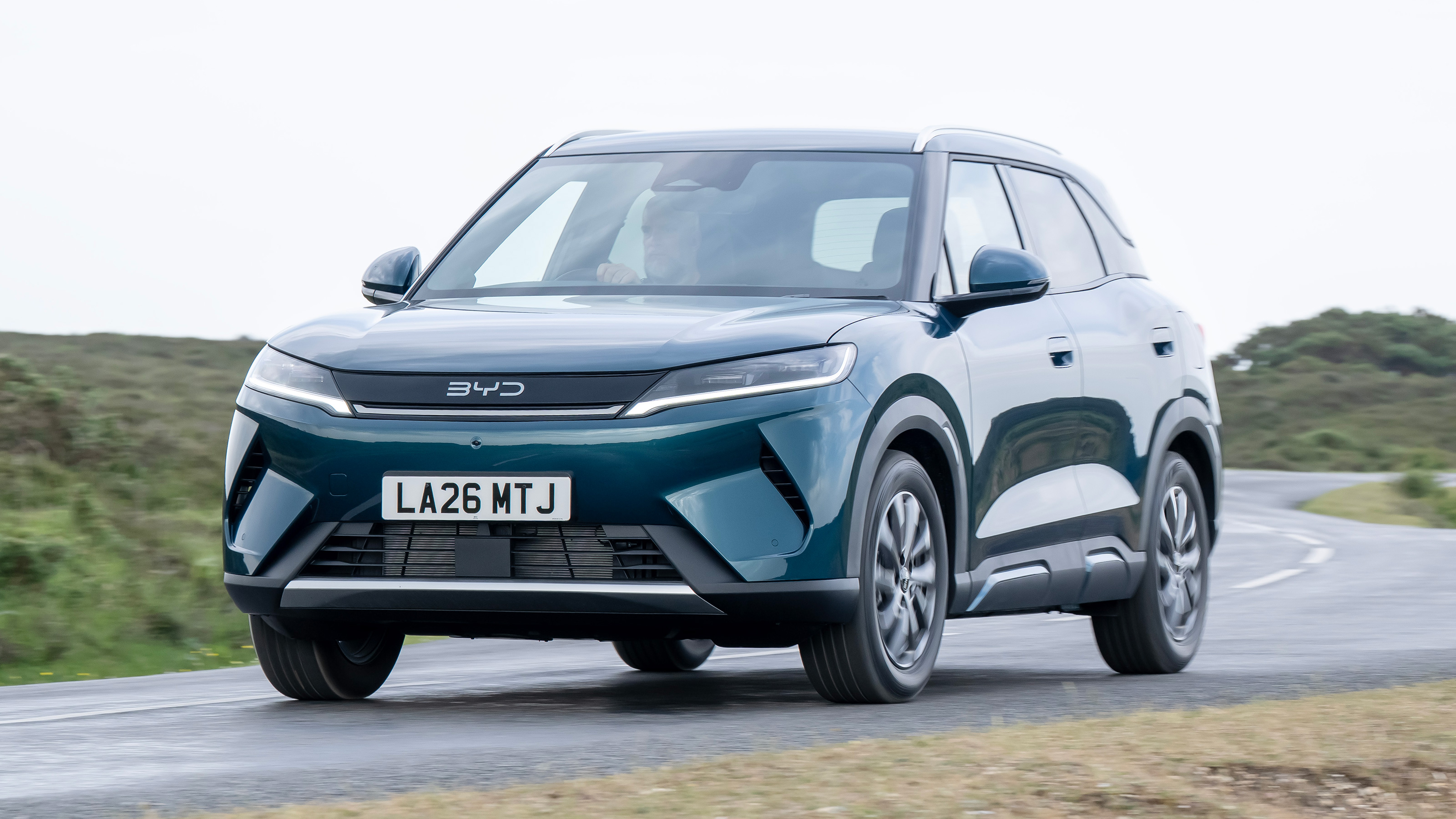
A what? Oh yes, we’d forgotten that exists. And this isn’t exactly any more memorable. The sheetmetal is a generic rounded crossover box. Cladding that is lots of chunky grey plastic, which will likely please any urban types. Hints of the Citroen C4 Cactus air bumps? Possibly. It feels quite small to drive too. And from the rugged exterior traits to the dimensions, it feels like it’s been tailored to the city.
Design highlights – if we can call them that – include LED headlights and slim daytime running lights, a full-width light bar (this year’s must have) that splits the ‘Chinese knot’ tail-lights, and 16 or 17in alloys on each corner.
A generic car would be better. This one has a turbulent ride on British roads, a fair bit of wind noise and numb steering. For the hybrid, you can add unprogressive brakes and a distinct lag when you floor the throttle while the hybrid system sorts itself out and brings all power sources into play. That said, in gentle driving the hybrid is as smooth an EV.
Tech dominates in here. Did you expect anything else from a Chinese car? Directly in front of the driver sits an 8.8in display, while the centrepiece of the dashboard is the 12.8in touchscreen. The operating system feels pretty well sorted and responsive. Which is good news given the dearth of any proper physical buttons. Still far too many sub-menus.
There’s a good amount of space thanks to the 2.6-metre wheelbase, which lends itself to comfortable room in the rear, and you still get a decent-sized boot too. Yep, even in the plug-in hybrids.
Cheapest are the DM-i pair, at £26,995 for the Active and £29,995 for Boost. There are of course low-interest finance deals to be had.
The smaller battery EV is £30,850, or you’ll pay £34,950 for the bigger motor, battery and faster charging version. Not quite the bargain basement, rival undercutting figure you might have been expecting. Particularly when most of those Euro-spec rivals qualify for the Electric Car Grant for even more money off.
The sheer congestion of compact crossovers in the UK means to stand out you’ve got to have some kind of USP. The Atto 2 didn’t have that until its plug-in hybrid powertrain arrived.
Completely forgettable to look at, lacking in dynamic flair and thoroughly uninspiring to anyone who has even the slightest interest in cars, the EV is pretty dreary. At least it has a spacious cabin and generous kit list.
The DM-i is a much more interesting proposition. Not because it's a more desirable car. It isn't. But it is cheaper than the pricey EV, and it has few rivals as a result. If you’re not quite ready to go electric because you do a lot of 250-mile-plus journeys, but want a small car that still plugs in, the Atto 2 could be a stepping stone.
Top it up on cheap overnight juice and the cost benefit on a commute is good. And even when the battery's flat, petrol economy is impressive and it mostly drives like an electric car too.
Get all the latest news, reviews and exclusives, direct to your inbox.