



25
414.4bhp
5s
469g/km
184Mph
20
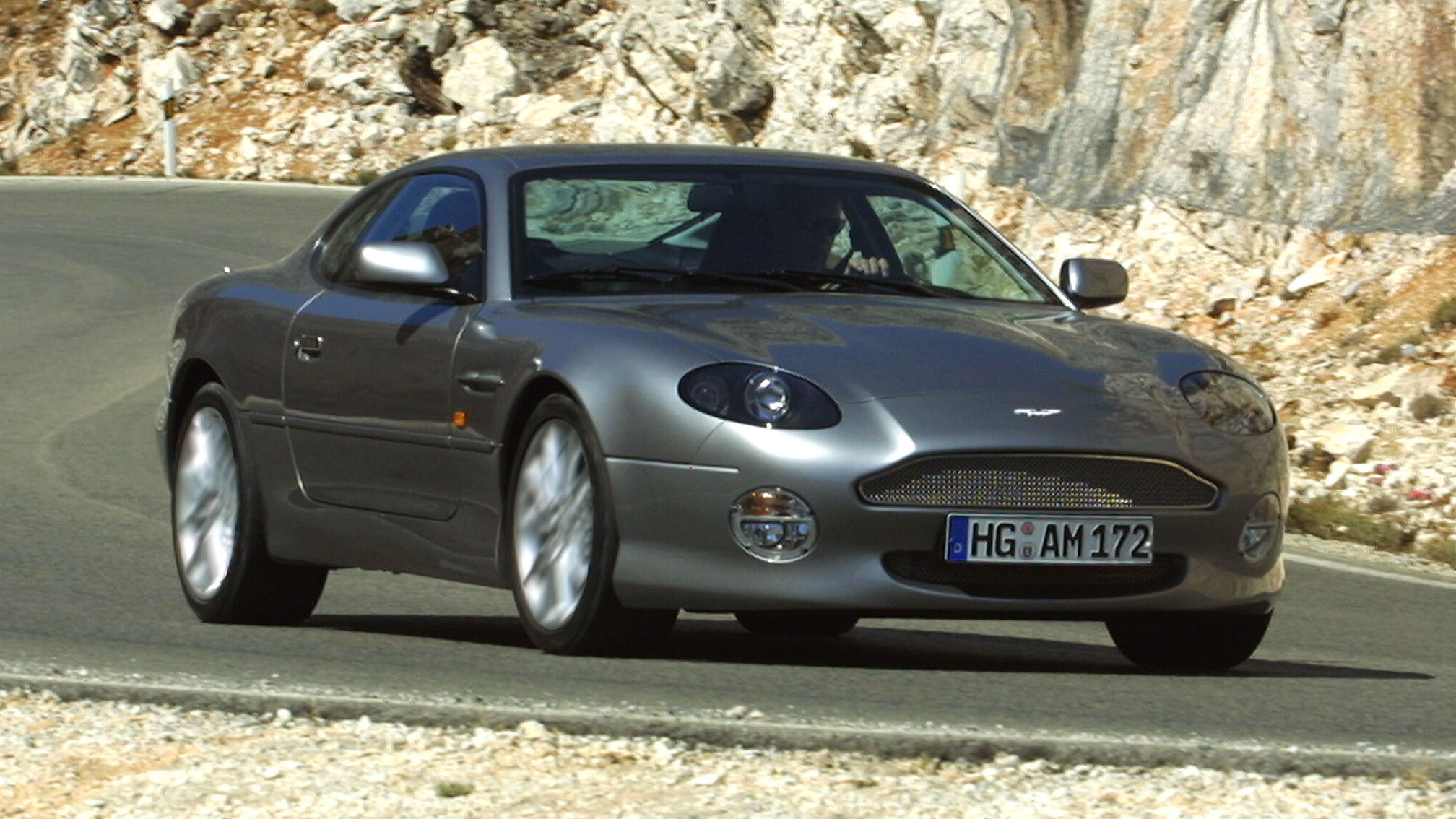
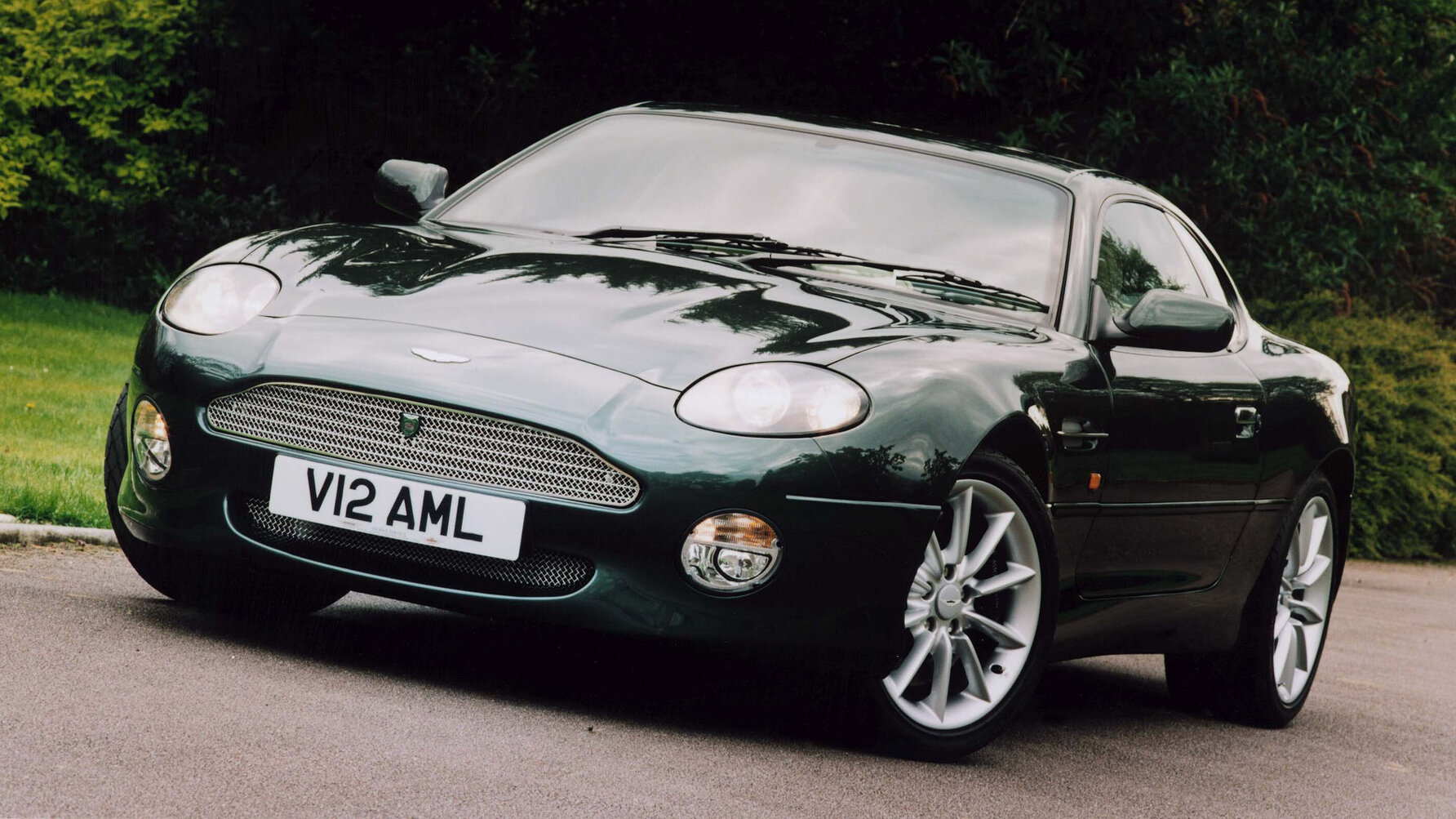
From 1994, Aston Martin's sales numbers took off like a rocket following the arrival of the DB7. It was the car that saved Aston Martin. But the 1999 V12 Vantage was the car that saved the DB7.
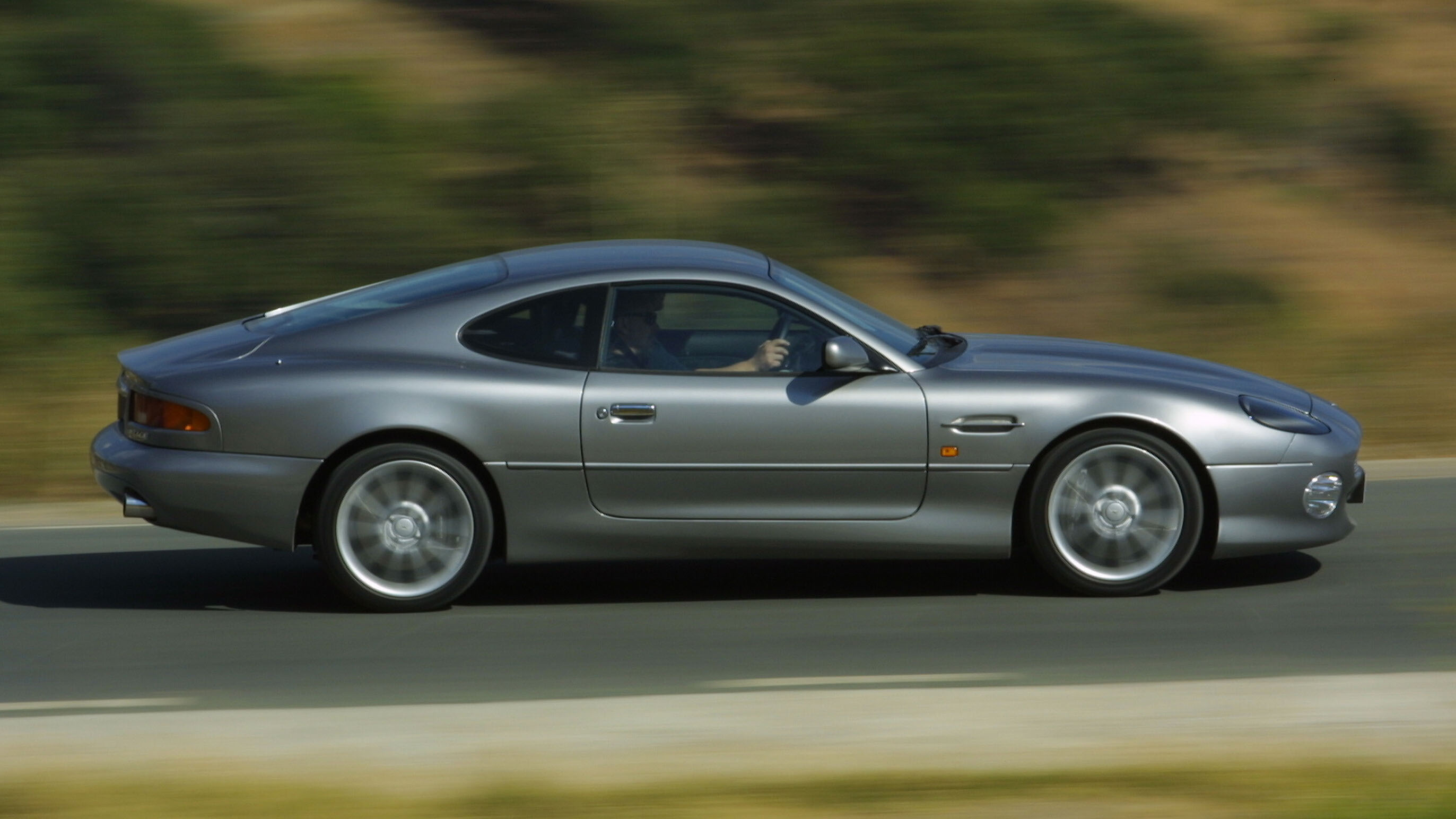
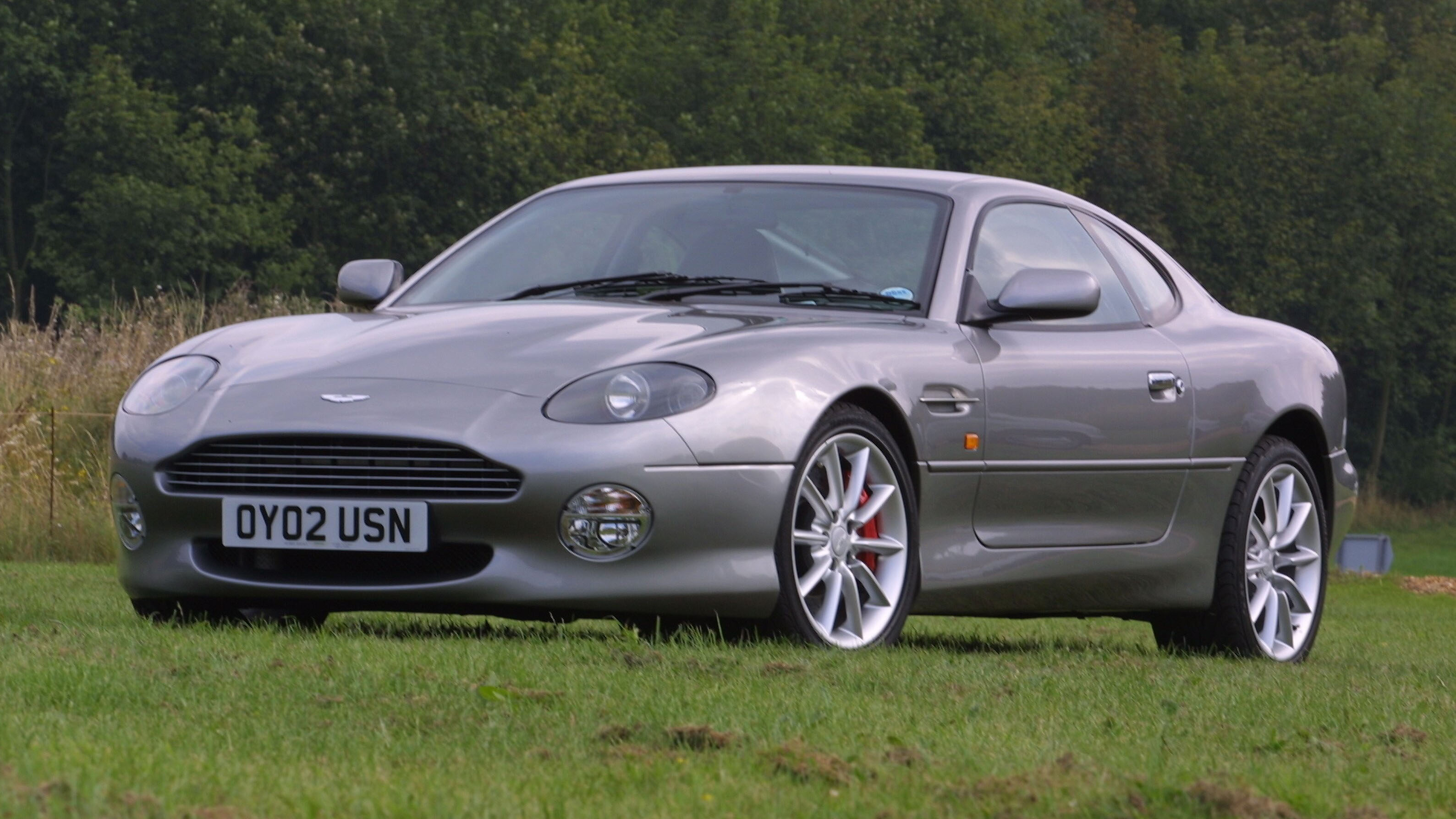
See, the DB7 had a convoluted origin. It was initially designed at Jaguar as a rebodied successor tor the XJ-S. Then it was given a free transfer to another part of the Ford empire, Aston Martin. So it was redesigned, and Jaguar's straight-six engine got a supercharger. But the underpinnings were only modified from the XJ-S, not completely new. That left the DB7 with a cramped cabin and nautical cornering. No question, what carried the day was Ian Callum's unfeasibly suave coachwork.
The V12 Vantage version certainly was a step in ambition. It's a trope that this engine was two Mondeo V6s. Well, er, it did use the design of combustion chamber and valvegear of that Ford-Jaguar engine, because they worked. But the V12 was engineered by Ford's racing division, and its block and heads were all-new, cast at Cosworth. The result was a 6.0-litre, red-lined at 7,000rpm, that made 420bhp and 400lb ft.
To its credit Aston Martin also gave the DB7 a thorough go-over underneath. The floor was strengthened in the centre, and new bracings added front and rear. Suspension geometry was changed, the wheels enlarged, brakes and springs made more stern.
In reality-TV terms, this car had 'been on a journey'. As sometimes happens with British sports cars, the clumsy outside-chance went all the way to the final. It's terrifically satisfying. Not a hardcore muscle machine, but as smooth and elegant to drive as it still is to look at. Age has been sooo kind to this shape.
In later Astons, the V12 found a more aggressive voice. But here it's civilised. You wouldn't be winding down the windows to hear the echoes of exhaust explosions firing back off walls. It's a soft but complex baritone, with a stirring rise in pitch as it gathers revs. Gentlemanly. How Astons used to be in the 1960s.
It's quick mind. The gears are long, so it doesn't catapult away when you leave a village. They quoted the 0-62 time as 5.0 seconds; not so scorching. But for overtaking, it deploys a magnificent deep-lunged surge. This is an 1,800kg car, a lot for its era, but uphills are no bother. Autobahn performance is serious: it tops out at 185mph. Or 165 for the Volante. Yes, it was made as a convertible too.
Under the centre tunnel is an actual six-speed manual. The lever has a long travel so you need to concentrate, but time things right and smooth shifts are far more rewarding than an auto can ever be. Still, if you don't fancy the effort an auto was an option, a five-speeder with steering-wheel over-ride buttons, called Touchtronic.
The suspension is supple by today's standards, yet it stays precise in corners, with a neat balance and plenty of damping control over big undulations. The relatively soft setup means lots of traction so it seldom bothers the TC. It avoids tramlining too. You could sense it was honed in the British midlands.
But the steering is short of feel. It's precise and well-weighted but numb. I say this after re-reading my test from 1999. That of course is just how most 2026 power steering setups are, so I don't suppose it'd be an issue by today's standards. Anyway, the DB7 is mercifully slim-hipped by modern measures so it's easy to trace down backroads or city streets.
Get all the latest news, reviews and exclusives, direct to your inbox.
That was Aston's mission really. The DB7 V12 had a lovely absorptive gait over sharp bumps and ridges, terrific stability and always at your beck and call that deep-lunged engine… you could keep on rolling for hundreds of miles.
Well, Aston's leatherwork is up there with a Savile Row cobbler's. The wood trim is high-end too – or by option carbon fibre or aluminium. The basic trim materials in here are a delight. Seats are electric, and when new it came with that period essential, a CD autochanger. That'll likely have been swapped out on any car you see these days.
Back in the 1990s every tester loved to have a pop at the Ford switches and stalks. But Ford doesn't use them any more, so they look more distinct today than they did then. Most importantly, they actually work – and if they don't, well spares are easy and cheap. Although the air-con has a troublesome reputation.
If the DB7's slim body – a legacy of its mid-1970s Jaguar XJ-S backstory – helps it feel lithe in tight roads, it also puts the cramps on the cabin. Tight footwells, flat seat cushions and limited headroom mean tall people should try before they buy, and accept there'll be little space for coffee cups and devices.
Buyers of classic Aston Martins can be crazily diarrhoeal with their capital. The Virage that preceded the DB7 was pretty lousy to drive, but its Vantage version is priced deep into six figures.
Because it was built in bigger numbers the DB7 V12 Vantage is a bargain. Yup, that's the vagary of the market: it's worth less because it was a success. Anyway, there's a good choice of Coupes either side of £30,000 and the less cared-for or leggier examples are much less.
Although the engines are essentially tough, the rest of the car has potentially astronomic maintenance costs especially if sketchily maintained. So it's wise to buy near the top. The convertible Volante isn't much different in price, but then its roof didn't fold flush with the bodywork, and this lovely car doesn't need a carbuncle.
Late in the Vantage's life there was a GT version, with slightly more power, but more significant a lower final drive. Know it by the mesh grille.
Oh, and what we said about build numbers… Zagato did a run of 99 fully approved rebodied cars, and they're 10 times the price.
Despite towering brand equity, it's a sad fact that only about one new Aston in five hits the bullseye. Well, the DB7 V12 Vantage was absolutely one of those 20 per centers. Superb engine, epic performance, fine handling and ride – here was substance to back up the gorgeous style.
Get all the latest news, reviews and exclusives, direct to your inbox.
