

BYD
1.5 DM-i Design 5dr Auto
£32,825
Affordably priced, efficient hybrid powertrain, spacious cabin
Not the most refined, tech not brilliant, interior feels cheap in places
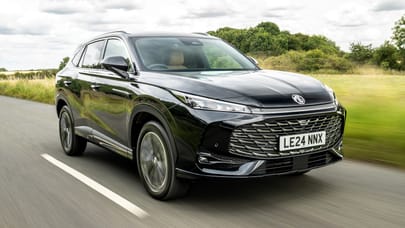
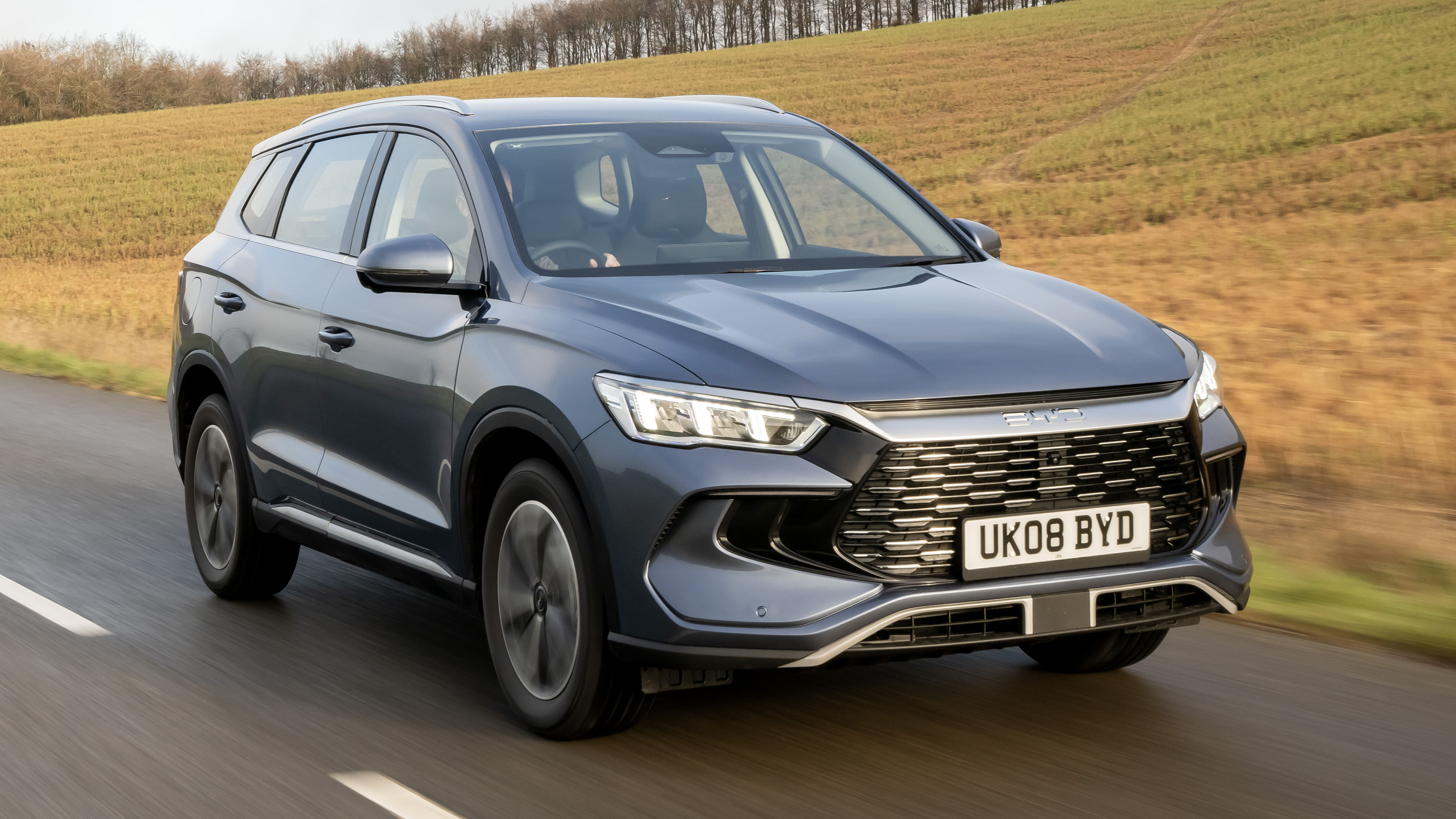
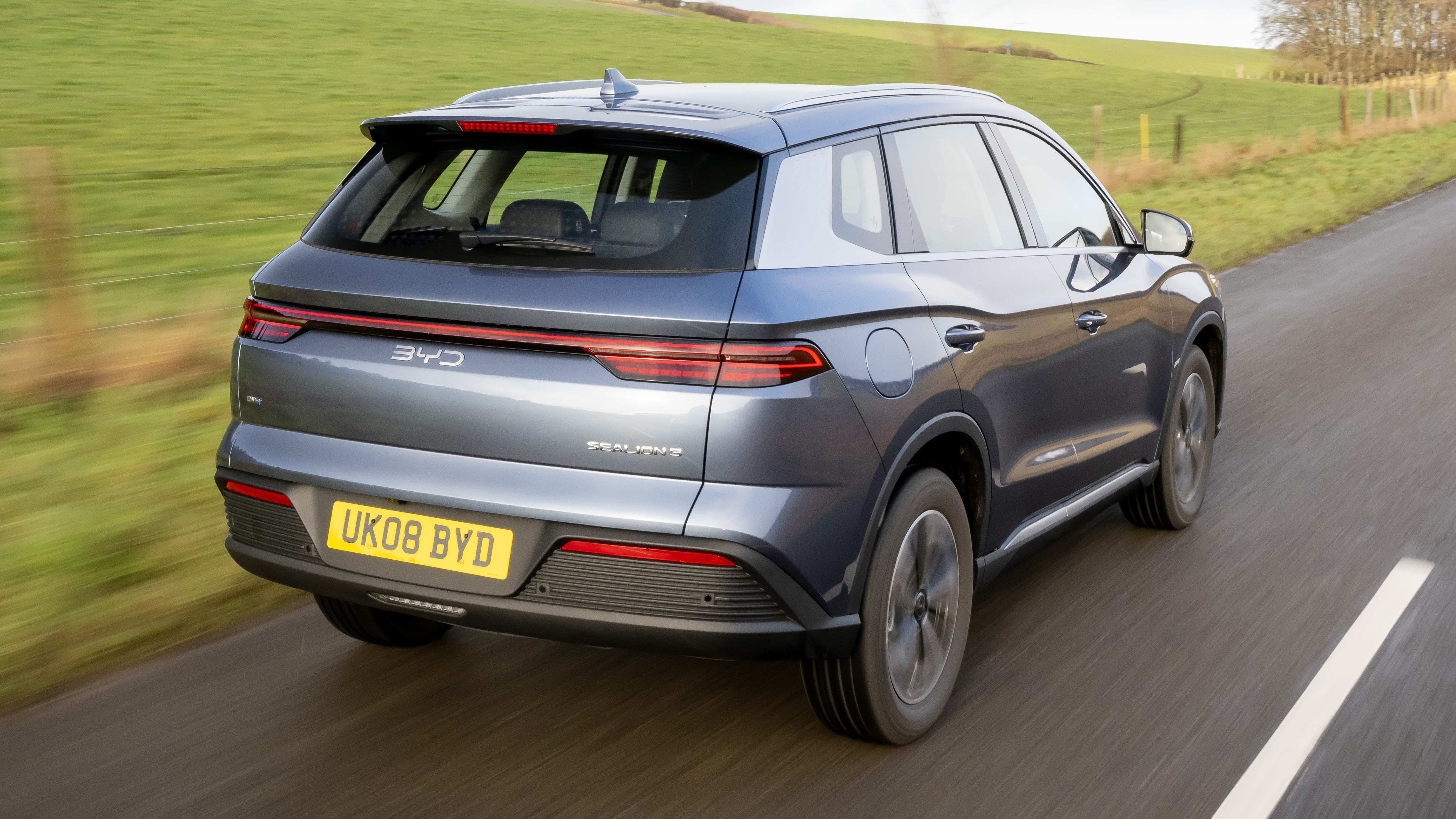
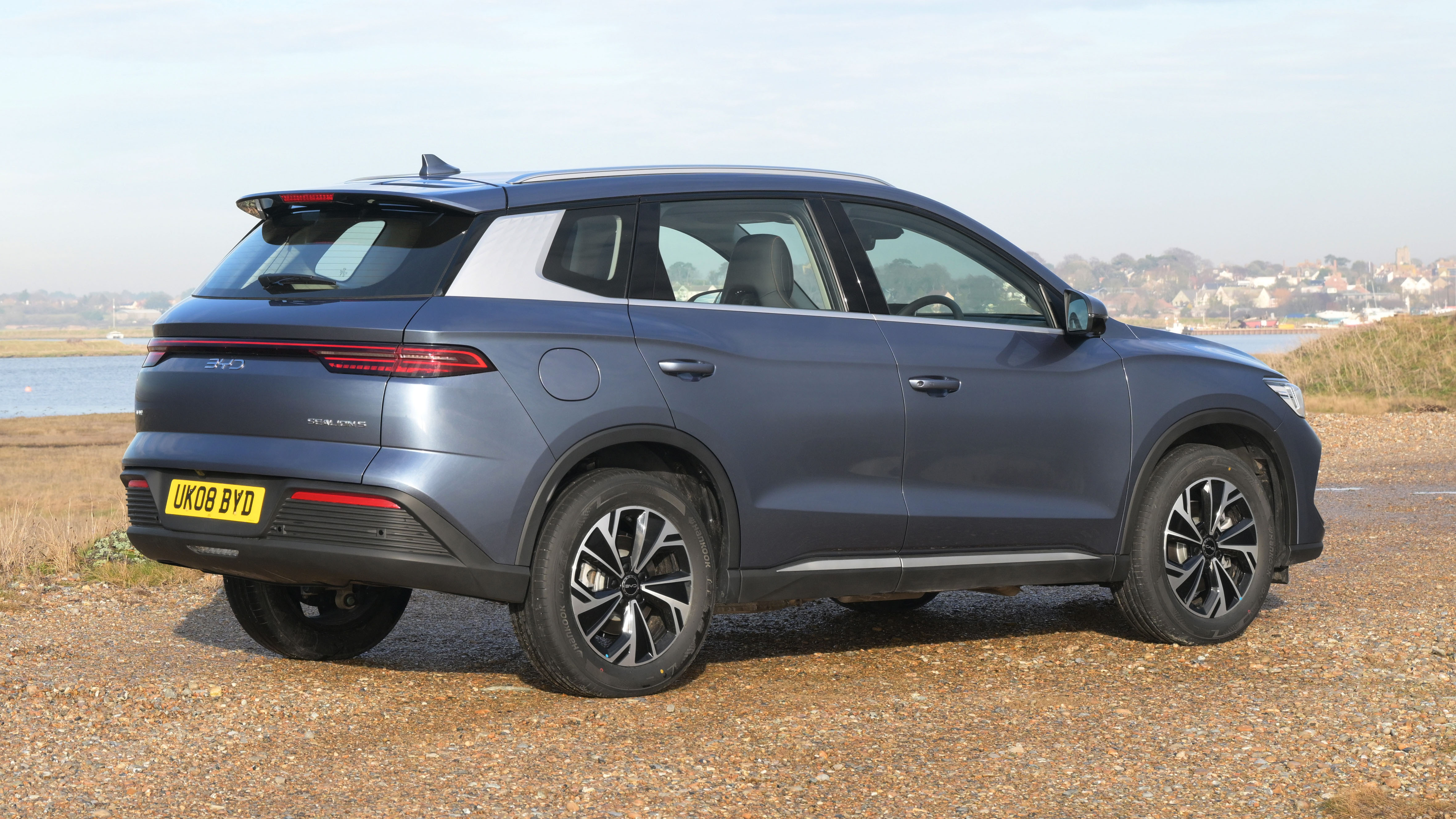
An innocuous looking plug-in hybrid family SUV from Chinese firm BYD. Unless you’ve been living under a rock, you’ll know it well (ish) by now as the biggest electric carmaker in the world. In your face, Elon.
It’s also not to confused with the Sealion 7, which is an electric crossover-coupe that goes by almost the same name thanks to BYD’s confusing nomenclature (the 7 was BYD’s seventh in its European range, though the fifth in Britain, while the 5 is the carmaker’s fourth PHEV and ninth on our shores. Best not to ask).
Is it just us that thinks the front panel gap makes it look as though the bonnet is permanently open though? Sorry not sorry if you can't unsee that now.
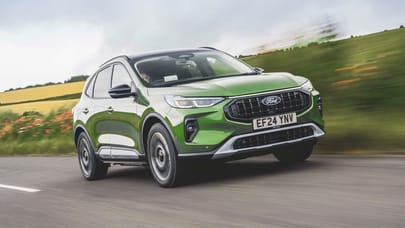
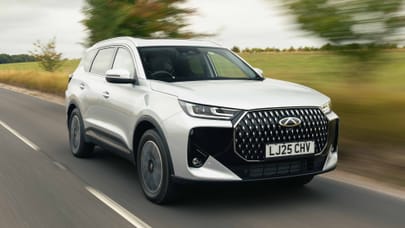
Anyway. It goes up against rivals including the well-established Ford Kuga, Kia Sportage, Hyundai Tucson, MG HS and Nissan Qashqai, as well as newcomers including the Chery Tiggo 7 and Geely Starray EM-i.
Yep. You’ve two configurations to choose between, though both get a 1.5-litre 4cyl engine paired to an electric motor for a combined 209bhp, though entry Comfort models get a 13kWh battery for up to 39 miles of electric range, and upper Design versions get an 18kWh battery for up to 53 miles of e-range.
The electric motor generates 194bhp alone, which means that it takes on most of the responsibility of driving the wheels, with the engine predominantly there to keep the battery topped up (though it can drive the wheels when called upon). It’s a pretty smooth system, and it feels much like a full EV most of the time.
Just without the range anxiety, naturally. BYD claims a whopping WLTP combined range of up to 631 miles, and we found it extremely efficient real world too. Both batteries max out at a snail's pace 3.3kW AC charging – no fast charging here – with the smaller unit taking four and a half hours to charge on a home wallbox, and the latter six.
Fairly ordinary. Which is a backhanded way of saying nothing special. There’s vegan leather throughout, an 8.8in driver display and 12.8in touchscreen, and some decorative stitching, but some cheap feeling materials and hard plastics take off some of the gloss. And it’s quite dark in here too.
The screens themselves aren’t brilliant either, with the driver display not the easiest to read and the central unit far from the simplest to operate – not great when most controls, including adjusting the cabin temperature, switching on the heated seats, and turning off the driver assist systems, require using it.
Still, it’s otherwise reasonably spacious, and though we found the front seats weren’t the most supportive, backseat passengers shouldn’t struggle for head or legroom, unlike in its Seal 6 sibling.
This is the biggie. The BYD Sealion 5 starts from £29,995 with the smaller battery, or £32,995 with the bigger battery. This is a plug-in hybrid don’t forget.
Indeed, it undercuts pretty much all its rivals – only the Chery Tiggo 7 Super Hybrid, Geely Starray EM-i and MG HS PHEV come close.
That’s not to be made light of - elsewhere you’re looking at thousands of pounds extra for a PHEV and the potential for low-cost running that comes with it.
The Sealion 5 won’t win you over with its looks, nor the way it goes down a road, nor for any particular standout feature. But to anyone that doesn’t really care about all that, this is a harmless, relatively spacious family SUV with, above all else, a highly appealing price tag.
Sure, the cost cutting shows in places (particularly in the cabin). The driver monitoring system will get on your nerves, but far less so than some other models. And it isn’t fun. But with its aggressive pricing, BYD will undoubtedly get lots of attention from people who can put up with its flaws.
Get all the latest news, reviews and exclusives, direct to your inbox.